REVIEW · SA PA
Sapa small groupe activities: 1 Day trek – Meet the locals
Book on GetYourGuide →Operated by Real Vietnam Travel Company · Bookable on GetYourGuide
A good day in Sapa starts with footsteps and views. This small-group trek hits ethnic minority villages and walkable trails with classic rice terraces, plus time to meet people and learn their daily rhythms. The main catch is the 3–4 hour walk over hilly paths, so you’ll want decent shoes and moderate fitness.
I like that the tour is built for real interaction, not just passing by houses. You’ll visit Laochai, home to the Black Hmong, known for indigo handicraft, and you’ll keep moving through other hill-tribe villages before ending back in Sapa. One drawback to consider: it’s active, and some sections include suspension bridges, so it’s not the easiest outing for anyone who hates heights.
If you care about a guide who can explain what you’re seeing, this one has strong proof in the reviews. Multiple people praised an English-speaking guide named My, including how she contacted in advance and made the timing clear. You should still bring a phone with WhatsApp and be ready for an 8h30 start.
In This Review
- Key moments on the 1-Day Trek – Meet the Locals in Sapa
- Sapa pickup at 8h30: how the day starts and where you meet
- Laochai Black Hmong village: indigo craft and real village conversation
- Rice terrace views and the morning hike you can feel in your legs
- Lunch on a river bank: included, simple, and timed for energy
- Tavan village and suspension bridges: where the afternoon gets adventurous
- Price and value: what $33 buys (and what can add up)
- Guide quality: the difference between seeing and understanding
- What to pack and what to avoid on this trek
- Who should book this Sapa locals trek—and who might skip it
- Should you book this Meet the Locals trek from Sapa?
- FAQ
- What time is pickup?
- Where is the meeting point if I’m not picked up from my hotel?
- How long do I walk and what fitness level do I need?
- What’s included in the $33 price?
- Which villages do you visit?
- What should I bring and what’s not allowed?
Key moments on the 1-Day Trek – Meet the Locals in Sapa
- 8h30 pickup from Sapa Town hotels or the Vietnam Nomadtrails office on Tue Tinh Street
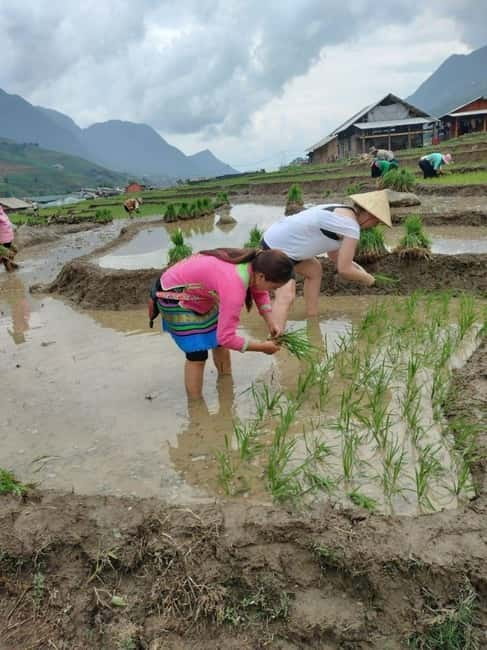
- Laochai village (Black Hmong) and time to meet people tied to indigo crafts
- Valley viewpoints over lush green rice terraces during the morning hike
- Lunch on a river bank, included in the price, then a second half of village walking
- Suspension bridges and more hill-tribe village stops before you return to Sapa
- English speaking guide (and guides you can ask for, like My, based on past experiences)
Sapa pickup at 8h30: how the day starts and where you meet
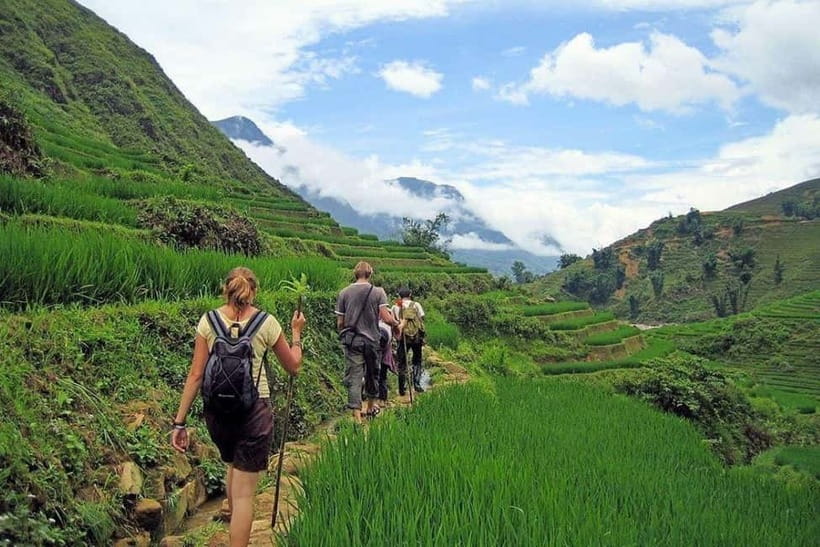
This tour runs as a full one-day loop: pickup, walking, village visits, lunch, then you’re back in Sapa. You’ll either be collected from your hotel in Sapa Town or meet at the Vietnam Nomadtrails office at No 13 Tue Tinh street, Sapa. The schedule lists 8h30 for pickup, and you should arrive about 15 minutes early to avoid rushing your morning.
If you prefer knowing the logistics ahead of time, you’ll be glad they ask for details like your hotel address and a WhatsApp-ready phone number. That matters here because the start time is fixed and the pickup point is clearly defined.
A quick practical note: you’re doing this for the walking and the village visits, not a slow scenic cruise. So treat the morning like the warm-up and plan to wear clothes you can move in.
You can also read our reviews of more tours and experiences in Sa Pa.

Laochai Black Hmong village: indigo craft and real village conversation
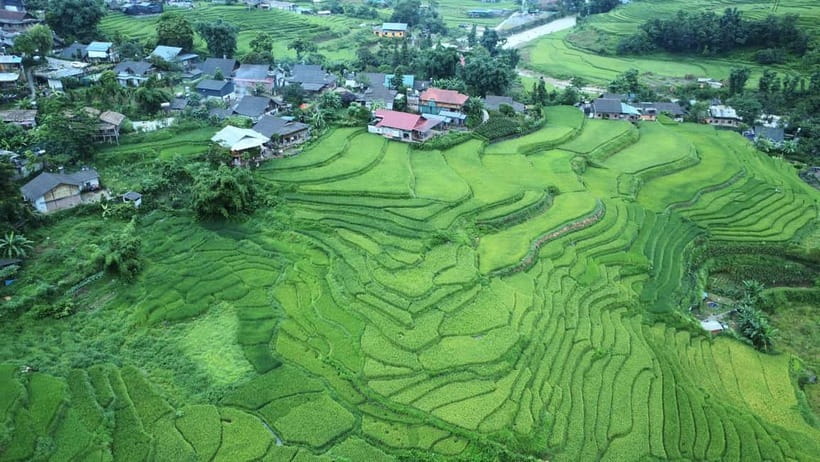
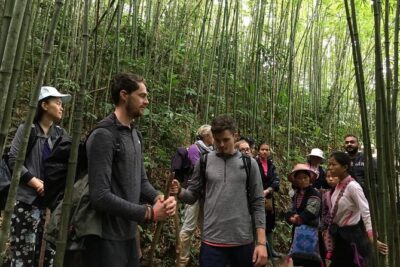
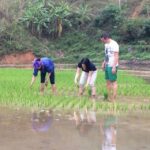
The morning hike brings you to Laochai village, where the Black Hmong live. This is one of the tour’s core reasons to book: you’re not just photographing a view, you’re meeting people and learning what daily life looks like in a village setting.
Laochai is specifically described as a place famous for indigo handicraft, which is a great hook for understanding local skills beyond the tourist highlights. The goal isn’t a lecture—it’s interaction, so you’ll get more from it if you’re comfortable asking basic questions (even with simple English and gestures).
The way this part of the day is framed also makes a difference for your experience. You’re given time to connect before the rest of the afternoon movement, so the village visit doesn’t feel rushed or like a stop-and-go photo line.
Rice terrace views and the morning hike you can feel in your legs
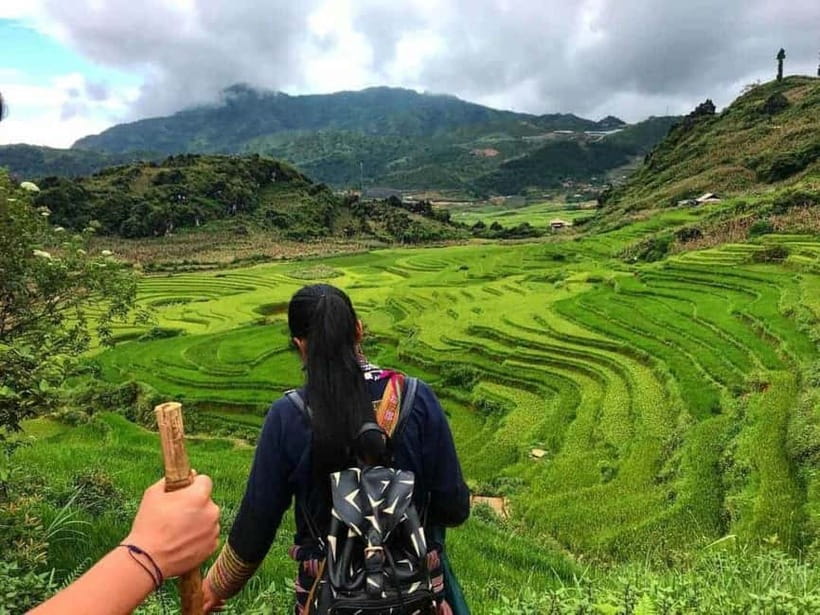
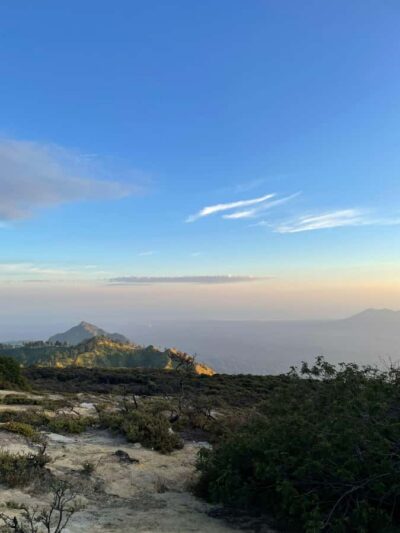
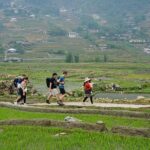
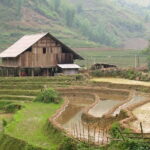
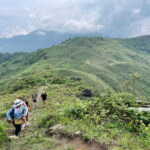
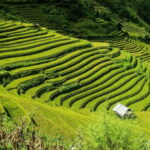
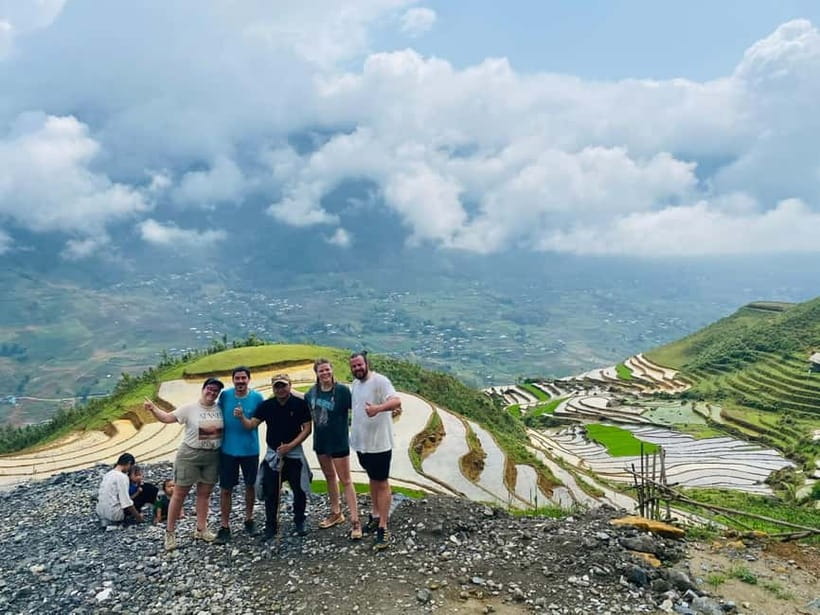
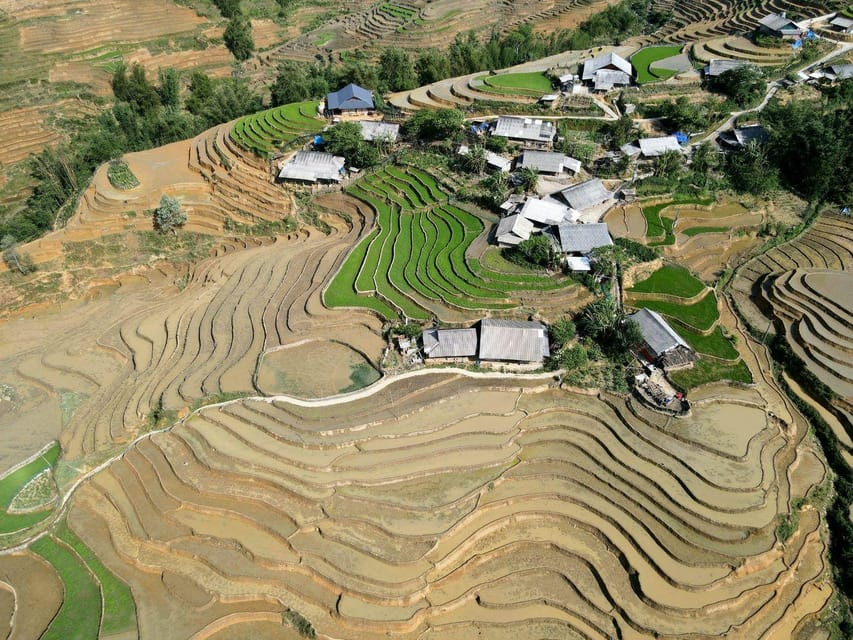
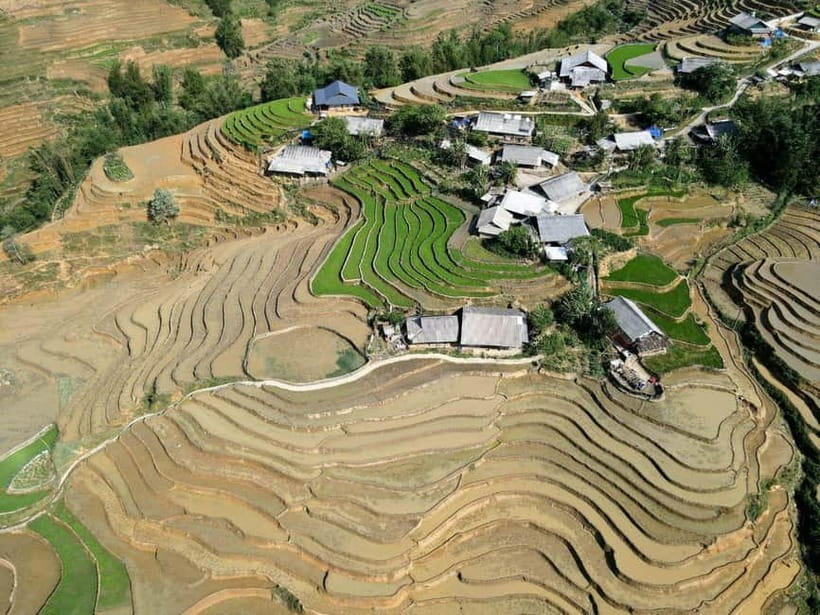
After pickup, the trekking route leads you along trails with big valley views. You’ll hike past lush green rice terraces, with mountains, forests, and terraced fields described as part of the scenery.
What to expect from the walking: the tour includes a 3–4 hour walk total, and that time is spread across the day’s active sections. The information doesn’t promise flat ground, and the presence of suspension bridges later in the day is your hint that the paths will be uneven.
This is one of those Sapa experiences where your effort pays you back quickly. Even if you’re not chasing fitness PRs, you’ll feel the climb, then you’ll earn the payoff when the trail opens up to valley panoramas.
Bring sports shoes (comfortable, grippy soles). If you show up in fashion sneakers, the trail will remind you you’re in the mountains.
Lunch on a river bank: included, simple, and timed for energy
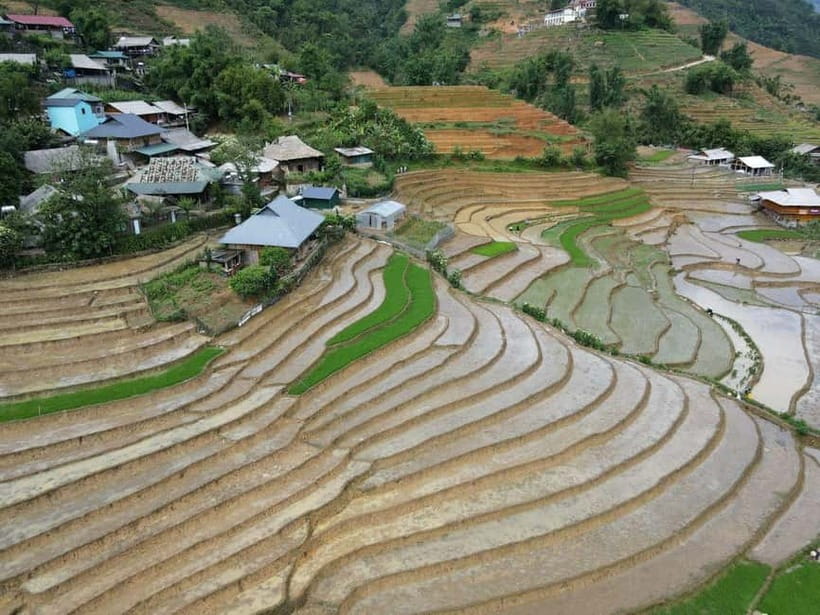
Lunch is included and served at a local restaurant on a nice river bank. This is a smart setup for a one-day trek because it breaks the day at the right point—after the first village visit, before you keep walking again.
The menu isn’t described in the details you provided, so don’t expect a specific dish list. But you can expect the lunch to be practical: something that works for trekkers and doesn’t kill your energy before the afternoon.
I’d treat lunch as your mid-day reset. Hydrate, eat, and take a short breather before continuing. The tour provides water (1 liter per person), but you’ll still want to sip steadily during the hike so the second half feels easier.
Tavan village and suspension bridges: where the afternoon gets adventurous
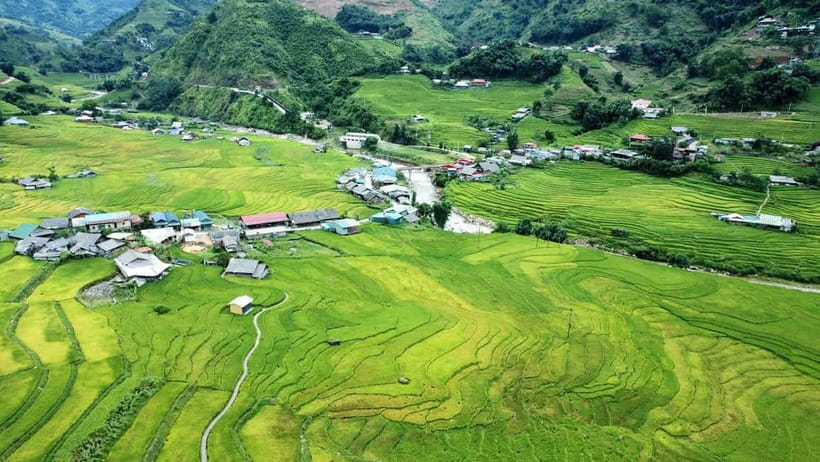
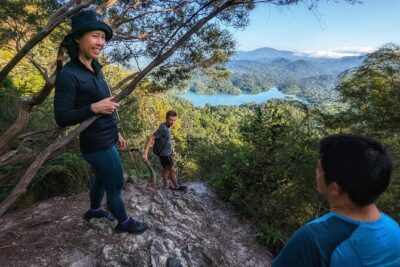
After lunch, the tour continues through additional hill-tribe villages. You’ll keep hiking through different communities, and you’ll also cross some suspension bridges before arriving in Tavan village.
This is where the experience starts to feel more adventurous, not just scenic. Bridges add that extra mental focus—watch your footing, move calmly, and don’t rush. If you’re okay with a little sway, you’ll probably enjoy the change of pace because it breaks up long stretches of trail.
The arrival in Tavan village adds another layer to the day: you’re exploring different ways of living and colorful cultures. Just remember, the emphasis here is on meeting people and observing daily life, not turning the villages into a theme park.
Then the loop closes with the return trip back to Sapa by minivan/car.



Price and value: what $33 buys (and what can add up)
The listed price is $33 per person, which is pretty strong value for a guide-led day in this region. Here’s what you get that directly affects the quality of the day:
- English speaking guide
- Lunch
- Entrance fee
- Water (1 liter per person)
- Transport from the village back to Sapa
What’s not included is also important to understand. You’re responsible for personal expenses and insurance, and alcohol is not allowed on the trip. If you need a souvenir fund, snacks beyond lunch, or anything like that, budget separately.
Two possible add-ons are worth noting:
- A Lunar New Year surcharge (from 9 Feb to 14 Feb 2024): 20 US$ per person, paid at the meeting point.
- A French speaking guide surcharge: 12 US$ per person, paid at the meeting point.
If you’re traveling outside those windows and you’re fine with English, the value looks clean: you’re paying for guidance, routing, meals, key entry items, and part of the transport.
Guide quality: the difference between seeing and understanding
In your guide, you’re really buying two things: direction and explanation. The trip includes an English speaking guide, and the reviews you provided give you a clear clue about what that can feel like on the ground.
People highlighted an English guide named My as amazing, with one person specifically saying she contacted them before the tour to confirm time clearly. Others praised the views and lunch, but the strongest theme was learning about local culture and visiting local houses.
That matters because village treks can become superficial if your guide can’t translate context. With a solid guide, you’ll spend the day making sense of what you see—how people live, why certain crafts are important, and what daily routines look like in village life.
If My is available, it’s reasonable to request her when you book (based on the feedback shared). At the very least, you can set expectations: bring curiosity, ask questions, and don’t be shy about simple conversations.
What to pack and what to avoid on this trek
This tour is straightforward about gear. Wear comfortable clothes and sports shoes designed for walking. The itinerary involves a few hours on foot, uneven terrain, and at least some suspension bridges, so you want shoes you can trust.
Also plan your day around the rules: no alcohol and no drugs are allowed. It’s less about being fussy and more about keeping everyone safe and comfortable while walking.
A couple extra practical points from the trip info:
- You’ll need to provide a WhatsApp-capable phone number.
- You should share your hotel address in Sapa if pickup is from your hotel.
- It’s not suitable for babies under 1 year.
Who should book this Sapa locals trek—and who might skip it

This is a good match if you want a classic Sapa experience without a full-on multi-day trek. The day is built around meeting people in places like Laochai (Black Hmong) and Tavan, plus walking between villages through mountain trails and terraced views.
You’ll also like it if you care about culture learning, not just scenery. The tour is specifically framed around discovering the cultures of ethnic minorities, and the included lunch plus guide explanation help make the day feel more connected.
You might reconsider if:
- You don’t handle hills well or you’re avoiding longer walking days.
- Suspension bridges make you uncomfortable.
- You’re looking for a totally relaxed, minimal-footsteps tour.
Should you book this Meet the Locals trek from Sapa?
Yes, if you want an active but manageable day that mixes village visits, rice terrace viewpoints, and an English guide who can explain what you’re seeing. For the price, $33 works best when you’re comfortable with moderate walking and you value interaction over comfort-only touring.
If you’re the type who likes to ask questions, take your time at houses and community spots, and actually learn rather than just photograph, this trek fits nicely. But if your idea of a great Sapa day is a slow sit-down scenic plan, the 3–4 hour walking portion and bridges may feel like too much.
If you book, do the simple things that make it better: wear grippy shoes, hydrate, and show up at the meeting point early so the day starts calm.
FAQ
What time is pickup?
Pickup is listed for 8h30. Be at the meeting location about 15 minutes early if you’re meeting there.
Where is the meeting point if I’m not picked up from my hotel?
The meeting point is No 13 Tue Tinh street, Sapa (Vietnam Nomadtrails). Your tour information also notes pickup from hotels in Sapa Town.
How long do I walk and what fitness level do I need?
This trip includes a 3–4 hour walk, so a moderate fitness level is required.
What’s included in the $33 price?
Included are an English speaking guide, lunch, entrance fee, water (1 liter per person), and transport from the village back to Sapa.
Which villages do you visit?
You hike to Laochai village (Black Hmong) and later to Tavan village, plus you also pass through different hill-tribe villages during the afternoon.
What should I bring and what’s not allowed?
Bring comfortable clothes and sports shoes. Alcohol and drugs are not allowed.