REVIEW · ATLAS MOUNTAINS
Mt Toubkal Ascent Express Trek 2 Days 1 Nights
Book on GetYourGuide →Operated by Marrakech Day Trips - Tours · Bookable on GetYourGuide
Toubkal turns Marrakech into mountain math. This 2-day trek has you heading from the city toward Imlil and then climbing to North Africa’s highest point, with early-morning sunrise from the summit as the big payoff. I like that the route is built for steady trekking at your own pace, not technical climbing, and that your local guide work makes the day feel doable even when altitude bites.
Two things I especially like: you get Berber hospitality along the way (tea, meals, and the human side of mountain life), and the group is kept small, up to 14 people, so you’re not just a number in a long line. One consideration: the second day is long and cold in winter, and if weather turns, you might not reach the top even when you’re ready.
In This Review
- Key highlights worth writing home about
- Why Mount Toubkal feels like a real adventure (not a demo hike)
- Marrakech to Imlil Valley: the day that quietly trains your legs
- Day 1: from Aït Mizane to Sidi Chamarouch (culture stop with real views)
- Toubkal Refuge night at 3,207m: the basic sleep that builds your summit morning
- Summit day: reaching 4,167m for sunrise, snow, and that long grind back down
- Meals, Berber hospitality, and why food matters more than you think
- Gear and rentals in Imlil: what you should bring versus rent
- Guides and group pace: small groups, big safety energy
- Price and value: why $147 can be a bargain for the right person
- Who this trek suits best (and who should skip it)
- Should you book the Mt Toubkal Ascent Express Trek?
- FAQ
- Is the Mount Toubkal summit reached at sunrise?
- How long is the hiking each day?
- What is included in the price?
- Do I need to bring a sleeping bag and crampons?
- Are there extra costs for a mule?
- What languages are the guides able to work in?
Key highlights worth writing home about
- Sunrise summit timing that puts the big views right where you’ll remember them most
- Small-group trekking (up to 14) with guides managing pace and safety
- Stays at the Toubkal refuge (~3,207m) with basic sleeping and real mountain conditions
- Sidi Chamarouch shrine + waterfall stop for culture and a scenic break
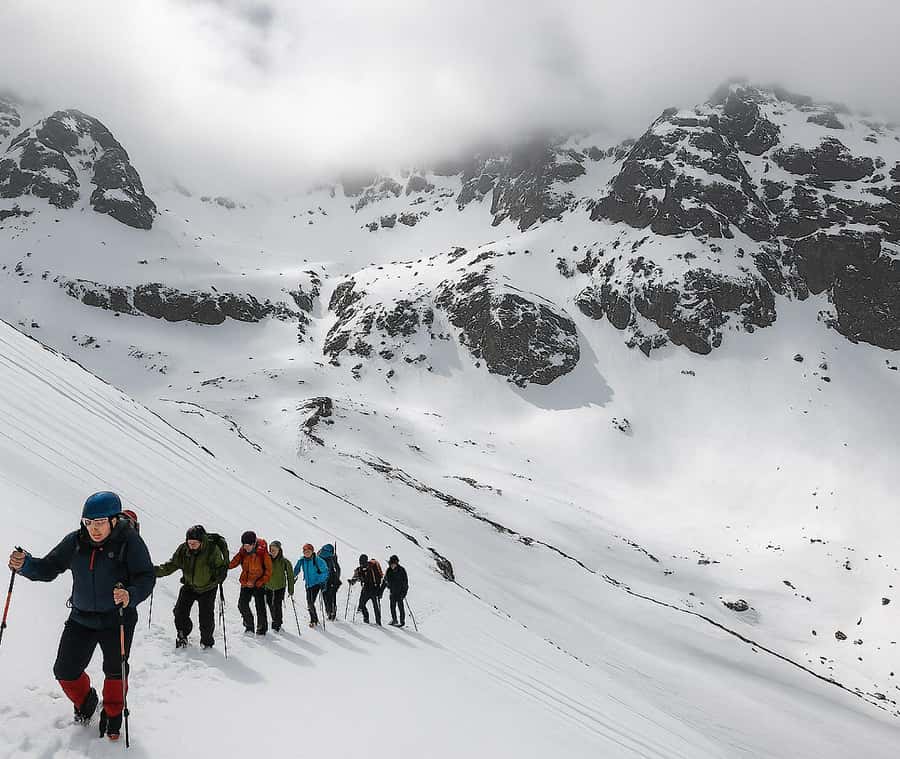
- Snow season reality (Nov–Apr) where crampons/ice axe can be part of the plan
- Guide-names you’ll hear repeated for care and motivation, including Omar, Mohamed, Mustafa, and Hassan
Why Mount Toubkal feels like a real adventure (not a demo hike)
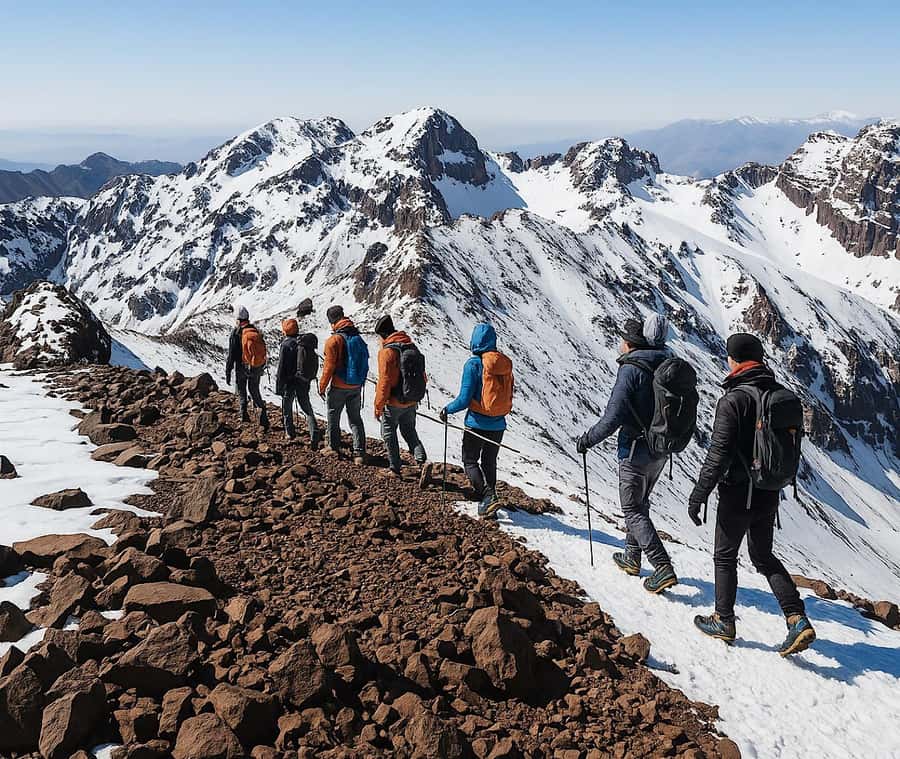
Mount Toubkal (4,167m) is one of those hikes that feels both famous and oddly personal. You start in the Marrakech region, then the terrain tightens from valley paths into high-altitude walking where your body pays attention. The express version keeps things efficient, but it doesn’t turn Toubkal into a shortcut.
Here’s what makes this trek stand out for me: it’s built around trekking rather than mountaineering bravado. The ascent is non-technical, with only easy scrambling and, in winter months, snow slopes that may require security gear. That means if you can handle a long hike, you can aim for the summit without needing to be a climber.
Also, the trek’s timing matters. Going early for sunrise turns the “summit photo moment” into an actual event: first light over the Atlas Mountains and the view stretching toward Marrakech’s plain, with Anti-Atlas and Sahara to the south.
Marrakech to Imlil Valley: the day that quietly trains your legs
You’ll get picked up from your hotel or riad in Marrakech and driven toward Imlil Valley, the usual launch point for Toubkal. The value here isn’t just convenience. That transfer helps you start walking without losing half the day to logistics, and it buys your body time to settle before the real climb.
On the walking side, the first day covers a serious chunk: roughly 5–6 hours on foot, climbing from about 1,740m toward the 3,207m refuge area. This isn’t the part where you sprint. It’s where you learn the trekking rhythm that will save you later—shorter steps, steady breathing, and not treating altitude like a video game.
You’ll also want to plan around mountain weather. Reviews include winter conditions like blizzards and deep snow that made later parts harder. So treat the first day as your warm-up, but also your early weather gauge.
Day 1: from Aït Mizane to Sidi Chamarouch (culture stop with real views)
After meeting the local team, you head into the Aït Mizane valley toward the village of Aremd, and then on to the sanctuary of Sidi Chamarouch. This section is interesting because it blends hiking with place. You’re not only walking through scenery; you’re moving through a living geography of villages, paths, and religious sites.
The shrine stop adds a mental breather. It’s a natural moment to slow down, take photos, and reset your effort before the steeper section to the refuge. And if you’re lucky with visibility, the Atlas views start showing themselves in layers—valley angles first, then higher angles as the day climbs.
There’s also a practical detail: this day still has meaningful elevation gain, so don’t mistake it for an easy stroll. It’s a trek day, not a warm-up walk around the block. Comfortable shoes matter early, not just on summit day.
Toubkal Refuge night at 3,207m: the basic sleep that builds your summit morning
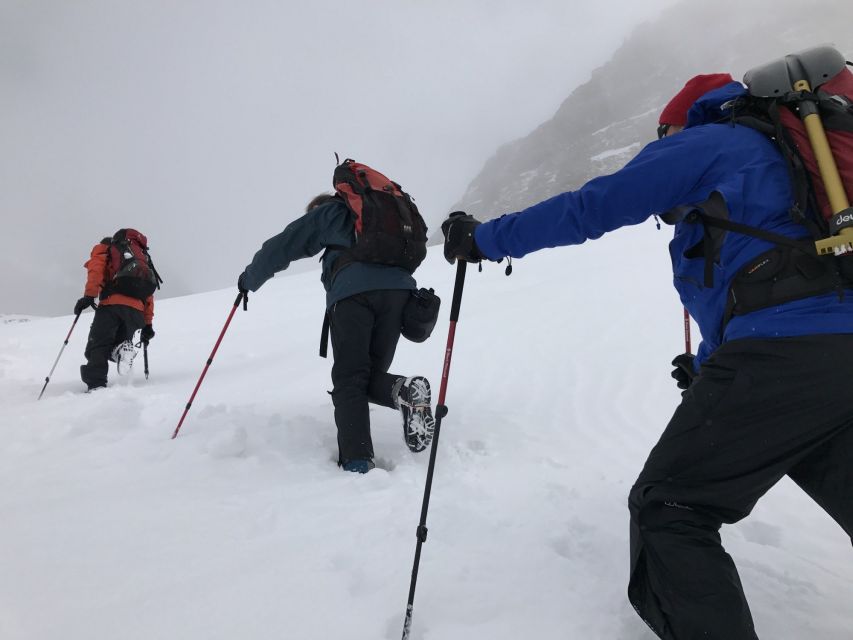
Reaching the refuge means you’ve already done your hard work for the first 12–18 hours of the trip. You’ll typically arrive after 5–6 hours of walking on day one, then you settle in for the night with included meals and tea/coffee.
About the accommodation: expect basic refuge dorm-style sleeping. Some groups report packed bunk rooms and limited sleep, and winter groups can find it chilly even when the refuge is doing its best. You should bring your own sleeping bag—the trek is explicit that you can rent one in Imlil, but that doesn’t remove the need for warmth.
This is also where the expedition becomes real in a different way. At around 3,207m, altitude starts to make simple tasks feel slower. You might not sleep deeply. That’s normal. What matters is that you follow your guide’s safety rhythm and don’t burn energy chatting, snacking, or wandering around after you should be resting.
Summit day: reaching 4,167m for sunrise, snow, and that long grind back down
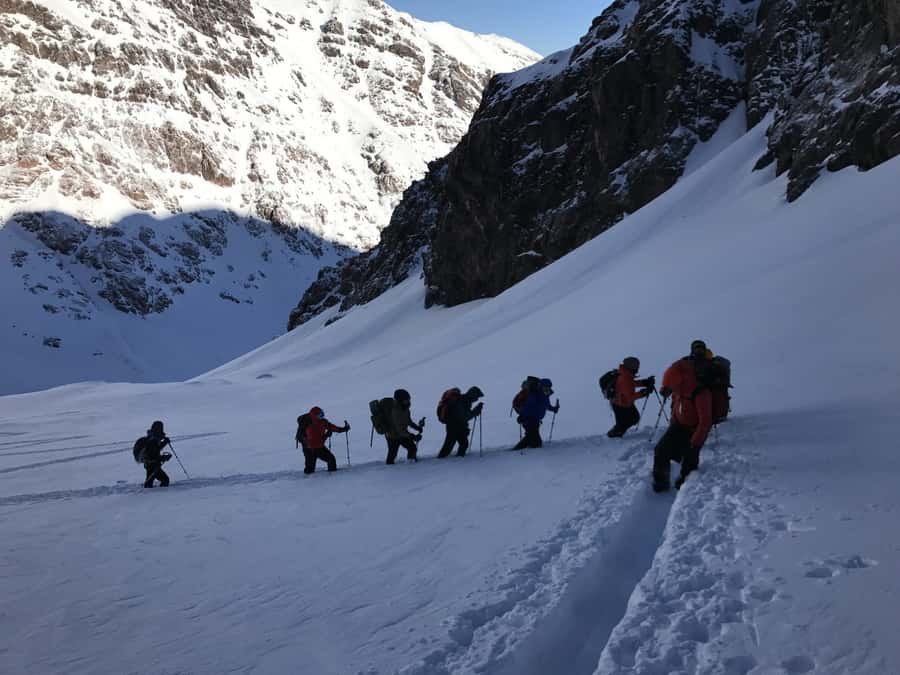
Your summit start is early, because the plan is to reach Jbel Toubkal’s peak (4,167m) for sunrise. The trekking itself is described as challenging but non-technical, with some easy scrambling and crossings of streams and rocky sections.
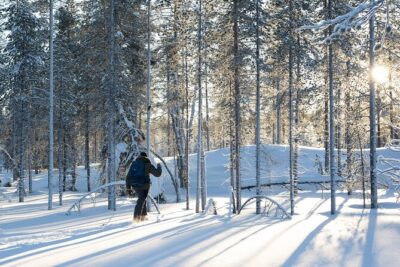
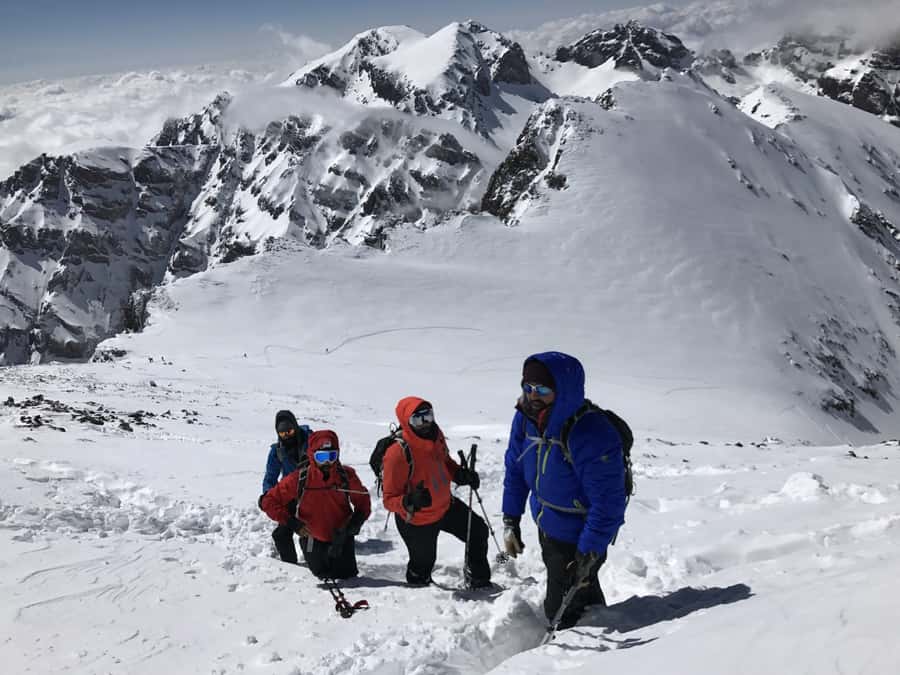
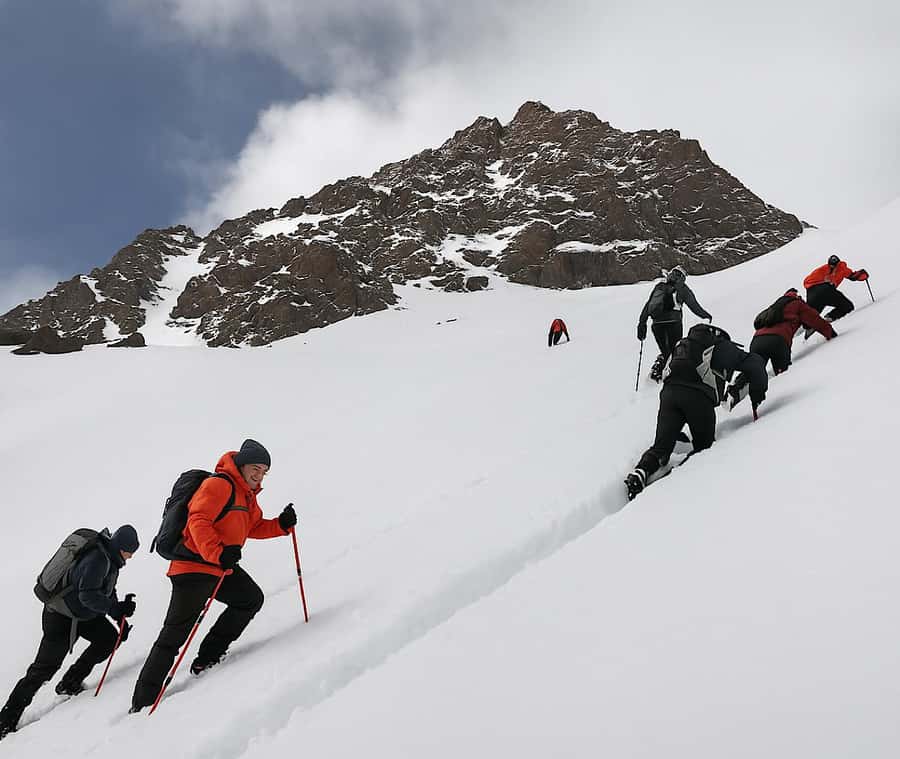
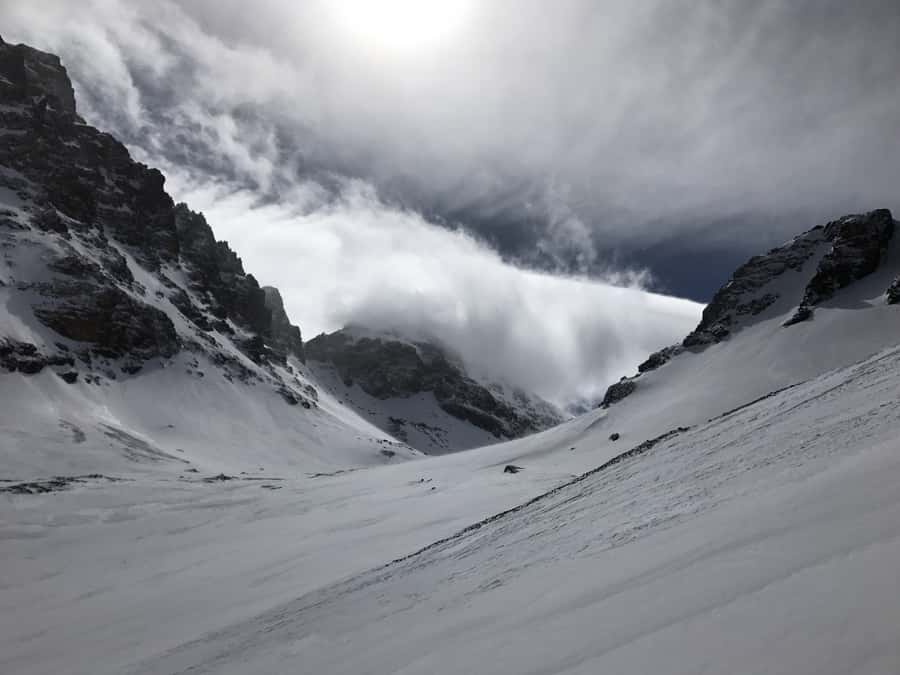
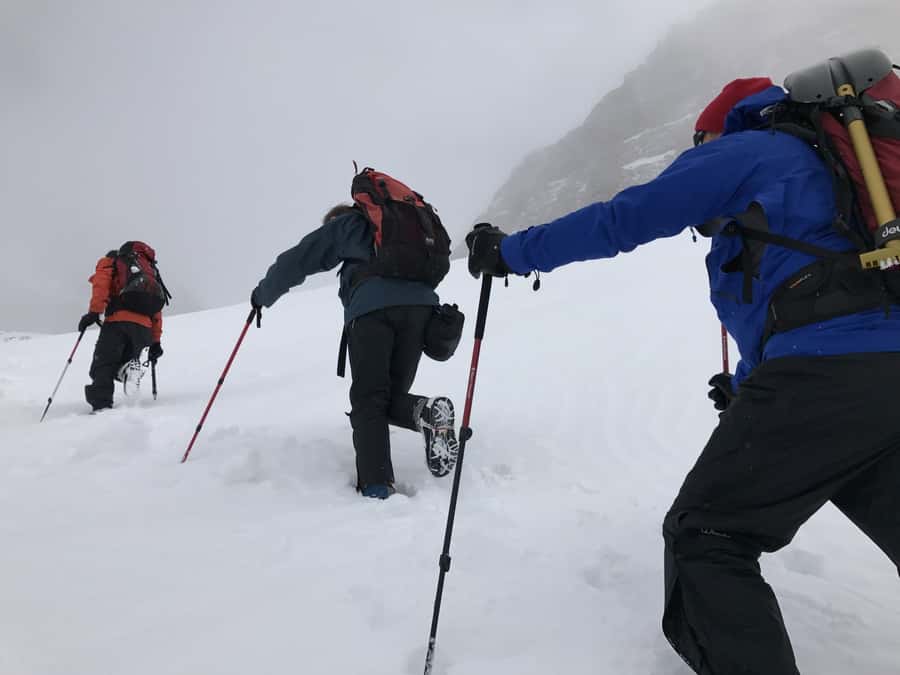
If you’re hiking in November to April, winter changes the feel of the top. The trek may involve crampons/ice axes for security, and some sections may include snow slopes. That doesn’t automatically mean mountaineering. It means you need to trust the gear and the route decisions your guide makes.
What you’ll get at the summit is the reason people do this trek at all: a sweep of mountain views with the plain of Marrakech and the wider Atlas in the north, and the Anti-Atlas and Sahara to the south. The best part is the timing. Sunrise adds a quick shift from cold darkness to bright, sharp edges on the horizon.
Now the part many first-timers underestimate: the day doesn’t end when you sign the summit checkbox. After sunrise and a break, you descend. The provided timing suggests the full day back toward Imlil can be around 10–12 hours total walking, including long downhill work.
Downhill is tough on your knees and ankles. Reviews also include cases where groups were not permitted to summit due to weather conditions. In those scenarios, you’re still doing a meaningful high-altitude trek, but you’ll have to accept the mountain’s rules.
Meals, Berber hospitality, and why food matters more than you think
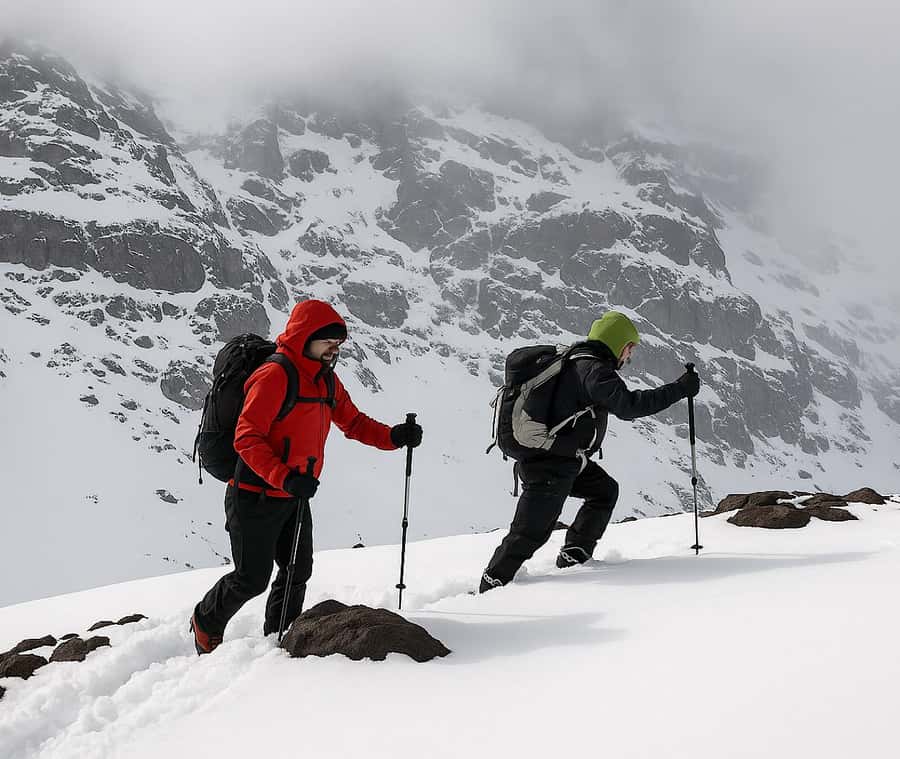
Included in this trek: meals as per the itinerary plus tea and coffee. In real life, that’s a bigger deal than it sounds. High altitude increases your energy needs, and cold reduces your appetite. Even if you eat normally at sea level, your body may ask for more here.
The good news: many guides are praised for food quality and organization. People talk about meals being fresh and more satisfying than expected, and some mention vegetarian meals being handled well. You can also expect to stop along the way to buy snacks or water, depending on conditions.
The balanced view: not every night or meal hits the same level in winter. One theme in feedback is that portions can feel tight for larger appetites, and snowier periods can limit supplies at the refuge. My advice: treat the included meals as a base layer, not your whole plan.
Bring extra high-calorie snacks (biscuits, nuts, chocolate, anything you’ll actually eat when you’re tired). Carry water even if you think you won’t drink much. Cold weather dehydration is sneaky.
Gear and rentals in Imlil: what you should bring versus rent
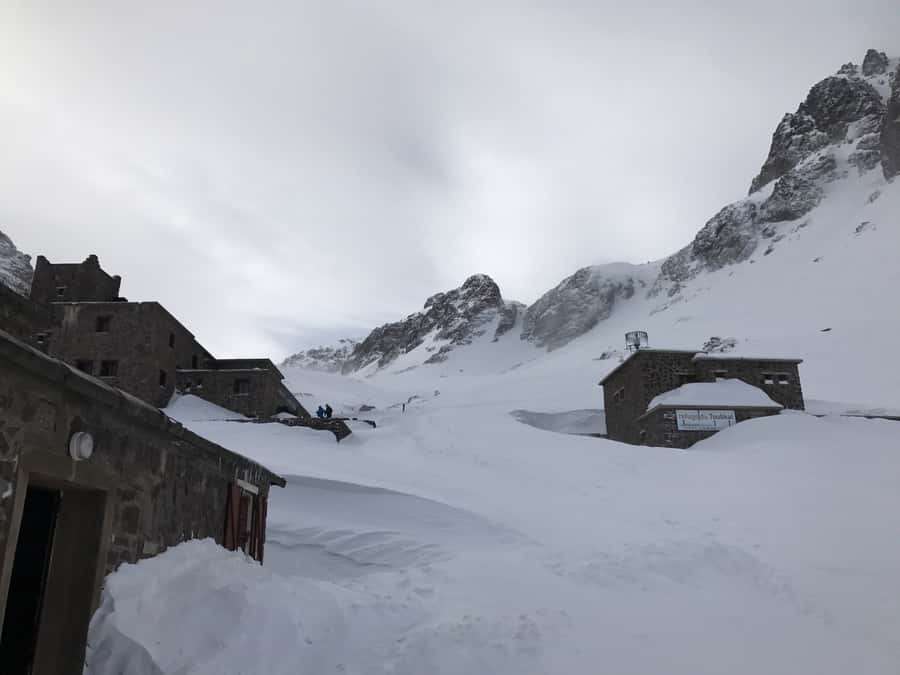
This is one of those treks where your packing list directly affects how much you enjoy the mountain.
You should bring
- Comfortable hiking shoes (not brand-new stiff boots that rub)
- Rain gear (mountain weather changes fast)
- Warm layers for the summit window
- A towel (included in the bring list)
- Your camera, because sunrise at Toubkal is the kind of scene you’ll want for years
Plan on renting in Imlil
- Sleeping bag
- Crampons/ice axes (especially Nov–Apr)
- Warm clothes
Some groups also mention being able to rent extra items like hiking poles or lights. If you don’t have them, don’t assume you’re stuck; but don’t wait until the last second either. Winter conditions can make even small gaps in gear feel big.
Also: guides and route decisions matter. In reviews, guides are described as staying close when someone felt altitude sickness or physical pain, and that’s exactly what you want to see. Proper gear plus a patient pace gives you your best shot.
Guides and group pace: small groups, big safety energy
The trek is run with a local team and professional guide, and it’s limited to 14 participants. That small-group size affects everything: timing, spacing on narrow paths, and how quickly a guide can notice if someone’s falling behind or feeling off.
You’ll likely be dealing with language support across English, French, Arabic, Italian, Dutch, Turkish, and Chinese, and the local guides are often the ones making the experience feel human. Names that show up again and again include Mohamed Boudchichi, Omar, Mustafa, Hassan, Kamal, Mouad, Youssef, Yassine, Rachid, and Ibrahim.
Even if you don’t remember names, you’ll feel the difference in pacing. A common positive theme is guides adjusting speed for altitude, taking breaks when needed, and keeping the group organized without turning it into a drill. If you want to hike at your own pace, this is the structure that supports it.
Price and value: why $147 can be a bargain for the right person
At about $147 per person for 2 days, this trek can be good value if you want the essentials taken care of: hotel pickup/drop-off, return transport from Marrakech, local guiding, accommodation at the refuge, and meals plus tea/coffee.
What’s not included matters for budgeting:
- Sleeping bag rental
- Crampons/ice axes rental (in winter)
- Warm clothing rental
- Soft drinks
- Porters
- Mule option (listed at 20 Euros)
So the real question is: do you already have the cold-weather gear, or do you need to rent? If you need rentals anyway, the total cost rises, but you’re still paying for organization and safety planning, not just a bed and a stamp.
Also consider this: the “express” format is a big deal for time. You get two days to do a serious 4,000m-class summit effort from Marrakech rather than turning it into a week-long project. For many people, that time savings is worth a lot.
Who this trek suits best (and who should skip it)
This is a challenging walk, not a climbing course, and the info is clear that people in good physical condition can reach the top. Still, the summit day is long and the altitude is real.
This trek makes the most sense if you:
- Can hike for 5–6 hours on day one and 10–12 hours on day two
- Are comfortable with cold mornings and early starts
- Have solid footwear and can handle simple scrambling and rocky sections
It’s not suitable for:
- Pregnant women
- People with mobility impairments
In winter, it’s also not the right pick if you treat hiking like an optional workout. One recurring message from winter experiences is that being unprepared for cold and altitude makes everything harder.
If you’re anxious, go anyway—but prepare. Bring proper layers, bring snacks, and respect pacing.
Should you book the Mt Toubkal Ascent Express Trek?
I’d book it if you want a two-day North Africa summit experience that’s organized, small-group, and built for steady trekking rather than technical climbing. It’s especially attractive when you’re short on time and still want sunrise on the peak, plus a night at altitude with real mountain hospitality.
Skip it (or at least rethink timing) if you know you’ll struggle with cold, long walking days, or if you can’t handle altitude uncertainty. Even with strong guides, weather can change summit permissions.
If you do book, set yourself up for success: pack warm layers early, plan to rent what you don’t have, and add extra snacks for the long cold day ahead. Do that, and this trek stops being “just a hike” and becomes a memory you’ll keep repeating out loud.
FAQ
Is the Mount Toubkal summit reached at sunrise?
The trek is designed so you start early and witness sunrise from the summit when conditions allow.
How long is the hiking each day?
Day 1 is about 5–6 hours of walking. Day 2 includes the summit and the return walk back toward Imlil, with a total walking time noted as 10–12 hours.
What is included in the price?
The trek includes accommodation, meals, tea and coffee, a local guide and professional guide, hotel pickup and drop-off, and return transport from Marrakech.
Do I need to bring a sleeping bag and crampons?
Sleeping bags are not included, but you can rent them in Imlil. Crampons/ice axes and warm clothes are also not included, and you can rent them in Imlil, especially relevant in November to April.
Are there extra costs for a mule?
A mule is not included. If you want one, it’s listed at 20 Euros.
What languages are the guides able to work in?
The live tour guide is available in English, French, Arabic, Italian, Dutch, Turkish, and Chinese.