REVIEW · IZUMISANO
Mt. Inunaki Trekking and Hot Springs in Izumisano, Osaka
Book on Viator →Operated by icpトラベル · Bookable on Viator
Autumn turns Mt. Inunaki into a walk worth planning. This short day pairs a guided hike to Shipporyuji Temple in Shugendo-style woods with hot-spring time at Fudoguchikan right at the mountain’s entrance. It’s a clean, easy-to-follow plan with practical pacing and seasonal payoff.
Two things I really like: the combo of temple trekking and onsen in one afternoon, and the kaiseki lunch served in a private Japanese-style room. One thing to consider is weather—this experience requires good weather—so pack for rain and be ready for wet, leaf-covered trails.
In This Review
- Key Points at a Glance
- Mt. Inunaki in Mid-November: Why This Trek Works
- Meeting Up in Izumisano: Smooth Start, Clear Rhythm
- Guided Trek on Mt. Inunaki: Sacred Mountain Footsteps
- Shipporyuji Temple: Shugendo-Style Stops You Can Actually See
- Fudoguchikan Onsen After the Walk: Soaking With a View
- Kaiseki Lunch in a Private Japanese Room: More Than a Set Meal
- Price and Value: What You’re Really Paying For
- Weather Reality Check: Rain Doesn’t Always Cancel, But It Changes the Day
- Who Should Book This (And Who Might Skip It)
- Should You Book the Mt. Inunaki Trek and Hot Springs?
- FAQ
- How long is the Mt. Inunaki trekking and hot springs experience?
- Where do I meet, and what time does it start?
- What’s included in the price?
- Do I need to pay admission for Mt. Inunaki or Shipporyuji Temple?
- What kind of hot springs can I enjoy at Fudoguchikan?
- How strenuous is the trek?
- Is the tour private or group-based?
- What happens if weather is bad?
Key Points at a Glance
- Mid-November timing: bright autumn colors make the hike feel special for a limited season
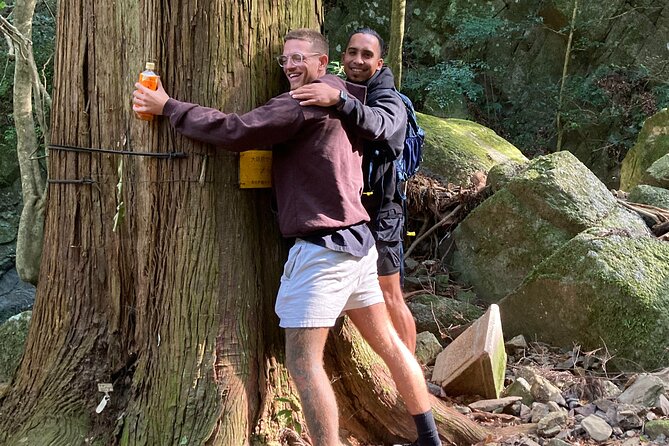
- Shugendo approach to Shipporyuji Temple: stone pillars, red and black flags, and shrine-and-statue stops
- Primeval-forest trekking with a guide: you get context as you walk, then your guide wraps up at the inn
- Fudoguchikan onsen options: choose between pool styles, including an open-air bath with a mountain-stream view
- Seasonal kaiseki in a private room: a full, course-style meal rather than a quick bite
Mt. Inunaki in Mid-November: Why This Trek Works
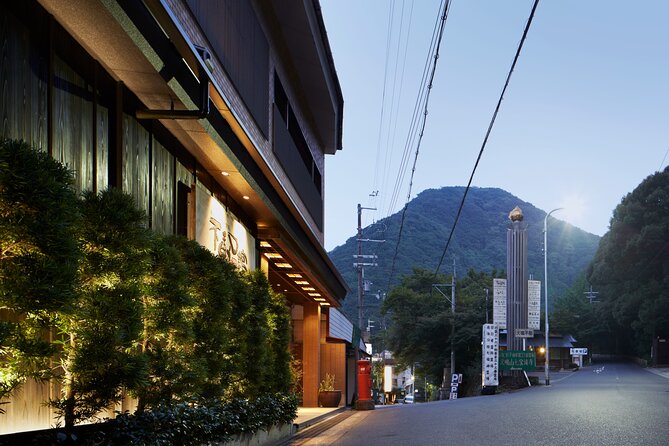
If you want autumn in Kansai without the big crowds, Mt. Inunaki is a smart choice. Starting mid-November, the mountain shifts into red-and-yellow color that turns the trail into more than just exercise. You’re walking through areas scattered with fallen leaves and breathing crisp seasonal air, which makes the whole day feel like a break from city routines.
This is also a compact plan. You’re not doing an all-day ordeal or living out of a backpack. The outing runs about 7 hours, starting at 8:45 am at Izumisano Station, and you end back at the meeting point. That matters because a lot of Japan’s best nature experiences can become stressful if the logistics eat your energy. Here, it stays focused: hike, temple, then soak and eat.
The price is $143.07 per person, and to judge value, I look at what’s actually covered. You get bus transportation between Izumisano Station and Mt. Inunaki, onsen admission at Fudoguchikan, a guide service for the hike portion, and your lunch. In other words, the cost is paying for the structure and the calm pace—not just the view.
You can also read our reviews of more tours and experiences in Izumisano.

Meeting Up in Izumisano: Smooth Start, Clear Rhythm
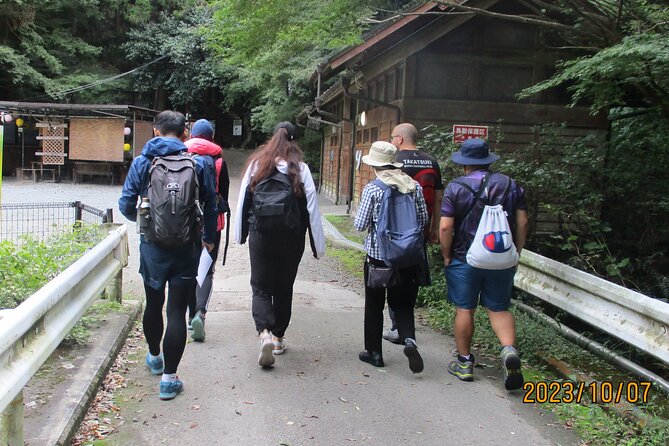
Your day begins at Izumisano Station (3-chōme-11-41 Uemachi). The experience is near public transportation, and you’re using a public bus to reach Mt. Inunaki. That’s a real plus if you’re not in the mood to figure out local schedules on your own.
Because it’s a private tour/activity for only your group, the pacing tends to feel less rushed. I like tours where the guide can match your tempo, especially on a hike where footing matters. Also, your lunch and onsen are tied to the same inn location, so you’re not bouncing between places.
One small planning tip: start thinking early about clothing. The hike includes a mountain walk through forested areas, and you’re heading to hot springs afterward. Wear layers you can manage on the way up, and bring something that works if the sky changes.
Guided Trek on Mt. Inunaki: Sacred Mountain Footsteps
Mt. Inunaki is considered one of Japan’s oldest sacred mountains. It’s tied to Shugen-do traditions, including the training background for Yamabushi—Buddhist monks associated with mountain ascetic practice. That’s not just trivia; it changes how you experience the hike. Instead of treating the mountain as scenery only, you’re moving through a place that has long been part of religious practice.
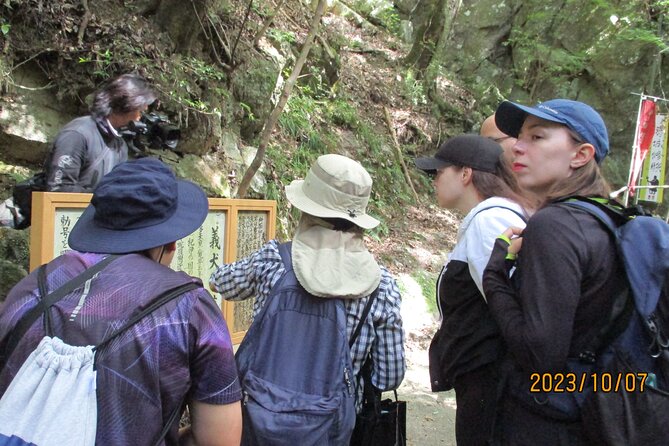
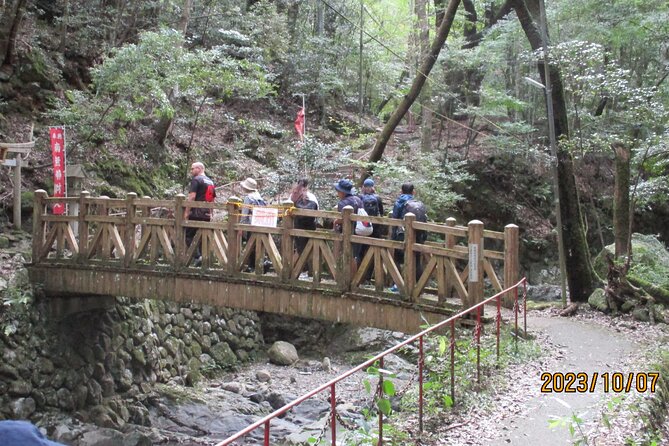
The walking portion is the heart of the day. You’ll hike up to Shipporyuji Temple through forest trails. The guide leads you along the route, which is useful because the point isn’t only to reach the temple—it’s to understand what you’re seeing as you go. In practical terms, it also means fewer wrong turns and a smoother rhythm with stops.
How hard is it? You should treat this as moderate. The listing calls for moderate physical fitness, and the time in motion is significant. Still, the experience is designed so it doesn’t feel like a steep, technical climb. One person in the group described it as very doable, around an hour or so for the hike segment. That lines up with why this works for many visitors: it’s a trek, but not an endurance test.
If you’re sensitive to wet ground, slow down at leaf-covered sections. Autumn trails can be beautiful and slick at the same time.
Shipporyuji Temple: Shugendo-Style Stops You Can Actually See
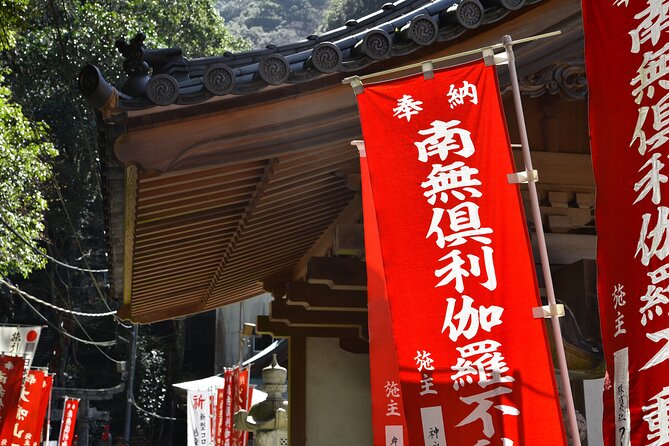
At Shipporyuji Temple, you get a concentrated dose of temple atmosphere. The approach includes stone pillars along both sides and red and black flags set up as markers. It’s the kind of visual structure that helps you orient yourself fast, even if you don’t read signage fluently.
This is a Shugendo-style temple, with many shrines and Buddhist statues. In Japan, Shugendo often reflects a mix of traditions—Shinto and Buddhism—so you may notice how the space doesn’t feel like a single-theme museum. It feels like a working spiritual landscape where different elements coexist.
You’ll spend about 30 minutes here. That’s long enough to look carefully at the approach, notice statues and shrines, and take photos without feeling like you’re watching a slideshow. It also keeps the day moving, so you still have plenty of time for the onsen and lunch afterward.
One good move: pace your questions with the guide here. You’re at the most information-dense stop, so it’s the easiest place to ask what you’re looking at and why.
Fudoguchikan Onsen After the Walk: Soaking With a View
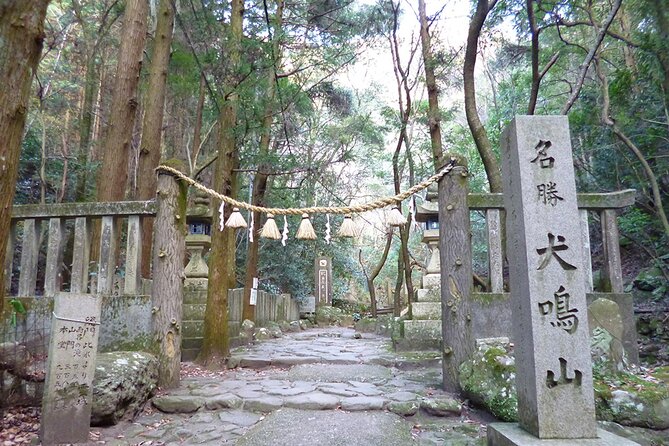
After temple time, you head back down to Fudouguchikan, the Japanese inn at the entrance of Mt. Inunaki. The guided portion ends upon arrival at the inn, so from there you transition into the relaxation zone.
This is where the day turns from outdoors to comfort. You can soak in Inunaki hot springs and choose between two types of hot-spring pools. One option is an open-air bath with a view of a mountain stream. That detail matters: an open-air soak is where the autumn air really hits—cooler air outside, warm water under you.
And yes, cleanliness is part of the value here. Onsen days only feel good when you don’t have to wonder about etiquette or comfort. The facilities at Fudoguchikan are described as very clean, and that’s exactly what you want when you’re matching soaking time with a full meal and a hike.
A practical onsen tip: after walking, go in stages. If you’re sensitive to heat, start with a shorter soak, then return once your body cools slightly. It helps you enjoy the experience instead of just surviving it.
Kaiseki Lunch in a Private Japanese Room: More Than a Set Meal
The lunch is seasonal kaiseki cuisine served in a private Japanese-style room. That’s not a quick cafeteria-style meal. It’s designed as part of the experience, following the hike with a proper sit-down reset.
Kaiseki is about thoughtful pacing—small dishes that change as you go. In one account, the meal surprised the guest with more than 30 dishes featuring seasonal vegetables. Even if your exact menu differs, the point is consistent: this isn’t a token lunch.
Having it in your own private room helps too. You’re not dining elbow-to-elbow with strangers after a hike. It’s a quiet place to warm up, digest, and enjoy the food without rushing. Also, serving the meal at the inn keeps the day from feeling fragmented.
If you’re picky about timing, note that lunch comes after the hike and temple portion, so you’re eating after you’ve built an appetite outdoors. That’s when kaiseki tends to feel best.
Price and Value: What You’re Really Paying For
Let’s talk value in plain terms.
You’re paying $143.07 per person for a guided autumn trek, temple time, transport by bus, a full onsen admission, and a private-room kaiseki lunch. That bundles the expensive parts of the day—guide time and food—into one package.
Also, this is the kind of tour that’s easier to use if you’re short on planning energy. The plan has a defined start (8:45 am) and a defined end back at Izumisano Station. You’re not mapping multiple transitions across buses, trains, and different entrances to different sites.
And because it’s limited-time seasonal hiking starting mid-November, there’s value in not having to guess when color will be at its best.
Weather Reality Check: Rain Doesn’t Always Cancel, But It Changes the Day
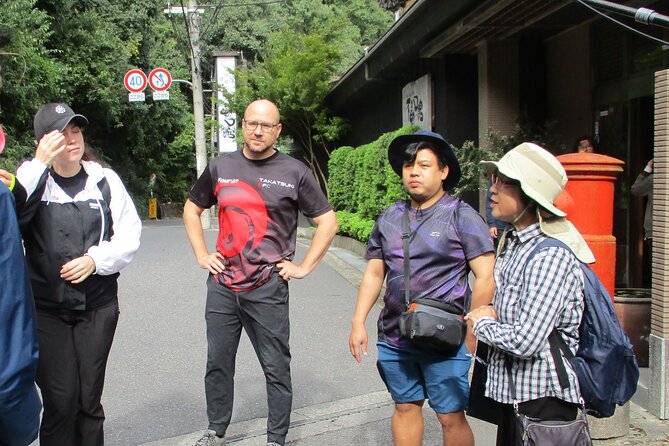
This experience requires good weather. That means the operator can cancel due to poor conditions, and you’d be offered a different date or a full refund.
But even when rain shows up, you might still be able to carry on depending on conditions. One guest did the hike on a rainy day and reported that the day still worked: they enjoyed the walk to the temple, got local stories from the guide, and loved the onsen and kaiseki afterward.
Still, rain affects you. Leaves on wet trails can be slippery. Visibility can be lower in the forest. So do two things:
- Bring a rain layer that you can hike in.
- Wear shoes with good grip.
The good news is that even if the hike feels a bit soggy, the payoff at the onsen is still the payoff. Warm water doesn’t care if the sky is gray.
Who Should Book This (And Who Might Skip It)
This is a strong fit if you want a short, guided autumn trek with real cultural stops and an onsen payoff the same day. It also suits people who like structure: clear meeting point, guided forest walking, scheduled temple time, then a relaxing inn meal.
You should consider a different option if:
- You’re looking for a long, strenuous summit-style climb.
- You hate any chance of rain and don’t want to pack for wet trails.
- You don’t care about temple or Shugendo-style context and only want views.
If you’re traveling with limited time in Osaka-area travel, Izumisano is also a useful base. This trip gives you nature, religion, and hot-spring comfort without turning the day into a travel maze.
Should You Book the Mt. Inunaki Trek and Hot Springs?
Yes—if your ideal day sounds like guided forest walking, a temple you can actually spend time in, and then hot springs with a view. I especially think this is worth booking when you’re traveling in mid-November and you want autumn colors that feel close to nature rather than staged or overly commercial.
I’d book sooner rather than later if you know you want that specific autumn timing. The experience is booked on average about 53 days in advance, which suggests it’s popular during the window when the mountain is at its best.
If you do book, pack smart: good shoes, a rain layer, and layers for temperature swings. Then plan to treat the onsen and kaiseki as part of the main event, not a bonus.
FAQ
How long is the Mt. Inunaki trekking and hot springs experience?
It runs about 7 hours.
Where do I meet, and what time does it start?
You meet at Izumisano Station at 8:45 am, and the tour ends back at the meeting point.
What’s included in the price?
Included items are the public bus ticket between Izumisano Station and Mt. Inunaki, onsen admission at Fudoguchikan, the guide fee for the hike portion, and seasonal kaiseki lunch in a private Japanese-style room.
Do I need to pay admission for Mt. Inunaki or Shipporyuji Temple?
The experience states admission tickets are free, including for Mt. Inunaki and Shipporyuji Temple.
What kind of hot springs can I enjoy at Fudoguchikan?
You can bathe in Inunaki hot springs and choose between two types of hot-spring pools, including an open-air bath with a view of a mountain stream.
How strenuous is the trek?
The experience is for travelers with moderate physical fitness. It’s a guided hike up the mountain to the temple.
Is the tour private or group-based?
It’s a private tour/activity, so only your group participates.
What happens if weather is bad?
This experience requires good weather. If it’s canceled due to poor weather, you’ll be offered a different date or a full refund.