REVIEW · IZUMISANO
Mt. Inunaki Trekking and Goma Prayer Experience in Osaka
Book on Viator →Operated by icpトラベル · Bookable on Viator
Fire, forest, and hot springs in one day. This Mt. Inunaki outing from Izumisano pairs a Shugen-do Goma Prayer at Shiporyuji Temple with a real mountain hike through ancient forest, then finishes with soaking at an onsen by the sacred mountain.
I like two things a lot. First, the hike itself sets a calm pace through primeval forest tied to Yamabushi training traditions. Second, the ceremony timing is handled well: you enter the main hall about 15 minutes before the Goma Prayer starts, so you’re not scrambling at the door.
One thing to plan: there’s no lunch stop or provided meal on this mountain route. Bring a light bite and use the Seven-Eleven at Izumisano Station as your backup.
In This Review
- Quick highlights
- Why Mt. Inunaki feels like a real side trip from Osaka
- Timing plan: bus to the hike, temple timing, then onsen unwind
- Inunakisan hike through sacred forest and Yamabushi training roots
- Shiporyuji Temple Hondō and the Goma Prayer fire ceremony
- Hot spring reset at Inunakiyama Onsen, plus the 2026 renovation reality
- Guides that turn the day from sights into understanding
- What to pack and how to stay comfortable on the climb
- Who this Mt. Inunaki trek is best for (and who should think twice)
- Price value at about $146.59: what’s covered, what you handle
- Should you book this Mt. Inunaki Goma Prayer trek?
- FAQ
- How long is the Mt. Inunaki Trekking and Goma Prayer experience?
- Where is the meeting point, and what time does it start?
- What does the price include?
- Is lunch provided during the tour?
- When should I enter the temple for the Goma Prayer?
- What happens to the onsen during the 2026 renovation period?
- Is this tour private?
- What if the weather is poor?
- What is the cancellation window for a full refund?
Quick highlights
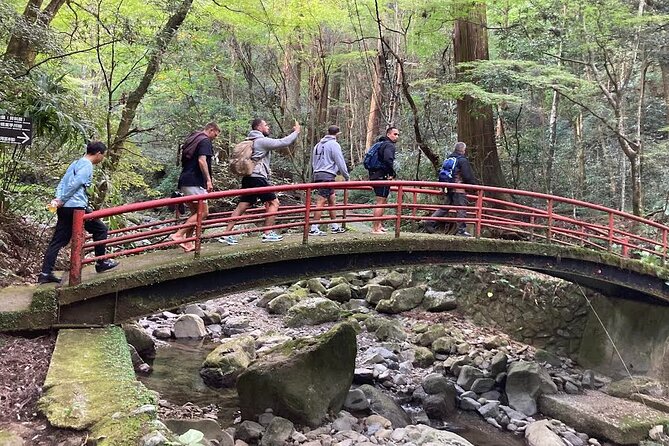
- Goma Prayer at Shiporyuji Temple Hondō in the Shugen-do tradition, with a clear timing window inside the main hall
- Primeval-forest hike on Mt. Inunaki, tied to Yamabushi training roots
- Onsen time at Inunakiyama with options like an open-air soak looking toward a mountain stream
- No lunch included, so pack a light meal before you head out
- Seasonal hot-spring switch in 2026: Inunakionsen Fudouguchikan closes Apr 24 to Sep 30, 2026 and you’ll use Minamitei instead
Why Mt. Inunaki feels like a real side trip from Osaka
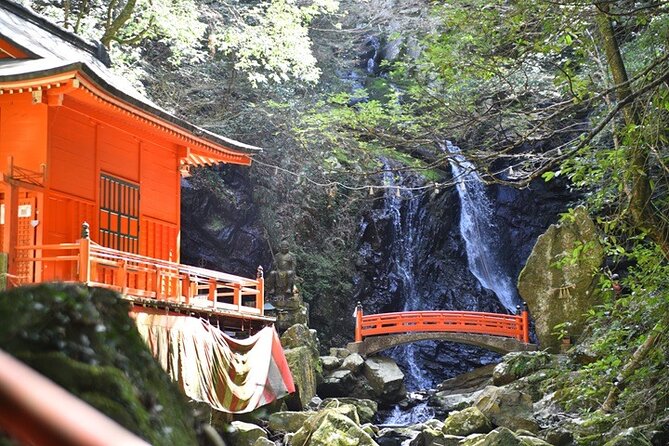
Mt. Inunaki isn’t a theme-park mountain. It’s known as one of the oldest sacred mountains in Japan, and the tour’s structure reflects that. You’re moving through a landscape that’s treated as devotional space, not just scenery.
I like that the day connects the dots: you’re hiking up through forest with ties to Yamabushi, then you reach a temple hall where the ritual centers on fire and purification themes. It’s the kind of experience that feels quieter than typical Osaka day trips, even when you’re in a group.
Also, the format is practical. You’re not left to guess what to do next. The flow moves from hike to temple to onsen, so you get both the spiritual moment and a physical reset at the end.
Timing plan: bus to the hike, temple timing, then onsen unwind
The day starts at 8:45am at Izumisano Station (3-chōme-11-41 Uemachi). From there, the tour includes a public bus ticket between Izumisano Station and Mt. Inunaki, so you’re not piecing together local transit.
The total time is about 7 hours, with set blocks that keep the day from feeling rushed. You’ll spend about 3 hours on the mountain-side portion tied to Inunakisan, then about 2 hours at Shiporyuji Temple Hondō for the Goma ceremony, and another 2 hours for the onsen.
The key timing detail is at the temple. You’re asked to enter the main hall about 15 minutes before the Goma Prayer starts. That’s a good rule to follow in any temple setting—arrive early enough to settle, listen, and be ready.
Inunakisan hike through sacred forest and Yamabushi training roots
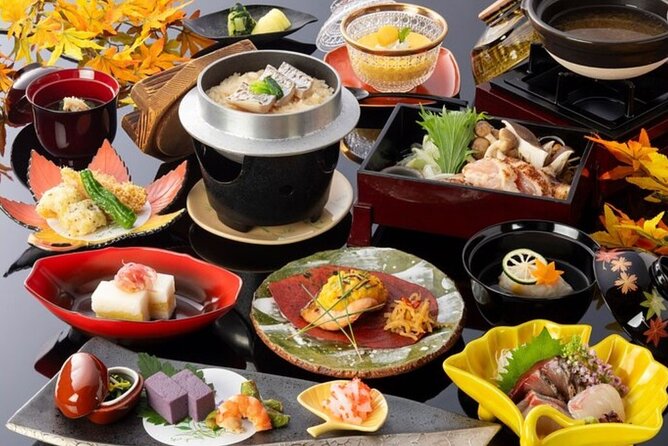
Your first stop is Mt. Inunaki, also called Inunakisan. This is where the day gains its emotional tone. The tour routes you through a premival (primeval) forest setting, described as a training basement for Yamabushi—Buddhist monk practitioners linked to Shugen-do.
Even if you don’t go deep into doctrine, you’ll feel the difference in how the hike is framed. This isn’t just exercise. You’ll be walking with context—why this place matters—so the forest starts to feel intentional instead of random.
Comfort-wise, I’d treat this as a moderate hike. The schedule includes substantial time on foot, so wear shoes you trust. If you’re visiting in warm months, plan for humidity. One helpful tip: bring a towel, hat, sunglasses, and bug spray, and consider a bug net if you’re bothered by insects.
Shiporyuji Temple Hondō and the Goma Prayer fire ceremony
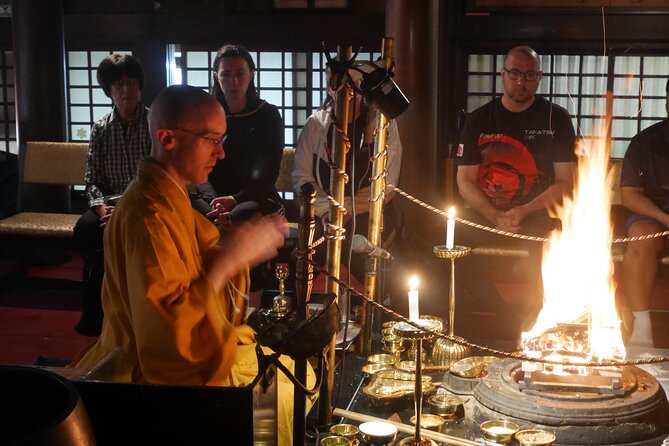
At Shiporyuji Temple Hondō, you do the Goma ceremony, a Shugen-do mountain ascetic practice. The word Goma is explained as to burn in Sanskrit, and the idea is that fire burns away impurities and defilements.
This matters for how you experience it. You’re not watching a quick show for a photo. You’re arriving before it begins, then joining the ritual at the right moment. With the tour instruction to enter the main hall around 15 minutes before the Goma Prayer starts, you get time to find your place and be present.
In your planning, also respect the fact that this is a religious practice. Dress and behavior should match a temple setting—quiet voices, slower movements, and be mindful of where you stand.
If you want the ceremony to feel meaningful, show up calm. Don’t treat this like a checklist item. Fire rituals can be intense visually, and the atmosphere is best when you’re not rushing.
Hot spring reset at Inunakiyama Onsen, plus the 2026 renovation reality
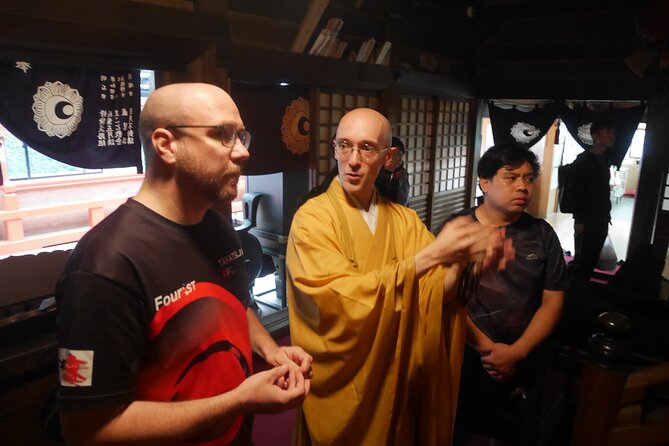
After the ceremony, the tour shifts gears into soak mode at Inunakiyama Onsen Fudouguchikan at the entrance of Mt. Inunaki. This is a built-in reward for the hike—simple, not optional.
You can choose between two types of hot spring pools, including an open-air bath with a view toward a mountain stream. That’s the kind of detail that turns an onsen stop from a practical perk into an actual highlight.
One important heads-up for planning: Inunakionsen Fudoguchikan is temporarily closed for renovation from April 24 to September 30, 2026. During that period, the tour says guests will use the hot spring facilities at Minamitei instead. If your dates fall in that window, you’re not losing the onsen—just switching venues.
Guides that turn the day from sights into understanding
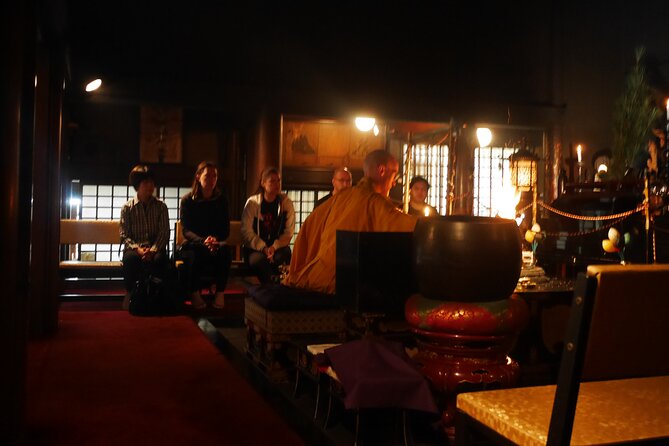
A tour like this works or fails on guidance. The good news: the experience includes a guide fee, and in feedback you’ll see names like Ryusuke and Yuko mentioned for bringing strong local context.
What I’d look for in a guide here is not just facts, but pacing and clarity. The group format gives you time for photos and also for eating a light lunch during the day flow, which helps you stay comfortable on a long morning-to-afternoon schedule.
Also, because it’s a private tour/activity where only your group participates, you’re more likely to get questions answered without competing with a huge crowd. The tour also notes group discounts and a mobile ticket, both of which can make planning easier.
If your goal is culture through firsthand practice—hiking with context, then joining a ceremony at the proper moment—this guide-led structure is a big part of the value.
What to pack and how to stay comfortable on the climb
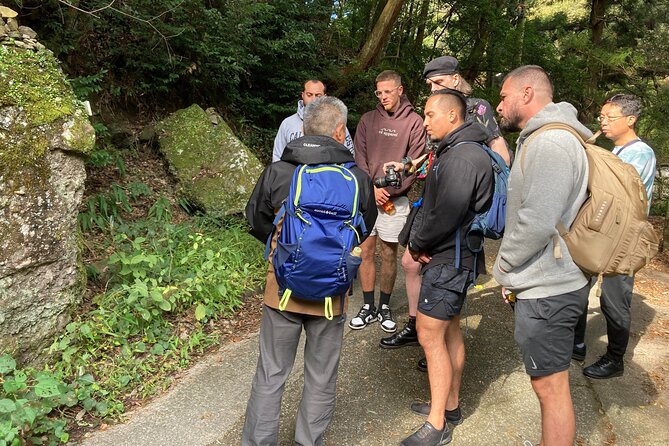
This is not a “bring a hoodie and forget it” day. You’re hiking, then sitting in a temple space for the ceremony, then soaking in hot water. Pack for all three.
Practical packing checklist:
- Sturdy walking shoes for an on-trail hike
- A hat and towel for warm or humid days
- Bug spray (and optionally a net if you’re bug-averse)
- A light meal you can eat without fuss, since lunch isn’t provided on the mountain route
- Basic cash/backup for personal needs, because the tour covers key items but personal expenses aren’t included
The tour specifically says there are no places to provide lunch on the mountain itinerary and recommends bringing a light meal. The easiest plan is to stop at the Seven-Eleven at Izumisano Station, since it’s right at the meeting area.
Also, the tour is listed as allowing service animals, and it’s described as near public transportation—so you can plan around getting to the meeting point without stress.
Who this Mt. Inunaki trek is best for (and who should think twice)
This tour is a strong fit if you want a spiritual day trip that still has physical structure. The mix of hiking through sacred forest, a temple-based Goma Prayer experience, and a final onsen soak makes it ideal for people who like their travel to have rhythm.
It’s also a good match for small groups, since it’s private for your group only. In feedback, the experience is framed as calming and peaceful, which makes sense: you’re doing a slow, scenic climb and then settling into a ritual before the hot springs.
The main consideration is physical effort. There’s a hiking component with multiple fixed time blocks, and the day is set for good weather. If you’re dealing with mobility limitations or you dislike heat/humidity, you might want to reassess based on your own comfort level on foot.
Price value at about $146.59: what’s covered, what you handle
At $146.59 per person, this isn’t a bargain-basement outing. But the price stacks several real costs together: you get a guide, the Goma prayer experience, a public bus ticket between Izumisano Station and Mt. Inunaki, and the onsen admission fee.
That matters because hot spring tickets plus local transport plus guide time can add up fast if you try to DIY. This tour gives you those pieces in one package.
What you pay separately:
- Lunch (not provided on the mountain itinerary; bring a light meal)
- Personal expenses
- Insurance
One more value clue: the experience is often booked well ahead (it’s listed as commonly booked about 154 days in advance). That suggests the day has a steady demand—so if your travel dates are fixed, it’s smart to lock in sooner.
Should you book this Mt. Inunaki Goma Prayer trek?
If you want a day that feels grounded—forest hike, temple ritual, then hot springs—you should seriously consider booking. The combination is the point, and the timing details (like entering the main hall about 15 minutes early) show the tour is designed to help you participate properly.
Book it if:
- You like cultural experiences that include a real ceremonial moment
- You’re comfortable with a half-day hike
- You want an onsen soak included, not a separate search
Skip or rethink if:
- You need guaranteed lunch provided during the mountain portion
- You have limited comfort walking for several hours
- You prefer very secular sightseeing only, since this centers on a fire-based religious practice
If your dates fall between Apr 24 and Sep 30, 2026, check that you’re comfortable with the onsen change from Inunakionsen Fudouguchikan to Minamitei—it’s planned, but it’s still good to know in advance.
FAQ
How long is the Mt. Inunaki Trekking and Goma Prayer experience?
The tour is about 7 hours.
Where is the meeting point, and what time does it start?
You meet at Izumisano Station (3-chōme-11-41 Uemachi, Izumisano, Osaka 598-0007) and the start time is 8:45am.
What does the price include?
It includes the guide fee, the Goma prayer experience, a public bus ticket between Izumisano Station and Mt. Inunaki, and onsen admission.
Is lunch provided during the tour?
No. There is no place to provide lunch on the mountain itinerary. The tour recommends bringing a light meal, and notes there is a Seven-Eleven at Izumisano Station.
When should I enter the temple for the Goma Prayer?
You should enter the main hall about 15 minutes before the Goma Prayer starts.
What happens to the onsen during the 2026 renovation period?
Inunakionsen Fudouguchikan is temporarily closed from April 24 to September 30, 2026. During that time, guests use the hot spring facilities at Minamitei.
Is this tour private?
Yes. It’s listed as a private tour/activity, with only your group participating.
What if the weather is poor?
This experience requires good weather. If it’s canceled due to poor weather, you’ll be offered a different date or a full refund.
What is the cancellation window for a full refund?
You can cancel for a full refund up to 24 hours before the experience start time.