REVIEW · KATHMANDU
Manaslu Circuit Trek
Book on Viator →Operated by Nepal Guide Treks and Expedition P. Ltd. · Bookable on Viator
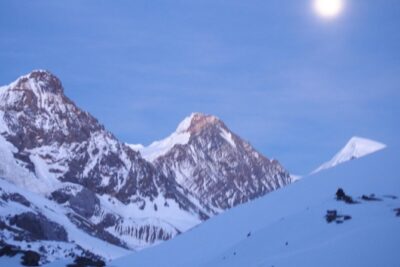
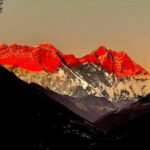
Manaslu Circuit is the kind of trek that feels quietly serious. You get big mountain names like Mt. Manaslu (8156m) and Ganesh Himal (7406m), then you earn your views with the Larkya La crossing at 5135m. Recent trek notes keep spotlighting how well the trip is run by guides like Pradip and Dorji, with porters such as Min, Karma, and Sonam’s crew keeping things steady day to day.
Two things I’d put at the top: the remote, calmer trails (it does not feel like the big trekking highways), and the adventure of the high alpine pass—the day you’re moving into real altitude country. This trek also blends mountain scenery with Tibetan-influenced villages, so you’re not walking through pure wilderness only.
One thing to consider: the Larkya La Pass can be affected by heavy snowfall, and that can mean route changes or not crossing the pass on some departures. If you’re the type who needs a guaranteed summit-style milestone, go in with flexibility.
In This Review
- Key things that make this trek special
- Manaslu Circuit Trek: What makes it feel quieter and more real
- Permits and conservation areas: Why they matter beyond paperwork
- Kathmandu days before and after: the pacing you didn’t know you needed
- The route feel: daily walking, altitude gain, and what you carry
- Forest paths, Tibetan culture, and side treks you can actually use
- Approaching the high pass: Larkya La Pass at 5135m
- When snow changes the plan: the pass-day reality check
- Tea houses: basic comfort, real food choices, and what to expect
- Guides and porters: why the small crew matters on a remote trek
- Price and value: what $1,955 covers (and what it doesn’t)
- Season and crowd reality: when Manaslu works best
- Physical prep that actually helps on this trek
- Should you book the Manaslu Circuit Trek?
- FAQ
- FAQ
- How long is the Manaslu Circuit Trek?
- Where does the trek start, and what time?
- What’s included in the trek package?
- What are the main trekking highlights?
- When is the best season to go?
- Is free cancellation available?
Key things that make this trek special
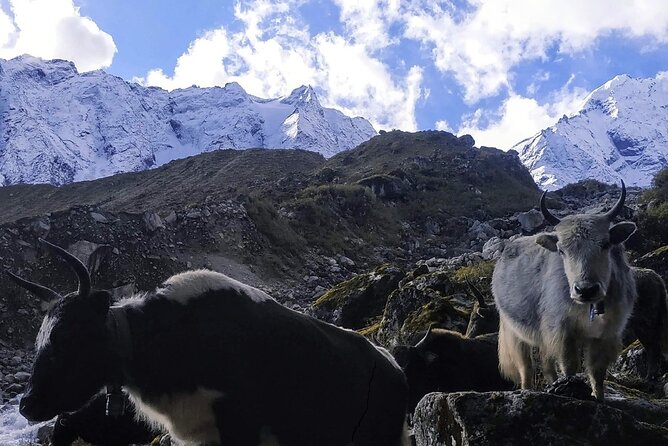
- Remote trails around Manaslu instead of the Everest/Annapurna crowd vibe
- Manaslu Conservation Area (MCAP) + Annapurna Conservation Area (ACAP) permits included
- Larkya La Pass at 5135m brings a genuine high-alpine feel
- Tea-house trekking built into the route, with overnight stays and full meals during trekking
- Small group size (max 15) for a more controlled pace
- Experienced guide + required porters, plus Kathmandu welcome and farewell dinners
Manaslu Circuit Trek: What makes it feel quieter and more real
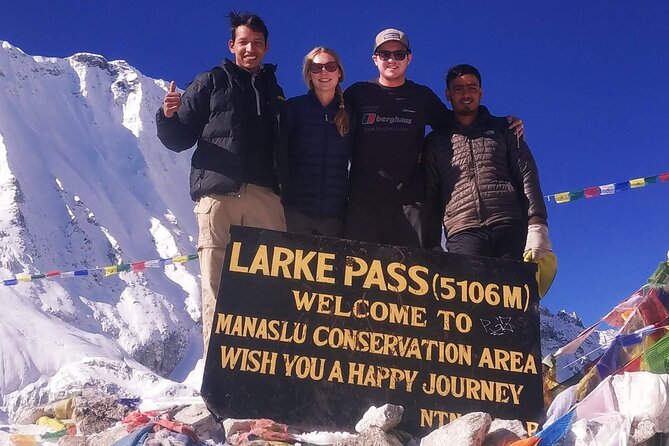
Manaslu Circuit works because it avoids the biggest trekking routes most people picture first. You’re traveling through a midwestern Himalayan region that stays more isolated, with tranquil trails and less of that constant traffic feeling.
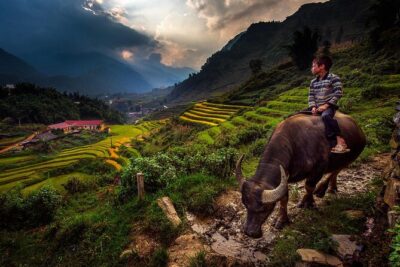
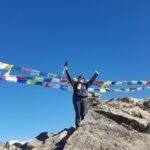
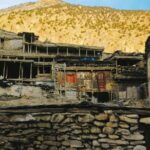
That quiet changes your trekking day. You hike at your pace, you stop for photos without waiting behind a line, and you notice the small stuff—footprints on a trail that feels new to the world, prayer flags near village paths, and the rhythm of people going about everyday life in mountain villages. The trek’s cultural side is not tacked on. It’s part of the way the route is laid out, with traditional villages with Tibetan culture showing up as you gain altitude.
If you want a trek where the focus stays on the mountains and the people living around them, this is one of the better matches in Nepal.
You can also read our reviews of more tours and experiences in Kathmandu.
Permits and conservation areas: Why they matter beyond paperwork
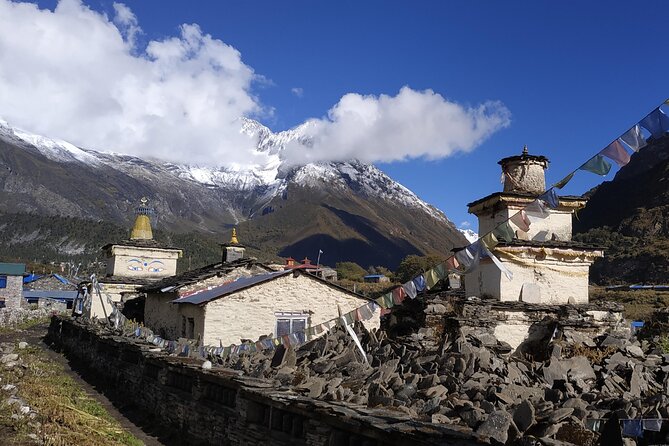
This trek includes special permits for the Manaslu region plus ACAP permits, along with the taxes and required paperwork. On paper, that’s not exciting. On the trail, it means you’re trekking legally in protected areas without having to stress about what you can and can’t do.
It also signals that your route crosses through protected zones like the Manaslu Conservation Area Project (MCAP) and Annapurna Conservation Area Project (ACAP). That matters because conservation areas protect the very ingredients you’re coming for: mountain scenery, local ecosystems, and the intact village rhythm that makes Manaslu feel different.
Value check: you’re paying for the whole setup, not just a guide’s walking skills.
Kathmandu days before and after: the pacing you didn’t know you needed
The trip includes 4 nights in Kathmandu before and after the trek, with welcome and farewell dinners. This matters because trekking success often comes down to the boring stuff: rest, food, getting your gear right, and being calm when travel day chaos would otherwise steal your energy.
In Kathmandu, your accommodation is calculated using three-star hotels/resorts in major cities, and the operator notes that these can change based on your preference. In cities, you’ll typically have a BB plan (breakfast included) so you can choose other meals in town.
Then, once you’re on trek, the meals become part of the system. Breakfast and dinner happen at the same tea house where you overnight. Lunch is taken en route as you move to the next stop. That structure is a big deal on days when weather shifts or your hiking legs are tired.
The route feel: daily walking, altitude gain, and what you carry
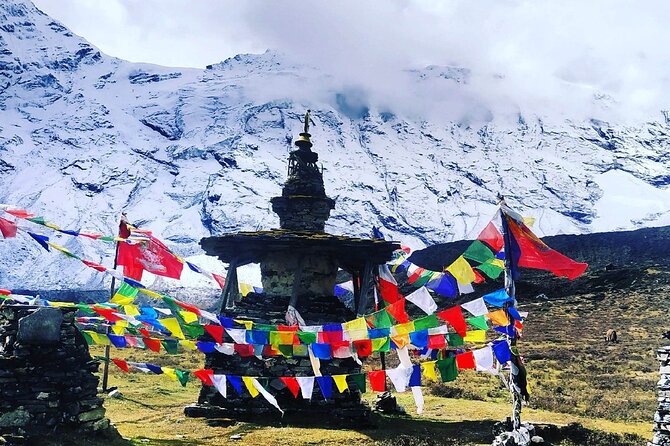
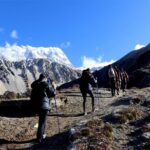
Manaslu Circuit is described as moderately strenuous. Your daily goal is usually walking 5 to 6 hours with a light private backpack, while the logistics (guide and required porters) handle the heavier load.
One feedback thread emphasized the effort in a very practical way: about 15 km and around 8 hours per day on average, with roughly 10 days up and 3 days down in a trek of similar length. That’s consistent with what you should expect from the route’s slow altitude build and the time spent walking between villages and rest stops.
Technical mountaineering skills are not required for this trek. Still, previous trekking experience helps because altitude is not just about legs. It’s about managing your breath, hydration, and pace when the air gets thin.
Forest paths, Tibetan culture, and side treks you can actually use
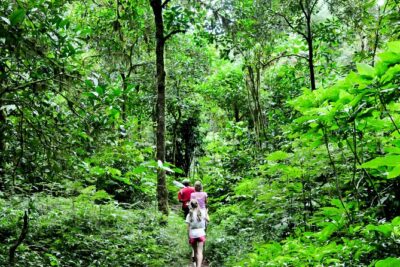
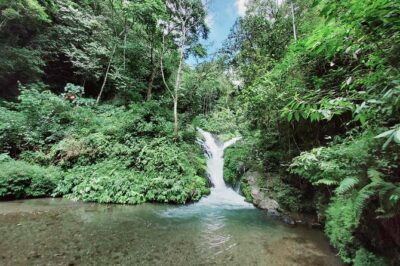
One of the best parts of Manaslu Circuit is how quickly the trek shifts between environments. You start lower and work upward through areas described as subtropical dense forest, then you transition into higher, cooler country.
Along the way, you get the chance to explore traditional villages with Tibetan culture. This is where the trek stops feeling like a pure hike and starts feeling like a moving conversation with the region.
There’s also a practical bonus: the route setup allows side treks and destinations within a few hours. That’s useful if you want a bit of variety without committing to a full extra day. It’s also a way to match the trek to your energy on any given day.
Approaching the high pass: Larkya La Pass at 5135m
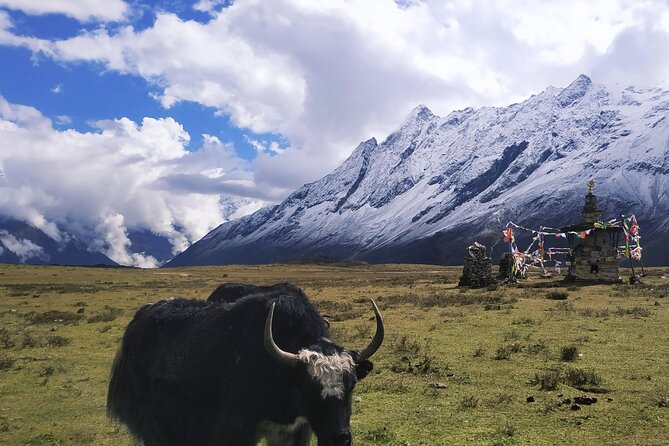
The centerpiece is the Larkya La Pass at 5135 meters. This is the moment the trek stops being “scenic walking” and turns into true high-alpine travel.
You should expect that the trail difficulty can change based on snow conditions. In some cases, the pass area can include massive snow walls, and in other cases it can be easier with less snow. The trek description is pretty honest about this: the same pass can feel totally different depending on the season and weather.
Altitude notes you should take seriously:
- You’ll be climbing from very low altitudes up toward high elevations.
- The route is described as moving from around 1400m up to about 4500m, then culminating at Larkya La at 5135m.
- You may still feel altitude effects even without technical skills needed.
The biggest performance hack here is pacing. The guidance is slow and steady—prevention beats rescue.
When snow changes the plan: the pass-day reality check
Here’s the one part I’d highlight as the main consideration: heavy snowfall can prevent crossing Larkya La on some departures. One trek note I saw described not crossing due to heavy snow. The key point wasn’t that it was a disaster—it was that conditions decided the outcome.
That’s why I encourage flexibility. If your travel goal is strictly to tick a specific pass crossing box, the weather in the high Himalaya can make that hard. If your goal is to experience remote Manaslu country, the trek can still deliver even when the final pass-day plan shifts.
Practically, this means you should travel with the mindset of: today’s win is staying safe, moving sensibly, and enjoying what the day allows.
Tea houses: basic comfort, real food choices, and what to expect
Tea houses are part of the experience here. You sleep in the lodges along the route, which the operator notes are well restored and re-equipped after earthquake aftermaths.
The comfort level is generally what you should expect in a remote region: basic rooms, shared spaces in many cases, and warm meals that keep you going. One piece of feedback specifically framed tea houses as basic but comfortable enough for the overall trek experience.
Food-wise, you’re not stuck with one option. The menu descriptions mention choices like Nepali, continental, Tibetan, Indian, and Italian items from the tea-house menu. During trekking, dinner and breakfast are at your overnight tea house, and lunch is taken en route.
My practical tip: eat what you can digest easily. High altitude appetite can be weird. Your body cares more about consistency than about variety.
Guides and porters: why the small crew matters on a remote trek
This trek leans heavily on the quality of its human team—guide, porters, and how they keep things calm when weather or altitude gets demanding.
In the feedback I reviewed, guides like Pradip, Dorji, Dendi, and Sonam came up repeatedly as organized and attentive. Porters such as Min, Karma, Rabin, and Rabin Tamang were also mentioned in the context of feeling safe and well cared for.
Also note what’s included for staffing: you’re provided a highly experienced trekking guide and the required number of porters. The operator also states staff food, clothing salary, and insurance are included. That’s not just corporate language—it’s part of how a trek works in remote areas without leaving the heavy lifting to luck.
This is one reason the trekking feels secure even when the pass and altitude are serious.
Price and value: what $1,955 covers (and what it doesn’t)
At $1,955 per person, this trek is not cheap. But it is also not priced like a bare-bones hike where you pay extra later for everything you actually need.
What you’re getting for the money:
- 4 nights before and after in Kathmandu, plus welcome and farewell dinners
- All meals during trekking (breakfast, lunch, dinner) and tea-house accommodation while trekking
- Manaslu + ACAP permits plus taxes and necessary paperwork
- Guide for the entire trek and required porters
- Staff food, clothing salary, and insurance
What’s not included:
- Personal expenses and bar/drinks
- Rescue and evacuation
- Tips/gratitude for staff
There’s a good value logic here: permits, meals, lodging, and trained staffing are the core costs that usually add up fast. The trek still asks something from you—effort, fitness, and decision-making on snow and altitude days—but it doesn’t nickel-and-dime you for the essentials.
Season and crowd reality: when Manaslu works best
The trek description names two prime windows:
- Autumn (September, October, November) for clearer views and warmer trekking
- Spring (March, April, May) for another strong weather window
If you want less crowd pressure, there’s also mention of December, January, and February as options for those who don’t want busy trails. The tradeoff is cold and potentially snow on higher sections.
Monsoon time (June, July, August) is described as a problem because rain can ruin trekking.
In short: plan for the season that matches your comfort with cold and your need for clear mountain views.
Physical prep that actually helps on this trek
This trek is suitable for people who can walk and keep a steady pace. The description calls for a moderate physical fitness level and mentions the ability to walk about 5 to 6 hours per day with a light backpack.
You might also find the route demanding in practice—one trek report pointed to around 15 km/8 hours on average. So treat the official wording as a floor, not a ceiling.
Practical prep recommendation from the tour guidance:
- Do about an hour of daily physical workout for a couple of weeks before you go (hiking, jogging, cycling, gym)
- No technical mountaineering skill needed, but short trekking experience helps
And when altitude hits: slow down. You’re not racing your own timeline.
Should you book the Manaslu Circuit Trek?
Book it if:
- You want remote trekking with a calmer feel than the big headline routes
- You care about both mountain views and village culture
- You’re okay with tea-house comfort that’s simple, not fancy
- You want a trip with permits, meals, guide, and porters handled as part of the package
Skip it or think hard if:
- You need a guaranteed crossing of a specific high pass. Snow can change the plan.
- You’re not comfortable managing altitude risk with pace, hydration, and flexibility
- You hate the idea of remote logistics and basic lodging
If you’re the type who likes real mountain travel—steady effort, good organization, and a lot of staring at peaks—Manaslu Circuit is exactly the kind of trek that sticks with you.
FAQ
FAQ
How long is the Manaslu Circuit Trek?
The trip duration is listed as approximately 19 days 6 hours 2 minutes.
Where does the trek start, and what time?
The start is at Tribhuvan Airport, Kathmandu, Nepal, with a listed start time of 9:45 am.
What’s included in the trek package?
The package includes 4 nights in Kathmandu before and after, welcome and farewell dinner, all meals during trekking (breakfast, lunch, dinner), tea-house accommodation during trekking, Manaslu and ACAP permits, and a guide with the required number of porters.
What are the main trekking highlights?
Key highlights include views of Mt. Manaslu (8156m) and Ganesh Himal (7406m), and crossing the Larkya La Pass at 5135 meters, plus trekking through areas connected to MCAP and ACAP and Tibetan-culture villages.
When is the best season to go?
The tour lists September to November and March to May as the best seasons. It also notes December to February can work for people who want fewer crowds, and June to August (monsoon) is not ideal due to rains.
Is free cancellation available?
Yes. You can cancel up to 24 hours in advance for a full refund. If you cancel less than 24 hours before the start time, the amount paid is not refunded.