REVIEW · KATHMANDU
Everest Base Camp Trek Via Gokyo Lake and Cho La Pass
Book on Viator →Operated by Marvel Treks and Expedition · Bookable on Viator
Everest feels closer on this route.
This trek pairs the classic Everest Base Camp trail with the calm Gokyo Lakes area and the big test of Cho La Pass, so you get glaciers, monasteries, Sherpa villages, and high-altitude lake views in one trip.
I like that the logistics are handled end-to-end: Kathmandu pick-up, Lukla flights, permits, meals, and 12 nights in twin-sharing teahouses. I also like the balance of challenge and support, including emergency oxygen mentioned in the trek overview and a licensed English-speaking guide with a porter system (1 guide to 2 trekkers, plus a porter team).
One consideration: this is a weather-dependent trek with early-morning starts (including a Cho La Pass crossing). If you hate cold mornings or you’re not ready for altitude and long days, this route can feel relentless.
In This Review
- Key Highlights Worth Planning For
- Why This Everest Route Goes Beyond the Usual Trail
- Day 1 Kathmandu: Pick-Up, Briefing, and Your First Gear Check
- Flights to Lukla and the Sagarmatha National Park Entry (Days 2–3)
- Namche Acclimatization: Everest View Hotel and Sherpa Culture (Day 4)
- Tengboche to Dingboche: Forest Footpaths to Higher Ground (Days 5–6)
- Lobuche, Gorak Shep, and Base Camp: The Glacial Leg of the Journey (Days 7–8)
- Kala Patthar Sunrise and the Descent Toward Dzongla (Day 9)
- Cho La Pass and the Gokyo Valley Quiet: A Big Morning, Then Beautiful Stillness (Day 10)
- Gokyo Views and Lakes: Everest, Cho Oyu, and Makalu in One Sweep (Day 11)
- Back Down to Namche and Lukla: Hot Shower Energy and a Final River Day (Days 12–14)
- Teahouses, Meals, and the Guide/Porter Setup That Keeps You Moving
- Altitude, Oxygen, and the Common Sense Safety Stuff You Shouldn’t Ignore
- Price and Value: Is $1,000 Reasonable for This Route?
- Who Should Book This Trek, and Who Might Want a Simpler Route
- Should You Book This Tour?
- FAQ
- What is the approximate duration of this Everest Base Camp trek via Gokyo and Cho La Pass?
- Does the price include flights to and from Lukla?
- Are meals included during the trek?
- Where do you stay during the trek?
- Is a guide and porter support included?
- Are permits included?
- Does the itinerary include Everest Base Camp and Kala Patthar?
- Is Cho La Pass part of the route?
- What personal items are not included?
- Is travel insurance included?
- Can I bring a service animal?
Key Highlights Worth Planning For
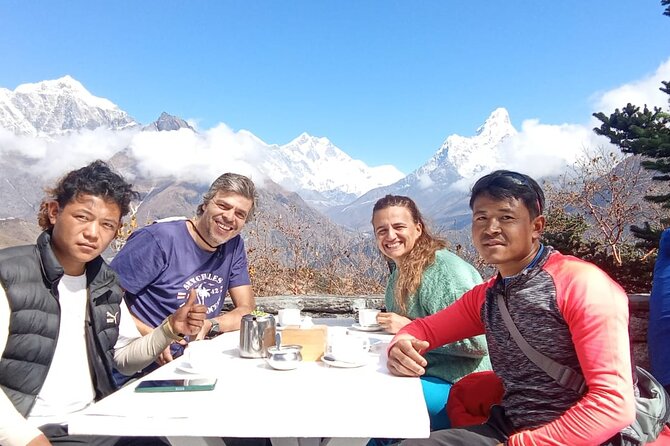
- Gokyo Lakes plus Everest Base Camp in one itinerary, with very different scenery each week
- Cho La Pass early crossing for strong views but early starts and real cold exposure
- Kala Patthar sunrise timing that typically works best for Everest perspectives
- Sherpa villages and monasteries on the way, not just mountain walking
- Safety support including emergency oxygen plus acclimatization days built into the schedule
- All meals and teahouses included, so you’re not budgeting every day
Why This Everest Route Goes Beyond the Usual Trail
Most Everest treks follow one main backbone. This one adds two major “worlds” around it: the Gokyo Lakes region and a Cho La Pass crossing that’s tougher than the standard passes on many routes. The payoff is variety. One day you’re in dense mountain footpaths and Sherpa village life. Next you’re staring into glacier territory near Base Camp. After that, you’re in a quieter valley with high lakes and wide views of peaks like Everest, Cho Oyu, and Makalu.
You also get a more complete feeling for the Khumbu area. You’re not only chasing one iconic viewpoint. You’re moving through the ecosystems of altitude, from lower Sherpa settlements up through alpine terrain and into the colder, more exposed zones. If you enjoy the rhythm of acclimatization days and you like earning views rather than receiving them, this route fits well.
And you’ll likely appreciate how the trip is built around practical help. The itinerary includes round-trip domestic flights (Kathmandu–Lukla–Kathmandu), airport transfers, all meals on trek days, teahouse beds for 12 nights, and permits for Sagarmatha National Park plus TIMS.
You can also read our reviews of more tours and experiences in Kathmandu.
Day 1 Kathmandu: Pick-Up, Briefing, and Your First Gear Check
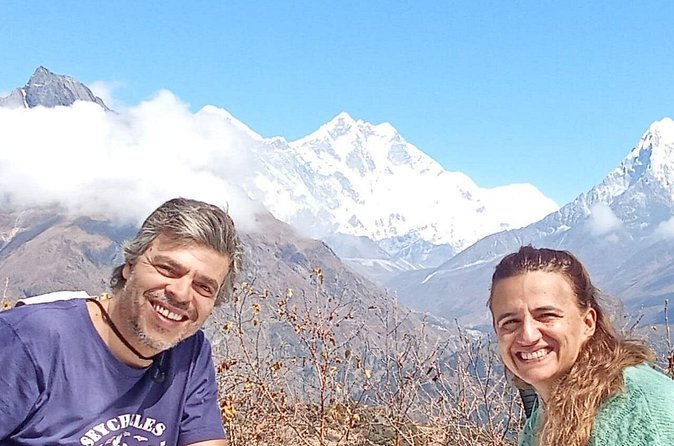
Your trek begins in Kathmandu with an airport pick-up. The guide meets you holding a sign with your name, then you’ll do a trek briefing and gear check. Even if you’ve trekked before, this step matters because Everest routes punish small mistakes. Bad layering and the wrong shoes can turn one cold morning into several painful ones.
You’ll also get one night in Kathmandu with breakfast included. That gives you a cushion day to settle in after arriving, sort any final gear rentals, and sleep in a place where you’re not fighting thin air and cold wind.
The practical win here is simple: you start the trip already organized. Less time guessing, more time preparing your body for the climb.
Flights to Lukla and the Sagarmatha National Park Entry (Days 2–3)
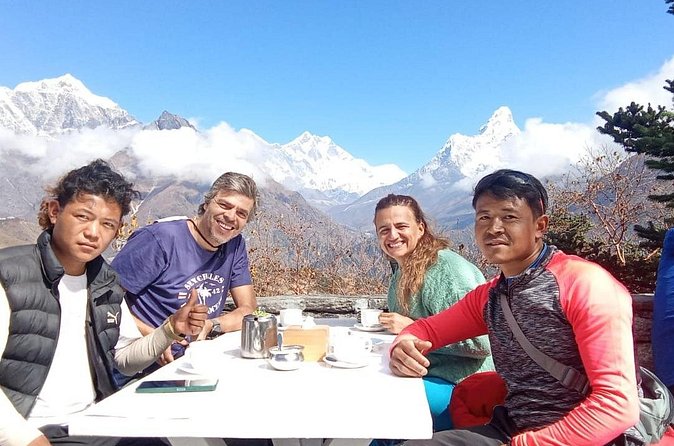
On Day 2, you take a morning scenic flight to Lukla. From there, your trek begins through Sherpa villages toward Phakding. This first walking day is usually about getting your legs used to the schedule. It’s not about “winning fitness points.” It’s about rhythm—steady pace, correct breathing, and getting comfortable with carrying your day pack.
Day 3 brings your first major cultural and natural milestone: Namche Bazaar. You’ll cross suspension bridges, and you’ll enter Sagarmatha National Park. This is also when Everest starts showing up more clearly in your mind, even if you’re not at the high viewpoints yet.
If you like goals that keep you moving, Day 3 helps. Namche Bazaar is a real hub—markets, people, and the sense that you’ve arrived in the Everest world. It also sets up tomorrow’s acclimatization choices.
Namche Acclimatization: Everest View Hotel and Sherpa Culture (Day 4)
Day 4 offers an optional hike to the Everest View Hotel at 3,880 meters. The choice matters: it lets you acclimatize while still feeling in control. If you’re tired, you can keep it lighter. If you’re feeling good, you get a strong early taste of high-altitude viewpoints.
Afterward, there’s time to explore the local market and visit the Sherpa museum. That museum stop is more than a checkbox. It helps you connect names and stories to the people you’ll see on the trail—porters, guides, teahouse owners, and monks. When you later pass monasteries and see village life up close, it feels less random.
One thing I’d keep in mind: Namche is where altitude can start messing with sleep. If you get a few rough nights, don’t panic. The schedule already includes time to adapt.
Tengboche to Dingboche: Forest Footpaths to Higher Ground (Days 5–6)
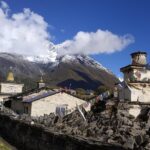
Day 5 heads to Tengboche. The walking includes a pine forest section with views of Thamserku and Everest. This is one of those days where you’re not only grinding uphill—you’re also walking through a zone that changes your mood. Then you get to Tengboche Monastery, an anchor point for the route.
Visiting a monastery on a trek like this is different from sightseeing in a city. Here, it’s part of the trail’s living culture. You’ll see how spiritual life sits alongside hard trekking schedules.
Day 6 moves you toward Dingboche. You’ll cross the Imja Khola, pass Pangboche, and start to feel the altitude more strongly. The walking might not look dramatic on paper, but you’re now higher, and every step asks for better pacing.
My advice: on days like this, don’t chase speed. Keep your effort smooth, drink regularly, and treat every “long breath” moment as normal training.
Lobuche, Gorak Shep, and Base Camp: The Glacial Leg of the Journey (Days 7–8)
Day 7 takes you to Lobuche. You’ll walk through alpine terrain and past memorials of climbers. Those stops can be emotional, and they’re also grounding. It reminds you this is not just a scenic hike; it’s a route with history tied to risk and respect.
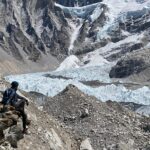
Then Day 8 is about Gorak Shep and Everest Base Camp. You’ll follow the Khumbu Glacier to Base Camp. The big experience here is the switch from village-scale trekking to glacier-scale trekking. The environment feels harsher and more exposed, so your wind protection and warm layers matter.
The itinerary has you go to Base Camp, take photos, enjoy the achievement, and return to Gorak Shep. That return is smart. People often assume “seeing Base Camp” is a one-way trip. It’s not. Your day includes the backtrack, so you’ll want a steady head and good foot care.
Kala Patthar Sunrise and the Descent Toward Dzongla (Day 9)
Day 9 is a centerpiece day. You start with a sunrise view of Everest from Kala Patthar, then trek down to Lobuche and onward to Dzongla. Sunrise at Kala Patthar is one of those “everyone talks about it” moments because it often delivers. When you’re up at that altitude early, you get a better shot at clear skies and a sharper sense of scale.
Then comes the less glamorous part: descent. Descents can still beat you up, especially on tired legs. Your knees and ankles will want attention. Trek poles help here, and so does taking your time through rocky patches.
Dzongla also sets up tomorrow. You’re positioning for the big pass crossing.
Cho La Pass and the Gokyo Valley Quiet: A Big Morning, Then Beautiful Stillness (Day 10)
Day 10 is the thrill day. You cross the icy Cho La Pass early in the morning. Then you descend into the quiet Gokyo Valley.
This is where your trek becomes more than the classic Everest storyline. The Cho La Pass crossing gives you exposure, cold, and a sense of commitment. The “early morning” timing matters because conditions can be harsher later. If you’re anxious about this day, that’s normal. The good news is the schedule puts the crossing early and then gives you time to settle into the Gokyo valley environment afterward.
After the pass, you’re rewarded with a different feel. Instead of constant glacier-to-Base-Camp focus, you shift toward high-altitude valleys and lake country. It can feel like the trip “changes gears.”
Gokyo Views and Lakes: Everest, Cho Oyu, and Makalu in One Sweep (Day 11)
Day 11 mixes a morning climb for panoramic views with lake visits. You’ll look out toward Everest, Cho Oyu, and Makalu. Then you’ll visit the 3rd and 4th Gokyo Lakes.
These lake days tend to be the ones people remember for the calm. Even if the trek has been intense, the lakes slow your mind down. You’re not only looking up at sharp peaks; you’re seeing how the high world stores light and color near the waterline.
Practical note: this is still high-altitude time. Even if the lake area feels gentler, your body is still working. Keep hydration and warm layers consistent.
Back Down to Namche and Lukla: Hot Shower Energy and a Final River Day (Days 12–14)
Day 12 starts with the descent past Machhermo, Dole, and Khumjung, then reaching Namche. The itinerary highlights hot shower and rest on arrival. That’s a morale booster you should plan for mentally. After days of cold mornings and chilly evenings, a warm shower feels like a small luxury you earned.
Day 13 finishes the long arc back to Lukla. You’ll trek along the Dudh Koshi River for the final day. River walks are great for navigation and steady pace. They also give you a psychological shift: you’re no longer climbing toward the next viewpoint. You’re closing out the loop.
Day 14 brings the early morning flight to Kathmandu, plus free time for rest and shopping. There’s also an optional massage, which sounds small but can be huge after 14 days of trekking.
Teahouses, Meals, and the Guide/Porter Setup That Keeps You Moving
This trek includes all meals during the trek—breakfast, lunch, and dinner. That’s a real value piece. On Everest routes, food availability and timing can vary. Having meals handled helps you focus on walking and hydration instead of wondering what’s open at the next stop.
You’ll have 12 nights in twin-sharing teahouses. Twin-sharing is what often keeps costs down while still giving you a bed and a warm enough base layer compared to camping. Still, you should know teahouse comfort is basic by design. Battery charging and Wi-Fi are personal expenses, and hot showers are also not included, so plan for extra costs if you want them.
The guide and porter setup is also a key part of why this works. You’ll travel with a licensed English-speaking trekking guide and porter(s) with a stated 1:2 ratio. That doesn’t mean you never carry anything; it means the heavy stuff should be eased. You’ll also receive a duffel bag for trekking gear that’s returned at the end, which helps you keep your day pack lighter and reduce “stuff chaos.”
In past Marvel Treks Nepal experiences, guides like Udio have been described as friendly, and Shisir has been praised for reassuring people when they felt uncomfortable. Even if your exact guide is different, that pattern matches the kind of trip you want: clear communication, steady pacing, and someone who notices when you’re struggling.
Altitude, Oxygen, and the Common Sense Safety Stuff You Shouldn’t Ignore
Altitude is the main “unfair opponent” here. The itinerary builds acclimatization steps in through the pacing and the high points. Namche gives you time to acclimatize. You then go higher, move through Lobuche, and reach Gorak Shep and Base Camp. You also have an early-morning Kala Patthar day, then you cross Cho La Pass and settle into Gokyo.
You’ll also have safety support including emergency oxygen, which is a big comfort factor. Oxygen doesn’t remove the need for careful pacing, but it does reduce fear if something goes wrong.
The schedule asks for moderate physical fitness. That’s not a casual stroll. It’s a trek with long walking days and cold exposure. My best advice is to train for steady uphill walking and practice a conservative pace. Save your energy for the passes and sunrise days. Don’t spend it all early on minor climbs.
Price and Value: Is $1,000 Reasonable for This Route?
At $1,000 per person, the biggest value drivers are what’s included. You’re paying for:
- Round-trip domestic flights Kathmandu–Lukla–Kathmandu
- A Kathmandu hotel night with breakfast
- All meals during the trek
- 12 nights in twin-sharing teahouses
- Licensed English-speaking guide and porter support (1:2 ratio)
- Sagarmatha National Park and TIMS permits
- Airport transfers
- Duffel bag handling for trekking gear
- Government taxes and trekking service charges
What’s not included also matters. You’ll still need to budget Nepal visa fee on arrival, international airfare, travel insurance (mandatory), personal trekking gear rental or purchase in Kathmandu, and tips for guide and porter (optional but expected). You may also want to pay for hot showers, Wi-Fi, and charging at teahouses.
When you add it all up, this price feels designed for people who want to trek without building the whole plan themselves. For many first-timers, that’s the best value of all. For experienced trekkers who want control, you might compare alternatives. But if you want a ready-made plan with permits, meals, teahouses, and logistics handled, this pricing structure usually lines up with what you’d pay anyway once you price flights and guides separately.
Who Should Book This Trek, and Who Might Want a Simpler Route
This tour fits you if you want the Everest checklist—Namche, Tengboche, Base Camp, and Kala Patthar—plus you want two big extras: Gokyo Lakes and Cho La Pass. It’s a good match for hikers who like variety and can handle long days and cold early starts.
It’s not ideal if you want minimal exertion, you hate high-altitude cold, or you’re easily stressed by weather risk. Also remember: this trek is weather dependent, and flight delays can happen on Lukla routes, which is why extra hotel nights may be needed if travel timing gets messed up.
One more practical note: this is a private tour/activity. That can feel calmer and more tailored for your group, even though the trek itself still depends on the shared teahouse rhythm along the route.
Should You Book This Tour?
If your dream is Everest, but you also want something more interesting than the same single line of viewpoints, I’d say this is a strong choice. The combination of Base Camp plus Gokyo Lakes plus Cho La Pass gives you more than one kind of “wow,” and the itinerary includes the support pieces that make a real difference at altitude.
Book if you:
- want all logistics handled (flights, permits, meals, guide, teahouses)
- can handle cold mornings and an early pass crossing
- are willing to pace carefully for altitude
Think twice if you:
- know you’ll struggle with early starts and icy conditions
- don’t have travel insurance
- aren’t ready to rent or buy proper personal gear
If you’re on the fence, a quick check helps: do you have the stamina for multiple long walking days, and do you have the gear and insurance covered? If yes, this route is the kind of Everest trip that feels complete.
FAQ
What is the approximate duration of this Everest Base Camp trek via Gokyo and Cho La Pass?
The trek is listed as 14 days approximately, from Kathmandu to trekking, then back to Kathmandu.
Does the price include flights to and from Lukla?
Yes. Round-trip domestic flights Kathmandu–Lukla–Kathmandu are included.
Are meals included during the trek?
Yes. All meals (breakfast, lunch, and dinner) during the trek are included.
Where do you stay during the trek?
You get 12 nights in twin-sharing teahouses during the trek.
Is a guide and porter support included?
Yes. The trek includes a licensed English-speaking trekking guide and porter(s) with a stated 1:2 ratio.
Are permits included?
Yes. Sagarmatha National Park and TIMS permits are included.
Does the itinerary include Everest Base Camp and Kala Patthar?
Yes. The itinerary includes trekking to Base Camp, and a sunrise view of Everest from Kala Patthar.
Is Cho La Pass part of the route?
Yes. You cross Cho La Pass early in the morning on Day 10.
What personal items are not included?
Personal trekking gear (boots, jacket, poles, etc.) is not included; you can rent in Kathmandu. Hot showers, Wi-Fi, and battery charging at teahouses are also personal expenses.
Is travel insurance included?
No. Travel insurance is not included, but it’s listed as mandatory.
Can I bring a service animal?
Service animals are allowed.