REVIEW · KATHMANDU
Ghorepani Poon Hill Trek
Book on Viator →Operated by Outfitter Nepal · Bookable on Viator
Sunrise on a mountain balcony is addictive. This Ghorepani Poon Hill Trek pairs big Annapurna views with a realistic schedule, plus Poon Hill sunrise and village culture for a trip that feels like a true adventure, not a marathon. You’ll also move with a small group (max 14), which makes it easier to stay on pace without feeling rushed.
I like the balance here: trekking days with included meals and lodges, then breaks in Kathmandu and Pokhara so you can actually recharge. One consideration is weather: when it’s cloudy or rainy, the sunrise views can be less dramatic, even with a great guide and safe decision-making.
In This Review
- Quick Hits: What Matters Most on Poon Hill
- Poon Hill and the Annapurna Views, Without the Multi-Week Commitment
- The Big Picture: Kathmandu, Pokhara, then Poon Hill on Foot
- Day-by-Day Walkthrough: From Nayapul Up to Ghandruk
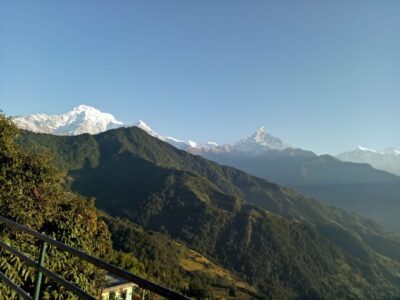
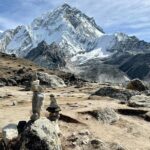
- Sunrise at 3180m: The Best Chance for Annapurna Views
- Rhododendron Forests and Village Life in Ghorepani and Ghandruk
- Tea Houses, Meals, and Provided Gear: What You’ll Actually Get
- Guides, Porters, and the Small-Group Advantage
- Price and Value: Is $700 Really Fair for This 10-Day Plan?
- Getting There and Moving Around: Timing, Walking Hours, Altitude
- Who This Trek Suits Best (and Who Might Want Another Option)
- Should You Book the Ghorepani Poon Hill Trek?
- FAQ
- How long is the Ghorepani Poon Hill Trek tour?
- Where does the tour start and what time do you meet?
- What group size is this trek limited to?
- What’s included during the trek?
- Do you provide trekking gear?
- Is the Nepal visa included?
- What’s the cancellation deadline for a full refund?
Quick Hits: What Matters Most on Poon Hill
- Sunrise payoff at Poon Hill (3180m): You’re set up for an early-morning viewpoint over the Annapurna Himalaya.
- Short trek, big variety: Forests, farmland, and villages instead of just “up and out.”
- Small-group feel (up to 14): Easier pacing and more personal attention from your guide.
- Guide + porter support: Porter ratio is 1 porter for 2 people, which helps keep you moving comfortably.
- Modern logistics for a classic hike: Airport transfers, tourist bus options between cities, and a mobile ticket.
Poon Hill and the Annapurna Views, Without the Multi-Week Commitment
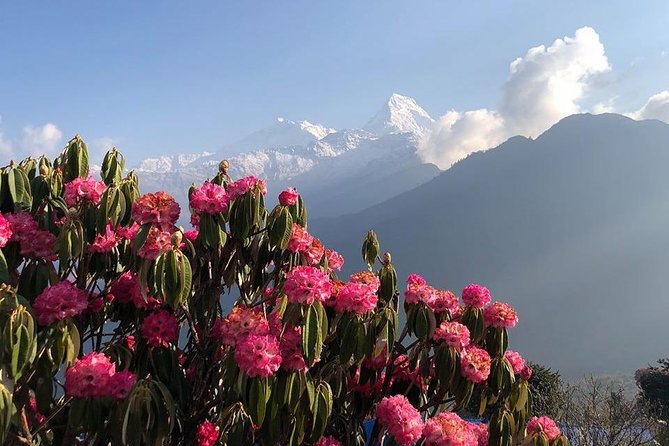
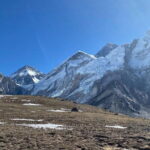
If you want Himalaya drama, Poon Hill delivers. You get a sunrise viewpoint over the Annapurna Himalaya without needing a long, week-after-week trekking commitment. The route is designed so you spend multiple days in the mountains, yet you still return to city comfort in time to enjoy Kathmandu and Pokhara.
The best part is how the trek rhythm stays human. You’re hiking through rhododendron forest, past farmland and settlements, and through the kind of village scenery that makes you feel like you’re traveling with the region rather than just passing through it. And because the tour is built around a 10-day window, it works well if you only have one trip to spare.
There’s also a helpful realism to the “moderate for most active travelers” promise. You’ll be climbing at altitude, and the trail can be steep in spots, but the schedule uses a mix of longer and shorter hiking days so your body has time to adjust.
You can also read our reviews of more tours and experiences in Kathmandu.
The Big Picture: Kathmandu, Pokhara, then Poon Hill on Foot
This tour isn’t only a hike. It’s a full Nepal sampler: three nights in Kathmandu, then two nights in Pokhara, with the trekking days bridging the two. That matters because many people try to do a mountain trek and city sightseeing in the same trip, and it’s usually chaos unless the timing is planned.
Day 1 is all about getting settled right after you arrive at Tribhuwan International Airport. Then you get a Kathmandu valley sightseeing day focused on major historical sites that are UNESCO World Heritage. After that, you shift gears with a 6-hour drive from Kathmandu to Pokhara, so you’re not bouncing around every few hours.
Pokhara gives you a softer landing after trekking. You’ll have time to see the city, then head back toward Kathmandu near the end with another 6-hour drive. That structure is smart if you don’t want to feel like you’re living out of a backpack the entire trip.
Day-by-Day Walkthrough: From Nayapul Up to Ghandruk
Here’s what the trek portion feels like in practice, broken down by the route flow and elevation gains provided.
Day 1: Arrive Kathmandu, transfer to hotel
You land, you’re picked up, and you’re put in a hotel. Starting with that reduces stress before you even reach the mountains.
Day 2: Kathmandu valley sightseeing day
You’ll spend the day visiting key historical areas in the Kathmandu valley. It’s a great way to understand the setting you’ll fly and drive through before you start hiking.
Day 3: Kathmandu to Pokhara (6 hours by road)
This is your transition day. You’re moving from city intensity into a region where the mountains become the main character.
Day 4: Drive Pokhara to Nayapul (1050m), trek to Tikhedunga (1577m) ~4 hours
You’ll start the walking from Nayapul, then head toward Tikhedunga. This day is a good warm-up: it’s long enough to get your legs working, but not the biggest climb on the schedule.
Day 5: Trek to Ghorepani (2675m) ~6 hours
Today you climb much higher. You’ll pass through rhododendron forest, plus farmland and villages along the way. Ghorepani is also the kind of place where you feel the shift into “real trekking country,” with smaller routes and simpler lodging.
Day 6: Hike to Poon Hill (3180m), then trek to Tadapani (2675m) ~6 hours
This is one of the core days. You’ll go for sunrise from Poon Hill, then continue trekking onward to Tadapani. Plan on a full day: early, then still moving afterward.
Day 7: Tadapani (2675m) to Ghandruk (1950m) ~3 hours
This is a shorter hiking day and also a cultural one. You’ll reach Ghandruk, a typical Gurung village area, which helps the trek feel more than just exercise.
Day 8: Ghandruk to Nayapul, then drive back to Pokhara ~4 hours
You finish the walking portion, then head back by road to Pokhara. It’s a nice setup: you end your trekking while your legs are still functioning, instead of turning the last trekking day into a punishment.
Day 9: Pokhara to Kathmandu (6 hours)
Another drive day, but you’ve already seen what matters. This return day is for resetting before your final travel day.
Day 10: Transfer to international airport
You’re set up for your flight departure from Kathmandu.
Sunrise at 3180m: The Best Chance for Annapurna Views
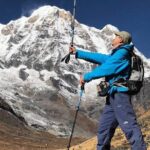
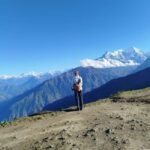
Poon Hill is famous because it’s accessible. You’re reaching a high viewpoint, but the trek doesn’t require a technical climb or months of training. The goal is clear: watch the sunrise over the Annapurna Himalaya.
That said, here’s the practical part: weather can make or break the view. On cloudy or rainy mornings, you might lose the clean horizon line. The good news is that safe guiding still matters most in rough conditions, and the tour includes an experienced guide who keeps the group moving with care when conditions are less than perfect.
One more small point that helps your morning go smoothly: you’re starting early enough that comfort gear matters. The tour provides a down jacket and sleeping bag (if necessary), and that can save you from buying or carrying extra cold-weather gear you won’t use back home.
Rhododendron Forests and Village Life in Ghorepani and Ghandruk
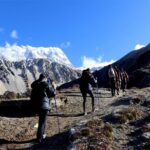
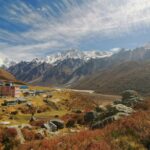
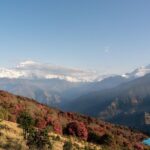
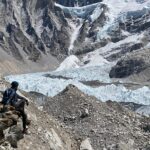
The trek route isn’t just a line on a map. It’s a moving snapshot of everyday Nepal in the hills. You’ll walk through rhododendron forest, then through farmland and village settings that change day to day. The effect is simple: the trail stays interesting.
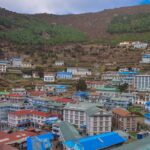
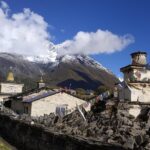
Ghorepani is tied to Magar villages, while Ghandruk is a typical Gurung village. This matters because villages here aren’t “tour props.” They’re communities you pass through, with local homes and rhythms that shape the pace of the trail.
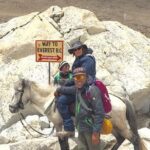
In past experiences shared with this kind of route, people also highlight the human side: guides and porters who explain what you’re seeing and make the day feel safer and more connected. Names like Jitu, Sanjay, Amrit, Ravi, and Ramesh show up in the stories for a reason: clear communication, calm leadership, and that steady “we’ve got you” feeling on the trail.
Tea Houses, Meals, and Provided Gear: What You’ll Actually Get
This is one of the most valuable parts of the program. You don’t have to plan lodging hunt-by-hunt or wonder if meals will work out.
During the trekking days, accommodations in lodges/tea houses are included, and so are meals: breakfast, lunch, and dinner. That means you can focus on walking instead of logistics. In Kathmandu and Pokhara, though, it’s different: you get breakfast included, while lunch and dinner in the cities are not included.
The tour also clarifies what’s not covered. Alcoholic and non-alcoholic drinks and dessert aren’t included, and you’ll handle those separately. It’s a small thing, but it’s the kind of detail that prevents budget surprises.
On gear: you’re not expected to arrive with everything. The tour provides a sleeping bag, a down jacket, and a trekking map if necessary, and you return those after the trek. This is a nice cost saver if you’re traveling light or if you don’t want to buy gear you’ll only use for one trip.
Guides, Porters, and the Small-Group Advantage
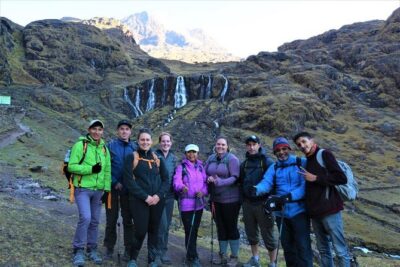
Small-group trekking is where “tour” starts to feel like actual travel. With a maximum of 14 travelers, it’s easier for the guide to manage the group on narrow trail sections and adjust pacing for different comfort levels.
The porter support is also a big deal: the plan is 1 porter for 2 people. That typically means your trek can feel more like hiking with company rather than “survival with a pack.” It’s especially helpful if you’re not used to carrying day-to-day trekking loads.
In the feedback you’ve been given, a few themes repeat: guides who keep people safe in cloudy or rainy weather, and staff who are friendly, professional, and attentive. Jitu and Sanjay get mentioned for being knowledgeable and supportive, while Ravi and Vimson show up as professional and focused on making the experience run smoothly. Even when conditions aren’t perfect, the point isn’t drama; it’s steadiness.
Price and Value: Is $700 Really Fair for This 10-Day Plan?
At $700 per person, this trek is priced like a full Nepal package, not like a cheap “just add yourself” adventure. The value becomes clear when you break down what’s included.
You get:
- 3 nights in Kathmandu with breakfast
- 2 nights in Pokhara with breakfast
- Trek lodges/tea houses and meals during the trekking days
- A Kathmandu sightseeing tour
- Airport transfers by private vehicles
- Ground transportation Kathmandu–Pokhara–Kathmandu (not flights)
- Guide and porter coverage, including porter support for 2 travelers
- An emergency helicopter arrangement that’s paid by your travel insurance company
- Equipment support: sleeping bag, down jacket, trekking map if needed
Not included items you should plan for:
- Nepal entry visa fee (visa on arrival is suggested, with the need for 2 passport size photos)
- Your travel insurance (compulsory)
- Tips for guide, porter, driver
- Alcohol and drinks and desserts
- Entrance fees and some meals in Kathmandu and Pokhara (lunch and dinner aren’t included there)
- Any personal expenses
So the real question isn’t “is $700 low?” It’s “does this prevent costly planning mistakes?” For many people, the answer is yes. When you include city hotels, transfers, daily meals on the trek, and porter support, you’re paying for time saved and stress reduced.
Getting There and Moving Around: Timing, Walking Hours, Altitude
This tour starts with a clear logistics point: Tribhuvan Airport (Kathmandu), with a start time of 6:15 am. That’s early, so build in a buffer for arrival formalities and getting to the pick-up.
Walking time varies by day, based on what’s scheduled:
- Day 4: about 4 hours
- Day 5: about 6 hours
- Day 6: about 6 hours (with Poon Hill)
- Day 7: about 3 hours
- Day 8: about 4 hours
Altitude-wise, you’ll reach Poon Hill at 3180m, plus spend time at Ghorepani (2675m) and Tadapani (2675m). The itinerary also climbs to higher points by the middle days, then drops down toward Ghandruk at 1950m, which helps with recovery.
The tour is described as suitable for moderate physical fitness. One practical takeaway: if you’re comfortable with sustained uphill walking and basic stair steps, you’re likely in the right zone.
Who This Trek Suits Best (and Who Might Want Another Option)
This plan fits best if you want:
- A short trekking experience with real mountain time
- Village culture (Magar and Gurung areas)
- A sunrise viewpoint that’s a headline moment
- A tour structure that handles most details for you, including lodging and meals
It may not be the best fit if you’re expecting a totally easy walk. The trek is graded moderate by the route design and involves steep stretches and basic facilities that come with the territory. It’s still manageable for most active travelers, but your body has to do some work.
Weather is another factor. If you’re someone who needs perfect visibility for photos, understand that cloud and rain can happen, and you’ll adjust in real time. The good side is that safe guidance is part of the package, and staff leadership is a repeated theme in what people share about the experience.
Should You Book the Ghorepani Poon Hill Trek?
I’d book this if your goal is a first Annapurna trek that still feels like a trek. The combination of Poon Hill sunrise, rhododendron forest walking, and Kathmandu + Pokhara downtime is a strong recipe for a satisfying trip even if you don’t have weeks to spend.
I’d think twice if you’re on a tight schedule where a delayed sunrise window would ruin your plans, or if you want a trek that’s more luxurious and less “tea house living.” Also, if you don’t have travel insurance, you’ll need to get it before you can join because the program requires it for emergency coverage.
If you do book, pack with the idea that mornings matter and that conditions can change fast in the hills. You’ll be in good shape, though, because the tour is built to handle the hard parts: guiding, logistics, lodging, and meals.
FAQ
How long is the Ghorepani Poon Hill Trek tour?
The tour is listed as 10 days (approx.), including three nights in Kathmandu, two nights in Pokhara, and the trekking portion in between.
Where does the tour start and what time do you meet?
The meeting point is Tribhuvan Airport, Kathmandu, Nepal, with a start time of 6:15 am.
What group size is this trek limited to?
This activity has a maximum of 14 travelers, which helps keep the trek organized and easier to manage.
What’s included during the trek?
During the trek, accommodations in lodges/tea houses are included, along with breakfast, lunch, and dinner.
Do you provide trekking gear?
The tour includes a sleeping bag and a down jacket (if necessary), plus a trekking map (returned after the trek).
Is the Nepal visa included?
No. The Nepal entry visa fee is not included. The info provided says you may issue the visa on arrival at Tribhuwan International Airport and you will need 2 passport size photos.
What’s the cancellation deadline for a full refund?
You can cancel up to 3 days in advance of the experience for a full refund. If you cancel less than 3 days before, the amount you paid will not be refunded.