REVIEW · POKHARA
Poon Hill Trek from Pokhara 4 Days
Book on Viator →Operated by My Dream Adventure (MDA) · Bookable on Viator
Sunrise over the Himalaya is the whole point. This 4-day Poon Hill trek from Pokhara delivers big mountain views plus village walking at a pace that works for many first-timers. Day by day, you move through rhododendron and oak forests, terraced hillsides, and traditional communities, then finish with a scenic drop back toward Pokhara.
What I like is how the trek packs variety into a short schedule: forest paths one day, hill villages and viewpoints the next. The other big win is having an English-speaking trekking guide (people have shared experiences with guides like Dadhi, Sagar, and Bikram) who helps you understand the route and local life beyond just the photos.
One consideration: it’s an early-start style trek, especially for the sunrise. If you hate waking before dawn, you’ll feel it on Day 3.
In This Review
- Key highlights you shouldn’t miss
- Why Poon Hill works so well for a short trek
- Price and logistics: what $230 really buys
- Getting from Pokhara to Nayapul: the easy on-ramp
- Day 1 to Ulleri: terrace views and steady uphill effort
- Day 2 from Ulleri to Ghorepani: the Banthali-style village feel
- Day 3 sunrise to Poon Hill: early starts, clear payoff
- Day 4 down to Pokhara via Ghandruk: rhododendron forest and mountain goodbyes
- Guides, porters, and the quality difference you’ll feel
- Guest house stays: comfortable enough, but pack like it matters
- Who this trek is best for (and who should rethink it)
- Should you book Poon Hill from Pokhara?
- FAQ
- How long is the Poon Hill trek from Pokhara?
- What is the price per person?
- Does the tour include hotel pickup and drop-off in Pokhara?
- Are trekking permits and TIMS card covered?
- Will there be an English-speaking guide?
- Where do we stay during the trek?
- What do I need to send to issue the trekking permit?
- Can I cancel and get a refund?
Key highlights you shouldn’t miss
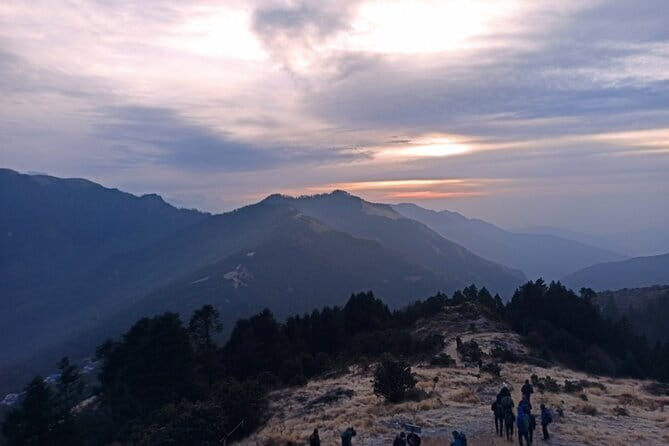
- Poon Hill sunrise planning: You’ll start before dawn so you don’t just hear about the sunrise later.
- Village routes that feel lived-in: Ulleri, Banthali, and Ghandruk bring Magar and Gurung community life into the hike.
- Guest house comfort, not camping: Accommodation is in teahouse-style guest houses included in the price.
- Permits handled: You get trekking permit and TIMS card support, but you must send passport details and a photo.
- Guides with real trail and culture know-how: Reviews mention guides like Dadhi, Milan Rai, and Sagar, plus strong porter support like Purna Bahadur.
- Value-focused logistics from Pokhara: Hotel pickup and round-trip transfer by local bus are included, so you spend less time figuring things out.
Why Poon Hill works so well for a short trek
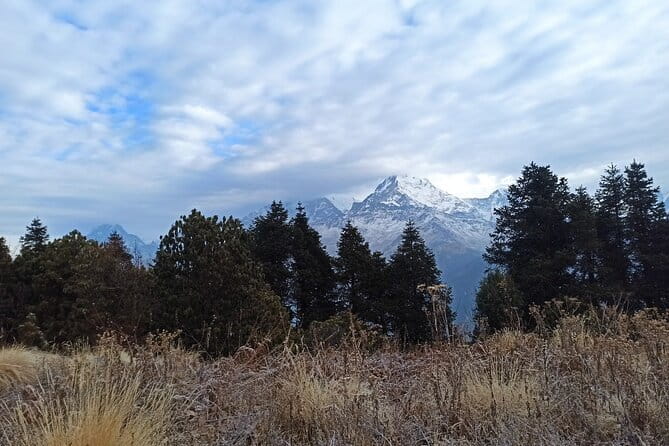
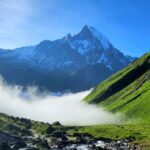
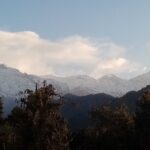
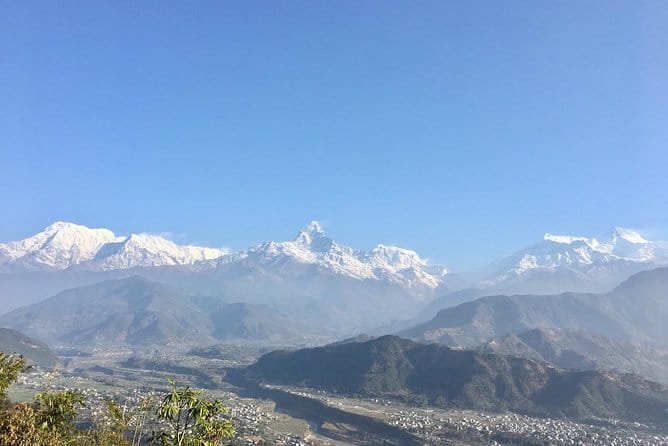
Poon Hill is popular for a reason. You get a classic “first light” viewpoint moment over the Annapurna and Dhaulagiri ranges, and the rest of the trek stays varied enough to keep it interesting even on days that don’t end at a top-of-the-world photo spot.
Also, this route doesn’t feel like a single straight line to a summit. One day you’re walking uphill from Nayapul toward Ulleri. Another day you’re moving from Ulleri to Ghorepani with views along the way. Then you’re up and moving again before sunrise to reach the Poon Hill area. Finally, you’re hiking downhill through rhododendron forest and back toward Pokhara, with mountain backdrops along the way.
Finally, the cultural side is real, not just window dressing. You pass through Magar and Gurung villages, and you’re walking through working farmland—terraces, streams, and hillside settlements—so it feels like a journey through daily life, not only through scenery.
You can also read our reviews of more tours and experiences in Pokhara.
Price and logistics: what $230 really buys
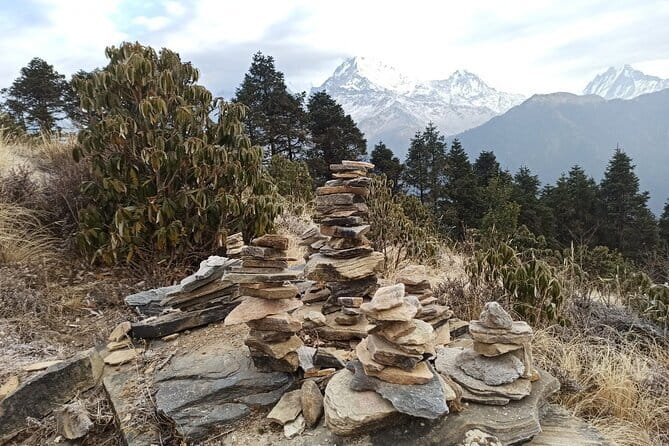
At $230 per person, this is priced like a straightforward, organized trekking package rather than a barebones DIY plan. You’re not just paying for “a route.” You’re paying for the parts that usually cause headaches:
- Hotel pickup and drop off in Pokhara
- Round-trip transfer by sharing local bus as part of the schedule
- An English-speaking trekking guide
- Trekking permit and TIMS card support
- Guest house accommodation during the trek
- A private trek for your group (so you’re not squeezed into a random crowd pace)
You’ll still want to budget for personal expenses (snacks, drinks, extra items, etc.). But the core costs that matter for a hassle-free 4-day trek are included.
One more practical note: you get a mobile ticket, and group discounts may apply depending on the booking. That can make this even better value if you can travel with friends or family.
Getting from Pokhara to Nayapul: the easy on-ramp
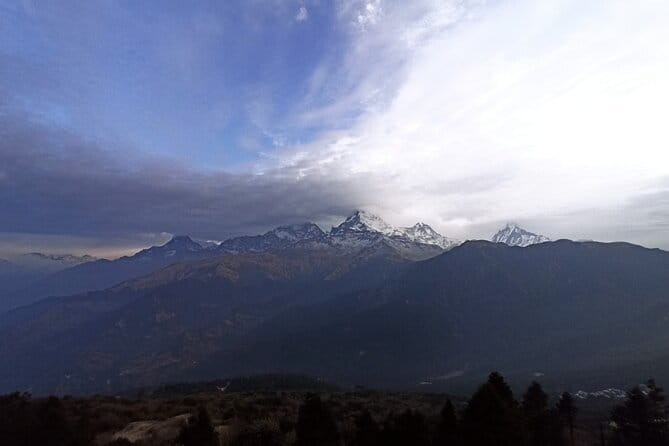
Most people start to enjoy a trek once the “how do we get there” part is handled. Here, you drive to Nayapul via local bus, which takes about an hour.
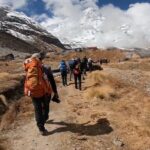
After you reach Nayapul, you begin hiking toward Ulleri. This first day is where your body learns the rhythm—steady uphill, enough breaks, and time to settle into the trail.
The itinerary lists a 7-hour walking day for Day 1, so plan for a full stretch rather than a gentle stroll. Ulleri sits at 2070m, so even on an early trek you can feel the altitude shift a bit. Nothing extreme is promised here, but it’s still smart to pace yourself.
Day 1 to Ulleri: terrace views and steady uphill effort
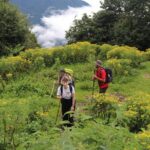
Ulleri is a good “first day” goal because it gives you a sense of what the trek will be like without forcing you into a brutal start. Expect uphill hiking, mountain views when the forest opens, and village scenery that helps you adjust quickly.
Your day’s structure matters. Because this is a guided trek, you’re not guessing where to turn or how long certain climbs might take. The route is set, the permit is handled, and your guide keeps the day moving at a realistic pace.
Tip I’d use here: bring a daypack that you can keep light. If you carry too much on Day 1, you’ll pay for it later on colder mornings.
Day 2 from Ulleri to Ghorepani: the Banthali-style village feel
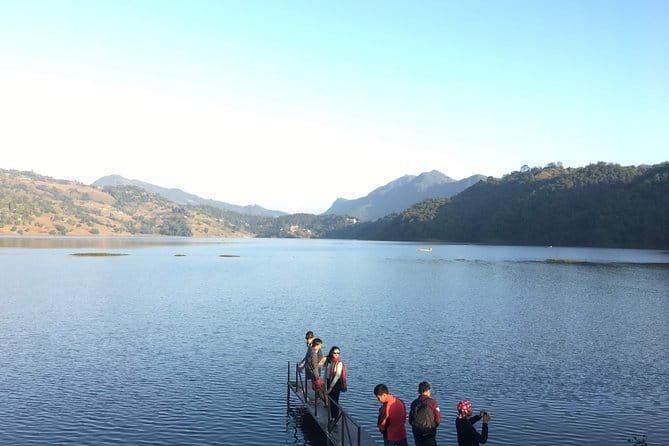
Day 2 is a 6-hour trek, and it’s built around moving from Ulleri toward Ghorepani, passing a notable village called Banthali.
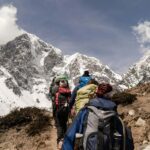
Banthali is inhabited by the Magar community, and the route includes the kind of viewpoints that make you stop without even meaning to. These are the moments where you get the sense of place—hillsides, terraced fields, and the Annapurna views that show up in flashes between trees.
This is also a day where you’ll appreciate having a guide who understands local culture. In experiences shared with guides like Dadhi and Milan Rai, the helpful part wasn’t only navigation—it was explaining what you’re seeing as you walk through the villages.
Possible drawback on Day 2: it’s not a “flat and fast” day. If you’re nursing sore knees, you’ll want trekking poles and a steady cadence.
Day 3 sunrise to Poon Hill: early starts, clear payoff
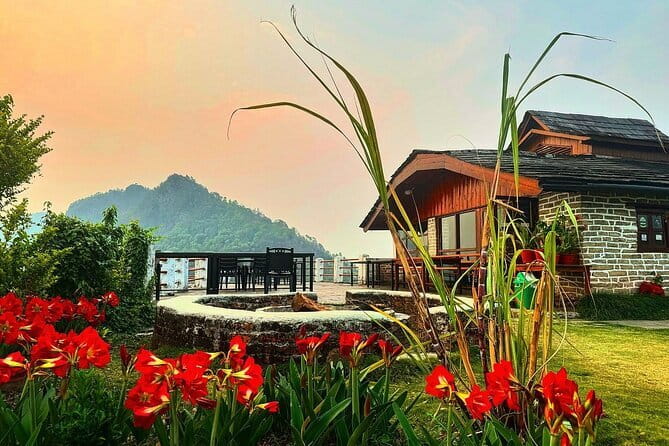
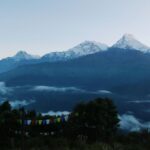
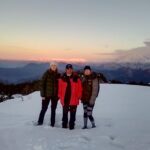
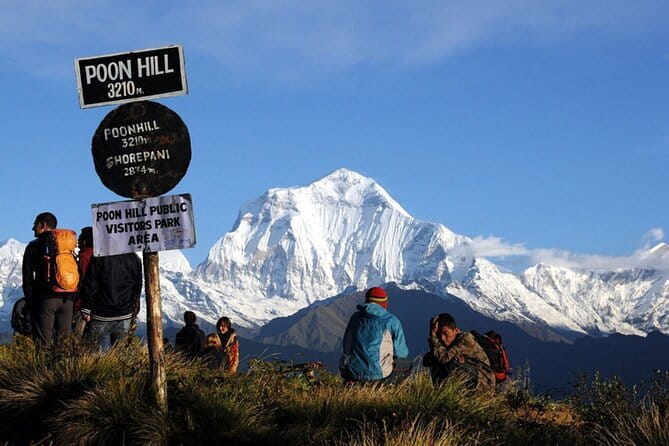
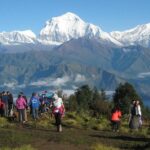
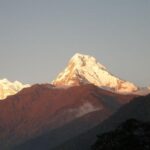
Day 3 is the big one. The plan is to start before dawn so you reach the Poon Hill area in time for sunrise. Then you wait for the light to break across the mountains—specifically views tied to the Annapurna and Dhaulagiri ranges.
This kind of wake-up call is the tradeoff for the signature moment. You’ll walk in the dark or near-dark, and once you arrive, you’re standing around a bit longer than you might on a typical hike. Bring layers. Even if the air doesn’t feel freezing during the day, morning can be chilly.
The itinerary lists Day 3 as 7 hours, which includes the sunrise timing. For most people, that’s worth it. If you care about sunrise photos, it’s also the only way to get them without rushing.
What you’ll likely notice: the view feels bigger because it’s framed by the mountains on all sides, and the first light makes the ridgelines look sharper than during the day. It’s the kind of moment that makes the early start feel like a deal.
Day 4 down to Pokhara via Ghandruk: rhododendron forest and mountain goodbyes
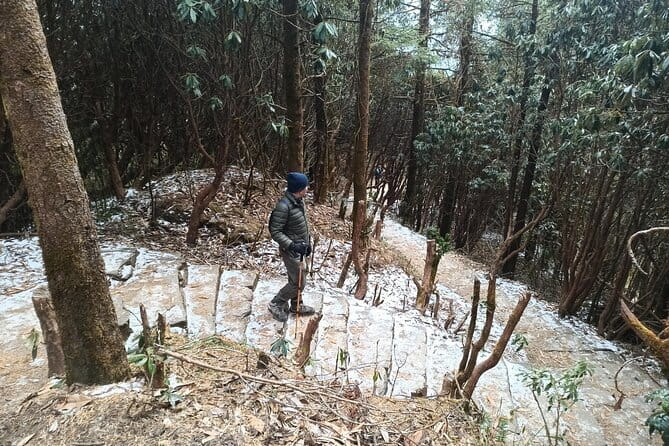
Day 4 shifts your focus from getting height to losing it. You hike downhills from Ghandruk toward Pokhara, waving goodbye to mountain names you’ve likely been hearing for years: Annapurna I, Annapurna South, Dhaulagiri, Fishtail, and Himchuli.
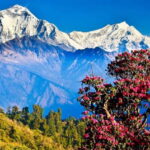
The walk is listed as 6 hours. It’s not just downhill for the sake of it—you cross rhododendron forest, and you’ll get those changes in texture and color as the trail passes through different parts of the hillside ecosystem.
Ghandruk is also part of the story. You’re coming from a village area with culture, not just a ridgeline. That mix—mountain views plus village paths—is what makes this shorter trek feel more satisfying than the “one viewpoint and done” style.
One practical note: downhill days are hard on knees. Go slow on descents, and use your guide’s pace rather than matching the fastest walkers in front of you.
Guides, porters, and the quality difference you’ll feel
A trek rises or falls on the guide’s ability to keep things organized and human. Your package includes an English-speaking guide, and the experiences attached to this trek highlight a pattern: guides who share route insight and culture details, not just instructions.
Names that come up in shared experiences include Dadhi (noted for knowledge of the trail and local culture), Milan Rai, and Sagar (paired with smooth trip handling). Sham is also mentioned as helping things run smoothly. Porter support comes up too, including Purna Bahadur being described as strong.
You don’t need a guide to point at mountains. You need one to manage the day: timing, pacing, and knowing when a viewpoint is worth the stop.
Guest house stays: comfortable enough, but pack like it matters
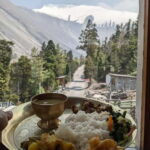
Accommodation is included in guest houses along the route. That usually means simple rooms, communal areas, and a very practical setup for trekkers.
Since the itinerary doesn’t spell out room type or heating, the smart move is to pack for variable comfort:
- Layers for the morning and evenings
- A warm layer you can wear even after the day warms up
- Earplugs if you’re a light sleeper (guest houses can be lively)
Also, remember you’re in trekking mode. Don’t expect hotel-style service. Expect helpful staff, decent rest, and a place to dry out between walking days.
Who this trek is best for (and who should rethink it)
This trek fits people with moderate physical fitness who want a structured, guided introduction to trekking in the Annapurna region.
It’s especially good for:
- First-time trekkers who want a route that’s challenging enough to feel real but short enough to manage
- People who want sunrise views without committing to a long multi-week trek
- Groups who like having pickup, transfers, and permits handled
It may be less ideal if:
- You hate early mornings and long waiting periods for sunrise
- You want a fully strenuous challenge with big summit climbing (this is about viewpoints and villages, not peak bagging)
Should you book Poon Hill from Pokhara?
If your priority is sunrise at Poon Hill plus a guided, logistically smooth trek with village life, this is a strong pick—especially at $230 when permits, guide, transfers, and guest house stays are part of the package.
I’d book it if you want:
- A short 4-day plan with clear daily walking blocks
- A guide you can ask questions to, not just follow silently
- A trek that ends with a downhill wind-down back toward Pokhara
I’d pause before booking if you’re sensitive to cold mornings or you’re expecting an easy walk the entire way. The sunrise day and the downhill day demand a bit more toughness than the word easy might suggest.
FAQ
How long is the Poon Hill trek from Pokhara?
It’s scheduled for about 4 days.
What is the price per person?
The price is $230.00 per person.
Does the tour include hotel pickup and drop-off in Pokhara?
Yes. Hotel pickup and drop off are included.
Are trekking permits and TIMS card covered?
Yes. The package includes trekking permit and tims card.
Will there be an English-speaking guide?
Yes. The trek includes an English speaking trekking guide.
Where do we stay during the trek?
Accommodation is in guest houses and is included.
What do I need to send to issue the trekking permit?
You’ll need to provide passport details and a photo (a selfie works) to issue the trekking permit.
Can I cancel and get a refund?
Yes, free cancellation is offered. You can cancel up to 24 hours in advance for a full refund. If you cancel less than 24 hours before the start time, the amount isn’t refunded.