REVIEW · GREECE
Trek at Acherontas river the gate of the underworld
Book on GetYourGuide →Operated by Cretanholidays · Bookable on GetYourGuide
The Acheron feels like a myth you can walk. This river trek follows the legendary route tied to the underworld, with Acheron narrows views, white cliffs, and that eerie sense of getting closer to the story.
I especially love the clear, cold river water and the dramatic gorge feel when you’re moving through the canyon’s tight sections.
One thing to consider: this is real river trekking, so you’ll need decent fitness and you must be comfortable getting wet and stepping on uneven ground, including the colder spring area.
I also like how the tour brings the places to life. Our guide Semina made the key spots click with calm explanations, and the break with fresh figs and homemade pies on the river beach is a standout.
That mix of nature drama plus practical guidance is why this hike stays memorable after the wet shoes come off.
The main drawback is simple: the trek isn’t for everyone. If you’re a non-swimmer, have low fitness, have back problems, are pregnant, or you’re traveling with kids under 12, this one likely won’t work well.
In This Review
- Key highlights worth showing up for
- First impressions: trekking the Acheron near Glyki
- From the trail to Scala Tzavelaina: the viewpoint that frames the underworld feel
- Narrows, white cliffs, and Dalas Bridge: the scenery keeps changing
- River-bed trekking back to Glyki: how the wet part works
- Dragon Hole and Elemental Cave: where the myth meets cold water reality
- Picnic on the river beach: why the break feels so good
- Gear that actually matters (and what not to forget)
- Who should book this trek (and who should skip it)
- Price and value of a 2.5-hour Acheron River trek
- Should you book the Acheron underworld trek?
- FAQ
- What’s the duration of the Trek at Acherontas River?
- Where does the trek start?
- What’s included in the price?
- What should I bring for this activity?
- Is the trek suitable for non-swimmers?
- Who should not book this trek?
- What happens if there’s only one participant?
Key highlights worth showing up for
- Glyki as your starting point: you begin in the village feel of Epirus before the gorge takes over.
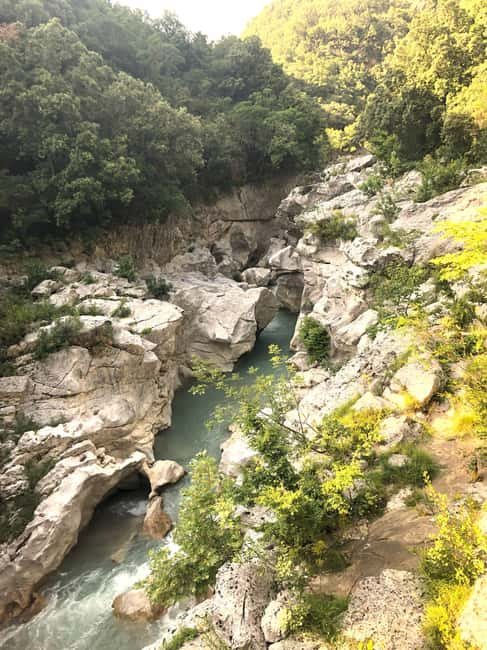
- Scala Tzavelaina viewpoint: the climb to a viewpoint gives you wide views of the narrows and rocky tops.
- Souli peaks on the horizon: those majestic mountains help the scenery feel big, not just close-up.
- Dalas Bridge and watermill remnants: you get a quick historical layer without turning it into a museum stop.
- River-bed trekking back to Glyki: you actually move through the river, not just along a bank.
- Dragon Hole / Elemental Cave cold spring: the myth has a practical counterpart—one of the river’s coldest springs.
First impressions: trekking the Acheron near Glyki
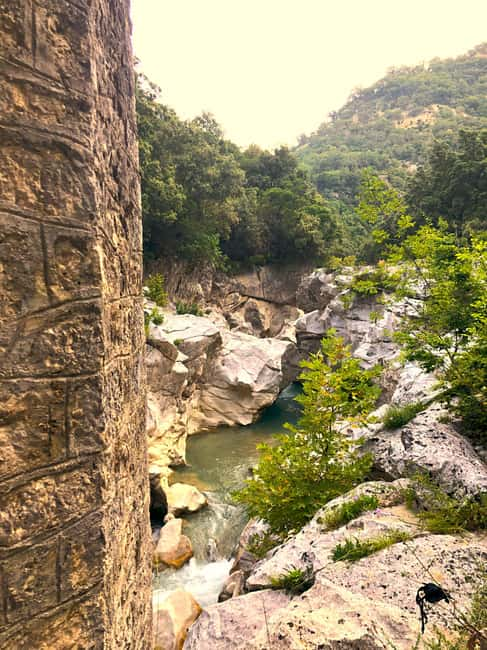
This is the kind of hike that starts peaceful and then turns into something more primal fast. You leave from the small village of Glyki and follow a trail that runs parallel to the river, so you’re never far from the water that gives the Acheron its pull.
Within minutes you’ll understand why this route has so much legend attached. The river cuts through the gorge and the cliffs rise sharply, making the walk feel tighter and colder than the lowland trails you might be used to. The best part is that the pace feels active, but not rushed, so you can focus on where your feet are and still look up.
Safety is handled like an outdoors trip, not a casual stroll. You travel with professional escorts holding valid first-aid certification, and you’ll have support from the English-speaking guide throughout. That matters because the “fun” here includes uneven footing and cold water, not just scenery photos.
You can also read our reviews of more tours and experiences in Greece.
From the trail to Scala Tzavelaina: the viewpoint that frames the underworld feel
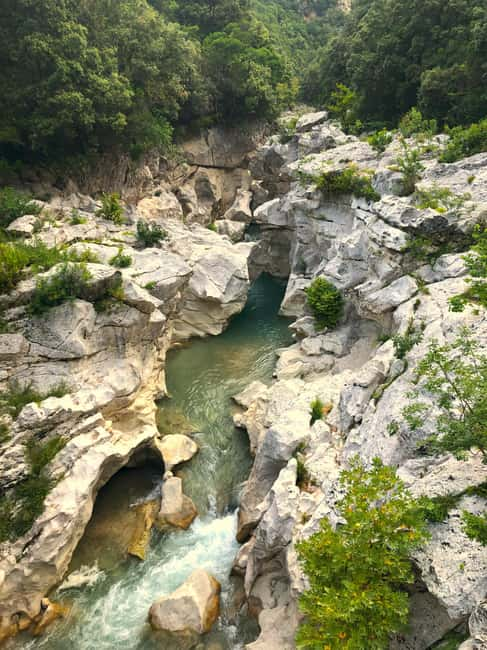
After starting in Glyki, you walk a lush trail beside the Acheron. Then you start ascending to an ancient calderimi—those old stone paths that feel made for walking, even if they’re not always gentle on the legs.
The payoff is the Scala Tzavelaina viewpoint. It’s the moment where you stop thinking only about the next step and start seeing the whole scene: the river narrows below, the gorge walls tighten the space, and the rocky peaks of Souli look like they’re standing guard over the route.
You get views that feel myth-sized without needing any special storytelling. The air cools as you climb, and when you finally look out over the canyon, the Acheron looks less like a river and more like a passage. That’s the “underworld” vibe people come for, but it’s earned by terrain—stone, water, and height.
Practical note: the viewpoint climb is part of what makes this trek worth it. If you’re only expecting an easy riverside walk, you’ll be surprised by how quickly the elevation and stone paths raise the game.
Narrows, white cliffs, and Dalas Bridge: the scenery keeps changing
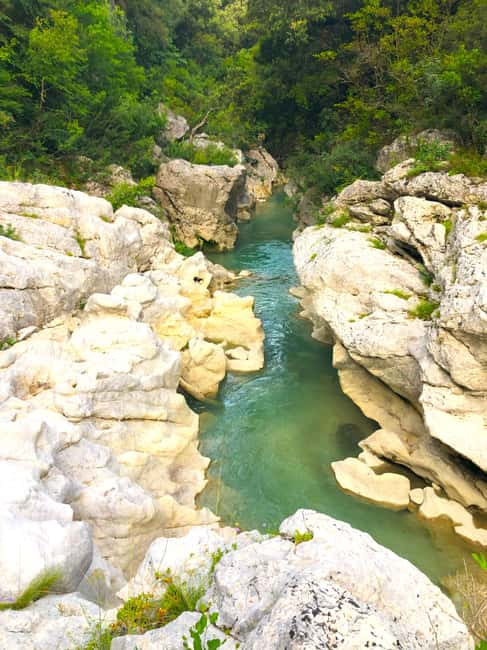
Once you’re done with the viewpoint stretch, the route continues through sections that feel different from one another. You’ll move along the gorge and pass bridges that bring you back and forth between river-adjacent paths and crossings.
One stop that adds character is Dalas Bridge, where you can see remnants tied to an old watermill. Even if you don’t go deep into details, it gives the walk a local, grounded thread: people have been using water and stone here for a very long time.
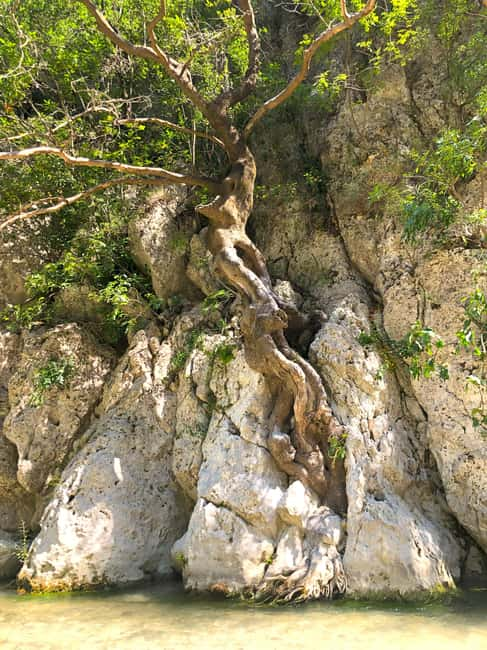
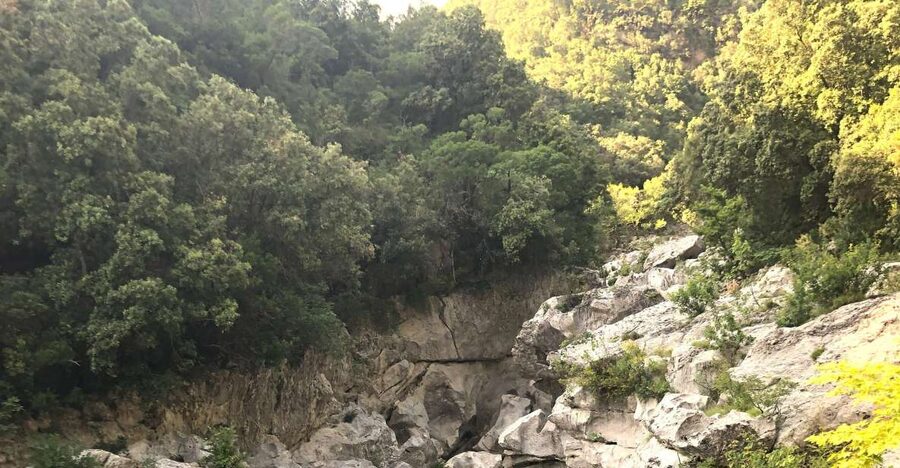
Then comes the gorge’s real show. Towering white cliffs rise around you, and the river brings cool water gushing through rock clefts. This is where the trek starts to feel like a living landscape in the literal sense—water changes everything, from temperature to sound.
And yes, the Acheron looks good in photos. But don’t make the mistake of thinking you’ll just stop for pictures and be done. The cliffs and narrows are best experienced while moving, because your angle on the gorge shifts as you walk, and the water sound guides you through the space.
River-bed trekking back to Glyki: how the wet part works
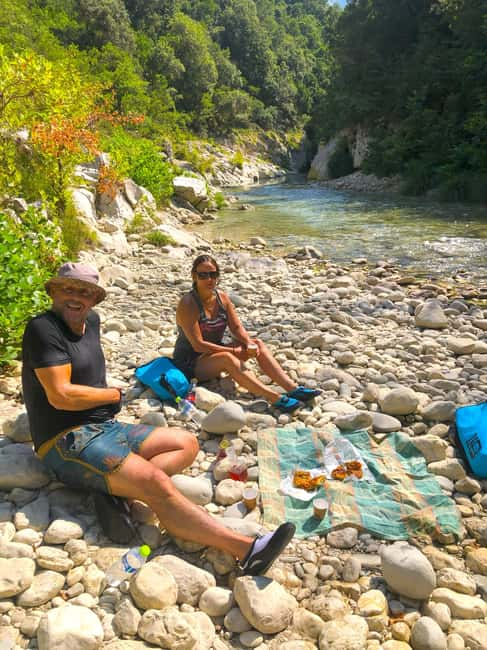
A big part of the charm here is that you’re not only looking at the river—you’re stepping into it. You’ll trek back to Glyki through the river bed, which means your shoes, socks, and balance become part of the plan.
The water isn’t just scenic. It’s cold enough that you feel it right away, and the route can be uneven where the river runs over rocks and stone. I like that the tour doesn’t pretend it’s dry-foot friendly. It prepares you for water trekking, and that keeps expectations realistic.
You’ll also feel the difference between walking on a bank versus walking in the river. On the bank, you can watch the water. In the river, the water works on you—sound is stronger, footing is trickier, and you’ll likely do a lot of small adjustments.
A practical tip: keep your pace steady and don’t rush the tricky sections. The goal is to maintain balance and save your legs for the entire return, especially once the colder areas near the spring come up later.
Dragon Hole and Elemental Cave: where the myth meets cold water reality
Near the end, you reach the Dragon Hole (also known as Elemental Cave). This is one of the river’s largest and coldest springs, and it’s the kind of stop that changes your mood for a moment.
This is not a quick splash and move on. You’ll exit the water and finish the adventure back at the starting point, so the spring section acts like a finale—something dramatic enough to feel like a myth marker, but still grounded in what’s physically happening: cold spring water feeding the gorge.
What I like about this part of the trek is that it gives meaning to the theme without turning it into a costume. You see the water’s power, feel the temperature shift, and then your guide helps connect that to the underworld story people associate with the Acheron.
If cold water gets to you, prepare for the timing. Bring what you need to change quickly afterward, and treat the spring as the moment you’re actively planning for—not something to “tough out” without proper gear.
Picnic on the river beach: why the break feels so good
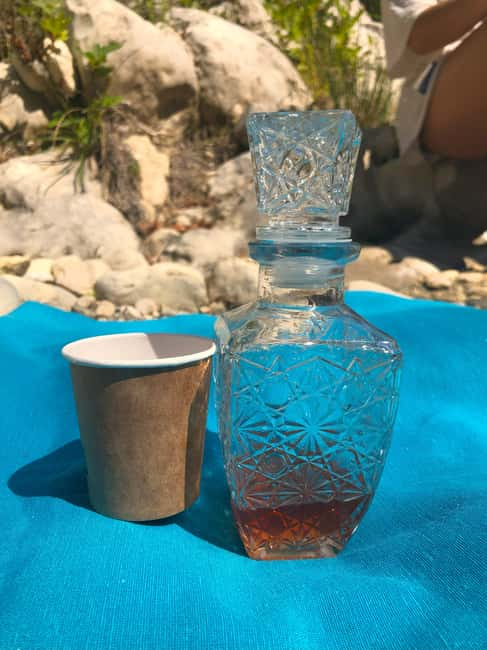
Mid-trek, you rest at one of the river’s beaches. Then you get a picnic, plus snack and beverage as part of the experience.
This break is more than a pause to eat. It’s a temperature reset and a morale reset. After time in cold water and stone footing, sitting somewhere by the river feels like the first real exhale of the day.
In the best moments of the tour, you’re sitting within earshot of rushing water while you eat. That’s why the picnic helps the overall experience stick. And in the stories you’ll hear from your guide, this is where the walk feels like it has a rhythm: move, look, feel the water, then slow down again.
Gear that actually matters (and what not to forget)
River trekking in this gorge is a shoes-and-socks problem as much as it is a scenery problem. You’ll want comfortable shoes, sunglasses, and a sun hat. You’ll also need swimwear, a towel, socks, and change of clothes.
Waterproof shoes are strongly worth it here. Cold water plus rock footing makes ordinary footwear feel like a bad idea fast. If your shoes get waterlogged, you’ll feel it in the return stretch.
Pack water and bring a camera if you want to capture the cliffs and narrows from your best angles. You’ll also want an extra mindset: the trek includes both walking and time in/near water, so plan like you’re doing a mixed hike-swim day, not a dry hike.
And one fun practical detail: you’ll be provided a traditional shepherd’s stick, also called a glitza. I like this because it’s useful as well as symbolic—helpful for balance on uneven ground and a nice local touch you can actually use.
Who should book this trek (and who should skip it)
This is best for people who want an outdoors experience with real movement. You’ll enjoy it most if you’re comfortable getting wet, you can handle uneven terrain, and you’re looking for gorge views rather than only scenic overlooks.
It’s not suitable for:
- Children under 12
- Pregnant women
- People with back problems
- Non-swimmers
- People with low level of fitness
If you fit those categories, the trek might feel stressful instead of fun. The water and spring section are core to the experience, so skipping doesn’t feel like a loss—it protects your day.
If you do fit, you’ll probably love the way the scenery changes from trail to viewpoint to bridges to river-bed walking. That variety keeps your attention on the path, which is exactly what makes this kind of trek satisfying.
Price and value of a 2.5-hour Acheron River trek
The price is $47 per person for a 2.5-hour outing. On paper, that’s a lot less than multi-hour tours elsewhere, and the value comes from what’s included: an English live guide, professional escorts with first-aid certification, snack and beverage, and the shepherd’s stick.
You also get time in the river and a picnic stop on the beach. That’s not just a small refreshment—it’s part of how the tour balances effort with reward. If you like guided safety plus a proper break built into the schedule, you’re getting more than a barebones hike.
There’s one small consideration on cost if you’re booking solo. If there’s only one participant, there’s an extra 20 euro charge paid on the spot to the guide for the private activity. If you’re traveling with a friend or group, you can usually avoid that.
Should you book the Acheron underworld trek?
Book it if you want an active river trekking day in Epirus with real gorge scenery, cold spring water, and a guide who knows how to explain the key stops without turning it into a lecture. I’d especially recommend it if you care about details like the calderimi paths, the Dalas Bridge watermill remnants, and that Scala Tzavelaina viewpoint framing the narrows.
Skip it if you’re not comfortable with water, cold temperatures, or uneven footing. This isn’t a dry “pretty walk.” It’s an outdoors route where the water is part of the main event, and your comfort with that matters more than anything else.
FAQ
What’s the duration of the Trek at Acherontas River?
The tour lasts about 2.5 hours.
Where does the trek start?
It starts in the village of Glyki.
What’s included in the price?
You get professional escorts (with valid first-aid certification), a snack and beverage, and a traditional shepherd’s stick (glitza). The tour also includes a live English guide.
What should I bring for this activity?
Bring comfortable shoes, sunglasses, a sun hat, swimwear, a change of clothes, a towel, a camera, water, socks, and waterproof shoes.
Is the trek suitable for non-swimmers?
No. It’s not suitable for non-swimmers.
Who should not book this trek?
It isn’t suitable for children under 12, pregnant women, people with back problems, or people with low fitness.
What happens if there’s only one participant?
If there is only 1 participant, there will be an extra 20 euro charge paid on the spot to the guide for the private activity.