REVIEW · KATHMANDU
Everest Base Camp Trek – 14 Days
Book on Viator →Operated by Himalayan Partner Treks and Expedition · Bookable on Viator
Mount Everest starts with a flight. This 14-day Everest Base Camp trek from Kathmandu blends lodge trekking with smart acclimatization and big mountain days, ending with the climb to Kalapathhar at 5,545m. You also get time in the Khumbu region with villages, monasteries, and people who live where the air thins fast.
What I like most is that your days are built around a rhythm: walk high, rest, then push higher again. I also love the practical support—your flights, Kathmandu hotel nights, and daily meals are handled—so your focus stays on the trail and breathing.
The only real drawback to plan for is the physical load. Long walking days, steep rocky sections, and high altitude mean you’ll need slow, steady effort and good cold-weather basics from start to finish.
In This Review
- Key things that make this Everest Base Camp trek work
- Why Everest Base Camp here feels more human than just a postcard
- Kathmandu prep: airport pickup and an easy start in Thamel
- The Lukla flight day: where the mountains show up early
- A note on where you fly from
- Phakding to Namche Bazaar: your first real taste of altitude
- Namche rest day: acclimatization that doesn’t waste your time
- Tengboche monastery day: rhododendron country and a spiritual anchor
- Dingboche: where you choose your altitude challenge
- Lobuche and the memorial moraine: hard walking with meaning
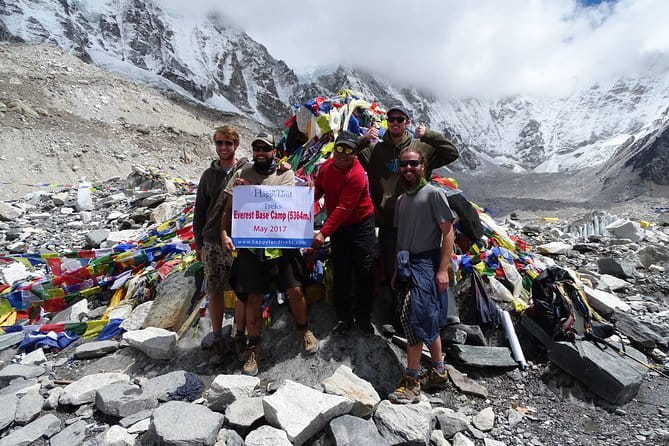
- Everest Base Camp day: Gorakshep first, then the walk to 5,364m
- Gorakshep dawn and Kalapathhar (5,545m): the day you remember for years
- Heading back: Pangboche, the Yeti monastery story, and Namche again
- Lukla descent and the Kathmandu reset
- Price and value: what $1,099.06 covers (and what it doesn’t)
- Support on the ground: where the reviews really point
- Who should book this Everest Base Camp trek?
- Should you book this Everest Base Camp trek?
- FAQ
- Where is the meeting point for this Everest Base Camp trek?
- What time does the tour start?
- How do you get from Kathmandu to Lukla?
- What is the highest altitude on this trek?
- Is there an acclimatization day in Namche Bazaar?
- Are there hike options on the Dingboche acclimatization day?
- Does the trek include meals?
- What kind of hotel is included in Kathmandu?
- Are flights included both ways?
- Are tips included?
Key things that make this Everest Base Camp trek work
- Kathmandu-to-mountain timing: Airport pickup, hotel night(s), then an early flight day to Lukla so you start hiking quickly.
- Built-in acclimatization: Rest days in Namche Bazaar and options around Dingboche help you manage altitude.
- Memorials and stories along the route: Prayer-flag sections tied to Scott Fischer and Babu Chhiri Sherpa add meaning to the hard miles.
- Big viewpoints, not just base camp: Kalapathhar is the top highlight, plus sunrise-style morning hiking from Gorakshep.
- Lodges and meals are included: You’re not budgeting every meal decision in tea houses at altitude.
Why Everest Base Camp here feels more human than just a postcard
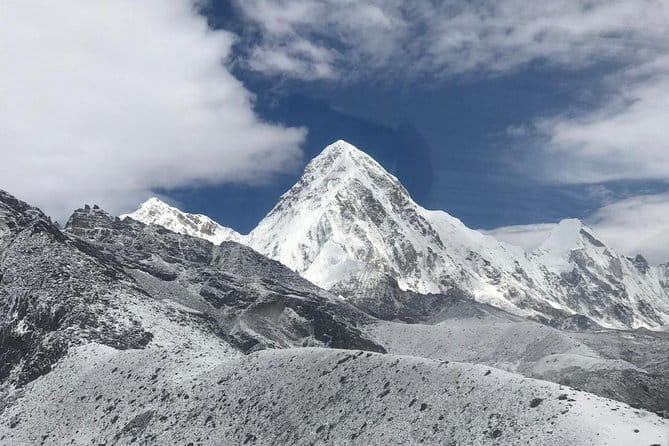
Everest Base Camp is easy to market as an achievement. But on this route, what you actually experience is a sequence of environments that changes your brain: pine forest moods, then alpine village calm, then glacier-edge grit. Each day adds a new flavor of the Khumbu.
And unlike some treks that feel like a long corridor to one target, this one passes through communities that have adapted to mountains. You’ll be walking through Sherpa settlements, monastery towns, and market centers like Namche Bazaar—places where daily life runs alongside climbing dreams.
Finally, the itinerary hits the one altitude you can’t ignore: Kalapathhar (5,545m). That final push isn’t just for a view. It’s also a clear marker that this trek is serious, even if it’s well organized.
You can also read our reviews of more tours and experiences in Kathmandu.
Kathmandu prep: airport pickup and an easy start in Thamel
You’ll begin in Kathmandu with help right away. An airport representative meets you at Tribhuvan International Airport, and a private vehicle takes you to your hotel. That matters on day one, because Kathmandu can feel chaotic, and you’ll want your energy for the mountains, not for searching for a SIM card.
You also have a base in Thamel area (the meeting point is Himalayan Partner Treks & Expedition, 3rd floor, Thamel Marg). Your start time is listed as 5:00 am, so expect a very early day before you head toward domestic travel and the Lukla flight.
You’ll likely do two nights in Kathmandu at a 3-star hotel with breakfast. That’s a comfortable buffer before altitude work begins, especially if you’re arriving on an international flight and still feel slightly jet-lagged.
The Lukla flight day: where the mountains show up early
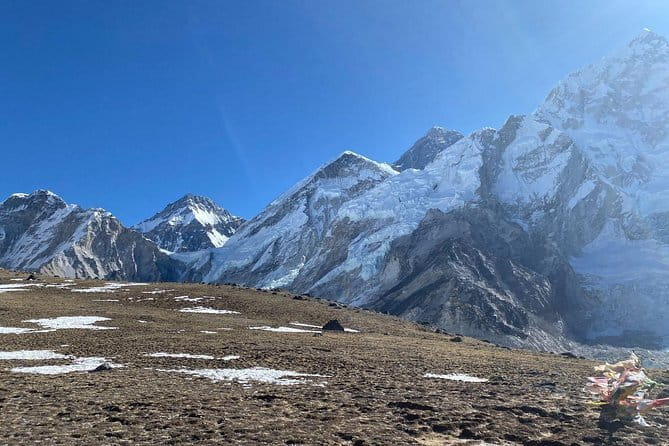
On the trek’s second day, the flow is simple: breakfast, then a drive to the domestic terminal. The flight to Lukla is short—about 40 minutes—but the views can be dramatic, with sunrise on snowcapped peaks described as part of the experience.
When you land at Tenzing-Hillary Airport, you meet the crew and then start the trek right away. There’s no long bus ride to “the trailhead.” Lukla is the trailhead.
That structure is one reason this trek feels efficient. You trade waiting around for walking, and even your first trekking night in Phakding is a lodge/tea house stay that keeps things straightforward.
A note on where you fly from
The included flights are listed as to Lukla (or from Ramechhpa). You’re also covered for the transfer to Ramechhap, either by sharing bus or car. If you prefer a private car, it’s listed as $85 for 3 pax.
So when you book, I’d treat Ramechhap as a possibility, not an exception.
Phakding to Namche Bazaar: your first real taste of altitude
Phakding is the warm-up. You’ll walk from Lukla through the start of the Khumbu corridor and settle into lodge life quickly. Day three then turns the volume up: pine forests, the Dudh Koshi River along the way, and views of big peaks like Thamserku.
You also pass through a checkpoint for Sagarmatha National Park. That’s one of those small administrative moments that makes the trek feel real. You’re not just walking for scenery—you’re walking inside a protected high-altitude zone.
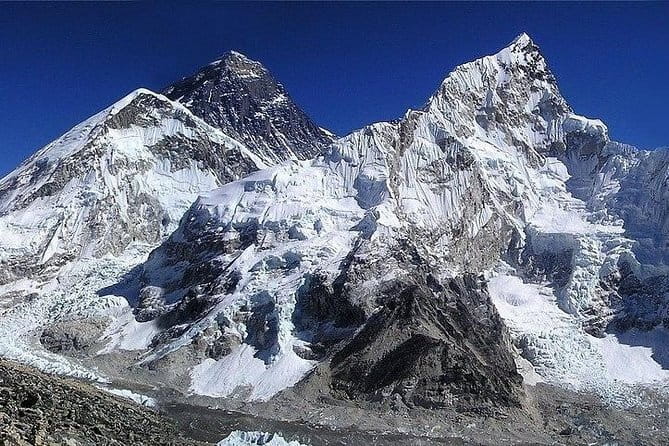
As you approach Namche Bazaar, the route steepens and opens into the first big “wow” window: the first sight of Everest, with ridges including Lhotse and Nuptse mentioned as visible.
Namche rest day: acclimatization that doesn’t waste your time
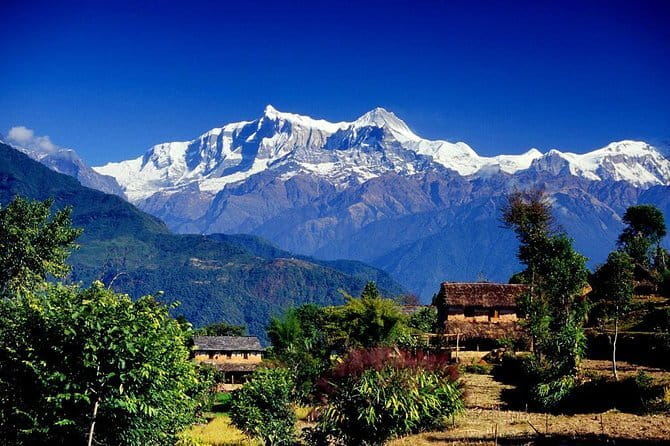
The Namche Bazaar day is a rest day for acclimatization. But it’s not a day spent doing nothing. Your trek includes a short hike to viewpoints such as Thame or Khunde, plus a tour feel that includes the Tourist Visitor Center.
That visitor center piece is practical. It helps you connect what you’re seeing—Everest climbing history, Sherpa culture, and even local flora and fauna—so the landscape has context, not just height.
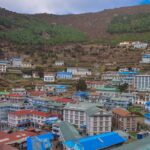
Namche is also where modern needs show up: ATMs, internet cafes, restaurants, and bakeries are part of the description. Even if you’re not doing much shopping, it’s good to know you can handle small logistics like charging gear or grabbing a warm layer.
Tengboche monastery day: rhododendron country and a spiritual anchor
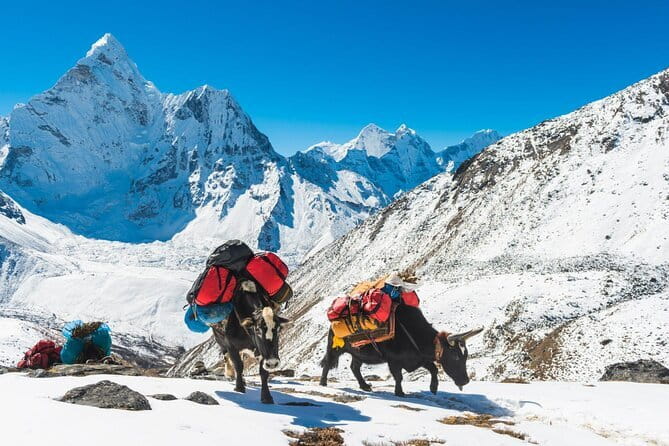
Leaving Namche behind, the trail moves through juniper and rhododendron forests. The pacing changes here—more “walking through” feeling, less “climb to a viewpoint.”
You’ll reach Tengboche, and the highlight is a visit to the biggest monastery in the Sagarmatha region: Tengboche Gompa. Monasteries in the Khumbu aren’t just decoration. They’re community centers, and they give you a pause in the middle of hard altitude work.
This is also a good day to pay attention to weather in a practical way. Forested trails can feel warmer in the shade, while monastery visits often mean more exposed waiting time. Bring a light layer that’s easy to add or remove.
Dingboche: where you choose your altitude challenge
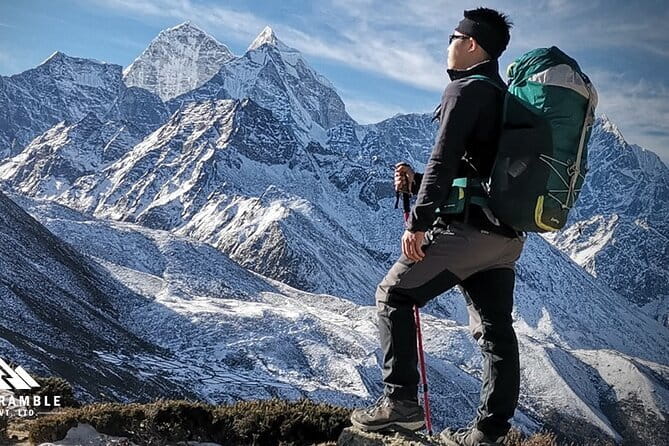
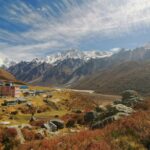
Dingboche is reached after a trek that includes village stops like upper Pangboche and other small communities. The route is described as alpine forests moving into larger Khumbu villages, and it also includes a ridge-top crossing in the Khumbila Khola valley.
This day is also where you start seeing how the itinerary uses choice. Day six includes a major transition toward Dingboche. Day seven is the acclimatization day, with options to hike higher without forcing a summit-style push.
You can choose hikes such as:
- Nangkartshang Peak (5,083m)
- Chhukung Ri (5,546m)
There’s also mention of Nagarjun Hill (2,128m), plus the possibility to hike around Chhukung and Imja or simply rest.
If you like structured acclimatization, this is the sweet spot. You get a plan and viewpoints, but you can scale how aggressive you want to be.
Lobuche and the memorial moraine: hard walking with meaning
Lobuche is where the trek gets more severe in feel. The route includes walking up a steep terminal moraine of the Khumbu glacier, then ascending toward Chupki Lhara.
This is also where the itinerary places you amid memory. There’s a description of prayer flags set up as memorials to American mountaineer Scott Fischer and Nepalese Everest summiteer Babu Chhiri Sherpa.
The altitude discussion here is also real: you might experience “little symptoms of altitude sickness.” That phrasing matters. It’s not telling you to panic—it’s telling you to pay attention. If you feel off, slow down, hydrate, and tell your guide early so they can pace you.
That day’s lodge stay in Lobuche keeps you close to the next big step.
Everest Base Camp day: Gorakshep first, then the walk to 5,364m
This is a key day. You go from Lobuche to Everest Base Camp and then back to Gorakshep. The plan is a 7–8 hour stretch.
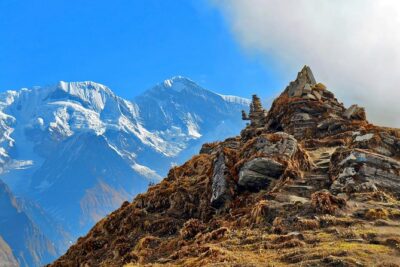
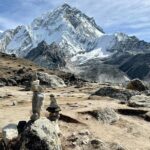
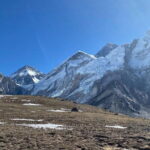
A useful detail: Everest is not always directly visible from every point on the route. The itinerary notes that from Thangma Riju you get a 360-degree panoramic view of snowcapped mountains, but Everest isn’t seen from there; instead you can view peaks like Nuptse and Pumori.
Then, later, there’s mention of seeing the grey grassy land of Kalapathar after climbing through steeper terrain toward the Changri glacier.
So if your motivation is purely to see the base camp sign and then leave, manage expectations. This day is about being in that high-altitude world, not just taking one landmark photo.
Gorakshep dawn and Kalapathhar (5,545m): the day you remember for years
Your next big morning starts early—so you can see the shift from dusk to bright morning light and get the “glimpse” of Everest. The plan also includes views of peaks such as Lingtren, Khumbutse, and Changtse en route.
The itinerary highlights a practical approach: pause, catch your breath, and snap photos when it makes sense. That’s more than convenience—it’s smart pacing at altitude. If you rush, you’ll spend your energy instead of enjoying the view.
Kalapathhar is where you earn the top line: panoramic views of the Himalayas from Gorakshep and the summit-side route are the climax. Then you descend to Pheriche/Periche after lunch, with lodge/tea house lodging again.
For many people, this is the day that turns the entire trek from “tough but scenic” into “I can’t believe I’m here.”
Heading back: Pangboche, the Yeti monastery story, and Namche again
The return route keeps the trekking rhythm. You descend via the Jame route back toward Duglha, passing Pheriche and other villages like Orsho and Shomare.
At Pangboche, you can explore an older monastery with a legend mentioned in the itinerary: the myth of storing scalp and bones of the Yeti. Even if you’re skeptical, it’s a great cultural stop that shows how local stories blend with religious life.
After that, the route moves through a bridge above the Dudh Koshi River, then down through pine forests. After lunch, you continue toward Namche Bazaar, with views including Ama Dablam, Lhotse, the tip of Everest, and Tengboche on the trail route.
This day matters because it rebuilds confidence. You’re still high and still exposed to altitude effects, but you’re now moving with a clearer understanding of what lies behind you.
Lukla descent and the Kathmandu reset
The final trekking day continues with steep descent toward Lukla. The itinerary suggests moving slowly and controlled on rocky terrain, with extra caution until you reach the suspension bridge over Dudh Koshi.
You also pass an open plain and rhododendron forest while enjoying distant snow-covered mountain views. Then, you reach Lukla and stay another lodge night.
Day 13 is a mountain flight back to Kathmandu. Once you land, the plan shifts to lower effort: shopping and walking around the city, plus a celebration dinner vibe for finishing the trip.
This is the moment to treat yourself, but also to be practical about how you pack. Your body will likely be tired, even if you feel “done.”
Price and value: what $1,099.06 covers (and what it doesn’t)
At $1,099.06 per person, the value here is mostly in the logistics you don’t want to manage at altitude.
Included items that carry real weight:
- 14 nights accommodation total: 2 nights in Kathmandu and 12 days in the mountain
- 2-night 3-star hotel in Kathmandu with breakfast
- 3 meals per day during the trek, plus coffee and tea
- Both-way flights to Lukla (or from Ramechhpa)
- Airport pickup/drop by private car in Kathmandu
- Transfers to/from Ramechhap if needed
- Taxes, fees, and handling charges are included
What’s not included is also clearly stated:
- International airfare and Nepal visa fee
- Food in Kathmandu and extra days beyond the program
- Tips for guides, porters, and drivers
So where does this price land? It’s not the cheapest way to do the route, but it removes a lot of decision fatigue. When you’re dealing with cold, thin air, and early mornings, that’s not a small thing. It’s the difference between a trip that feels heavy in planning and one that feels heavy in effort only.
Support on the ground: where the reviews really point
The strongest theme in the feedback is organization plus responsive help. Ghan is named repeatedly for meeting people in Kathmandu, handling transfer services, and being available with questions or issues even beyond arrival.
You’ll also see praise for guides and porters by name:
- Santosh Tamang, described as very caring and credited with preventing injury issues during the trek.
- Lila, described as professional and attentive to what needed doing.
- Raju, praised for care and support while keeping the trekking experience smooth.
- Several comments highlight porters making daily life easier, including one person saying their porter simplified everything.
There are also small touches that signal operations are paying attention. One review mentions arriving with a flower necklace at meeting. Others note clean, comfortable cars and drivers who were on time. That may sound minor until you’re standing outside in Kathmandu trying to coordinate a ride on your own.
Also, the trek is private—only your group participates. That can matter if you prefer steadier pacing and a guide who isn’t managing a large mixed crowd.
Who should book this Everest Base Camp trek?
This trek is best for you if:
- You can handle moderate physical fitness and long walking days.
- You want an itinerary that builds acclimatization without leaving you guessing.
- You appreciate having lodges and meals set up so you can focus on pacing and comfort.
It’s not ideal if:
- You hate early mornings and prefer slow, low-altitude hikes only.
- You’re likely to refuse route changes or you need guaranteed flexibility around altitude options.
The good news is that the trek includes choices on acclimatization days, especially around Dingboche. That lets you tailor effort while still following a safer pattern.
Should you book this Everest Base Camp trek?
I’d book it if you want a clean, structured EBC plan with the important stuff handled: lodging, daily meals, domestic flights, and a guide system supported by an operations team in Kathmandu.
Before you commit, do two reality checks:
- Mentally prepare for altitude work up to 5,545m and long steep days, especially around the moraine areas and rocky descents.
- Plan your Kathmandu time for shopping and recovery, since food in Kathmandu outside the included breakfast/trek meals isn’t covered.
If you’re ready for the climb and want less logistics stress, this is a strong value way to reach Everest Base Camp and stand on top of Kalapathhar’s viewpoint.
FAQ
Where is the meeting point for this Everest Base Camp trek?
The meeting point is Himalayan Partner Treks & Expedition (3rd floor), Thamel Marg, Kathmandu 44600, Nepal.
What time does the tour start?
The listed start time is 5:00 am.
How do you get from Kathmandu to Lukla?
You drive from your hotel to the domestic airport terminal after breakfast, then fly to Lukla (described as about 40 minutes).
What is the highest altitude on this trek?
The highest altitude listed is Kalapathhar at 5,545m.
Is there an acclimatization day in Namche Bazaar?
Yes. Namche Bazaar includes a rest day for acclimatization, plus a short hike to viewpoints like Thame or Khunde.
Are there hike options on the Dingboche acclimatization day?
Yes. Options listed include Nangkartshang Peak (5,083m) or Chhukung Ri (5,546m), with shorter hikes like Nagarjun Hill also mentioned.
Does the trek include meals?
Yes. During the trek you get 3 meals per day (breakfast, lunch, dinner) including coffee and tea.
What kind of hotel is included in Kathmandu?
You get 2 nights in a 3-star hotel in Kathmandu with breakfast.
Are flights included both ways?
Yes. Both way flight tickets to Lukla are included, and the plan also mentions flights from Ramechhpa depending on the route/schedule.
Are tips included?
No. Tips for guides, porters, and drivers are not included.