REVIEW · SAPA
Trek Adventure in Ta Van Village, Lao Chai
Book on Viator →Operated by Vietnam Travel Top · Bookable on Viator
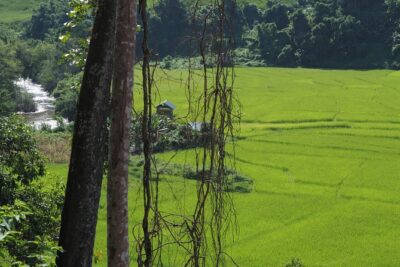
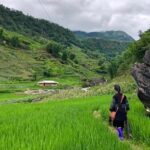
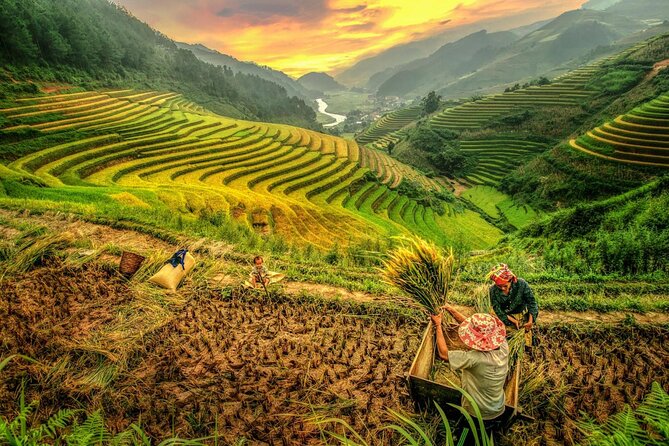
Rice terraces and village paths in Sapa valley. Once you step into the Lao Chai Ta Van area, the day plays out with terraced rice on the hills, a steady stream, and birds calling overhead. I like how the route strings together small ethnic villages—starting at Y Linh Ho, moving through Lao Chai, then ending in Ta Van—so you get both scenery and everyday village life in one easy half-day.
What I like most is the English-speaking guide in Sapa and the fact that you’re not stuck planning logistics on your own. You’ll also get round-trip transfers, entrance fees where needed, and an included lunch on the morning option. One consideration: the experience depends on good weather, and the first stretch is about 3 hours, so comfy shoes matter.
In This Review
- Key Points Worth Noting
- Lao Chai to Ta Van: the Sapa Trek That Feels More Human
- The 5-Hour Route: What the Timing Really Means
- Stop 1: Y Linh Ho Village and the Rice Terrace Warm-Up
- Stop 2: Lao Chai Lunch and a Real Break From Trek Mode
- Stop 3: Ta Van Village and the Quick Return to Sapa
- Price and Value: Why $29 Works (When You Use It Right)
- Logistics That Matter: Transfers, Group Size, and Comfort
- What to Pack for a Trek in the Sapa Valleys
- When to Go: Weather and Seasonal Views
- Who Should Book This Trek (and Who Might Not)
- Should You Book Trek Adventure in Ta Van Village, Lao Chai?
- FAQ
- How long is the trek from start to finish?
- What villages will I visit during the route?
- Is lunch included?
- What’s included in the $29 price?
- How big is the group?
- What are my cancellation options if weather changes?
Key Points Worth Noting
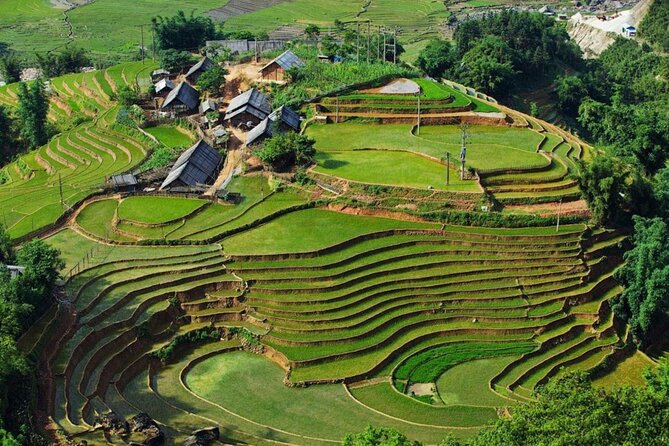
- Y Linh Ho start with terraces and Muong Hoa Stream views as you ease into the trek
- Lao Chai lunch at a local spot that feels more like a family stop than a tourist meal
- Ta Van return by van from a secondary school area in the village
- Small group size (max 15) helps the pace feel calmer
- English-speaking local guide makes the culture explanations easier to follow
- $29 price tag includes transfers and listed sightseeing/entrance fees
Lao Chai to Ta Van: the Sapa Trek That Feels More Human
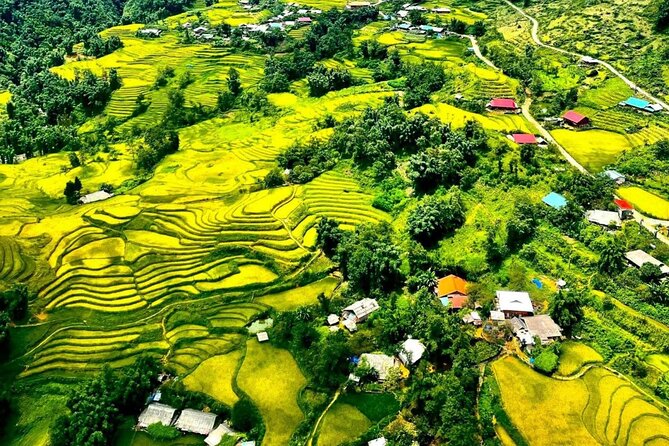
Most Sapa treks fall into one of two buckets: either they’re long, exhausting, and logistics-heavy—or they’re short and feel like a drive-by photo stop. This one lands in the sweet spot. You spend your time walking through the valley, then you pause in villages for real meals and real conversation, not just a quick glance and go.
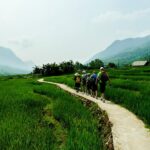
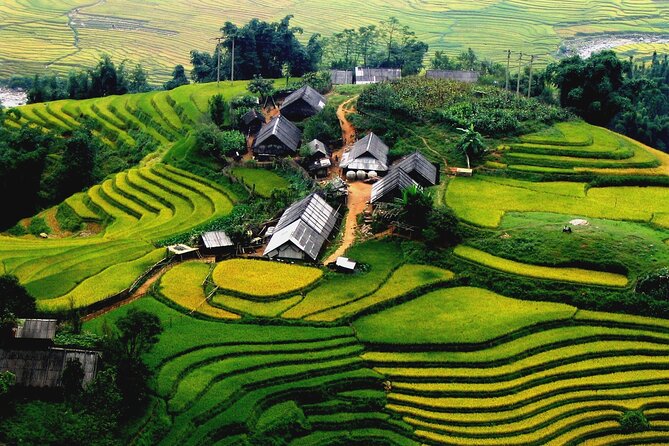
The setting is what makes it work. You’re surrounded by terraced rice fields climbing the hillside. Between the paddies, you get narrow paths, patches of bamboo, and the sound of water from the Muong Hoa Stream area. Even if you’ve seen rice terraces before, this one reads differently because you’re moving slowly enough to notice details: how the paths follow the contours of the land, how the villages sit within that terrain, and how daily life continues while you pass through.
And the pace is friendly for a group day. The itinerary is clearly structured—three stops, a lunch break, and a return transport—so you’re not guessing when you’ll get a rest or when you’ll be done.
The 5-Hour Route: What the Timing Really Means
This trip is listed as about 5 hours. That includes the walking portion, the village stops, and the transfer back to Sapa.
Here’s the rhythm in plain terms:
- You start trekking from your hotel area in Sapa and make your way to Y Linh Ho.
- You spend a longer stretch walking through the rice terraces and along the stream corridor.
- You stop in Lao Chai for lunch and time to slow down.
- You finish in Ta Van, then the van brings you back to Sapa town.
That timing matters because it keeps the day from turning into a full-day grind. You’ll still be on your feet. But you won’t be trapped in “all day trekking” fatigue, which is great if you’re trying to balance Sapa sightseeing with something outdoorsy.
Also, since it’s a group tour with a maximum of 15 people, the pacing tends to be steady rather than chaotic. Bigger groups can feel like a stampede. Smaller groups usually feel more conversational.
Stop 1: Y Linh Ho Village and the Rice Terrace Warm-Up
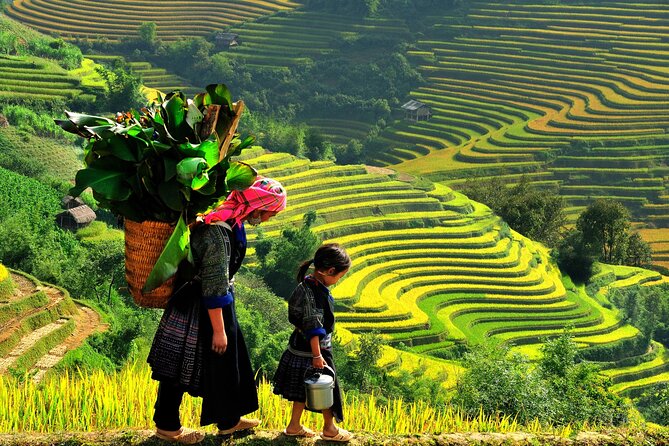
Your first real moment comes at Y Linh Ho. This is where the trek starts to feel like a change of world: village paths, hillside terraces, and a slow reveal of the valley as you move.
You’ll walk through rice terraces and along the Muong Hoa Stream. The practical win here is variety. You don’t just trek on one straight line through a single view. You alternate between open terrace angles and narrower village-path sections. That keeps it interesting even if you’re the kind of person who gets bored on repetitive trails.
You’ll also have a chance to connect the scenery to culture. The guide helps put place-names and village life into context. If you’re into ethnic minority cultures in northern Vietnam, this is a good entry point because the explanations happen while you’re physically close to the community settings—not after you’ve already walked past them.
What to watch for on this first stretch:
- It’s the longest walking segment (about 3 hours).
- Terrain can feel uneven where paths cut between terraces and vegetation.
- Good visibility makes a difference. When the weather is clear, your terrace views and valley sightlines feel extra satisfying.
Tip: start the day with calm energy. If you rush the first part, you’ll pay for it later during the meal stop and the return walk.
Stop 2: Lao Chai Lunch and a Real Break From Trek Mode
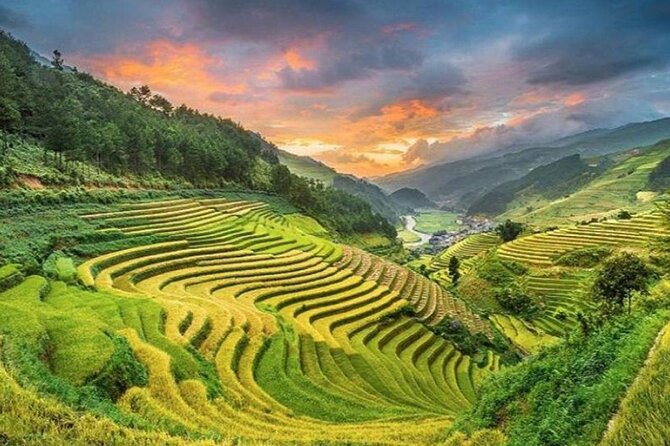
After the first trekking push, you reach Lao Chai. This is where the day gets human again—time to eat, reset, and soak up the village pace.
Lunch is typically held at a local restaurant in Lao Chải village. On the morning option, lunch is included. In practice, the meal tends to feel less like a factory-tour lunch and more like eating in a community setting. You’re not ordering off a menu at a flashy spot—you’re getting a hearty, straightforward meal that matches the place you’re standing in.
This stop is also a good moment for photos, but try not to treat it like a photo sprint. The better move is to take your time, look around, and ask the guide simple questions. Even basic ones—about daily routines, farming, or what things are called—turn a lunch break into a cultural conversation.
One drawback to keep in mind: your Lao Chai stop is about 45 minutes. That’s enough time to eat comfortably and decompress, but it’s not enough to wander deeply if you like slow drifting exploration.
Stop 3: Ta Van Village and the Quick Return to Sapa
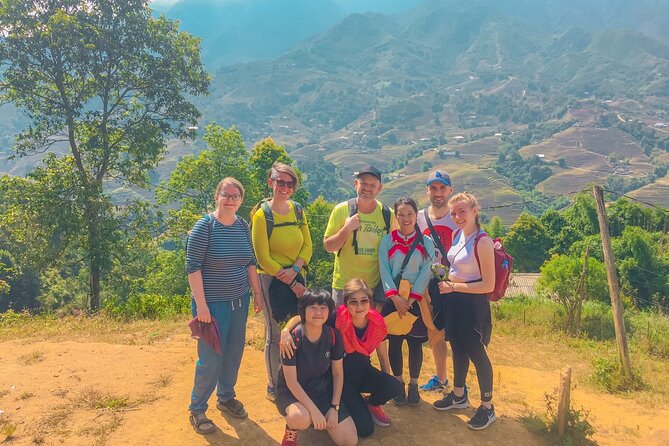
The final stop is Ta Van. Instead of ending on a dramatic scenic overlook, the day ends in village life terms: the van picks you up near a secondary school in Ta Van and takes you back to Sapa town.
This setup is useful. You get the feeling of arriving at a village center, then you transition back to town without needing to navigate the return route yourself.
Time-wise, the Ta Van pickup portion is short and straightforward: the itinerary lists about 1 hour for the return segment. After several hours in the valley, the van ride feels like a proper reset rather than a rushed exit.
Price and Value: Why $29 Works (When You Use It Right)
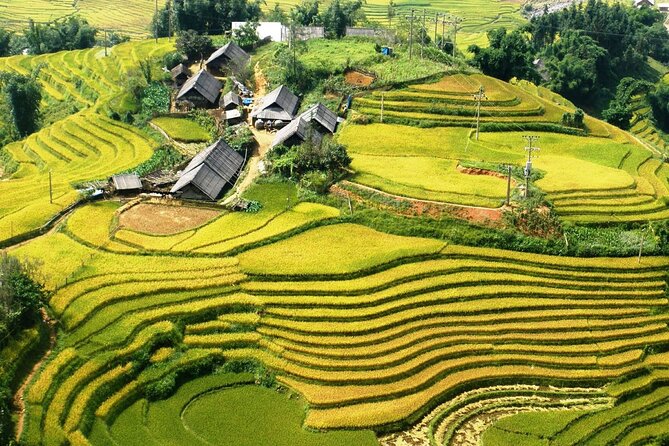
The price is $29 per person, and the structure is built for value.
Here’s what you’re getting that keeps it good value:
- Round-trip transfers (you’re not spending your energy figuring out transport)
- An English-speaking local guide in Sapa
- Sightseeing and entrance fees included as listed in the route
- On the morning option, lunch included
What’s not included is also clear: beverages, tax, travel insurance, and tips for the guide and driver.
So is $29 “cheap”? It’s priced like a practical, group-friendly trek rather than a private tour. If you want a personal guide all day or want to customize the route, you’ll need a different style of booking. But if your goal is to get a real Sapa valley trek with minimal logistics headaches, this price point is fair.
A small bonus for planning: the tour is offered with group discounts and uses a mobile ticket. That’s not just convenience—it helps reduce friction when you’re juggling other Sapa activities.
Logistics That Matter: Transfers, Group Size, and Comfort
This is a group tour with a maximum of 15 travelers. That size is a sweet spot. Big enough to feel like a real tour, small enough that you usually aren’t constantly stopping for crowd control.
It also helps that the day runs from your hotel area and includes round-trip transfers. You’re not starting with a confusing meeting point far from where you’re staying.
One more practical note: it says you’re near public transportation, so you’re not likely to feel stranded if you need to reposition before or after the trek.
Comfort is the other big factor. The itinerary is short enough to make you think you can wear whatever shoes you brought. Don’t trust that feeling. Wear something with grip and support. Paths on hills and between terraces can surprise you—especially when the ground is damp.
What to Pack for a Trek in the Sapa Valleys
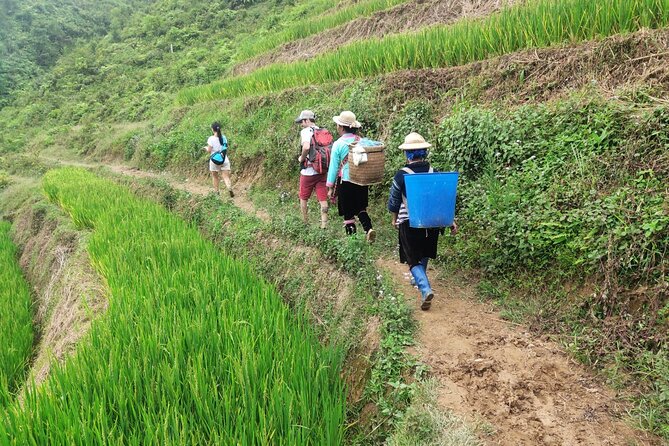
The itinerary doesn’t give a gear list, so I’ll keep this grounded in what you’ll likely need for this kind of route: village paths plus terrace walking. Bring what makes you steady and relaxed.
Key items:
- Comfortable, grippy shoes (non-negotiable)
- A light rain layer or wind layer (weather can change fast in the mountains)
- Water (drinks aren’t included)
- A small camera or phone setup that can handle bumpy walking
- Sun protection for clear days
Also, bring patience for the pace. Even when the trek feels easy, you’re walking across uneven ground. If you keep your steps small and controlled, you’ll enjoy the views more and fatigue less.
When to Go: Weather and Seasonal Views
This experience requires good weather. That matters more than people think, because rice terraces and streams look best when visibility is clear and paths are safe.
If it’s canceled due to poor weather, you’ll be offered a different date or a full refund. That’s a fair approach. It also means you should avoid booking this trek as your only outdoor plan on a stormy day.
If you’re choosing dates based on scenery, the route through terraced fields is often most stunning when the paddies are at their best. You might find that rice season gives you the kind of gold-and-green look people dream about.
Who Should Book This Trek (and Who Might Not)
This trek is a great match if you want:
- A half-day valley experience without committing to an all-day hike
- An English-speaking guide to translate and explain what you’re seeing
- Village time built into the schedule (especially the Lao Chai lunch stop)
- Small-group pacing (max 15)
You might reconsider if:
- You dislike uneven, hillside walking and want something flatter
- You’re hoping for a long, deep-wander trek with no set timeline
- You’re traveling on a day you can’t reschedule if weather turns
Should You Book Trek Adventure in Ta Van Village, Lao Chai?
I’d book it if you want the classic Sapa trek feeling—terraced rice, valley paths, and village stops—without turning your day into a logistics project. The included transfers and entrance fees make it simple. The guide support (English-speaking) helps you connect the places you pass with the culture around them, not just the views.
If you’re budget-conscious, $29 with lunch included on the morning option is strong value, especially in a place where a lot of costs can creep in once you start adding transport and entry fees.
The only real reason to skip is if weather is unreliable for your travel dates and you can’t be flexible. Otherwise, this is the kind of trek that feels calm, scenic, and genuinely connected to the villages you visit.
FAQ
How long is the trek from start to finish?
It’s approximately 5 hours, including trekking time, village stops, lunch time (if selected), and the return transport to Sapa town.
What villages will I visit during the route?
You’ll trek through Y Linh Ho, visit Lao Chai for lunch, and finish in Ta Van, where the van transports you back to Sapa town.
Is lunch included?
Lunch is included with the morning option. Otherwise, it’s not listed as included.
What’s included in the $29 price?
The price includes round-trip transfers, an English-speaking local guide in Sapa, and sightseeing and entrance fees as stated in the itinerary. The morning option also includes lunch.
How big is the group?
This experience has a maximum of 15 travelers.
What are my cancellation options if weather changes?
You can cancel for a full refund up to 24 hours before the start time. The experience requires good weather; if it’s canceled due to poor weather, you’ll be offered a different date or a full refund.