REVIEW · KATHMANDU
Annapurna Ghorepani Poon Hill trek from Pokhara short and easy hike in Himalaya
Book on Viator →Operated by Himalaya Holiday service Pvt. Ltd.(HHS) · Bookable on Viator
Poon Hill is a sunrise alarm worth it. This short-and-easy Annapurna Ghorepani route strings together classic mountain viewpoints with village life, timed so you can chase the light at Poon Hill and still keep the hiking days manageable. I also like that the trek is supported end to end by an English-speaking, government-registered guide named Dipak and a porter team that keeps your pack from turning the trip into a workout you did not sign up for.
Two things I’d pick on immediately: the mix of big-view moments and real stops through places like Ulleri and Ghandruk, and the practical comfort on the trail—full meals during the trek and private mountain rooms (shared toilet) rather than basic chaos. One consideration: this experience depends on weather, and the schedule is designed around early hiking—so you’ll want flexible expectations on fog or clouds.
In This Review
- Key Highlights You’ll Feel on This Trek
- Annapurna Ghorepani Poon Hill: Why This Trek Feels Short
- Price and Logistics: What You’re Paying For
- Day-by-Day Flow: From Kathmandu Prep to Poon Hill Sunrise
- Day 1: Arrive in Kathmandu
- Day 2: Kathmandu Valley Sightseeing and Trek Prep
- Day 3: Drive Kathmandu to Pokhara
- Day 4: Pokhara to Nayapul, Then Trek Toward Tikhedhunga and Ulleri
- Day 5: Ulleri to Ghorepani
- Day 6: Hike Poon Hill, Then Trek to Tadapani
- Day 7: Tadapani to Ghandruk
- Day 8: Ghandruk to Pokhara
- Day 9: Pokhara to Kathmandu
- Day 10: Final Departure
- Where the Trek Comfort Actually Comes From
- The Real Value of Guide and Porter Support
- Weather, Timing, and What to Pack (Without Guessing)
- Who This Trek Suits Best
- Should You Book This Annapurna Ghorepani Poon Hill Trek?
- FAQ
- Where does the trek start?
- How long is the whole trip?
- What parts of the trip are guided?
- What meals are included?
- What kind of accommodation is provided on the trek?
- Are porters included?
- Is hotel pickup and drop-off included?
- What’s not included in the price?
- What is the cancellation policy if weather is bad?
Key Highlights You’ll Feel on This Trek
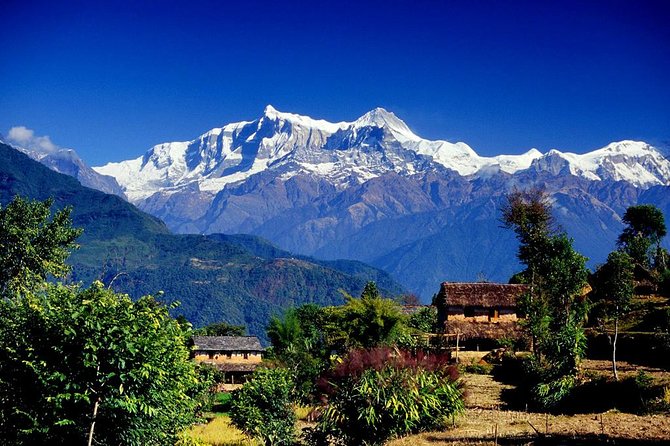
- Dipak’s guide style: friendly pacing, local know-how, and help that makes the day feel lighter
- Porter support (2 trekkers per porter): you carry less, so you can actually enjoy the views
- Private rooms in tea-house style stays: soft/comfort lodging with a shared toilet, not dorm-style squeeze
- Poon Hill timing: an early hike aimed at sunrise views, then a continuation trek to the next village
- Full trek meals included: breakfast, lunch, and dinner keep you from doing math on the trail
Annapurna Ghorepani Poon Hill: Why This Trek Feels Short
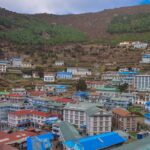
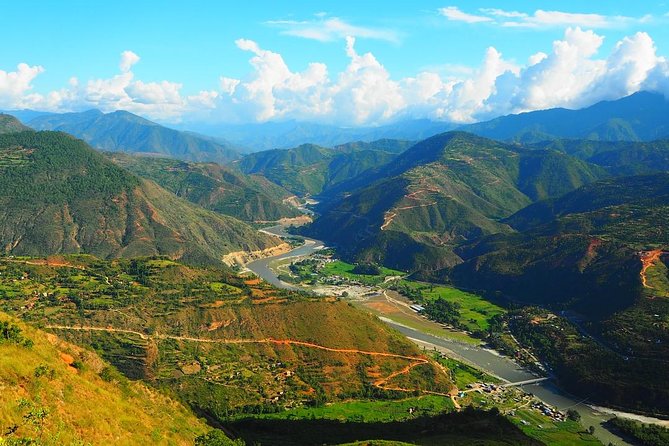
This is the kind of Himalaya hike that earns its reputation as short and easy without being boring. You’re not trying to win a summit contest. Instead, you move through a sequence of villages—Tikhedhunga, Ulleri, Ghorepani, Tadapani, then Ghandruk—so each day has a clear “walk, rest, sleep” rhythm.
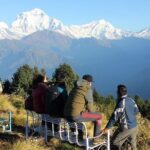
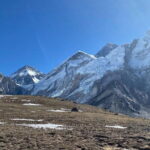
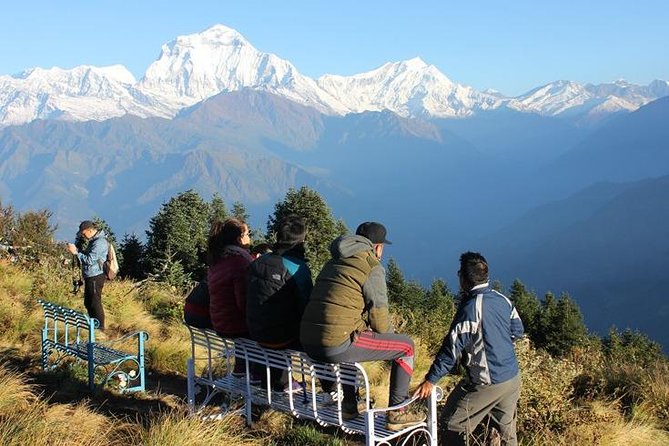
The big headline is Poon Hill. That means you’re hiking early, yes, but you’re doing it for a specific payoff: the chance to watch the mountains change with the morning light. The rest of the trek builds toward that moment and then continues at a slower, village-to-village pace. If you’ve been nervous about “Himalaya trek” expectations, this route is a solid entry point because it’s structured like a sequence, not a test of endurance.
Also, the trip isn’t just the walking. You start with Kathmandu valley sightseeing and trek preparation, then you go from Kathmandu to Pokhara by road, and you end back in Pokhara before heading to Kathmandu. That extra structure matters. It gives you time to get your footing—literally and logistically—before the trail.
You can also read our reviews of more tours and experiences in Kathmandu.
Price and Logistics: What You’re Paying For
The price is $1,660 per person. On paper, that sounds like a lot. In practice, what you get is a full-service trek package rather than just a trail recommendation.
Here’s what’s included that usually drives value on trek deals:
- An experienced English-speaking, government-registered trekking guide
- Local porters (listed ratio: 2 trekkers to 1 porter)
- Full meals during the trek (breakfast, lunch, dinner)
- Mountain accommodation in private rooms with a shared toilet
- All government and local taxes
- Hotel pickup and drop-off
What’s not included (and you’ll likely budget for):
- Lunch/dinner in Kathmandu and Pokhara
- Boiled water
- Personal expenses
For me, the biggest value signals are the meal plan and the porter setup. Food and lodging are one of the most annoying parts of trekking logistics when you’re doing it yourself. Here, meals are covered during the trek, so you’re not scrambling to plan energy. And when a porter carries luggage, your hiking becomes about the views and the villages instead of packing management.
The tour is also described as private, meaning it’s only your group. That usually helps with pacing and comfort. If you prefer not to share your sunrise hike with a random crowd, this kind of setup fits.
Day-by-Day Flow: From Kathmandu Prep to Poon Hill Sunrise
This trip runs across more days than the trek itself. Think of it as a Nepal travel package that includes a short Annapurna hike inside it.
Day 1: Arrive in Kathmandu
You land, you settle in, and you get ready for the rest of the schedule. There’s no trekking pressure on arrival day in the plan. That matters if your first day is jet lag and logistics.
Day 2: Kathmandu Valley Sightseeing and Trek Prep
This day is built for getting oriented. You’ll do Kathmandu valley sightseeing and then get trek preparation time. That’s a practical combo: sightseeing helps you understand the city atmosphere, while prep helps you confirm you’ve got what you need before leaving town.
Day 3: Drive Kathmandu to Pokhara
You trade city pace for lakeside calm (Pokhara) by road. You’re not flying, so you’re getting a gradual reset that tends to feel easier on your body than a bunch of sudden transitions.
Day 4: Pokhara to Nayapul, Then Trek Toward Tikhedhunga and Ulleri
Today starts with a drive from Pokhara to Nayapul, then the trek begins. You end up at Tikhedhunga and continue onward to Ulleri.
This is the day where the itinerary starts turning into actual walking time. The upside is that you’re moving step by step into the trekking zone. The possible drawback is that early trail days can feel busy when you’re still adjusting to the rhythm, so go slow and steady rather than trying to “catch up” your energy.
Day 5: Ulleri to Ghorepani
You shift from Ulleri toward Ghorepani, setting up your base for the early Poon Hill hike. Ghorepani is the staging point you need: it’s where you’ll sleep before the sunrise effort.
The big thing I love about this structure is that you’re not doing sunrise from the far edge. You’re already in position, which keeps the early morning from turning into a logistically painful scramble.
Day 6: Hike Poon Hill, Then Trek to Tadapani
This is the day people book the trek for. You’ll hike Poon Hill and then continue on to Tadapani.
Plan for an early start. Even if you’re used to hiking, the sunrise push changes the pace and the mental load. Once you finish that first “big” effort, the rest of the day feels more like a continuation trek—walk, rest, and settle into the next village.
Day 7: Tadapani to Ghandruk
You continue the village-to-village movement, ending in Ghandruk. This part of the trek tends to feel like “slow travel on foot.” You’re not racing to a checkpoint; you’re moving through communities that give the trail meaning beyond the view.
Day 8: Ghandruk to Pokhara
You head back to Pokhara, turning hiking legs into travel legs. This is a relief day for most people because you swap trail routine for a normal meal and a proper hot shower situation (where available).
Day 9: Pokhara to Kathmandu
You return to Kathmandu for your final days in Nepal.
Day 10: Final Departure
Departure day. Nothing heavy built in, which is how it should be after a trek.
Where the Trek Comfort Actually Comes From
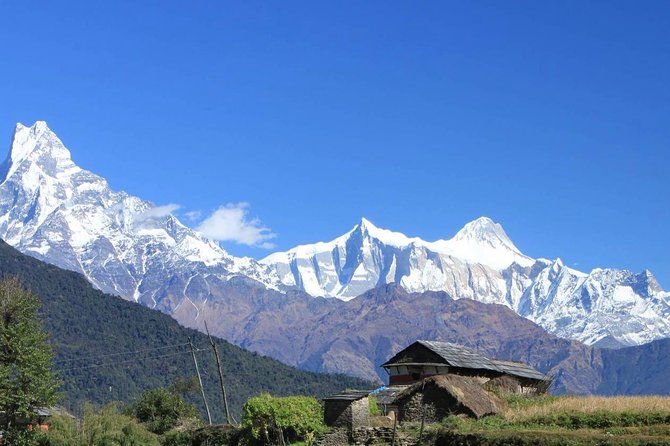
It’s easy to market tea houses and scenery. The comfort on this trek is more specific than that.
You get private rooms in mountain accommodation, with a shared toilet. That’s a good balance: private space for rest, but not the full luxury package. If you’re the type who needs privacy to sleep well, this is a practical upgrade compared with dorm-style lodging.
Also, the trek includes breakfast, lunch, and dinner. On a short trek, food timing can make or break the day. Having the meals covered means your energy plan is simpler.
One detail that stands out from the guide support: Dipak helps manage practical day flow and keeps things from feeling like guesswork. A porter named Pajeal (spelled Pajeal or Pagil in confirmations/replies) is described as a real MVP. That lines up with what you want from porter support: your pack gets lighter, so the walk feels like a journey instead of a chore.
The Real Value of Guide and Porter Support
This is a guided trek with an English-speaking, government-registered trekking guide. That matters for two reasons.
First, it reduces uncertainty. When you’re walking in a remote area, the “what happens next” question can be exhausting. A guide turns the unknown into a steady plan, and that lets you focus on the trail.
Second, it gives you better choices along the way. The trip includes guidance for lodging choices in the tea-house network, and the staff know where you can get strong views and a comfortable place to rest. On a trek built around a sunrise hike, lodging location and timing are not minor details—they’re part of the payoff.
The porter ratio (listed as 2 trekkers: 1 porter) is also key. It’s a tangible comfort factor, especially on day-to-day walking. Even on easy treks, the small stuff adds up: water, snacks, layers, and basic personal items. Porter support keeps that from turning your arms into the main event.
Weather, Timing, and What to Pack (Without Guessing)
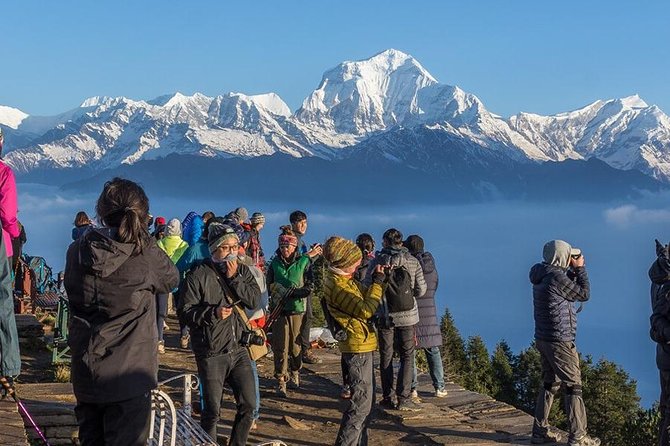
The trek operates in all weather conditions, but you’re still told to dress appropriately, and the experience requires good weather. That’s the honest truth for Poon Hill-style treks: clouds and fog can change visibility, and sunrise efforts are weather-dependent even when the trek continues.
So here’s how I’d plan in real life:
- Pack for cold mornings because sunrise hiking means early temps
- Bring layers so you can adjust without losing time
- Plan for rain-ready gear because “all weather” can still mean wet trail stretches
- Don’t count on boiled water being included—budget for it
Also, you’ll start with hotel pickup and drop-off, and your listed start timing is 6:15 am at Tribhuvan Airport in Kathmandu. If your flight schedule isn’t aligned, you’ll want to confirm how pickup timing is handled for your exact travel day.
Who This Trek Suits Best
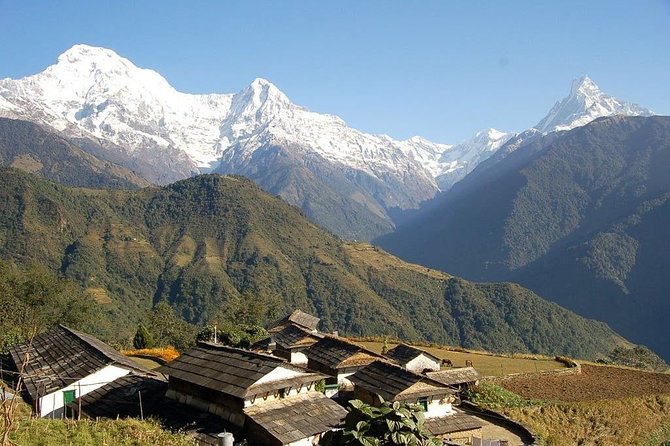
This works well if you want:
- A Himalayan experience that feels short and manageable
- A structured trip that includes Kathmandu prep and Pokhara transition days
- A guided plan with meals and private rooms, plus porter support
It may not fit if you want total freedom to wander off schedule. This is organized travel with a defined sequence of places: Ulleri, Ghorepani, Poon Hill, Tadapani, Ghandruk. You’re free within the day, but you’re not doing solo improvisation.
If you’re nervous about trekking logistics, the guide and porter ratio help a lot. If you’re coming for views, the schedule is set up around Poon Hill and then continues through the villages so the trip stays satisfying even if sunrise clouds roll in.
Should You Book This Annapurna Ghorepani Poon Hill Trek?
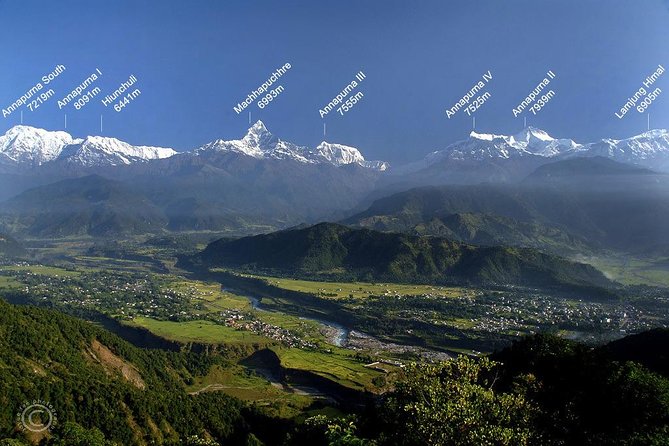
I’d say yes if you want a high-reward, low-drama introduction to the Annapurna region. The package looks like it’s built for comfort: full meals on the trek, private rooms, and porter support that keeps the walking enjoyable. Dipak’s guidance style and Pajeal-type porter support are exactly the kind of teamwork that makes a short trek feel smooth.
I’d think twice if you’re booking mainly for certainty of cloud-free views. The trip requires good weather, and Poon Hill depends on visibility. If weather hits hard, you still trek, but the view payoff may vary.
If you can handle early mornings and you’re happy paying for structure, this is a strong value for your time and energy. Book it with realistic expectations about weather, and you’ll likely come home with photos that justify the sunrise alarm.
FAQ
Where does the trek start?
The start point listed is Tribhuvan Airport, Kathmandu, Nepal, with a start time of 6:15 am.
How long is the whole trip?
The full schedule runs from Day 1 through Day 10, including arrival, sightseeing, transfers between Kathmandu and Pokhara, the trek, and final departure.
What parts of the trip are guided?
You’ll have an English-speaking, government-registered trekking guide, along with local porters, for the trekking portion of the program.
What meals are included?
Full meals (breakfast, lunch, and dinner) are included during the trek. Lunch and dinner in Kathmandu and Pokhara are not included.
What kind of accommodation is provided on the trek?
Accommodation is soft, comfort, and private rooms with a shared toilet.
Are porters included?
Yes. You get local porters to carry luggage, listed as 2 trekkers to 1 porter.
Is hotel pickup and drop-off included?
Yes. Hotel pickup and drop-off are included in the package.
What’s not included in the price?
Not included are lunch/dinner in Kathmandu and Pokhara, boiled water, and personal expenses.
What is the cancellation policy if weather is bad?
Free cancellation is available up to 24 hours in advance for a full refund. The experience requires good weather, and if it’s canceled due to poor weather, you’ll be offered a different date or a full refund.