REVIEW · CUSCO
Salkantay Trek To Machu Picchu 5 Days And 4 Nights
Book on Viator →Operated by Action Peru Treks · Bookable on Viator
In This Review
- The Andes start the story early
- Key things that make this trek work
- Why Salkantay feels different than other Machu Picchu routes
- Day 1: Cusco pickup, Soraypampa, and the Humantay Lake detour
- Day 2: Salkantay Pass at 15,252 ft, lunch at Huayrac, then down to Colpapampa
- Day 3: Gentler walking, rainforest trail, and the coffee tour at Lucmabamba
- Day 4: Llactapata ruins, first Machu Picchu sight, then train to Aguas Calientes
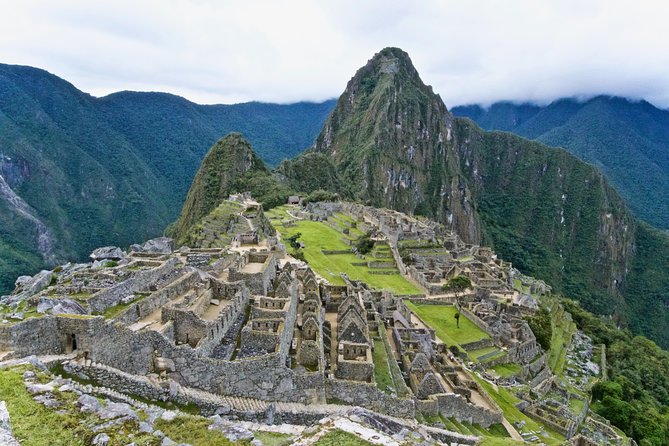
- Day 5: Bus up to Machu Picchu, a guided walk, and the Huayna Picchu choice
- How the camp really works (and why it matters for comfort and safety)
- Your effort level: altitude, pacing, and a smart way to walk
- What’s included vs. what you still need to plan for
- Price and value: is $690 actually a good deal
- Who should book this Salkantay trek, and who should reconsider it
- Should you book this trek?
- FAQ
- How long is the Salkantay trek to Machu Picchu?
- What time does the experience start?
- How much does the tour cost?
- Is hotel pickup included?
- What group size should I expect?
- What camping gear is included?
- Are meals included?
- Do I need to bring a sleeping bag?
- Is the round trip bus to Machu Picchu included?
- Is Huayna Picchu included?
The Andes start the story early
The Andes start the story early, and the Salkantay route is a very scenic way to reach Machu Picchu. I like the small-group feel with hands-on guidance, and I also like that camping comes with real comfort like tents with mattresses and pillows instead of barebones survival mode. The main consideration is altitude and early starts, because the trek hits high elevations quickly and you’ll be on the move from around 4:30 am.
What makes this trip easier to enjoy is the support system. You’ll get a pre-departure briefing, bilingual guiding, and a crew that sets up camp for you with hot water for washing, plus daily boiled and cold water for bottles and an emergency oxygen bottle and medical kit.
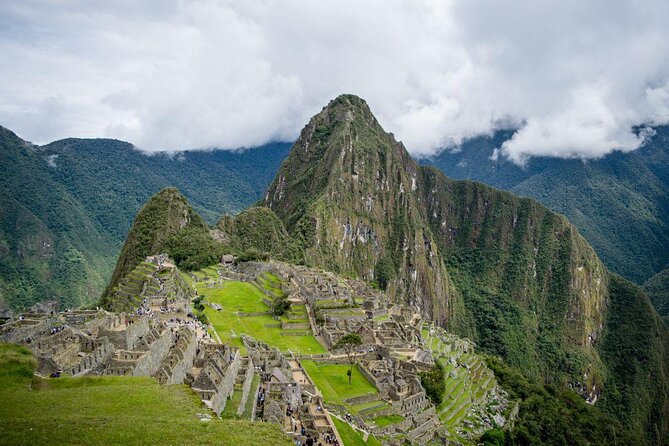
And then there’s the route itself: Humantay Lake, the Salkantay Pass, a rainforest day with a waterfall, the Llactapata ruins with your first distant Machu Picchu view, and finally a guided walk inside Machu Picchu before riding the train back toward Cusco.
Key things that make this trek work
- Small-group size (max 16): you get closer to your guide and support team.
- Camp setup included: tents, mattress, pillow, dining and toilet tent, even hot water.
- Salkantay Pass day: crossing at 15,252 ft with an offering moment and Inca context.
- Rainforest + river route: time on the Santa Teresa path and a big waterfall stop.
- Coffee plantation visit: included on the afternoon of day 3.
- Machu Picchu access planning: bus to the site plus a 2-hour guided walk.
You can also read our reviews of more tours and experiences in Cusco.
Why Salkantay feels different than other Machu Picchu routes
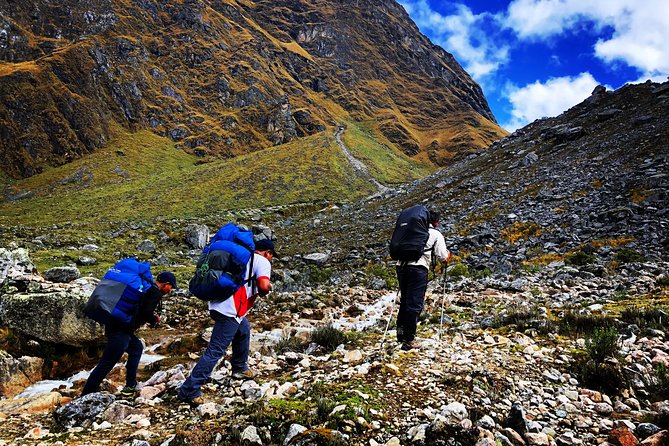
Salkantay is a long, high-altitude trek that trades city buses and crowds for big sky, steep climbs, and real trail time. If you want your Machu Picchu day to feel earned, this is the kind of trip that turns effort into emotion: glacier views up high, then rainforest sounds later, then ruins by the end.
You’re also not just “hiking and hoping.” The package includes a full support setup: bilingual guides, wranglers and horses carrying camp and food gear, and a chef team cooking multi-course meals. That matters because it lets you focus on walking and taking in the views, not managing logistics with sore knees.
Day 1: Cusco pickup, Soraypampa, and the Humantay Lake detour
The day begins early, with a start time listed at 4:30 am and hotel pickup to get you moving fast. After a scenic drive (about 3 hours) toward Mollepata, you stop for breakfast at a local house before continuing toward the trailhead.
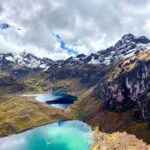
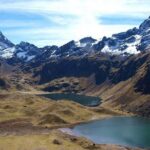
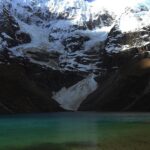
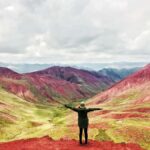
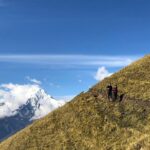
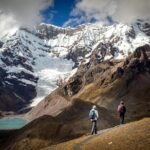
Once you reach Soraypampa (12,467 ft), you meet your support staff and see how the operation runs: they pack trek gear and load equipment onto horses. Then you start with a hike to Humantay Lake, a roughly 2-hour excursion. This is one of those early stops where the altitude is real but the reward comes quickly: the lake sits beneath towering Andean peaks, and the scenery gets the group talking right away.
What to watch for on day 1 is the pacing. You might feel fine during the drive, then the first hike reminds you that elevation matters. Go easy, sip water regularly (you’ll have water options at camp later), and don’t try to sprint for photos.
Day 2: Salkantay Pass at 15,252 ft, lunch at Huayrac, then down to Colpapampa
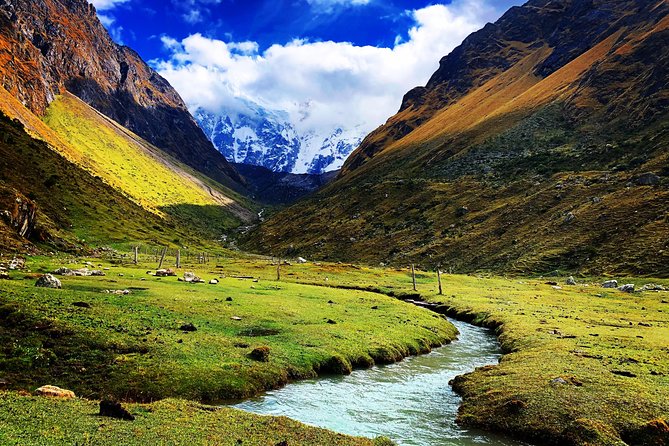
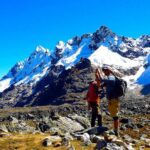
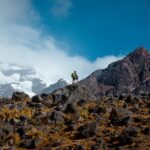
Day 2 is the day you remember. You start with breakfast, then hike uphill for about 1 hour to the Salkantay Pass (15,252 ft). At the top, there’s an offering to Salkantay and time to talk about Inca culture and why this spot is venerated. It’s a short moment, but it gives the day more meaning than just crossing a high point.
After that, you go downhill for about 2 hours to Huayrac (12,464 ft) for lunch. Lunch at altitude can be a relief, but it’s also when you’ll notice the body shifting from climb mode to recovery mode.
Then comes the long downhill stretch: about 4 more hours to your campsite at Colpapampa (10,170 ft). This is where trekkers often feel their knees, even if day 2 doesn’t look “longer” on paper. Downhill is still work.
A useful mindset: treat the pass as a slow-and-steady moment, not a competition. Past departures have described day 1 and day 2 as the toughest due to altitude, with things easing after the pass. That matches the elevation profile in the route.
Day 3: Gentler walking, rainforest trail, and the coffee tour at Lucmabamba
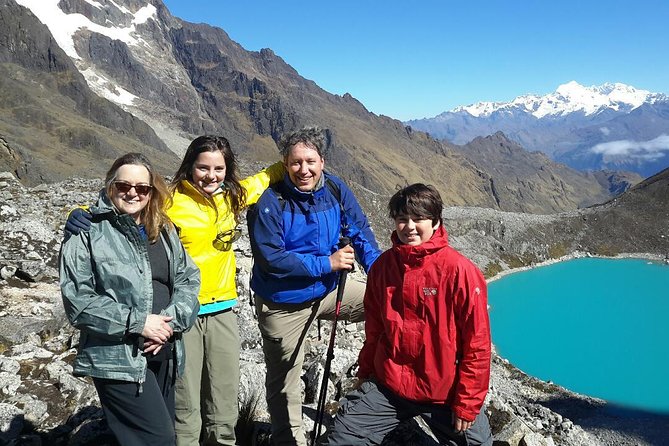
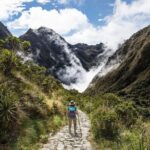
Day 3 is often the emotional break. After breakfast, you hike about 6 hours on gentle up-and-down segments, following the path of the Santa Teresa river through rainforest.
You’ll reach Lucmabamba around noon, where you camp for the night. There’s also a waterfall stop described as the most beautiful on the trek along this route, which gives the day a “reward moment” that isn’t only about views over valleys.
The second half of day 3 is what I think you’ll appreciate most: an included coffee plantation tour at a plantation adjacent to the campsite. You’re not just eating food provided by the crew; you’re learning where one of the region’s main flavors comes from, and the experience is timed so you’re settled at camp first.
If you’re the kind of traveler who likes to understand what you’re consuming, this is a great add-on. It’s also a nice energy reset after the more demanding days.

Day 4: Llactapata ruins, first Machu Picchu sight, then train to Aguas Calientes
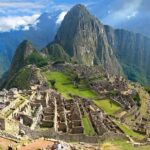
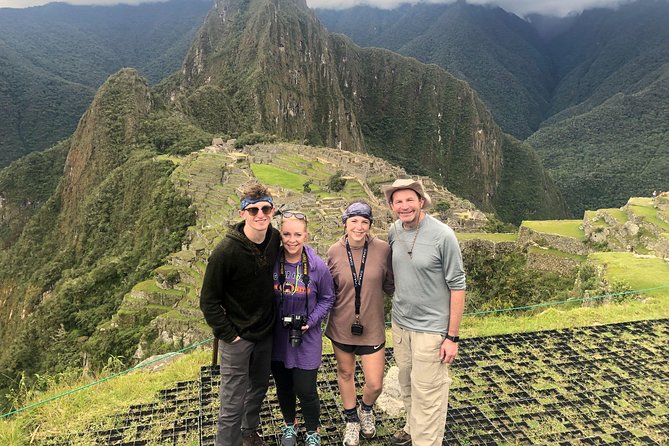
Today starts with an early wake-up and breakfast, then a climb through the rainforest for about 3.5 hours to the Llactapata ruin (8,856 ft). Llactapata is where you’ll get your first view of Machu Picchu in the far distance, which is a big psychological turning point. Suddenly you’re not just heading toward a famous destination; you’re seeing it before you arrive.
From there, you get a thorough tour of the ruins, then descend for about 2.5 hours to Hydro, where lunch is served. After lunch, around 3 pm, you board the train to Aguas Calientes.
When you arrive in Aguas Calientes, you check into your hotel for the night (double occupancy is included for night 4). Dinner is at a restaurant, which makes this night feel less like rough camping and more like a rest stop before the main event.
One practical note: day 4 includes both hiking and train time. If you’re prone to getting chilled easily, pack layers. Even in the rainforest, you’ll be moving, then sitting on transport.
Day 5: Bus up to Machu Picchu, a guided walk, and the Huayna Picchu choice
Breakfast comes first at your hotel in Aguas Calientes, then you take a bus up to Machu Picchu. Once there, you’ll have a 2-hour walking tour of the site.
If you elected to climb Huayna Picchu, that hike starts at 10 AM and is not included in the package. If you don’t climb, you’ll still have time at Machu Picchu after the walking tour and before heading back down.
After your time on site, you return to Aguas Calientes and board the train to either Ollantaytambo or Poroy. From there, you’ll travel by private van to Cusco.
This day is shorter on hiking, but don’t treat it like a casual stroll. Machu Picchu involves walking on uneven stone and taking in a huge amount of detail in a limited time. Your guide’s job is to help you see the patterns in the architecture and location, not just point at walls.
How the camp really works (and why it matters for comfort and safety)
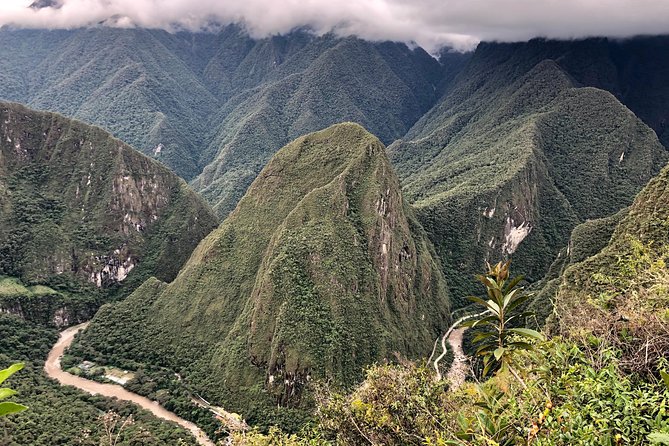
One of the best parts of this trek is how camp logistics are handled. You get camp gear including a kitchen tent and a dining tent with tables and chairs, plus a toilet tent with a portable toilet. That’s not glamorous, but it makes a real difference for day-to-day comfort.
Sleep setup is also included: you’ll be in a four-person tent for each two persons, plus a mattress and pillow. That’s a major advantage compared to treks that only provide basic sleeping arrangements. You’ll still want warm layers for nighttime, but your sleep will be far more workable.
Water and washing get attention too. There’s hot water for washing, and daily morning boiled and cold water to fill water bottles. On a trek, being able to wash up even a little helps more than you’d think.
Safety support is built in. You’ll have an emergency oxygen bottle and a medical kit, plus staff and wranglers who manage the gear system. This doesn’t eliminate the need to take altitude seriously, but it does mean you’re not out there alone.
Finally, meals are a standout value for many people. The package includes breakfast, lunch, and dinner across the days in the trek, and past groups have praised the multi-course meals cooked by the chef team (often described as three courses).
Your effort level: altitude, pacing, and a smart way to walk
This trek is listed as requiring moderate physical fitness. That’s realistic: you’re hiking multiple days at altitude, with long downhill segments and a high pass day.
The altitude profile goes from Soraypampa (12,467 ft) to the pass (15,252 ft), then down toward Colpapampa (10,170 ft). That’s why day 2 tends to feel the hardest: you’re climbing at thin air, then switching immediately into downhill stress.
My advice is simple: walk slower than your ego wants. Keep a steady pace on the uphill to the pass and avoid “catching your breath” by rushing. When you descend, focus on controlled steps and use trekking poles if you have them (or rent them from the company).
The route through rainforest on day 3 and the later climb to Llactapata can be physically easier than the pass day, but they still require consistent energy. Plan your mindset around: tough day 2, then a more manageable day 3, then day 4 becomes your second focus.
What’s included vs. what you still need to plan for
This trek includes a lot of what usually adds up in treks: guided support, meals, camp setup, horses for gear, Aguas Calientes lodging for night 4, the train from Aguas Calientes, and the private van transfer from Ollantaytambo to Cusco.
A few items you should budget for or bring yourself:
- Sleeping bag not included, but you can rent one from the operator.
- Hiking poles not included, though they can be rented.
- Round trip bus ticket to Machu Picchu not included.
- Day 5 lunch in Aguas Calientes not included.
- Tips for the crew (muleteers, chef, guide) are not included.
Also, you start with a meeting point time around 4:30 am, so plan your Cusco hotel night before this trek accordingly. Being ready at pickup time matters more than being late for a late breakfast.
Price and value: is $690 actually a good deal
At $690 per person, the headline price sounds straightforward, but the value comes from what’s being handled for you.
You’re paying for:
- a bilingual guide and support team,
- chef cooking and multi-course meals,
- tents with mattress and pillow (not just a basic shelter),
- a dining and toilet setup,
- horses and wranglers carrying heavy gear,
- medical readiness items like emergency oxygen and a medical kit,
- plus the major transport segments into and out of Aguas Calientes via train and private van.
If you tried to DIY this trek, the cost of transport, porting, camp setup, and last-mile coordination would likely eat up your budget fast. The biggest “value” point here is that you’re not just buying a trail. You’re buying time saved and stress reduced, which is important when you’re already dealing with altitude.
As a bonus for peace of mind, the experience has free cancellation up to 24 hours before the start time for a full refund.
Who should book this Salkantay trek, and who should reconsider it
I’d strongly consider this trek if you want:
- a small group experience with hands-on guidance,
- real camp comfort (mattress and pillow),
- a meaningful high pass crossing with cultural context,
- and an easier-to-swallow Machu Picchu final day using bus and train rather than more hours of walking.
This might not be your best match if:
- you’re not comfortable with steep climbs and the physical toll of a high pass day,
- you’re expecting full luxury camping (it’s comfortable, not a hotel),
- or you really want Machu Picchu to be purely “spare time.” The tour format is planned, and the day is structured.
Should you book this trek?
Book it if you want Machu Picchu as the final chapter of an Andes journey, not just a quick site visit. The combination of camp support, included meals, a rainforest day, and that moment when Llactapata gives you your first distant view of Machu Picchu is a strong recipe.
You should also be confident you can handle altitude and downhill walking. If you’re willing to take day 2 slow, bring the right layers, and treat walking like work (not a challenge for your pride), you’ll likely enjoy this one a lot.
If you’re on the fence, here’s my quick checklist: you’re okay starting early, you can hike for multiple days, and you want the logistics handled for you. If yes, this is a solid choice.
FAQ
How long is the Salkantay trek to Machu Picchu?
It’s a 5-day trek and is listed as approximately 5 days (4 nights of trekking/camping plus a hotel night in Aguas Calientes).
What time does the experience start?
The meeting point start time is listed as 4:30 am.
How much does the tour cost?
The price is listed as $690.00 per person.
Is hotel pickup included?
Yes. Pickup from your hotel and transportation to Soraypampa on day 1 are included.
What group size should I expect?
The tour lists a maximum of 16 travelers.
What camping gear is included?
You get tents, and each two persons share a four-person tent setup, plus a mattress and pillow. Dining and toilet tents are also included.
Are meals included?
Yes. Breakfast, lunch, and dinner are included on the trek days as listed, and dinner is included during the Aguas Calientes night. Day 5 lunch in Aguas Calientes is not included.
Do I need to bring a sleeping bag?
A sleeping bag is not included, but you can rent one. It’s recommended for cold nights.
Is the round trip bus to Machu Picchu included?
No. The round trip bus ticket to Machu Picchu is not included.
Is Huayna Picchu included?
Huayna Picchu is not included in the package. If you choose to climb it, the start time is listed as 10 AM.