REVIEW · KATHMANDU
Everest Base Camp Trek -17 Days
Book on Viator →Operated by Dream Himalaya Adventures Pvt Ltd · Bookable on Viator
Everest Base Camp starts long before you see Everest. This 17-day trek blends Sherpa villages and monasteries with smart altitude timing and big Himalayan views.
I especially like the way Dream Himalaya Adventures handles real logistics and stays in touch before you go—especially with guide Dawa and the team. You also get a lot of value built in: transfers, hotels, permits, porters, and all meals with hot drinks. One consideration: you still must bring personal gear and have medical insurance that covers emergency evacuation, since that’s not included.
In This Review
- Key things I think you’ll care about most
- Kathmandu Setup: briefing, heritage time, and getting ready for Lukla
- The Khumbu Flight: Lukla to Phakding at the right pace
- Namche Bazar: the acclimatization engine (and Khumjung/Khunde days)
- Tengboche and Dengboche: monasteries, Sherpa life, and steady altitude gain
- Lobuche to GorakShep: moving toward Everest Base Camp in the thin air
- Everest Base Camp day: the 5,364m moment you train for
- Kala Pattar: the climb for views at 5,550m
- Head back down: Namche, Lukla, and the flight buffer
- What you’re paying for: value, inclusions, and the costs you must plan for
- Fitness, packing, and how to make thin air feel less scary
- Who this Everest Base Camp trek is best for
- Should you book it?
- FAQ
- How long is the Everest Base Camp trek?
- Where does the tour start?
- What are the included trekking permits?
- Are domestic flights included?
- How many nights are you staying in Kathmandu hotels?
- Are meals included during the trek?
- Is there a guide?
- Are porters included?
- What insurance is required from me?
- Is there an emergency day for flights?
Key things I think you’ll care about most
- Dawa and the Dream Himalaya team focus on planning and communication, which matters when Everest is involved
- Private transfers + Kathmandu prep help you start clean, with a briefing and a half-day heritage sites tour
- Round-trip Lukla flights (with taxes) are included, which removes one of the biggest logistical headaches
- Sherpa-led trekking with porters and duffle bags means you hike more, worry less
- Acclimatization built into the route through Namche hikes and high day hikes helps you handle the altitude better
- Kala Pattar timing is a standout day that’s designed for early views before the day warms up
Kathmandu Setup: briefing, heritage time, and getting ready for Lukla
Your trek begins in Kathmandu (KTM) with airport-to-hotel transfers by private vehicle, then a trip briefing plus time to get your head around the plan. This matters more than it sounds. Everest trips have a rhythm: early starts, short travel days, and steady elevation changes. A good briefing helps you follow that rhythm without wasting energy on confusion.
Kathmandu sightseeing comes next, paired with necessary preparation and packing time. You’ll also get a half-day world heritage sites tour with a guide and private transport. That’s a nice balance in a trip where most of your days are walking at altitude—Kathmandu gives you culture and context before you jump into the Khumbu region.
The operator also lists a mobile ticket, pickup is offered, and the tour is private, meaning only your group participates. That can be a big deal if you want flexibility in how you pace the first couple of days rather than being squeezed into a big herd.
You can also read our reviews of more tours and experiences in Kathmandu.
The Khumbu Flight: Lukla to Phakding at the right pace
Day 3 is the classic jump: fly from Kathmandu to Lukla, then trek to Phakding. Lukla is listed at 2,840m, and Phakding at 2,610m. That slight drop is useful. It helps your body settle after the flight before you start climbing for real.
The day is short in spirit and manageable in effort (about 3 hours listed), which is perfect for the first day of walking in the Himalaya. You’ll see the Everest area’s “everyday” side quickly: tea houses, trail traffic, and the steady work of local runners and guides moving people and supplies. Even if you’re itching to see Everest immediately, this is where you get your footing—literally and mentally.
Practical note: your trekking days are supported with hot drinks and treated drinking water included in the package. Bottle water isn’t included, so if you prefer a certain brand, plan to buy it in Kathmandu or along the way.
Namche Bazar: the acclimatization engine (and Khumjung/Khunde days)
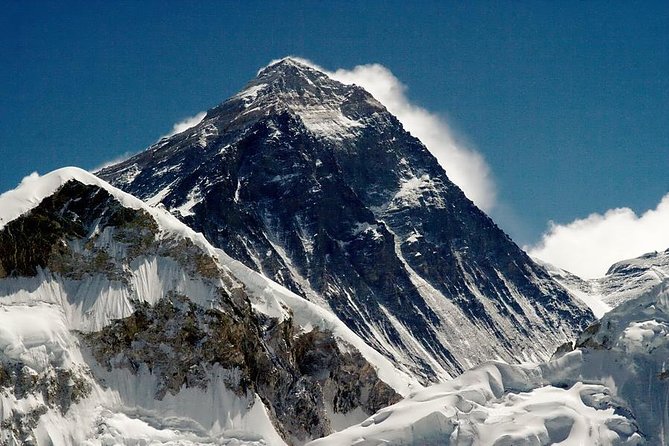
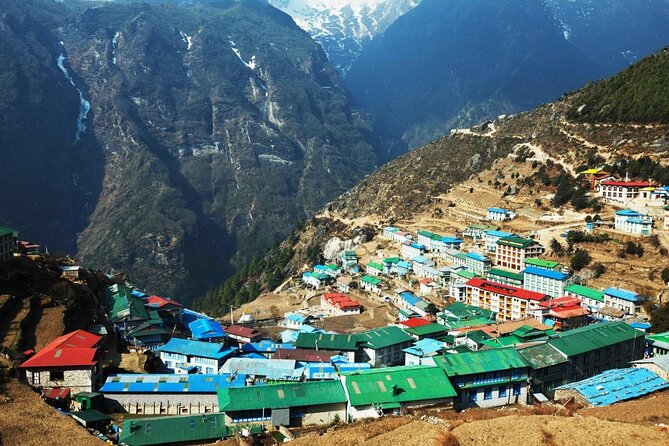
On Day 4 you trek up to Namche Bazar (3,440m) for about 5 hours. This is where the route starts to feel serious. Namche isn’t just a town—it’s a hub for the region, with viewpoints, shops, and tea houses. It’s also a natural place to pause and adjust.
Day 5 is a day hike to Khumjung and Khunde (listed up to about 3,840m), and you sleep in Namche. This is the kind of day that makes the difference between “I’m okay” and “I’m struggling.” You’re gaining altitude with purpose, but you’re not adding a long, exhausting push every single day.
What I like here is how the itinerary uses the altitude logic you want on EBC: hike higher, sleep lower (or at least not higher every night). You’re still working, but you’re also giving your body time to adapt.
Tengboche and Dengboche: monasteries, Sherpa life, and steady altitude gain
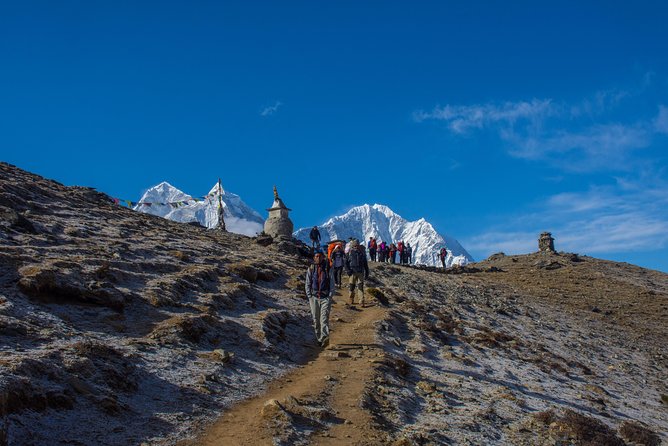
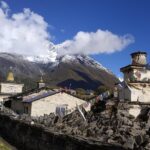
Day 6 takes you to Tengboche (3,860m) in about 5 hours, with a visit to the monastery. This stop is about more than a photo. Monasteries are a window into how many Sherpas see the mountains—not as empty scenery, but as part of their living culture and belief system.
Day 7 goes to Dengboche (4,410m) in about 5 hours. You’re climbing again, but the itinerary keeps the days paced so you’re not hiking for long stretches at extreme elevations right away.
Day 8 then adds another day hike: Nagarjun Peak (listed around 5,085m) plus an overnight in Dengboche. This is a classic acclimatization move, but it also brings you closer to the views people dream about—on clear days, the higher you go in the day, the more you notice how the valley opens up around you.
Lobuche to GorakShep: moving toward Everest Base Camp in the thin air
Day 9 heads to Lobuche (4,910m) for about 4 hours. Day 10 is to GorakShep (5,140m), also about 4 hours. These days are shorter than the climbs you might expect, but altitude makes every step cost more.
That’s why tea-house culture here becomes more important. You’ll have included meals and hot drinks (breakfast, lunch, dinner are all covered), which helps you keep your energy up. Eating matters at these elevations, and it’s easier when lunch and dinner aren’t something you need to hunt down.
You’ll also be sleeping at higher points (GorakShep is listed at 5,140m). So it’s smart to slow down, drink your treated water consistently, and keep your layers ready for wind and temperature swings.
Everest Base Camp day: the 5,364m moment you train for
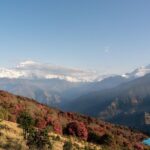
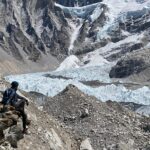
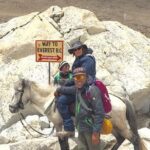
Day 11 is Everest Base Camp (listed at 5,364m) with about 6 hours total hiking, and overnight at GorakShep. This is the day most people remember: the trail narrows into a goal, prayer flags become more common, and the sense of place changes from “walk in the mountains” to “this is where expeditions set up.”
What I like about this itinerary is that it doesn’t treat EBC as a one-day sprint. You come here after multiple acclimatization steps. That turns base camp into a celebration of effort, not a fight against your own limits.
Kala Pattar: the climb for views at 5,550m
Day 12 is Kala Pattar (listed at 5,550m) for about 4 hours, then trekking to Pheriche (about 4,210m) for about 4 hours. Kala Pattar is one of those days where you get up early, push upward, and then suddenly the world looks different.
This is also a relief day. Even though Kala Pattar is high, the route then drops you to Pheriche for the overnight. That descent helps your body reset and recover after the highest-feeling day.
You’ll feel the mental shift here: after Kala Pattar, Everest starts to feel less like an object in the distance and more like something you’ve “been part of.”
Head back down: Namche, Lukla, and the flight buffer
Day 13 returns to Namche (3,440m) in about 6 hours. That’s a long day, but it’s also the kind of long day you often like—your legs know what they’re doing by now, and you’re moving through familiar villages again.
Day 14 is trekking to Lukla (about 6 hours), with evening free time. Then Day 15 is an early morning flight back to Kathmandu, followed by a free day. Day 16 is another Kathmandu free day, with an emergency day for the Lukla–KTM flight.
That buffer is worth paying attention to. Flights from Lukla can be unpredictable, and this extra day is the trip’s built-in safety net. If you’re the type who hates schedule changes, know that you’re not guessing—there’s literally a day reserved for the flight contingency.
Day 17 is international departures as per your schedule time.
What you’re paying for: value, inclusions, and the costs you must plan for
At $2,000 per person for an approx. 17-day EBC trek, this package is built around the big-ticket items and the day-to-day support you’d otherwise have to arrange yourself.
Here’s what stands out as real value:
- Domestic flights KTM–Lukla–KTM are included (round trip, with domestic airport taxes listed)
- Permits are included, including conservation/national park and local and government taxes
- Guide and staff support: an experienced Sherpa trek guide, support Sherpa staff, and a required number of porters
- All meals + hot drinks + treated drinking water are included
- Trek first aid kit is included
- Insurance for guide and porters with emergency rescue is included
- Hotel nights: 4 nights in 3-star hotels on twin sharing with breakfast
- Transfers are included by private vehicles, plus a farewell celebration dinner
- A trek duffle bag for each trek member is included
What’s not included, and you should budget for:
- International flights and major meals in Kathmandu
- Personal trek gear
- Bottle water/boiled water and other drinks like soft drinks or beer
- Tips to the guide and porters
- Any extra costs caused by unforeseen circumstances
- Most importantly: your own medical/high risk insurance must cover emergency evacuation costs
In other words: you’re paying for reduced planning stress and a staff-led experience. What you still control is your personal readiness—gear, fitness, and insurance.
Fitness, packing, and how to make thin air feel less scary
The tour lists moderate physical fitness as the requirement. That’s honest. Everest Base Camp isn’t only about endurance; it’s also about how steadily you can handle altitude over many days.
Your best strategy is simple:
- Keep your effort consistent, especially on the early climbs out of Lukla and toward Namche
- Use the included day hikes for acclimatization rather than treating every day like a race
- Expect that cold and wind can show up as you go higher, and dress in layers (since you’re responsible for personal gear)
Also, remember this is not a “bring nothing” trip. Personal trek gears aren’t included, and bottle water is not included either. Treated drinking water is provided, but you may still want your preferred bottles or electrolytes.
Who this Everest Base Camp trek is best for
This trek fits you well if you want:
- A private, guided EBC experience with real logistical support
- A route that builds acclimatization through Namche and additional hikes
- Sherpa cultural time through villages and monastery visits
- A package where meals, permits, and most travel logistics are already handled
It may be less ideal if you:
- Hate the idea of flight uncertainty (there is an emergency day in Kathmandu for that reason)
- Don’t want to arrange your own medical evacuation insurance
- Prefer to carry everything yourself and don’t value porter support
Should you book it?
If your top goal is a well-run, Sherpa-led Everest Base Camp trek with minimal logistics stress, I think this one is a strong match. The inclusion list is practical—flights, permits, meals, guide support, and key Kathmandu time are handled—so you can focus on pacing and acclimatization instead of paperwork and scavenger hunts.
My advice: take the “moderate fitness” requirement seriously, and don’t skimp on your insurance coverage for emergency evacuation. If you line those up, you’ll be in good shape to enjoy the whole arc of the trek: Kathmandu prep, Lukla-to-Phakding settling-in, Namche acclimatization, monastery days, and then the big elevation moments at Everest Base Camp and Kala Pattar.
FAQ
How long is the Everest Base Camp trek?
It’s listed as approximately 17 days.
Where does the tour start?
The start point is Tribhuvan Airport in Kathmandu, Nepal.
What are the included trekking permits?
The package includes necessary trekking permits, including conservation/national park permits and local and government taxes.
Are domestic flights included?
Yes. Round trip KTM–Lukla–KTM domestic airfares with domestic airport taxes are included.
How many nights are you staying in Kathmandu hotels?
You get 4 nights in 3-star hotels on a twin-sharing basis with breakfast.
Are meals included during the trek?
Yes. All meals of high quality and hygienic are included (breakfast, lunch, dinner), plus hot drinks and treated drinking water.
Is there a guide?
Yes. You’ll have an experience Sherpa trek guide.
Are porters included?
Support Sherpa staff and the required number of porters are included.
What insurance is required from me?
Medical/personal high risk insurance is not included, and it must cover emergency evacuation costs.
Is there an emergency day for flights?
Yes. Day 16 in Kathmandu is listed as an emergency day for the Lukla to Kathmandu flight.