REVIEW · HIMACHAL PRADESH AND UTTARAKHAND
Tirath Expedition: Trek to the Tirath Hans Kund & Saketi Top(4280m)
Book on Viator →Operated by Tek Singh- Trek with Tek · Bookable on Viator
Trekking into the Great Himalayan National Park feels like stepping off the grid. This Tirath Hans Kund & Saketi Top trek starts in Gushaini and follows a local-guide route through GHNP, tied to the Tirthan river’s origin and centered on serious mountain views from 4280m. It’s built for people who want nature focus—birdwatching, wildlife spotting, and photo stops—without carrying everything on your back.
Two things I’d put at the top of my list: a strong on-trail safety mindset led by guides like Tek Singh, and a real focus on wildlife and plants using binoculars and a telescope when conditions allow. The second is the team support that makes the trip feel manageable—porters and cooks, plus camp gear that includes tents, sleeping bags, mats, and a toilet tent.
One consideration: this is described as difficult to moderate and it asks for strong fitness plus prior trekking experience. If you’re even slightly unsure about altitude effort (and you know the uphill will be real), you’ll want to train and plan carefully.
In This Review
- Key highlights you’ll actually feel on the trek
- Getting to Gushaini: where your Himalayan walking starts
- Tirath and GHNP: walking through a UNESCO-protected ecosystem
- Saketi Top at 4280m: the view payoff and the altitude reality
- Tek Singh’s trail leadership: knowledge, safety, and real wildlife focus
- Camping comfort you don’t have to guess about
- Food and water: what keeps your energy steady
- Gear, safety tools, and the “small extras” that add up
- Trek difficulty: who should go, and who should train first
- Price and value: is $359.96 fair for 9 days?
- Weather matters: why conditions can change dates
- Should you book Tirath Hans Kund & Saketi Top?
- FAQ
- How long is the Tirath Hans Kund & Saketi Top trek?
- Where does the trek start and where does it end?
- Is this trek private?
- What fitness level do I need?
- What’s included for camping and sleeping?
- Is dinner included every day?
Key highlights you’ll actually feel on the trek
- Private trek for just your group: You don’t have to share the experience with strangers.
- Tents, sleeping bags, mats, and camp setup included: You spend less energy hauling gear and more on walking.
- Wildlife time with binoculars and a telescope: A good way to turn patience into sightings.
- Porters and cooks with a 1:1 staff ratio: The workload stays reasonable for your body.
- Oxygen cylinders included: A helpful safety layer for the higher sections.
- Tirath and the Tirthan river origin area: A pilgrimage-linked setting that adds meaning to the scenery.
Getting to Gushaini: where your Himalayan walking starts
Gushaini, in Himachal Pradesh, is the launch point for this 8-night, 9-day trek. You end back at the same meeting point, which keeps the logistics simpler than treks that fly you in and out of different valleys. If you like the idea of arriving, getting your bearings, and then gradually stepping higher over multiple days, this format fits.
The trip also builds in support on arrival with restroom facility and breakfast. That matters more than it sounds. After travel day nerves, a warm meal and basic cleanup can set the tone for the whole trek. It’s a small thing, but it helps you start without feeling rushed.
And because the meeting point is described as near public transportation, you’re not locked into one complicated transport plan. You’ll still need your own travel to India and to Gushaini, but the local handoff is designed to be straightforward.
You can also read our reviews of more tours and experiences in Himachal Pradesh and Uttarakhand.
Tirath and GHNP: walking through a UNESCO-protected ecosystem
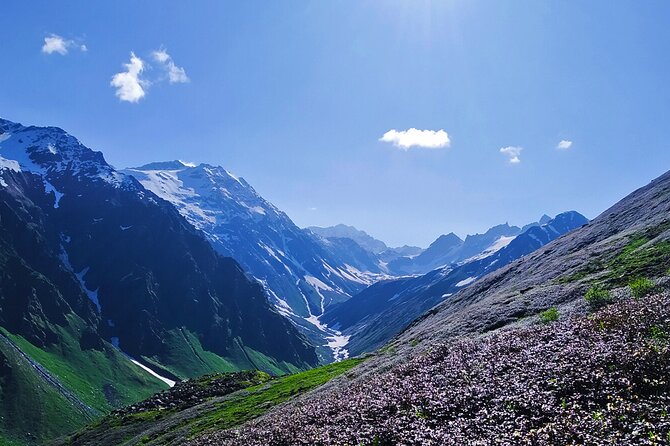
Tirath is tied to the origin of the Tirthan river, and it’s also a pilgrimage site for local communities. That blend of natural beauty and cultural meaning gives the walking a little extra weight beyond pure sightseeing.
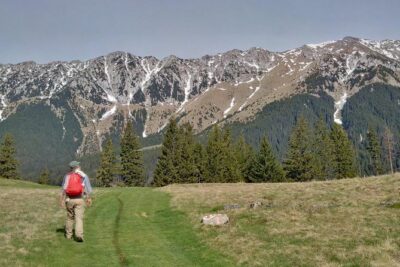
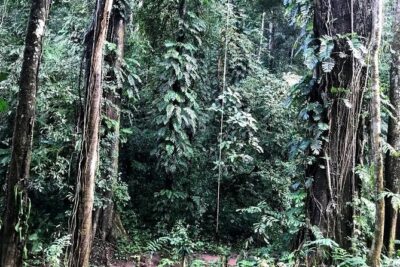
This trek places you in the Great Himalayan National Park (GHNP), which is a UNESCO World Heritage Site. On the trail, the focus is on the ecosystem: you’ll be moving through a zone known for high biodiversity—flora and fauna you can actually notice if you pause instead of just power-walking. The trek is positioned as great for photographers and bird watchers, and that’s not just marketing talk. GHNP is the kind of place where a “small” moment, like a bird call or a movement near the trees, can become the highlight of a day.
I also like that the trek isn’t trying to be a giant checklist. It’s more about spending time in the wilderness with a local guide—so you’re better at seeing what’s there, not just where you’re going.
Saketi Top at 4280m: the view payoff and the altitude reality
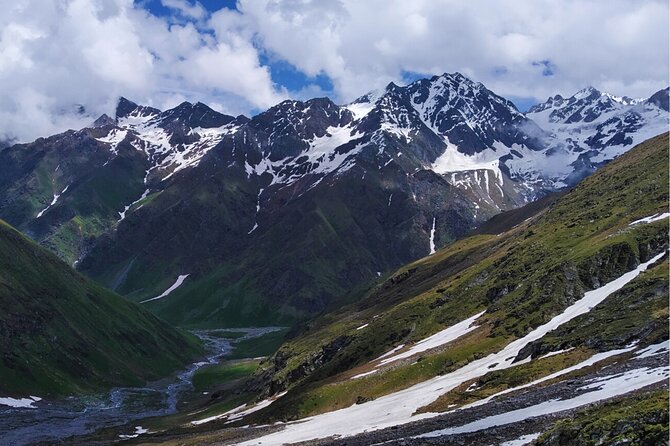
The goal peak is Saketi Top, reached at an altitude of 4280m. That’s a serious climb, and the value of the trek is that you’re not arriving at altitude in one jump. You gain elevation across days, which is generally kinder to your body than a single steep push.
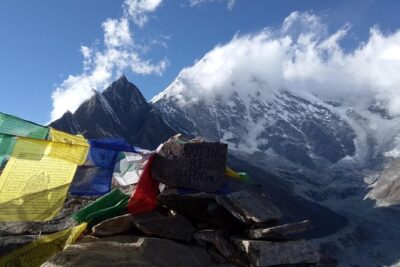
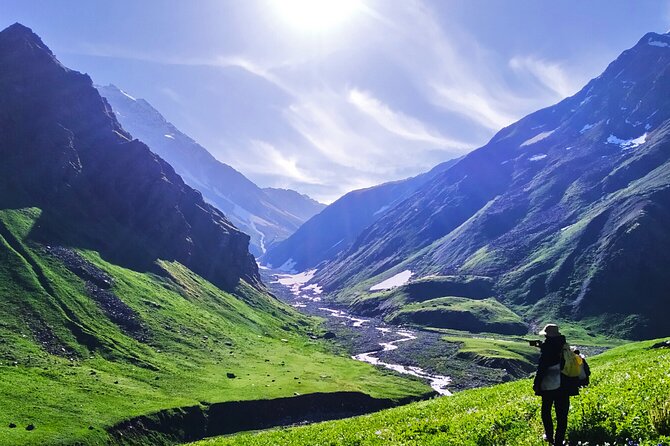
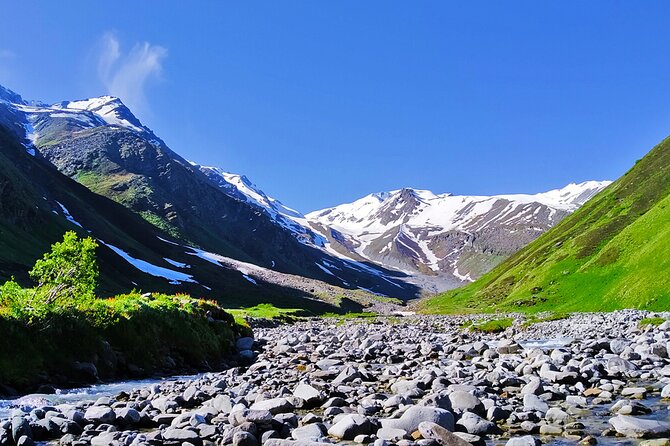
Your best payoff is the view from the top. The trek is described as breathtaking from that height, and the intent is clear: you spectate the Himalayan mountains during the climb rather than treating summit views as an afterthought.
Still, you should treat altitude effort as the main challenge, not “just steps.” The operator includes oxygen cylinders, which is a meaningful detail. It doesn’t remove the need to pace and listen to your guide, but it signals that they expect altitude strain can happen and they’ve planned a safety buffer.
If you have a strong day-hiking routine and you’ve done at least some multi-day treks before, you’ll likely enjoy this trek more. If you’re coming in cold, the summit altitude can turn into a suffering contest fast.
Tek Singh’s trail leadership: knowledge, safety, and real wildlife focus
This trek is led by your guide (Tek Singh, with the provider listed as Trek with Tek). In the feedback on similar experiences with this team, Tek is repeatedly praised for being thoughtful and safety-minded, and for sharing facts about wildlife and plants. That combination matters in GHNP: the park’s value is tied to seeing and understanding what you’re walking past.
Support doesn’t stop with the guide. Eknath is also mentioned as a key helper in camp and logistics, along with other team members depending on your exact group. The overall vibe is that the team stays hands-on—helping with day planning, staying responsive, and making camp feel clean and organized.
I find that guides like this make a big difference in mountain trekking because they handle the invisible parts: pace strategy, route choices, and knowing when a “quick look” for wildlife is worth slowing down for. When you’re at higher elevations, small delays can feel bigger. A good guide times the moments so you still feel strong.
Camping comfort you don’t have to guess about
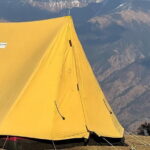
You sleep in 4-man high mountain dome tents, and the kit is provided: sleeping bag with liner and blanket, plus a sleeping mat and pillow. That means you’re not spending pre-trek money on gear that might only get used once. It also helps you travel lighter.
Toilets are handled with a toilet tent and toiletries included. That’s another comfort detail I appreciate. Even when you’re excited about trekking, basic hygiene makes a huge difference to how you feel by day three.
Also note the included power-banks. If you rely on your phone for photos, maps, or altitude apps, this is a practical inclusion. At this altitude, battery life can get weird, so extra charging options reduce stress.
Camp setup quality is highlighted in the feedback: people talk about cleanliness and good arrangements. That fits with the idea that you’re paying for a trek where sleep and recovery aren’t an afterthought.
Food and water: what keeps your energy steady
The package includes breakfast, lunch, high-tea, and dinner on all days—with one exception: dinner on the last day is not included. That structure is designed for trekking rhythm: breakfast before movement, lunch during the day, and high-tea to help you reset before the evening push or camp routine.
Food quality comes up strongly in the feedback I reviewed. People highlight delicious meals and often mention the care that goes into cooking. When you’re walking all day, great food turns into a morale system. If the meals are solid, you can stay calm and consistent with your pace.
For water, the trek includes a water purifier. That’s a big deal in the Himalayas where you want safe hydration without relying on expensive bottled water every day. You still need to follow the guide’s instructions, but a purifier removes a major uncertainty.
Gear, safety tools, and the “small extras” that add up
This trek includes some gear that makes the experience more fun and safer:
- Binoculars & telescope: useful for birding and looking at distant mountain features.
- Water purifier: practical for staying hydrated.
- Oxygen cylinders: an added safety layer at altitude.
- Other necessary trekking & camping equipment: so you’re not stuck assembling your own system from scratch.
There’s also a travel kit by Bamboo India, including items like a toothbrush and other small hygiene tools, plus a toilet tent with toiletries. It’s the kind of inclusion you don’t notice in the best way until you’re on day five and grateful you don’t have to improvise.
One more detail: the staff ratio is listed as 1:1 for porters and cooks. That’s a core part of the value here. When your gear is carried for you, your walking becomes about your legs and lungs, not your shoulders.
Trek difficulty: who should go, and who should train first
The trek is described as difficult to moderate, and it specifically says you should have good physical fitness and prior trekking experience. This is not the kind of hike where you can fake it with motivation.
So who is it best for?
- People who’ve done multi-day treks and know what uphill pacing feels like.
- Hikers who can handle higher elevations and don’t mind reduced comfort compared to hotels.
- Nature lovers who will slow down for birds, plants, and animal sightings.
Who might want more prep?
- If you haven’t done previous trekking, build time on your feet first (long walks, stairs, and hikes that simulate elevation gain).
- If you’re sensitive to altitude, talk to your doctor before going and be honest with your guide about how you feel.
A helpful mindset: treat every day as progress, not a race. The best trekking days come from steady breathing and quick recovery, not from pushing hard when you feel good.
Price and value: is $359.96 fair for 9 days?
At $359.96 per person, the price can feel like either a steal or a question mark—until you look at what’s included. You’re getting a guide, a private group experience, tents, sleeping bags, mats, pillow, food (with only the last-night dinner excluded), water purification, binoculars and telescope, and even oxygen cylinders.
You’re also getting real staffing: porters and cooks with a 1:1 ratio. That reduces your physical load and makes camp logistics smoother. Add in travel support items like a travel kit and power banks, and the cost looks more like “pay for the whole system” than “pay to rent a route.”
What’s not included is also clear: your transport to/from India, and dinner on the last day, plus tips and other personal expenses. If you’re traveling internationally, your total trip cost will still depend on flights and local transport to Gushaini. But as a trekking package, the inclusions help justify the price.
Weather matters: why conditions can change dates
The trek requires good weather, and if poor weather cancels your dates, you’ll be offered another date or a full refund. In the mountains, that’s not a flaw. It’s usually the difference between a safe plan and an unsafe scramble.
If you have strict scheduling constraints, consider picking travel windows with flexibility. Mountain treks are weather-dependent by nature.
Should you book Tirath Hans Kund & Saketi Top?
Book it if you want a guided GHNP trek with real wildlife focus, strong camp support, and less burden on your back thanks to porters. The private-group setup also appeals if you like moving at your own pace and sharing the experience without getting stuck in a mixed-energy crowd.
Skip or train more before booking if you don’t have prior trekking experience or you’re not confident about sustained uphill days and altitude at 4280m. This one asks for effort, and the reward is tied to how steady you can be.
If you’re the kind of traveler who likes clean camp routines, good food, and stopping to look closely at birds and plants, this trek fits your style better than a rushed “summit-only” climb.
FAQ
How long is the Tirath Hans Kund & Saketi Top trek?
It’s listed as an approximately 9-day experience (8 nights and 9 days).
Where does the trek start and where does it end?
The trek starts in Gushaini, Himachal Pradesh (175123), India and ends back at the same meeting point.
Is this trek private?
Yes. It’s described as a private tour/activity, with only your group participating.
What fitness level do I need?
You should have strong physical fitness and prior trekking experience. The trek is described as difficult to moderate.
What’s included for camping and sleeping?
You’ll get 4-man high mountain dome tents, a sleeping bag with liner & blanket, plus a sleeping mat and pillow. A toilet tent with toiletries is also included.
Is dinner included every day?
Dinner is included on all days except the last day’s dinner, which is not included.