REVIEW · HIMACHAL PRADESH AND UTTARAKHAND
Nag Tibba 2 Days Trek (Pantwari to Pantwari)
Book on Viator →Operated by Himalaya Shelter · Bookable on Viator
Nag Tibba turns a weekend into mountain time. In just two days from Pantwari, you get a snake-god temple visit, a campsite hike, and then a peak day with big-name views like Swargarohini and Bandarpunch. It is small, focused, and very doable if you’re okay with trekking effort.
I like that the Day 1 route is only about 5–6 km, so you can settle into the trail without burning yourself out. I also like the payoff: clear views from the summit day, plus the calm evening feel people talk about when they camp up in the Himalayas.
One consideration: this is still a real hike, not a stroll. If you’re not used to sustained uphill walking, you may find the second day more tiring than you expect, especially in changing weather.
In This Review
- Quick Hits Before You Go
- Where Nag Tibba Fits in Your North India Weekend Plan
- Your Two-Day Game Plan: What Each Day Feels Like
- Day 1: The Kathian Campsite Hike and Snake God Temple Moment
- Day 2: Nag Tibba Peak and the Big Peak Names
- Meeting in Pantwari: Start Smooth, Stay Together
- Camp Life: Tents, Food, and That Quiet Evening Feeling
- Guides Make or Break a Short Trek (Here’s What to Look For)
- The Real Value Question: Is $24 Worth It?
- Weather Rules: Why Your Summit Day Depends on the Sky
- Fitness Reality Check: Moderate Means You’ll Work
- What to Pack for a 2-Day Nag Tibba Trek
- Who This Trek Suits Best
- Should You Book Nag Tibba (Pantwari to Pantwari) This Weekend?
- FAQ
- How long is the Nag Tibba trek from Pantwari to Pantwari?
- Where does the trek start and where does it end?
- What is the hiking distance on Day 1?
- What happens on Day 1?
- What happens on Day 2?
- Is the trek suitable for beginners?
- What group size should I expect?
- Do I get a ticket on my phone?
Quick Hits Before You Go
- Snake God stop at Kathian Campsite: a small temple tied to local beliefs, right on the trekking route
- Day 1 is about 5–6 km: enough to feel like you trekked, not a marathon
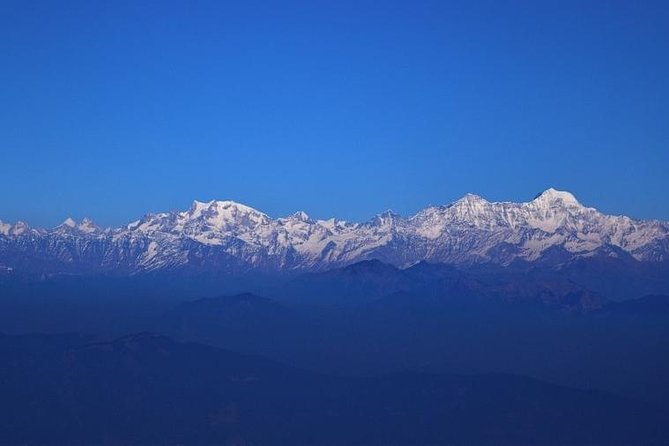
- Nag Tibba Peak viewpoint: views of Mt. Swargarohini, Mt. Bandarpunch, and more nearby peaks
- Peak-to-camp pace over 2 days: fast itinerary, so bring energy and good shoes
- Small group size (max 20): easier to keep together and get help from your guide
- Guides matter here: names like Mukesh Rana, Abhishek, Ramesh, and Subodh show up in guide praise for motivation and care
Where Nag Tibba Fits in Your North India Weekend Plan
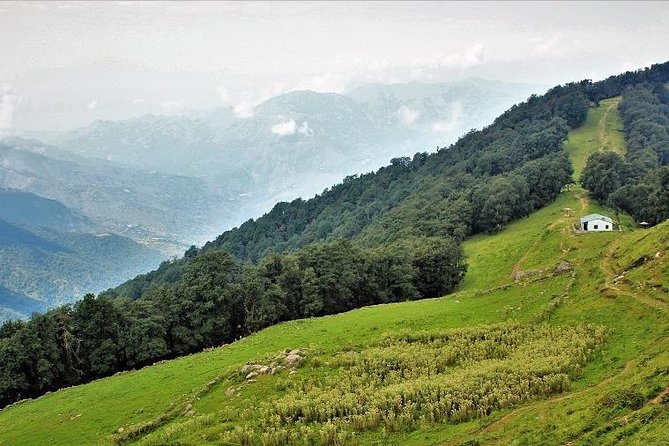
If you’re based in the North Indian plains and want a real dose of high-altitude air without committing to a long vacation, Nag Tibba is a sharp choice. It is short enough for a weekend, but it still has the feel of a proper mountain trek: uphill walking, camp life, and a morning/afternoon view day.
The trek runs in Himachal Pradesh and Uttarakhand (you start in Pantwari, Uttarakhand). Your meeting point is the Pantwari Nagtibba trek start at H3MP+GWM, Pantwari, Uttarakhand 249186. The activity ends back at the same meeting point, which makes planning simpler.
This is also priced like a budget trekking option (about $24). That low price matters because it means you’re paying mostly for the experience itself—guide support, a guided trek flow, and the basic camp setup—rather than premium add-ons.
You can also read our reviews of more tours and experiences in Himachal Pradesh and Uttarakhand.
Your Two-Day Game Plan: What Each Day Feels Like
This trek is built around two main walking moments: a Day 1 hike to the Kathian Campsite and a Day 2 push toward Nag Tibba Peak. Between them, you’ll settle into camp and enjoy the quieter mountain rhythm that makes these short treks so popular.
Because it is only 2 days (approx.), every hour counts. If you like slow travel, you might wish it were longer. If you like a clear plan and a weekend goal, this schedule is a good match.
Day 1: The Kathian Campsite Hike and Snake God Temple Moment
Day 1 is your hiking introduction, roughly 5–6 km. You trek up to the Kathian Campsite area and explore a small temple dedicated to a Snake God. That temple stop is more than a quick photo break—it’s a reminder that these trails run through living local culture, not just scenery.
Expect a steady effort rather than a technical climb. It is the kind of uphill that asks you to pace yourself, drink water, and keep moving. If you start too fast, you’ll feel it later, so I’d aim for controlled breathing and a consistent step.
A small “admission ticket” piece shows up as free, so there’s no added cost to that temple visit. Keep in mind: a temple visit still means you should dress respectfully and move calmly.
What could be tricky: Day 1 is shorter, but it sets your legs for Day 2. If you come in overly tired, you’ll feel it on the summit day.
Day 2: Nag Tibba Peak and the Big Peak Names
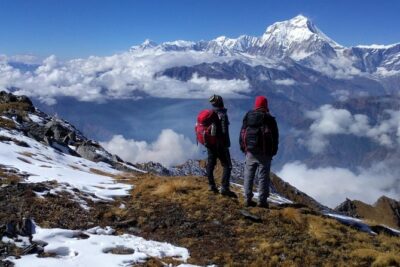
Day 2 centers on hiking to Nag Tibba Peak, and the point is the view. You’re looking at impressive mountain names such as Mt. Swargarohini and Mt. Bandarpunch, plus additional nearby peaks.
This is where you get the classic trek payoff: the moment when the effort turns into wide-open space. If weather is good, the summit day is the one you’ll remember longest, because the scale makes you stop and stare.
Day 2 also tends to feel steeper than Day 1, even if the distance isn’t wildly different. If you want an easy win, plan to treat Day 2 as your main workout.
Meeting in Pantwari: Start Smooth, Stay Together
Your start point is clearly listed: Pantwari Nagtibba trek Start (H3MP+GWM). Since the trek ends back there, you’re not hunting for a new drop-off at the end of your weekend.
Some people in the provided experience notes mention travel by road and even pickup from Dehra Dun, followed by a bus ride before starting the trek. Since that isn’t guaranteed in the main start details, I’d treat it as something that may depend on your specific package and what you selected during booking.
The most important practical point: show up on time and do not treat the schedule like a suggestion. Short treks run on tight timing, and your guide needs you ready when you start walking.
Tip: wear your trekking shoes from the start of the day. Getting your feet set up matters more than people think.
Camp Life: Tents, Food, and That Quiet Evening Feeling
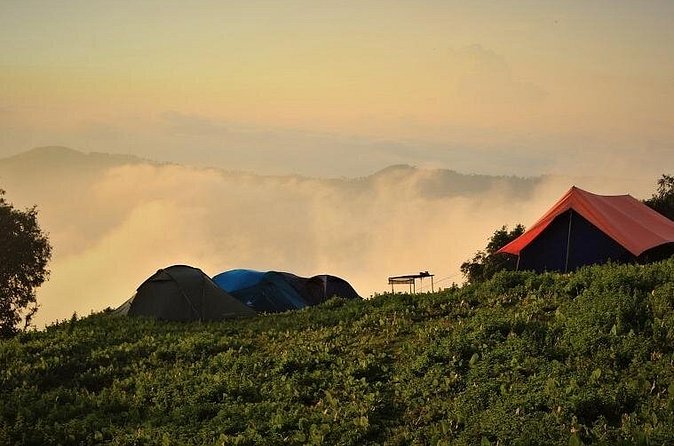
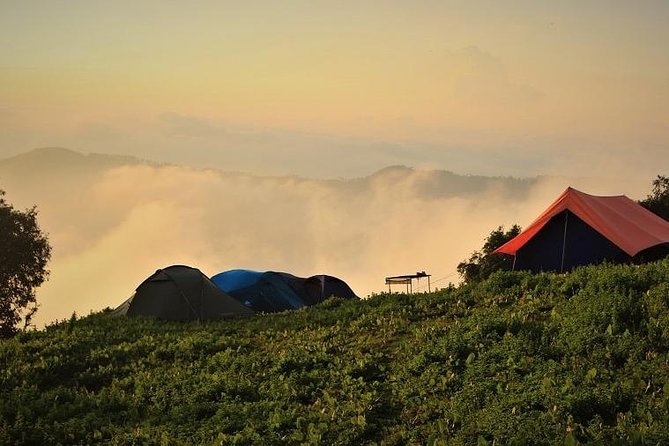
The trek includes basic camp-style comfort—think simple but comfortable tent accommodation. That matters because on a weekend trek, you want to sleep well enough to keep going the next day, not just survive the night.
On food, the feedback is consistently positive. People specifically note that the food is fresh and tasty, and that it can be better than expected for a mountain camp. That’s a real value point: good meals help you keep energy up, and you don’t want to burn calories and then feel underfed.
There’s also a social-calm element. Some experience notes mention campfire conversations and a tranquil evening mood far from city noise. Even if you’re not the chatty type, that evening vibe is part of why short treks work. You get one day to work hard, and one night to slow down.
Small caution: camp comfort is not the same as a hotel. If you expect hot showers, plush beds, or constant electricity, you may be disappointed. But if you’re here for nature and simple mountain living, the setup fits.
Guides Make or Break a Short Trek (Here’s What to Look For)
This is one of those treks where a good guide turns effort into confidence. In the experience notes, multiple guide names come up for doing exactly that: keeping people motivated and looking after the group.
Names mentioned include Mukesh Rana, Abhishek, Ramesh (uncle), and Subodh. People specifically highlight that these leaders kept the energy up and helped them finish with smiles, even when they didn’t expect it to be easy.
So what should you do as a participant? Listen early. On Day 1, your guide will set pace, walking rhythm, and where to rest. If you can follow that plan, Day 2 feels more manageable.
If you’re nervous: a motivated guide isn’t just nice—it can be the difference between pushing too hard on Day 1 and saving yourself for the summit day.
The Real Value Question: Is $24 Worth It?
At $24, Nag Tibba is priced for budget-friendly adventure. The value comes from the combination of things you actually care about on a weekend trek: a guided plan, a guided hike structure, camp support, and food.
You should think of it as paying for:
- the trek route guidance and group management (small group up to 20),
- the day-by-day flow so you’re not guessing your way,
- and the basics that make it possible to do a peak day in two days.
Could you do this entirely on your own for less? Maybe, but you’d still need local knowledge, route certainty, and camp logistics. For most people, that’s where the real cost difference shows up—not just in money, but in stress.
Bottom line on value: if you want a weekend trek that feels like you earned the summit view (not just walked around), this price is hard to beat.
Weather Rules: Why Your Summit Day Depends on the Sky
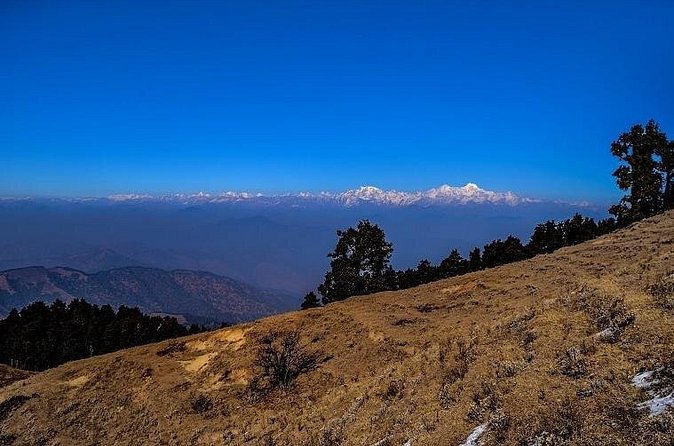
This experience requires good weather. That’s not a technicality—it’s the backbone of why peak days feel good. If visibility drops, the views you came for will be limited.
The provided info also states that if it’s canceled due to poor weather, you’ll be offered a different date or a full refund. That’s the right kind of policy for a trek, because it acknowledges reality: mountains don’t care about our schedules.
When you book, keep your expectations flexible. The trek is short, so weather timing matters more than on a longer multi-day hike.
Fitness Reality Check: Moderate Means You’ll Work
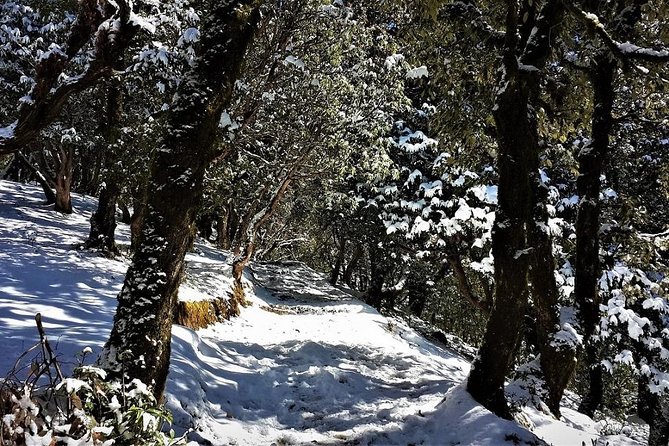
The trek notes ask for moderate physical fitness level. In real terms, that means you should be comfortable walking uphill for extended stretches without needing constant breaks.
People describe it as difficult but rewarding. That matches how short treks often go: the distance isn’t huge, but the grade and altitude feel can still wear you down.
Here’s a practical way to judge if you’ll enjoy it:
- If you can do 30–45 minutes of uphill walking without stopping, you’ll likely be okay.
- If you only walk flat distances, you may struggle—especially on Day 2.
What helps immediately: pacing, water, and not over-jogging the first day because you feel good at the start.
What to Pack for a 2-Day Nag Tibba Trek
The details you were given don’t include a packing list, so I’ll keep this tied to what you can safely plan for on any short Himalayan trek.
Bring basics that keep you comfortable and safe:
- trekking shoes with grip,
- a light rain layer (mountain weather shifts fast),
- a warm layer for evenings at camp,
- a day bag with water and snacks.
Also, bring temple-friendly clothing. Since there’s a Snake God temple stop, you’ll want clothing that feels respectful and easy to move in.
If you’re wondering what’s “enough”: for 2 days, you don’t need to haul a lot. You do need the right layers and reliable footwear.
Who This Trek Suits Best
Nag Tibba is a strong weekend option for:
- people who want a short trek with a summit-view reward,
- first-time hikers who can handle uphill effort with a supportive guide,
- anyone traveling in the North Indian region and looking for a quick nature escape.
It might not be the best fit if:
- you hate uphill walking,
- you want a luxury camping vibe,
- or you’re extremely sensitive to weather changes and visibility.
The group size cap of 20 makes it easier to manage, but it also means you’ll keep a shared pace with the group.
Should You Book Nag Tibba (Pantwari to Pantwari) This Weekend?
Yes, you should book if you want a 2-day Himalayan trek that has real moments: a temple stop on the hike, a peak day with major mountain views, and simple camp life that doesn’t pretend to be a hotel.
I’d say go for it if you:
- want value around $24,
- like clear schedules over long open-ended travel,
- and enjoy the satisfaction of earning a view after effort.
Hold off or think twice if:
- you’re not ready for uphill trekking on two consecutive days,
- you’re counting on perfect weather every time,
- or you need high comfort standards at camp.
If you do book, plan for the weather, pace yourself on Day 1, and let your guide help you set the rhythm. That’s the easiest way to turn a tough hike into a memorable weekend up high.
FAQ
How long is the Nag Tibba trek from Pantwari to Pantwari?
It runs for about 2 days.
Where does the trek start and where does it end?
The start meeting point is Pantwari Nagtibba trek start at H3MP+GWM, Pantwari, Uttarakhand 249186, India, and the activity ends back at the same meeting point.
What is the hiking distance on Day 1?
Day 1 includes a hike of about 5–6 km to the Kathian Campsite.
What happens on Day 1?
You trek to the Kathian Campsite and explore a small temple dedicated to a Snake God.
What happens on Day 2?
You hike to Nag Tibba Peak and get mountain views, including Mt. Swargarohini and Mt. Bandarpunch.
Is the trek suitable for beginners?
The trek notes ask for a moderate fitness level, and it is described as difficult but rewarding, so beginners should be prepared for uphill effort.
What group size should I expect?
There is a maximum group size of 20 travelers.
Do I get a ticket on my phone?
Yes, the tour includes a mobile ticket, and confirmation is received at the time of booking.