REVIEW · KATHMANDU
Everest Base Camp Trekking
Book on Viator →Operated by Nepal Guide Treks and Expedition P. Ltd. · Bookable on Viator
Everest begins with Lukla’s runway. From Kathmandu you fly to Lukla, start hiking through Sagarmatha National Park, and push on to Kalapatthar for towering-Everest views.
I love how this trip handles the human side of the journey: owner Prakash Devkota and guides like Krishna or Sonam Sherpa keep things organized, and they’ve shown they’ll adjust when Lukla weather causes delays. I also love the pacing built into the route, with a true acclimatization rhythm so your body gets a chance to adapt in Namche Bazaar.
The main drawback is simple: weather-dependent Lukla flights can shuffle timing. That doesn’t mean the trek falls apart, but you should expect a little flexibility.
In This Review
- Quick Takeaways (Worth Knowing Before You Go)
- Kathmandu Warm-Up: Hotel Comfort, Welcome Dinner, and Thamel Time
- Lukla Flight and the First Trek Push Toward Namche
- Namche Acclimatization: Khumjung Hike, Monasteries, and Real Altitude Prep
- From Mongla Pass to Tengboche: Alpine Walks and the Big Monastery Stop
- Dingboche to Lobuche: Khumbu Glacier Territory and Memorials
- Everest Base Camp Day: Gorakshep, Glacier Walking, and Ice-Fall Views
- Kalapatthar at 5,545m: The View That Reaches Past Lhotse
- The Descent Loop: Pangboche, Dudh Koshi Suspension Bridge, and Namche Again
- Back to Lukla: Forest Downhills, Bhote Koshi Crossings, and the Final Climb
- Price and Logistics: What the $1,700 Covers (and What Doesn’t)
- Season Choice: Spring, Autumn, and Winter Quiet for Everest Views
- Fitness, Altitude, and the Pace Rules That Keep You Moving
- Who Should Book This Everest Base Camp Trek
- Should You Book? My Decision Guide
- FAQ
- FAQ
- What is the duration of the Everest Base Camp Trek?
- What are the key high points on the trek?
- Where does the trip start, and what time does it begin?
- Are airport transfers included?
- Are Kathmandu to Lukla flights included?
- How are meals handled during the trek?
- What kind of lodging should I expect on the trek?
- Do tea houses have attached toilets?
- How physically demanding is this trek?
- What months are best for this trek?
- What is the cancellation policy?
Quick Takeaways (Worth Knowing Before You Go)
- Kalapatthar at 5,545m: one of the best Khumbu viewpoints for Everest, Lhotse, Makalu, Cho Oyu, and more.
- Everest Base Camp on the Khumbu Glacier: early start, glacier walking, then a slow descent to Gorakshep.
- Acclimatization with hike-high sleep-low: a full Namche rest day plus a climb to Khumjung.
- Sagarmatha National Park entry day: registration and steady climbing toward Namche Bazaar.
- Teahouses are basic by design: you’ll sleep in available lodge rooms, and toilets may be public in some places.
- Small group limit (up to 15): more manageable logistics on narrow trails.
Kathmandu Warm-Up: Hotel Comfort, Welcome Dinner, and Thamel Time
You start in Kathmandu with an airport meet-and-transfer to a hotel in the heart of the city. On Day 1, there’s time to rest or pop by the Nepal Guide office to get trip info straight from the team. The evening includes a welcome dinner, which is a practical moment to ask questions about pace, altitude, and what to expect once you’re in the Khumbu.
After you return on Day 13, you get a similar decompression setup: hotel transfer first, then free time to wander Thamel if you want. You also finish with a farewell dinner that gives the whole team a chance to celebrate the trek’s end together. If you like having structure without feeling boxed in, Kathmandu is handled in a very “arrive, reset, then go” way.
You can also read our reviews of more tours and experiences in Kathmandu.
Lukla Flight and the First Trek Push Toward Namche
Most of the real Everest adventure begins fast. After breakfast in Kathmandu, you fly early to Lukla, the gateway town for the Khumbu region. Then you hike gradually uphill along the left bank of the Dudh Koshi River, passing Mani walls—stone slabs marked with prayers that keep showing up as you gain elevation.
You’ll trek onward through villages and terrain that mixes ups and downs, reaching places like Phakding and then continuing toward Ghat. These early days are about learning your walking rhythm rather than racing the trail. You’ll also pass the park registration point on the way to Namche Bazaar, where the route formally enters the Sagarmatha National Park system.
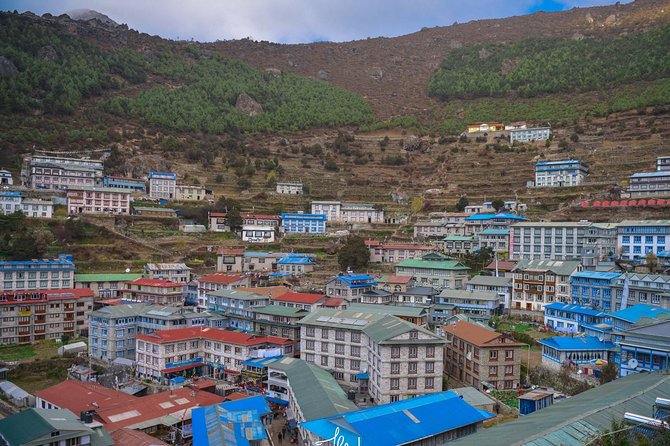
Day 3 ends with your arrival in Namche Bazaar, which is the Sherpa hub—busy enough to feel alive, but still small and walkable. Since Day 3 is also a climbing day, it helps that the next day is built for acclimatization rather than pushing higher right away.
Namche Acclimatization: Khumjung Hike, Monasteries, and Real Altitude Prep
Day 4 is a rest day in practice, not just “sit around” time. The plan uses hike-high sleep-low: you hike up to the town of Khumjung (about a 300m climb from Namche) and then return to sleep lower. This is one of the most important parts of a successful Everest trek because it teaches your body to handle altitude gradually.
You’ll also visit local monasteries and schools in the area. That matters because you’re not just moving through scenery—you’re moving through living communities, and Sherpa culture is right there in the everyday fabric of the route. Namche is where the trip becomes less about logistics and more about understanding how this region works.
If you’re prone to getting winded on climbs, this day is your friend. Slow and steady is the game, and the itinerary respects that by giving your body time before the bigger push.
From Mongla Pass to Tengboche: Alpine Walks and the Big Monastery Stop
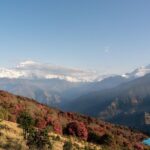
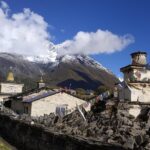
Once you leave Namche, you continue toward Tyangboche. On the way, you cross the Mongla pass at about 3,975m, which is one of those sections where you’ll feel the altitude more than you feel your legs. Then you drop into a trail that delivers classic Everest-region views of nearby peaks before arriving at the region’s largest monastery area at Tengboche/Tyangboche.
The monastery stop is more than a photo moment. It’s a cultural reset point—quiet, grounded, and a strong contrast to the physical effort of the pass. If you’re interested in how high-altitude communities keep their spiritual routines intact, this is a key day.
Also, the trek style here stays varied: you’re not only walking straight up. You’ll see forested sections and changing ridgeline views, which helps break the monotony that can creep into longer treks.
Dingboche to Lobuche: Khumbu Glacier Territory and Memorials
Day 6 shifts you into lush alpine forest trekking with several small villages along the way. The trail continues toward Dingboche, passing through areas like Khumbila Khola Valley and ascending toward a ridgeline where the views sharpen. You’ll likely notice that the mountains start to feel closer—less “far away Everest postcard,” more “this is real and it’s massive.”
Then Day 7 brings you to Lobuche via the terminal moraine left by the Khumbu Glacier. This is also where you’ll find memorials for climbers who lost their lives on Everest. It’s an emotional stop without being performative, and it adds weight to what you’re chasing. You’re hiking into a place that’s tied to real history, sacrifice, and ongoing risks.
This stretch is motivating because the landscape gets more dramatic, but it can also feel tougher physically. If you treat every day like a “checkpoint,” you’ll miss the value of pacing here. Let the itinerary do its job.
Everest Base Camp Day: Gorakshep, Glacier Walking, and Ice-Fall Views
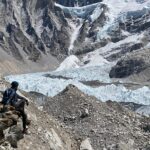
Day 8 is the headline. You set off early toward Gorakshep, and on the route you’ll see the Khumbu Glacier. As you near Gorakshep the trail can feel harder, and that’s a good signal to keep your pace careful and controlled.
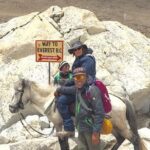
From Gorakshep, you continue to the Everest Base Camp itself at 5,380m. The most memorable part isn’t just the sign and the altitude. It’s the slow approach across glacier terrain and the way the Ice-fall area becomes visible as you get closer. When you arrive, you’ll have time to be there and take in the place at your own speed.
After time at base camp, you don’t linger uphill. You descend back to Gorakshep and sleep there. That overnight matters because it makes Day 9—Kalapatthar—more achievable.
Kalapatthar at 5,545m: The View That Reaches Past Lhotse
Day 9 takes you to the highest point of the trek: Kalapatthar at 5,545m. A practical note here: Everest can be harder to see directly from base camp because Mt. Lhotse sits in front of it. That’s why Kalapatthar is famous locally as the best viewpoint in the Khumbu region.
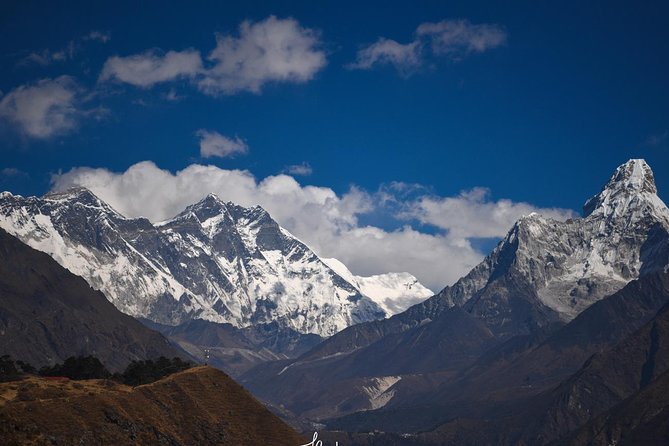
From the top, you can expect a broad panorama of major peaks, including Everest (8,848m), Mt. Lhotse (8,516m), Mt. Makalu (8,481m), and Mt. Cho Oyu (8,201m) plus surrounding snow-capped summits. This isn’t a single mountain moment—it’s the full high-world view.
After soaking in the viewpoint, you start heading down toward Pheriche. The descent helps your body recover and sets you up for the return days where you’ll be grateful for every rest stop and predictable trail segment.
The Descent Loop: Pangboche, Dudh Koshi Suspension Bridge, and Namche Again
Day 10 brings a strong change in feel. You head down toward Pangboche with easier downhill walking at first, then continue to the riverside where you cross a bridge over Imja Khola and climb back up to Tyangboche again. Doing the route both ways helps you recognize landmarks you only pass once on the outward journey.
Day 11 is where river crossings take over the rhythm. You descend toward the Dudh Koshi River, cross a suspension bridge, then move toward Phunki Tenga. You’ll pass through villages including Tashinga and Sansa, then reach Namche Bazaar for an overnight tea house stay.
This is a good day to be strict about your footing. Even though the altitude is lower than your peak days, knees and ankles can get hit on repeated downhills. One useful tip from trekkers in this region: if knee pain tends to show up on descents, train your hamstrings before you go. It’s a small prep that can pay off big when you’re stepping down for hours.
Back to Lukla: Forest Downhills, Bhote Koshi Crossings, and the Final Climb
Day 12 is the final trekking day, and it mixes short ups with easier descents through densely forested areas. You continue from Namche Bazaar to Lukla, keeping the movement “pleasant” in the sense that it isn’t constant grind-up climbing.
You also cross the Bhote Koshi River three times, then do a final uphill climb of about 45 minutes to reach Lukla. That last push can feel longer than you expect, but it’s also where the end is finally close enough to motivate you.
Then Day 13 brings the payoff: an early scenic flight from Lukla back to Kathmandu. After a hotel transfer, you can either rest or spend time in Thamel, and you’ll finish with the farewell dinner.
Price and Logistics: What the $1,700 Covers (and What Doesn’t)
At $1,700 per person, this trek is priced like a full-service Everest package, not just a “route and hope” ticket. What you’re paying for includes experienced guiding plus the required number of porters, meals (breakfast, lunch, dinner) throughout the trek, and accommodation both in Kathmandu and during the trekking days.
Kathmandu lodging is tied to a three-star hotel setup on a bed-and-breakfast basis. On trek days, you sleep in available tea house lodges, with room types arranged as single, double, triple, or twin sharing based on your request. You might share twin rooms with other trekkers, and attached toilets may not be available in every lodge, so plan on using public toilets when needed.
The cost also includes permits and government taxes, airport pickup and drop, and the flight costs between Kathmandu and Lukla. That last part is huge for value because flights are often the most volatile element of the entire experience. What’s not included is personal expenses and alcohol or beverages—so budget for that part yourself.
Season Choice: Spring, Autumn, and Winter Quiet for Everest Views
The trek’s best seasons are listed as spring (March, April, May) and autumn (September, October, November). These periods generally bring clearer conditions, which means better mountain views and a more enjoyable hiking day.
If you prefer fewer people on the trail, the winter months December, January, and February are often the calmest options described here. On the other hand, June, July, and August fall into the monsoon window and are heavily affected by rain, which can be rough on trails and flight reliability.
So the real planning tip is straightforward: pick your months based on the trade-off between crowds (winter tends quieter) and predictable visibility (spring and autumn). If you can choose, spring and autumn are the easiest sell for most first-time Everest trekkers.
Fitness, Altitude, and the Pace Rules That Keep You Moving
This is described as a moderate and adventurous trek that asks you to walk about 5–6 hours a day. The route rises to elevations above 5,000m, and altitude sickness can happen even when you’re doing everything right. The practical solution is built into the plan: trek slow, keep a steady pace, and let your body adapt.
You don’t need high mountaineering skills for this trek, but previous trekking experience helps. The biggest “skill” you’ll use is pacing, especially on days like your pass crossings and on the lead-in toward Gorakshep and base camp.
Also remember: the itinerary includes first aid kits and trained support from guides and porters with staff insurance. That doesn’t remove risk, but it does mean you’re not doing this with zero safety net.
Who Should Book This Everest Base Camp Trek
This is a strong match if you want a guided, structured Everest Base Camp trek with real emphasis on acclimatization and cultural stops in Sherpa areas. It’s also a good fit if you like predictable daily meals and lodging at the tea house level, not wild camping logistics.
You’ll likely be happy here if you’re comfortable walking multiple hours per day and you can handle basic lodge conditions (including occasional public toilets). And since the group cap is 15 travelers, you avoid the chaos that can happen on very crowded trails.
If you hate schedule changes completely, take the weather reality seriously. The plan includes flights that can delay in bad conditions, and the team may adjust the itinerary slightly to get you to Lukla and back.
Should You Book? My Decision Guide
If you’re choosing this trek, I think you should book it if three things are true: you’re ready for 5–6 hours of trekking daily, you understand altitude is a slow game, and you want a team that’s practiced with Lukla logistics. The strongest part of this package is that it’s not only a route; it’s a managed experience with guides, porters, permits, flights, and meals handled.
I’d be more cautious if you can’t tolerate weather-driven timing shifts or if you need private, modern hotel-style bathrooms every night. Tea houses are part of the deal, and attached toilets aren’t guaranteed.
FAQ
FAQ
What is the duration of the Everest Base Camp Trek?
The trek runs about 14 days (approx.).
What are the key high points on the trek?
Everest Base Camp is at about 5,380 meters, and Kalapatthar is at about 5,545 meters.
Where does the trip start, and what time does it begin?
The meeting point is Tribhuvan Airport in Kathmandu, Nepal, with a start time of 9:45 am.
Are airport transfers included?
Yes. The package includes airport pickup and drop in Kathmandu.
Are Kathmandu to Lukla flights included?
Yes. The cost includes the flights between Kathmandu and Lukla, and Lukla back to Kathmandu.
How are meals handled during the trek?
Accommodation and meals are included throughout the trip. You’ll have breakfast, lunch, and dinner during the trekking days, and in Kathmandu you’re provided with a bed-and-breakfast plan.
What kind of lodging should I expect on the trek?
During trekking days you stay in available tea house lodges. In Kathmandu, accommodation is included in a three-star rated hotel, and room type on trek days is arranged as single, double, triple, or twin sharing as requested.
Do tea houses have attached toilets?
Attached toilets may not be available in every tea house, so you may need to use public toilets.
How physically demanding is this trek?
It’s described as moderate and requires the ability to walk about 5–6 hours a day, with trails rising above 5,000 meters.
What months are best for this trek?
Spring (March, April, May) and autumn (September, October, November) are listed as the best seasons for Everest Base Camp trekking. December, January, and February are suggested for fewer crowds, while June, July, and August are affected by rain.
What is the cancellation policy?
Free cancellation is offered. You can cancel up to 24 hours in advance for a full refund, and cancellations within 24 hours do not receive a refund.