REVIEW · SA PA
SAPA: 2-DAY 1-NIGHT TREKKING & CULTURE WITH HMONG GUIDE LINH
Book on GetYourGuide →Operated by VietNam Venture · Bookable on GetYourGuide
Sapa’s rice terraces are the kind of wow you feel. This 2-day trek with English-speaking guide Linh pairs big valley views with close-up village visits, plus an overnight homestay stay. I love the way the route connects different ethnic communities without turning it into a checklist, but the hike is moderately challenging with steep, uneven footing.
What makes this trip extra compelling is the pace. You’re walking between places like Y Linh Ho, Lao Chai, and Ta Van in a way that lets you slow down for suspension-bridge crossings, bamboo forest paths, and waterfall stops. If weather turns moody, your guide can adjust for safety, which matters when you’re dealing with real mountain trails.
And yes, the value is part of the story. This isn’t a luxury tour, but it is a full package: meals, village entry fees, and the homestay experience built in. You also get small-group time, which usually means more questions get answered and fewer hours feel stuck.
In This Review
- Key reasons this Sapa trek delivers real value
- Starting at Sapa Stone Church: where the hike really begins
- Muong Hoa Valley to Y Linh Ho: Black H’mong village views
- Lao Chai to Ta Van: suspension bridges and daily rhythms
- Dinner with the family: spring rolls, games, and comfort
- Day 2 through Giang Ta Chai and waterfalls: Red Dao traditions in motion
- Supan viewpoints and the 2:30 PM return to Sapa
- Price and logistics: why this trek is so low-cost
- What to pack for Sapa trekking without hating your life
- The group vibe: small numbers, lots of questions
- Who this trek is perfect for
- Who should think twice
- Should you book this Sapa 2-day trek with Linh?
- FAQ
- How long is the trek?
- How hard is it?
- What’s included in the price?
- What is the homestay like?
- Do I need to store my luggage in Sapa?
- What should I bring for the hike?
- What happens if the weather is bad?
Key reasons this Sapa trek delivers real value
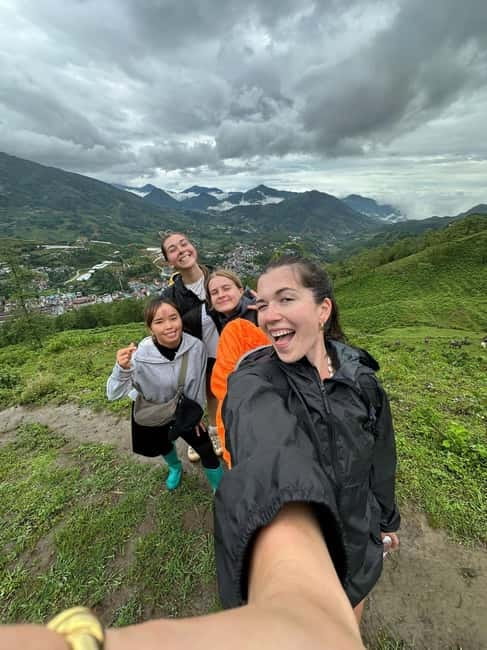
- English guidance with local context: Linh helps you connect what you see to how people live.
- Rice terraces + hill-tribe villages in one route: Muong Hoa Valley scenery plus visits to Black H’mong, Giay/H’mong, and Red Dao communities.
- An overnight family homestay: you sleep where the daily life happens, not in a hotel bubble.
- Cooking class and an evening with the family: spring rolls in the mix, plus group-friendly fun like karaoke and games.
- Route variety over 2 days: terraces one day, bamboo forests and waterfalls the next.
- Support for practical needs: backpack storage is available, and transfers are included.
Starting at Sapa Stone Church: where the hike really begins
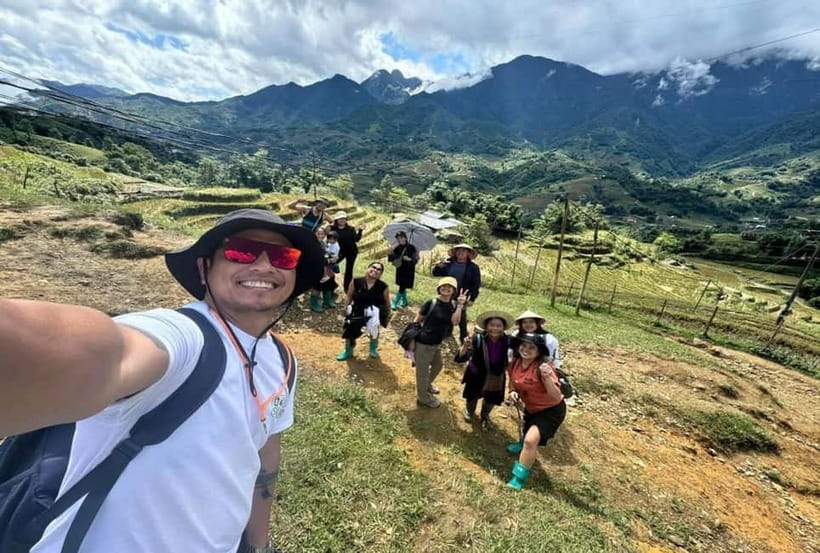
The day kicks off at Sapa Stone Church (Nhà Thờ Đá Sapa), with a prompt start around 9:00 AM. It’s a good meeting point because it’s central and easy to orient yourself before you head into the hills.
This matters more than you’d think. Sapa weather can change fast, and the earlier you’re moving, the better your odds of catching clear views over Muong Hoa Valley. Plus, starting on time keeps the walking portion feeling like a steady adventure rather than a rushed sprint.
Your guide meets you at the entrance area with a name tag or sign. From there, you’re headed southeast along terraced mountains, gradually trading town air for cooler valley air and the earthy smell of rice paddies and forest edges.
One small tip: bring sunglasses and water right away. You’ll likely find yourself in sun-exposed stretches, and it’s easier to stay comfortable from the first hour than to play catch-up later.
You can also read our reviews of more tours and experiences in Sa Pa.

Muong Hoa Valley to Y Linh Ho: Black H’mong village views
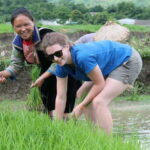
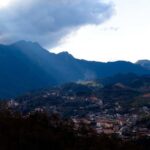
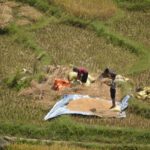
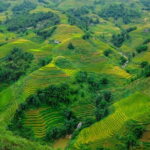
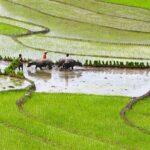
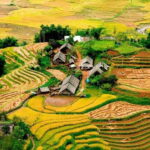
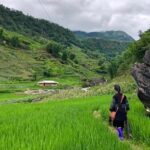
Day 1 starts with the kind of scenery that makes you stop without meaning to. You’ll trek through Muong Hoa Valley’s rice terraces, where the fields step down the mountain like giant green stairways (and in mist, they feel even more dramatic).
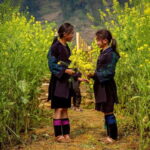
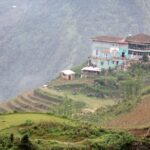
Your first big cultural stop is Y Linh Ho Village, home of the Black H’mong community. This is where the trek starts to feel like more than photos. You see traditional wooden-and-bamboo housing set around the terraces, and you get a clearer sense of how village life is shaped by the land.
The walking here is scenic but not flat. You’re gaining and losing elevation in short bursts, and the ground can be uneven. That’s where decent hiking shoes pay off fast. If you’re in flimsy sneakers, your feet will tell you about it before lunch.
What I like about this stretch is how it mixes view points and village moments. You’re not just passing through. You’re moving at a rhythm that lets you look, ask, and understand.
Lao Chai to Ta Van: suspension bridges and daily rhythms
Next you head to Lao Chai, one of the larger H’mong communities. Here you’ll spot ancient stone carvings and watch valley life unfold at human speed—people tending land, moving between paths, and living in a place that’s been home for generations.
Then the route continues toward Ta Van, where you’ll meet communities associated with the Giay and H’mong. This section often includes suspension bridge crossings, which add a fun jolt of excitement to the walking. The bridges are also a reminder that these paths aren’t just scenic—they’re functional links between village areas.
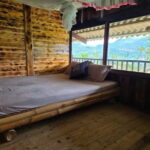
Ta Van is where you check into the homestay for the night. Many homestays in this region are simple. Expect a cozy setup rather than hotel-style polish. Still, you should plan on a clean, warm place to reset your body after walking about 12 km over roughly 5–6 hours (that’s the long first-day effort).
By the time you arrive, your legs will want a shower, a snack, and a few minutes to breathe. This is also when the day’s cultural side becomes more personal, because you’re not just visiting—you’re staying.
Dinner with the family: spring rolls, games, and comfort
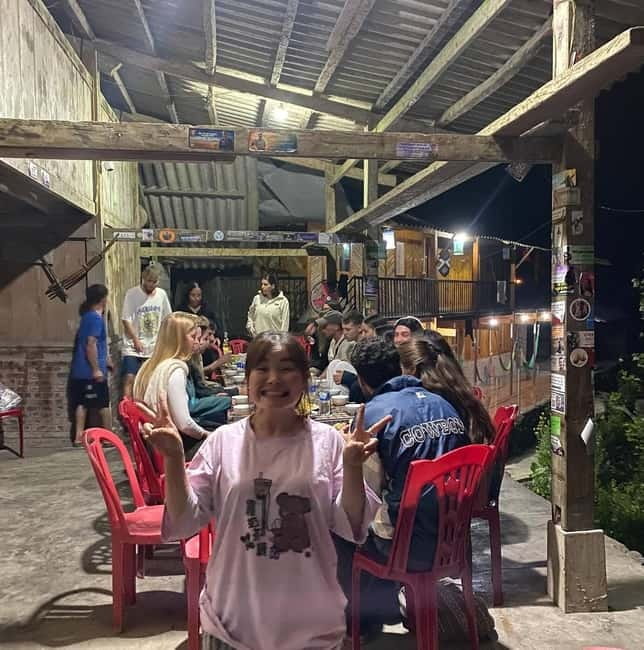
Evenings are a major reason to pick this kind of trek, and this one is built for that. After you settle in Ta Van, you’ll have dinner plus a hands-on Vietnamese cooking class (spring rolls are specifically mentioned), which is a great way to learn something practical instead of just hearing stories.
Then comes the part that surprised me in the best way: the homestay evening isn’t only calm and quiet. People have described karaoke, games, and the playful tradition of happy water as part of the night’s fun. It’s the kind of social time that makes the group feel like a team, especially after a full day of walking.
Food is also a real highlight. The tour includes all meals: lunch and dinner on Day 1, breakfast and lunch on Day 2. Multiple guests noted generous portions, and there are vegetarian options available.
A practical note: one review mentioned a long gap between arrival and dinner. So if you’re the type who gets snacky, bring a small energy bar or two. Also, while the homestay has basic facilities, it’s smart to come ready to adapt. Bring a change of clothes for the evening and plan for simple mountain-room comfort.
Day 2 through Giang Ta Chai and waterfalls: Red Dao traditions in motion
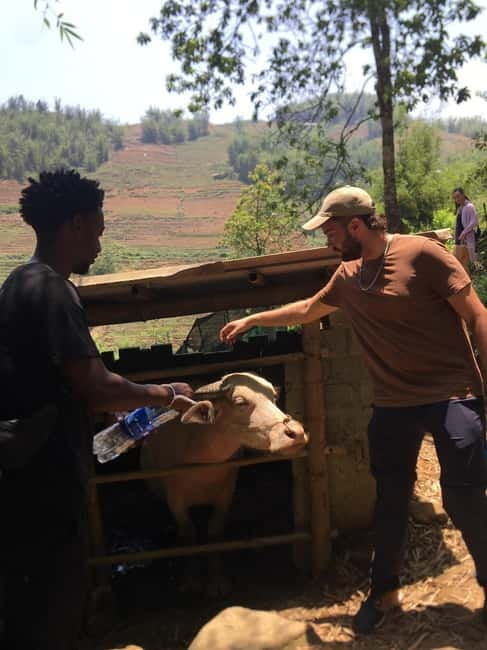
Day 2 starts with a homemade breakfast and a fresh set of trail views. This day is shorter—about 6 km and around 3–4 hours—but it’s still mountain walking. Expect uneven paths again, and keep your footing skills turned on.
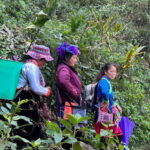
The first village stop is Giang Ta Chai, associated with the Red Dao community. You’ll meet people wearing distinctive red headdresses and hear about traditions that include herbal bath practices. Even if you don’t see every step of a ritual, you’ll get the context for why herbs matter in local life.
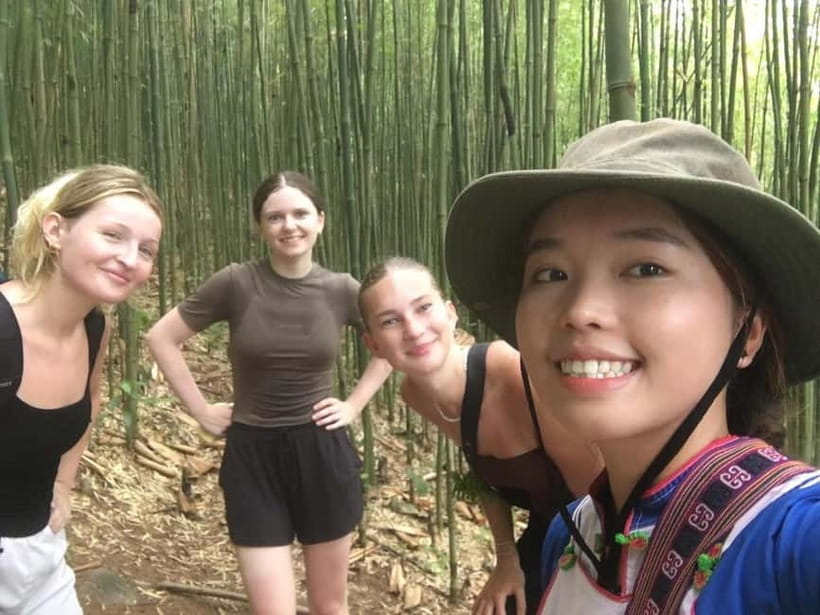
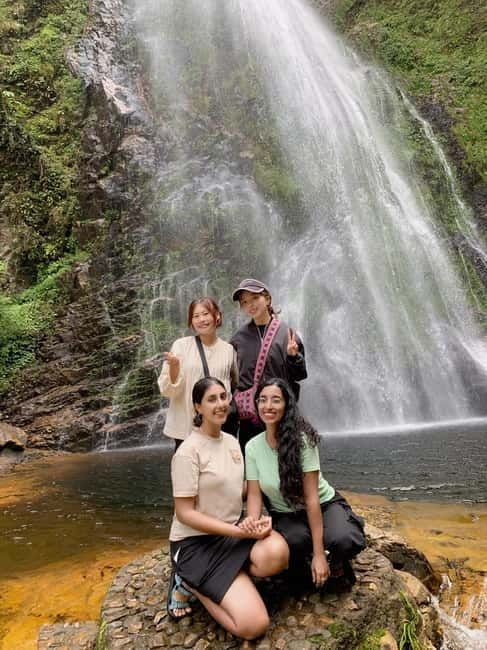
As you trek, you’ll pass waterfalls and cross more suspension bridges, then move through bamboo forest areas. Bamboo forests have a specific feel: cooler air, textured light through the stalks, and that quiet that happens when you’re walking under living walls.
Here’s the thing I’d emphasize for your planning. Waterfalls and bamboo sections often come with damp ground. If you step carefully, you’ll enjoy the experience. If you rush, you’ll feel it in your ankles. Your best move: take your time and treat this like a second day of learning the terrain, not a victory lap.
Lunch happens during the Day 2 route at a small family restaurant. This is a nice reset after the village-and-forest walking.


Supan viewpoints and the 2:30 PM return to Sapa
The route ends with Supan Village, described as a peaceful hilltop community with wide valley views. If you like photo stops, this is where you’ll want to pause and take a real look—not just snap and move on. The goal here is to let your brain connect the terraces, the villages, and the forested slopes into one big picture.
After lunch, you transfer back by bus around 14:30 to the meeting point area near Sapa Stone Church.
This timing works well if you’ve kept your Sapa afternoon flexible. You won’t be stuck in transit all day, and you still have time for a shower, a café, or a relaxed evening in town.
If the weather is cloudy or foggy, the views may be softer. But mountain mist can also make the valleys feel more intimate. And with this tour, your guide can adjust if conditions get unsafe, which helps you protect your energy and your safety.
Price and logistics: why this trek is so low-cost
The advertised price is $6 per person, which is shockingly low for a 2-day trek with an English-speaking local guide, meals, village entry fees, and an overnight homestay.
So what’s the trade-off? The main difference is the style of accommodation and pace. This is not a cushy resort experience. Homestay stays are simple. Facilities are basic. You’re here for the human experience, the walking route, and the connections—not for a spa bed or a five-course dinner.
One detail worth knowing: the tour includes transfers to and from Sapa town, and some groups arrange backpack transfer if they have an early start. That’s part of how the price stays practical—someone is coordinating the movement of you and your gear so you’re not dealing with local complexity.
Also note: the final payment is due after the tour. That structure can feel reassuring because you’ve already done the hard part—the trek and the stay. In general, the value comes from keeping costs tied to real local operations: families hosting, guides leading, and meals prepared as part of daily life.
If you’re budget-minded and want an authentic side of Sapa, this price makes sense. If you need hotel-level comfort and perfectly timed meals, you’ll likely feel the difference.
What to pack for Sapa trekking without hating your life
Sapa’s trails can be sweaty in the sun and cool in the shade. You need a packing list that covers both.
Bring:
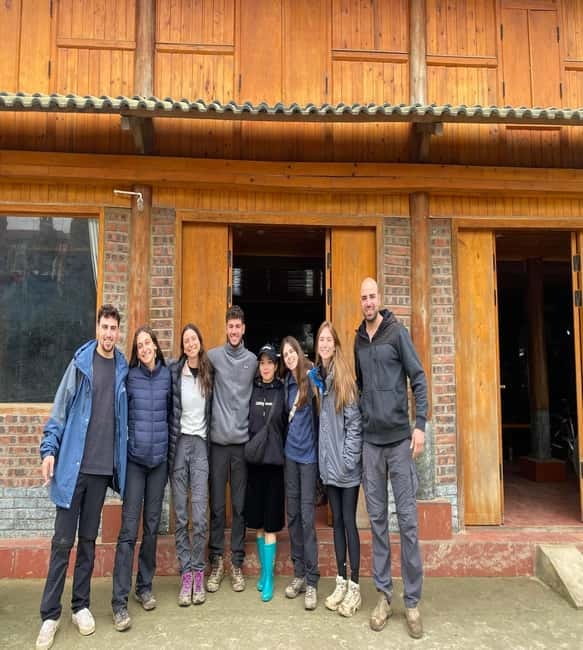
- Hiking shoes (non-negotiable on uneven paths)
- Comfortable clothes plus a change of clothes for the evening
- Sunscreen, sunglasses, and a hat
- Water (plan to carry it)
- Insect repellent
- A light rain jacket or raincoat, just in case
- A small umbrella or rain cover if you tend to overheat in direct sun (one guest specifically recommended this)
Also think about the homestay evening. Some families play games, sing, or hang out after dinner. If you like having something to do during downtime, a small deck of cards can be useful.
One more practical warning from real-world trekking: heat can hit hard when the sky is clear. If you start early and keep sipping water, you’ll feel better all the way to the homestay.
The group vibe: small numbers, lots of questions
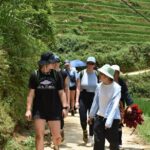
This tour is designed for a small group. That’s not a marketing line—it changes the feel of the hike. When your group is smaller, you can stop for a view without losing the whole rhythm. Your guide also has more time to explain village life rather than only pointing at things and moving on.
You may also notice friendly locals joining in to help on parts of the trail, especially in village areas. Sometimes there’s also an expectation to buy small handmade items like bracelets or scarves. Prices are said to be reasonable, but the interaction can be persistent. If you want to avoid awkwardness, decide in advance what your comfort level is, bring a little cash, and remember you can always politely say no.
This is one of those experiences where social manners matter as much as your shoes.
Who this trek is perfect for
This is a great fit if you:
- Want a real village experience, not just a bus to viewpoints
- Like guided context and Q&A while you walk
- Enjoy homestay culture, including shared meals and an evening with the family
- Can handle moderate trekking over about 19 km across two days
It’s also a smart pick for solo travelers because the guide and group format help you feel connected without needing to have a companion lined up.
Who should think twice
You might want a different option if you:
- Have very limited mobility or trouble with uneven, steep terrain
- Need hotel-style comfort and private, high-end amenities
- Are sensitive to long walking days and potential schedule gaps between arrival and dinner
One more thing: if you’re traveling with very young children, note that the tour states children under certain ages are not suitable. If you’re older or have balance issues, ask yourself honestly whether you can handle mountain trail footing.
Should you book this Sapa 2-day trek with Linh?
If you’re looking for Sapa in a way that feels human—rice terraces plus hill-tribe village life plus a family homestay—this is an easy yes. The biggest strengths are the local guidance from Linh, the overnight stay, and the fact that the day is paced so you’re not just rushing from photo spot to photo spot.
Book it if you can handle moderate trekking and you’re okay with simple facilities. Bring good shoes, sun protection, and a flexible mindset about weather and timing. If you want comfort-first, then this probably won’t feel like the right match.
In short: for value, culture, and scenery you can’t get from a short day trip, this trek is the kind of Sapa experience that sticks.
FAQ
How long is the trek?
It’s a 2-day, 1-night experience. The full walking distance is about 19 km, split across two days (about 12 km on Day 1 and about 6 km on Day 2).
How hard is it?
The trek is described as moderately challenging. Expect uneven paths and some steep sections. It’s not a gentle stroll.
What’s included in the price?
You get an English-speaking local guide (Linh), 1 night in a traditional family homestay, all meals (lunch and dinner on Day 1, breakfast and lunch on Day 2), and village entry fees.
What is the homestay like?
The homestay is described as simple, authentic, and cozy with basic facilities. Some guests reported access to showers and toilets.
Do I need to store my luggage in Sapa?
The tour supports backpack storage. If you already have a hotel in Sapa, the guidance is to leave your luggage there. For early arrivals, a bag transfer to the homestay can be arranged for an extra fee per motorbike.
What should I bring for the hike?
Bring hiking shoes, comfortable clothes, a change of clothes, sunscreen, sunglasses, a hat, water, and insect repellent. A light raincoat or jacket is also recommended.
What happens if the weather is bad?
If conditions are unsafe, your guide may adjust the route for safety. The tour also notes that in bad weather you might not be able to complete the full trip, and the payment structure reflects that.