REVIEW · KATHMANDU
Everest Base Camp Trekking – 2025/2026
Book on Viator →Operated by Alpine Ramble Treks · Bookable on Viator
Everest Base Camp hits a strange sweet spot. You get big-mountain drama without technical climbing. This private trek takes you from Kathmandu up through Sherpa villages and Buddhist monasteries toward Everest itself.
I like that domestic flights to Lukla are included, so you’re not spending extra days wrestling with slow overland routes. You also get a government-licensed English-speaking guide who keeps things on track and reduces the usual navigation stress.
Second, I really like the “everything handled” feel. Lodges during the trek, most meals, and the permits are included, so you can focus on walking, resting, and adjusting to altitude rather than budgeting every day. The one drawback to plan for: you’re going to sleep in basic mountain lodges with cold nights and, at higher points, bathroom setups that can be shared or simple.
In This Review
- Key things that make this trek tick
- The Everest Base Camp experience you can actually keep simple
- Kathmandu: the quiet start that sets your energy for the trek
- First step toward the mountains: Lukla to Phakding (2,652 m)
- Namche Bazaar: acclimatize, then explore Sherpa life
- Pangboche to Lobuche: long walking days with big payoff
- Gorakshep and the Everest Base Camp area: cold mornings matter
- Going down: Pangboche and Namche backtrack to Lukla
- The short flight home: Lukla to Kathmandu
- Price and logistics: what $1,339.20 buys you (and what it doesn’t)
- A typical day on the trek: the schedule that keeps you steady
- Meals in tea houses: good fuel, plus menu choices
- Water: purification tablets keep it straightforward
- Lodges and rooms up high: warm blankets, simple bathrooms
- Your guide and porter system: safety and sanity
- Gear that actually matters: don’t overpack, don’t underpack
- Weather, seasons, and flight reality at Lukla
- Should you book this Everest Base Camp trek?
- FAQ
- How long is the Everest Base Camp trek?
- Where does the trek start and what time?
- Are domestic flights to and from Lukla included?
- What permits and fees are included?
- What meals are included on the trek?
- What kind of accommodation should I expect?
- Do I get a guide and porter support?
- How is drinking water handled?
- What’s not included in the price?
- What’s the best season to go?
Key things that make this trek tick
- Lukla flights are built into the plan, saving time and effort before your first hike
- TIMS card and national park fees are covered, so you avoid last-minute paperwork stress
- A licensed English-speaking guide + porter support helps you stay safe and un-lost
- Meals are included on full-board trekking days, served in the same tea houses you sleep in
- A predictable daily rhythm (wake tea, breakfast, set lunch window, early dinner planning)
- Warm clothing and sleeping gear rental support if you don’t have your own
The Everest Base Camp experience you can actually keep simple
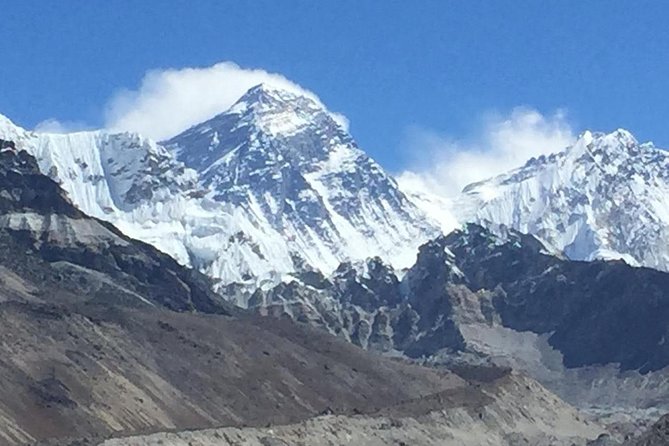
This is a moderate trekking trip designed for people who can hike a few hours a day. You’re not doing glacier travel or technical climbing. Still, altitude and rugged paths make it real, so the “moderate” part matters: you’ll need stamina, steady pacing, and an attitude that says slower is smarter.
Your route is private guided, meaning you’re not stuck matching the slowest pace in a big group. If you’re the type who likes to stop for photos, ask questions, or take extra time at viewpoints, private guidance makes that easier.
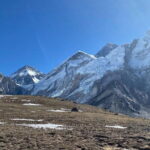
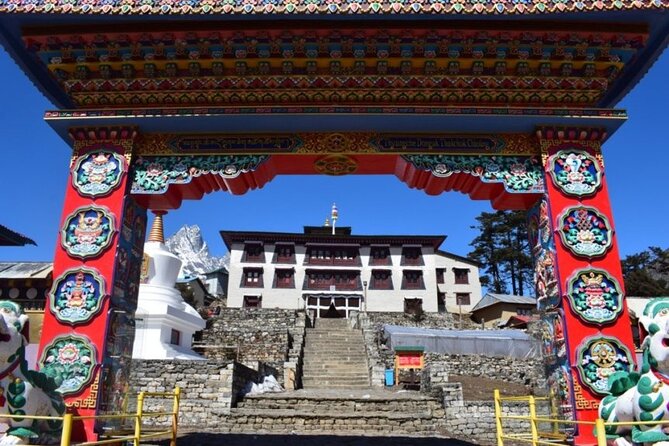
Also, it’s aimed at travelers who want culture and nature together. Expect Sherpa settlements, monasteries, and long mountain days where the scenery changes by the hour.
You can also read our reviews of more tours and experiences in Kathmandu.
Kathmandu: the quiet start that sets your energy for the trek
Day 1 is straightforward: you arrive in Kathmandu, meet an airport representative, and get transferred to your hotel. In the evening you’ll be introduced to the tour setup with your guides and team.
This matters more than it sounds. Everest trekking punishes sloppy logistics, like arriving without time to sort gear or adjust your schedule. Getting settled the first day is how you avoid starting the trek rushed.
You can also add Kathmandu valley sightseeing with private vehicles if that’s part of your plan. The trek’s day count is tight, so a short city hit can be a good way to rest your legs before walking begins.
First step toward the mountains: Lukla to Phakding (2,652 m)
The trekking part starts after the domestic flight to Lukla. From there, you hike toward Phakding at about 2,652 meters.
This day is mainly about easing in. You’re moving from the lowlands into thin-air territory, so the win is rhythm: steady steps, not surges. You’ll likely feel it in your breathing even if you’re fit.
Practical tip: keep your first day backpack weight sane. The porter system can carry your luggage, but you still need enough control over your day pack for water, snacks, and warm layers.
Namche Bazaar: acclimatize, then explore Sherpa life
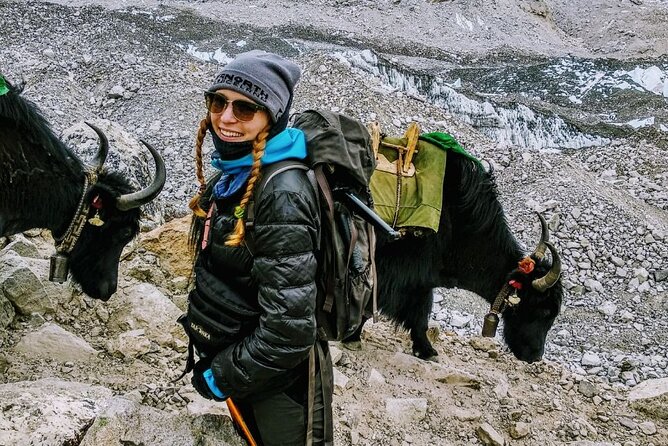
Next comes Phakding to Namche Bazaar, about 10 to 12 kilometers and roughly 5 hours. Namche is one of the key altitude nodes on the Everest trail system, and it’s built for walkers.
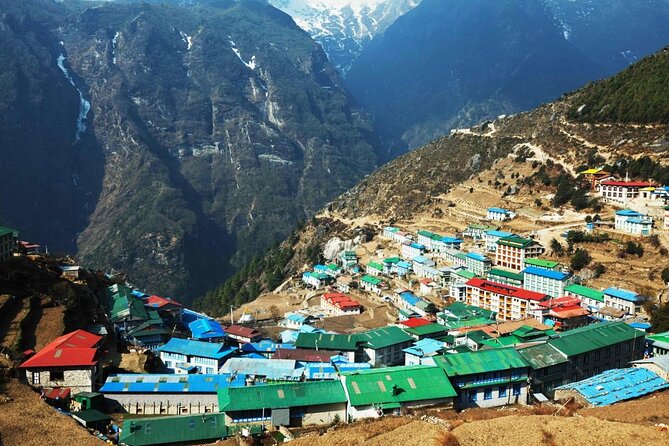
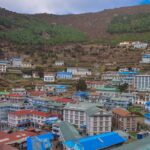
This stop is where the route shifts from “getting up” to “learning how to breathe up.” You’ll be surrounded by Sherpa villages and Buddhist monasteries, which makes the time there more than just a transit stop.
Why Namche is worth it: it’s where you can slow down, refuel, and see how people live with the mountains. If you like asking questions, your guide can turn small moments—tea house routines, village life, religious practice—into real context instead of just scenery.
Pangboche to Lobuche: long walking days with big payoff
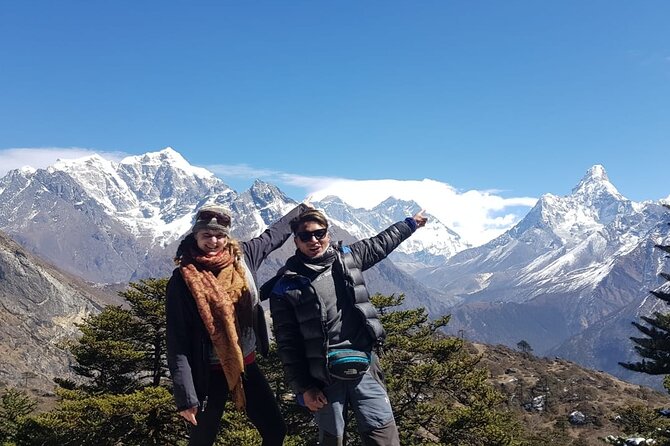
From Namche you head to Pangboche, then onward toward Lobuche. The schedule shows about 5 hours between segments, including Namche to Pangboche, and Pangboche to Labuche/Lobuche.
This is a place where fatigue starts to stack. You’re walking through rugged terrain while altitude nudges your effort higher. The route is still non-technical, but “non-technical” doesn’t mean “easy.”
Your best tool here is pacing discipline. The trip’s daily plan is built around short walking bursts, brief rests, and consistent meal breaks. Stick to that rhythm and you’ll likely feel better than if you push to prove you’re tough.
Gorakshep and the Everest Base Camp area: cold mornings matter
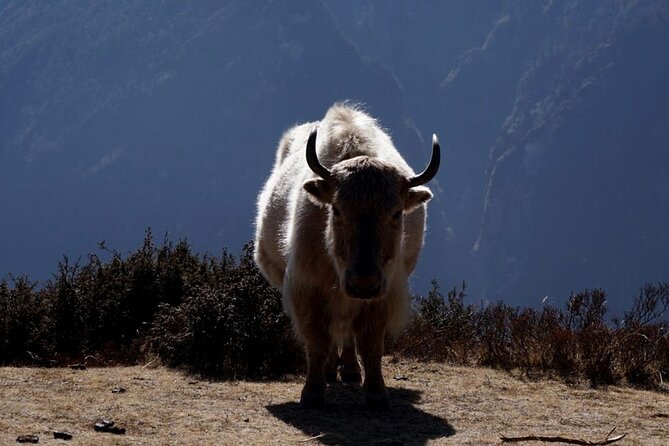
The plan routes you from Lobuche toward Gorakshep and into the Everest Base Camp area, with about a 5-hour day in that stretch. Expect colder air and a stronger need for warm layering as you go higher.
Even if the hike time sounds moderate, this portion feels intense because the air is thin and the weather can change fast. Your headlamp and warm hat choices start paying off here. If you don’t own gear, the trip notes that warm down jackets and sleeping bags can be provided.
A smart mindset: treat the day as a process. Base camp area days often revolve around managing time, staying warm, and moving carefully rather than trying to “race” to views.
Going down: Pangboche and Namche backtrack to Lukla
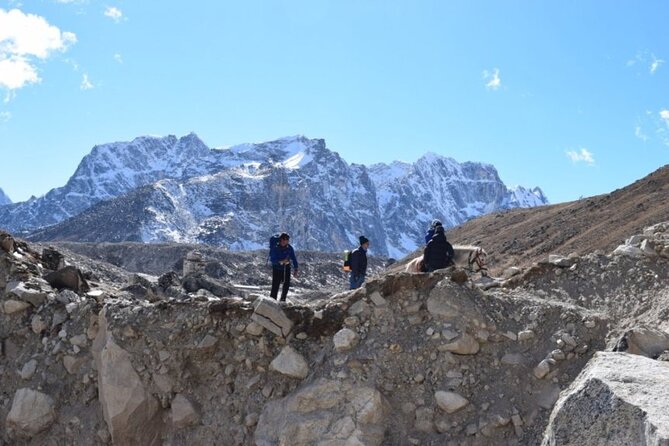
After the high point area, your route starts turning back toward Lukla via Namche. The schedule shows a return from Pangboche to Namche (around 4 hours), then later Namche to Lukla (about 5 hours).
Downhills can feel easier, but they can also wreck knees if you stride too fast. Keep steps short, use the terrain and your footing, and let gravity work for you without letting you tumble.
This backtrack also gives you a different perspective. You notice more on the way down—where paths pinch, where you passed quiet monastery views, how tea house life changes as altitude drops.
The short flight home: Lukla to Kathmandu
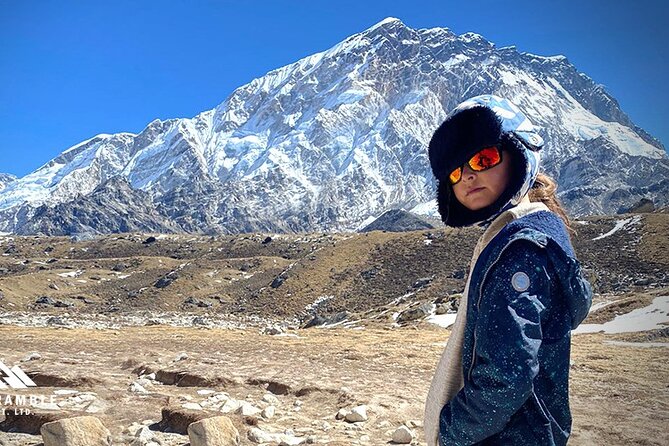
Once you finish the Lukla side, you fly back to Kathmandu. The schedule lists the return flight time at about 35 minutes, then you transfer to your Kathmandu hotel.
That short time in the air can feel almost surreal after two weeks of thin-air walking. Your body still needs a recovery day, so plan simple evenings. Don’t schedule a big “celebrate Everest” adventure the same night.
Price and logistics: what $1,339.20 buys you (and what it doesn’t)
At $1,339.20 per person, this trek is priced like a package that aims to reduce planning headaches. Included items carry real value here:
- Domestic flights Kathmandu/Manthali to Lukla and return
- Lodge accommodation during the trek
- Most meals on a full-board trekking basis (breakfast, lunch, dinner)
- Permits: Everest national park fees and a TIMS card
- Water purification tablets
- Private transportation and an English-speaking licensed guide
What’s not included is also clear, and you should budget for it:
- Visa fees and international flights
- Travel insurance
- Extra hotel nights and meals in Kathmandu before/after the trek
- Drinks, snacks, Wi-Fi, and hot showers (where available)
- Personal gear upgrades or rentals beyond what the trip provides
My take on value: if you’d otherwise have to arrange guides, permits, and domestic flights yourself, the package structure can be worth it. If you already have permits handled and you prefer maximum self-sufficiency, you may feel the cost is more “built-in” than flexible. Most people, though, like not having to juggle paperwork and flight risk on their own.
A typical day on the trek: the schedule that keeps you steady
The daily rhythm is one of the most useful parts of this trip design. You’re greeted around 6 am with wake-up tea, then you pack and eat breakfast around 7 am.
Walking starts after warm-up and stretching. The plan describes walking in shorter chunks, resting along the way, then reaching lunch roughly in the 12 to 1 pm window. Lunch is typically quick (about 40 minutes) so you can arrive at camp without falling behind.
After lunch you hike another 2 to 3 hours, then you settle into your lodge. Dinner ordering happens before 5 pm, which helps keep the kitchen from running out of options. After dinner you get a briefing for the next day.
This matters because a good trek day isn’t just distance—it’s timing. When your schedule is predictable, altitude feels more manageable and decision-making gets easier.
Meals in tea houses: good fuel, plus menu choices
Most days are full-board. Breakfast, lunch, and dinner are served in the tea houses where you sleep or nearby stops, and you’ll order from the menu.
The menu options listed include both traditional and western-style choices: things like dal bhat, vegetable meals, soups, noodles, eggs, potatoes, and even apple pie. Drinks are available too, including black tea, lemon tea, ginger tea, and hot chocolates.
Two practical points:
- Your food will be simpler than home. That’s normal at altitude. Plan on hearty carbs and hot drinks helping you feel better.
- The trip guidance recommends you avoid meat items in the Everest region for hygiene and health reasons.
Water: purification tablets keep it straightforward
Water is available along the trekking route, and the plan includes water purification tablets. You can also buy bottled water where offered, but you’ll likely rely on the purification system most of the time.
This trip also mentions cold water not suiting every moment at high altitude. That’s why having your own bottle for hot water can be useful. The goal is comfort and steady hydration when temperatures drop.
Lodges and rooms up high: warm blankets, simple bathrooms
Accommodation during the trek is in basic trekking lodges. The rooms are described as clean with warm blankets, pillows, and comfortable mattresses, but not a full hotel setup.
You’ll usually be in twin-sharing rooms during the trek. A single supplement applies if you’re traveling alone.
Bathroom reality check: you might find attached bathrooms in some places, but at higher elevations you may have to compromise, including sharing bathrooms because of limited lodge construction at those heights.
This is the honest part of Everest trekking. If you pack patience alongside your thermals, the lodge nights become restful instead of stressful.
Your guide and porter system: safety and sanity
You’ll trek with an experienced licensed English-speaking local guide. The trip also uses a porter system: it states one porter to carry luggage, and it also notes a setup of one porter for every two trekkers, with luggage weight not exceeding about 18 kg per porter.
That porter support is a big deal because your legs want to spend energy on walking, not on carrying everything. You’ll still handle your day pack, but you won’t be hauling a heavy main bag uphill.
The review snippets attached to this operator also highlight specific staff names that show up in other Everest-related treks and guiding roles, including Dil (owner) described as responsive, plus guides like Sujal, Samir, Krishna, and Hairy, and Sherpa Manish in other nearby treks. Those names aren’t guarantees of how your exact team will feel day-to-day, but they’re a signal that Alpine Ramble puts focus on guide communication and care.
Practical safety note: your guide is there to manage route flow and help prevent getting lost. On Everest routes, having that structure can save time and energy.
Gear that actually matters: don’t overpack, don’t underpack
The equipment list is solid, and the key is layering. The trip mentions a rented down or fiber-filled jacket and a sleeping bag if you don’t bring them, which helps keep your personal luggage lighter.
Must-haves in their list include:
- Headlamp
- Sunscreen (+40) and sunglasses
- Warm hat and scarf plus gloves
- A rain jacket or poncho
- A day backpack (above 30 L)
- Trekking boots that are already broken in
They also list optional items like crampons. For Everest Base Camp specifically, it’s described as a non-technical trek, so you’re not relying on technical tools. Still, weather and trail conditions can surprise you, so listen to your guide if they suggest anything extra.
Medication and altitude support are also mentioned in the gear guidance, including Diamox (acetazolamide). If you’re considering altitude meds, it’s smart to talk with your doctor before the trip and follow your own health plan.
Weather, seasons, and flight reality at Lukla
The best time listed is during the dry seasons: autumn (mid-September to May) and spring (March to May). Nights can be cold, and the guidance says temperatures can drop to negative overnight.
This is also a trek where flights can be affected by conditions. The trip notes possible flight delays in Kathmandu and Lukla. That’s not something you can fully control, so build flexibility.
Also note the trip is described as requiring good weather, and if conditions force changes, you’ll be offered another date or a refund. That’s worth keeping in mind as you book flights home.
Should you book this Everest Base Camp trek?
Book it if you want a private guided experience where the big logistics are handled: Lukla flights, permits, guide support, lodge stays, and most meals. You’ll likely appreciate the pacing structure and the porter system if you want to save energy for the walk itself.
Consider shopping around or asking more questions if you expect full hotel comforts. This is tea house life. Rooms are basic, warm layers matter, and bathroom setups can be simple or shared at higher altitude.
Finally, it’s a good match for moderately fit walkers who can handle cold nights and rugged paths for 3 to 5 hours daily. If that’s you, the trip design makes the Everest Base Camp dream feel reachable without turning your days into chaos.
FAQ
How long is the Everest Base Camp trek?
The duration is listed as 14 days approximately.
Where does the trek start and what time?
The meeting point start time is listed as 7:15 am, with pickup offered.
Are domestic flights to and from Lukla included?
Yes. Domestic flights from Kathmandu/Manthali to Lukla and return are included.
What permits and fees are included?
Everest national park fees and a TIMS card are included.
What meals are included on the trek?
Meals are included on a full-board basis, with breakfast, lunch, and dinner during trekking days.
What kind of accommodation should I expect?
During the trek you’ll stay at basic trekking lodges on a twin-sharing basis, with warm blankets and simple facilities.
Do I get a guide and porter support?
Yes. You get an experienced licensed English-speaking local guide, and porter support is included with luggage carried by porters (with luggage weight not to exceed about 18 kg per porter).
How is drinking water handled?
Water purification tablets are included for safe drinking water.
What’s not included in the price?
Visa fees, international flights, travel insurance, extra accommodation and meals before and after the trek, and personal expenses like drinks, Wi-Fi, and hot showers are not included.
What’s the best season to go?
The best time listed is autumn (mid-September to May) and spring (March to May).