REVIEW · BELPASSO
Mount Etna: Summit Crater Trek with Cable Car
Book on GetYourGuide →Operated by Aitne Med Etna Excursions · Bookable on GetYourGuide
Etna’s summit feels like another planet. This small-group trek takes you to Europe’s highest active volcanic craters, with a real lava tunnel stop and views that are hard to describe in normal words. You’ll be walking with a guide who focuses on what you’re seeing right now, not a generic lecture.
I like the tour’s focus on the money moments: Bocca Nuova at 3,300 meters and the wider crater-world around it. I also really value the pacing and safety culture I’ve seen echoed by guides like Marco and Giuseppe, who adjust for the group and keep everyone moving confidently.
The trade-off is simple: the hike can be physically demanding, and the summit depends on volcanic activity and weather. On top of the base price, you pay for the cable car/4×4 separately in cash.
In This Review
- Quick hits
- Mount Etna Summit Crater Trek: What Makes This One Work
- Meeting Etna: Where You Start and How the Day Flows
- Gear, Sticks, Helmets, and the Real Safety Culture
- Cable Car and 4×4: Saving Your Legs for the Crater Walking
- Bocca Nuova at 3,300 Meters: The Edge Walk That Glues the Day Together
- Cratere Centrale dell’Etna and Barbagallo Crater: More Named Stops, Better Understanding
- Lava Tunnel and Valle del Bove: The Part That Teaches You What You’re Seeing
- How Hard Is It, Really? Fitness, Footing, and Weather
- Price and the Cash Add-On: Is It Good Value?
- When Etna Changes the Plan: Weather and Volcanic Risk
- What to Pack (So the Day Feels Easier)
- Which Guides Make the Difference?
- Should You Book This Mount Etna Summit Crater Trek?
- FAQ
- Where is the meeting point for the tour?
- How long is the tour?
- What’s included in the tour price?
- What cable car and vehicle costs should I budget for?
- How and when do I pay for the cable car/4×4?
- What languages are the guides?
- What if volcanic activity or weather affects the route?
- Is alcohol allowed on the tour?
- Who is the tour not suitable for?
- What’s the cancellation policy?
Quick hits
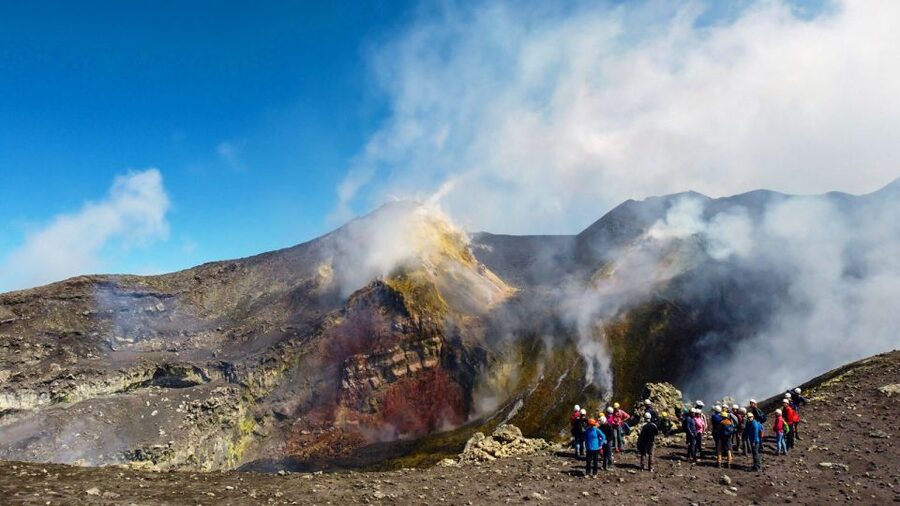
- Reach the Bocca Nuova crater edge for big crater views at about 3,300 meters
- Small group size (max 8) for more attention on your steps and your questions
- Cable car plus a 4×4 ride up the volcano to cut out some of the grunt work
- Lava tunnel and Valle del Bove help you understand Etna beyond the summit photo
- Guides with real field-style talk you’ll feel in how they lead your walk
- Summit access isn’t guaranteed—the route adapts for risk or weather
Mount Etna Summit Crater Trek: What Makes This One Work
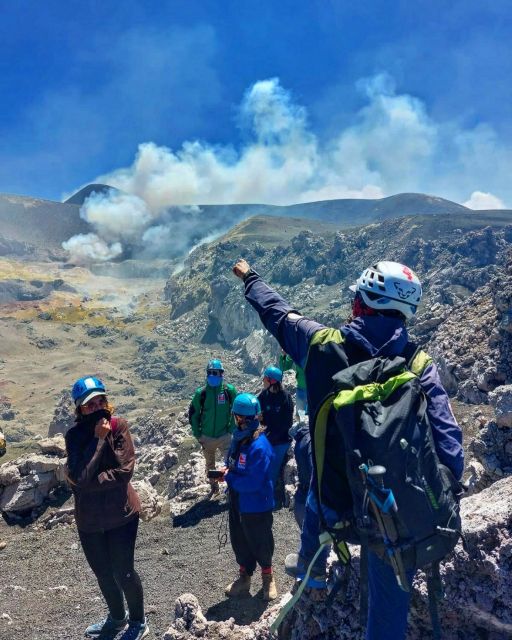
Mount Etna is not a museum volcano. It changes. Sometimes it gives you clear, smoking craters and clean sightlines; sometimes clouds and wind blur the edges; sometimes conditions force a different plan. That’s exactly why I like a guided summit-focused trek here: you’re not just visiting Etna, you’re learning to read it.
This tour’s structure also makes sense. You start above the big crowds by using the southern cable car and then a vehicle transfer toward the walking zone. After that, the day becomes a guided sequence of crater edges, active geology signs, and volcanic ground that’s been shaped by real eruptions.
Two things you can count on: you’ll spend time around named summit craters with an active-volcano guide, and you’ll get at least one deeper “how did this happen?” stop, including a lava tunnel. The day isn’t only about a single lookout point.
Meeting Etna: Where You Start and How the Day Flows
Your meeting point is right by the cable car area on the south side. Look for the restaurant La Terrazza dell etna, in front of the Etna South cable car station, then meet the guide there at the local office area.
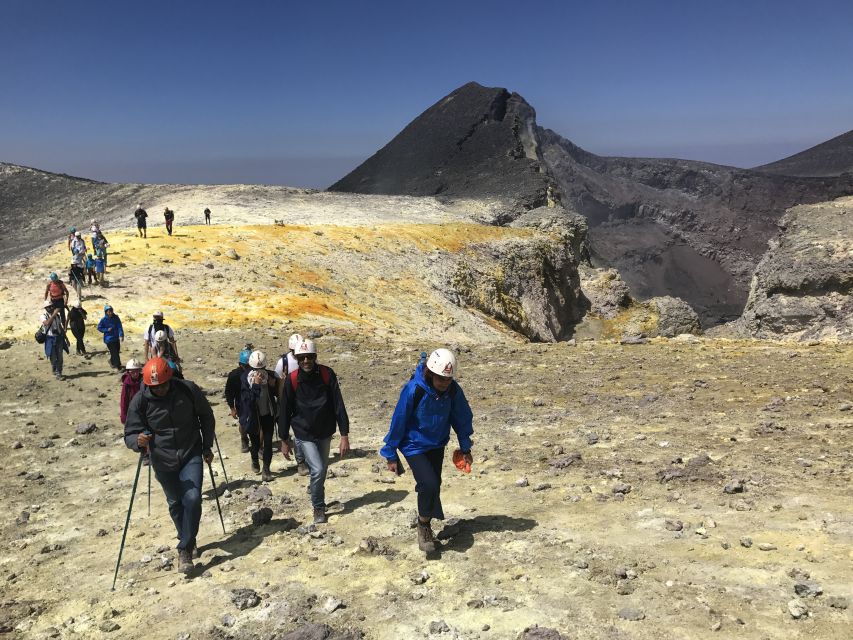
From the start, the tour is built around order and safety: a briefing before you move. You’re set up with hiking boots, walking sticks, a wind jacket, and a helmet—gear that matters when you’re stepping over loose volcanic scree or trying to keep warm in wind.
Then it’s a short sequence of transport and walking segments, so you’re not standing around for long stretches. The day runs about 5 hours, and the small group size helps keep it from feeling like an assembly line.
If you’re the type who gets anxious about schedules, this one is refreshing. You’re told what’s next, you get suited up, and you move.
Gear, Sticks, Helmets, and the Real Safety Culture
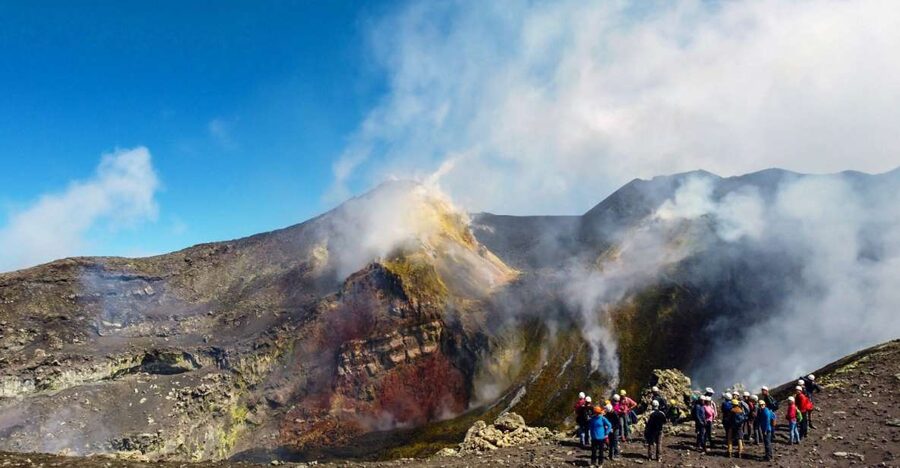
A lot of Etna trips basically say good luck. This one does the opposite. You’ll get hiking boots, walking sticks, wind jacket, and a helmet included. That reduces the guesswork for what to pack, especially if you’re traveling light.
Also, don’t treat the safety gear as optional theater. On Etna, ground can shift underfoot and visibility can change fast. Wearing a helmet isn’t about fear; it’s about letting the guides keep you in the right flow without worrying about preventable mistakes.
You’ll see a consistent theme in guide behavior too. People mention guides checking on slower walkers, adjusting pace, and helping those who struggle with terrain or cold. A clear example from the experience pool: guides like Raffaelo are praised for repeated group check-ins, and others like Simone are noted for pacing that avoids leaving anyone behind.
Cable Car and 4×4: Saving Your Legs for the Crater Walking
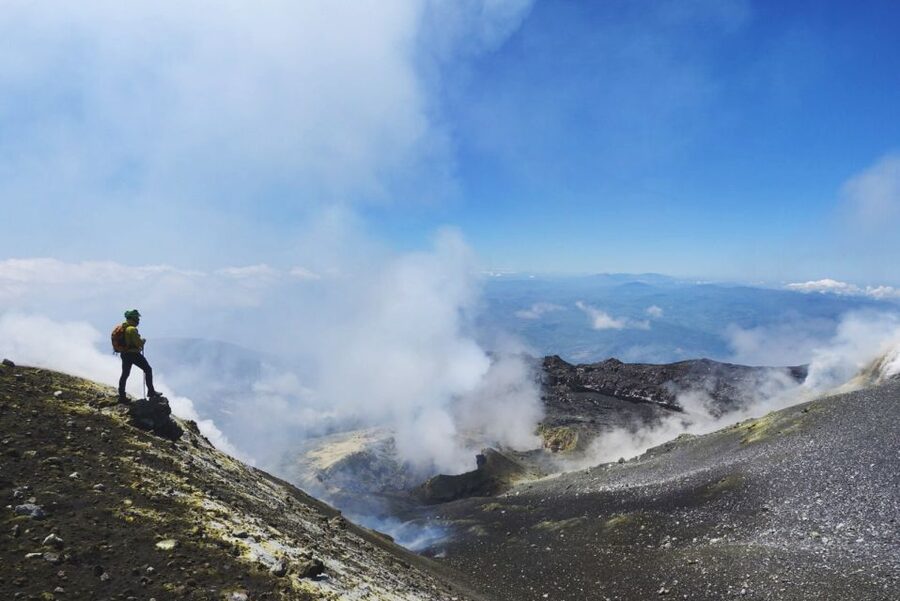
One smart part of this itinerary is that it respects your energy. You ride the cable car first (about 15 minutes), then you transfer by 4×4/SUV (about 15 minutes) to higher elevation near the Torre del Filosofo area.
This vehicle hop matters for two reasons. First, it gets you closer to the crater zone without spending your morning on long uphill effort over volcanic terrain. Second, it helps you arrive at the walking part when you still have enough energy to enjoy the slow moments at the crater edges.
It also gives you a feel for how quickly Etna changes around you. The ground gets more lunar and the air can feel different at altitude, especially when wind picks up.
Bocca Nuova at 3,300 Meters: The Edge Walk That Glues the Day Together
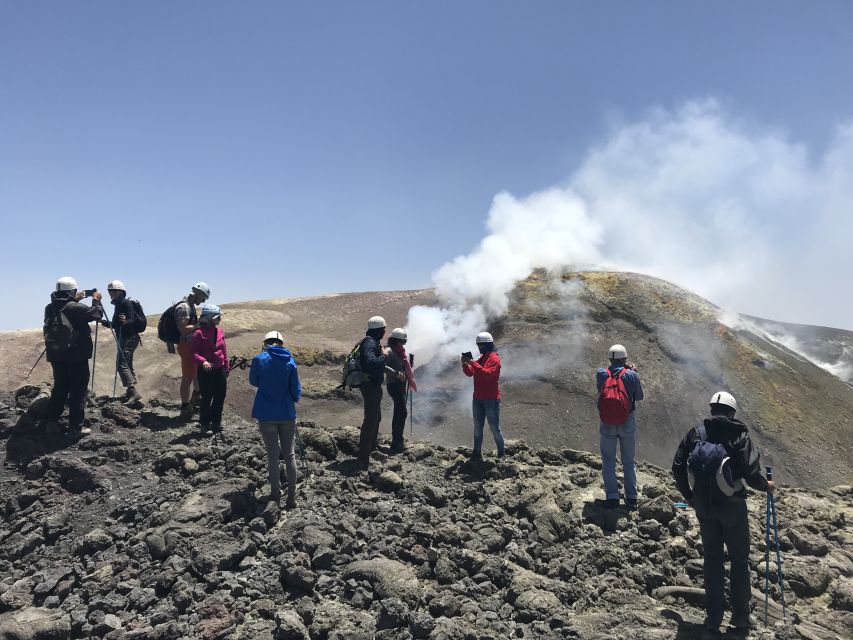
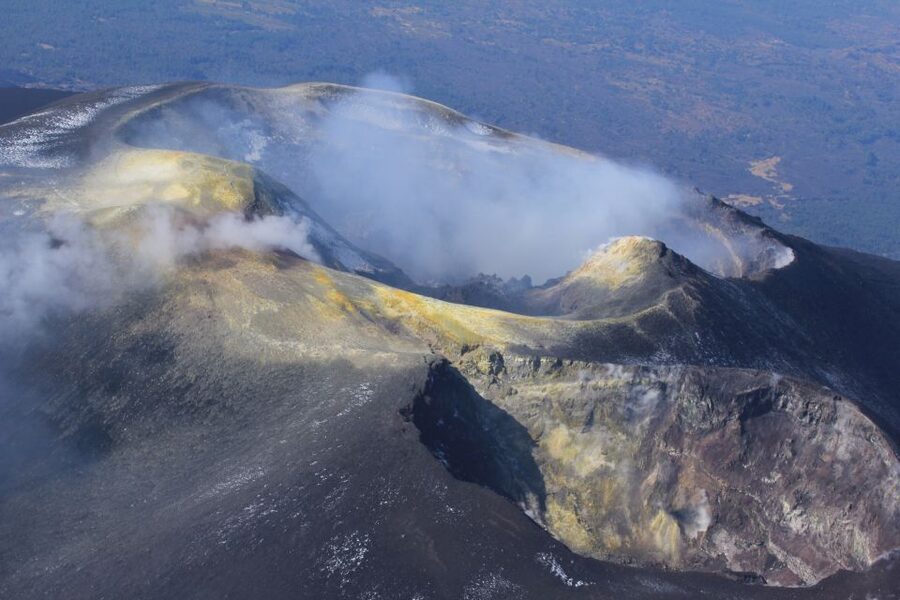
The heart of the trek is getting to the edge of Bocca Nuova around 3,300 meters. This crater opened in 1968, and guides use that fact as part of their story: this isn’t just a named spot, it’s a point in Etna’s ongoing timeline.
Expect a guided period of exploration here (about 2 hours). The value is not only the view but the interpretation. A good Etna guide helps you connect what you’re seeing—steam, crater shape, layers, signs of past activity—to what it means geologically. In practice, this turns your “wow” moment into something you understand.
If the weather allows, you can get big visibility: panoramic views can reach far out, sometimes even toward the Aeolian Islands and a wide sweep of northern Sicily. When visibility is reduced by clouds or wind, you still get plenty: Etna’s summit world is chaotic up close, and the guide can point out what you’d miss if you were just staring.
Also note the tone on the summit edge. It can be loud and smoky, and steam can be constant. If you’re sensitive to anxious atmospheres, go in calm and prepared for that sensory intensity.
Cratere Centrale dell’Etna and Barbagallo Crater: More Named Stops, Better Understanding
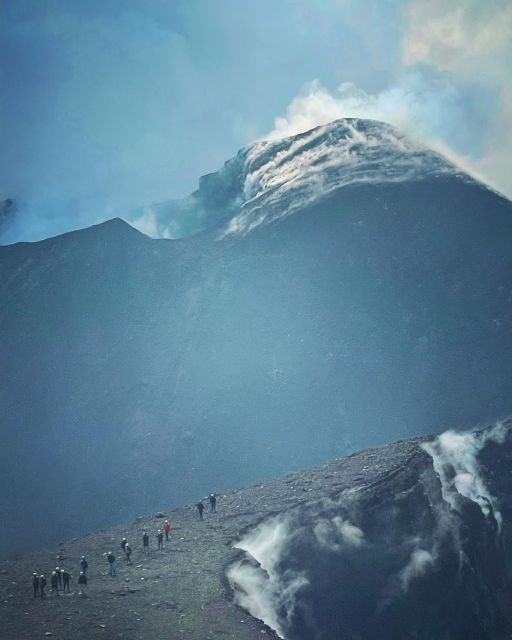
After Bocca Nuova, the day keeps moving through more crater areas.
You’ll visit the Cratere Centrale dell’Etna zone for a shorter guided walk segment (about 30 minutes). Then you head to Barbagallo Crater for about 1 hour of guided exploration. These stop lengths keep the focus on what you’re seeing, without turning the day into a marathon of talking.
Why this matters: Etna isn’t one crater. It’s a shifting set of volcanic features that have formed over time. When the guide explains how the craters relate, your whole summit experience becomes clearer. People consistently highlight this kind of guide storytelling—especially guides such as Giuseppe and Vincenzo—because it makes the summit feel like a coherent place, not a random collection of rocks.
One practical note: summit edges can feel crowded with other groups on popular days. A guided route with a defined flow helps you spend your time where you can actually look, not only where you can stand.
Lava Tunnel and Valle del Bove: The Part That Teaches You What You’re Seeing
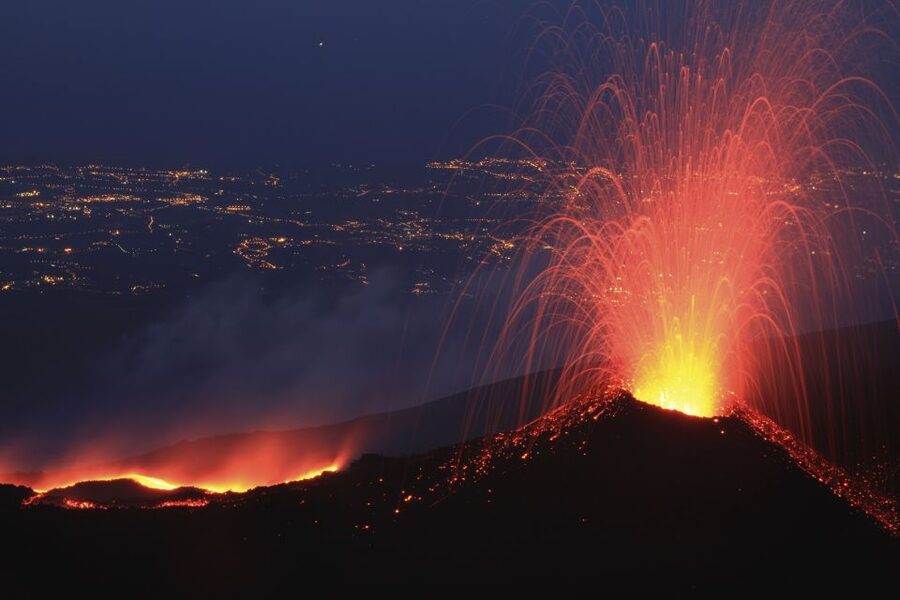
The tour doesn’t end at the crater rim. It moves into areas that help you understand Etna’s power in a more tactile way.
You’ll explore a lava tunnel, which is one of the best stops for “wait, this is real” geology. Seeing volcanic rock formations and passages helps you picture how lava moved, cooled, and shaped the ground.
Then you descend toward the Valle del Bove, a dramatic caldera area measuring about 8 km long and 4 km wide. You’ll also pass through craters linked to a 2002 eruption on the way down. That 2002 detail is useful because it gives the landscape a recent reference point. You can connect eruption timing to the shapes and ground textures you’re stepping across.
The descent includes volcanic sand and a “volcanic amphitheater” feel to the valley walls. This section turns your day from summit viewing into an understanding walk.
How Hard Is It, Really? Fitness, Footing, and Weather
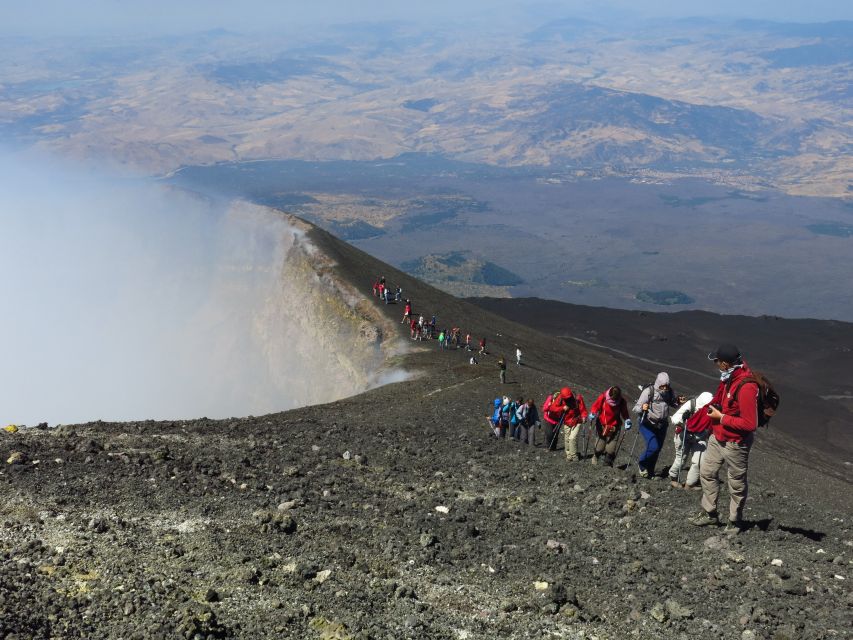
This is not a stroll. The terrain includes loose volcanic scree, and conditions can change quickly with wind and cold. Multiple experiences highlight that the hike can feel challenging even for people who are reasonably fit—especially on windy days or with tough footing.
That said, guides often adjust pace and keep it safe. A key pattern: slower participants are not dropped. Some groups report success even with a wider age range, but only when people manage expectations and move steadily.
So how should you judge your readiness?
- You should be comfortable walking for a sustained time over uneven ground.
- You should be fine with wind chill and possibly sulfur smell near active zones.
- You should plan for a steady descent, which can be harder on knees than the initial climbs.
Cold or sulfur exposure is more than a comfort issue. One safety-minded tip echoed in the experiences: bring something that can help cover your mouth and nose. You can also buy covering clothing at the check-in counter. That’s a small cost that can make a big difference to how you feel during the summit zone.
Price and the Cash Add-On: Is It Good Value?
Here’s the part you should plan for early: the €65 adult cable car/4×4 one-way ticket add-on is not included in the base tour price. There’s also a €50 for kids under 11 figure. If you can’t reach the summit due to volcanic activity or adverse weather, you’ll take only the cable car round trip, listed as €52 per person.
Is this still good value?
For me, the answer is yes if you want the summit crater experience and you understand what the add-on buys you: altitude access and a route designed around time at crater edges rather than long, low-elevation hiking.
You also get included gear and insurance, which reduces the cost and hassle of outfitting yourself at the last minute. Plus, the small group limit (up to 8) helps justify the guide-intensive part of the experience. You’re paying for a guided crater day, not only for transport.
If you’re mainly chasing the lowest total price, this might feel expensive. But if your goal is getting close to Etna’s summit features with correct gear and a guide who can interpret what you see, the value lands more clearly.
When Etna Changes the Plan: Weather and Volcanic Risk
Etna has a mind of its own. The tour may change based on volcanic risk or weather conditions.
The good news: even when people can’t reach the full summit, the experiences still rate the day highly. That’s usually because the guides keep you moving through the best available crater viewpoints and descent zones rather than turning the day into a lost afternoon.
On some days, the cable car route may be limited, and the vehicle strategy and walking segments can shift. That’s why you should keep flexibility in your schedule and be ready to accept a different route if conditions require it.
It’s also why the tour’s emphasis on guides matters. A competent guide can get you the most crater time possible within safety limits—and still help you understand the geology through what you can access.
What to Pack (So the Day Feels Easier)
This isn’t a “pack a swimsuit and hope” situation. The experiences you have here repeatedly point to practical items:
- A jacket for wind and cold at elevation
- Long pants and hiking-ready footwear comfort
- A snack (food isn’t included, and you’ll want something on the go)
- Sun protection even on cool days
- Something to help with sulfur exposure, like a mouth/nose cover
The included wind jacket helps, but it won’t replace a warm layer if the day turns raw. Also, wind can change fast. If you’re someone who runs cold, treat the summit zone like winter, not like summer.
Which Guides Make the Difference?
It’s not just the route. The guide makes the day feel alive.
You’ll hear repeated praise for guides including Marco, Simone, Giuseppe, Vincenzo, Basilio, Antonio, Eduardo, and Julia, with themes like careful pacing, humor, strong explanations, and group care when conditions got rough. One standout pattern: many guides are described as checking on participants repeatedly, helping with terrain or cold, and keeping the group moving at a safe rhythm.
If you’re choosing this tour because you want to understand Etna, that’s the right bet. A good guide doesn’t just point at craters; they help you connect the crater names to the physical evidence around you.
Should You Book This Mount Etna Summit Crater Trek?
Book it if:
- Your priority is getting close to summit craters on Europe’s highest active volcano.
- You’re comfortable walking over uneven volcanic ground for a full day segment.
- You want a volcano guide who helps you interpret what you see—especially at named craters and on the descent into the Valle del Bove.
Skip it or pick a gentler Etna option if:
- Your fitness level is low or you’re not comfortable with loose scree and a physical hike.
- You have health concerns listed by the tour operator (examples include heart problems or respiratory issues).
- You want a guaranteed summit no matter what. Here, the summit depends on real conditions.
If you’re prepared for a challenging hike and you’re excited by the idea of learning Etna firsthand, this is one of the better ways to do it. The mix of summit crater time, lava tunnel geology, and the Valle del Bove descent gives you more than a single photo moment.
FAQ
Where is the meeting point for the tour?
You meet the guide next to the restaurant La Terrazza dell etna, in front of the Etna south cable car station.
How long is the tour?
The experience runs for about 5 hours.
What’s included in the tour price?
Included are volcano guides, the Mount Etna hike, hiking boots, walking sticks, a wind jacket, a helmet, insurance, and free parking until supplies run out.
What cable car and vehicle costs should I budget for?
Cable car and the one-way 4×4/SUV are not included in the base price. The listed cash payment is €65 per adult and €50 for children under 11. If the summit can’t be reached, you take only the cable car round trip for €52 per person.
How and when do I pay for the cable car/4×4?
The cable car/4×4 costs must be paid in cash at the office. The instructions also state that you may switch to cable car only if summit access isn’t possible.
What languages are the guides?
Guides are available in French, English, and Italian.
What if volcanic activity or weather affects the route?
The tour may change based on volcanic risk or weather. If reaching the summit isn’t possible, you still go using the alternative plan that includes the cable car round trip.
Is alcohol allowed on the tour?
No. Alcohol and drugs are not allowed.
Who is the tour not suitable for?
It’s listed as not suitable for children under 6 (and also not suitable under 7), pregnant women, people with mobility impairments, wheelchair users, people with heart problems, people with respiratory issues, people with recent surgeries, people with low fitness, and people over 95 years.
What’s the cancellation policy?
You can cancel up to 24 hours in advance for a full refund.