REVIEW · UBUD
Explore rice terraces munduk & waterfall trekking experience
Book on GetYourGuide →Operated by CV MUNDUK DANU BALI TOUR · Bookable on GetYourGuide
Rice terraces here come with real plant talk. This 5-hour North Bali outing pairs Munduk’s big rice terraces with a coffee plantation experience, then adds waterfall time and lake views so the day feels varied instead of one-note. You also get a practical cruise-port option from Celukan Bawang Port, which makes the timing easier when you’re on a ship schedule.
What I like most is how the day mixes scenery with hands-on agriculture knowledge. Expect your guide to explain what you’re looking at in the fields and plantations, not just point and move on. The second highlight for me is the payoff at the end: a refreshing waterfall stop that breaks up the walking nicely.
One consideration: you’ll be hiking in Munduk for about 2 hours, so wear proper shoes and go in expecting some uneven ground and uphill stretches.
In This Review
- Key points to know before you go
- Munduk’s rice terraces and waterfall trekking: why this route works
- From Celukan Bawang Port or your hotel: how the timing fits
- Munduk hiking for about 2 hours: pace, safety, and what to wear
- A short 30-minute stop that changes your perspective
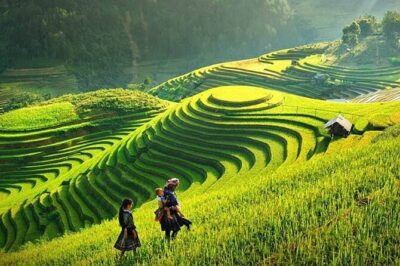
- The biggest rice terraces in Munduk: what you should look for
- Coffee plantation experience: more than a souvenir stop
- Buyan & Tamblingan lake scenery: the calmer chapter
- Waterfall finish: swim option and what to bring
- Lunch and local food: a real part of the value
- Price and logistics: is $32 a good deal?
- Who this tour suits best (and who should skip it)
- Should you book this Munduk rice-terrace and waterfall trekking tour?
- FAQ
- Where is this tour located and what’s the starting point?
- How long is the experience?
- What does the price include?
- How big is the group?
- Is the tour guide English-speaking?
- What are the main stops during the tour?
- Who shouldn’t take this tour?
Key points to know before you go
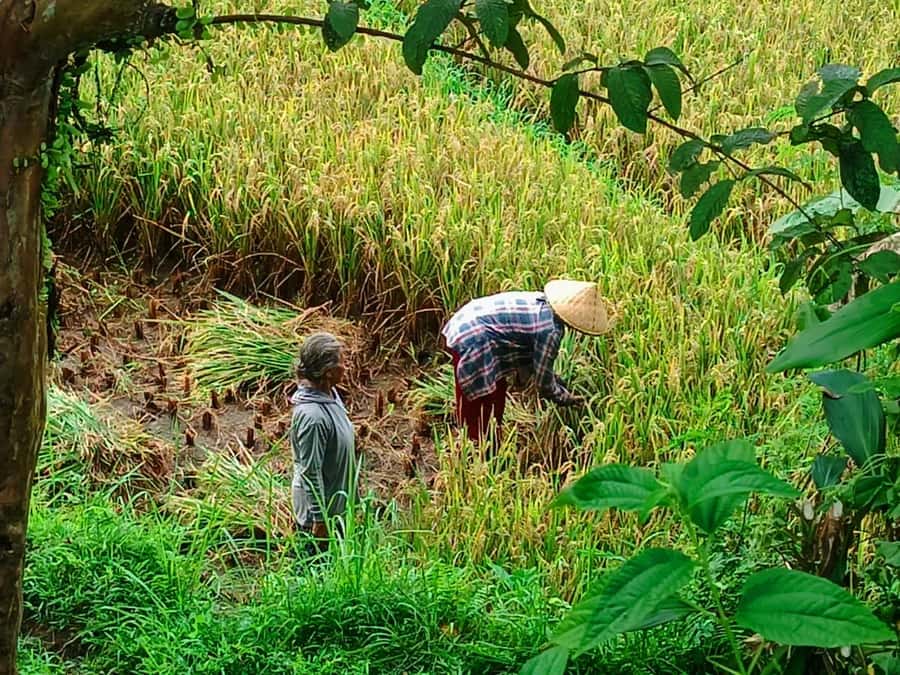
- Munduk rice terraces, sized for real views: You’re not just looking at a small patch of greenery.
- Coffee plantation walk-through: Learn what coffee (and other crops) grow in this area and why it matters.
- Waterfall time built into the route: It’s a genuine end-of-day reward, not just a roadside photo stop.
- Buyan & Tamblingan lake scenery: Lake views add breathing room between hikes.
- Small group with English guidance: Limited to 15 people, with a live English guide and lunch included.
Munduk’s rice terraces and waterfall trekking: why this route works
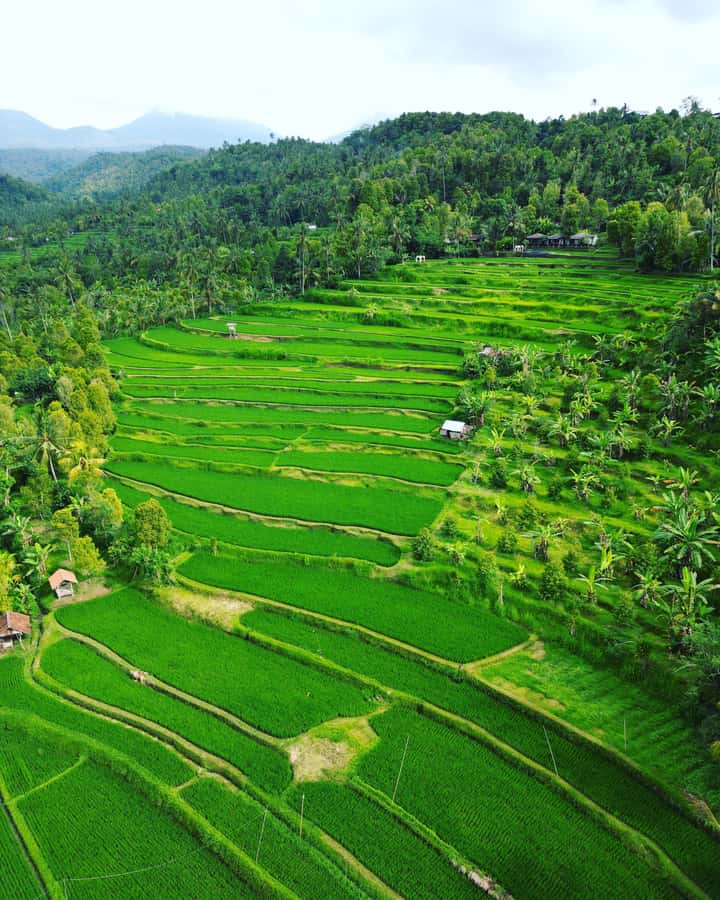
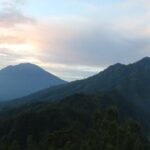
Munduk sits in North Bali high enough that the air often feels cooler than the coast. That matters because your best moments aren’t only the views. It’s the way the cool weather makes a walk through working farmland more comfortable.
The route’s strength is that it doesn’t treat agriculture like background. You’re guided through the rice terraces and also over to a coffee plantation experience. That combo helps you understand what you’re seeing: how rice is grown in layers of fields, and how coffee fits into the same mountain growing zones. When you can connect plants to place, photos get better too.
Then you get the release valve. After hours of terraces and trails, a waterfall stop gives you a change of scenery and a physical reset. Even if you don’t swim, the sound and mist shift the energy of the day.
You can also read our reviews of more tours and experiences in Ubud.
From Celukan Bawang Port or your hotel: how the timing fits
This tour is priced at $32 per person and runs for 5 hours, which is a sweet spot for people who want nature without losing a full day. It’s also designed for straightforward logistics. You’ve got pickup depending on the selected option, and the day ends with drop-offs at Munduk, Lovina Beach, Kubu kopi, Canggu, Kuta, or Ubud.
If you’re arriving by cruise at Celukan Bawang Port, this is one of those tours that can make your limited shore time feel less stressful. You’re not trying to coordinate multiple rides. Transport is part of the package, and your guide is on the case with timing.
Small groups help too. With a maximum of 15 participants, it’s easier for your guide to keep track of pace and answer questions without rushing the whole group.
Munduk hiking for about 2 hours: pace, safety, and what to wear
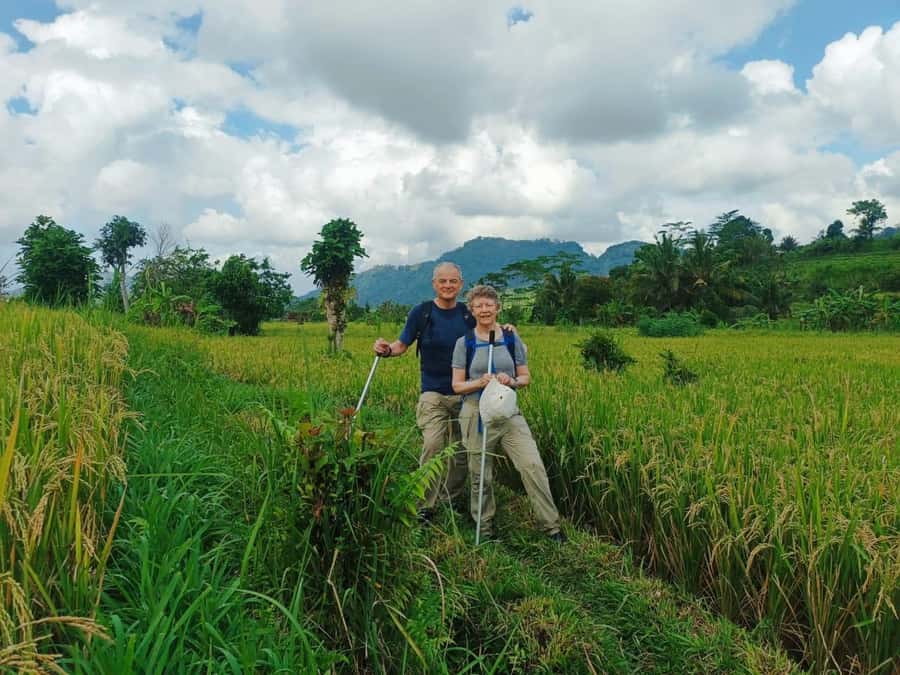
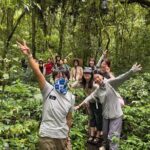
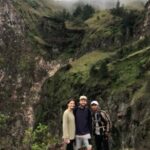
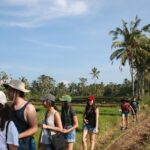
The heart of the tour is a hiking segment in Munduk (around 2 hours). This is where you’ll likely spend most of your effort, so it’s worth preparing like you mean it.
Here’s how to think about difficulty:
- The walk is manageable for many people because you can pause and regroup as needed.
- Still, you should expect uneven ground and some uphill effort.
- Safety briefing happens at the start, which helps you feel confident about where to step.
What I’d pack mindset-wise:
- Comfortable closed-toe shoes with grip. Sandals might be fine for the road, but not for trails.
- A light layer. Mountain air can feel cooler, especially near water.
- Water and a small snack if you’re the type who gets hungry early. Mineral water is included, but having a backup can keep you calm.
If you’re coming off an upset stomach or low energy day, it can help to tell your guide your pace upfront. The tour is flexible enough that the route can be adjusted toward the best stops rather than turning every path into a test.
A short 30-minute stop that changes your perspective
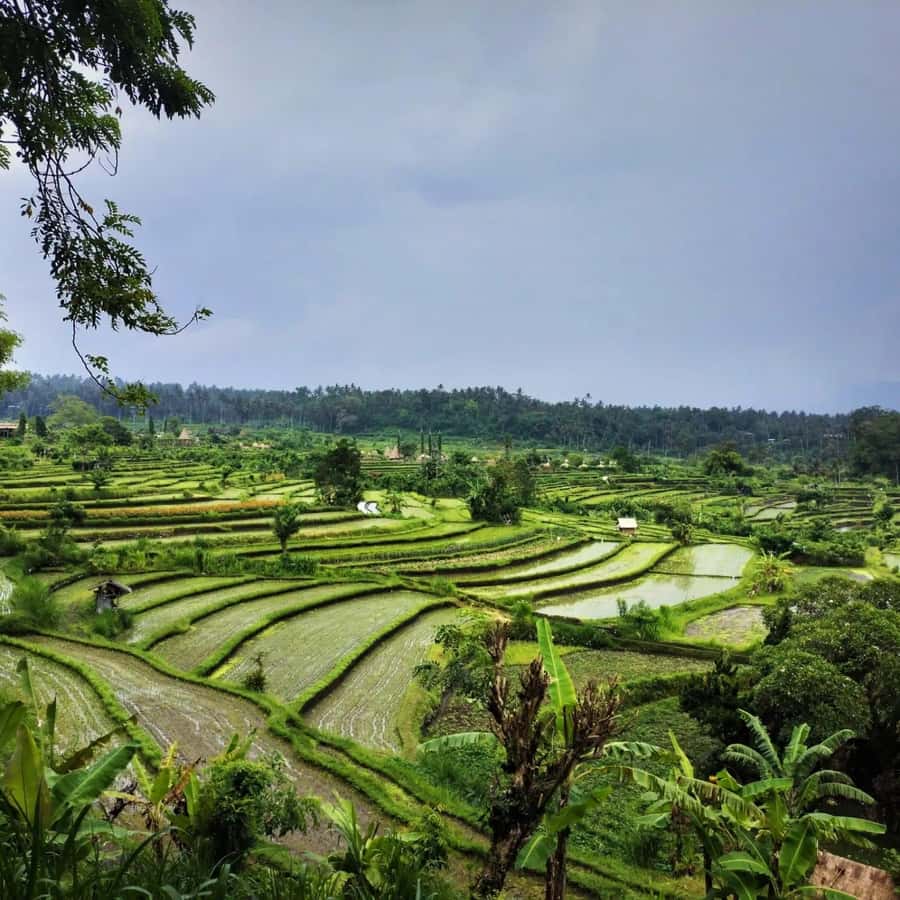
After Munduk hiking, there’s a 30-minute visit and sightseeing stop. This is one of those breaks that gives your brain a reset and gives you better photo angles.
In practical terms, it’s also where you’ll learn what makes the area feel different from Bali’s more crowded viewpoints. Your guide can point out plants, farming methods, and the micro-ecology around the path. If you’re curious about how these fields stay productive, this short stop is often where the explanation lands.
The biggest rice terraces in Munduk: what you should look for
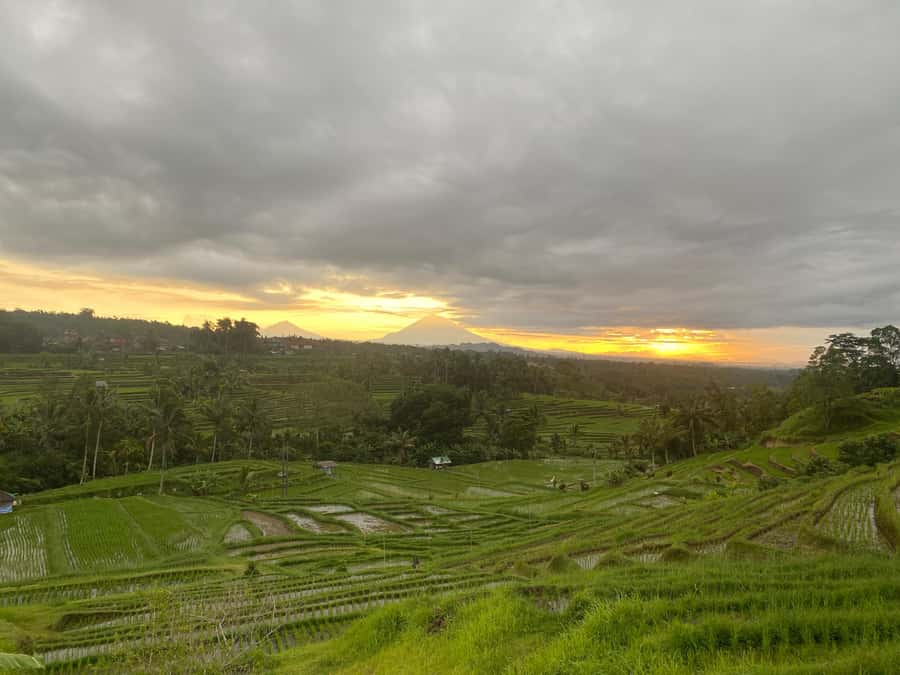
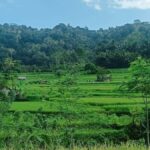
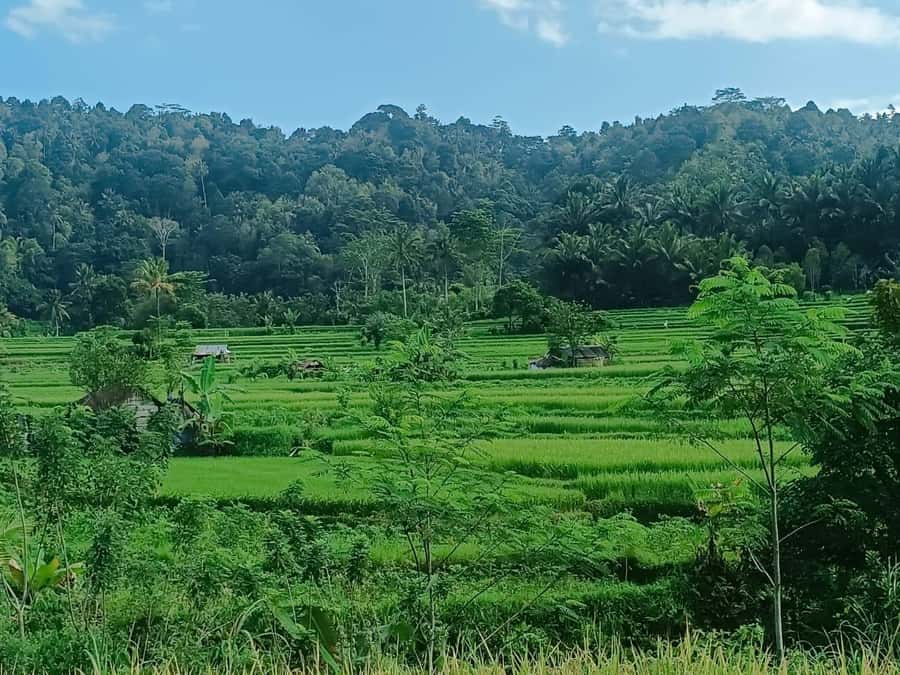
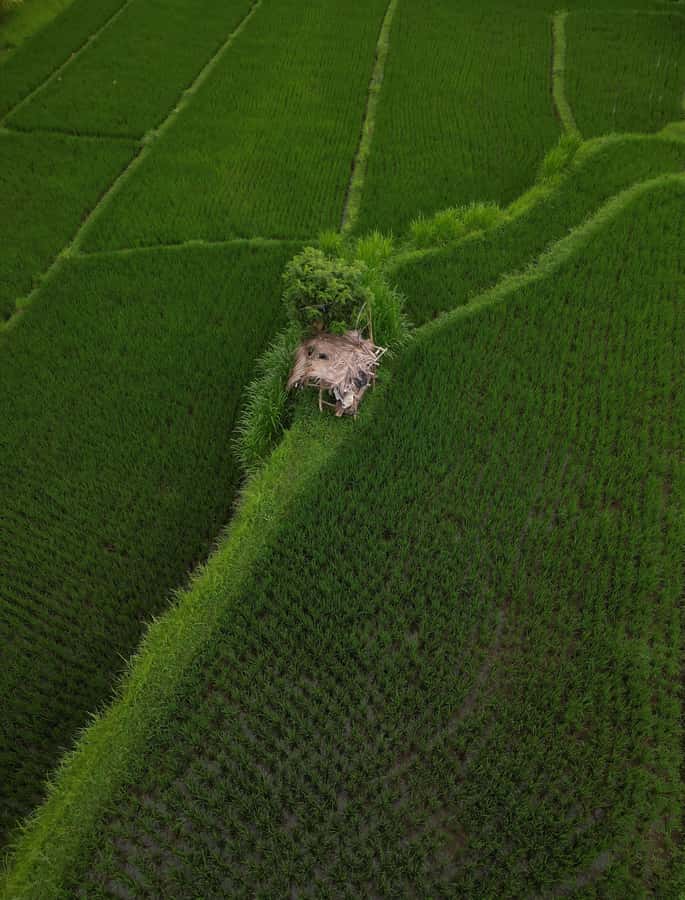
The headline here is the biggest rice terraces in Munduk. Those words matter, because terraces can range from a quick roadside view to areas that let you actually walk through farmland and see the full rhythm of the fields.
When you’re standing among terraces, don’t just watch the green. Look for:
- The way water moves through the irrigation system
- How the terrain is shaped into levels
- Plant variety in and around the fields, not only rice
This is also where your guide’s personality shows. Several guides on this kind of route focus on flora and fauna, and they can explain what you’re seeing as you move. The goal isn’t to memorize botany. It’s to give you a lens, so you leave feeling like you understood the place, not just passed through it.

Coffee plantation experience: more than a souvenir stop
A big part of the value is the coffee plantation experience. This isn’t a quick line of stools and a marketing pitch. It’s a chance to see coffee plants and the surrounding crops that grow in the same region.
You might hear about coffee beans, plus related crops and spices. Based on the experiences people share, guides often talk about things like cacao and pepper, and they can point out plant habits and growing conditions.
Sometimes you’ll even get a small edible bonus like fresh fruit or a taste of something from local gardens. Don’t count on it, but it’s a good sign of how personal the plant talk can be.
If you love food travel, this part makes the day feel grounded. Rice is the main story, but coffee is what often connects the mountain farms to everyday life in Bali.
Buyan & Tamblingan lake scenery: the calmer chapter
The route includes Buyan & Tamblingan lakes. Even if you’re not a huge lakes person, the lake stops do an important job: they break the day into sections so you’re not hiking non-stop.
Lakes are also where the light can change quickly. If your timing hits afternoon clouds or mist, you may notice the view softens rather than sharpens. Either way, it’s a nice contrast to the crisp geometry of terrace rows.
This portion is usually more relaxed than the hike. Think of it as scenic recovery: look, breathe, take a few photos, and let your legs cool down.
Waterfall finish: swim option and what to bring
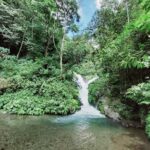
The day ends with a waterfall stop that people consistently flag as the highlight. The practical takeaway: if you want to swim, bring the right gear.
I’d plan on:
- Swimsuit/bathing gear if you want to take a dip
- A change of clothes in a bag you can close
- Something that dries quickly, since you’ll likely be transported afterward
Even without swimming, the waterfall time is valuable because it changes the atmosphere. Mist in the air, the sound around you, and the cooler temperature make the whole experience feel earned after walking through fields.
Lunch and local food: a real part of the value
Lunch is included, and that matters with a 5-hour schedule. It prevents the common problem in half-day tours: everyone hits hunger at the wrong moment and you start making compromises.
The better versions of this tour include a genuinely satisfying meal. People have reported meals that can accommodate vegetarian needs. So if that’s important to you, it’s worth letting your guide know when you meet.
The lunch break also gives you time to sit, hydrate, and reset before the final stretch.
Price and logistics: is $32 a good deal?
At $32 per person for about 5 hours, this tour is strong on value because it bundles the usual cost centers:
- Local guide
- Transport pickup/drop-off (depending on your selected option)
- Lunch
- Mineral water
- Entry ticket fees
What you should weigh is how you like to spend time. If you enjoy structured guidance and want someone to explain rice terraces and coffee crops, the price makes sense fast. If you’d rather wander freely with no explanations, you might feel this is more guided than you need.
Group size is capped at 15, so you’re not stuck in a massive convoy. That’s also part of the value, because it keeps the day more personal.
Who this tour suits best (and who should skip it)
This experience fits best if you want:
- Rice terrace views plus an education component
- A coffee plantation stop instead of a quick photo break
- A day plan that includes lakes and a waterfall without long travel gaps
- A pace that can be adjusted to your comfort level
It’s not for everyone. The tour isn’t suitable for babies under 1 year, and it’s not designed for people over 95 years. If you know you have trouble with sustained uphill walking, still consider it, but plan carefully with good shoes and a realistic expectation of uneven terrain.
Should you book this Munduk rice-terrace and waterfall trekking tour?
Book it if you want a compact North Bali nature day that mixes farmland, coffee plants, and water scenery. The biggest reason to choose it is the combo: rice terraces + coffee plantation + waterfall, all with lunch included and small-group guidance in English.
Skip it if you’re mainly chasing lounge-time comfort and you don’t want any hiking effort at all. For everyone else, it’s a solid bet—especially if you’re on a cruise and you need a tour that starts from Celukan Bawang Port and fits a short shore window.
FAQ
Where is this tour located and what’s the starting point?
The tour is based around Celukan Bawang Port, Indonesia, and pickup depends on the option you select. The meeting point time is chosen by you.
How long is the experience?
The duration is 5 hours.
What does the price include?
The price includes a local guide, transport pickup/drop-off (if that option is selected), mineral water, lunch, and all entry ticket fees.
How big is the group?
It’s a small group, limited to 15 participants.
Is the tour guide English-speaking?
Yes. The tour has a live English guide.
What are the main stops during the tour?
You’ll spend time in Munduk with a hike, visit a nearby sightseeing spot, and include rice terraces plus a coffee plantation experience, with Buyan & Tamblingan lakes and a waterfall as major highlights.
Who shouldn’t take this tour?
It isn’t suitable for babies under 1 year or people over 95 years.