REVIEW · SA PA
Ha Noi-Sapa Authentic Trek & Homestay wih hmong women (2D1N)
Book on GetYourGuide →Operated by Dinh Sapa Trekking Adventures · Bookable on GetYourGuide
A morning pickup starts this Sapa adventure early.
What makes it interesting is the mix of village trekking and a real Hmong family homestay, not a quick photo stop. I really like how the plan strings together Y Linh Ho, Lao Chai, Ta Van, and a Red Dao area, so you actually move through different communities. One thing to consider: it’s a moderate hike with steep, uneven stretches and about 18 km total over 2 days.
I also like that the experience is built around food and daily life. You’ll eat included meals, join a cooking class with the family, and share the dinner table instead of being sent off to a restaurant. That cultural contact is usually where this kind of trip turns from scenery to meaning. The main drawback is simple: the waterfall and swim part depends on conditions, and some days it may be dry.
The guide part matters too. You’ll meet Dinh (a local Hmong woman guide), and in some groups you may also have an English-speaking guide such as Do, who’s known for clear communication and helpful context along the trail. Just remember this is a group trek, so your pace is shared and you’ll want to bring trekking shoes you trust.
In This Review
- Quick hits worth knowing
- Getting to Sapa: the early Hanoi pickup that shapes the whole day
- Day 1 trek: Y Linh Ho, Lao Chai, and Ta Van homestay at the heart of the experience
- The cooking class and shared dinner: where the culture becomes real
- Homestay with a Hmong family: simple comfort, basic amenities, and a real connection
- Day 2 trek: bamboo forest paths, terraced rice, and Giang Ta Chai waterfall
- Transfers back to Hanoi: you get the day, then you ride overnight-like
- What you pay for: the $78 value breakdown that actually makes sense
- Fitness reality check: what moderate means on a Sapa trail
- What to pack: the small items that prevent big day-ruiners
- Food and daily life: included meals that make the homestay matter
- Avoidable headaches: souvenir pressure and the dry-waterfall possibility
- Who should book this Sapa trek with a Hmong homestay
- Should you book this 2D1N Hmong women trek?
- FAQ
- What is the duration of this tour?
- How much does it cost?
- When does pickup happen in Hanoi?
- How long is the transfer from Hanoi to Sapa?
- What are the trekking distances on each day?
- What villages are included during the trek?
- What meals are included?
- Do I stay overnight in a homestay?
- Is the Giang Ta Chai waterfall swim included?
- What should I bring?
Quick hits worth knowing
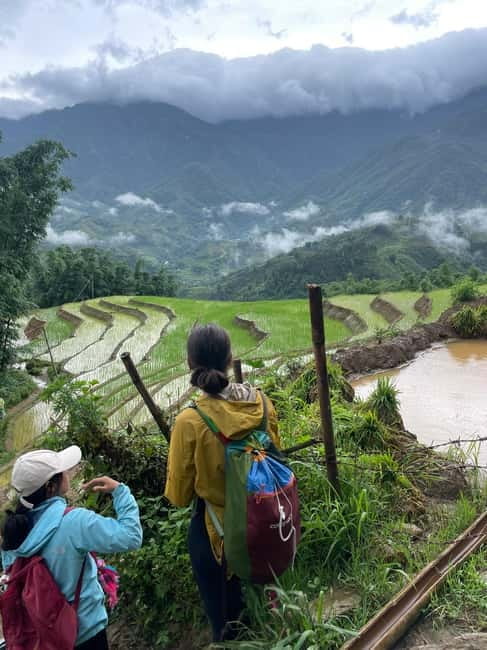
- Hmong women-guided route across multiple villages, with culture explained along the walk
- Bamboo forest + terraced rice trekking over about 18 km total
- Homestay with a Hmong family plus an evening cooking class and shared dinner
- Giang Ta Chai waterfall time on Day 2, with a swim option when conditions allow
- Included meals and village entry fees mean less planning stress for you
- Watch for pushy souvenir selling from vendors who try to join your walk
Getting to Sapa: the early Hanoi pickup that shapes the whole day
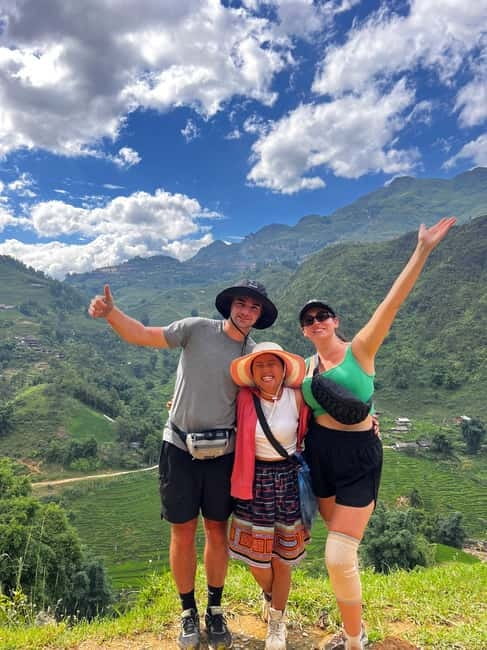
The trip starts with an early start from Hanoi Old Quarter, usually around 6:00–6:45 AM. You’ll ride in a comfortable limousine van or a sleeper bus, and the drive takes about 5–6 hours, landing you in Sapa around 12:00–12:30 PM.
This timing is practical. You’re not wasting a full day on transit, and you’re also not showing up in Sapa at night with no daylight to orient yourself. You’ll also get picked up at the bus stop or your hotel in Sapa, so you don’t have to figure out where to meet.
One small detail that helps: you don’t have to hunt for lunch on arrival. A picnic lunch is prepared so you can recharge before the trek begins.
You can also read our reviews of more tours and experiences in Sa Pa.
Day 1 trek: Y Linh Ho, Lao Chai, and Ta Van homestay at the heart of the experience
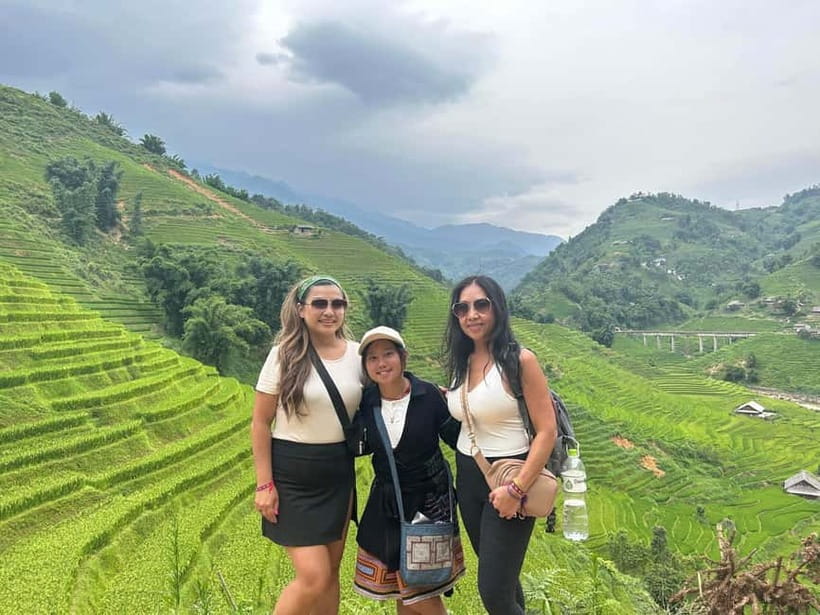
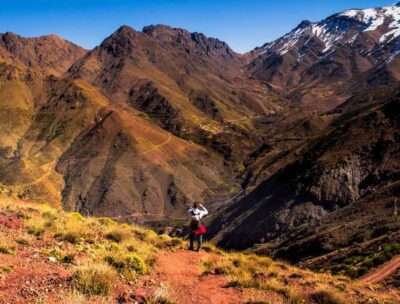
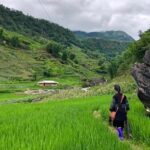
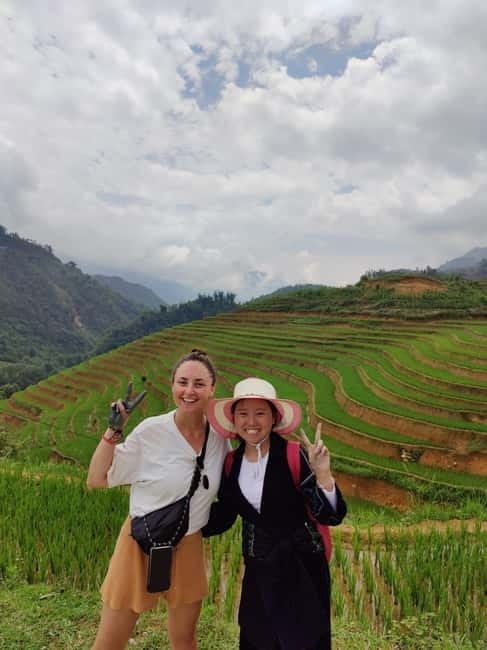
Day 1 is the longer walking day, typically 9–11 km and about 5.5 hours. The route starts with a descent toward Y Linh Ho, where you’ll see mountain paths opening into wider views and village life moving at a slower rhythm.
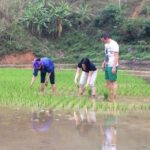
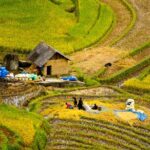
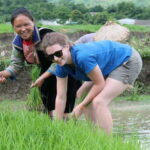
From there you continue on to Lao Chai, described as one of the older and larger Hmong villages in the region. This is where the trek becomes more than walking because you’ll learn how people live and work day to day—especially around farming cycles. Depending on the season, you might see locals planting or harvesting rice, which gives the scenery a real job.
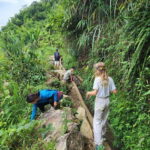
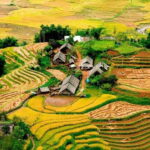
Next comes Ta Van Village, home to the Giay and Hmong ethnic minorities. This part of the walk is often where first-time hikers notice how varied the trail feels: some stretches are easier going, and other parts feel more like “trail work” than a casual stroll.
At the end of the day, you’ll arrive at the homestay, take care of basics like a rest and a hot shower, and settle in. In the evening, the trip shifts into a hands-on cultural moment.
The cooking class and shared dinner: where the culture becomes real
Your homestay evening isn’t just a place to sleep. You’ll join an informal cooking class with your host family and then share the meal together.
This matters because cooking is personal. It’s also practical learning: ingredients, habits, and family routines show up in a way that a lecture never would. During dinner, Dinh shares her story and also the broader mission she supports—supporting 10 local children’s education.
There’s also an informal welcome vibe. You may have a traditional dance performed to greet you, and there can be playful drinking games with Happy Water, a local rice wine. If you don’t want alcohol, you can still participate in the social side; the goal here is community, not pressure.
Homestay with a Hmong family: simple comfort, basic amenities, and a real connection
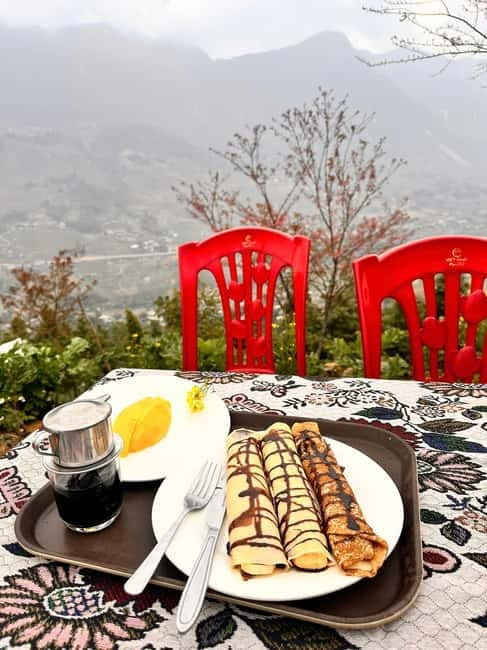
The homestay is described as simple, authentic, and cozy, with basic amenities. You’re not going to get a luxury hotel setup, and you shouldn’t expect one. What you do get is a genuine household rhythm, plus inclusion in family time.
One comfort point that’s specifically mentioned: you can take a hot shower on arrival. That’s a big deal after a walking day in cool mountain air.
You can also communicate preferences when booking, since accommodation can vary. If you’re someone who needs a specific setup, ask early rather than hoping it magically matches your ideal.
The real value here is the relationship. You’re not just visiting a village; you’re spending a night inside family routines, eating what they cook, and learning from a guide who’s part of the community.
Day 2 trek: bamboo forest paths, terraced rice, and Giang Ta Chai waterfall
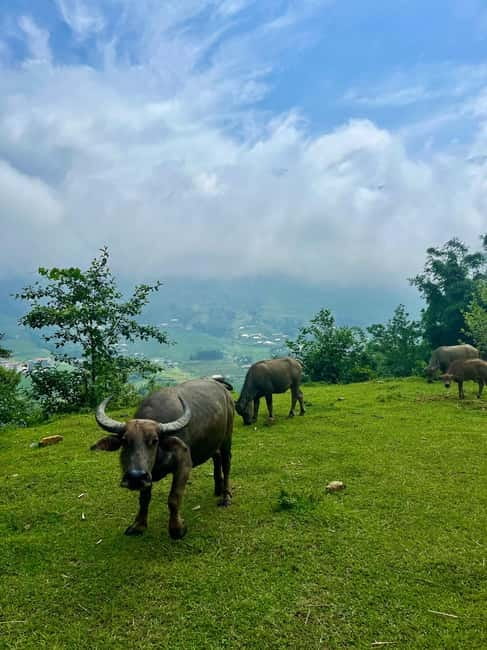
Day 2 starts gently, with hot coffee or tea in the morning and calmer surroundings around the homestay. Then you head out after breakfast for another 8–11 km trek, usually around 5 hours.
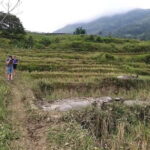
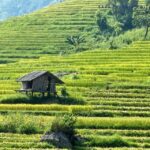
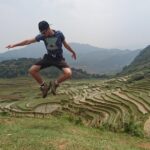
This is the “cooler air and nicer walking” day for many people, especially because you’ll go through bamboo forests and along terraced rice fields. It’s also a day with a clear highlight: Giang Ta Chai waterfall.
You’ll reach the waterfall and have time there, with an optional swim if you want. That’s a fun payoff if the water is flowing. Just remember: conditions can change. One practical review note is that the waterfall might be dry at certain times, and a good guide may adjust and avoid extra effort when there’s nothing to swim in.
After the waterfall, you’ll enter the Red Dao ethnic area before heading back toward the main road. You’ll take a final lunch together, then the trek ends in Sapa town around 2:00–3:30 PM.

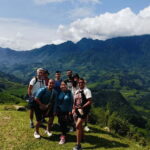


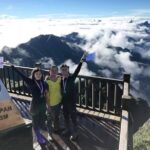
Transfers back to Hanoi: you get the day, then you ride overnight-like
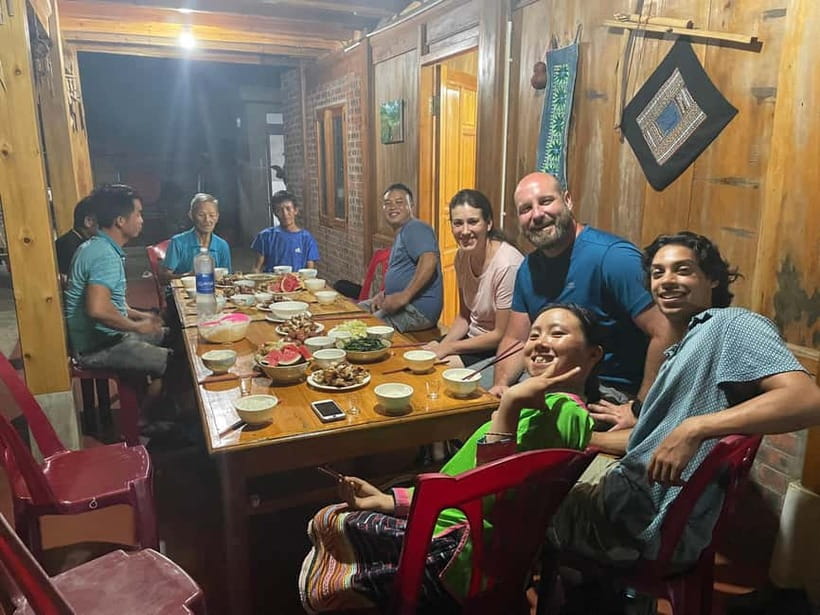
Once the trek ends, you’ll return by taxi to Sapa, and around 3:30–4:00 PM you’ll catch a limousine van or sleeper bus back to Hanoi. Expect arrival around 9:00–10:00 PM, depending on traffic.
This is a long travel day. So think of Day 2 as “tough-but-beautiful hiking, then movement back to the city,” not as a day you’ll also want to explore Sapa in depth afterward.
What you pay for: the $78 value breakdown that actually makes sense
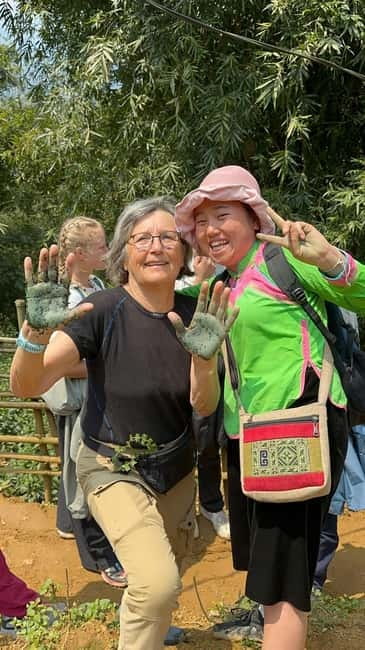
At $78 per person, the biggest value isn’t just the walking. It’s the bundle you get without doing the coordination work yourself.
Here’s what’s included:
- Local English-speaking guide for the 2 days
- Village entry fees for 4 villages
- Meals: 2 lunches, 1 dinner, 1 breakfast
- 1-night homestay with the family
- Drinking water: 1 big bottle per person per day
- Picnic lunch on Day 1 so you don’t lose time eating in town
- Transportation back to Sapa after the trek ends
- Assistance booking Hanoi–Sapa–Hanoi transport
When you DIY this, the hidden costs are often meals, guide time, and the logistics of entering villages and coordinating the homestay. Here, those pieces are already handled. It’s not a “budget bare-bones” option, but it’s also not priced like a private luxury trek, which makes it a solid middle path.
If you care about reducing planning friction and want the homestay experience to be handled end-to-end, this price is easier to justify.
Fitness reality check: what moderate means on a Sapa trail
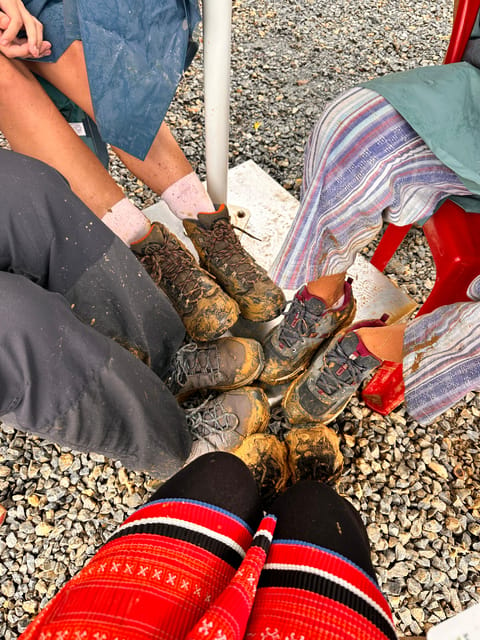
The trek covers about 18 km total over two days. It includes steep and uneven terrain, and the route is not described as flat or easy.
So “moderate” here means you’ll be working. You should feel comfortable with hiking for several hours and handling rocky steps or slippery dirt—especially around transitions between villages and into forested areas.
This tour is also not suitable for:
- People with back problems
- People with mobility impairments
- Non-swimmers (because the waterfall swim is part of the plan)
If you’re on the fence, pick the simplest test: can you walk at a steady pace for 4–5 hours without needing long breaks, and do you feel okay on uneven ground? If yes, you’re probably a good match.
What to pack: the small items that prevent big day-ruiners
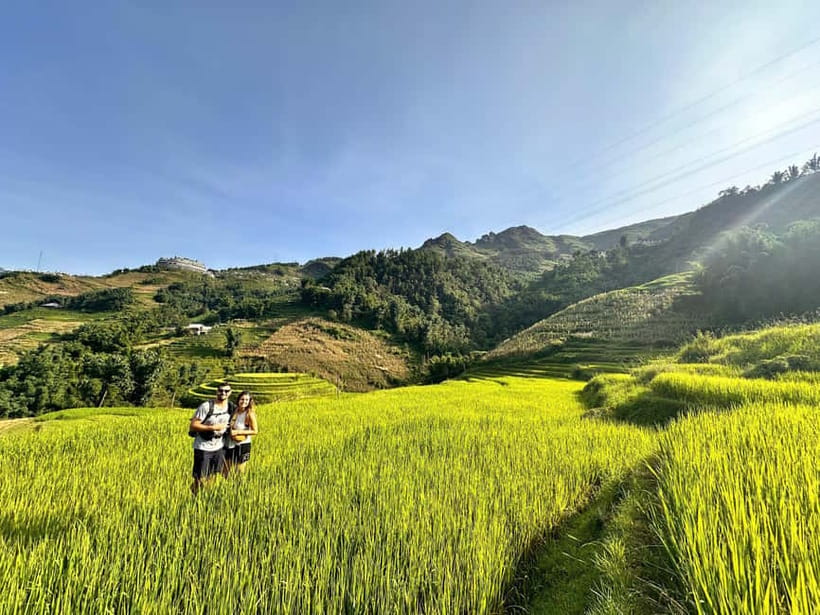
You’ll get better days if you pack for weather, bugs, and water.
Bring:
- Comfortable shoes with grip
- Hat
- Sunscreen and sunglasses
- Swimwear (for waterfall time)
- Change of clothes for the evening
- Camera if you like documenting rice terraces and village life
- Light raincoat or jacket (weather can shift)
- Mosquito repellent
Also, keep your water habits simple: you’ll have drinking water provided (1 big bottle per person per day), but you’ll still want to manage sips during climbs.
Food and daily life: included meals that make the homestay matter
This isn’t a trek where you arrive at a point, take photos, and then disappear for dinner. Your meals are part of the day: picnic lunch on Day 1, plus lunch both days and a dinner with your hosts.
Local food can be hit or miss for people with very specific diets, but the way this trip is set up tends to help: you eat where you’re welcomed, and the hosts are cooking the kind of meals they eat as part of normal life.
And because the cooking class happens before dinner, you’ll usually understand more about what you’re eating than you would otherwise. That makes it more enjoyable and more memorable.
Avoidable headaches: souvenir pressure and the dry-waterfall possibility
Two practical issues can affect your mood if you’re not ready.
First, there can be local vendors trying to sell souvenirs. A review note flags that they may try to accompany you during the trek. If that happens, keep it polite but firm, and don’t feel obligated to buy. If you want to avoid it, keep your eyes on your guide and don’t wander toward side conversations while the group is moving.
Second, waterfall conditions can vary. If Giang Ta Chai is dry, it may not be worth extra detours or swimming time. A good guide can adjust. If you’re flexible and willing to let the guide lead, you’ll keep the day enjoyable instead of disappointed.
Who should book this Sapa trek with a Hmong homestay
This is a great fit if you want:
- A real cultural experience, not only views
- Time with a Hmong family and a cooking class included
- A guided route that handles village entry and the flow of the day
- To meet friendly guides who explain daily life clearly (Dinh is the lead guide, and English communication can be strong—such as with Do in some groups)
It’s less ideal if you’re:
- Looking for a fully easy walk
- Worried about uneven terrain
- Not comfortable with water/swimming as part of the Day 2 highlight
- Traveling with mobility or back issues
Should you book this 2D1N Hmong women trek?
If you want Sapa in a way that feels personal—through walking between villages and spending a night in a real home—this one is worth your attention. The included guide time, meals, and homestay make the value feel fair, especially at this price.
Book it if you’re ready for moderate hiking, comfortable with basic homestay conditions, and open to cultural sharing at dinner time. Skip it if you need a low-effort route, if uneven trails scare your body, or if you’re not able to swim in the waterfall scenario.
FAQ
What is the duration of this tour?
It’s a 2 days and 1 night experience in Sapa, with trekking on Day 1 and Day 2 plus one night at a Hmong family homestay.
How much does it cost?
The price is $78 per person.
When does pickup happen in Hanoi?
Pickup is usually between 6:00 and 6:45 AM from the Hanoi Old Quarter area or your hotel.
How long is the transfer from Hanoi to Sapa?
The drive takes about 5–6 hours, and you arrive in Sapa around 12:00–12:30 PM.
What are the trekking distances on each day?
Day 1 is about 9–11 km (around 5.5 hours). Day 2 is about 8–11 km (around 5 hours).
What villages are included during the trek?
The route includes Y Linh Ho, Lao Chai, Ta Van, and you also pass through the Red Dao ethnic area on Day 2.
What meals are included?
You get 2 lunches, 1 dinner, and 1 breakfast, plus a picnic lunch on Day 1.
Do I stay overnight in a homestay?
Yes. You’ll stay 1 night with a local Hmong family in a simple, authentic homestay with basic amenities and a hot shower.
Is the Giang Ta Chai waterfall swim included?
The plan includes time at Giang Ta Chai waterfall with an optional swim if you want. The tour is marked as not suitable for non-swimmers.
What should I bring?
Bring comfortable shoes, hat, sunscreen, mosquito repellent, a light raincoat or jacket, swimwear, and a change of clothes for the evening.