Morocco has a way of moving fast. This 15-day private route stitches together imperial cities, mountain hikes, Sahara dunes, and a relaxed Atlantic finish. You get variety without feeling like you’re just passing through.
I especially like two things. First, the balance between big-name places (Fez, Marrakech, UNESCO kasbah scenery) and real-world village encounters in the Atlas. Second, the way the trip is built around guided experiences—many guests highlight guides like Khalid, Hamza, Ayoub, Rashid, and Noureddine for keeping plans running smoothly and making the walking feel purposeful.
One drawback to consider: this is not a light stroll-only vacation. You should have moderate physical fitness, and you’ll be on the move a lot, with long road days between regions (and some hiking along the way).
In This Review
- Key highlights worth your attention
- Why this Morocco route feels efficient (and not rushed)
- Casablanca, Rabat, and Chefchaouen: from coast to cool blue
- Fez, Volubilis, and Meknes: old-world layers you can actually walk
- Midelt and the Ziz Gorges to Merzouga: the road becomes the attraction
- Merzouga to Ouarzazate: Todgha canyons, Roses Valley, and film-set vibes
- Ait Ben Haddou and the Atlas-to-souks feeling in Taroudante
- Essaouira: the Atlantic breather before Marrakech kicks in
- Marrakech sightseeing and a flexible second look
- What the private setup really changes for you
- Guides and the trekking mindset: why people keep praising the same names
- Price and value: what you’re paying for, and what to check
- Practical tips to make the walking and road time easier
- Who should book this tour (and who should think twice)
- Should you book Atlas Trekking Morocco?
- FAQ
- How long is the Atlas Trekking Morocco tour?
- Where does the tour start and where does it end?
- Is this tour private?
- What’s included in the price?
- Are alcoholic beverages included?
- What is the cancellation policy?
Key highlights worth your attention
- Private transportation keeps the route efficient, especially when you’re bouncing between cities, canyons, and desert areas
- Chefchaouen + the Rif Mountains gives you the contrast shot: blue streets, then rugged mountain air
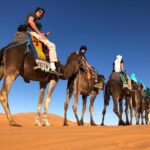
- Merzouga sand dunes deliver classic Sahara nights, including the wow-factor moment when the dunes meet the sky
- Todgha Gorge and Roses Valley bring dramatic scenery that feels different from both cities and the desert
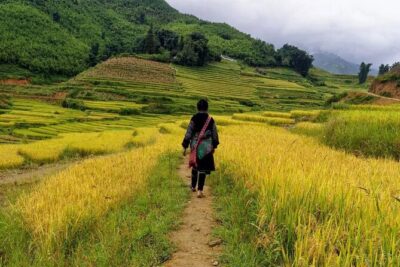
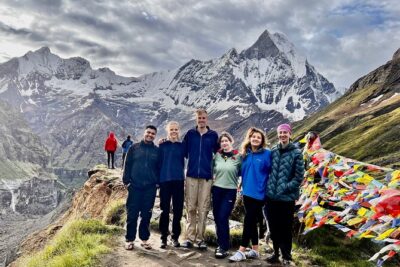
- Atlas Mountains hiking is where this tour earns its name, with guides and local crews praised for the on-the-ground experience
- Essaouira to Marrakech gives you a calmer port-town day before you re-enter Marrakech’s energy
Why this Morocco route feels efficient (and not rushed)
The best part of this trip is the sequencing. You start in the big urban energy of Casablanca, then steadily climb into older medinas, mountain passes, and finally the Sahara. By the time you reach the dunes, you’ve already built up context for what you’re seeing.
I like that the route doesn’t only chase famous landmarks. You also get scenic road segments like the Ziz Gorges approach and canyon country near Todgha, plus Atlas hiking territory that’s all about views and walking, not just photo stops.
The “15 days” frame matters, too. It gives you space to enjoy the day-to-day rhythm instead of treating Morocco like a checklist. Still, expect plenty of travel time between regions—bring snacks, keep water handy, and don’t plan anything intense on the exact day you switch zones.
You can also read our reviews of more tours and experiences in Casablanca.
Casablanca, Rabat, and Chefchaouen: from coast to cool blue
Your tour begins in Casablanca, a good reality check before the softer parts of the country. It’s modern enough to feel familiar, which makes it easier to settle in before you head toward older cities and hills.
Then the route pushes to Rabat and onward to Chefchaouen. Rabat helps you reset with a calmer city pace, but Chefchaouen is the mood shift. The blue-washed streets and mountain setting of Chefchaouen give you a visual theme right away, and it’s a perfect place to stretch your legs without feeling rushed.
Chefchaouen also sets up the Atlas part of the trip. The town’s position in the Rif Mountains makes it feel like the country is already turning toward hiking and valleys. If you’re the type who likes stepping into a place that feels designed by geography, this part will land.
Fez, Volubilis, and Meknes: old-world layers you can actually walk
Fez is the city part of Morocco that tends to stick in your brain. You get sightseeing and exploring days that let you move at a walking pace inside the medina world, not just from one landmark to another.
After Fez, the trip includes Volubilis and Meknes. Volubilis is the kind of stop that rewards a slower pace—stone ruins set in a lived landscape. It’s a different “timeline” from the medina streets, which helps you understand how Morocco sits at the crossroads of empires and trade routes.
Meknes rounds out the trio with a more structured feel than Fez, while still offering that imperial-city personality. Put together, Fez + Volubilis + Meknes gives you layers: daily life, ancient remains, and the imperial urban style, all in one flow.
Potential snag: Fez days can feel dense. The medina environment is intense by nature, so pace yourself. If you feel overstimulated, take short breaks and let your guide set the route.
Midelt and the Ziz Gorges to Merzouga: the road becomes the attraction
The drive route between cities can be long, but this itinerary makes the journey part of the experience. After Meknes, you head toward Middle Atlas areas, then to Midelt, and eventually into the direction of the Ziz Gorges.
The Ziz Gorges segment is one of those “this is why you travel by road” stretches. As the scenery changes, you start feeling Morocco’s scale—the country doesn’t just have famous cities, it has corridors carved through mountain and valley systems.
Then you land in Merzouga, the gateway to the sand dunes and the Sahara rhythm. This is the point where the trip’s look changes completely: from stone and green valleys (or at least mountainous terrain) to orange sand and wide horizons.
One practical note: the Sahara experience can mean big temperature swings. You’ll want to be dressed smartly for the morning and evening, and keep a layer for when the air cools down after the sun goes.
Merzouga to Ouarzazate: Todgha canyons, Roses Valley, and film-set vibes
After Merzouga, the route moves through Todgha gorges and Roses Valley, then toward Ouarzazate. Todgha is dramatic in a way that feels built for the camera, but it’s also the kind of place where walking matters more than looking. Canyons are easier to understand when you move along their edges.
Roses Valley adds a different kind of mood. Even if you’re not visiting during peak rose season, the region’s identity is tied to that agricultural cycle, and it helps you see Morocco beyond cities and stone monuments.
Then comes Ouarzazate, including a visit linked to Atlas Film Studios of Cinema (CLA studios). This is a fun detour because it changes the perspective from looking at Morocco as “travel scenery” to seeing how Morocco gets used on screen. It’s a reminder that the setting is so distinctive that filmmakers keep coming back.
This stretch also tends to be when people start talking about their guides more. Reviews for Atlas Trekking Morocco repeatedly praise how guides handle food, routes, and timing, with names like Khalid and Hamza coming up often. If you’re hoping for a trip that feels well managed, this is where you’ll notice it.
Ait Ben Haddou and the Atlas-to-souks feeling in Taroudante
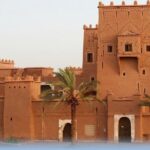
The itinerary takes you to Ait Ben Haddou, a UNESCO World Heritage kasbah that’s famous for a reason. This isn’t a quick roadside stop; it’s a full-on “wow, scale and texture” site. The kasbah shape, the earthen colors, and the way it fits into the valley all work together.
After that, you pass through areas tied to local crafts and market culture, including Tazenakht, then continue to Taroudante. Taroudante is often less chaotic than Marrakech, and that makes it a nice change of pace. It’s also a great place to slow down and watch how daily commerce actually happens.
Why I like this part: it bridges “tourist Morocco” and “regular Morocco.” You get a UNESCO headline moment, then you shift toward markets, textures, and local rhythm.
If you get picky about shopping, set expectations early. The souk world is part of the experience whether you buy or not. Bring small bills, don’t rush, and remember your goal is to understand the place, not win a negotiation contest.
Essaouira: the Atlantic breather before Marrakech kicks in
Then the trip brings you to Agadir and onward to Essaouira—the Atlantic coast version of Morocco’s personality. After desert and canyon days, Essaouira feels like someone turned down the heat on intensity.
Essaouira is ideal for a free day to explore at your own pace. That time matters. You’ll probably want to wander the port area, enjoy the sea air, and let your feet recover from the days with more hiking or uneven ground.
A key detail: Essaouira is also a palate cleanser for your brain. You go from canyons and sand tones into coastal light and salt-driven atmosphere. It makes Marrakech afterward feel more like a return to energy than an overload.
Marrakech sightseeing and a flexible second look
Finally, you reach Marrakech for sightseeing and a free day. If Casablanca and Fez are about depth, Marrakech is about momentum. The city gives you color, sound, and that classic medina intensity.
The second day is important because Marrakech changes depending on when you go. If your first visit is about highlights, your second visit can be about choosing what you actually care about: architecture, crafts, food streets, or just people-watching with a shaded drink in hand.
Practical advice: Marrakech days can go from sunny to busy fast. Wear shoes you don’t mind getting dusty, and plan for short walking bursts rather than long marathons.
What the private setup really changes for you
This is a private tour/activity, and the listing says private transportation is included. In plain terms, that’s a big deal in Morocco, where routing and timing can make or break a trip.
With private transport, you avoid the “wait and guess” part of shared tours. It also makes it easier to adjust pacing if someone needs a break or if you hit a situation like traffic in a city or a slower-than-expected walking stretch in a medina area.
It can also help with comfort when you’re switching between environments: city to mountain, mountain to desert, desert to coastal air. You still have travel time, but it’s travel time with a plan rather than chaos.
What it doesn’t automatically solve: you still have to do your part. You’ll be walking, and you’ll be outside. Hydration, layers, and smart shoes aren’t optional.
Guides and the trekking mindset: why people keep praising the same names
One of the most repeated themes in reviews for Atlas Trekking Morocco is how much guests liked the guides and the way trekking felt organized. Names that show up again and again include Khalid (often described as an organizer and trip planner), plus guides like Hamza, Ayoub, Rashid, and Noureddine.
Some reviews specifically mention trekking companions and support staff like Abdul (a trekking guide choice) and cooking help including Ibrahim and Yassine. When guests are praising meals, it usually means you’re not stuck with random food choices during long walking days—you’re getting fed in a way that matches the day’s effort.
Even if you’re doing the “highlights tour” version with set stops, this matters because the quality of guiding shows up in small things: when you stop, how you route, whether someone can explain what you’re seeing, and whether you feel looked after when plans shift.
There’s also a note about customization in reviews. If you want to adjust the walking portion—add a Berber village experience, focus more on waterfalls, or trade one excursion for another—this company seems to be set up for that kind of tailoring. Still, confirm details directly, since your exact guide assignment is not guaranteed in the info you have.
Price and value: what you’re paying for, and what to check
The price listed is $2,087.52 per person, for an experience around 15 days in Morocco. That number can look high until you think about what’s included and what’s being coordinated.
What you can count on from the data you have: private transportation and a structured route across a huge slice of the country. You’re also getting a tour branded around trekking and local experiences, not only museum stops. When a trip covers Casablanca, multiple UNESCO-linked moments, Sahara dunes, canyon areas, and both Essaouira and Marrakech, the logistics alone are non-trivial.
What you should verify before you book decision-ready: what’s covered inside the trip price beyond private transportation. The only explicit “not included” item is alcoholic beverages. Everything else (like any entry tickets, meals, or included guiding on specific legs) isn’t spelled out here, so ask for a clear breakdown.
If you’re the type who hates uncertainty, request a written list of what’s included and what’s on you. It’s the quickest way to turn price anxiety into budget confidence.
Practical tips to make the walking and road time easier
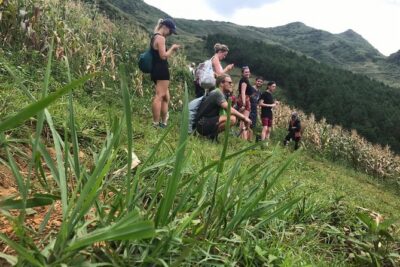
This tour asks for moderate physical fitness. That doesn’t mean you need to be a mountain athlete, but it does mean you should be ready for days that involve walking in uneven terrain and some hiking in Atlas areas.
Here’s how to prepare without overthinking it:
- Pack layers for temperature changes, especially as you move toward the Sahara
- Bring shoes with solid grip for canyon edges and uneven paths
- Expect long drives. Plan your phone battery and keep small snacks for energy
- Be ready to change pace. Some days will feel like sightseeing; some will feel like walking days
If you’re sensitive to altitude or strenuous trails, tell your guide early. The best guiding is the kind that adapts.
Also, because alcoholic beverages are not included, you may want to budget for your preferred drinks separately if you plan to have any with meals.
Who should book this tour (and who should think twice)
This trip is a great fit if you want a Morocco “greatest hits” journey that still keeps one foot in trekking and local life. You’ll like it if you enjoy variety: city streets in Fez, blue-toned Chefchaouen mornings, Sahara dune nights, canyon walking, then a coastal recovery day in Essaouira.
It’s also a fit if you care about organization. Reviews repeatedly praise how guides like Khalid and Hamza keep things running, and how trekking companions such as Rashid, Ayoub, or Noureddine are appreciated for the walking experience itself.
Think twice if you dislike long road days or if you’re not comfortable with moderate physical activity. If your ideal vacation is mostly short, flat walks with lots of downtime, this might feel like too much.
Should you book Atlas Trekking Morocco?
I’d book it if your goal is a structured, private-feeling Morocco trip that mixes imperial cities, mountain hiking, Sahara drama, and an Atlantic reset. The itinerary structure is built for contrast, and the repeated praise for guiding is exactly what you want when you’re crossing regions that feel very different from each other.
Before you commit, do two small things: confirm exactly what the $2,087.52 covers beyond private transportation, and ask how trekking portions are handled for your dates and fitness level. If you get clear answers, you’ll be stepping into a route that feels both big and well guided.
If that sounds like your kind of trip, this is one of the more satisfying ways to see Morocco end-to-end.
FAQ
How long is the Atlas Trekking Morocco tour?
The tour is about 15 days.
Where does the tour start and where does it end?
It starts in Casablanca, Morocco, and ends back at the meeting point.
Is this tour private?
Yes. It’s a private tour/activity with only your group participating.
What’s included in the price?
The only item listed as included is private transportation. Mobile ticket is also part of the experience.
Are alcoholic beverages included?
No. Alcoholic beverages are not included.
What is the cancellation policy?
You can cancel for a full refund up to 24 hours before the experience start time. If you cancel less than 24 hours before, the amount paid will not be refunded.