REVIEW · POKHARA
Mardi Himal Base Camp Trek (5 Days)
Book on Viator →Operated by Nepal_first · Bookable on Viator
Mardi Himal gives you big Himalayan drama fast. I like how this short route still delivers views of the Annapurna Conservation Area and plenty of quiet time on the trail, without the heavy crowd energy you might see elsewhere. I also like that the trip is set up with permits (TIMS and ACAP), tea house food and sleep, and private transport to keep logistics simple. The main trade-off is simple: this trek leans on early starts and good weather, so fog or clouds can blur the sunrise promise.
Here’s the good news—Mardi Himal is popular, but it isn’t as packed as some other base camp options. That means you’re more likely to walk with room to breathe, listen for birdsong, and actually enjoy the silence through the forested sections. Still, you’ll want moderate fitness because you’re hiking daily for roughly 5 to 8 hours, often on uneven paths.
In This Review
- Key Highlights You’ll Care About
- First Steps in Pokhara: Lakeside Mornings and Trail-Ready Timing
- Forest Camp to Badal Dhanda: Jungle Silence and ACAP Footsteps
- High Camp Day: When the Views Start Expanding Fast
- Mardi Himal Base Camp for Sunrise: The Early Alarm That’s Worth It
- Head Back to Pokhara: The Day When Legs Feel It
- Why This Trek Feels Like Good Value at $480
- Guides and Pace: Where Comfort Turns Into Confidence
- What to Pack (Because Equipment Isn’t Included)
- Who This Trek Suits Best
- Should You Book Mardi Himal Base Camp for 5 Days?
- FAQ
- What does the $480 per person price include?
- Do I need a permit for this trek?
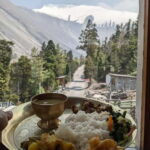
- What kind of lodging and meals can I expect?
- How physically demanding is the trek?
- Are pickup and private group arrangements included?
- What if the weather is bad or plans change?
Key Highlights You’ll Care About
- Short but scenic: big mountain moments in about 5 days, with daily hiking time that stays manageable.
- Quieter trails than Annapurna Base Camp routes, so your photo stops feel less like traffic jams.
- Forest + wildlife vibe: you’ll walk through jungle sections in the Annapurna Conservation Area with real quiet and occasional nature sightings.
- High Camp for 360° views: a mid-trek elevation push that rewards you with wide-angle mountain panoramas.
- Pre-dawn sunrise day: a 4:00–4:30 AM start aimed at Mardi Himal Base Camp, with a backup viewpoint if timing slips.
- Guides who adapt to your pace: multiple guides (like Madhav or Madu, plus porter support such as Gopal) are praised for adjusting to your group.
First Steps in Pokhara: Lakeside Mornings and Trail-Ready Timing
You start in Pokhara, usually from the Lakeside area early on Day 1. That early start matters more than it sounds. On hiking trips like this, the first morning sets your rhythm—when you get on the trail with daylight, the walking feels calmer and you waste less energy figuring out timing.
From Pokhara, you travel to the trek’s starting area (the route includes a move toward Khande). Then you begin walking to Forest Camp, typically around a 6-hour hike for the day. Forest Camp is where tea houses become your home base—simple rooms, local meals, and the kind of quiet you don’t get in busier trekking circuits.
What I like about starting this way: you ease into the trek with a steady climb through settled trails rather than jumping straight into a heavy altitude day. It also gives you a full night at altitude before the views start turning dramatic.
You can also read our reviews of more tours and experiences in Pokhara.
Forest Camp to Badal Dhanda: Jungle Silence and ACAP Footsteps
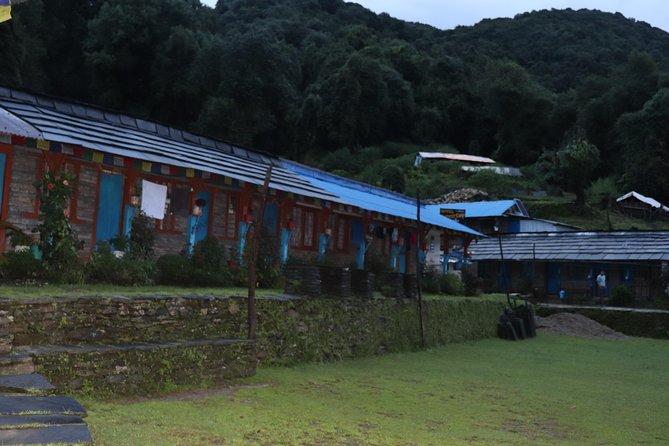
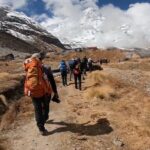
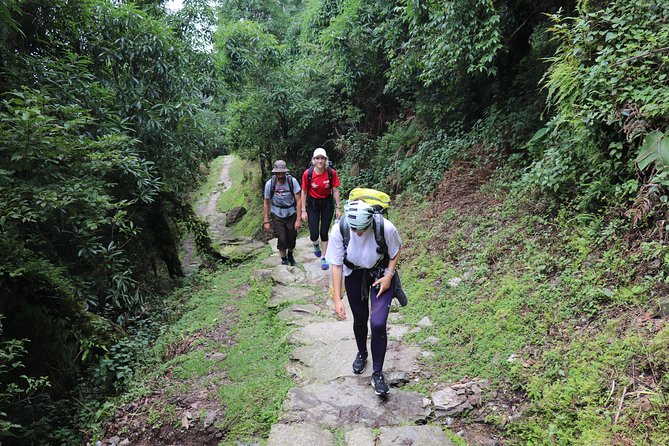
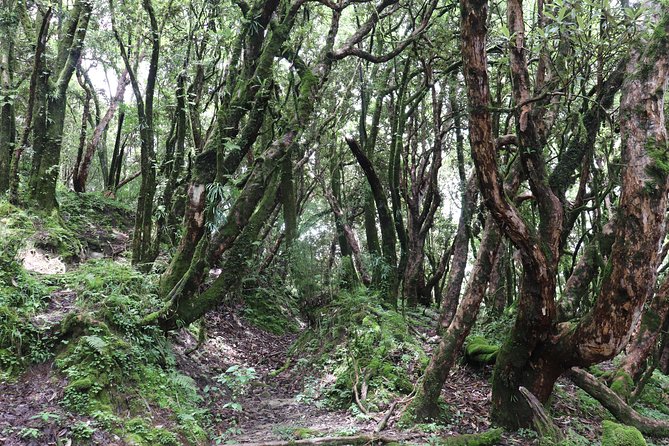
Day 2 is built for a different kind of hiking: walking through the jungles of the Annapurna Conservation Area with lots of trees and a quieter mood. The route runs about 6 hours, and you’re trekking toward Badal Dhanda after breakfast.
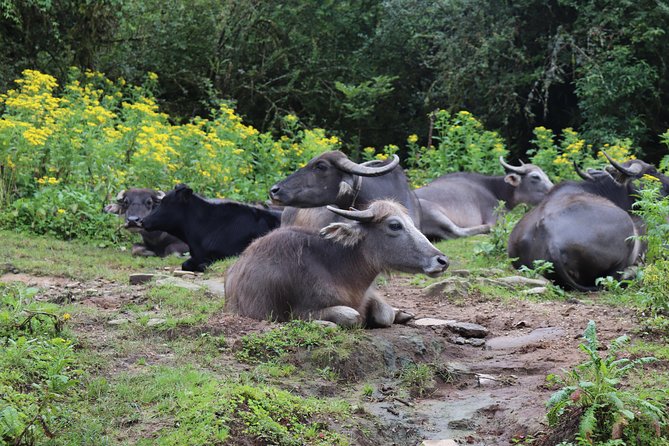
This is the day where the experience feels less like a checklist and more like being in the hills. You’ll pass through forest sections where silence is part of the deal. Depending on season and conditions, you might spot wildlife—but the bigger point is the atmosphere: shaded walking, birds in the trees, and a slower mental pace.
One small practical note: jungle trails can feel muddy or slippery even when the weather looks decent. If you’ve only packed trail runners for trekking, I’d think twice. You don’t need technical gear, but you do want dependable footing.
High Camp Day: When the Views Start Expanding Fast
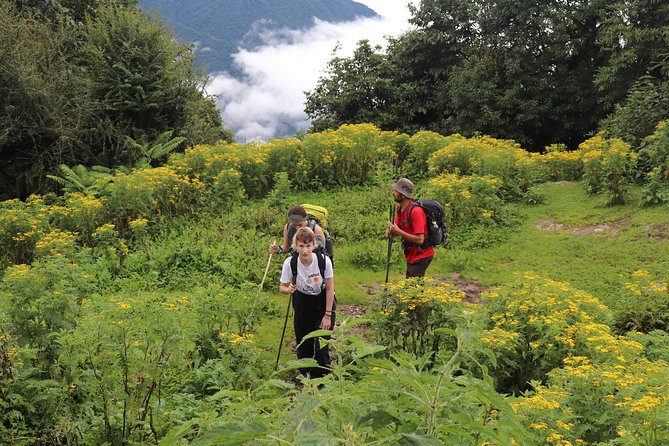
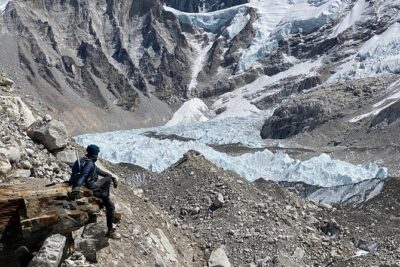
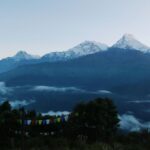
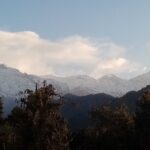
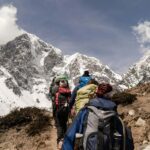
Day 3 shifts gears. After breakfast, you hike on toward High Camp, a journey that typically takes about 4 to 5 hours. This is the day the horizon starts opening up—think 360° perspectives across the Annapurna Conservation Area and Himalayan peaks.
What makes High Camp special on this trek is that it’s not just “another camp.” It’s your visual payoff. The trail angle plus rising elevation gives you those wide views that make you stop walking more often than you planned. Even if the sky isn’t perfectly clear, the perspective itself tends to feel like a reward for the effort.
In a shorter trek, this kind of view-based pacing is a smart design. You get a major scene mid-trip rather than waiting until the final day. That reduces the risk of disappointment if weather turns later.
Mardi Himal Base Camp for Sunrise: The Early Alarm That’s Worth It
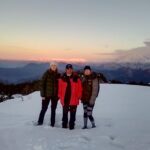
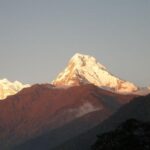
Day 4 is the one that most people remember, mostly because it begins before dawn. You start around 4:00 to 4:30 AM and head toward Mardi Himal Base Camp to catch sunrise. The hike is about 6 hours in total.
The plan is straightforward: reach base camp in time, watch the light break over the peaks, and then enjoy the views while the morning air is still crisp. If timing doesn’t line up—especially with fog or slower walking—you’ll go to a nearby viewpoint for the best available mountain views.
Fog is a real factor here. One of the most helpful pieces of guidance you can take from past groups is that early conditions might be cloudy at first, but the day can still end well once you climb into clearer sightlines. In other words: don’t panic if the first hour looks grey.
Also, sunrise mornings are cold. Even when daytime temps feel mild, you’ll feel the chill before the sun climbs. Bring layers you can add fast and take off fast, not just one heavy sweater.
Head Back to Pokhara: The Day When Legs Feel It
Day 5 brings you back to Pokhara with an early departure. You trek to Sidhing and then catch your ride back to Pokhara from there. Expect about an 8-hour day, which is longer than the middle days.
This is normal: the last day often includes longer walking time plus travel time to get you fully back to Pokhara. It also means you should plan your evening back in town like a real human—shower, food, rest, and don’t schedule anything that requires rocket-like energy.
If you’re the type who likes a final shop stop or a lakeside stroll, you’ll appreciate getting an early return. You’ll still feel tired, but you’ll have daylight left for a proper decompression.
Why This Trek Feels Like Good Value at $480
At $480 per person for an approximate 5-day trek, the value comes from how much is handled for you, not just from the headline price.
Here’s what’s included:
- Permits: TIMS plus Annapurna Conservation Area Project (ACAP)
- Food and accommodation on the trek (tea house style, including multiple breakfasts, lunches, and dinners)
- Private transportation
- All fees and taxes
- Pickup offered, plus a mobile ticket
What’s not included:
- Trekking equipment
- Porter services
- Personal expenses
The practical way to look at it: you’re paying for time-saving logistics and the core “run of the trek” costs—meals, beds, and permits. Since permits (TIMS and ACAP) matter for staying compliant, having them included helps you avoid guesswork.
The one thing to budget mentally: gear and comfort items. You can show up with decent basics and be fine, but you’ll want proper footwear and weather-ready layers. Since trekking equipment isn’t included, that’s on you.
Guides and Pace: Where Comfort Turns Into Confidence
A big reason Mardi Himal trips earn strong praise is the guide style. People consistently highlight guides like Madhav and Madu for doing two key things: listening to what the group needs and then adjusting the plan to match.
That might sound like a soft promise, but it matters on a short trek. When you’re only out for 5 days, you can’t afford to waste energy by pushing too hard one day and paying for it the next. Guides who manage pace help you keep momentum without turning the trip into a grind.
There’s also praise for how guides bring the trek to life—sharing culture and nature context along the way. Add porter support (for example, Gopal is mentioned in past trips), and the experience feels smoother because your main job is walking and enjoying.
If you have any concerns—knee pain, shortness of breath, stamina limits—this is exactly the kind of trip where speaking up early pays off.
What to Pack (Because Equipment Isn’t Included)
This trek doesn’t include trekking equipment, so I’d treat packing as part of the trip planning, not an afterthought. At minimum, you’ll want:
- Sturdy footwear for uneven, possibly slick trail
- Layering clothes for cold pre-dawn trekking
- Rain protection (mountain weather changes fast)
- A small daypack for water and snacks
If you’re trekking without a porter, pack lighter than you think you need. Since the walks range from about 5 to 8 hours most days, heavy bags turn into wasted energy.
Who This Trek Suits Best
This is a strong match if you want:
- A short trek that still feels like a real mountain journey
- Views that hit before the final day (High Camp helps)
- A route that tends to feel quieter than the most crowded base camp options
- Tea house lodging and included meals, so you don’t have to carry a full setup
It’s also a good fit for groups who value guidance. Since this is a private tour/activity, you’re not stuck in a huge mix-and-match crowd. You can move at a pace that actually feels right for your group.
The one group I’d caution: people who struggle with early mornings or who don’t do well with sustained uphill walking. You don’t need to be an athlete, but you should be able to handle moderate physical fitness and multiple long walking days.
Should You Book Mardi Himal Base Camp for 5 Days?
I’d book this trek if you want maximum mountain payoff with minimal time. The combination of included permits (TIMS + ACAP), tea house comfort, and a sunrise push gives you a very complete experience in about 5 days.
I’d think twice if your trip timing is inflexible and you’re traveling during a period when you expect heavy fog—because sunrise views depend on weather. You do have a backup plan to a viewpoint, but you’ll still feel the weather impact.
If you’re someone who likes quiet trails, early mountain starts, and a guide who adapts to your pace, Mardi Himal is a smart choice—especially because it offers big Himalayan scenes without the crowd pressure of more famous base camp routes.
FAQ
What does the $480 per person price include?
It includes all fees and taxes, private transportation, permits (TIMS and Annapurnace Conservation Area Project/ACAP), food and accommodation on the trek, and meals during the trek (lunches, dinners, and breakfasts as listed). Trekking equipment, porter services, and personal expenses are not included.
Do I need a permit for this trek?
Yes. The trek includes permits: TIMS and the Annapurnace Conservation Area Project (ACAP).
What kind of lodging and meals can I expect?
You’ll stay in local tea houses on the trek and have meals included (breakfast, lunch, and dinner across the trekking days listed).
How physically demanding is the trek?
It’s listed for travelers with moderate physical fitness. You’ll typically be walking about 5 to 8 hours on trekking days, including a pre-dawn start on the sunrise day.
Are pickup and private group arrangements included?
Pickup is offered, and it’s a private tour/activity, meaning only your group participates.
What if the weather is bad or plans change?
The experience requires good weather. If it’s canceled due to poor weather, you’ll be offered a different date or a full refund. There’s also free cancellation up to 24 hours in advance for a full refund.