REVIEW · POKHARA
Private 7 – Day Annapurna Base Camp Trekking
Book on Viator →Operated by Nepal Alternative Treks & Expeditions Pvt. Ltd. · Bookable on Viator
Annapurna Base Camp feels closer when it’s private. I like the private pacing this trek uses for your group, plus the all-in trek support that handles guide, porter, permits, and tea-house lodging. The main thing to consider is physical effort: this route includes long hiking days and lots of stairs, so you’ll want solid stamina.
This is also a very view-forward itinerary. You’ll start with mountain views from terrace breakfast in Pokhara-area stops, and then reach the big payoff: a day at Annapurna Base Camp with 360-degree panoramas. The added bonus is village life along the way, not just scenery from afar.
For logistics, you get picked up in Pokhara and moved by jeep for key sections, so you spend your energy on walking. ACAP permits are included, and you even get trekking extras like a map, duffle bag, and water purification support. Just plan to bring your own travel insurance, since it’s not included.
In This Review
- Key Highlights Worth Booking
- What $625 Really Buys: Private Support and Permits
- Day 1: Pokhara Lakeside to Chhomrong by Jeep and Terrace Views
- Day 2: Chhomrong Steps, a River Bridge, and Sinuwa to Bamboo
- Day 3: Bamboo to Deurali Area via Dovan, the Weeping Wall
- Day 4: Into Alpine Forests and Up to Annapurna Base Camp
- Day 5: Annapurna Base Camp Exploration and 360-Degree Mountain Views
- Day 6: Bamboo Forests, Sinuwa Ridge, and Jhinu Danda Hot Springs
- Day 7: Samrung and the Private Jeep Back to Pokhara
- The People Factor: Guides, Porters, and That Extra Care
- Safety Stuff That Isn’t Just Marketing
- Who Should Book This Private ABC Trek
- Should You Book This Private 7-Day Annapurna Base Camp Trek?
- FAQ
- Where does the trekking start and end?
- What time does the trek begin?
- Is this trek private?
- What does the price include?
- What is not included in the trek price?
- Do I need travel insurance?
- How much hiking time should I expect?
- Is there transportation included?
- Are permits handled for me?
- Can I cancel for a full refund?
Key Highlights Worth Booking
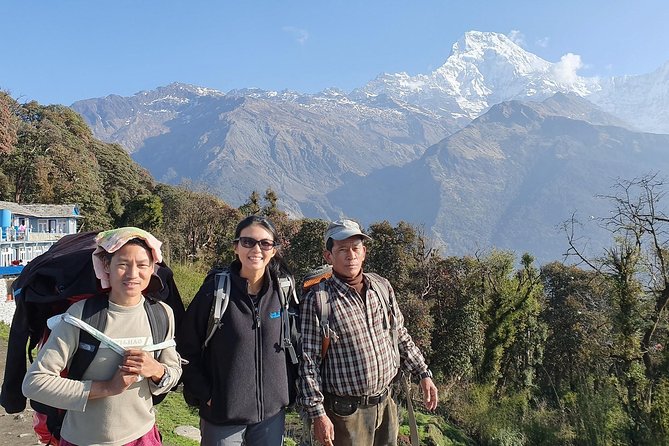
- Private trek for your party with guide and porter included
- Guide + porter fees covered so you can relax and focus on the trail
- Meals and lodge accommodation included during the trek
- ACAP and necessary permits handled
- Oxygen saturation and water purification support included
- Emergency rescue evacuation assistance included
What $625 Really Buys: Private Support and Permits
At $625 per person, the value here is less about a low sticker price and more about what you’re not managing. You’re getting the human support (a government registered guide and porters) plus the boring paperwork and gear basics that often cause headaches.
Here’s what’s included on the trek: lodge accommodation, and meals (breakfast is listed for 7 days; lunch and dinner for the trek days). You also get the core access stuff: ACAP and necessary permits, plus a trekking map and practical extras like water purification support and a duffle bag.
There’s also an actual safety layer. The package includes oxygen saturation support and assistance for emergency rescue evacuation, plus public liability insurance. That doesn’t remove risk at altitude, but it does mean you’re not hiking completely on your own.
What’s not included is important for your budget planning: travel insurance, tips for guide and porter, and hotel nights in Kathmandu and Pokhara (if you need them). If you’re not bringing insurance, this is the one line item I’d never skip.
You can also read our reviews of more tours and experiences in Pokhara.
Day 1: Pokhara Lakeside to Chhomrong by Jeep and Terrace Views
Your day begins at the Pokhara Lakeside meeting point, starting at 8:15 am. You’ll be on the move early, and the trek opener includes a jeep ride of about two and a half hours.
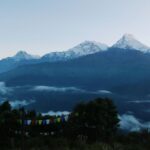
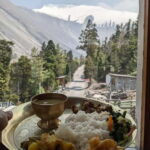
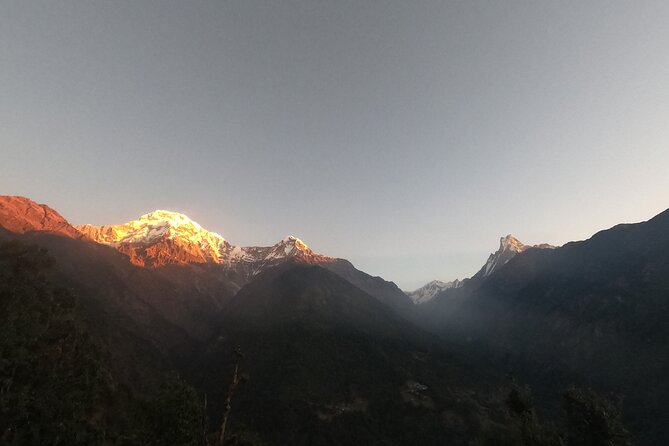
The first morale boost comes right at breakfast, with a terrace overlooking dramatic peaks like Annapurna I (8091m) and Machhapuchhre (6997m). This matters because it sets expectations: you’re not just walking in “the mountains,” you’re walking in the Annapurna amphitheater.
Chhomrong is a classic starting zone for people going toward Base Camp. It gives you village energy and a sense of how quickly the scenery turns real. The only drawback is that Day 1 still starts with travel time, so it’s not the easiest “gentle warm-up” day.
Day 2: Chhomrong Steps, a River Bridge, and Sinuwa to Bamboo
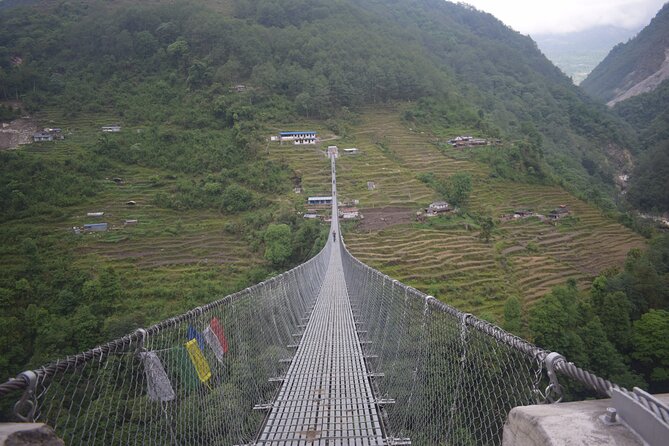
Day 2 is where the trek rhythm clicks. You begin with a descent of about 2,500 stone steps, then cross a bridge above Chhomrong Khola. It’s a good reminder that this route mixes up and down constantly, not just one long climb.
After that bridge, you’ll work into an uphill segment to Sinuwa. You stop for lunch in Sinuwa, then keep walking to Bamboo for overnight. The Bamboo stop is valuable because it’s a practical staging point for the higher, colder feel that comes later.
If you’re thinking about comfort, this is the day to pace your breathing. Long stair descents can wear your legs out in a hurry, even when the views are gorgeous.
Day 3: Bamboo to Deurali Area via Dovan, the Weeping Wall
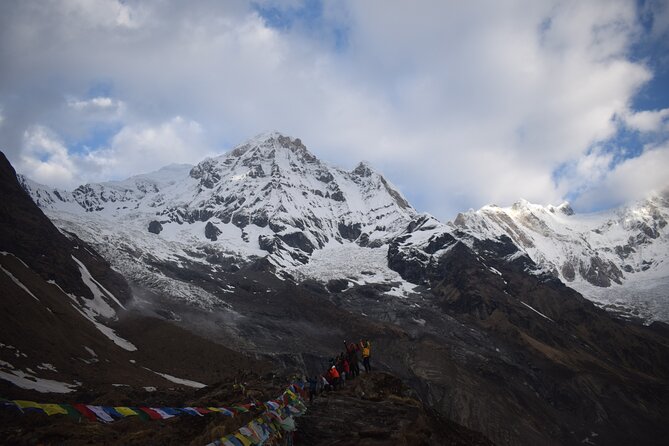
From Bamboo, the trek climbs toward the Himalaya Hotel area, and the day is full of “trail character.” You pass through Dovan, then follow a scenic route that includes the famous local features on the way, including the weeping wall and a local shrine.
This kind of detail matters more than people think. When a trail has landmarks like shrines, rock formations, and distinct forest stretches, it’s easier to track your progress and stay mentally engaged during steady uphill work.
You’ll finish the day near the Deurali-area lodging zone. That means you’re moving closer to the harsher, higher feeling of the route, so you’ll want to keep layers and hydration habits consistent.
Day 4: Into Alpine Forests and Up to Annapurna Base Camp
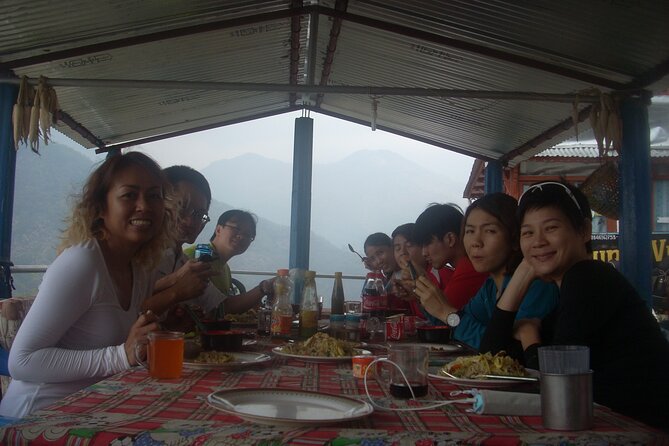
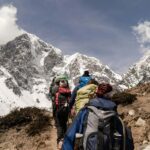
Day 4 is described as a solid climb starting from Deurali. The trail goes alongside the Modi River, and you’ll pass through alpine forests, then hit sections that feel colder and sharper as you gain altitude.
You also get trail markers that add to the sense of place, including neatly decorated stacks of rocks along the route. There’s mention of passing an icy cave, which is exactly the sort of feature that tells you you’re in the higher Annapurna zone, not just hiking in “nice weather.”
This is the day where your pace choice is everything. Because it’s private, you can keep moving at a speed that fits your body instead of matching someone else’s stride. I like that this itinerary is built around your group doing the work at your own pace, not sprinting toward a timetable.
Day 5: Annapurna Base Camp Exploration and 360-Degree Mountain Views
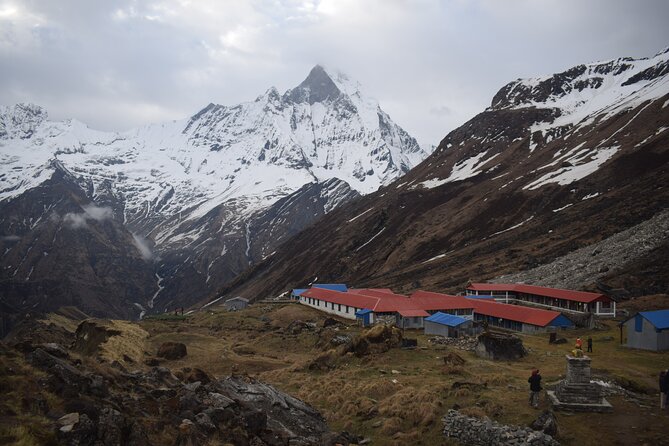
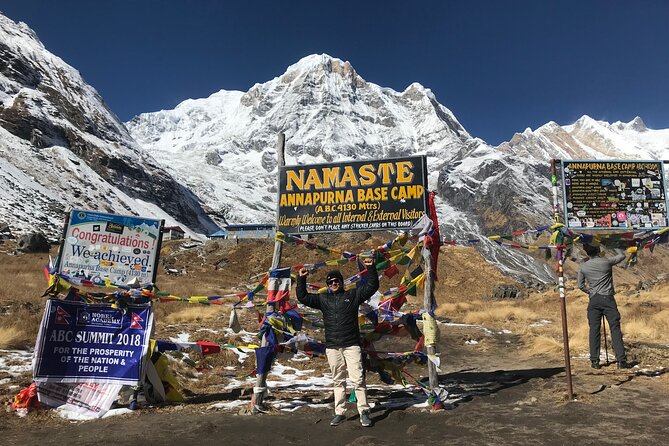
Day 5 is the payoff day: leaving the trek-lodge rhythm behind, you’ll spend time exploring Annapurna Base Camp itself.
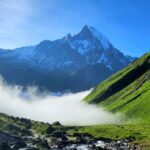
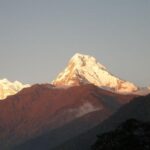
The highlight here is the panoramic 360-degree view of the mountains in the high altitude region. You’ll also get a focused look at the Annapurna massif and surrounding peaks, which is exactly what most people come for.
This is also a smart day to slow down. Base Camp can feel busy, even when you’re not in a crowd, because everyone wants the same photo spots. You’ll enjoy it more if you treat it like a rest-and-recharge day: steady water intake, slow walking for the viewpoints, and a little extra warmth when the wind picks up.
Day 6: Bamboo Forests, Sinuwa Ridge, and Jhinu Danda Hot Springs
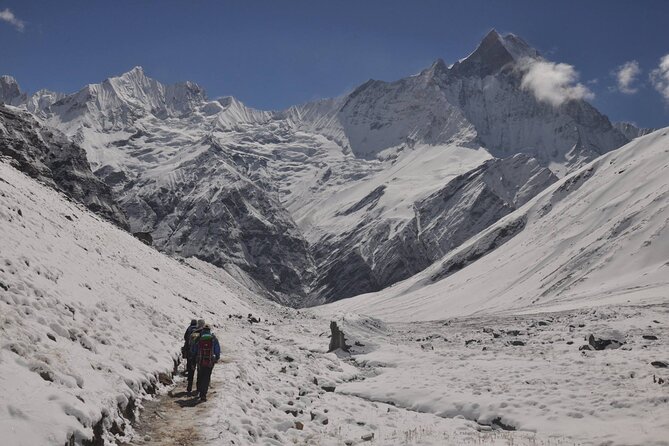
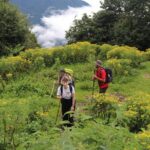
The return leg starts from Bamboo and heads through lush bamboo forests. You’ll walk along a narrow ridge toward Sinuwa village, then shift from ridge travel into a downhill toward the Chhomrong River area.
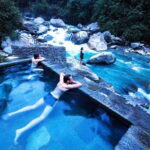
Day 6’s named reward is Jhinu Danda hot spring. After a day of hiking, this is one of the most practical ways to take the edge off tired legs. It’s not a luxury spa, but it can do a lot for comfort when you’ve been using your calves and knees for days.
Because you’re heading downward and back toward Chhomrong, you’ll want to watch your footing and keep your descent pace controlled. Going down can be harder on your body than going up.
Day 7: Samrung and the Private Jeep Back to Pokhara
You finish with another terrace-style morning, again framed by Annapurna I and Machhapuchhre in the breakfast view. Then you take a short walk to Samrung before switching into road transport.
From there, you’ll use a private jeep back to Pokhara, and the experience ends back at the original meeting point. It’s a clean wrap-up that helps your day feel like closure instead of a long “one more climb” ending.
If you want a smooth final day, this structure is a win: you end with walking that’s manageable and a jeep ride that gets you off the trail before your legs fully beg for mercy.
The People Factor: Guides, Porters, and That Extra Care
This trek’s biggest strength is the human setup: you travel with a guide and porter, and their fees are included. That changes the whole vibe. It’s not just logistics; it’s decision-making support, pacing, and help when the trail or conditions get tricky.
From past trekkers, you’ll see names that pop up repeatedly as guide-team leaders, including Sanjay, Amar, Laxman, Andrea, Ritika, Kumar, and Min. Porters have included people like Surya, Ram, and Ramesh. Your team may be different, but the pattern is consistent: strong local path knowledge and practical care.
Flexibility is also part of the package. Multiple experiences describe changes to the itinerary to fit needs, which is a big deal on a trek where weather and energy levels can shift day to day. Even when your plan stays intact, the ability to adjust is comforting.
Safety Stuff That Isn’t Just Marketing
Altitude trekking is about risk management, not fear. What I appreciate in this package is that safety is treated as practical rather than vague.
You get oxygen saturation support included, along with water purification support. That combination helps you monitor how you’re doing and reduces the chance that stomach issues will derail your acclimatization plan.
You also get ACAP permits handled, plus emergency rescue evacuation assistance included. That matters because it means someone is thinking about worst-case scenarios in advance.
Still, you should be honest about what you personally control. Travel insurance isn’t optional here. You should also bring layers and take the trail seriously on icy or shaded sections.
Who Should Book This Private ABC Trek
This is a great fit if you want:
- A private trek where your pace matters
- Included permits, meals, and lodge nights (less planning stress)
- A route with both Base Camp views and village walking
- A trek that’s physically moderate but not “easy” (you need to hike)
It may be a poor fit if you dislike stairs and long walking days. The schedule shows hike time ranging from about 5 to 8 hours on multiple days, and the trail includes steep step sections early on.
If you’re coming primarily for the scenery and not the grind, keep expectations realistic. This trek gives you the payoff, but it earns it.
Should You Book This Private 7-Day Annapurna Base Camp Trek?
I’d book it if you value support and simplicity. For $625, the deal is strongest when you look at what’s included: guide and porter fees, lodge meals and lodging, permits, transport, and practical safety support. You also get the emotional upside of privacy, which lets you move at a comfortable pace instead of negotiating a group rhythm.
I’d pause if you’re not ready for physical climbing and lots of stair-walking, or if you haven’t lined up travel insurance. Also, remember the experience requires good weather, and there are weather-related date options if conditions force a change.
If you want a well-run private trek toward Annapurna Base Camp with real local support and less logistics work on your plate, this one is worth serious consideration.
FAQ
Where does the trekking start and end?
It starts at the Pokhara Lakeside meeting point and ends back at the same meeting point.
What time does the trek begin?
The start time is 8:15 am.
Is this trek private?
Yes. It is a private trek/activity, and only your group participates.
What does the price include?
The package includes a government registered trekking guide and porters (their fees and all expenses), lodge accommodation along the trek, meals and accommodation on trek days, ACAP and necessary permits, overland transportation as noted in the itinerary, a trekking map, oxygen saturation, water purification, a duffle bag, and assistance for emergency rescue evacuation. It also includes government tax/service charge and public liability insurance, plus breakfast (7), lunch (6), and dinner (6).
What is not included in the trek price?
Hotel accommodation in Kathmandu and Pokhara, travel insurance, and tips for the guide and porter are not included.
Do I need travel insurance?
Yes. You should get travel insurance before you go.
How much hiking time should I expect?
The itinerary lists approximate durations: Day 1 about 3 hours, Day 2 about 6 hours, Day 3 about 5 hours, Day 4 about 5 hours, Day 5 about 8 hours, Day 6 about 6 hours, and Day 7 about 3 hours.
Is there transportation included?
Yes. Overland transportation is included as per the itinerary, including jeep rides at the start and during the return.
Are permits handled for me?
Yes. ACAP and necessary permits are included.
Can I cancel for a full refund?
Yes, there is free cancellation up to 24 hours in advance for a full refund. If weather cancels the experience due to poor conditions, you’ll be offered a different date or a full refund.