REVIEW · POKHARA
Annapurna Base Camp Trek -8 days
Book on Viator →Operated by Trekking Planner Nepal · Bookable on Viator
Annapurna Base Camp in a week sounds impossible, until you do it. I love how this short trek gives you big Himalayan views without needing a long expedition, and I also like the village-to-village rhythm that keeps the days active but never totally remote. One thing to keep in mind: the hiking days are long (often around 10–12 hours), and you’ll be climbing toward thin-air conditions near Base Camp.
What makes this trek work for many people is the smart build-up. You start in warmer farmland and Gurung villages, then gradually trade terraced fields for rhododendron, pine, bamboo, and finally alpine terrain—so your body has time to adapt. If you’re expecting a lazy stroll with easy grades every day, plan for the reality of steady climbs, rocky steps, and cold nights as you get higher.
In This Review
- Key highlights worth planning for
- Why do an 8-day Annapurna Base Camp shortcut from Pokhara?
- Price and logistics: what your $899 really covers
- Day 1: Pokhara to Ghandruk for your first Gurung village night
- Day 2: Ghandruk to Chhomrong via Kimrong Danda ridgeline
- Day 3: Chhomrong down through forests and bamboo toward Dobhan
- Day 4: Toward Machhapuchhare Base Camp with the Modi River corridor
- Day 5: Annapurna Base Camp at 4,130 m and the sanctuary plateau
- Day 6: Base Camp down to Bamboo and back into forest comfort
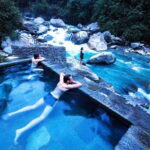
- Day 7: Return toward Chhomrong, then Jhinu Danda and hot springs
- Day 8: Jhinu Danda to Pokhara and Lake Phewa night
- Guide, pace, and why the human factor makes ABC easier
- Packing, altitude reality, and how to avoid common ABC annoyances
- Who should book this Annapurna Base Camp short trek?
- Should you book this Annapurna Base Camp short trek?
- FAQ
- FAQ
- How long is the Annapurna Base Camp trek?
- Where does the trek start and end?
- What time does the trek start?
- Is pickup included?
- What’s included in the price?
- What is not included?
- What fitness level do I need?
Key highlights worth planning for
- Short time, real altitude: reach Annapurna Base Camp above 4,130 m without committing to a long itinerary.
- Gurung villages are part of the point: Ghandruk and Chhomrong add culture, not just scenery.
- Forest changes daily: rhododendron-pine to bamboo groves to alpine bushes.
- Machhapuchhare Base Camp is a major visual step: you’ll sleep facing the Fish Tail North Face zone.
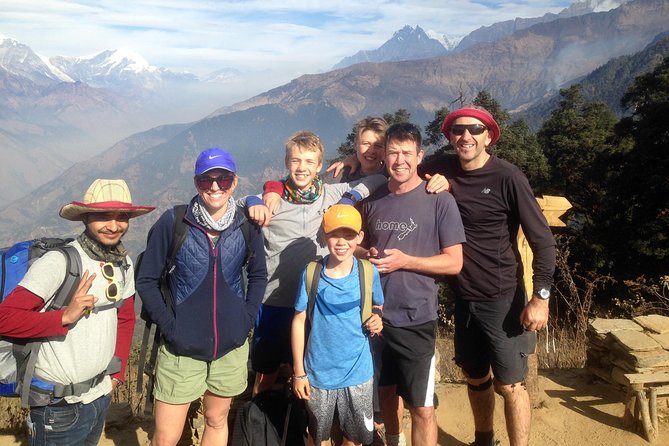
- Best-fit guides matter: multiple guides (like Binod, Anish Phuyal, Dibash, Kiran, Achyut Mishra) are praised for care and pacing.
Why do an 8-day Annapurna Base Camp shortcut from Pokhara?
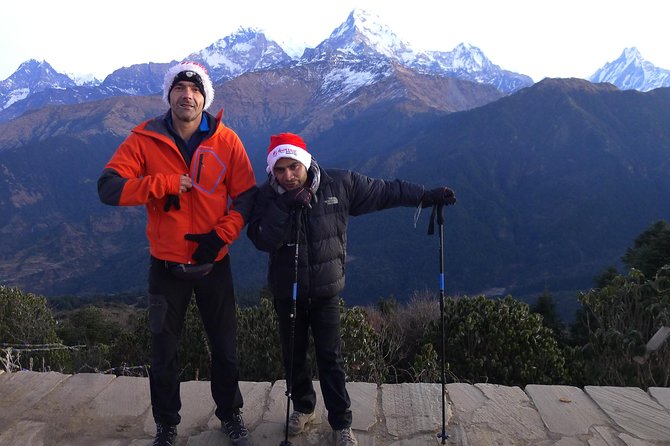
If you’ve got limited time in Nepal but still want that up-close Himalaya feeling, this is the logic-based answer. Starting from Pokhara, you work your way toward the Annapurna Sanctuary through classic trekking country—Modi River valleys, Gurung settlements, and forested trails—so the mountain doesn’t just show up on one day. It builds.
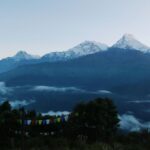
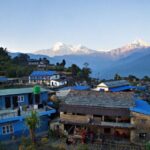
I also like that the trek gives you variety in one week. Day 1 starts with views around Machhapuchhare (Fish Tail) and Annapurna peaks from the Pokhara side, then the walking takes you uphill through terraced fields and villages. Later, you’re in dense woodland and bamboo, and then the terrain narrows toward sanctuary territory. That gradual change is one reason the trek feels achievable even though it’s still serious.
The end goal is clear: Annapurna Base Camp on a high plateau in the sanctuary, with towering peaks circling around you. You’ll spend time there with lodge comforts and a real base-camp atmosphere, not just a quick photo stop.
You can also read our reviews of more tours and experiences in Pokhara.
Price and logistics: what your $899 really covers
For $899 per person, you’re not just paying for a route—you’re paying for organization and support that matters at altitude. This package includes national park entrance fees and a TIMS card, a paid English-speaking guide, and a first aid kit box. You also get emergency evacuation service arranged through the plan.
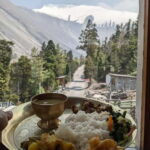
Food is handled during the trek (breakfast 8 days, lunch 8 days, dinner 7 days), and lodging is included for the trekking nights. You’ll also have the vehicle transfer Pokhara to Nayapul to Pokhara, which keeps the start and finish efficient.
A couple of details are worth noticing. You’ll also receive a trekking planner’s T-shirt and cap, plus duffle bags and maps for both city and trekking routes. And since it’s private, you’ll move as your group, not as part of a big shared crowd.
What’s not included is also important: meals and accommodation in Kathmandu and Pokhara, travel and health insurance (including helicopter evacuation insurance), and personal costs like phone calls, laundry, and beverage bills. You’ll want to budget for that separately so the trip doesn’t get pricey at the last moment.
Day 1: Pokhara to Ghandruk for your first Gurung village night
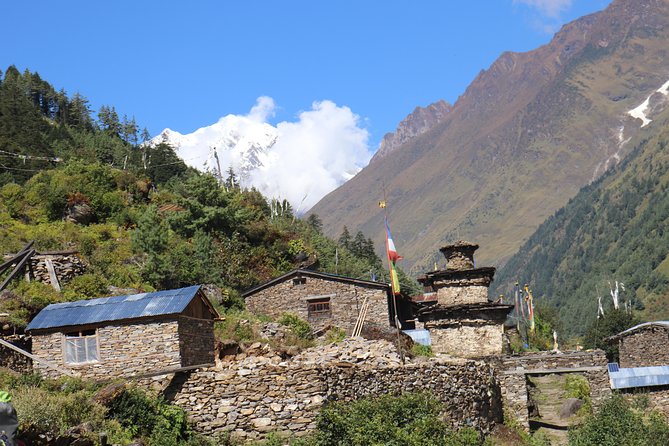
The day starts with an early jump into trekking mode. After breakfast in Pokhara, you drive beyond the city to start the walk, so you don’t waste your first day stuck in transfers.
Your first main stop is Ghandruk, a Gurung village with that classic Annapurna-region look: mountain views, stone steps, and trails that feel like they’re made for steady legs. The route goes through warmer farm areas and towns, then follows the Modi River briefly before turning into uphill stone steps to reach Ghandruk.
This is one of the best “first taste” days because it’s scenic without being a total endurance test. You also get time at the village itself, which matters because trekking in the Annapurna region isn’t only about peaks. It’s about the people living alongside them.
Overnight lodging here is described as comfortable, with views of Annapurna peaks. That’s a big deal on Day 1—after a drive and a hike, you want a calm place to settle and get your bearings.
Day 2: Ghandruk to Chhomrong via Kimrong Danda ridgeline
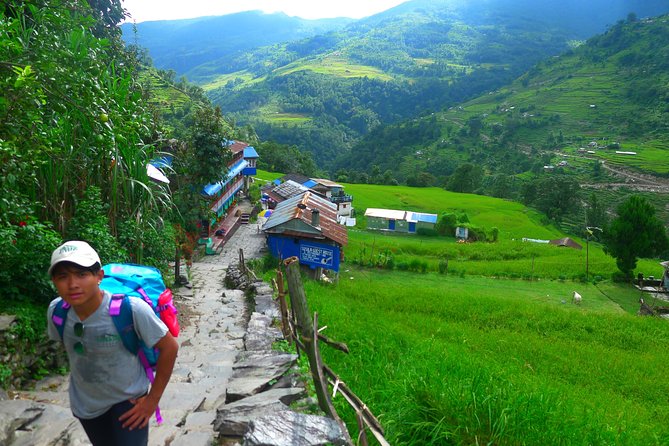
Day 2 is where the hike starts feeling more “trekking” than “getting started.” From Ghandruk, you walk up from the village top and then take a gradual path before the route picks up toward a climb to Kimrong Danda (the ridge). Along the way, you’ll see tea-house and lodge options, which can make breaks easier to manage.
Then comes a pattern you’ll see again on this trek: short downhill into a river valley, followed by another climb. You descend toward the Kimrong River valley and its farm village, and then you climb for about an hour or more to reach higher ground.
After that, the trail winds above Chhomrong village. The climb is described as paved with fine stone work, which can be a relief when footing gets tricky. From there, you do a short descent into Chhomrong, another large Gurung village.
One practical reason to like Chhomrong as a Day 2 stop: it sets you up for a smoother mental transition. It’s still village life, but it’s clearly higher and closer to the wilder trekking country coming next.
Day 3: Chhomrong down through forests and bamboo toward Dobhan
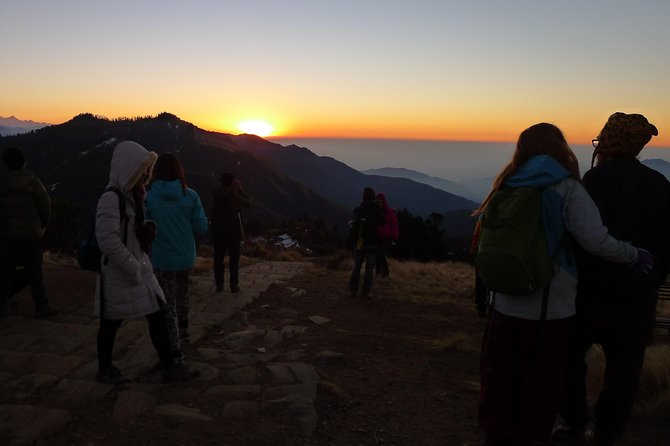
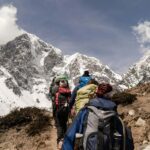
By Day 3 you’re in that “this is why I came” zone: deeper forest, river gorges, and less exposure to open farmland. The route begins by crossing a bridge over the Chomrong River, then climbs toward Sinuwa Danda (ridge), again with tea houses and small shops for a quick reset.
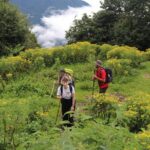
After that ridge, the trail becomes more enclosed. You’ll hike into forested ups and downs and then descend into dense woodland with bamboo groves. The day’s stop is around Bamboo (a small settlement designed for trekkers), where lodges cluster in a river gorge surrounded by rhododendron, pine, and bamboo.
From Bamboo, you continue with gentle ups through woods to reach Dovan for the overnight stop. Dovan is described as small and remote, with only a few lodges—so this is less about comfort and more about the feeling of being in the trail system’s quieter pocket.
This day is a good reminder: not every memorable moment at ABC is a sweeping peak view. Sometimes it’s the cool shade of bamboo and rhododendron while you hike.
Day 4: Toward Machhapuchhare Base Camp with the Modi River corridor
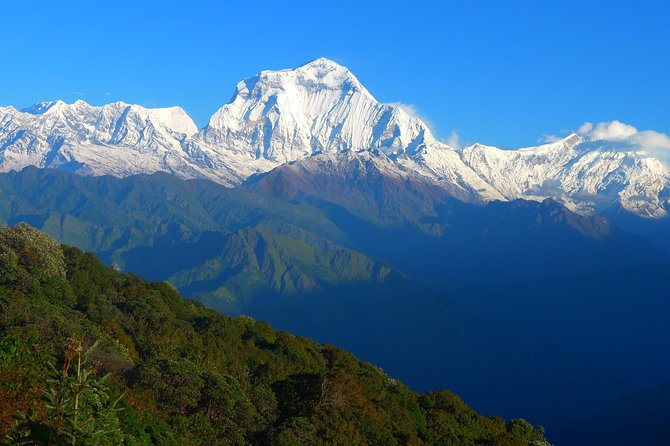
Day 4 is a major stepping stone because it brings you much closer to the Annapurna aim. The route heads through winding ups in forest, passing a lonely-feeling landmark called Himalaya Hotel, located next to the overhanging cave Hinko (right beneath Annapurna South and Hiunchuli peaks).
Then you move down near the Modi River, followed by a short climb to Deurali, where tall trees stop and alpine bushes start. That tree-line change is one of those trekking “signals”—your body notices the shift even before the views hit.
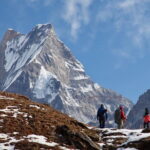
From Deurali, the trail follows the Modi River uphill right up to Machhapuchhare Base Camp. Overnight here is positioned at the bottom of the Fish Tail North Face zone of Machhapuchhare.
Practical tip: days like this can feel mentally long, even if the route isn’t the steepest. The guide’s pacing and your own break strategy matter more than you’d think. If your legs are tired, take short, frequent pauses rather than saving energy for one big stop.
Day 5: Annapurna Base Camp at 4,130 m and the sanctuary plateau
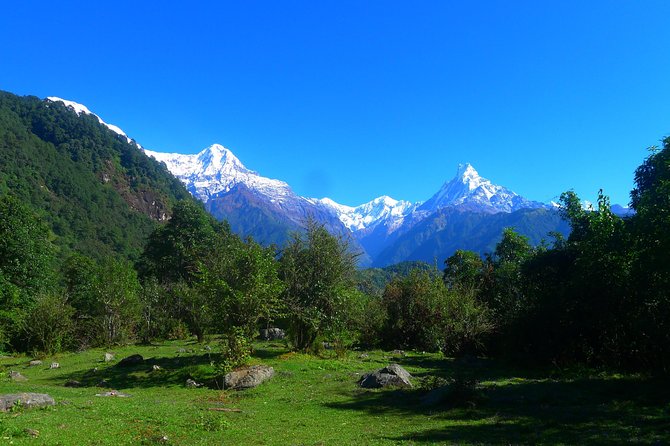
This is the day your map turns into reality. The hike described for Day 5 is an easy and short morning walk to Annapurna Base Camp. From Machhapuchhare, you move into Annapurna Sanctuary, with the trail leading to a huge field or plateau area.
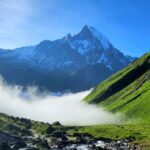
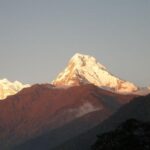
The destination comes with that big visual moment: you reach the welcome signpost of Annapurna Base Camp, then arrive at the high point above 4,130 m, under towering Mt. Annapurna and nearby peaks including Vara-Shikar, Gangapurna, and Annapurna South.
What I’d plan for here is time, not speed. At ABC, you’re at a high elevation where every extra movement feels heavier. It’s also cold and exposed, so having lodge options matters. The base camp lodge experience is described as cozy, with a food menu and rooms facing amazing views—so you can refuel without leaving the core zone.
The best part of this day is that ABC doesn’t feel like a rushed checkpoint. It feels like you’ve arrived at a working base-camp scene, with time to rest, eat well, and stare long enough that peak shapes start to make sense.
Day 6: Base Camp down to Bamboo and back into forest comfort
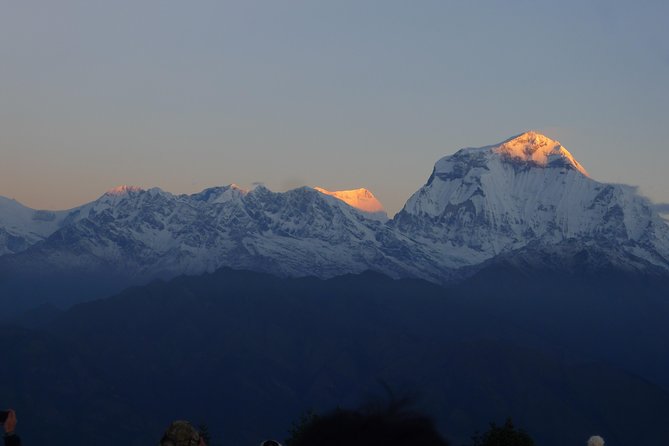
Day 6 is a clever kind of reset. After staying at base-camp territory, you head downhill (with short ups) for nearly six hours to reach Bamboo again, returning into tall vegetation.
This is where your body gets a payoff from the earlier altitude work. ABC is colder and feels more exposed; dropping back toward forests helps you recover while still keeping the hiking routine.
What makes the day valuable is the contrast. You’re going from a sanctuary mood—high, windy, crisp—to a river-and-forest walking feel. Bamboo is also the kind of stop that keeps your logistics simple: small settlements, lodges, and a familiar trekking rhythm.
Don’t treat this day as easy just because you’re descending. Long days can still drain you, and if the group is moving early, you’ll want to stay hydrated and not rush your breathing. Let the guide set the pace, especially if you’re still adjusting after Day 5.
Day 7: Return toward Chhomrong, then Jhinu Danda and hot springs
Day 7 is about getting back down while adding one of the most enjoyable rewards in the region: natural hot springs. The plan includes returning to Chhomrong with ups and downs, then branching onto a fresh trail toward Jhinu on a ridge.
Jhinu is described as having grand scenery over rolling hills and mountains. And the hot springs are close—about half an hour downhill to the pools by the Modi River.
This is the day you’ll feel your trek in a new way. After several days of climbs and altitude, the idea of soaking matters. It turns a tough day into something you’ll remember more than yet another view.
If you want to make the hot spring time work well, keep your layers ready. The hike down can be cool and damp, and once you arrive you’ll want to settle quickly and comfortably.
Day 8: Jhinu Danda to Pokhara and Lake Phewa night
On the final day, the walking shifts toward lower, warmer areas and paddy-field terrain. That change is gradual and helps you transition out of trekking weather into more normal Nepal travel life.
The route includes a pleasant downhill walk through farm country, then a scenic drive back to Pokhara for an overnight near Lake Phewa.
This is a practical finish: you’re not rushed to catch trains or juggle complicated transfers. You can get a meal, do a little souvenir shopping if that’s your thing, and enjoy the lake views with less physical strain than a post-trek day that’s still all uphill.
Also, a nice detail: the plan states a start time of 8:15 am and pickup offered, so the schedule is structured from the first morning.
Guide, pace, and why the human factor makes ABC easier
The biggest theme across the feedback is simple: a good guide makes a hard trek feel safe and manageable. Names show up again and again—Binod gets praised for care and competence, Anish Phuyal is singled out for professionalism and thoughtful guidance, and Dibash is appreciated for respecting slower walkers’ pace rather than pushing.
You’ll also see praise for Kiran and porter support like Kisan, with attention to comfort and keeping the group moving at the right speed. There’s even mention of guides adding small morale tools—like games during the trek—because trekking days can be mentally fatiguing, not just physically challenging.
This matters for you because altitude hiking isn’t only about legs. It’s about breathing rhythm, step tempo, knowing when to rest, and staying calm when the weather shifts.
Here, the package supports that with an English-speaking guide, a first aid kit, and an arranged emergency evacuation service. If you’re trekking for the first time, this extra layer can reduce the stress that comes from uncertainty—especially on days like the approach to Machhapuchhare Base Camp and the Base Camp morning climb.
Packing, altitude reality, and how to avoid common ABC annoyances
Based on the route shape, you should pack for big temperature swings. You start in warmer farmland zones, then move into forests, then alpine bushes, and finally sanctuary conditions near the high plateau. Base Camp is above 4,130 m, and the plan even describes an arctic-zone climate there—so expect cold, wind, and likely chilly mornings.
The trek includes lodge stops, but you’ll still want your own comfort basics: layers you can adapt during climbs, a warm hat and gloves for higher altitude evenings, and a strategy for staying dry on the trail. If boiled water is not included in the package, plan to pay for it on your own, as it’s listed under personal expenses.
Long days are another reality. Several days are shown as running around 10–12 hours. That means you should start each morning feeling prepared—snacks that you tolerate, water plan, and a pace that doesn’t burn you out early.
And here’s a small but real comfort tip: the lodge experience varies by location, so don’t assume every overnight will feel the same. If you treat your Day 6 return to Bamboo as your “recovery day,” you’ll likely feel more human when hot springs roll around.
Who should book this Annapurna Base Camp short trek?
This trek fits best if you want the Annapurna Base Camp goal but can’t spare a long stretch of time. It also works well if you like a route that mixes villages and nature—Gurung settlements, river gorges, and multiple forest types—rather than only high-altitude exposure.
You’ll probably enjoy it most if you have moderate physical fitness and you’re willing to handle long hiking days. The plan is designed for travelers with moderate fitness, and it includes private guiding and support to help keep things manageable.
If you’re traveling solo, the private structure can still feel reassuring because you’re not squeezed into a big group rhythm. And if you’re with friends or family, the pacing decisions become even more important—having an experienced guide and porters can make the difference between frustration and a smooth experience.
Should you book this Annapurna Base Camp short trek?
If your priority is reaching Annapurna Base Camp in about 8 days with real guidance and lodge-based comfort, I think this is a strong match. The price includes permits, a guide, trekking meals, and key logistics like Pokhara–Nayapul–Pokhara transport, so you avoid the usual “surprise costs” that pop up when planning solo.
I’d only hesitate if you know you struggle with long hiking days or if you’re hoping for mostly easy terrain. The trek is doable, but it’s still a trek—stone steps, ridges, and high-cold nights are part of the deal.
One smart decision rule: if you can commit to a steady pace (and let your guide steer it), you’ll likely come away feeling proud and relaxed at Base Camp—not wiped out.
FAQ
FAQ
How long is the Annapurna Base Camp trek?
The trek is listed as 8 days (approximately) from Pokhara to Pokhara.
Where does the trek start and end?
It starts in Pokhara, Nepal, and ends back at the meeting point in Pokhara.
What time does the trek start?
The start time is 8:15 am.
Is pickup included?
Pickup is offered.
What’s included in the price?
Included are national park entrance fees and a TIMS card, an English-speaking guide, a first aid kit box, trekking planner’s T-shirt/cap/duffle bags and maps, emergency evacuation service, Pokhara to Nayapul to Pokhara by private vehicle, and trek meals (breakfast 8, lunch 8, dinner 7).
What is not included?
Not included are meals and accommodation in Kathmandu and Pokhara, personal travel and health insurance (including helicopter evacuation insurance), personal expenses like laundry and phone calls, beverage bills, battery recharge, and tips for trekking crews and drivers.
What fitness level do I need?
The trek states that travelers should have moderate physical fitness.