REVIEW · SA PA
Sapa Trekking Bargains With Local Guide
Book on GetYourGuide →Operated by Chan Giang · Bookable on GetYourGuide
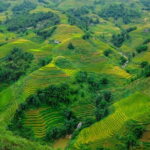
That first step off the road feels real. This Sapa trek mixes Hmong daily life with village paths you actually reach, led by local guides like Chan Giang. You’ll get a flexible route that can be adjusted for your comfort, plus an included lunch at a Hmong family spot.
What I love most is the balance: you’re walking enough to feel the mountains, but you still get cultural context without it turning into a lecture. The other big win is value for money at $19, because you’re not only paying for a guide—you also get lunch and transfers back to Sapa.
One thing to consider: it can be muddy and slippery in places, and the trek isn’t for low-fitness days. Wear the right shoes and expect walking on uneven ground.
In This Review
- Key highlights you’ll care about
- A Real-Life Sapa Trek You Can Do Without a Big Production
- Start at Sapa Stone Church: Then Drop Your Bags and Reset
- Y Linh Ho Village: Photo Stops, Off-Road Walking, and Real Small-Path Vibes
- Lunch at a Hmong Family Spot: Food With a View Beats a Packed Tourist Meal
- Lao Chai: One of the Oldest and Largest Communities You’ll Meet
- Ta Van Village With the Dzay People: Where the Day Lands Around 3 PM
- Flex Routes (5–11 km) and How the Guide Keeps You Comfortable
- The Real Value of $19: Guide, Lunch, Transfers, and Shower Time
- English That Makes Village Days Work (Not Feel Like a Listening Test)
- Who This Trek Suits Best (And Who Should Skip It)
- Tips That Make the Day Easier (So You Can Enjoy It More)
- Should You Book This Sapa Trekking Bargain?
- FAQ
- Where is the meeting point?
- What time does the trek start and end?
- How long is the tour?
- How far will I walk?
- What’s included in the price?
- Is lunch provided?
- Will the guide speak English?
- Can the trek be tailored to my fitness level?
- Is it refundable if I cancel?
- Is it suitable for wheelchair users?
Key highlights you’ll care about
- Local-led trek through villages like Y Linh Ho, Lao Chai, and Ta Van
- Flexible distances (5–11 km) and difficulty options based on your pace
- Included lunch with a local Hmong-family style meal and a scenic break
- Shower before and after (yes, a real luxury in trekking terms)
- English guidance from people like Chan Giang, with family guides such as Sung and Vu on some days
- Back in Sapa by around 3 PM, timed for catching your bus toward Hanoi
A Real-Life Sapa Trek You Can Do Without a Big Production
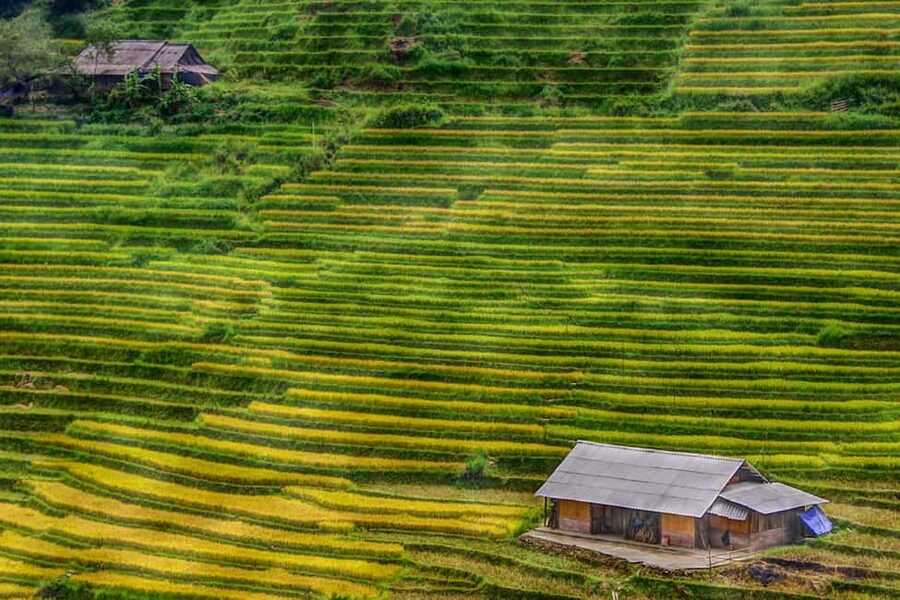
Sapa has plenty of tours that feel like a conveyor belt. This one feels different because it’s built around people’s routines—walking routes, small paths, and village stops that connect to how life works day to day.
The tone is practical. Your guide will talk you through what you’re seeing, and you’ll get time to ask questions instead of racing past everything. If you’re walking with Chan Giang, you’re also getting a guide who understands the Hmong world from the inside, not just from a script. And when the team includes family guides like Sung or Vu, the day often comes with extra warmth and local context.
If you want a trekking day that feels off the crowded route, this is the kind of plan that makes sense.
You can also read our reviews of more tours and experiences in Sa Pa.


Start at Sapa Stone Church: Then Drop Your Bags and Reset
Your day starts at 9 AM with the meeting point at Sapa Stone Church. From there, you’ll head out into the valley. One standout detail is that you can leave your luggage at the office, then shower before and after the trek.
That matters more than it sounds. Sapa weather and trail conditions can mean damp clothes, dust, or sweat. Having a shower built into the experience makes it easier to keep moving later in the day—especially since the tour is designed to return you to Sapa with time to catch transportation to Hanoi.
Bring a charged smartphone and a camera, because you’ll have multiple photo stops and viewpoints. Also pack rain gear, even if the morning looks clear. Mountain weather can change fast.
Y Linh Ho Village: Photo Stops, Off-Road Walking, and Real Small-Path Vibes
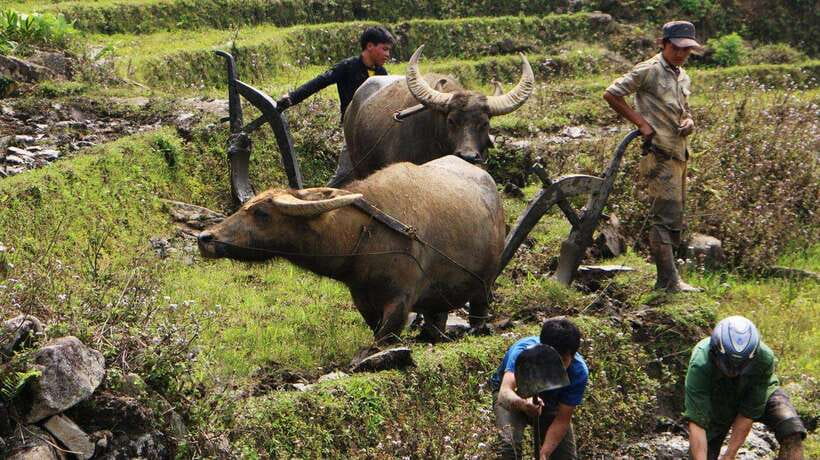
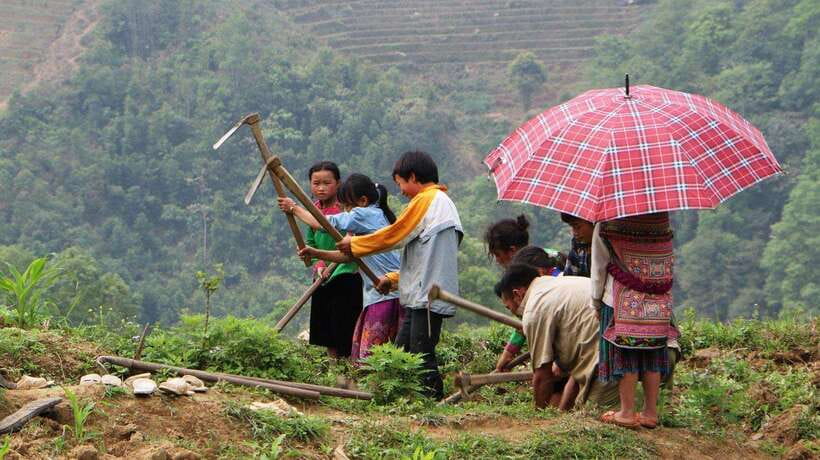
Your first village stop is Y Linh Ho, where you get a mix of time for photos and a guided introduction to what you’re seeing. This part of the day includes guided touring and walking through countryside that feels less like a paved attraction and more like the routes people actually use.
You’ll also get some off-road adventure and scenic viewpoints along the way. Reviews highlight how guides keep the day moving while still explaining what’s important—what crops look like, how villagers live, and how culture shows up in daily routines.
A practical tip: this isn’t a flat “stroll the park” type of start. You’re transitioning from town to trail, and you’ll feel the slopes. If you’re choosing an easier option, the guide will likely steer you toward a route that matches your confidence level, but you still need comfortable shoes.
Lunch at a Hmong Family Spot: Food With a View Beats a Packed Tourist Meal
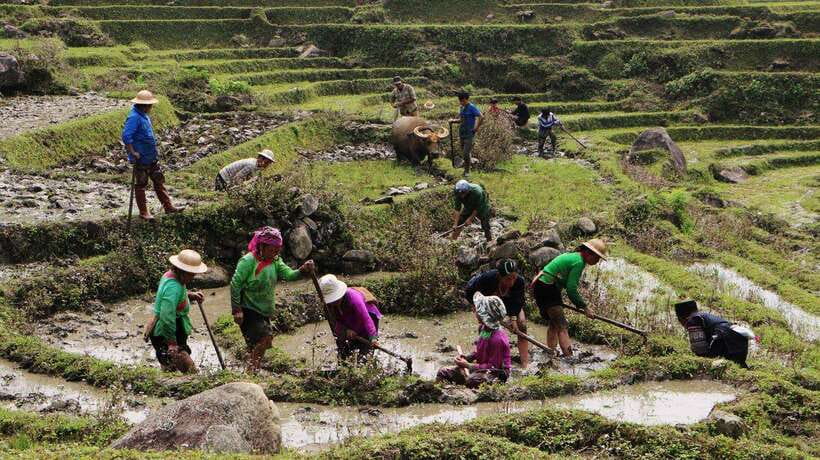
After Y Linh Ho, the tour transitions to lunch at a local Hmong family restaurant. The timing is designed so you’re fueled before the next stretch, and the lunch is part of the cultural feel of the day rather than just an included checkbox.
One reason this lunch gets praised is that it’s practical trekking fuel. People consistently mention it’s delicious, and the break is positioned to give you a real moment to catch your breath and look back at the valley.
If you’re traveling with food needs, check ahead. The tour info notes it is not suitable for people with lactose intolerance, so plan accordingly. Also bring water or plan to buy drinks as needed—your guide can help you manage what you need, but you should still show up prepared.
Lao Chai: One of the Oldest and Largest Communities You’ll Meet
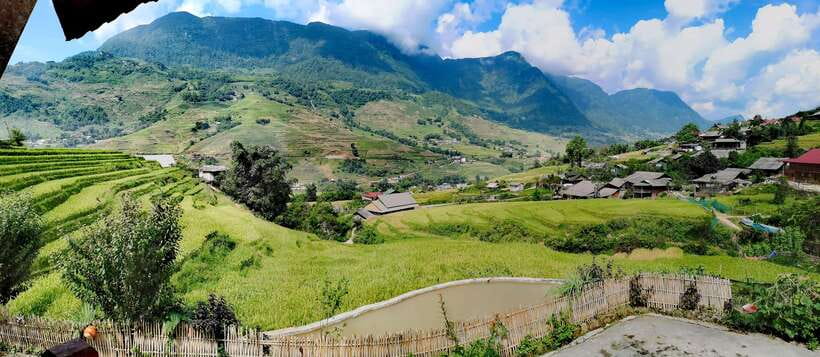
Next comes Lao Chai village, described as one of the oldest and largest communities in the region. This stop is a big part of why the trek feels authentic: you’re not only seeing scenic views, you’re meeting the living geography of the area.
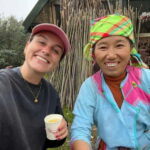
Expect a guided experience here too, with time for learning about customs and everyday life. In reviews, guides like Chan and her family team come up repeatedly for being funny, friendly, and candid. That combo matters on a village day because it keeps the conversation human instead of stiff.
This is also where the trek can start feeling more physical, depending on your chosen route length (5 km easy options through to around 11 km for more serious hikers). The good news: the guide adjusts. If your group is mixed, they’ll try to keep everyone together without making it miserable for the slower walkers.


Ta Van Village With the Dzay People: Where the Day Lands Around 3 PM
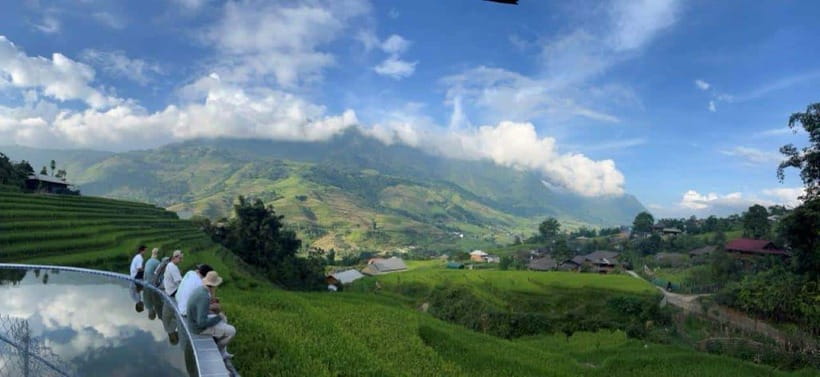
Your day wraps around 3 PM in Ta Van, where you’ll visit a village home to the Dzay people. You’ll get more time for guided touring and photo stops, and you may also have shopping time if you want to pick up small crafts or textiles.
One reason Ta Van feels like the perfect ending is that it’s a “cool down” finish. After a morning in the hills and an afternoon of village walking, you usually want a moment to slow down, take photos, and absorb what you learned. The timing helps too: you’ll be transported back to Sapa afterward with enough time to catch your bus toward Hanoi.
If the idea of a 5–11 km trek sounds like a lot, Ta Van is a good “you made it” reward. You get the sense that the day was more than just moving through points on a map.
Flex Routes (5–11 km) and How the Guide Keeps You Comfortable
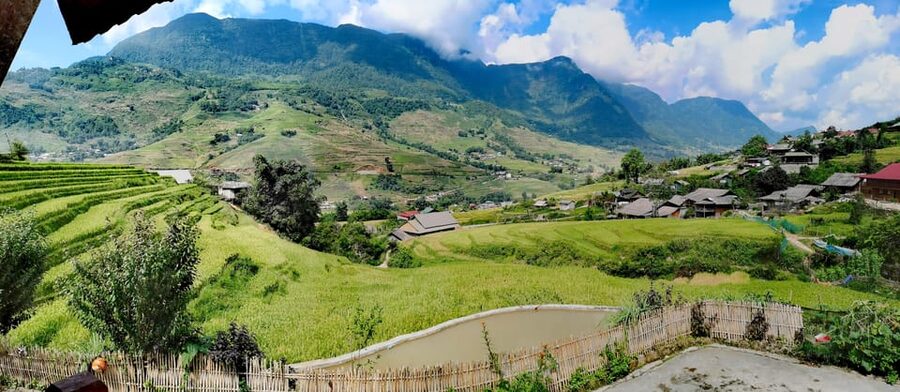
This trek is built around flexibility. You can choose among routes that are roughly 5–11 km, and your guide can adapt the plan based on difficulty and your pace.
That flexibility is not random; it’s a big reason the experience gets such high praise. In real-world terms, it means:
- If your fitness is medium, you’re not forced into a push beyond your comfort.
- If it’s muddy or slippery, you’re not left guessing what’s safe.
- If your group wants fewer crowds, your guide can steer you away from the most obvious tourist routes.
And yes, conditions matter. Reviews mention mud and slippery patches, plus extra help from local people when the trail gets slick. That’s another reason good shoes matter more than trendy gear. Wear footwear that can handle wet ground and uneven steps, and consider bringing (or buying) something like gumboots if conditions are bad.
The Real Value of $19: Guide, Lunch, Transfers, and Shower Time
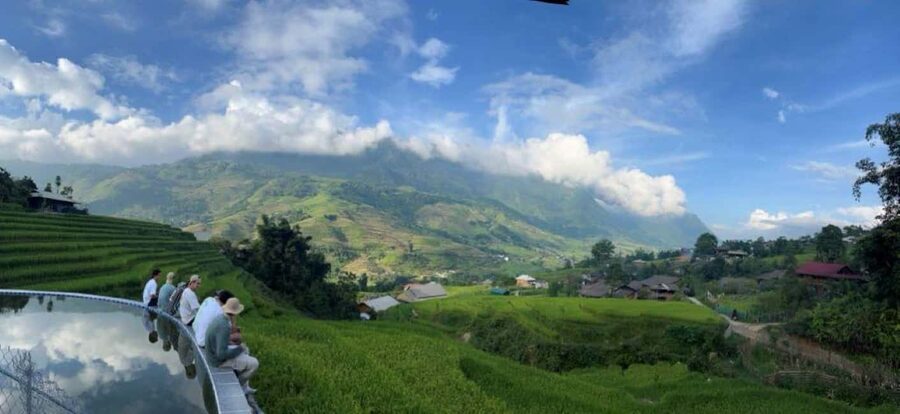
At $19 per person, it’s easy to assume it’s a budget deal with missing pieces. Here, the math works because you’re getting several “included” essentials in one day:
- A live English-speaking guide
- Lunch during the hike
- Transfer back to Sapa
- And the often-overlooked bonus: a shower before and after
The shower is a quality-of-life upgrade. It helps you feel clean and ready for the rest of your travel day. For many hikers, that alone can be worth more than the price difference between a basic tour and a more complete one.
Also, you’re paying for something harder to quantify: a guide who can explain what you’re seeing. People repeatedly mention the guide’s English and her willingness to answer questions. That’s what turns a photo walk into a learning day.
Just remember: the low price doesn’t mean “no effort.” You’re still hiking. This is an active cultural trek, not a sit-and-look tour.
English That Makes Village Days Work (Not Feel Like a Listening Test)
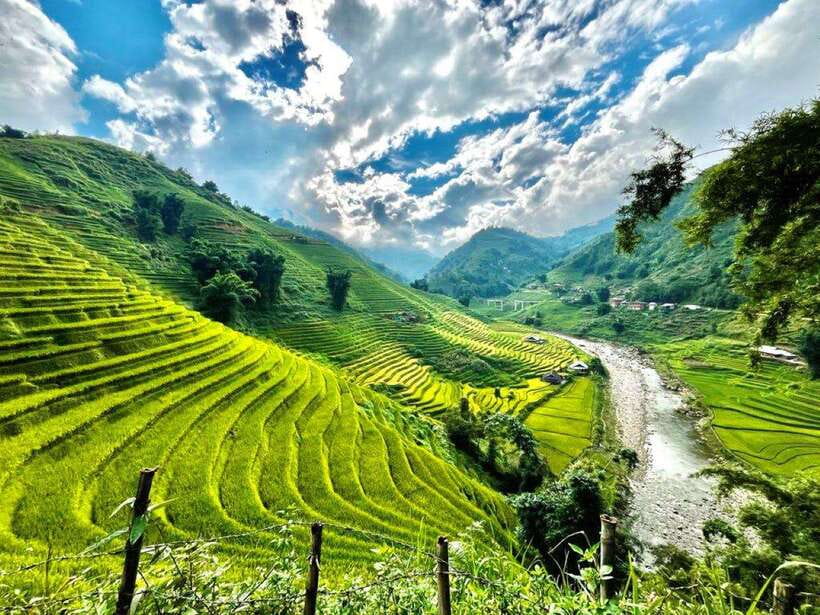
Communication matters on a village trek. This tour runs with a live tour guide in English, and multiple guide names show up in feedback—especially Chan, plus family guides like Sung and Vu.
In practice, that means you’re not stuck with vague generalities. You can ask what you want to know about Hmong life, customs, and how village routines work. You’ll also get guided explanations that fit the moment instead of coming as a history dump.
If you like chatting while walking, you’ll likely enjoy this format. If you prefer quiet trekking with minimal talk, tell your guide early so they can match your vibe.
Who This Trek Suits Best (And Who Should Skip It)
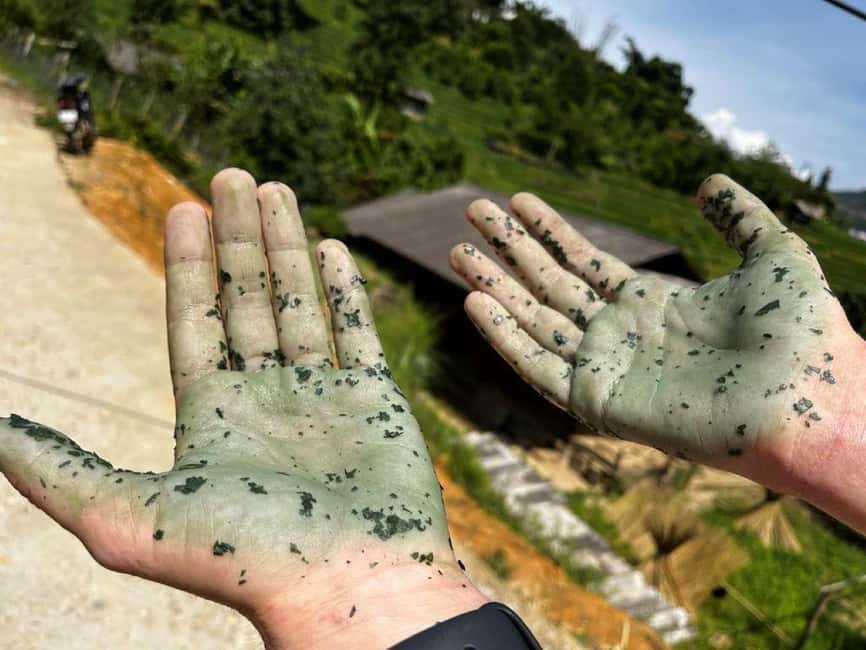
This is a great fit if you want:
- A less touristy Sapa day with real village stops
- An active day you can handle with the right shoes
- Cultural context you can ask questions about, not just watch from a distance
- A route you can adjust to your comfort level
It’s not for everyone. The tour info lists heart problems, high blood pressure, low fitness, and wheelchair users as not suitable. It also flags non-swimmers and mentions people with conditions like haemophilia as not suitable. If any of those apply to you, choose a gentler plan.
Also think about lactose intolerance. The info says it’s not suitable, so don’t gamble with it on arrival.
Tips That Make the Day Easier (So You Can Enjoy It More)
A few practical things will save you from the usual trekking pain:
- Wear hiking shoes or at least solid footwear with grip. Mud is common.
- Bring rain gear even if the forecast looks calm.
- Pack a sun hat and sunglasses. The sun can still bite when clouds break.
- Bring drinks. You’ll be moving for hours.
- Keep your smartphone charged for photos and navigation moments.
One more note from real experience: cover your legs if you can. If you’re doing the path alternatives to avoid crowds, you may be on narrower trails where brush and wet ground can slow you down.
Should You Book This Sapa Trekking Bargain?
If you want an authentic Sapa day that mixes village life with active walking—and you care about value—you should strongly consider booking. For many people, this is the part of Vietnam they remember most because it doesn’t feel like theater. It feels like a real day in the valley.
Skip it if you can’t handle uneven, potentially muddy trail conditions, or if your health situation falls into the not-suitable categories listed by the tour. And don’t overthink the price—think about effort and comfort. Bring proper footwear, follow your guide’s route choice, and you’ll get a memorable cultural hike without the usual tourist crush.
If you match the right fit, this is the kind of tour where the guide’s personality and local knowledge do the heavy lifting, and you get to focus on walking, learning, and taking in the scenery.
FAQ
Where is the meeting point?
You meet at Sapa Stone Church.
What time does the trek start and end?
The tour starts at 9 AM and wraps up around 3 PM in Ta Van.
How long is the tour?
The duration is listed as 330 minutes.
How far will I walk?
Routes are offered in different options, roughly 5–11 km, depending on the route and difficulty you choose.
What’s included in the price?
The tour includes a guide, lunch, and transfer back to Sapa.
Is lunch provided?
Yes, lunch is included during the trek.
Will the guide speak English?
Yes, the tour includes a live guide in English.
Can the trek be tailored to my fitness level?
Yes. The tour is designed to tailor the trek for a flexible experience and includes difficulty levels and route options based on your style and comfort.
Is it refundable if I cancel?
You can cancel up to 24 hours in advance for a full refund.
Is it suitable for wheelchair users?
No, it is listed as not suitable for wheelchair users.