REVIEW · KATHMANDU
Manaslu Trek with Larke Pass
Book on Viator →Operated by himalayan sanctuary adventure private limited · Bookable on Viator
Manaslu Larke Pass feels remote in the best way. I like that this route climbs from subtropical river forests into dry, high Tibetan-climate country, with cultures that change as altitude rises. I also like the fact that this is a restricted-region trek, so you’re not just winging it with random routes and uncertain permits. The one drawback to weigh is that this trek depends on solid weather windows and comes with regulated entry, so you should plan for adjustments if conditions turn.
Before you ever hit the trail, you get a proper Kathmandu start: a private pickup, then a full day of UNESCO-style classics and trek prep in Kathmandu Valley. If you care about organization (and I do), the support here looks strong—especially from past participants who praised fast help in urgent moments and praised guides like Karma who made the hard days feel manageable.
On the trail, expect real trekking: long drive days, multiple river crossings, and a serious high point at Larke La. You’ll want moderate fitness and a calm mindset for rocky switchbacks, cold nights, and the fact that the route is scenic and demanding.
In This Review
- Key highlights that make this Manaslu trek work
- Kathmandu Valley classics first, then the mountains
- Into the Buri Gandaki valley: hot springs, terraces, and river work
- Buddhist high country shift: mani stones and the Manaslu North reveal
- Samagaun rest + Samdo views: why acclimatization is not optional
- Larke La at 5,135m: the pass day you plan for, not the day you guess
- Tilje down to Dharapani: forests, orchards, and the Annapurna connection
- Price and logistics: why $1,797 can be fair here
- Support quality: guide names you’ll hear because it mattered
- Should you book this Manaslu Trek with Larke Pass?
- FAQ
- What’s included in Kathmandu when I arrive?
- How high does this trek go?
- Is a guide and porter support included?
- Are permits and national park fees included?
- What meals are included during the trek?
- What’s the route like after crossing Larke La?
Key highlights that make this Manaslu trek work
- Restricted Manaslu region means permits and a licensed guide, not a DIY scramble.
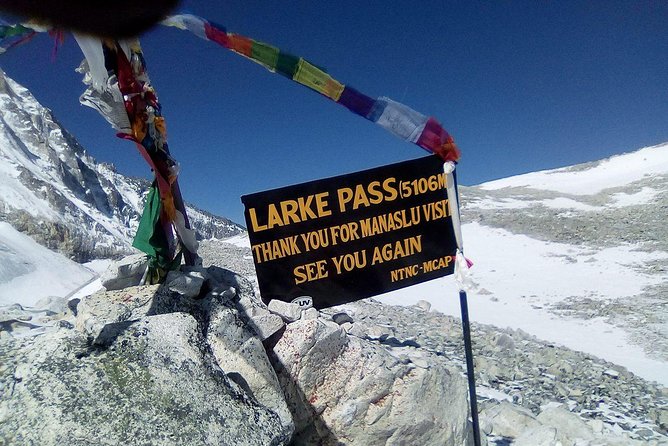
- Larke La (5,135m) is the big moment, with sunrise-type views if timing lines up.
- Built-in acclimatization includes a rest day in Samagaon plus a step-up to Samdo.
- Small-group support: guide plus porters (1 for every 2 trekkers) and general first-aid kits.
- Teahouse trekking with real meals during the trek (breakfast, lunch, dinner included on-trail).
Kathmandu Valley classics first, then the mountains
You start in Kathmandu, and it’s not just a token arrival day. You’ll be met after landing at Tribhuvan International Airport, get driven to Thamel, and then spend a full day touring key sites: Pashupatinath, Boudhanath Stupa, Patan Durbar Square, and Swayambhunath (said to be over 2,000 years old). This matters because it gives you a low-stress mental warm-up before the first long transport day.
For trek logistics, Day 2 is also your “get organized” day. You’ll head out after breakfast at around 9 AM, and that schedule helps you avoid wandering around Kathmandu on a half-day. If you don’t love last-minute packing, this kind of structure is a relief.
One practical thing: meals in Kathmandu aren’t included. You can still eat well nearby, but you’ll need to budget for city food and any sightseeing entrance fees.
You can also read our reviews of more tours and experiences in Kathmandu.
Into the Buri Gandaki valley: hot springs, terraces, and river work
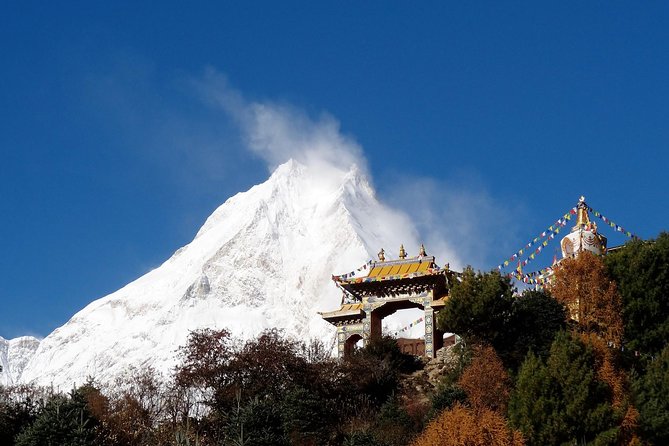
After the Kathmandu start, you hit a long overland push. Day 3 is a major travel day: a 6–8 hour drive to Aarughat, then continuing toward Aarkhet Bazaar. It’s one of those “not glamorous, but necessary” days, and it sets up an easier first trekking block.
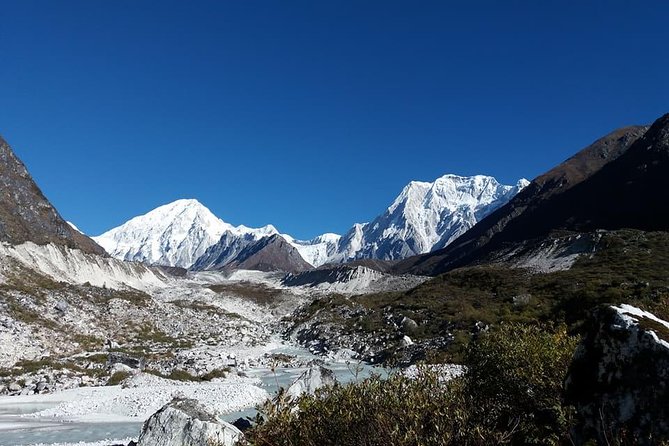
Day 4 begins the real move upstream along the Budigandaki/Buri Gandaki River. You’ll start by climbing briefly toward Kyoropani, then descend again to the river at confluences of tributaries. The route stays active here—villages on steep hillsides, terraced farmland, then another climb up to Machhkhola (around 1,300m). It’s not a flat stroll. It’s the kind of valley trekking that makes your legs feel like they’ve been put to work, gently but steadily.
From there, Day 5 brings a highlight that many trekking routes don’t have: Tatopani hot springs. You pass through places like Khorla Bensi, cross in and out of river sections (including suspension bridges), and reach Jagat (about 1,360m). The terrain is described as exposed in places, so if you dislike exposed paths or sudden steep drops, this section is where you’ll feel it.
Day 6 continues the rhythm: lots of steps down to the river, then terraced climbs back up, more crossings, and the steep gorge feeling of a river-driven landscape. You’ll finish at Deng (about 1,800m), with views including Sringi Himal (7,187m).
This early-to-mid stretch is where I think you learn the tone of the trek. It’s scenic, yes, but it’s also about movement—up, down, cross, repeat—while the valley tightens and the air feels different.
Buddhist high country shift: mani stones and the Manaslu North reveal
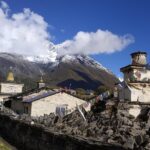
By Day 7, you’re moving into a more obvious cultural and altitude change. You’ll reach Bagarchhap (around 2,300m), with crossings and the appearance of mani stones—a sign you’re entering higher Buddhist regions. You’ll also notice the pace turning cooler and more “alpine” in feel. That’s not a vague claim; the itinerary itself notes climate shift, and you can expect it to become noticeable day by day.
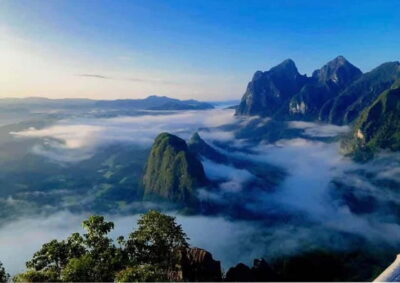
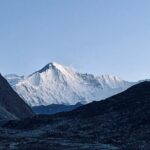
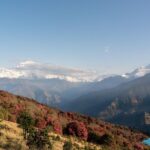
Day 8 pushes into alpine terrain with increasing mountain views and more mani walls. You’ll trek to Namrung (about 2,550m). The valley opens out above, and you’ll cross streams flowing down from glaciers (on this route, the Lidanda Glacier comes up in the description). The first big “wow” is early in the Namrung area: views of Manaslu North just above the village.
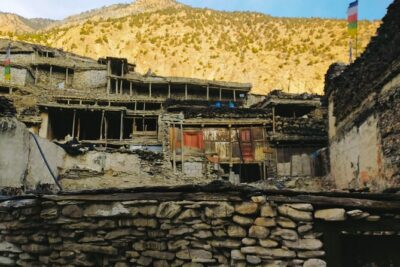
Day 9 continues upstream toward Samagaun (around 3,360m). You’ll pass Lho (about 3,150m) and see monasteries, chortens, and mani stones. There’s also a detour option toward Honsansho Gompa and the Pungen Glaciers, which gives you strong views of Peak 29 and Manaslu.
A key point: this is the section where the trek becomes more than walking through scenery. The scenery becomes a backdrop to a distinct highland rhythm—pastures, villages that feel Tibetan in character, and mountain angles that keep getting sharper as you go.
Samagaun rest + Samdo views: why acclimatization is not optional
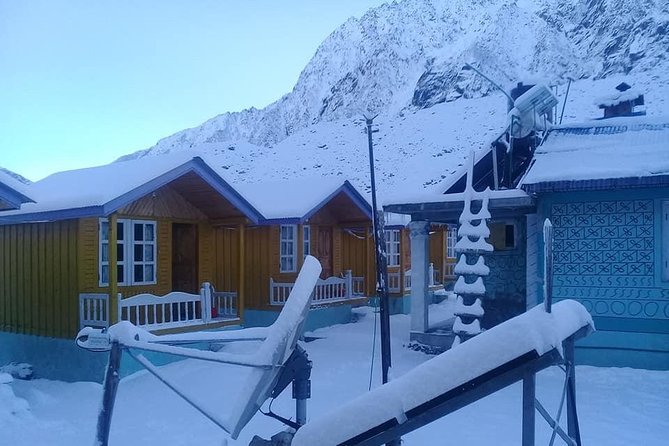
Day 10 is a rest day in Samagaon. This is the kind of day you’ll either love or resent, depending on your personality—but on a trek like this, it’s smart. You’ll be surrounded by mountains in a quieter forested feel, and you’ll have options like hiking toward Manaslu Base Camp for big views, including Birendra Kunda (near the base camp area).
Then Day 11 steps up toward Samdo (about 3,690m). The route described is a desert path and windy valley, and you’ll be near the Tibetan border. Visitors aren’t allowed to pass the border, but the area still includes a Tibetan refugee village. It’s also one of the best view decks on the route: Manaslu, Samdo (Pang phuchuli), Nagdi chuli, Simnang Himal, the Manaslu glacier, and the ice fall are all mentioned.
If you’re the type who thinks rest days are wasted days, this one can change your mind fast once you see how clear the air gets after your body adjusts.
Larke La at 5,135m: the pass day you plan for, not the day you guess
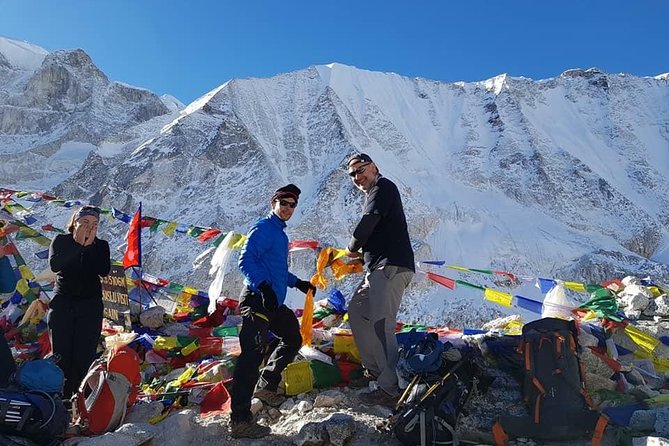
Day 12 moves you to Larkya La Phedi / Dharmashala (around 4,460m). The trail is rocky and described as zigzagging. You also stop near Larkya Bazaar, which is seasonal and tied to local fairs and trade from Tibet. That small market detail is worth noting because it’s one of the few times the trek turns into something like a human stopover rather than pure altitude and distance.
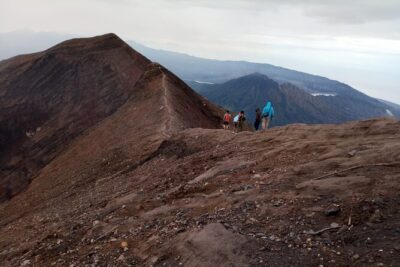
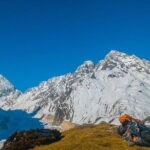
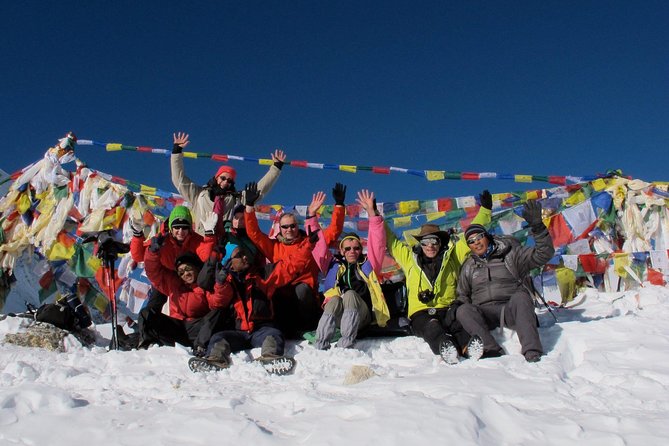
Day 13 is the big climb-and-cross day: Dharmashala to Larke La (5,135m) to Bimthang (about 3,590m). The itinerary description calls out a steep, rocky, windy ascent. You’ll carry a packed lunch, and the views from the top are spelled out: Larke peak, sunrise views toward Manaslu, Ratna chuli, Cheo Himal, and many other snow-capped peaks.
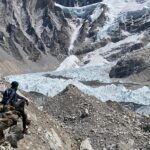
Then comes the part that people underestimate: the descent. After crossing the pass, you hike downhill through rock and ice, and you may encounter icy lakes. This is where trekking poles, good footwear, and steady pacing matter more than any sightseeing urge.
Past participants also mention how cold it can get at altitude. One earlier trek experience described sleeping in a tent around 4,500m with temperatures as low as -20C in November. You might not face the exact same conditions, but the lesson is consistent: pack for cold even if the trail day feels fine.
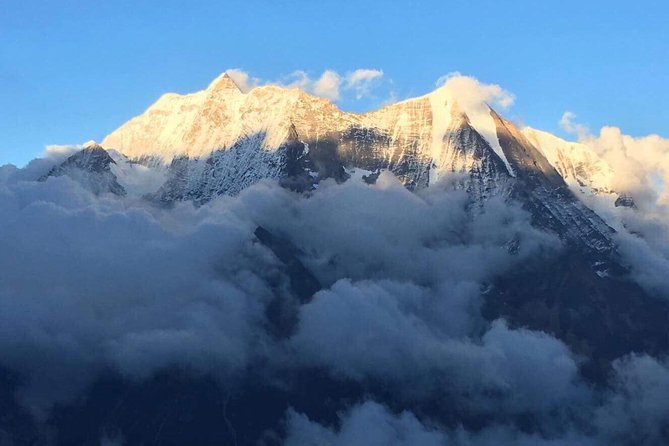
Day 14 continues with a full descent to Tilje (about 2,360m). It’s described as a route through high pasture, then down the valley of the Burdin Khola toward the west side base camp area. From a ridge around 4,150m, you get views of Manaslu to the southeast and Annapurna II to the southwest. Then you drop into a rhododendron forest, descend through a narrow valley, and reach Karche (about 2,785m) before arriving at Tilje, known for an apple orchard and local wine.
Tilje down to Dharapani: forests, orchards, and the Annapurna connection
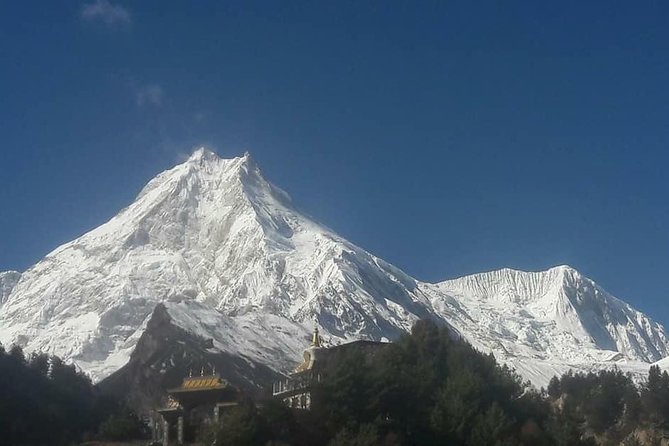
Day 15 goes from Tilje to Dharapani (about 1,860m). You leave Tilje and trek uphill for roughly 45 minutes, then cross a bridge over the Marshyangdi River. It’s a lower-altitude day compared to what came before, which usually helps your body breathe easier and gives you a more steady walking rhythm.
By Day 16, you move from Dharapani to Besi Sahar. You walk down for 3/4 hours to Syange, then take a jeep/bus for 2/3 hours to Besi Sahar. This is also where the route meets up with the wider trekking network feel: earlier you’re isolated in the Manaslu region, and later you reconnect through that Annapurna Circuit Trail linkage described for the route toward Dharapani.
Day 17 returns you to Kathmandu, with a drive by bus or jeep type schedule (4/5 hours). That evening, there’s a cultural dinner included, which is a nice way to close the loop after days of trail food and tea houses.
Price and logistics: why $1,797 can be fair here
The price is $1,797 per person for about 18 days. On paper, that’s not cheap. But this itinerary includes a lot of the costs that add up fast on Himalayan treks:
- Airport pickup and drop
- 3-star hotel in Kathmandu with breakfast
- Full-day private sightseeing in Kathmandu Valley
- During the trek: teahouse/lodge accommodation with breakfast, lunch, and dinner
- Guide and porters (notably, 1 porter for every 2 trekkers)
- National park fees and required trekking permits
- Special permit and TIMS
- General first-aid kits
- Ground transportation across the whole route
What’s not included is also clearly listed: meals in cities, personal expenses like laundry and drinks, travel insurance, tips, and personal trekking gear not mentioned in the contract. Also, Nepal visa fees and sightseeing entrance fees aren’t included.
So the real value question for you is simple: do you want to pay for a setup that handles the permits and local logistics, or do you want to manage pieces yourself? This plan is clearly designed for people who want the mountains without the paperwork headache.
Support quality: guide names you’ll hear because it mattered
The tour is built around using a licensed guide and porters, which is the right structure for a restricted trek. Past experiences tied to this style of organization strongly praised the support team.
One review called out Karma as part of a standout experience, crediting the guide and porter support during the Manaslu Circuit-style trek. Another praised Bishbu Bhatta for quick action during an urgent moment, organizing everything overnight at a reasonable cost. That kind of practical help is exactly why guided, permit-backed treks are worth extra money when things get stressful.
Even if your trek goes smoothly, those teams are what keep the plan moving when weather or timing forces changes.
Should you book this Manaslu Trek with Larke Pass?
I’d book this if you want a true restricted-region trek with real permits, small-group support, and a high point that’s famous for a reason. The itinerary also gives you the two things that matter most: a serious acclimatization rhythm (Samagaun rest plus Samdo) and a clear pass day plan (Larke La with a long but doable sequence into Bimthang).
I’d think twice if you dislike exposed trails or you’re not comfortable with cold and rocky descents. Also, because the trek depends on weather, you’ll want travel flexibility.
If you’re a strong walker with a steady mindset—and you appreciate organization more than improvisation—this is a solid pick for Manaslu fans who want the Larke Pass chapter done right.
FAQ
What’s included in Kathmandu when I arrive?
You get an airport pickup and a drive to your hotel in Thamel. Then you have a full-day sightseeing tour in the Kathmandu Valley by private vehicle, covering Pasupatinath Temple, Boudhnath Stupa, Patan Darbar Square, and Swayambhunath Stupa.
How high does this trek go?
The highest point is Larke La at 5,135m. You also pass through high areas like Dharmashala/Larkya Phedi around 4,460m and Samdo around 3,690m.
Is a guide and porter support included?
Yes. The trek includes a licensed guide and porters. The plan specifies 1 porter for every 2 trekkers, plus general first-aid kits.
Are permits and national park fees included?
Yes. National park fees, required trekking permits, and special permits including TIMS are included as part of the package.
What meals are included during the trek?
Accommodation during the trek includes breakfast, lunch, and dinner at tea houses or lodges, according to the itinerary. Meals in Kathmandu are not included.
What’s the route like after crossing Larke La?
After the pass, the trail goes downhill through timberland with pines, rhododendrons, oaks, and magnolia trees. The trek finally meets the Annapurna Circuit Trail at Dharapani.