REVIEW · KATHMANDU
Everest Three Pass Trek
Book on Viator →Operated by Base Camp Adventure Pvt. Ltd. · Bookable on Viator
Three passes, big views, and hard work. I like that this trek strings together Kongma La and two other high snow passes into one ambitious loop. I also love the big payoff of an early Kala Patthar sunrise with Everest catching the first light. The drawback is simple: you need solid fitness and comfort walking on rough, cold, high-altitude terrain.
The logistics are handled for you, which matters when you’re bouncing between altitudes. You’ll travel with a local government licensed English-speaking guide and a crew that includes porters to carry your luggage, not your legs. In past trips, teams have included guides like Nabracht or Shiva and sherpas such as Bhim and Ram—good signs that the route is run by people who know the Khumbu rhythm.
In This Review
- Key things that make this trek worth your time
- Everest Three Pass Trek: what you’re really signing up for
- Kathmandu to Lukla: the start that sets expectations
- Day by day: acclimatization that actually supports the hard days
- Following Dudh Koshi and crossing prayer-flag bridges (Days 2–3)
- Tengboche and Dingboche: rhododendrons, prayer wheels, and big mountain walls (Days 4–5)
- Chhukung as a smart stepping stone (Day 6)
- Kongma La (5535m): the steepest “wake up call” of the trip (Day 7)
- Gorakshep and Kala Patthar: sunrise payoff without needing a summit push (Days 8–9)
- Cho La (5420m) and Gokyo lakes: ice-covered trail days plus reward time (Days 10–11)
- Renjo La (5360m) and the return: finishing with a snow pass and easier walking (Days 12–14)
- The real value in $1,800: what’s included, what’s not, and why it adds up
- Fitness and altitude: the part you should take seriously
- Who should book this trek, and who should think twice
- Should you book the Everest Three Pass Trek?
- FAQ
- How long is the Everest Three Pass Trek?
- What are the three passes on this trek?
- Are flights between Kathmandu and Lukla included?
- What kind of lodging and meals are included?
- Are permits included?
- Does the trip provide cold-weather trekking gear?
- What happens if the trek is canceled due to poor weather?
Key things that make this trek worth your time
- Three snow passes with serious altitude: Kongma La (5535m), Cho La (5420m), Renjo La (5360m)
- Acclimatization built into the route: Namche, Dingboche, Gokyo, plus viewpoints like Everest View Hotel and Gokyo Ri
- Provided cold-weather gear: down jacket, sleeping bag, and a duffel/kit bag you return after the trek
- Included permits and core logistics: National Park entry + TIMS, plus the Kathmandu–Lukla–Kathmandu flights
- Private group experience: only your group participates, with pickup offered in Kathmandu
Everest Three Pass Trek: what you’re really signing up for
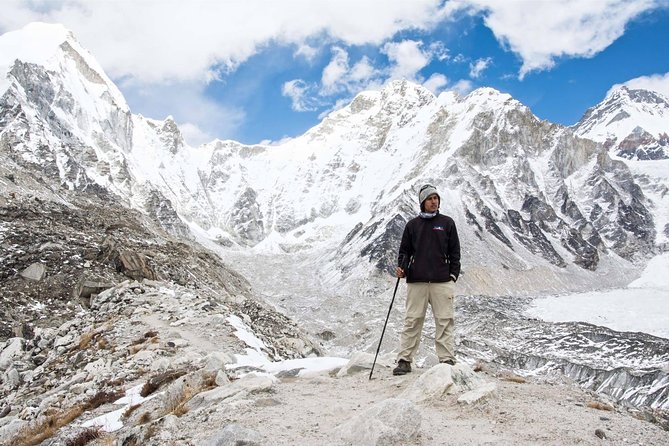
This isn’t a “nice walk with a few views” kind of trek. The whole point is high-altitude hiking over three snow-covered passes—each one demanding in a different way. You’ll gain altitude, sleep at altitude, and then ask your body to keep going through steep, icy, and stony sections.
What makes this route especially interesting is the way it spreads your effort across the whole trip instead of concentrating it into one big summit day. You’ll spend multiple days climbing upstream along familiar Khumbu valleys, then you’ll cross passes, then you’ll descend and re-charge. That rhythm is part of the trekking challenge—and part of why the scenery is so dramatic.
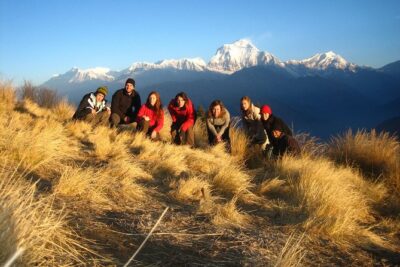
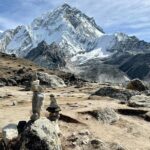
You’ll also get a wider sense of the Everest region than the classic single-destination approach. Expect constant views of the Mahalangur Himalayan Range, including Everest (8848m), with standout landmarks like Ama Dablam and Lhotse showing up along the way.
You can also read our reviews of more tours and experiences in Kathmandu.
Kathmandu to Lukla: the start that sets expectations
Most days begin early here, and the trek properly starts the moment you head to Lukla. You meet at BASE CAMP ADVENTURE PVT. LTD. on Tridevi Sadak in Kathmandu, with a start time listed at 6:15am. Pickup is offered, which is a relief in a city where getting organized can take longer than you’d think.
Then comes the flight to Lukla, with aircraft landing at Tenzing-Hillary Airport. This is one of those flights where the scenery feels like it’s too big for your brain to fully process. Once you arrive, you immediately transition from city logistics to trekking reality.
Why this matters: on these routes, your first day isn’t just a walk. It’s your body learning how to move after a quick altitude jump, and it’s your brain realizing that the rest of the trip will be about pacing, not speed.
Day by day: acclimatization that actually supports the hard days
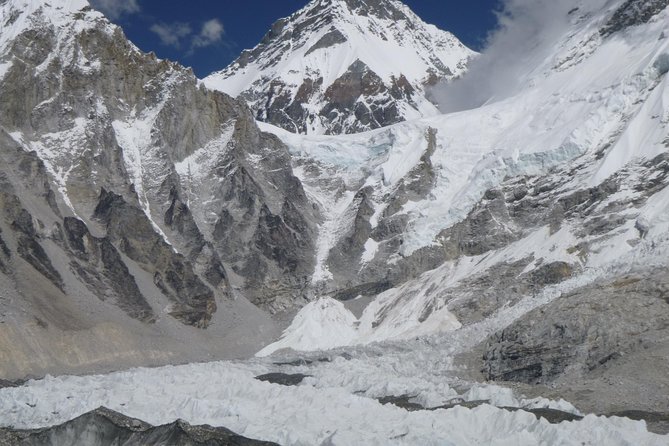
The early part of the trek is where you earn your later passes. You don’t just “check off villages.” You build altitude slowly, with enough time to feel the change without going straight into the cold high passes.
Following Dudh Koshi and crossing prayer-flag bridges (Days 2–3)
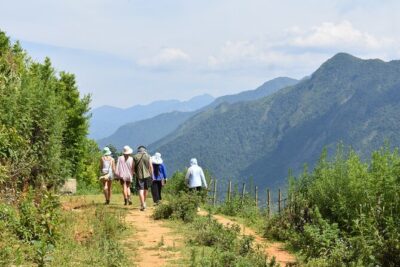
You hike along the banks of the Dudh Koshi River, repeatedly crossing suspension bridges strung with prayer flags. This kind of trail is more than pretty photos. It gives you a steady uphill rhythm and a predictable footing while you’re still in the lower part of the trekking zone.
You then enter Sagarmatha National Park and continue gaining elevation. On Day 3, you stay in Namche for a rest and acclimatization day. Namche is also where you get your first big “wow” moment looking across multiple peaks from places like Everest View Hotel.
A practical upside: acclimatization days are also where you can dial in your layering, check your boots, and figure out what pace feels sustainable.
Tengboche and Dingboche: rhododendrons, prayer wheels, and big mountain walls (Days 4–5)
Day 4 follows the Dudh Koshi upstream, including a stop near water-driven prayer wheels at Phunke Tenga. From there, you continue toward Tengboche and then move on.
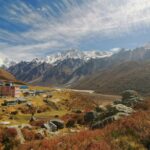
Day 5 brings you to Dingboche with classic high-altitude trekking flavor: a trail that moves through rhododendron forest past Pangboche, plus major peaks showing up clearly, including Ama Dablam (6856m), Lhotse (8414m), and Everest (8848m).
This is also the point where you start noticing how altitude affects breath and sleep. Even if you feel “fine,” your body is already doing extra work at night.
Chhukung as a smart stepping stone (Day 6)
Instead of adding another long day in Dingboche, you go to Chhukung to reduce pressure before the first major crossing. Day 6 is described as short but uphill, which makes sense: when you’re about to attempt Kongma La, it’s usually smarter to position yourself closer rather than fight exhaustion on the wrong day.
Chhukung is also the kind of place where the effort level feels real, because the environment shifts toward colder, higher terrain.
Kongma La (5535m): the steepest “wake up call” of the trip (Day 7)
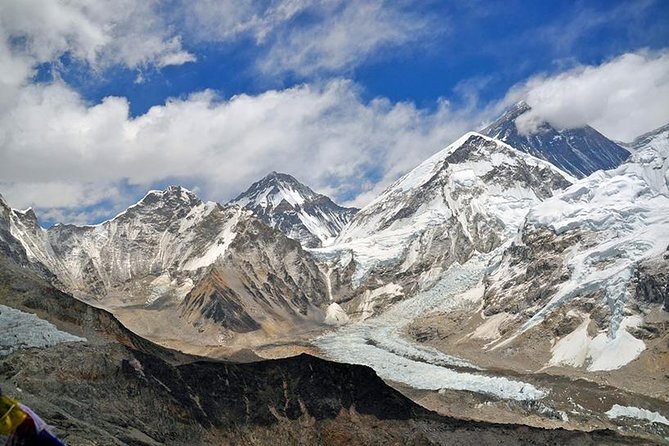
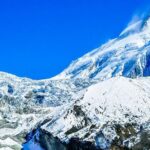
Crossing your first pass is a turning point. Kongma La (5535m) is described as the highest of the three, and the approach is steep uphill with some difficulties.
What you should expect on a day like this:
- The climb isn’t just “hard.” It’s hard because your breathing doesn’t behave like normal.
- You’ll likely feel a slow burn as the altitude stacks onto the slope.
- Even if you’re fit, you’ll need to walk carefully and consistently.
The upside is that after you crest, you’ll feel a strange mix of relief and momentum. This pass day also sets your mental tempo for the rest of the trek: you learn what “slow and steady” actually means on snow-covered trail.
Gorakshep and Kala Patthar: sunrise payoff without needing a summit push (Days 8–9)
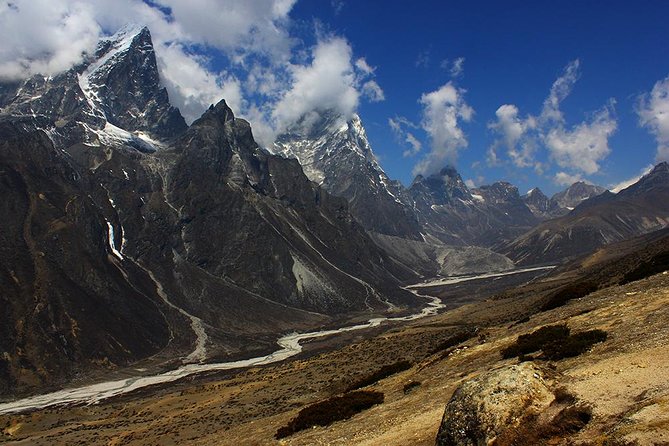
Day 8 heads to Gorakshep, a stony track that’s known for rewarding views of snow-capped peaks and glaciers. It’s not the prettiest footing underfoot, but that’s part of the trade. In the Himalaya, “easy ground” is never the default.
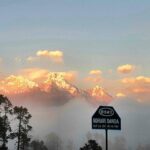
Day 9 is your Kala Patthar (5550m) sunrise hike. You start early to watch the first light and get a close view of the valleys and Everest (8848m) as the sun hits. This is one of those moments that makes the entire trip feel worth the discomfort.
Practical tip: sunrise days are where layers matter most. Keep your head and hands warm, and don’t wait until you’re cold to fix it.
Cho La (5420m) and Gokyo lakes: ice-covered trail days plus reward time (Days 10–11)
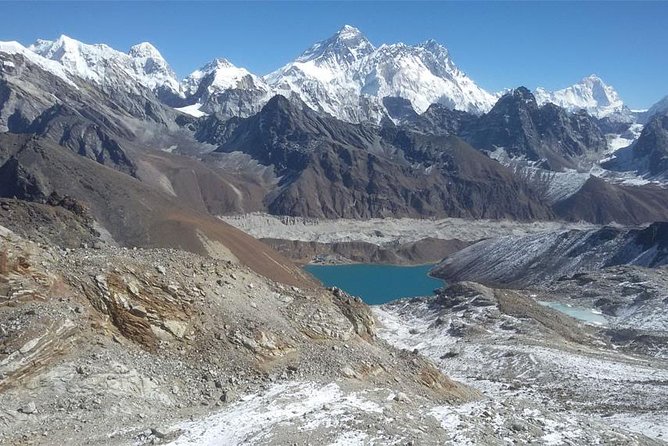
Day 10 shifts you toward the second major crossing: Cho La (5420m). The description points to a steep uphill with an ice-covered trail. That combination is where trekking poles, careful footing, and steady rhythm matter.
You then reach Gokyo lakes, a contrast to the Everest-focused viewpoint days. Instead of only thinking about the towering peaks, you’re also surrounded by the lake area that makes the Gokyo region feel different.
Day 11 is a rest day, with a morning hike to Gokyo Ri (5360m). This adds another viewpoint without repeating the same kind of pass effort. You get views over the entire Gokyo valley and its many small lakes.
This is a smart structure: after a tough pass day, you recover, then you add a controlled climb for the views. It keeps the trip from feeling one long grind.
Renjo La (5360m) and the return: finishing with a snow pass and easier walking (Days 12–14)
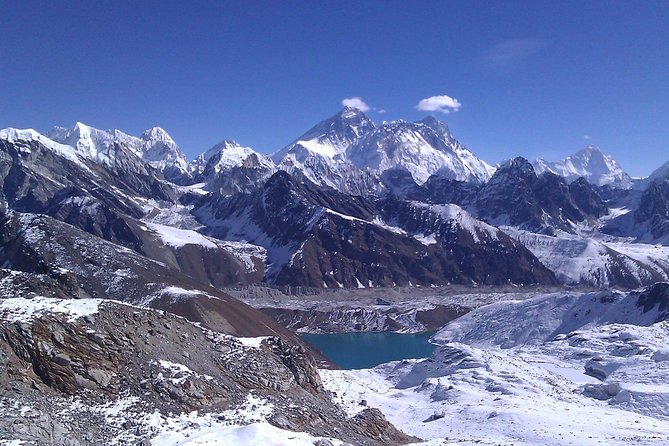
Day 12 brings your third pass: Renjo La (5360m). The trail is described as a snow-filled path that you hike gradually to the top. Gradual doesn’t mean easy, but compared with the steeper ice push of earlier days, it can feel more like a steady test than a sudden wall.
From the top, you get enthralling views back toward Cho La and the broader region. Then you start heading toward Namche on Day 13.
Day 13 is described as a relaxed day on an easier trail, with chances to enjoy the surroundings and distant views of Everest and other mountains. That “easier day” matters psychologically as much as physically. You’re still at altitude, but you’re no longer facing a big pass crossing that day.
Day 14 takes you from Namche down to Lukla, crossing villages, forests, and rivers over suspension bridges. When you reach Lukla, you rest and then have time to explore the market.
The real value in $1,800: what’s included, what’s not, and why it adds up
At $1,800 per person for a roughly 15-day trek, you’re paying for more than a path and a guide. This price covers the structure that keeps a high-altitude trek from falling apart: logistics, permits, staffing, and a bundle of core gear.
Here’s what’s included, based on the provided details:
- Guesthouses (best available during the trek), mainly twin sharing
- A local government licensed English-speaking guide
- Enough staff and porters to carry your luggage
- National Park entry permit and TIMS permit
- Down jacket, sleeping bag, and a duffel/kit bag (returned after the trek)
- Food and lodging: breakfast (14), lunch (14), dinner (14)
- Domestic airfare and airport tax: Kathmandu–Lukla–Kathmandu
- First aid medical kits and land transport for transfers
- Insurance for trekking staff (listed)
What’s not included:
- International airfare
- Alcohol and bottled-style convenience costs (hot/cold drinks, laundry, hot showers)
- Personal trekking equipment
- Tips for trekking staff
- Any expenses not listed in includes
So is it good value? For most people, yes—if you’re looking at the full “package” cost. You’re getting domestic flights, permits, and a lot of operational work in the background. The gear provision (down jacket + sleeping bag) is especially helpful because those are the items that can be costly if you need to buy them last-minute.
Fitness and altitude: the part you should take seriously
This trek is for people with strong physical fitness. That’s not marketing fluff. You’re crossing passes at 5535m, 5420m, and 5360m, and you’re also doing early-morning hikes and long trekking days on rough ground.
Also, “mentally fit” matters. Cold mornings, thin air, and the slow grind of steep trails can wear you down even if you’re physically prepared. The best mindset is patience: walk slower than you think you need, and don’t chase other people.
On the safety side, you’ll have trekking staff, a guide, and first aid medical kits in the plan. Still, I strongly suggest you bring or arrange your own travel/medical insurance that covers high-altitude trekking, since the listed insurance is specifically for trekking staff.
Who should book this trek, and who should think twice
This is a great fit if you:
- Want a classic Khumbu adventure but also like the idea of covering multiple high points
- Enjoy big effort days when you know there’s a viewpoint or sunrise payoff waiting
- Are comfortable traveling at altitude and you don’t need a cushy schedule
Think twice if you:
- Struggle with steep hikes, icy footing, or cold mornings
- Want a short trek with low physical challenge
- Are planning this without enough fitness prep time
One more honest note: guesthouses at altitude are not luxury hotels. The included stays are practical, twin sharing, and meant for refueling, not lounging.
Should you book the Everest Three Pass Trek?
If your dream is Everest views plus real variety—river valleys, Sherpa towns, ice and snow pass crossings, and multiple viewpoint days—this trek makes a compelling case. The included permits, guide, staffing, domestic flights, and key gear are exactly the kind of “hidden costs” that usually make hard treks more expensive than they look at first.
If you do book it, focus your preparation on two things: leg stamina and cold-weather comfort. Train for steady uphill walking, practice dressing in layers, and plan to move slower than your normal pace. Get those right, and the trip feels like an earned journey instead of a battle.
FAQ
How long is the Everest Three Pass Trek?
The trek is listed as approximately 15 days, starting in Kathmandu and ending back in Kathmandu after flying from Lukla.
What are the three passes on this trek?
The three passes are Kongma La (5535m), Cho La (5420m), and Renjo La (5360m).
Are flights between Kathmandu and Lukla included?
Yes. Domestic airfare (Kathmandu–Lukla–Kathmandu) and airport tax are included.
What kind of lodging and meals are included?
You’ll stay in best available guesthouses during the trek, mainly in twin sharing. Breakfast, lunch, and dinner are included for 14 days each.
Are permits included?
Yes. The National Park entry permit and the TIMS permit are included.
Does the trip provide cold-weather trekking gear?
Yes. You’ll be provided a down jacket and sleeping bag, plus a duffel/kit bag that needs to be returned after the trek.
What happens if the trek is canceled due to poor weather?
This experience requires good weather. If it’s canceled due to poor weather, you’ll be offered a different date or a full refund. You can cancel up to 24 hours in advance for a full refund.