REVIEW · KATHMANDU
14-Day Private Annapurna Base Camp Trekking and Multi Activity
Book on Viator →Operated by Himalaya Arirang Trek Private Limited - Kathmandu Sightseeing · Bookable on Viator
Snow peaks make every step worth it. This private 14-day Annapurna Base Camp trek mixes classic mountain scenery with village life, big ridgeline hikes, and the kind of sunrise you plan the rest of your vacation around—especially Poon Hill. I like how Mr. Ramesh (and the guide team like GP) keeps things smooth with calm, practical support, plus smart cultural context along the way. One thing to consider: this is real trekking, and the overnight stays on the mountain are lodge/teahouse-style, so comfort is simple, not hotel-luxury.
You start in Kathmandu, then transition to Pokhara by road, and the route walks you upward through towns and forest paths toward Annapurna and Machhapuchhre (Fishtail Mountain). Along the way you’ll eat three meals daily, carry just yourself (porters handle luggage), and follow a plan that includes time at Base Camp and a return via Chhomrong and Ghandruk. The trek is best with moderate fitness, and you’ll feel the altitude more than the distance.
In This Review
- Key highlights I’d circle in your planning
- Kathmandu and Pokhara: where the trek really starts
- The route from Nayapul to Ulleri and Ghorepani: steady uphill with village rhythm
- Poon Hill sunrise and the trek to Tadapani: the view that sells the whole trip
- Tadapani to Sinuwa: rhododendron country and slow gains
- Sinuwa to Deurali: getting ready for Base Camp terrain
- Deurali to Annapurna Base Camp: the big climb and the payoff
- Base Camp plus the trek to Dovan: time to absorb, then keep moving
- Dovan to Chhomrong: dramatic ridgelines and a classic high-village route
- Chhomrong to Ghandruk: a calmer village finish with strong photo potential
- Back down to Nayapul and on to Pokhara: your body cools off, your mind doesn’t
- Guides, porters, and the human touch (Ramesh and GP)
- Comfort on the trail: lodges, teahouses, and the included meals rhythm
- Price and value: what $925 covers (and what it doesn’t)
- Weather and altitude reality checks (the part that can change your plans)
- Who this private Annapurna trek suits best
- Should you book this 14-day private Annapurna Base Camp trek?
- FAQ
- How long is the Annapurna Base Camp trekking experience?
- Where does the tour start?
- Does the price include permits for the Annapurna region?
- Are meals included during the trek?
- Will there be porters to carry luggage?
- What kind of accommodation should I expect?
- Is pickup offered from Kathmandu or nearby?
- What should I know about cancellation and weather?
Key highlights I’d circle in your planning
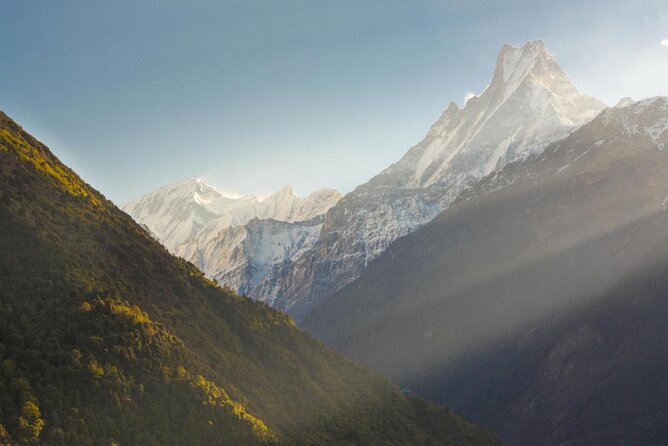
- Poon Hill sunrise during the Ghorepani area leg, with one of the most memorable viewpoints on the route.
- Private group service—only your group participates, with porters for luggage so you can focus on walking.
- Mr. Ramesh and GP support—multiple comments point to their helpfulness, safety focus, and knowledge.
- Three-meals-a-day structure that keeps you fed and reduces decision fatigue on busy trail days.
- Annapurna Base Camp time plus a trek continuation to places like Dovan and back through Chhomrong/Ghandruk.
- Permits handled through the included Annapurna Conservation Area Permit and TIMS fee.
Kathmandu and Pokhara: where the trek really starts
Your trek begins in Kathmandu, with a hotel transfer after you arrive. Kathmandu is loud, busy, and full of energy—use that day to get organized: confirm your start routine, sort what you’ll carry, and pack your day essentials where you can reach them fast.
Then you drive to Pokhara. This road leg matters more than people think. It breaks up your travel day, gives you a chance to reset, and sets you up for an easier first hike day. Pokhara is also where many trekkers mentally shift gears: from city travel to mountain time.
Value tip: this tour includes hotel accommodation in Kathmandu and Pokhara, so you’re not scrambling for last-minute lodging. That’s not glamorous, but it’s smart—especially if you arrive with jet lag.
You can also read our reviews of more tours and experiences in Kathmandu.
The route from Nayapul to Ulleri and Ghorepani: steady uphill with village rhythm
Day three starts with a drive to Nayapul, then trekking up to Ulleri. It’s a classic warm-up section: you’ll feel your legs get used to the pace, and you’ll see how quickly Nepal’s “everyday life” changes as altitude rises.
On Day four you trek from Ulleri to Ghorepani. This is where the itinerary begins to feel like a true trek instead of a series of hikes. The goal here is gradual altitude gain plus time on trails that wind through communities and smaller paths.
If you’re the type who likes structure, you’ll appreciate that meals are included (breakfast, lunch, dinner) and you’ll sleep in guesthouse-style accommodations. That consistency helps you avoid the constant planning that can drain energy before the bigger days.
Poon Hill sunrise and the trek to Tadapani: the view that sells the whole trip
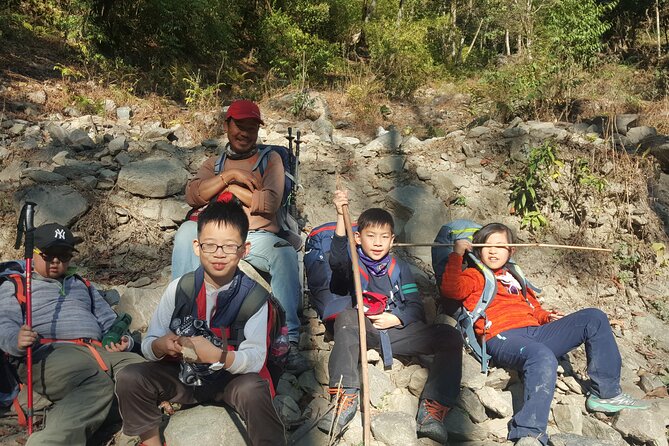
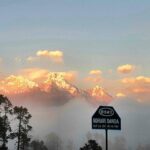
Day five is built around Poon Hill. You hike, you reach the viewpoint, and the sunrise vibe is the kind of moment people remember for years. One review called out Poon Hill as the best viewpoint they’d seen in their entire journey, and that matches the reputation the route has for a reason.
After Poon Hill, you continue on to Tadapani. This day is often a mix of effort and reward. You’ll likely feel both: a body that’s waking up to the climb, and a mind that’s already thinking about what you just saw.
Where the practical part matters: bring layers. Early morning near the viewpoints can be colder than you expect, and late afternoon can still feel chilly at higher elevations. A good base layer plus a warm mid-layer is usually the difference between enjoying the sunrise and rushing through it.
Tadapani to Sinuwa: rhododendron country and slow gains
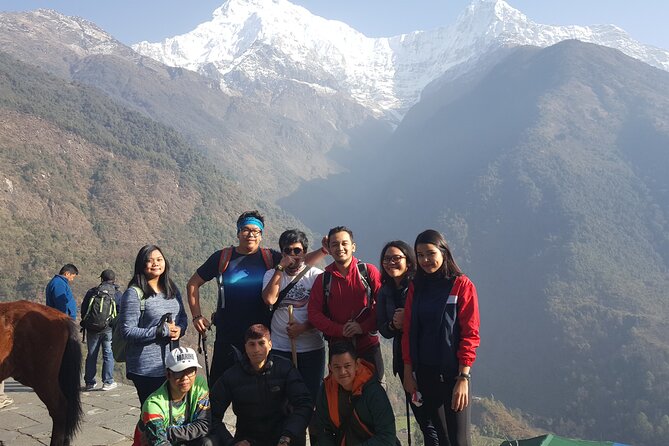
Day six takes you from Tadapani to Sinuwa. This segment is known for the way the trail moves through forested sections—often with rhododendron and other plants depending on season. Even without any fancy add-ons, this is a “walk and watch” day where you can focus on footing, breathing, and the rhythm of the hike.
Accommodation continues in lodge/hotel-type settings depending on the stop. What I like here is that the plan keeps you moving in a way that doesn’t jump too fast. It gives you time to settle into the pace before you push toward higher country.
Sinuwa to Deurali: getting ready for Base Camp terrain
Day seven is Sinuwa to Deurali. This is one of those segments that can feel more serious, not because the distance alone is extreme, but because you’re moving higher and your body starts asking questions.
On days like this, the guide’s job isn’t just route knowledge—it’s pacing. In the comments, the guides (including GP) are praised for listening and adapting to form and preference. That’s exactly what you want: a plan that respects how you actually feel, not just how the map looks.
If you want an easy self-check: if you’re breathing hard, slow down. The right pace usually feels a bit too slow at first, then feels perfect later.
Deurali to Annapurna Base Camp: the big climb and the payoff
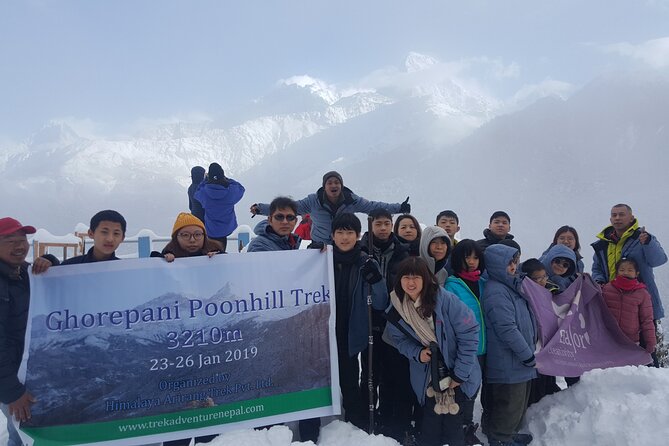
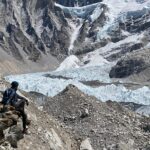
Day eight hikes from Deurali to Annapurna Base Camp. This is the day you’ve been walking toward since Kathmandu. As the terrain opens and you get closer to Base Camp, the views start turning from “nice” to “how is this real?”
The itinerary keeps you in lodge/teahouse accommodation at Base Camp area, and meals are included, so you can focus on being present instead of scrambling for food.
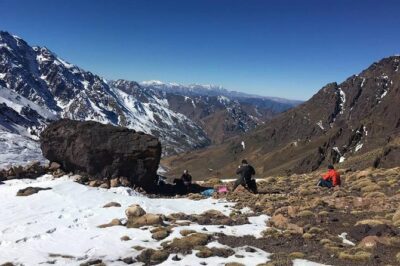
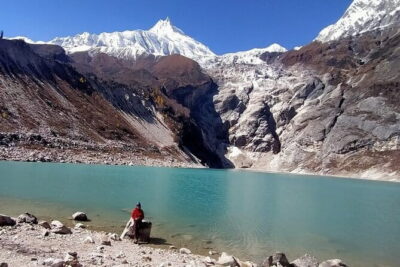
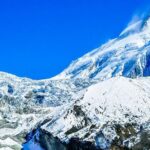
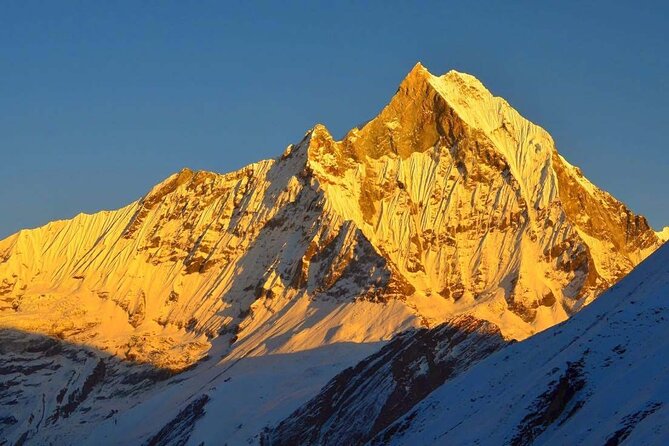
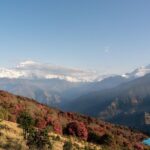
When you reach Base Camp, expect surreal views of the Annapurna range, plus Machhapuchhre (Fishtail Mountain) and other peaks like Hiunchuli mentioned as key highlights of the region. This isn’t just about pictures. It’s the feeling of arriving at a place that feels like it belongs to the mountains themselves.
Base Camp plus the trek to Dovan: time to absorb, then keep moving
Day nine gives you a chance to explore Annapurna Base Camp, then you continue on to Dovan. That extra day at Base Camp is meaningful. Many trekking styles rush you through the big goal and then move on. Here, the plan gives you time to adjust, soak in the views, and take short breaks without treating every moment like a race.
Dovan is where you start shifting from “summit goal mode” into “return mode.” It’s a transition that helps you stay mentally fresh for the long way back.
Dovan to Chhomrong: dramatic ridgelines and a classic high-village route
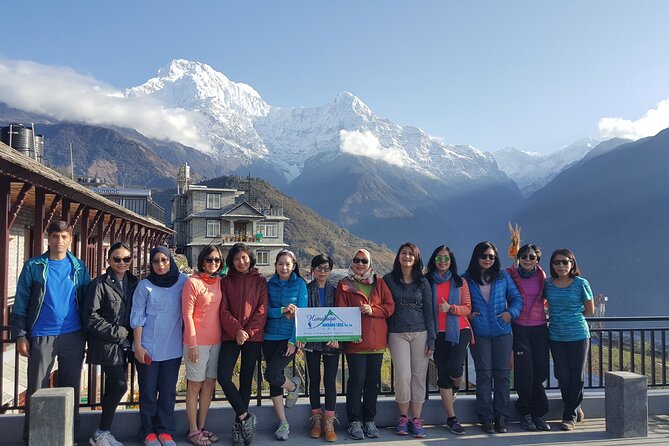
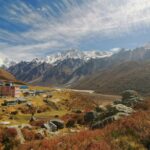
On Day ten you trek from Dovan to Chhomrong. Chhomrong is one of those places trekkers talk about because it sits in a part of the route where views often feel more dramatic and the village atmosphere is clearer.
This section is also where good shoes matter. Your day-to-day performance will depend on stable grip and a comfortable fit. If your footwear is already rubbing you, start dealing with it early. Fixing blisters at high altitude is no one’s idea of fun.
You stay in lodge/teahouse accommodation again, and meals remain included. That’s a big plus for budgeting and for keeping your day simple.
Chhomrong to Ghandruk: a calmer village finish with strong photo potential
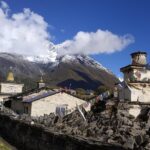
Day eleven is Chhomrong to Ghandruk. Ghandruk tends to be a favorite because it’s a larger village feel compared to some smaller stops along the way. You’re still trekking, but it’s easier to appreciate the culture and daily life around you.
You sleep in lodge/homestay for this leg. Homestay-style nights can be a highlight if you enjoy meeting people and watching routines from the inside. Just note: this is still basic trekking accommodation. You’re buying the experience, not the room service.
Back down to Nayapul and on to Pokhara: your body cools off, your mind doesn’t
Day twelve is Ghandruk to Nayapul, then a drive back to Pokhara. This is the big reset day. After many uphill stretches, you’ll likely notice your legs doing different work—especially on descents.
Day thirteen is the drive from Pokhara back to Kathmandu. That evening in Kathmandu can feel strange after the quiet intensity of the mountains: your body wants rest, while your mind wants one more look at what you just climbed to reach.
Guides, porters, and the human touch (Ramesh and GP)
The most repeated praise across the experience is the support from the guiding team—especially Mr. Ramesh, who gets credit for positivity and making people feel welcomed and safe from the start. Another guide named GP is also mentioned as amazing.
In practical terms, what that usually means for you:
- You’ll have someone who knows the route and can keep the day from turning into guesswork.
- You’ll get cultural context along the way, which makes the walk feel more meaningful than just exercise.
- If you’re not moving at the pace of a pace-setter, you should feel listened to. One comment noted that guides adapt the route based on form and preferences, and that matters on a trek where conditions and energy vary day to day.
Porters for carrying luggage are included. That’s a comfort and safety upgrade. Your pack is usually lighter, and you can keep your focus on footing and breath rate instead of shoulder fatigue.
Comfort on the trail: lodges, teahouses, and the included meals rhythm
This trek uses a mix of hotels and guesthouses at the start and lodge/teahouse accommodation on the trekking days. That’s normal for Annapurna Base Camp routes, but the real question is how it affects your daily life.
Here’s what the included setup buys you:
- Three meals a day are covered during trekking days, so you’re not stuck waiting for restaurant choices at busy trail hours.
- Food quality tends to be reliable in these trail systems, and comments specifically mention delicious meals.
- You can plan your day around walking time instead of meal-finding time.
Is it comfortable like a resort? No. Is it cozy, warm, and practical after a day of hiking? Usually yes—especially if you pack smart and treat the teahouse as your base, not a luxury destination.
Price and value: what $925 covers (and what it doesn’t)
At $925 per person, this trek isn’t a bargain bargain, but it also isn’t a stripped-down budget version. It includes:
- All fees and taxes
- Annapurna Conservation Area Permit and TIMS fee
- Hotel accommodation in Kathmandu and Pokhara
- Teahouse accommodation during the trek
- Breakfast/lunch/dinner during trekking days (as listed)
- Porters for your luggage
- Air-conditioned vehicle transfers
- Pickup offered
What’s not included:
- Nepal visa
- Travel insurance
- Tips for guide, porter, and driver
My take on the value: paying for the permits and logistics up front reduces the chance of annoying admin issues mid-trip. And having porters plus private-group service usually saves energy you’ll want later, especially as you get closer to Base Camp.
If you’re the kind of traveler who wants certainty—where sleeping, meals, and routing are handled—this price makes sense. If you want full freedom to choose your own guesthouses daily, you might decide to compare with less structured options.
Weather and altitude reality checks (the part that can change your plans)
This experience requires good weather. That’s not just fine print—weather affects visibility around viewpoints and safety on trails. If conditions are poor, the trek may be adjusted or the experience may be moved to a different date, with a full refund option.
Altitude is also a factor on any Annapurna Base Camp route. The itinerary is long enough to give you multiple days moving higher, but your body still needs a smart pace and patience. A key advantage of having a guide like Ramesh or GP is that you can follow their pacing advice instead of trying to prove anything on the trail.
Packing note from the practical side: layers, rain protection, and sturdy shoes matter more here than fancy outfits.
Who this private Annapurna trek suits best
This is a good match if you:
- Want a private trek where only your group participates.
- Have moderate physical fitness and can handle a 14-day schedule with daily walking.
- Appreciate guidance that mixes route know-how with culture and practical support.
- Prefer covered logistics—permits, meals, and accommodations are handled—so you can focus on walking and views.
It’s also a strong choice for groups who want to travel together without negotiating trail logistics each day.
Should you book this 14-day private Annapurna Base Camp trek?
If your dream trip includes Annapurna Base Camp, big views of Machhapuchhre, and a sunrise stop at Poon Hill, this itinerary hits the right beats. The included meals, permits, porters, and transfers reduce the “what now?” moments that drain energy on trekking days. Add in the guide support—especially praise for Mr. Ramesh and GP—and you’ve got a recipe that tends to keep things calm and safe.
I’d hesitate only if you strongly dislike basic lodge/teahouse conditions, or if you’re hoping for a strictly hands-off experience. This trek works best when you walk with the plan and follow your guide’s rhythm.
FAQ
How long is the Annapurna Base Camp trekking experience?
The trek is listed as 14 days (approx.).
Where does the tour start?
The meeting point is Himalaya Arirang Trek Pvt Ltd, A1 Business complex, Thamel Marg, Kathmandu 44601, Nepal.
Does the price include permits for the Annapurna region?
Yes. It includes the Annapurna Conservation Area Permit and the TIMS fee.
Are meals included during the trek?
Yes. The itinerary includes breakfast, lunch, and dinner on trekking days (and breakfast is included for the Pokhara drive day as listed).
Will there be porters to carry luggage?
Yes. Porters are included for carrying luggage.
What kind of accommodation should I expect?
You’ll have hotel accommodation in Kathmandu and Pokhara, plus guesthouse/lodge/teahouse accommodation during the trek (as listed by day).
Is pickup offered from Kathmandu or nearby?
Yes. Pickup is offered.
What should I know about cancellation and weather?
There is free cancellation up to 24 hours in advance for a full refund, and the experience requires good weather. If it’s canceled due to poor weather, you’ll be offered a different date or a full refund.