REVIEW · KATHMANDU
Kathmandu: 8-Day Annapurna Circuit Trek via Thorong La Pass
Book on GetYourGuide →Operated by MTA Trekking Pvt. Ltd. · Bookable on GetYourGuide
Thorong La changes your body clock. This 8-day Annapurna Circuit trek builds in Manang acclimatization and then pushes you to cross the Thorong La Pass at 5,416m for huge Himalayan panoramas and a dramatic descent into Kali Gandaki Gorge. One consideration: it’s a fast-moving trek, so you’ll need to be ready for a 4 a.m. start and cold, thin-air nights.
I like how the plan handles the hard parts for you: you start with road time out of Kathmandu, sleep in teahouses for seven nights, and end with a comfortable Hotel Orchid night in Pokhara plus a farewell Nepalese dinner. The guide feedback includes names like Chakra, San Bhai, Shishir, and Ghanshyam, and the common thread is clear prep and steady support when the terrain gets serious.
In This Review
- Key things that make this trek worth it
- Why the Annapurna Circuit via Thorong La feels different
- Price and what you truly get for $348
- From Kathmandu to Chame: the long road that sets expectations
- Pine forests and apple orchards to Pisang (and why Upper Pisang is a must)
- Manang acclimatization day: the smartest day on the whole trip
- Steady climbs to Yak Kharka, then onward to Thorong Phedi
- 4 a.m. start on Thorong La: what to expect at 5,416m
- Muktinath to Pokhara: long bus, short recovery, big relief
- What comfort looks like on a teahouse trek
- Logistics and guide support: where this trek wins
- Who this Annapurna trek suits best
- Should you book this Thorong La trek?
- FAQ
- How high is Thorong La Pass?
- Is there an acclimatization day on the trek?
- Are meals included?
- Do I need a sleeping bag?
- Can I hire a porter?
- Who should not take this trek?
Key things that make this trek worth it
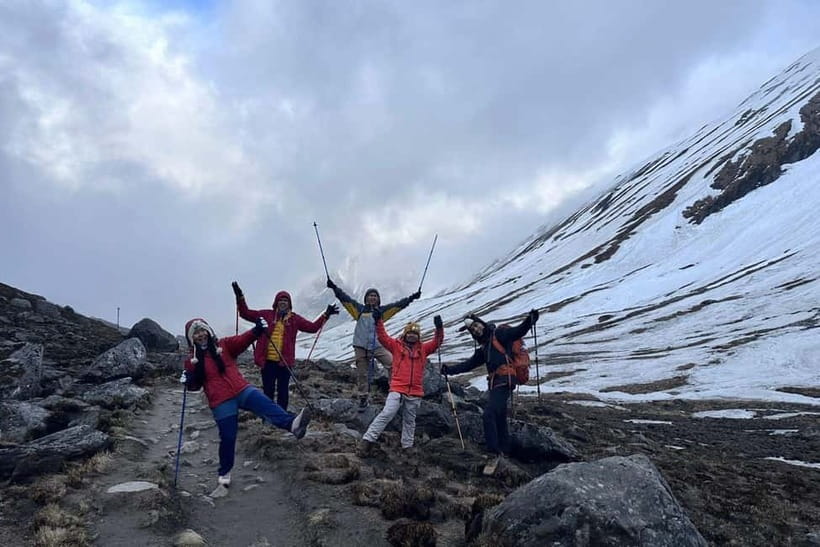
- Thorong La at dawn: an early start helps you avoid the worst of the wind on the pass
- Manang rest day: a real acclimatization buffer instead of just pushing upward
- Upper Pisang sightseeing: classic village views with big peaks overhead
- Muktinath Temple: you end at a sacred Hindu and Buddhist pilgrimage site
- Guided paperwork and permits: fewer worries before you start climbing
Why the Annapurna Circuit via Thorong La feels different
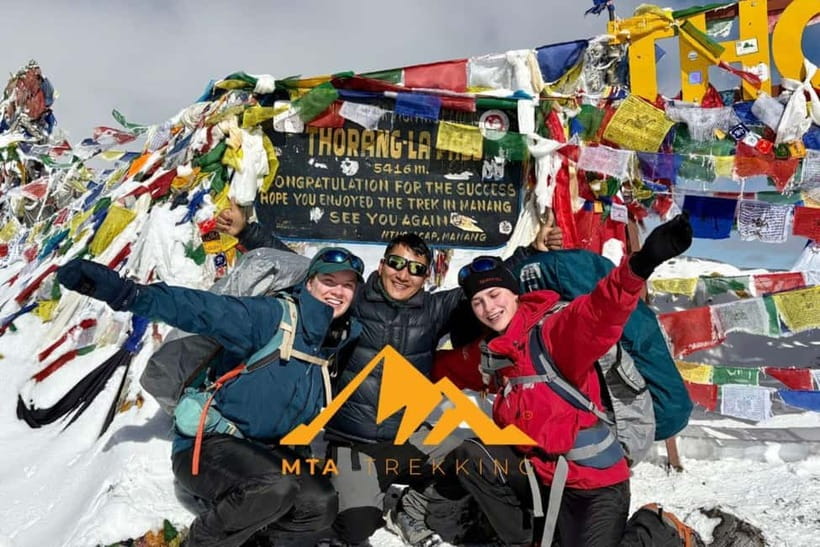
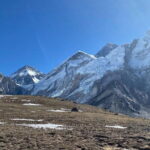
The Annapurna Circuit is famous for a reason, but Thorong La is the moment you remember. The trek doesn’t just give you peak views; it puts you into a high-alpine rhythm where the air feels different and your timing matters. One minute you’re walking through valleys and orchards, the next you’re staring at snow lines, prayer flags, and the Kali Gandaki Gorge dropping away below.
What I like most is that this route is built around the two parts that usually decide how your trek goes: acclimatization and the pass day. You get a proper stop in Manang to rest and adjust, not just a quick coffee break. Then, on the crossing day, you start around 4 a.m., which is a practical trick for dealing with wind and conditions higher up.
You’ll also get an ending that’s not only scenic but meaningful. Muktinath is a pilgrimage site for Hindus and Buddhists, with temples and shrines you can explore after the hard work of getting over the pass. It’s a nice reset: from steep, cold climbing to the calm ritual pace of a sacred place.
You can also read our reviews of more tours and experiences in Kathmandu.
Price and what you truly get for $348
At $348 per person for 8 days, this trek can be good value—if you price it against what you’d spend DIY. You’re paying for a package that includes trekking permits and required fees, guided support, and the core logistics that usually eat time and energy: transport in and out, paperwork prep, and seven nights in teahouse/lodge accommodations during the trek.
Your included ride plan also matters. You don’t just hop on a plane and start walking. You’ll travel from Kathmandu down to the trail area, using a bus for part of the route and local/shared jeeps for other sections. At the end, you’ll take a local bus back toward Pokhara, with enough road time to decompress and actually enjoy the ride instead of racing for connections.
One big “watch the details” point: meal inclusion depends on the package level. The listing notes that all trek meals (breakfast, lunch, dinner) are included for a Full Package. If you go Standard, you should plan to buy your own meals along the way. Also, hot shower and mineral water aren’t included, so budget for drinks and warm-ups.
Still, even with those extras, the structure is there: tea house nights, a Pokhara hotel night at Hotel Orchid, and a farewell Nepalese dinner. For many people, that’s what turns a hard trek into a trek you can focus on—walking, acclimatizing, and enjoying.
From Kathmandu to Chame: the long road that sets expectations
Day 1 is all about positioning. You’ll drive from Kathmandu toward Chame through Besisahar. Expect a long travel day—about 9 to 10 hours total—split into a bus leg and then a local jeep ride of 3 to 4 hours.
Here’s why this day is more important than it sounds. The road time controls your first sleep quality and whether your legs feel awake on Day 2. If you’re prone to getting car-sick or stiff, bring what you need before you leave Kathmandu: water, something for warmth, and a simple stretching routine when you stop.
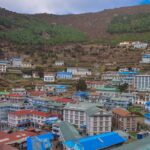
You’ll pass through towns, green hills, rivers, forests, and village views, which gives you your first real feel for Nepal outside the city. Then you arrive in Chame and rest at a teahouse. That’s the right move. Thorong La doesn’t care that you’re excited; it cares that you’re rested.
Pine forests and apple orchards to Pisang (and why Upper Pisang is a must)
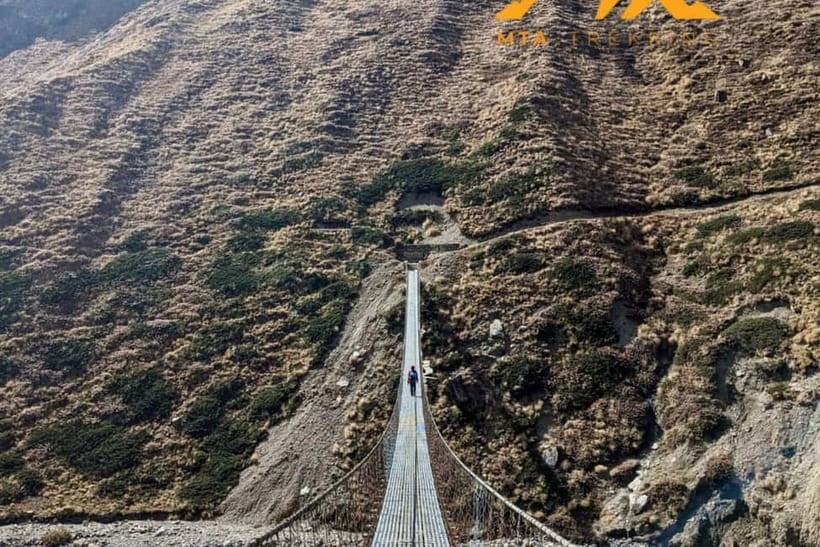
Day 2 is where the trek starts to feel like a trek. You climb from Chame through pine forests and apple orchards, then cross a suspension bridge. After lunch at Dhukur Pokhari, you continue to Pisang.
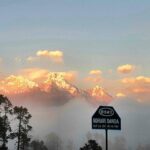
Pisang is a great stopping point because it balances effort with payoff. You’ll get classic views of Annapurna peaks—Annapurna II, IV—and you’ll see Pisang Peak in the mix. That matters for your mindset. When you can name what you’re looking at (even casually), your brain starts to enjoy the climb rather than just endure it.
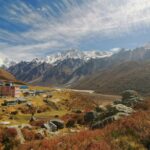
You’ll spend time exploring both Upper and Lower Pisang. Upper Pisang is the one people talk about for a reason: the village sits in a way that frames mountain views beautifully. It’s not just a walk-through stop. Think of it as a chance to look, take photos, and understand how the valley walls rise around the settlement.
Teahouse nights here keep things simple. You’ll be far enough into the mountains that you’ll feel the chill at night, even before the highest part of the trek. Warm layers aren’t optional—thin-air mornings will remind you quickly.
Manang acclimatization day: the smartest day on the whole trip
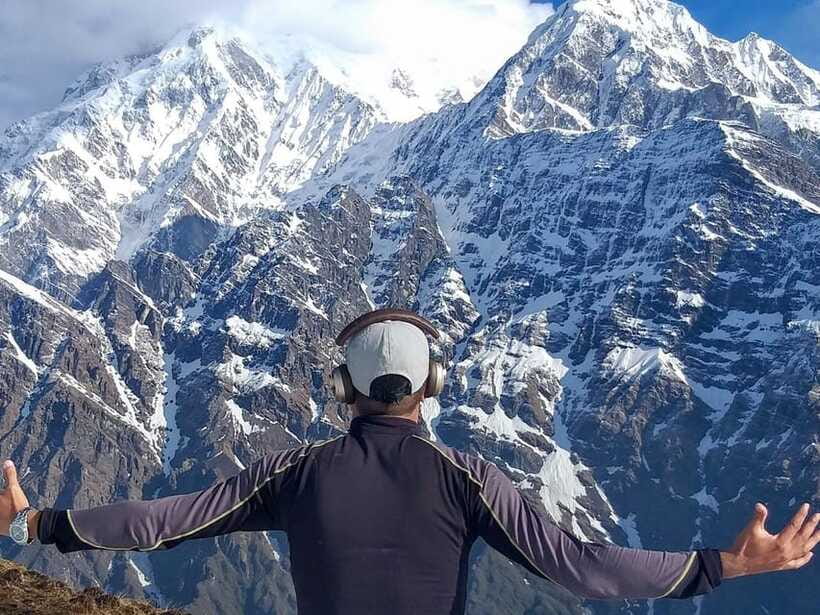
Day 4 is your altitude insurance policy. Manang is where you stop and let your body catch up. The trek includes a rest/acclimatization day, and you’ll have time to explore viewpoints, monasteries, and a cultural museum at a relaxed pace.
This is the kind of day that makes the pass day easier, not harder. Instead of sprinting from one village to the next, you get to walk a bit, take in the scenery, and then return to your lodge and eat well. That’s how you reduce your odds of feeling wrecked when the air gets thin.
The route also offers optional short hikes toward glacial lakes with views over Gangapurna and Tilicho peaks. If you feel good, those smaller outings can be a great way to keep your legs moving without overdoing it. If you don’t feel great, you can skip the extra and focus on rest, water, and warmth.
This is also where your guide matters. In feedback, guides like San Bhai and Ghanshyam are praised for being attentive and calm—exactly what you want when you’re trying to decide how much is too much at altitude. If you take the acclimatization seriously, Thorong La feels like a challenge you chose, not a surprise you survive.
Steady climbs to Yak Kharka, then onward to Thorong Phedi
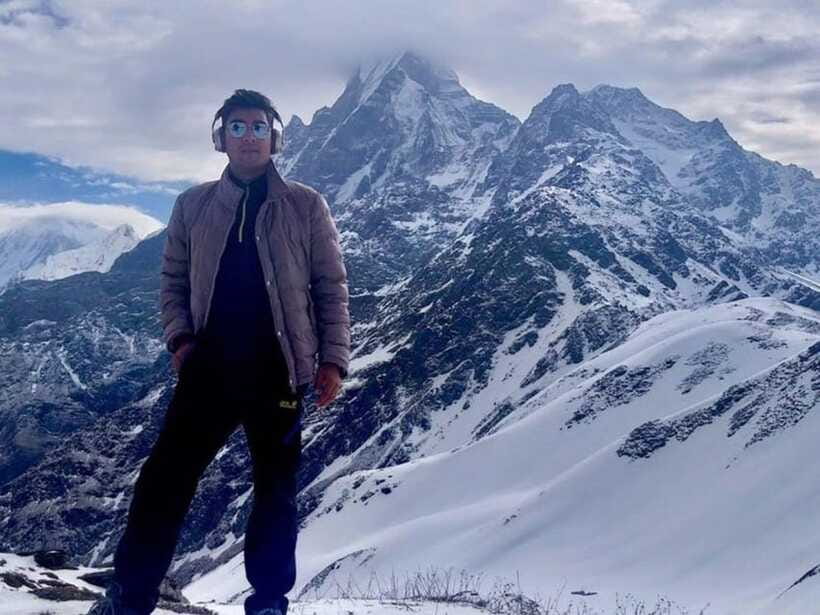
After Manang, the trek shifts toward open, higher terrain.
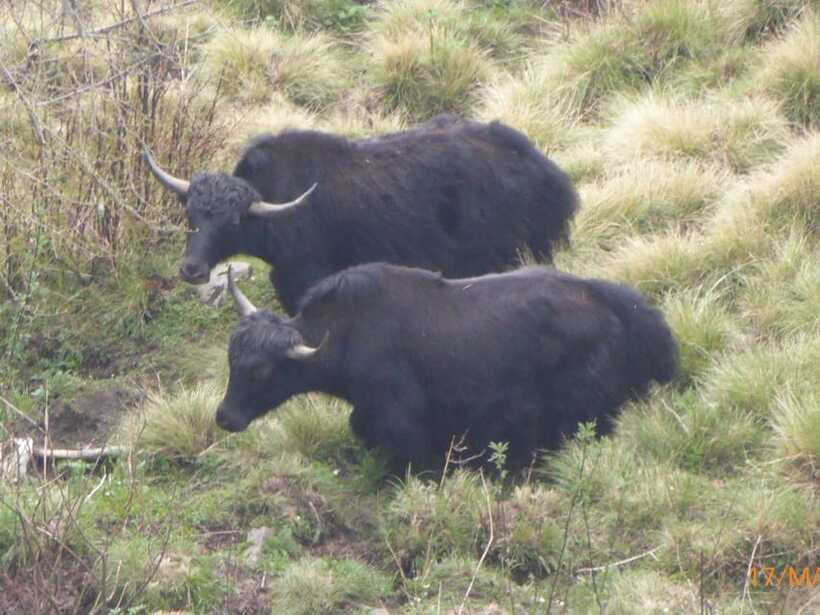
Day 5 brings you from Manang to Yak Kharka (about 4 hours). You climb past areas like Tengi and you’ll meet locals with pack animals along the way. Even if you’re moving at a steady pace, those animal encounters remind you that this is a working route, not just a hiking trail. Lunch in Gunsang adds another view window—Annapurna II and IV again—before continuing through juniper forests to Yak Kharka.
Day 6 is another key building block. You trek from Yak Kharka to Thorong Phedi (about 4 to 5 hours), moving into alpine pasture territory. This is where the trekking “tone” changes. You’ll see roaming horses and Himalayan griffons overhead, and the terrain feels more exposed.
Thorong Phedi is where you sleep before the pass. The goal tonight isn’t extra sightseeing; it’s conserving energy so you can handle early movement tomorrow. You’ll cross a suspension bridge and walk rocky slopes to reach the base camp area, then settle in and prepare for cold, thin-air walking at night-into-dawn.
4 a.m. start on Thorong La: what to expect at 5,416m
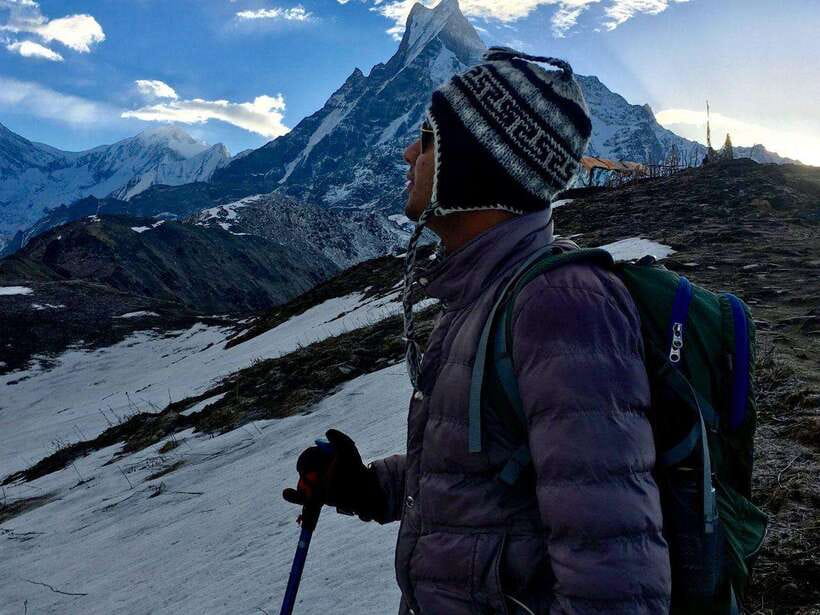
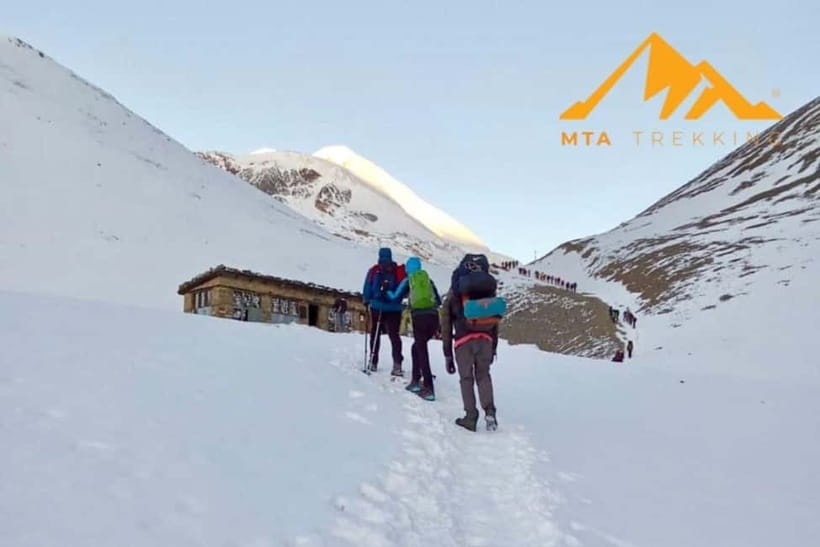
Day 7 is the day. It starts very early, around 4 a.m., to avoid strong winds on Thorong La Pass at 5,416 meters. If you’re thinking you’ll sleep in, don’t. This is one of those practical choices that makes a real difference in comfort and safety.
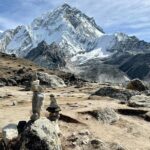
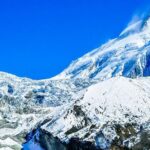
As you move up, you’ll see snow-capped peaks and prayer flags fluttering in the wind. The experience can feel quiet and intense. You’ll likely be focused on breathing, pacing, and stepping carefully. Your guide is there to keep the crossing organized and as safe as possible.
Then comes the descent into the Kali Gandaki Gorge—one of the world’s deepest. That shift is huge psychologically: going from high-altitude effort to the rush of dropping into a deep valley. It can feel like you’re walking into a different climate.
You reach Muktinath after the descent. This is your spiritual finish line—temples and shrines where Hindus and Buddhists both have deep traditions. Even if you’re not the type to seek religious sites, this stop tends to land well because it’s a human moment after a high, physical one. You’ll sleep in a teahouse after a long day, and that night feels earned.
One extra note from guide experiences: some groups are able to enjoy hot springs after the pass. I can’t promise it as a standard part of every plan, but it shows up as an appreciated way to unwind.
Muktinath to Pokhara: long bus, short recovery, big relief
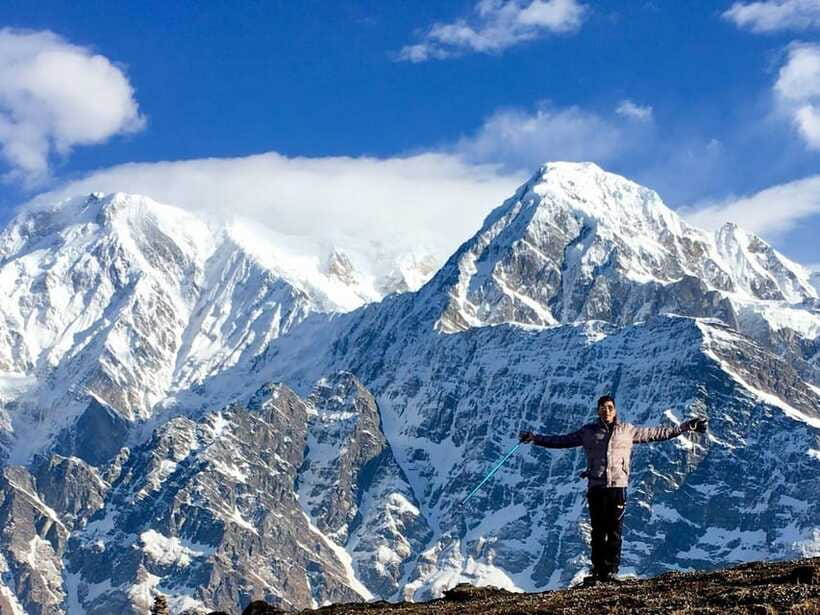
Day 8 is travel and decompression. You drive from Muktinath to Pokhara by local bus for about 9 to 10 hours. The route is described as passing through the lower Mustang Valley, which is the kind of scenery that makes a long ride feel less like punishment.
You’ll arrive in Pokhara, check into Hotel Orchid, and then have time to explore the lakeside streets. This is where you reset your routine: a proper meal you actually enjoy, a walk along the lake, and a chance to feel normal again after the pass.
The farewell Nepalese dinner is scheduled for earlier in the overall flow as part of the program, so by Day 8 you’re usually in full celebration mode—just with legs that remind you what you did.
If you’re the type to pack lightly, consider saving room for small souvenirs and snacks. Pokhara is where you’ll feel the contrast: mountain cold vs. lakeside warmth.
What comfort looks like on a teahouse trek
Teahouse trekking is a specific style of travel. You sleep simply, you share communal spaces, and you understand that warmth comes from layers and heating options, not luxury blankets. Hot showers aren’t included, so plan to use wipes, quick wash routines, and good dry socks.
Packing smart matters:
- Bring warm clothing for nights and early mornings
- Sunglasses and sunscreen are essential at altitude
- Bring a comfortable outfit system you can layer quickly
- Travel insurance is recommended, because altitude travel can be unpredictable
- Have your passport info ready; a copy is accepted, and you’ll be asked to send details in advance for permits
Sleeping bag note: for winter months (November to December), you’re asked to bring your own sleeping bag for winter treks or contact them to arrange a rental. Don’t treat that as optional. Cold nights at altitude can turn an otherwise manageable trek into a miserable one.
Also, you can hire a porter for $20 per day. It’s not included by default, but it can be a smart choice if you’re carrying more than you should. If you want to move faster or feel fresher for the pass, reducing pack weight is one of the easiest upgrades you can make.
Logistics and guide support: where this trek wins
This is the part you can’t always see on a price page, but it shows up in real results: guides and planning.
The strongest pattern in guide feedback is safety and attentiveness. People name their guides directly—Chakra, San Bhai, Shishir, Ghanshyam—and they consistently describe a calm, prepared approach. That includes fast answers before the trek, with WhatsApp being mentioned as a quick way to clear questions ahead of time.
You’ll also have paperwork handled: trekking permits, required fees, and a Trekkers’ Information Management System payment are covered in the package. That means you can spend your mental energy on your training and hydration, instead of chasing forms.
There’s also flexibility built in through pace and support. One comment notes the trek can feel fairly fast-paced, and the rest day in Manang helps, but you still need to be realistic. If you’re younger or in good shape, the schedule tends to feel like a satisfying challenge. If you’re older, less trained, or sensitive to altitude, you’ll want to think twice. (This trek isn’t recommended for pregnant women, people with altitude sickness, or those over 70.)
Who this Annapurna trek suits best
This is a good fit if you want:
- a guided trek with permits, logistics, and teahouse stays taken care of
- a classic Annapurna Circuit route with Upper Pisang views and a meaningful finish at Muktinath
- a plan that includes real acclimatization in Manang rather than only pushing upward
It may not be the best fit if you:
- want a slow, relaxed multiweek trekking pace
- struggle with early mornings or long travel days
- are worried about altitude and don’t have experience with high passes
If you’re generally healthy and reasonably fit, this route can feel like a strong, well-structured challenge. The pass day is tough, but the program’s biggest advantage is that it doesn’t ignore acclimatization.
Should you book this Thorong La trek?
I’d book it if you want a well-organized Annapurna Circuit experience that puts Manang where it belongs—between the lower valleys and Thorong La. The value is strongest when you choose the package that includes trek meals, because it reduces day-to-day spending and decision fatigue.
I’d think hard before booking if you’re sensitive to altitude, can’t handle early starts, or expect a leisurely trek. The schedule is purposeful, not casual, and Thorong La at dawn is non-negotiable in practice.
If you do book, treat the prep seriously: send your passport copy early, pack warm layers, and consider hiring a porter if your load is heavy. You’ll get the big Himalayan feeling, the cultural stops like Muktinath, and the kind of guided safety net that lets you focus on the trail.
FAQ
How high is Thorong La Pass?
Thorong La Pass is at 5,416 meters. The crossing day starts around 4 a.m. to help you avoid strong winds.
Is there an acclimatization day on the trek?
Yes. You rest and acclimatize in Manang to help reduce altitude sickness risk before the pass day.
Are meals included?
Meals are included for the Full Package option during the trek. The Standard Package notes that not all meals are included.
Do I need a sleeping bag?
For winter treks in November and December, you’re asked to bring your own sleeping bag or contact the provider to arrange a rental.
Can I hire a porter?
Yes. Porters are available to hire for $20 per day.
Who should not take this trek?
The trek is listed as not suitable for pregnant women, people with altitude sickness, and people over 70 years.