REVIEW · KATHMANDU
12 Days Everest Base Camp Kala Patthar Trek
Book on Viator →Operated by Trekking Guide Team Adventure · Bookable on Viator
Everest Base Camp is one thing. The trek getting there is another. This fully serviced private 12-day trek mixes big-ticket views with down-to-earth planning, from Kathmandu logistics to tea house nights.
I especially like how it’s built around a private guided trek with an experienced guide and porter support (when included), so you spend less time worrying and more time walking and adjusting to altitude. I also like the cultural thread, including a visit to Tengboche Monastery and a typical Nepali dinner on the last day.
The main drawback to plan for is not the hiking. It’s the Lukla flight weather. Flights can delay or cancel, and if that happens, you may need to cover extra hotel nights and even an optional helicopter flight at an additional cost.
In This Review
- Key things I’d focus on before you go
- Why This Private Everest Base Camp and Kala Patthar Trek Feels Different
- Price and Logistics: What You Get for $1,799, and What You Still Pay
- Lodges and Tea Houses: Family-Run Nights Without Modern Comfort
- From Kathmandu to Lukla: Flights, Luggage, and the Weather Reality
- Trek Rhythm, Food, and Your Guide Team on the Mountain
- Everest Base Camp and Kala Patthar: The Moments You’re Hiking For
- Tengboche Monastery Visit: Sherpa Culture in a Sacred Setting
- Who This Trek Fits Best (and Who Should Think Twice)
- Should You Book This Everest Base Camp and Kala Patthar Trek?
- FAQ
- Do I need a visa for Nepal?
- Is accommodation in Kathmandu included?
- Is porter support included if I’m traveling solo?
- What meals are included during the trek?
- Will there be hot showers during the trek?
- How much luggage is allowed on the Lukla flights?
- What happens if the Lukla flight is cancelled due to weather?
- Are tips for the guide and porter included?
Key things I’d focus on before you go
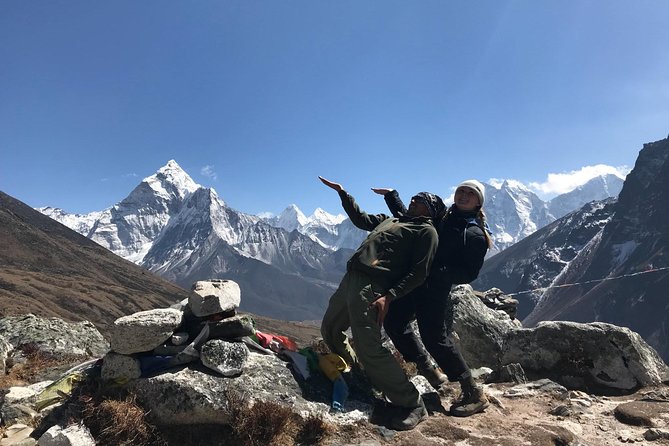
- Private guide support: You’ll trek with an experienced guide, plus porter help where it’s included for your group setup.
- Teahouse-style stays: Family-run lodges are part of the deal, and that also means outside toilets during the trekking portion.
- Meals and essentials included: Breakfast, lunch, and dinner during the trek remove a lot of day-to-day decision fatigue.
- Lukla flight risk is real: Your schedule depends on weather, and extra overnight costs aren’t covered if flights get rerouted.
- Everest Base Camp plus Kala Patthar: You’re not just doing the famous stop—you’re also aiming for the viewpoint that hikers talk about for a reason.
- Culture in the mix: Tengboche Monastery adds meaning beyond the altitude numbers.
Why This Private Everest Base Camp and Kala Patthar Trek Feels Different
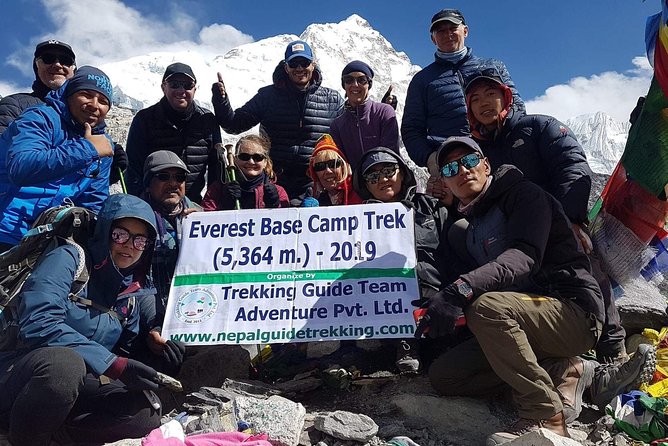
This is the type of Everest trip where you can treat hiking like the main event. You get a guide, porters for most shared travelers, meals, accommodations along the route, permits, and transportation as laid out for the trek. That matters because the EBC/Kala Patthar area can feel intimidating if you’re trying to manage everything yourself.
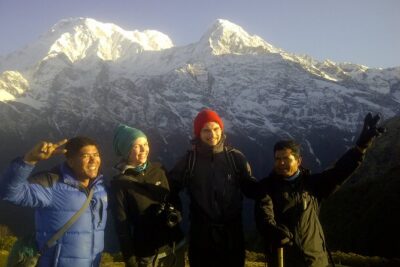
One practical advantage: the team handles the human details. In the feedback for this operator, guides like Shambu and Ram show up repeatedly, and the style sounds consistent—patient, caring, and tuned to keeping the day manageable. You’ll also see references to someone coordinating from Kathmandu (named Kabi in multiple accounts), which is useful when the mountain doesn’t play by your timetable.
And because it’s a private tour, only your group participates. That can be a big deal on Everest-style routes where pacing, rest breaks, and decision-making need to fit your people—not a random mix.
You can also read our reviews of more tours and experiences in Kathmandu.
Price and Logistics: What You Get for $1,799, and What You Still Pay
At $1,799 per person, the headline price looks straightforward. What makes it feel like decent value is that it’s not just a guide and a prayer. It includes:
- Accommodation for 10 nights during the trek on twin sharing (with outside toilet at these mountain lodges)
- Breakfast, lunch, dinner during the trek
- An experienced guide
- Porters: listed as 1 porter for 2 people (and porter service is not included for solo travelers unless you add it)
- Permits and all listed transportation during the trek segment
- A typical Nepali cultural dinner on the last day
Now the costs you should treat as separate buckets:
- Visa: Nepal visa on arrival at Tribhuvan International Airport is mentioned as $30 USD per person, and you’ll need 2 passport photos.
- Travel insurance: explicitly not included, and you should make sure it covers medical bills and helicopter rescue since those are called out as key concerns.
- Your Kathmandu hotel: accommodation in Kathmandu is not included.
- Equipment: you’re expected to bring a proper trekking setup (sleeping bag around -15, down jacket, trekking shoes, gloves, warm layers, torch, etc.). The guide can’t substitute for gear you didn’t pack.
- Lukla baggage: only 12 kg is included on the flight to/from Lukla. Extra costs are Rs 100 per kg.
- Hot shower: not included during trekking.
- Alcohol and drinks like tea/coffee: not included.
- Tips: not included for guide and porter.
One more detail that affects value: the trip is non-refundable and non-changeable if you cancel. That means the smart move is to travel when you’re truly ready—especially because weather and flights can already stress a plan on the Everest route.
Lodges and Tea Houses: Family-Run Nights Without Modern Comfort
The trekking accommodations are family-run tea houses and lodges. That’s part of the charm, but you should also know what you’re paying for and what you’re not.
You’re getting:
- A place to sleep during 10 trekking nights
- Meals during the trek
- The basic infrastructure needed for mountain trekking
You’re not getting:
- Indoor western bathroom comfort. The listing notes outside toilet for the trekking-run lodges.
- Hot showers during trekking.
- The freedom to order drinks and alcohol as you please. Drinks like tea and coffee aren’t included.
Here’s how I’d think about it in plain terms: this style of trekking is about staying warm, staying fed, and sleeping enough to wake up and walk. Bring a plan for comfort that fits reality—warm layers, a good sleeping bag, and small habits like a headlamp and hand wipes. If you’re expecting resort comforts, you’ll spend energy you should save for your legs.
Also, the “family-run” part matters. The mountain economy runs on these guesthouses. When you’re being fed and housed there every night, your presence is supporting local work—often directly through the household that runs the place.
From Kathmandu to Lukla: Flights, Luggage, and the Weather Reality
Getting to Everest isn’t a straight line. It’s a series of steps where the mountain decides how cooperative it wants to be.
This trip includes domestic flights from Kathmandu, including a Lukla connection, and it states your trip includes only one transfer time to and by Lukla. That’s important. If weather forces you to go back to a hotel again and again because of flight changes, extra hotel nights aren’t covered.
The good news: the info provided is clear about what happens when weather goes sideways.
- Lukla weather is unpredictable.
- If your flight is delayed or cancelled, you may have to return to the hotel, and transportation back to the hotel and accommodation that night is not included.
- If the next day is clear, you’ll get either the 3rd or 4th flight onward to Lukla.
- If weather still blocks things, there’s an option for a helicopter flight.
The helicopter cost isn’t fixed. It’s quoted by the airlines the same day. The guidance says your flight ticket is used, and you pay an additional approx $150–$200, making the total around $300. The key planning lesson: keep some cash flexibility and make sure your travel insurance is ready for this kind of scenario.
Luggage is another logistics point you should treat as firm:
- 12 kg included for your Lukla flight luggage.
- Extra baggage is charged at Rs 100 per kg.
For a trekking trip, that means you pack smarter. If you love a heavy camera setup, you’ll need to weigh it against the 12 kg cap—or you’ll be paying for every extra kilo.
Trek Rhythm, Food, and Your Guide Team on the Mountain
You’re not just paying for walking. You’re paying for smooth running while your body works hard.
This trip includes:
- Breakfast, lunch, dinner during the trek
- An experienced guide, plus porters for most groups (1 porter for 2 people)
- Porter support details for carrying your goods
- Meals and support costs for the guide and porters (salary, food, accommodation, transportation, insurance)
If you’re traveling solo: porter service is not included. You can add a porter for an additional $250 USD. That matters because a big part of your trekking success is not just fitness—it’s reducing unnecessary load and staying efficient.
The mountain also changes your pace fast. That’s where guide support shows up. In the accounts tied to this operator, guides such as Shambu and Deepak Gurung are described as patient and caring. One notable detail: a guide named Shambu Basnet is described as having been an ex-military Sergeant Major in the Nepalese Army. Whether you feel it in the briefing style or in practical decision-making, that kind of background tends to translate into calm leadership on difficult days.
And there’s a team effect. You’ll also see mentions of porters like Mahes, Keshab, Gesap, and Sita Ram being focused on keeping gear safe and helping the trek flow. That support lets you concentrate on your breathing, your footing, and the moments you came for.
Everest Base Camp and Kala Patthar: The Moments You’re Hiking For
Let’s be real: if you’re choosing EBC and Kala Patthar, you want two different kinds of payoffs.
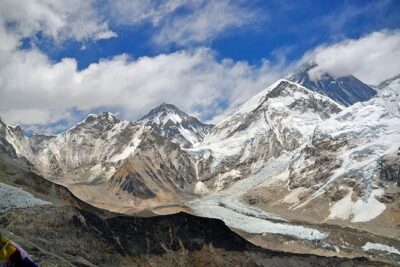
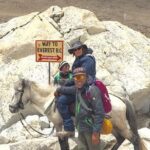
Everest Base Camp is the iconic destination. It’s where the Everest story becomes visible in a way photos can’t fully explain. You’ll be surrounded by trekkers and by the sense that everyone is chasing the same line on the map for personal reasons—history, challenge, pride, healing, whatever yours is.
Kala Patthar is about reward and timing. It’s often described as the viewpoint that gives you a bigger, more dramatic sense of the range. This trip is built specifically for both: you’re not going halfway and calling it a win. The name of the trek is the promise—Base Camp plus Kala Patthar.
Your day-to-day on the mountain will be shaped by altitude, cold mornings, and the reality of walking higher. You’ll get the basics handled: meals, guide direction, and lodge support. Your job is to pace yourself and stay consistent, especially as fatigue creeps in.
One more practical point: because the itinerary depends on Lukla flights, your best strategy is to stay mentally flexible. Even fit trekkers can feel impatient if a delay stretches. Having a guide who can manage the situation matters more than you think.
Tengboche Monastery Visit: Sherpa Culture in a Sacred Setting
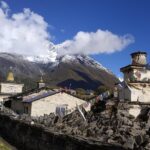
Tengboche Monastery is specifically listed as part of the trek, and that inclusion is one of the best ways to break up “only trekking, only altitude.”
This is where you slow down for meaning. Monasteries in the Everest region aren’t theme-park stops. They’re active cultural spaces tied to daily life and seasonal rhythms. On a long trek, that matters because it gives your brain a different kind of focus.
It’s also a good reminder that Sherpa culture isn’t a side note. The listing calls out the opportunity to experience Sherpa culture and hospitality, and Tengboche is one of the places where that feels tangible.
If you’re respectful with your pace—quiet inside, warm outside—you’ll get more from it than a quick photo stop. Bring a mind for observation, not just shots.
Who This Trek Fits Best (and Who Should Think Twice)
This trip is best for people with strong physical fitness. Everest routes aren’t just “long walks.” You’re dealing with altitude, cold, and the compounding effect of day after day.
It also suits you if:
- You want a private guided experience rather than managing logistics yourself
- You’re okay with teahouse living (including outside toilets and no hot shower during trekking)
- You want meals and accommodation handled, so you can focus on hiking
- You care about culture, not just summits and viewpoints
It might be a tougher match if:
- You expect hotel comforts in the mountains
- You’re not comfortable with flight uncertainty at Lukla
- You don’t have travel insurance that covers serious scenarios
- You’re relying on room-by-room control of plans
And if you’re the type who needs everything locked down with zero flexibility, you should take the Lukla weather note seriously and plan for the possibility of extra nights and extra costs.
Should You Book This Everest Base Camp and Kala Patthar Trek?
I’d book it if you want a guided, fully serviced Everest experience where someone else handles the moving parts—guide team, meals, permits, lodge stays, and the domestic flight routing—while you focus on trekking and enjoying the mountain.
I’d hesitate if you’re traveling with tight timing, low flexibility, or a budget that can’t handle the Lukla weather curveballs. The helicopter option and extra hotel night costs aren’t covered, and that’s the one area where the trip can surprise your wallet.
If you do book, do two things that make a big difference: pack for cold and make sure your insurance is solid for medical and helicopter rescue. Then bring patience for Lukla weather. On Everest, that’s as important as fitness.
FAQ
Do I need a visa for Nepal?
Yes. The guidance here says you can issue your Nepal visa upon arrival at Tribhuwan International Airport in Kathmandu. You’ll need 2 passport size photos and about $30 USD per person.
Is accommodation in Kathmandu included?
No. Accommodation in Kathmandu is not included in this trek package.
Is porter support included if I’m traveling solo?
Porters are included based on a group ratio of 1 porter for 2 people. If you are a solo traveler, porter service is not included, but it’s available for an additional cost of $250 USD.
What meals are included during the trek?
Your breakfast, lunch, and dinner are included during the trekking days.
Will there be hot showers during the trek?
Hot shower is not included during the trekking portion.
How much luggage is allowed on the Lukla flights?
The Lukla flight includes luggage of 12 kg. If you have extra baggage, you’ll pay Rs 100 per kg.
What happens if the Lukla flight is cancelled due to weather?
The schedule can be delayed or cancelled. If your flight is cancelled, you may have to return to the hotel, and transportation back to the hotel and that night’s accommodation are not included. If needed, a helicopter flight may be available at an extra cost quoted by the airline.
Are tips for the guide and porter included?
No. Tips for the guide and porter are not included.