REVIEW · KATHMANDU
Short Annapurna Base Camp Trek – 7 Days
Book on Viator →Operated by Trekking Guide Team Adventure · Bookable on Viator
Seven days to chase Annapurna’s big views. This Short Annapurna Base Camp trek is built for people who want the buzz of the Annapurna region without the full classic timeline, with Annapurna Base Camp and Machhapuchhre Base Camp as the payoff. Along the way you’ll work through village life tied to the Gurung, Magar, and Tamang communities, with chances to pause for mountain views.
Two things I really like: your trek meals are largely handled (breakfast, lunch, dinner during the trek) and the team structure is set up to keep you moving, with an included guide and porter support. I also like the way the trip uses Nepal’s “tea-house rhythm,” so you’re not spending your days looking for logistics.
One consideration: this route still demands strong fitness, and the schedule starts early—your meeting time is listed as 1:15 am, so plan on an early wake-up and a long first push.
In This Review
- Key things to know before you go
- Short Annapurna Base Camp in 7 days: the smart “big rocks” version
- Kathmandu to Pokhara to New Bridge: how the logistics actually work
- Trek days with tea houses: what “included” really means on the ground
- The “Himalayan hotel” view break
- Villages of Gurung, Magar, and Tamang: why these days count
- Reaching Annapurna Base Camp and Machhapuchhre Base Camp: the real payoff
- Guide + porter quality: the difference between a trek and a trip
- Price and value: is $650 a fair deal for this kind of trek?
- Gear and fitness: the stuff you must plan (because it’s not included)
- Who this short Annapurna trek suits best
- Should you book this Short Annapurna Base Camp trek?
- FAQ
- What does the trek cost and what’s included at that price?
- How early does the trekking start?
- What kind of lodging do you get during the trek?
- What permits are handled for you?
- What’s not included for travelers?
- Is the trek private?
Key things to know before you go
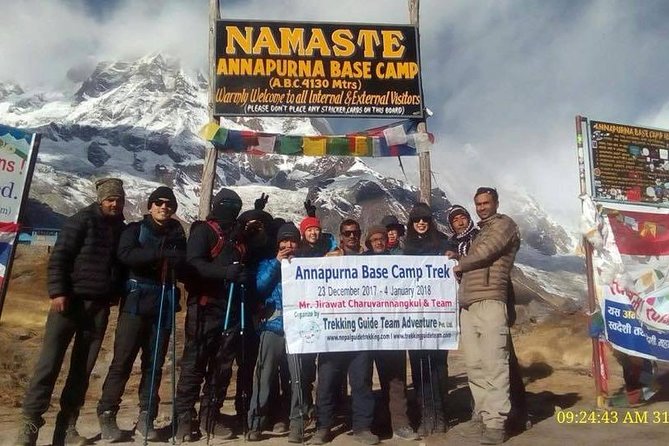
- Base-camp focus in a shorter window: You’re targeting Annapurna Base Camp and Machhapuchhre Base Camp without signing up for a much longer trek.
- Village culture is part of the trek, not an add-on: You’ll pass through communities tied to Gurung, Magar, and Tamang ways of life.
- Tea-house lodging means simple, real mountain stays: Normal lodge/tea houses run by Nepali families are included.
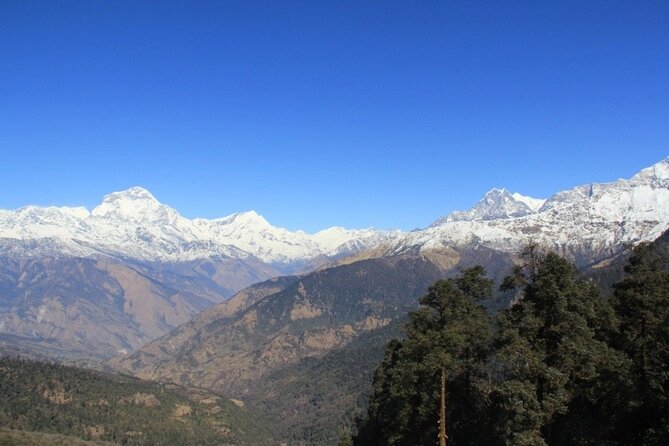
- Views aren’t limited to the summit moment: You’ll also get big panoramas from a Himalayan hotel stop, with views including Machhapuchhre and the Dhaulagiri range.
- Your guide and porter support is a core value: The included team approach is consistently praised, even when weather or injuries show up.
- Permits are handled for you: TIMS plus Annapurna Conservation Area requirements are included.
Short Annapurna Base Camp in 7 days: the smart “big rocks” version
If you’re picturing Annapurna as a classic, multi-week endurance project, this 7-day format is the alternative. You still get the emotional hit of base-camp trekking—close-up feeling, cold air, and that sense that mountains are bigger than your imagination—but you don’t have to commit to the longest version of the route.
What makes this plan feel efficient is the focus. Instead of spreading your time over countless detours, you’re clearly moving toward Annapurna Base Camp (8091m) and Machhapuchhre (6997m) base camp. That’s great for first-timers too, because your time isn’t diluted; you spend your effort on the places that do the heavy lifting.
The cultural thread matters here as well. You’re not just hiking through “scenery.” You’re walking through typical village areas associated with Gurung, Magar, and Tamang communities, which is usually what turns a trek from photos-only into a real memory.
You can also read our reviews of more tours and experiences in Kathmandu.
Kathmandu to Pokhara to New Bridge: how the logistics actually work
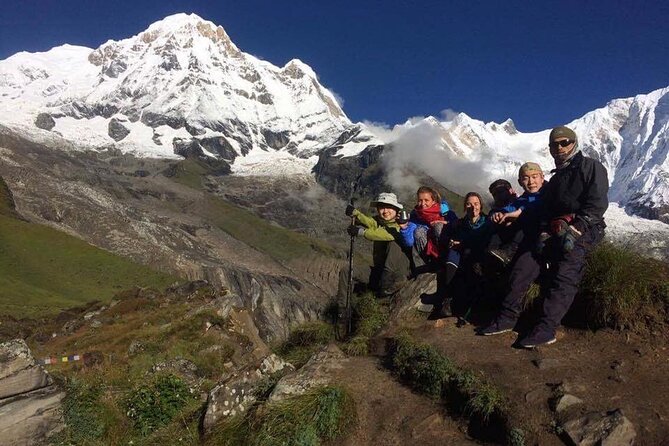
Your trip starts in Kathmandu, and land transportation back and forth is included via tourist bus. That’s one less headache for you—no separate car hires, no guessing which route to take. Pickup is offered, and the meeting point is listed as near public transportation, which can help if you’re arriving on your own.
Then you go to Pokhara, where you’ll stay in a hotel with breakfast included for 2 nights. After that, you’re transferred by local jeep from Pokhara to New Bridge, which is the trekking starting and ending point. This matters because it cuts down the amount of time you spend just moving between places.
The early start time is listed as 1:15 am. That may sound intense, but it’s common in mountain travel where you want daylight and good conditions to start your walking. Just be ready: you’ll want to go into the trek days rested, with a simple plan for warm layers and an easy breakfast on schedule.
Trek days with tea houses: what “included” really means on the ground
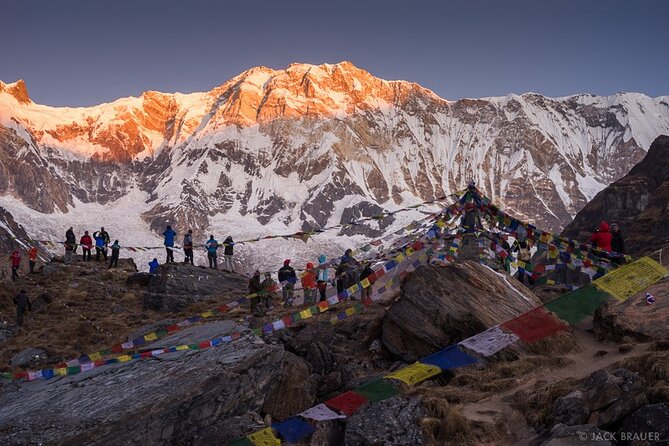
During the trek, breakfast, lunch, and dinner are included. That’s a big deal for value. In mountain regions, food can become the thing you resent—either because you’re constantly deciding what to eat or because the costs creep up when you’re tired. Here, your main meals are already covered, so you can focus on pacing and rest.
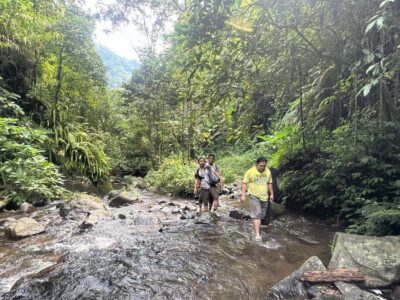
Your accommodation on the trail is “normal lodge / tea houses,” and they’re described as run by Nepali families. Translation: you should expect simple rooms, basic comforts, and a lodge vibe that’s more family-run hospitality than hotel service. Hot showers, laundry, Wi-Fi, and phone charging aren’t included, so if you expect those comforts, budget for them separately.
One practical note: drinks and snacks aren’t included. Coffee/tea, mineral water, and alcoholic/non-alcoholic drinks are listed as not included, along with sweet snacks like chocolate and dessert. This is normal for these treks, but it helps to think of it like this: your big meals are planned; your beverages and treats are your choice.
The “Himalayan hotel” view break
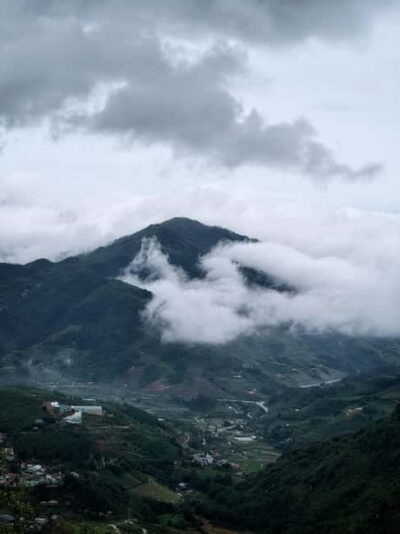
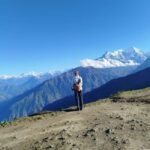
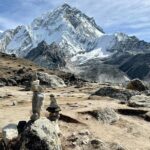
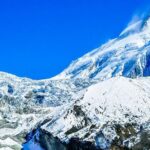
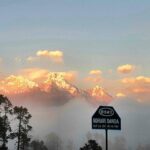
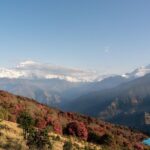
Your plan also includes time with views from a Himalayan hotel stop. The selling point here is that you’re not only chasing sunrise moments at base camp—you get panoramas across the Annapurna range, Machhapuchhre, and even the Dhaulagiri range. That gives you more than one chance to lock in the big mountain memory.
Villages of Gurung, Magar, and Tamang: why these days count
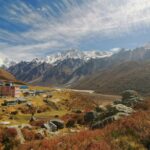
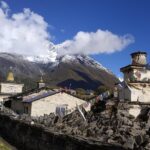
In trekking marketing, village stops can sound like a quick photo moment. In this route, the village element is clearly part of the experience. You’re walking through typical areas linked to the Gurung, Magar, and Tamang communities, and the included tea-house lodging reinforces that this is not just sightseeing.
What you’ll feel on these days is a change in rhythm. The pace isn’t only about height gain; it’s also about how the trail passes through lived-in areas. Tea houses, paths, and small community routines are part of what makes the hike feel human, not just technical.
If you’re the kind of traveler who likes authentic interactions, this route fits your style—especially because your guide is included, and the trekking team can help you understand what you’re seeing without turning it into a lecture.
Reaching Annapurna Base Camp and Machhapuchhre Base Camp: the real payoff
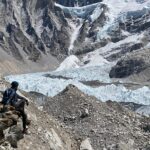
This is a short trek, but it still hits the core goals: Annapurna Base Camp and Machhapuchhre base camp. When you’re choosing a shorter version, your key question should be: do I still get the “base camp feeling”? Here, the trek is explicitly designed around those two destinations, so your days are pointed toward that goal.
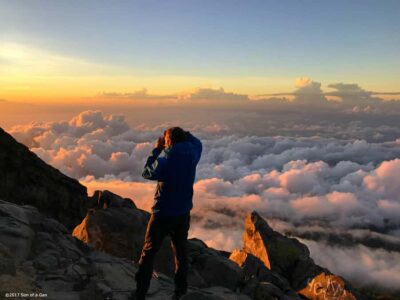
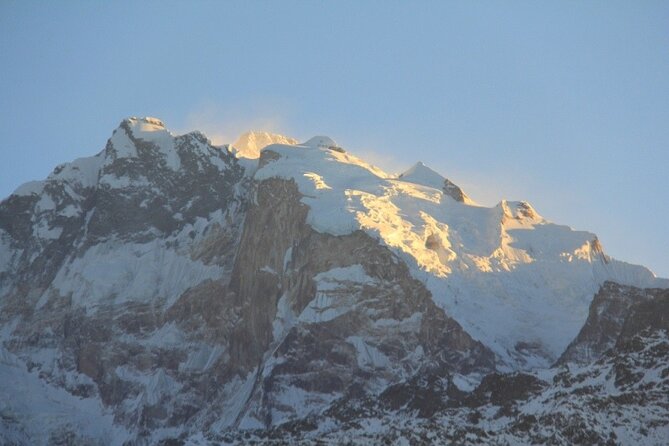
Annapurna Base Camp is the headline. Machhapuchhre base camp is the bonus that adds variety and drama. Even if you don’t know every detail about the peak, you’ll feel the difference in atmosphere as you get closer—thinner air, more intense weather, and that sense of being on the edge of something enormous.
Your guide support becomes especially important here. The itinerary notes that conditions can vary, and the included trekking team approach shows up in the reviews: guides and porters are described as attentive and careful when weather changes, including cases with rain, snow, and even injury support.
Guide + porter quality: the difference between a trek and a trip
This tour includes 1 guide and 1 porter for each two tourists, and insurance is included for the guide and porters. That staffing ratio matters. It suggests you’re not doing this as a random group where nobody is looking out for you. In this kind of terrain, comfort and safety are heavily affected by whether you have a team that manages pacing, hot/cold decisions, and logistics between lodges.
The reviews attached to this experience are strongly consistent on one theme: guides and porters are treated like the heart of the journey. Names that come up include Jit, Shambu, Ram, Deepak, Sujan, and Santosh. Porters include people like Nama, Noma, Suga, Amrit, and Namraj. The specific praise is practical: guides and porters are described as polite, patient, and attentive, and they help when hikers move slower than expected.
One review story that’s especially relevant: a trekker with a knee injury received step-by-step care and support from Deepak and porter Nama, enough that they felt they wouldn’t have finished without that assistance. Another mention highlights adaptability during rain and snow, with the guide assessing safety. That’s exactly what you want from an included team on a trek with variable conditions.
And yes, you can also get morale boosts. One review describes dancing and singing when people felt tired. That’s not a safety feature, but it tells you something about the team culture.
Price and value: is $650 a fair deal for this kind of trek?
At $650 per person for a ~7-day trek, you’re paying for more than walking. The value stack includes:
- Meals during the trek (breakfast, lunch, dinner)
- Trekking lodge accommodations (normal lodge/tea houses)
- A guide and porter setup (insurance for them included)
- TIMS and Annapurna Conservation requirements
- Land transportation from Kathmandu back to Kathmandu by tourist bus
- Pokhara hotel with breakfast for 2 nights
- Jeep transport between Pokhara and New Bridge
What’s not included is just as important for your budget: the trekking gear you bring (sleeping bag, down jacket, gloves, sunglasses, sunscreen, trekking poles/stick, trekking shoes), Nepal entry visa (you’ll get it on arrival and need 2 passport-size photos), and your personal travel insurance (including helicopter rescue coverage). Also not included: tips for the guide and porter, Kathmandu accommodation, and meals/drinks in Kathmandu and Pokhara outside the trek plan.
So the question is whether you’ll actually use the included value. If you’re traveling light, without pre-arranged logistics, and you want someone else to handle the permits and daily meal planning, this price can be a solid deal. If you already have gear, insurance, and your own transportation plan lined up, the value is still there—but your biggest gains come from the guide/porter service and the included trekking meals.
In plain terms: this is priced like a supported trek. If that’s your preference, it’s good value.
Gear and fitness: the stuff you must plan (because it’s not included)
You’re told the trek is for people with strong physical fitness, and that’s not just marketing fluff. Even with a shorter itinerary, you’re still moving on mountain terrain for multiple days with ups and downs, and you’ll be carrying yourself (plus whatever you bring) between lodges.
Because personal equipment is not included, you should plan to bring:
- A sleeping bag
- Down jacket
- Gloves
- Sunglasses
- Sunscreen
- Trekking stick/pole
- Trekking shoes
Also budget time and cash for the things not included on the trail: hot shower, laundry, and drinks. Even if you don’t use them every day, it’s better to have options than to feel stuck.
Finally, don’t skip personal insurance. The tour includes insurance for guide and porters, but it does not include your personal insurance, and it explicitly notes helicopter rescue coverage matters. If you’ve ever had to deal with an injury in remote areas, you already know why this isn’t the part to gamble on.
Who this short Annapurna trek suits best
This is a good fit if you want:
- A base-camp-focused trek without a long multi-week time commitment
- A guided experience with guide and porter support
- Tea-house stays where you’re interacting with local families rather than living in a resort bubble
- A cultural walking experience through Gurung, Magar, and Tamang village areas
It may be less ideal if you:
- Hate early starts and long travel days (the 1:15 am start is a clue)
- Are uncomfortable paying for extras like drinks and Wi-Fi
- Expect hotel-style amenities on the trek nights
Should you book this Short Annapurna Base Camp trek?
I’d book it if you want a supported, short-format Annapurna experience where the logistics, permits, and daily structure are handled for you—and where the guide/porter team is a real part of the trip (not just a checkbox). The strong praise for people like Shambu, Jit, Ram, Deepak, and others is also a good sign that the service quality is consistently human and practical, including when weather changes or injuries happen.
I’d think twice if your schedule can’t handle early wake-ups, or if you’re not ready for a trek that still requires strong fitness. This is short by Annapurna standards, not easy by mountain standards.
FAQ
What does the trek cost and what’s included at that price?
The price is $650 per person. Included are meals (breakfast, lunch, dinner during the trek), lodge/tea-house accommodation during the trek, a guide and porter setup (with insurance for them), permits (TIMS and Annapurna Conservation), a Pokhara hotel stay with breakfast for 2 nights, and transport between Kathmandu and Kathmandu by tourist bus plus a jeep between Pokhara and New Bridge.
How early does the trekking start?
The listed start time is 1:15 am, so you should plan on an early morning on the day your trek begins.
What kind of lodging do you get during the trek?
You stay in normal lodge / tea houses run by Nepali families during the trek. Hot shower and other comforts like Wi-Fi and laundry are not listed as included.
What permits are handled for you?
The tour includes the TIMS permit and the Annapurna Conservation and Trekkers Information Management System (TIMS) Permit requirements.
What’s not included for travelers?
Not included are personal trekking gear (like sleeping bag and down jacket), Nepal entry visa (available on arrival; bring 2 passport-size photos), personal travel insurance (including helicopter rescue coverage), tips for the guide and porter, Kathmandu accommodation, meals in Kathmandu and Pokhara outside the trek plan, and drinks/snacks.
Is the trek private?
Yes. It’s described as a private tour/activity, so only your group participates.
If you want, tell me your travel month and fitness level (and whether anyone has joint issues). I’ll help you sanity-check whether this 7-day plan is a good match and what to prioritize in your packing.