REVIEW · KAMPALA
3-Day Gorilla Trekking Budget Safari in Uganda
Book on Viator →Operated by Bamboo Ecotours · Bookable on Viator
A few hours of driving. Then suddenly, it’s gorillas.
This 3-day Uganda safari puts Bwindi Impenetrable Forest gorilla trekking at the center, with long-range logistics handled for you, plus optional nature and culture add-ons if timing and permits allow.
I like two things a lot: the morning pickup and road transfers that get you into position fast, and the on-site gorilla briefing and family assignment that help you understand what’s coming before you step into the forest.
One thing to consider: the schedule is tight and the trek itself can run long, so you’ll want a moderate fitness level and a calm attitude about slow forest walking.
In This Review
- Key highlights to know before you go
- Fast Uganda circuit: Entebbe to Bwindi without the headache
- Day 1 driving day: what that 8–9 hours is really like
- Stopovers that actually add value: coffee and cultural lunch
- Dinner and overnight near Bwindi
- Day 2 Bwindi trek day: briefing, family assignment, and the pace reality
- What “family assignment” means for your day
- You’ll love the “listening and watching” style of gorilla time
- Trek length note: plan your stamina
- If permits are tight: the Mgahinga option you’ll want to understand
- Optional add-ons on Day 1 and Day 3: choose your own Uganda
- Lake Mutanda canoe trekking (Day 1 or Day 3 when possible)
- Batwa cultural experience in Mgahinga
- Golden monkey trekking at Mgahinga Gorilla National Park
- Entebbe and Kampala return: the 8–9 hour reality on Day 3
- Price and value: what $1,822 per person really covers
- What you get included
- What’s not included
- Is it good value?
- Logistics that matter: pickup timing, group size, and meals
- Pickup timing and day start
- Private tour, shared trek reality
- Meals are built in, not a guess
- Service quality: communication that reduces stress
- Who this 3-day gorilla safari suits best
- Should you book this 3-day gorilla trek with Bamboo Ecotours?
- FAQ
- How long is the safari?
- Where do you get picked up?
- What time does the tour start?
- Is the gorilla trek included?
- Will I know which gorilla family I track?
- What if gorilla trekking permits aren’t available?
- What optional activities can I add?
- What meals are included?
- What is not included in the price?
- Is this a private tour?
Key highlights to know before you go
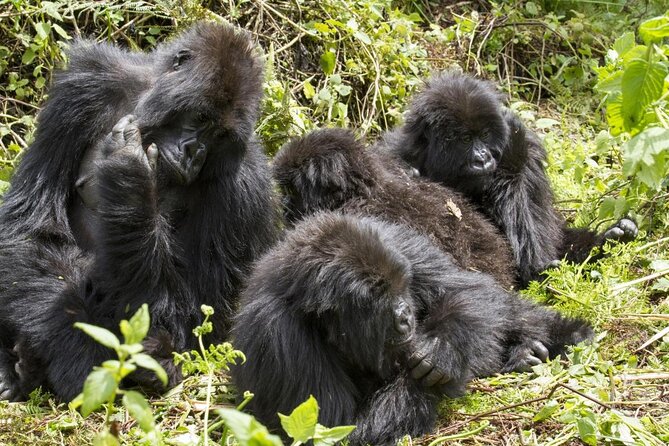
- Real permit handling + park fees included, so you focus on the trek, not paperwork
- Expert briefing at the park gate, including how the gorilla trek works and what to expect
- Private tour feel, with only your group traveling, even if your trek group may mix at Bwindi
- Flexible plan if permits are limited, with a possible pivot to Mgahinga Gorilla National Park
- Optional add-ons (canoeing, Batwa culture, golden monkey trekking) on Day 1 and Day 3
- Responsive communication: Edison is repeatedly mentioned for patience and fast replies on WhatsApp
Fast Uganda circuit: Entebbe to Bwindi without the headache
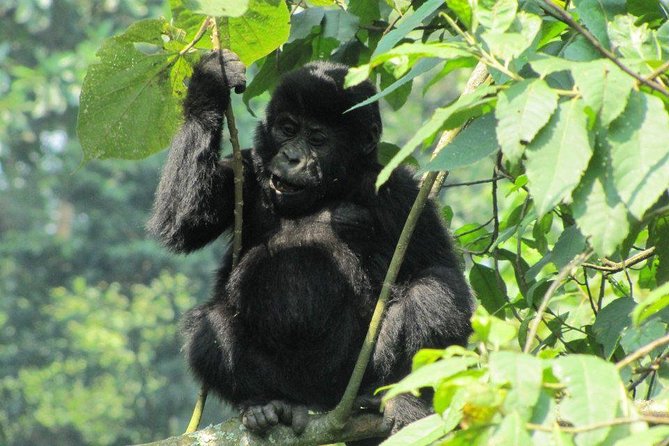
If you’re short on time in Uganda, this is the kind of trip that makes sense. You’re not spending days bouncing around with unclear timing. You’re doing the big things—Entebbe/Kampala access, Bwindi travel, and the gorilla trek—in a compact 3-day format.
The reason it works is simple: most of your effort goes into the forest day. The rest is built around getting you to the right region, feeding you properly, and keeping transitions straightforward. In a place like Uganda, where road conditions and travel times can swing, having transfers and logistics arranged helps you keep your energy for the trek.
You can also read our reviews of more tours and experiences in Kampala.
Day 1 driving day: what that 8–9 hours is really like
Day 1 is a long drive from Entebbe (or Entebbe town) toward Bwindi. The plan starts with a morning pickup, around 7:00–7:30am, and then you’ll head through western Uganda for roughly 8–9 hours.
This is the first “real life” part of the safari. The drive matters because gorilla trekking is an early, physically focused day. If Day 1 were chaotic, you’d feel it in your legs and patience. Here, Day 1 is structured: you break the journey with scheduled stops so you’re not stuck in the car with no rhythm.
Stopovers that actually add value: coffee and cultural lunch
You get two built-in breaks:
- Equator crossing near Masaka for a coffee break and some handicraft shopping. It’s not just a photo stop. It’s an easy stretch-and-snack moment before you settle back into the road.
- Igongo Cultural Centre in Mbarara for lunch. This is a useful pause because it’s timed as a reset point before the Bwindi push.
These stops turn a brutal travel day into something you can handle. You won’t spend the whole day thinking about transport—you’ll have meals, comfort breaks, and a bit of local flavor along the way.
Dinner and overnight near Bwindi
After the drive you’ll reach Bwindi for dinner and overnight. The important part here isn’t the lodge name—it’s that you’re positioned for an early start on Day 2. In one shared experience, bamboo ecotours staff helped a visitor get accommodations like Ichumbi Lodge, noted as being close to the entrance area, but you should confirm what lodge your departure uses.
Day 2 Bwindi trek day: briefing, family assignment, and the pace reality
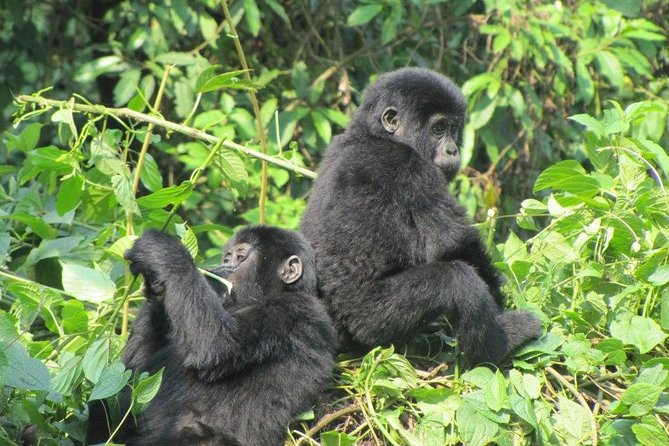
Day 2 is where Uganda turns into a memory. The day starts with breakfast, then you go to the Bwindi National Park gate right away for a briefing by the national park guide.
Here’s what I think is most important about this briefing: it’s not just rules. It’s your mental prep. The briefing covers what you can expect in the forest and how the trek is organized. And crucially, this is when you’ll learn which gorilla family you’ll track.
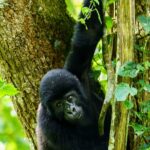
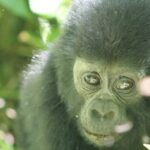
What “family assignment” means for your day
Once you know the family, you’re off into Bwindi. The trek timing depends on how far the gorillas are inside the forest. You could be out there for a shorter walk or for a longer search. That’s normal in gorilla trekking. The key is to go in ready for either.
Also, your group may not be the only people on that trek. The tour can be private in terms of who’s traveling with you, but your actual trek can join with other visitors. That’s fine if you’re calm, keep your space, and follow guide instructions. The park guide is the one steering the tempo.
You’ll love the “listening and watching” style of gorilla time
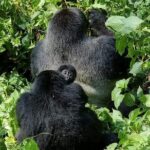
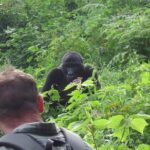
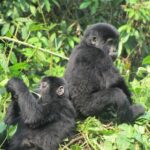
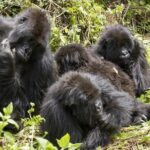
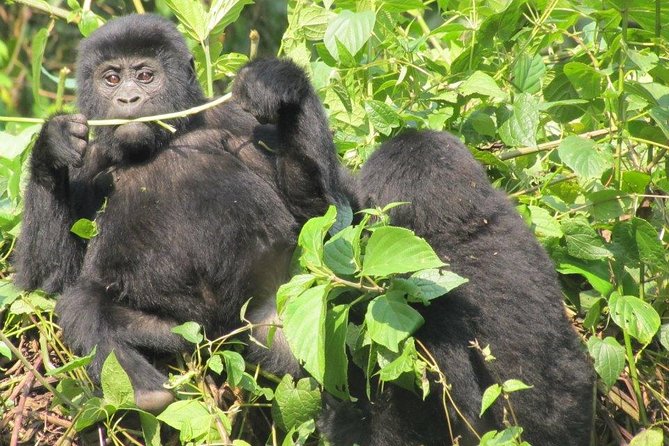
Gorilla trekking rewards the slow mindset. The forest is quiet. You’ll notice tiny details—breathing, movement, branches shifting—before you see them clearly. When you finally spot gorillas, it’s not a quick zoo moment. It’s a controlled wildlife experience with strict distance and guide-led positioning.
If you’re coming from a place where wildlife watching is chaotic, this feels different: organized, rule-based, and human-scale.
Trek length note: plan your stamina
The trek can take from a few hours to many hours depending on gorilla location. So I’d treat Day 2 like a serious hiking day even if it’s not a “mountain climb.” Wear shoes you can walk in for hours, and expect mud or slick patches depending on conditions.
If permits are tight: the Mgahinga option you’ll want to understand
The tour includes a contingency that’s smart in real terms. Depending on availability of gorilla trekking permits, the operator may suggest trekking at Mgahinga Gorilla National Park instead.
This matters for two reasons:
- You protect your main goal: meeting gorillas on your trip is the priority.
- You reduce the risk of disappointment caused by permit limits.
If your plan shifts, you’d still be focused on gorilla trekking, but you should be ready for a different trekking setting and possibly different add-on options. When a departure is permit-dependent, it helps to stay flexible. It’s not the most fun part of planning, but it’s the most practical.
Optional add-ons on Day 1 and Day 3: choose your own Uganda
One reason this safari stands out is the ability to add experiences if time allows. Optional activities appear on Day 1 and Day 3, depending on your schedule and what you decide.
Lake Mutanda canoe trekking (Day 1 or Day 3 when possible)
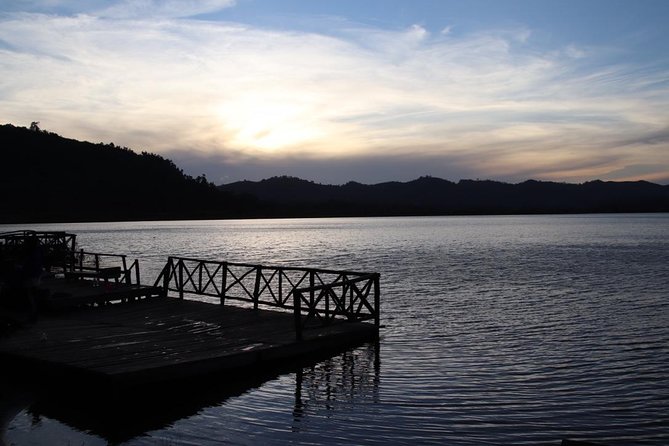
Canoe trekking at Lake Mutanda is a strong contrast after a gorilla-focused day. You trade forest intensity for water-level stillness and wide views.
Batwa cultural experience in Mgahinga
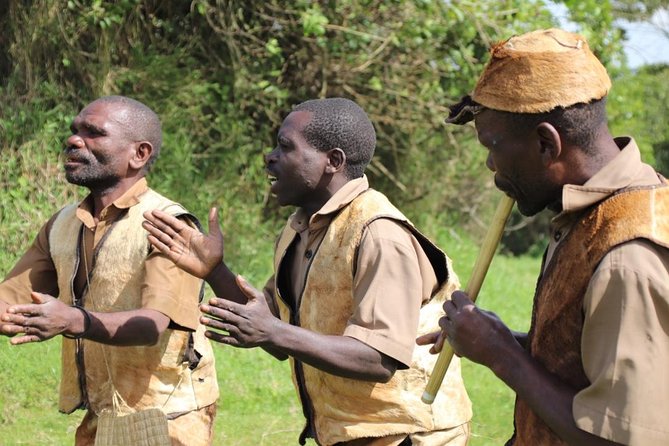
A Batwa cultural experience adds human context to the wilderness you’re walking through. It helps you understand the living history of people connected to the forest. It’s also a reminder that this region isn’t only about parks and wildlife—there are communities and traditions tied to the land.
Golden monkey trekking at Mgahinga Gorilla National Park
Golden monkey trekking is a great “wildlife follow-up” if your main gorilla day goes fast or if you want more animal time. Like gorilla trekking, it’s guided and rule-based, but it’s a different animal, different feel.
One shared story mentioned golden monkey trekking along the route tied to their broader plan, and that kind of sequencing can make the whole trip feel connected instead of chopped into separate days. Your exact order depends on what’s available on your dates.
Entebbe and Kampala return: the 8–9 hour reality on Day 3
Day 3 is essentially the drive back. You’ll travel from Bwindi toward Kampala or Entebbe International Airport, with an estimated 8–9 hours on the road.
This is where you should be honest with your planning. After gorilla trekking, your body may feel tired in a good way, but road time is road time. If you’re choosing flights the same day, give yourself a lot of breathing room. Even if the drive is “scheduled,” traffic and conditions can change.
If you do have optional activities on Day 3, time them wisely. The big win is reaching Entebbe feeling like you saw a lot, not like you’re rushing the exit.
Price and value: what $1,822 per person really covers
This trip costs $1,822 per person, and the value depends on what’s included versus what isn’t.
What you get included
The package includes:
- Gorilla permits
- Transfers
- Park entry fees
- Meals: 2 breakfasts, 3 lunches, and 2 dinners
This is important because gorilla trekking is usually the expensive headline item in Uganda. Here, the biggest categories—permits, park fees, and transport—are handled inside the package. You’re not counting cash mid-trip or hunting for tickets at the gate.
Also, the meal plan helps on two fronts: you don’t lose trek-day time searching for food, and you avoid the common problem where long drives leave people underfed.
What’s not included
You still need to plan for:
- Travel insurance
- Flights
- Tips
- Porter fees
This is where budgeting matters. Even if you don’t use a porter, you’ll likely want some cash for tips and small comforts. And insurance is worth it when you’re combining wildlife activity with long road travel.
Is it good value?
For the right traveler, yes. I’d call it good value if you want:
- a guided, structured gorilla trip
- minimal booking stress
- the chance to add culture or extra wildlife with options
If you’re someone who wants maximum freedom and you’re comfortable doing your own permit and transport coordination, this might feel more structured than you want. But if you want the gorilla day to be the easy part of your planning, this price makes sense.
Logistics that matter: pickup timing, group size, and meals
A few practical pieces will shape your comfort on this safari.
Pickup timing and day start
You’re looking at a morning start around 7:00–7:30am. That’s early enough to feel purposeful, not so early that it ruins the day. Still, get a good night’s sleep in Entebbe.
Private tour, shared trek reality
The tour is set up as private—meaning you’re not mixing with strangers for the driving portion. But during the gorilla trekking, you might trek with other visitors depending on how permits and family tracking line up. The park guide manages it, and that’s the part that keeps everything orderly.
Meals are built in, not a guess
Breakfast and lunch stops are planned on Day 1, and you’ll have the meals included around the trek schedule. That matters because gorilla trekking days can become uncomfortable if you’re underfed.
One small practical note: you’ll be in remote areas, so hydration and simple snacks can help even when meals are included. Keep a reusable bottle if your trek-day packing rules allow it.
Service quality: communication that reduces stress
In multiple shared experiences, Bamboo Ecotours comes across as responsive and organized, especially when coordinating before the trip.
Edison is repeatedly named for WhatsApp communication—patient, quick to respond, and clear with quotes and answers. Another person highlighted an excellent guide experience with Amanya, and there are also mentions of drivers like Godfrey and Fred for smooth transport planning.
You can use that as a signal: if you ask questions early—about dates, permit timing, and optional add-ons—expect real answers rather than vague replies.
Who this 3-day gorilla safari suits best
This is a good match if you:
- want one core wildlife goal done properly in a short time
- prefer packaged logistics over day-by-day independent planning
- can handle long drives and a potentially long trek day
- like the idea of optional add-ons if time and permits allow
It’s also good for first-timers in East Africa who want structure. One solo female traveler described a smooth, well-supported trip and noted strong guide knowledge.
And if you’re a seasoned traveler? You’ll probably appreciate the operational clarity: transfers arranged, meals covered, and the trek day built around a park guide’s instructions.
Should you book this 3-day gorilla trek with Bamboo Ecotours?
I’d book it if gorillas are your priority and you want the trip to feel organized rather than improvised. The strongest reasons are the included gorilla permits and park fees, the guided briefing at the gate, and the practical transfer plan that gets you from Entebbe to Bwindi with scheduled breaks.
I’d think twice if you can’t handle a long day in the car or if you’re very sensitive to the uncertainty of trek duration inside the forest. Also, because permits can affect where you trek, expect that flexibility is part of the deal.
If you’re the type who likes clear plans, strong support, and the chance to add canoeing, Batwa culture, or golden monkey trekking when timing works, this is a solid, value-driven way to do Uganda’s gorillas fast.
FAQ
How long is the safari?
The trip is listed as 3 days, with approximate drive times of about 8–9 hours on Day 1 and Day 3.
Where do you get picked up?
Pickup is offered from Entebbe International Airport or Entebbe town.
What time does the tour start?
The start time is listed as 7:00am. The itinerary also notes pickup at 7:30 AM, so plan for a morning start.
Is the gorilla trek included?
Yes. Gorilla permits and transfers are included, along with park entry fees.
Will I know which gorilla family I track?
You’ll be told which gorilla family to trek during the briefing at the Bwindi National Park gate.
What if gorilla trekking permits aren’t available?
Depending on permit availability, the operator might suggest trekking gorillas at Mgahinga Gorilla National Park instead.
What optional activities can I add?
Options include canoe trekking at Lake Mutanda, a Batwa cultural experience, and golden monkey trekking at Mgahinga Gorilla National Park.
What meals are included?
Breakfast is included for 2 days, lunch for 3 days, and dinner for 2 days.
What is not included in the price?
Not included are travel insurance, flights, tips, and porter fees.
Is this a private tour?
Yes, it’s described as private, with only your group participating (though your trek may still involve other visitors depending on how the park organizes groups).
If you want, tell me your travel month and whether you’re starting from Entebbe or Kampala, and I’ll help you sanity-check timing for flights and which optional add-on usually fits best with a gorilla-focused schedule.