REVIEW · ENGLAND
Alpaca & Donkey Trekking Experience at Wetley Moor Common
Book on Viator →Bookable on Viator
A moor trek with alpacas feels instantly good. I like that this 60-minute walk is small-group, hands-on, and photo-friendly, with a guide who keeps things simple and fun. You’ll meet the animals, get a safety talk before you step out, and walk across Wetley Moor Common at an easy pace.
I also love how welcoming it is for mixed ages and experience levels. Alpaca trekking works for kids and adults, and the team seems ready to help nervous walkers settle in while still keeping the session smooth and well run. The main drawback to plan for is the ground: it can be boggy and muddy, so your footwear choice matters more than you’d think.
In This Review
- Key Highlights Before You Go
- What This Wetley Moor Common Trek Really Feels Like
- Alpaca Trek vs Donkey Trek: What Changes for You
- Entering The Experience: From The Meeting Point To The First Safety Talk
- The 60-Minute Flow: What Happens During Each Part of the Walk
- Before You Walk: Meeting and getting oriented
- The Walk Across the Common: easy steps, lots of photos
- Animal time gets hands-on: feeding and grooming
- After the walk: rewarding the alpacas (if you choose)
- Mud, Weather, and Footwear: The Real Planning Challenge
- Price and Value: Is $41.13 Worth It?
- Who This Trek Suits Best (And Who Might Think Twice)
- Photo Moments That Don’t Feel Forced
- Guides, Handlers, and the Human Side of the Hour
- Should You Book This Wetley Moor Alpaca or Donkey Trek?
- FAQ
- How long is the alpaca or donkey trekking experience?
- Where does the trek start?
- Can kids join the trek?
- Is the experience offered in English?
- What should we wear for Wetley Moor Common?
- What’s the group size?
- What happens if the weather is poor?
Key Highlights Before You Go
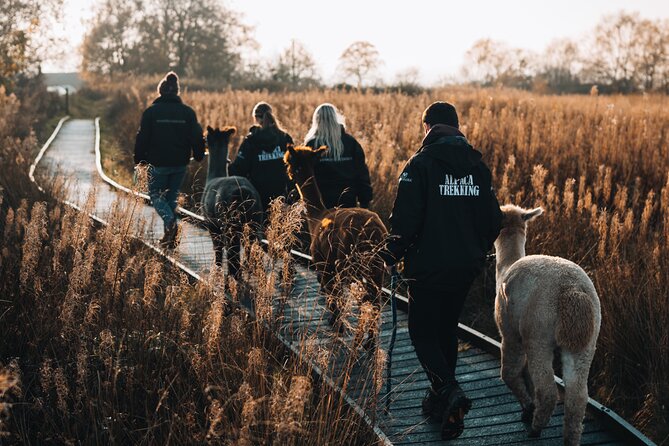
- 60 minutes on Wetley Moor Common with plenty of time to walk, meet, and photograph
- Safety talk included, then you’re guided step by step around the common
- Alpaca or donkey options, with clear age rules for donkey walkers
- Small group size (max 20), so you’re not lost in a crowd
- Feeding and grooming moments can happen during the animal time
- Wellies are a smart idea, and the venue may recommend or supply them
What This Wetley Moor Common Trek Really Feels Like
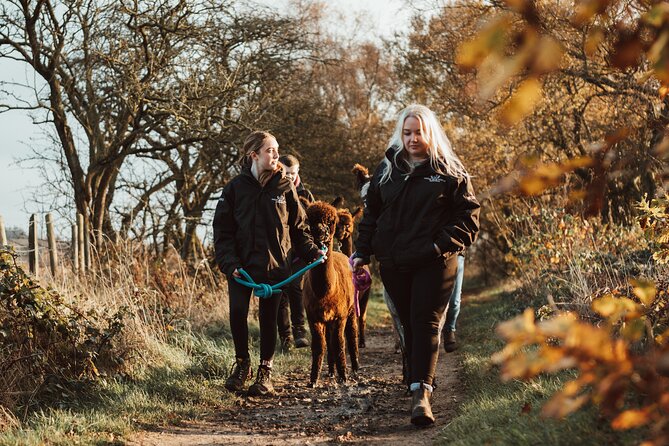
This is the kind of outing that turns a normal hour into a story you’ll keep repeating. You show up, you meet the animals, you listen to a short safety rundown, and then you’re out on the common walking alongside an alpaca or donkey.
What makes it feel special is the pacing. It’s not a long hike with logistics and exhaustion at the end. It’s an animal encounter first, with walking that fits the animals’ rhythm and the group’s comfort level.
I also appreciate that the event is kept tight. A maximum of 20 travelers means you get attention, and the handlers can manage the group without rushing anyone.
Alpaca Trek vs Donkey Trek: What Changes for You
You’re basically choosing your animal partner, and that choice affects who can join and how the session feels.
Alpaca trekking is suitable for all ages, so you can come as a family, bring grandparents, or include kids who want something calm and cuddly. The alpacas are gentle walking companions, and the setup is designed for an easy meet-and-walk flow.
Donkey trekking is the same general idea—walk across the common with your animal—but there’s one key age limit: donkey walkers must be aged 12+. If you’re traveling with younger kids, the alpaca option is usually the better fit.
Either way, you’re not just staring from afar. You’re introduced to the animals properly, and the handlers guide you so you know where to stand and how to behave around them.
Entering The Experience: From The Meeting Point To The First Safety Talk
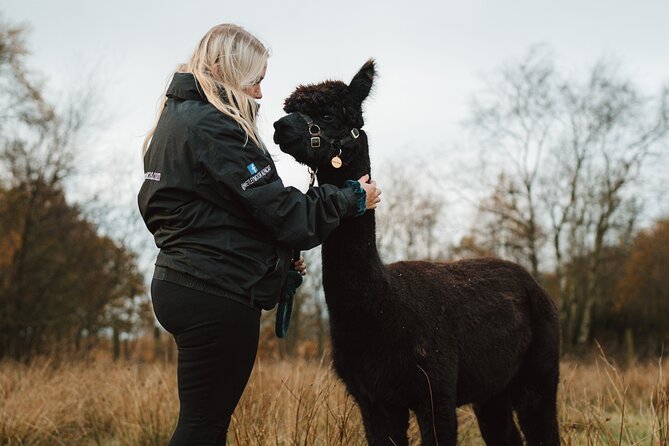
You’ll start at Wetley Moor Alpacas, Eaves Ln, Werrington, Stoke-on-Trent ST2 8LY, UK. The tour ends back at the same spot, which keeps things simple for parking, arrival timing, and getting on with your day afterward.
Once you arrive, expect a warm welcome and a setup that makes you feel ready, not rushed. The session includes a health and safety talk, and it’s not the boring kind. It’s practical: how to move around the animals, what to watch for, and how to keep the experience calm and safe for everyone.
Then you shift from listening to doing. You get introduced to your alpaca or donkey, and the team keeps guiding you as you walk.
The 60-Minute Flow: What Happens During Each Part of the Walk
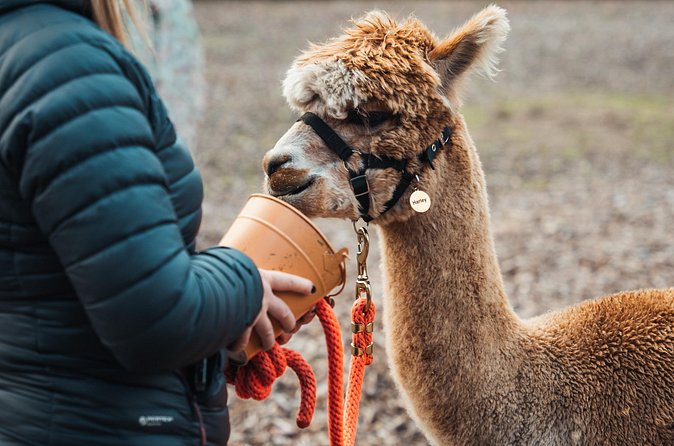
This experience is short on paper and full in real life. Here’s how the hour typically unfolds, and what you should pay attention to.
Before You Walk: Meeting and getting oriented
The first stage is the meet-and-greet portion. This is where handlers build trust with the animals and help you feel comfortable—especially important if you’ve got kids who are curious but unsure.
In past sessions, I’ve seen how quickly confidence can grow once a child realizes they’re not going to be forced or hurried. The handlers keep things gentle, and they stay close so you always know what the next step is.
The Walk Across the Common: easy steps, lots of photos
Then you start walking across the common. You’ll have plenty of photo opportunities, which matters because you won’t just get one quick picture and move on. The handlers make time for photos while still keeping the group moving at an animal-friendly pace.
If the ground is wet, the walk can feel a bit like a gentle mud adventure—meaning it’s worth dressing for it and not treating it like a clean, polished outing. When it’s boggy, you’ll be glad you came prepared.
Animal time gets hands-on: feeding and grooming
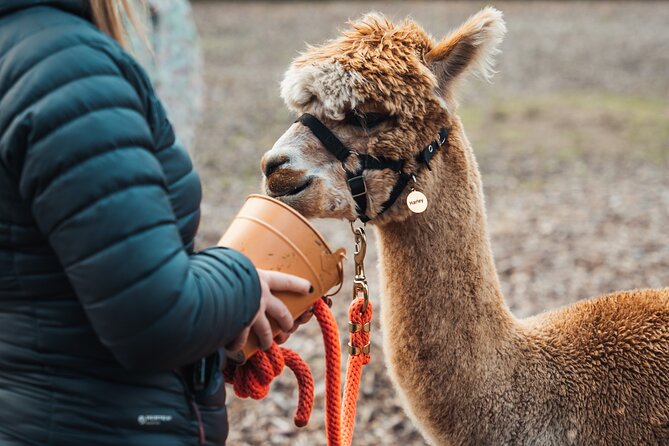
During the animal portion, there’s often a chance to feed and groom the animals, depending on the session flow and the animal team that’s working that day. It’s not a random free-for-all. The handlers guide you so the animals stay comfortable and you know what to do.
This is one of the big reasons people keep coming back. You’re not just passing by. You’re actually interacting in a controlled, friendly way.
After the walk: rewarding the alpacas (if you choose)
You may also have the chance to buy food to reward the alpacas after the walk. This is usually framed as a simple extra: you can treat the alpacas as their reward and make the ending feel complete.
If you like souvenirs that aren’t trinkets—something like a final animal moment—this is the add-on worth considering.
Mud, Weather, and Footwear: The Real Planning Challenge
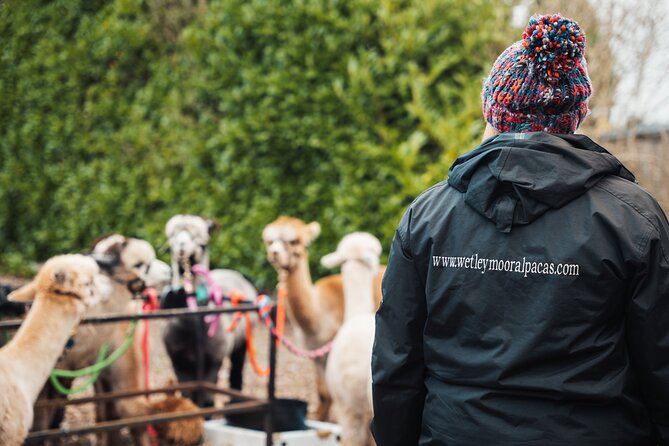
The only true “gotcha” here is the weather and the ground. The common can be boggy, and you can get muddy even if it hasn’t rained hard that day.
A smart move is to plan for wet conditions:
- Bring wellies or footwear that can handle mud.
- Dress in layers you can manage if you get warm while standing around.
- Expect that your bottom half may come away dirtier than you expect.
The good news is that the venue often tells you in advance, and there are suggestions in place. In at least one past session, wellies were recommended and supplied by the venue, which takes the pressure off if you don’t own a pair.
Also remember: under 2s can join free of charge, but they must be in a carrier because the moor isn’t suitable for pushchairs. That’s not a “maybe” detail. It’s a real on-the-ground factor, so plan accordingly.
Price and Value: Is $41.13 Worth It?
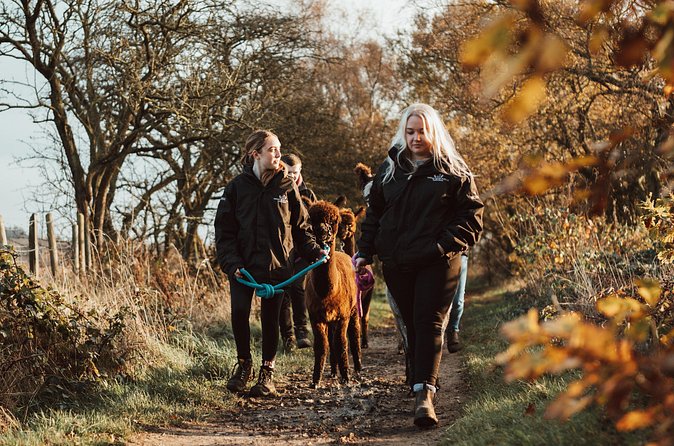
At around $41.13 per person for roughly one hour, this isn’t a budget-buster, but it’s also not one of those ultra-cheap “stand in line and look” attractions. The value comes from what you actually get for that hour.
You’re paying for:
- a guided introduction to the animals,
- a safety talk,
- a real walk across the common,
- and lots of photo time,
- plus the chance for interaction like feeding and grooming.
When a short experience includes both guidance and hands-on time, it tends to feel worth it. If your goal is simply seeing animals from a distance, you might feel the price more. If your goal is to connect with an alpaca or donkey and walk with it, you’re buying into the main event.
And because the group caps at 20, it doesn’t feel like a rushed conveyor belt. That small-group feel is part of the value, even if you don’t think about it until you’re standing there.
Who This Trek Suits Best (And Who Might Think Twice)
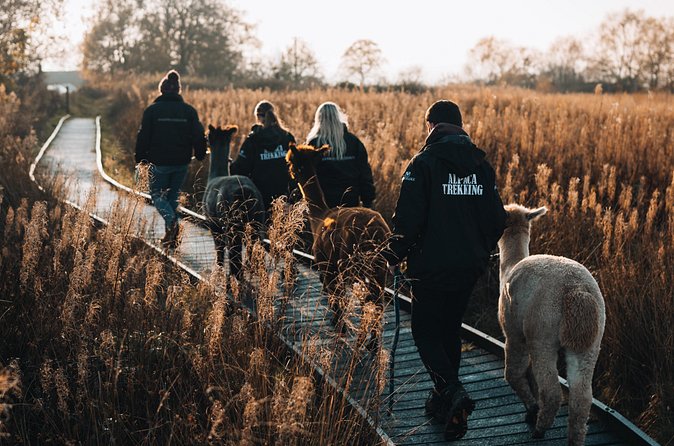
This is one of those experiences that fits a wider range of people than you’d guess.
Families and grandparents tend to love it because the alpaca option works for all ages, and the session is long enough for kids to settle in and not feel like they’re being dragged through a checklist. One elderly visitor was even offered a solo walk when there was concern about keeping up with a group, which tells me the team is willing to support people who need a slightly different pace.
Nervous kids also tend to do well here. When the handler stays close and the animal feels gentle, fear can turn into curiosity fast. It’s easier when the experience is structured instead of chaotic.
Teen and older kids who want donkeys should take note of the age rule: donkey walkers must be 12+. If you have a mixed group with younger children, pair them with the alpaca trek while the older teens join the donkey trek.
The main “think twice” situation is if you hate being outdoors on uneven, muddy ground. You can avoid discomfort by dressing for it, but you can’t avoid the fact that it’s a moor.
Photo Moments That Don’t Feel Forced
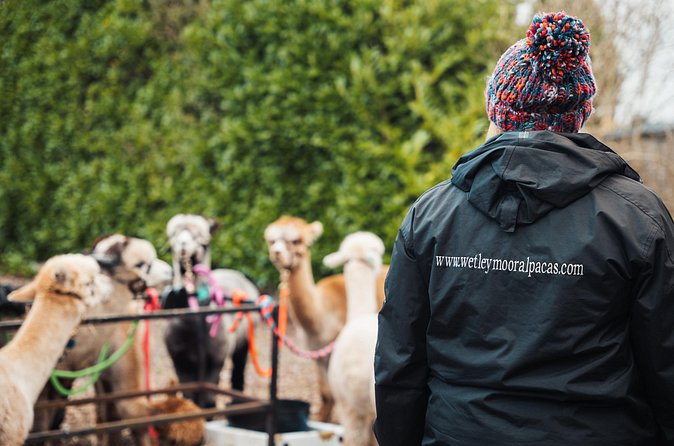
You’re going to want photos, and the good part is that the photo opportunities aren’t treated like a quick dash. The guide keeps the experience moving while still allowing time to capture your animal companion properly.
A helpful mindset is to take the first photos early, when everyone is fresh and the animals are settled. Then, later in the hour, you can focus more on the interaction—feeding, grooming, and watching your animal’s calm behavior up close.
Also, if you’re bringing a camera or phone with low battery, check it before you go. This is the kind of experience where you’ll use it more than you planned.
Guides, Handlers, and the Human Side of the Hour
One reason people write such positive notes about this trek is the human touch. The handler Rachel comes up again and again in past sessions, and she’s described as friendly, helpful, and clear with safety guidance.
That matters because it shapes how relaxed you feel. When you know what to do, you stop fussing. You can simply enjoy the walk, the animals, and the small surprises that pop up when alpacas decide they’re curious.
If you’re the type who likes learning, you’ll also like the added info shared during the walk. It’s not a lecture. It’s the kind of practical animal knowledge you can actually use in the moment.
Should You Book This Wetley Moor Alpaca or Donkey Trek?
Book it if you want an animal-focused outing that’s short, well run, and family friendly—especially if you’ll enjoy getting close enough to take real photos and have real interaction.
Skip it (or at least come with extra footwear planning) if muddy ground is a deal-breaker for you, or if your group includes young children who need pushchairs on rough terrain. Also, if you’re hoping for donkey trekking with very young kids, remember the donkey age rule.
If you want an easy win for a day around Stoke-on-Trent, this hour on the common is a solid choice. Show up prepared, listen to the safety talk, and let the animals set the tone.
FAQ
How long is the alpaca or donkey trekking experience?
It’s about 60 minutes.
Where does the trek start?
The experience starts at Wetley Moor Alpacas, Eaves Ln, Werrington, Stoke-on-Trent ST2 8LY, UK, and it ends back at the meeting point.
Can kids join the trek?
Alpaca trekking is suitable for all ages. Donkey walkers must be aged 12+. Under 2s can join free of charge but must be in a carrier.
Is the experience offered in English?
Yes, it is offered in English.
What should we wear for Wetley Moor Common?
The moor can be boggy and muddy. Wellies are recommended, and they’ve been supplied by the venue in at least one session.
What’s the group size?
The activity has a maximum of 20 travelers.
What happens if the weather is poor?
This experience requires good weather. If it’s canceled due to poor weather, you’ll be offered a different date or a full refund.