REVIEW · KATHMANDU
Conquer the Himalayas: The Ultimate 16-Day Annapurna Circuit Trek
Book on Viator →Operated by Vyas Treks & Expedition · Bookable on Viator
Thorong La Pass is the big draw. What makes this trek special is the mix of serious altitude work with real village time, bridges, monasteries, and mountain views almost every day.
I like that the plan builds in a cultural rhythm with Gurung, Manang, and Thakali areas, not just a hike-to-the-top checklist. I also like that your trek leaders handle the paperwork side, so you’re spending energy where it counts: on the trail.
The second thing I really value is the practical support: English-speaking, government-licensed leadership plus teahouse nights during the trek. You’ll also get a Kathmandu UNESCO-area orientation and a trek briefing so you start informed, not guessing.
One drawback to consider is timing and risk management. This route depends on good weather, and the high pass days can feel long and cold, so you’ll want to take pacing and acclimatization seriously even if you feel strong.
In This Review
- Quick hits before you lace up
- The Annapurna Circuit experience, beyond the postcard
- Price and value: what $1,492.27 is covering
- Kathmandu days: UNESCO time plus the briefing you’ll use on the pass
- From Khudi and the Trishuli River road: starting easy, setting expectations
- Jagat to Dharapani: river valley hiking and the rhythm of bridges
- Chame and Manang: hot springs, dry air, and the monastery stop that adds meaning
- The steep rock sections near Chame and the run-up to Thorong Phedi
- Thorong La Pass: an early start and serious payoff
- Ghandruk and the drive to Pokhara: when the trek turns gentler
- Optional hikes around the Manang-area days, plus hot springs at the end
- What the guides and route choices really mean for you
- Who this trek fits best
- Should you book this Annapurna Circuit trek?
- FAQ
- What’s included in the trek price?
- Do I need to arrange permits like ACAP and TIMS myself?
- Is this trek private or shared with other groups?
- Where does the trip start, and what happens in Kathmandu?
- How early do you start for Thorong La Pass?
- What’s not included in the cost?
- Is cancellation always free?
Quick hits before you lace up
- Thorong La Pass, east-to-west: you cross from Manang toward Muktinath in the direction described as the easiest and safest.
- Daylight strategy: the pass objective includes an early start around 3 a.m.
- Village culture on purpose: Ghandruk and other settlements bring you close to Gurung life, plus Manang and Thakali areas along the way.
- Teahouse trekking with real logistics: accommodation is included during the trek, with permits handled via ACAP and TIMS.
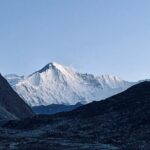
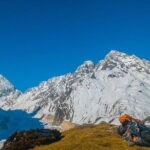
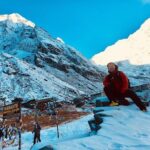
- Big scenery, not just one view: you’re hiking through river valleys, forested ridges, and high-altitude plateaus.
- Hot spring payoffs: Chame has small hot springs, and Tatopani is built for soaking.
The Annapurna Circuit experience, beyond the postcard
The Annapurna Circuit is famous for a reason: it strings together so many different Nepal zones in one trip that you can feel the country changing as you climb. This trek leans into that idea, moving from Kathmandu’s city setup into river valleys with farms and huts, then into forested sections, and eventually into the colder, drier high terrain where the air feels thinner and the views get sharper.
What I like most is that it doesn’t treat culture as a side quest. You’re walking through towns and settlements tied to Gurung, Manang, and Thakali communities, seeing daily life rather than just passing through. You also get specific landmarks, like monasteries and mani walls, that help you understand what you’re looking at instead of staring at mountains in silence.
It’s also pitched as more than a scenic hike, with responsible tourism language and a focus on acclimatization support. Even if you’ve trekked before, that matters here because Thorong La Pass sits at the center of the whole story.
You can also read our reviews of more tours and experiences in Kathmandu.
Price and value: what $1,492.27 is covering
At $1,492.27 per person, the value comes from what’s included, not from what’s missing. This price covers all fees and taxes, airport pickup/drop in a private vehicle, teahouse accommodation during the trek, and a Kathmandu city tour by private vehicle. You also get an experienced English-speaking trek leader and assistant leader, plus permits and paperwork for ACAP and TIMS.
That’s the real win: someone else handles the “admin friction” that can eat your energy or slow you down if you’re self-arranging. Having permits processed is especially important on popular trekking routes where the wrong form or timing can create problems.
What you should budget separately:
- Nepalese visa fee
- International airfare to and from Kathmandu
- Travel and rescue insurance
- Tips for guide(s), porter(s), and driver
- Alcohol and personal expenses
- Any extra Kathmandu or Pokhara nights if you arrive early or leave late
- Excess baggage charges
If you’re comparing options, don’t just look at the total price. Ask yourself if the included package removes enough uncertainty for you. On a high-altitude trek, that uncertainty matters.
Kathmandu days: UNESCO time plus the briefing you’ll use on the pass
Your trip starts with time in Kathmandu. First you arrive and get transferred to your hotel. You’ll have a rest day or a few hours for a city walk to get your bearings fast.
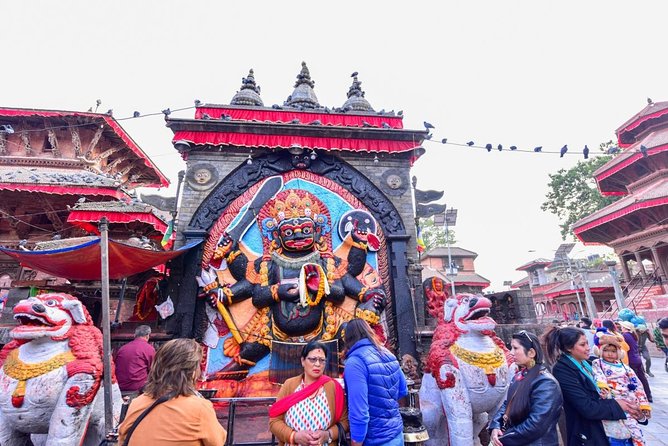
Then you get a full day sightseeing loop around UNESCO World Heritage sites, with dinner and a trek briefing in the evening. This is where the practical value shows up. A good briefing in advance can help you understand what’s ahead: how mornings will feel, when you’ll need to move efficiently, and what pace decisions to trust.
Even if you’re tempted to treat the city days like a vacation free-for-all, I’d use them to prep: sleep when you can, keep your layers ready, and don’t plan long, exhausting side trips. Your best advantage later is arriving on trek days feeling steady, not already worn out.
From Khudi and the Trishuli River road: starting easy, setting expectations
The trek’s early transition uses travel days that make sense for altitude management. You travel along a winding road beside the Trishuli River, passing terraced farms and typical hillside huts. You can also expect the route to connect via road segments to places like Mugling, then continue north toward Pokhara and onward.
You reach Khudi, with a first glance of the Manaslu range. That’s a nice psychological moment: you’re not just leaving Kathmandu, you’re entering a new geography.
The first trekking segment starts with bridges and river crossings, with a mix of gradual walking turning into steeper climbs. You also pass through villages and temples and can spot birds in forest sections. Suspension bridges show up repeatedly, which means you get used to that style of terrain early.
How it feels on the ground: Day one is never truly “easy,” but it’s paced to help you warm up. The main consideration is patience. You’ll be tempted to go fast on day one. On a circuit like this, it’s smarter to save energy for the steeper, colder days later.
Jagat to Dharapani: river valley hiking and the rhythm of bridges
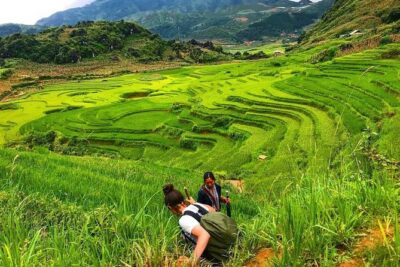
From Khudi Bazaar, you walk into a mix of rice paddies, subtropical forest, ascents and descents, and close mountain views as the mountains feel closer.
You’ll pass Tamang settlement areas (like Taranche) and then reach places like Sirung with strong near-mountain perspectives, including views toward Nadi Chuli and Manaslu.
Next, the route moves toward Jagat. This section follows the Marshyangdi River valley, with multiple suspension bridges over Sangu Khola and then over the Marshyangdi River at Syange. You may also see a waterfall near one of the bridges.
The Dharapani day leans into cliff-faced riverbank walking and rugged trails. You climb steeply toward places like Sattale, then descend to grassy riverbanks and continue through steeply forested village approaches. You finish in Dharapani after yet another suspension bridge crossing.
Drawback to plan for: the frequent bridge crossings and repeated up-downs can be tiring on your legs even when the altitude isn’t at its highest yet. If you tend to overstride, focus on shorter steps and steady foot placement, especially where trails are described as slippery or rock-strewn.
Chame and Manang: hot springs, dry air, and the monastery stop that adds meaning
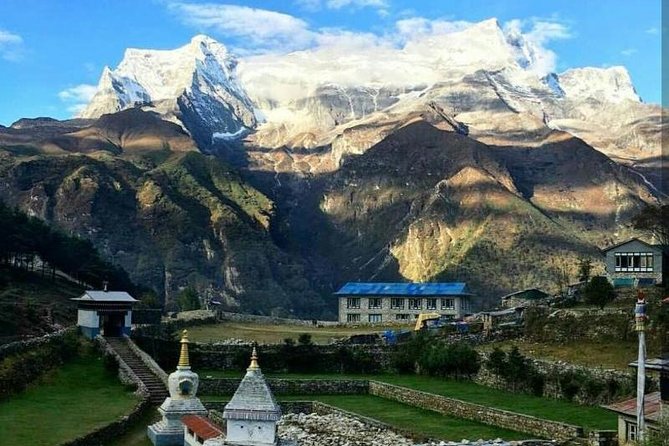
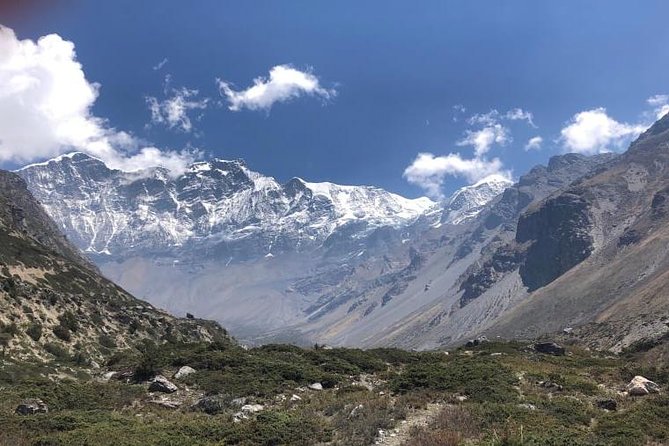
When you reach Chame, you’re in the Manang District headquarters area. You’ll hike ridges through forested sections with impressive Himalaya views like Lamjung Himal, Annapurna II, and Annapurna IV (7,525m). You also get small hot springs here, which can be a welcome muscle reset if you’re dealing with stiffness.
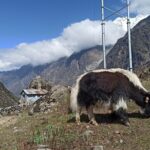
Then comes Yak Kharka, where the trekking feel shifts. The route turns northwest up the Jarsang Khola valley, passing meadows where yaks and horses graze. You may walk by an old mani wall, and this part of the trek gives you a more open, high-altitude atmosphere.
Reaching Manang is another transition point. The route follows a trail to Upper Pisang via Geru to maximize views, and you’ll notice landscape changes toward colder, drier conditions. There’s also a monastery visit: Barge monastery, described as the largest monastery in the district. That kind of stop matters because it gives your brain a reason to slow down and pay attention, not just rack up distance.
Also, this is where acclimatization habits matter most. The included structure is described as personalized acclimatization support, so listen to your trek leaders when they recommend how to pace, rest, and eat.
The steep rock sections near Chame and the run-up to Thorong Phedi
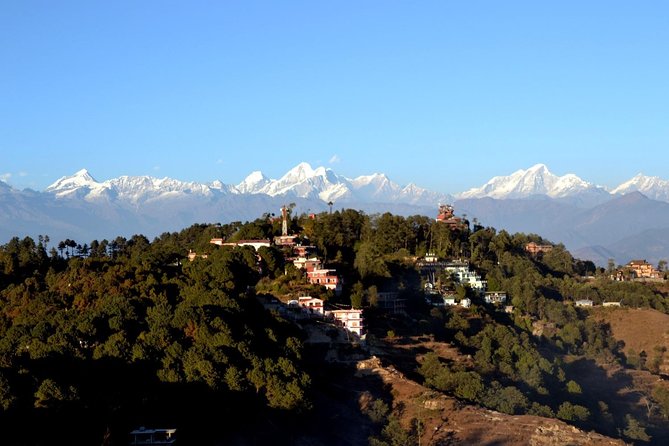
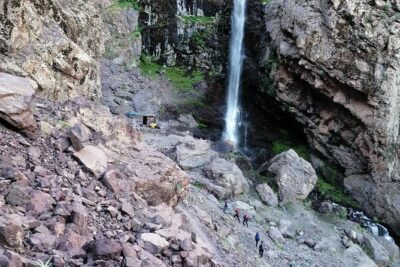
There’s a dramatic stretch described as the steepest part of the Marshyangdi Valley, with trail carved into vertical rock. After this intense segment, the valley opens with wide vistas and you encounter big rock faces like Paungda Danda rising over the trail.
Then the trek pushes toward Thorong La Pass, starting with an uphill walk to Thorang Phedi, with a suspension bridge crossing on the way and a stop in Ledar village. You continue upward through cliffs to Thorang Phedi, described as the last village before the pass.
This is where “conquer” becomes literal. Your job becomes efficient movement: steady steps, layers management, and staying mentally calm even as the air gets thin and the ground turns more exposed.
Practical note: even when you’re excited, don’t burn matches early. The best pass days are the ones where you still have focus at the top.
Thorong La Pass: an early start and serious payoff
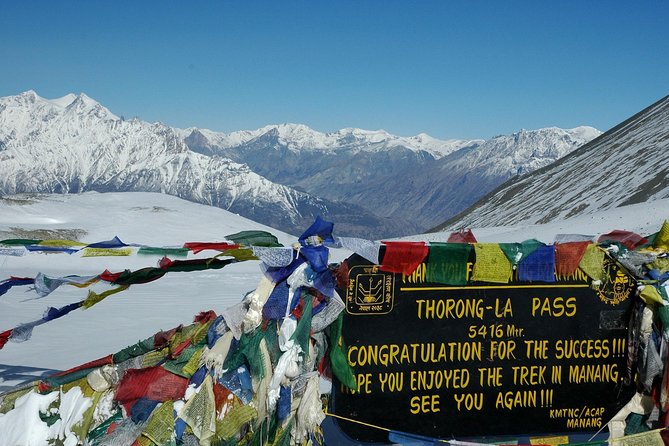
Thorong La is the headline. You walk up to Thorang Phedi, then tackle the pass itself, with the objective described as crossing from east to west from Manang toward Muktinath.
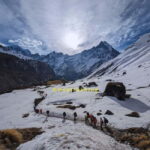
You start around 3 a.m. and walk up in the dark or near-dark. Once you reach the top, the view payoff is the point of the day, and you’ll have time for a few photos before heading down toward the Muktinath Valley at the foot of the pass.
The pass day also has a described safety logic: this direction is labeled as easiest and safest. That matters because it’s not only about distance, it’s about trail conditions and how the day unfolds for most people.
One consideration: the pass day is the part of the trip where you should be most conservative. If you’re unusually tired, start slower. If you feel symptoms of altitude stress, tell your trek leader early. You’re on a supported trek, and your guide’s job is to help you manage risk.
Ghandruk and the drive to Pokhara: when the trek turns gentler
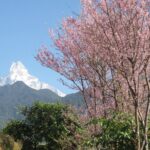
After the high route segment, the plan shifts into downhill days and village approaches. You’ll see forest sections with rhododendron trees, with bloom seasons described as turning the forest into gardens. The route also passes through areas that can be associated with cherry blossoms depending on timing.
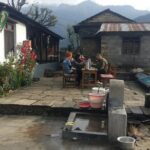
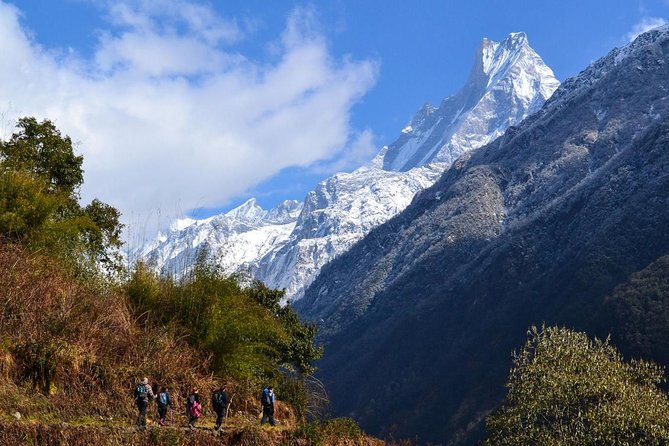
You then enter Ghandruk, a slope settlement with stone houses mostly inhabited by Gurung people. It’s known here for close-up views of peaks like Fishtail, Annapurna South, and Hiunchuli. From Ghandruk you continue to Nayapul, then drive to Pokhara Lakeside.
This is one of the emotional pivots of the trek. The mountains stay dramatic, but the walking becomes more forgiving than the pass lead-up. It’s also a chance to check your feet, rehydrate, and enjoy a meal at a normal pace (you’ll appreciate not constantly thinking about steps).
Optional hikes around the Manang-area days, plus hot springs at the end
One of the later days includes a short hike option to Bhojo Gumba or Gangapurna Lake. If you still have energy, you may add a hike to Vraga Village to visit the Himalayan Rescue Association, which gives you some understanding of Acute Mountain Sickness (AMS).
This is a smart inclusion because it turns “altitude awareness” into something you can actually see. Even if you’ve read about AMS, seeing how rescue and education works can change how careful you are on future climbs.
Then the trek finishes with hot springs and temple time. You’ll reach Tatopani Hot Springs, where today is mostly downhill. The route includes crossings like a bridge at Ghasa, then continued descent through subtropical forests with waterfalls like Rupse Chahara. You may also pass a powerhouse supplying electricity in the area at Narchyang Besi. Once you reach Tatopani, you relax in the hot spring, which is a perfect end-of-trek reset.
Finally, you end at Muktinath Temple. You’ve already crossed Thorong La Pass, and now the focus becomes the valley setting and the temple experience at the bottom of the pass.
What the guides and route choices really mean for you
A big theme behind the best outcomes on this kind of trek is having a leader who can adjust. One trekkers’ experience credited Rajesh for being steady and present in both the mountains and the city, and for making a working alternative route when a section linked to Tilicho was closed. That’s the kind of problem-solving you want before you reach exposed trail and weather-sensitive areas.
You’ll also have two leaders: a government-licensed trek leader and an assistant trek leader, both described as English-speaking. That matters because it improves communication on tricky days, like when you need to slow down, spread out, or re-check your timing.
One more piece of balance: there is a very negative warning in the feedback about an individual named Dipsun Kunwar connected to a trek business (the comment says Vyas Trek). I can’t verify anyone’s claim from here, but it does mean you should protect yourself. Before paying any extras or confirming final details, make sure all guide/itinerary details, permit responsibility, and what’s included are written clearly in your agreement. Treat it like a serious purchase, because on this trek, details are safety.
Who this trek fits best
This trek is best for you if:
- You can manage moderate physical fitness with a willingness to hike daily through varied terrain.
- You want the Annapurna Circuit experience with cultural stops, not just a focus on summit-level views.
- You like the idea of crossing Thorong La Pass with guided support and a structured plan.
- You want teahouse accommodation handled and the permit admin taken care of.
You might think twice if you:
- Get nervous about very early starts and cold mornings.
- Don’t handle up-down trail days well, even before the high pass.
- Prefer full independence and don’t want to rely on fixed guidance for pacing and acclimatization.
Should you book this Annapurna Circuit trek?
I’d book it if your priority is a supported circuit that mixes the hard day (Thorong La) with real village walking, plus the kind of planning that reduces admin chaos. The included package—permits via ACAP and TIMS, licensed leaders, teahouse nights, airport transfers, and a Kathmandu briefing—adds up to more value than the headline cost suggests.
I’d hesitate only if you’re very price-sensitive on extras like visa, insurance, and tips, or if you know you struggle with altitude and cold. And given the harsh warning about Dipsun Kunwar in the feedback, I’d also make sure you confirm the correct operator details and written inclusions before you hand over additional money.
If you do book, come ready to walk steadily, follow your leaders on acclimatization, and treat the early-morning pass as a mission you finish calmly, not a race you win.
FAQ
What’s included in the trek price?
The price includes all fees and taxes, airport pickup and drop in a private vehicle, teahouse accommodation during the trek, a guided Kathmandu city tour by private vehicle, an English-speaking government-licensed trek leader and assistant leader, and trekking permits/paperwork (ACAP and TIMS).
Do I need to arrange permits like ACAP and TIMS myself?
No. The included paperwork covers ACAP and TIMS permits.
Is this trek private or shared with other groups?
It’s described as private: only your group participates.
Where does the trip start, and what happens in Kathmandu?
You arrive in Kathmandu, get transferred to your hotel, and spend time for rest or a short orientation. Then you do a full day sightseeing loop around UNESCO World Heritage sites, followed by dinner and a trek briefing in the evening.
How early do you start for Thorong La Pass?
The pass day includes an early start around 3 a.m., followed by a climb to Thorong La Pass and then a descent toward Muktinath.
What’s not included in the cost?
Not included are the Nepalese visa fee, international airfare, travel and rescue insurance, tips for guides/porters/drivers, excess baggage charges, extra Kathmandu/Pokhara nights if needed, and alcohol/personal expenses.
Is cancellation always free?
You can cancel for a full refund up to 24 hours before the experience start time, with no refund if you cancel within 24 hours. The experience also requires good weather.