REVIEW · MARRAKECH
Trekking in Morocco / 3 Days Valley Trek in the Atlas Mountain & Waterfalls
Book on Viator →Operated by Trekking in Morocco · Bookable on Viator
Atlas trails turn big-city noise off fast. This 3-day trek from Imlil works you through Atlas valleys, passes, and Berber villages around Toubkal National Park with the help of a guide and mule team. I love how the day-by-day walking times are clear, so you can pace yourself, and I love that you hike with mules carrying your bag and food, not your whole life. One thing to consider: the route crosses high passes (up to about 2500m), and the experience hinges on your guide, since a small-group trek still needs someone who matches your pace and keeps things safe.
For sleeping, you stay in simple local guesthouses and a gite, not a hotel chain, which makes the evenings feel very “real Morocco.” And yes, you’ll see familiar guide names on this trek such as Hassan, Ibrahim, Abdul, and Sabir—and English can be strong, which helps a lot when you’re asking village questions on the trail. The main drawback is practical, not dramatic: water isn’t included, so you’ll buy it along the way, and that small cost and stop-hunting is part of the deal.
In This Review
- Key highlights at a glance
- Leaving Marrakech for Imlil: what your first day sets up
- Day 1: Imlil to Tizi n’Tamaterte to Tachdirt/Tinghourine
- Day 2: villages through Ikkis, Aguersiwal, the Oudit Pass, and Ait Aissa
- Day 3: Toubkal National Park waterfalls, Mzik Pass (2500m), then back to Imlil
- Mules and handlers: why you’ll hike lighter and feel better
- Food and sleep: the kind of included meals that keep you going
- Price and value: what you’re really paying for at $267.13
- Pace, altitude, and fitness: who should book this, and who shouldn’t
- Packing the essentials (and skipping the extras)
- Final verdict: should you book this Atlas valleys trek?
- FAQ
- How long is the trek?
- Where does the trek start and what time?
- What route will I walk over the three days?
- What does the price include?
- Are meals included?
- Do I need to carry all my gear?
- Where do you sleep each night?
- Is water included?
- What should I pack?
- How big is the group?
Key highlights at a glance
- Small-group feel (max 15): personal attention without the chaos of huge tour buses.
- Mules + mule handlers: lighter backpacks, steadier energy for the climbs.
- Real Berber meals: two breakfasts, two dinners, and three lunches included, plus coffee or tea.
- High-pass views: Tizi n’Tamaterte, Oudit Pass, and Mzik Pass bring big panoramas.
- Waterfall day to finish strong: Toubkal National Park waterfalls on day three.
- Hamam option in Ait Aissa: you can use a steam bath if you want to soak out the trek.
Leaving Marrakech for Imlil: what your first day sets up
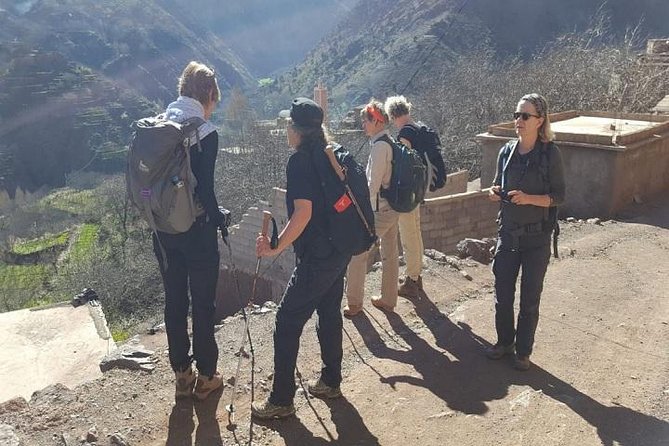
This trek starts with pickup in Marrakech and a drive out toward Imlil. The morning start is 8:30am, which matters because Atlas weather can change fast, and an early start helps you walk in the friendliest light.
Imlil is your gateway. It sits at about 1740m, which means your body gets a gentle warm-up to higher altitude before the real climbs. By the time you’re moving up toward the passes, you’ll feel less like you’re “starting a hike” and more like you’re sliding into the rhythm of the mountains.
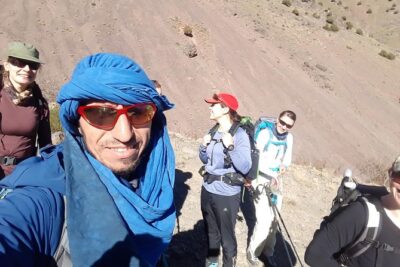
You’ll also notice right away that this isn’t a solo-scout adventure. You’re hiking with a guide, and you’re in a group capped at 15. That’s the sweet spot: you get help and local context without feeling herded.
You can also read our reviews of more tours and experiences in Marrakech.
Day 1: Imlil to Tizi n’Tamaterte to Tachdirt/Tinghourine
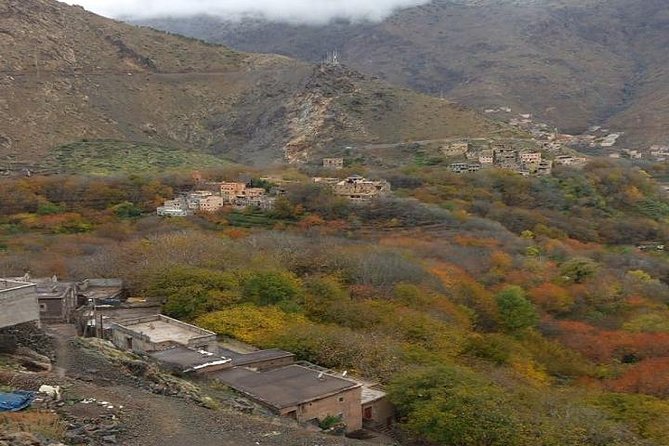
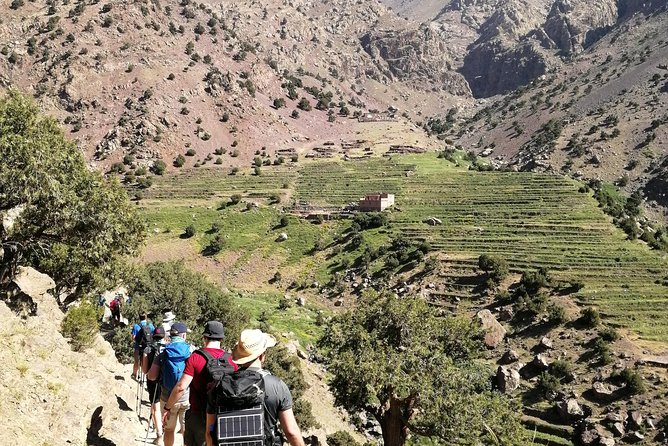
Day one is about 5–6 hours of walking, with a route that climbs from Imlil (1740m) to Tizi n’Tamaterte (2300m) and then onward to Tachdirt or Tinghourine. The altitude gain is the whole point of the day: you’re building legs and stamina while the views start to open up.
After you reach Tizi n’Tamaterte, you stop for lunch on the pass. That’s a great setup. You get a break at a high point rather than trudging onward hungry, and you can catch your breath while the scenery does its job.
Then you head toward the last village and your guesthouse for the night. This is where you’ll feel the shift from “walks and views” to “village days.” Guesthouses in the Atlas tend to be simple—clean, practical, and made for hikers—so your comfort mainly comes from warm layers and an early wind-down.
What you’ll like here: this day is long enough to feel like you did something meaningful, but it’s not so brutal that you arrive wrecked. It’s also the first time you’ll see how the mule support changes everything: you’re hiking, not hauling.
What to watch: bring your jacket. Even if daytime is okay, mornings and nights up high can feel cold fast.
Day 2: villages through Ikkis, Aguersiwal, the Oudit Pass, and Ait Aissa
Day two runs about 6–7 hours and is a classic Atlas day: trail changes, villages appear, and you keep going over passes. You move from Tinghourine or Tachdirt toward Ikkis, then on to Aguersiwal (around 2100m), and further through Matat to Ait Aissa.
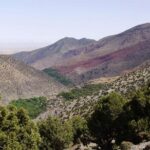
Along the way, you’ll cross the Oudit Pass (about 2200m). This is the kind of climb where the view grows in stages. At first it’s just “higher.” Later it becomes “oh wow, there’s a whole valley system out there.”
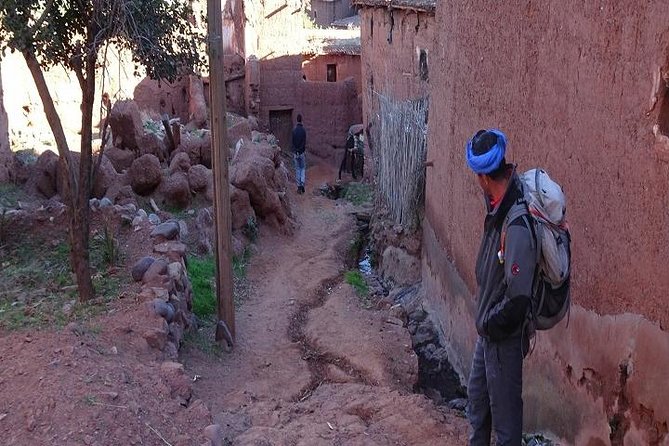
You also get a real slice of village life because the route threads through other picturesque villages rather than only staying on one “main” path. That slows you down just enough to notice everyday things—how people move, what’s growing near homes, how the trail connects communities.
The evening stop is Ait Aissa, where you stay in a gite. If you want it, there’s also a steam bath or hamam option. It’s a smart choice after two days of walking. Even if you don’t go all-in, a warm soak can make tomorrow’s climb feel more manageable.
A subtle advantage: day two is where good guiding shows. If your guide paces you well and explains what you’re seeing, the day feels less like effort and more like a guided walk through a living place.
Day 3: Toubkal National Park waterfalls, Mzik Pass (2500m), then back to Imlil
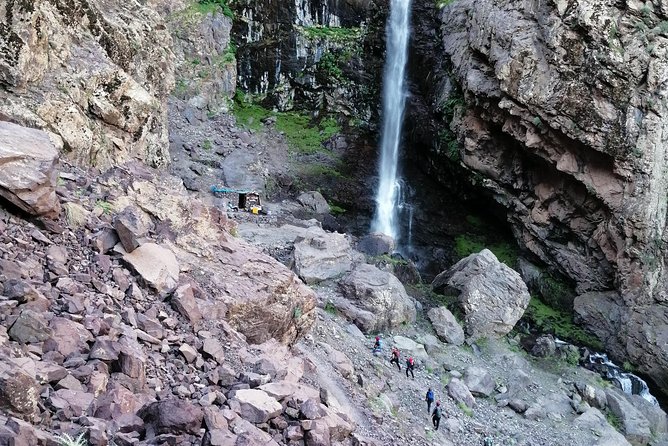
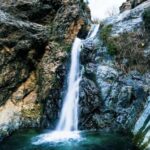
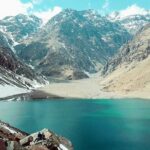
Day three is where the trek turns into a finale. You start with a visit to the biggest waterfalls in Toubkal National Park. Water is one of those things the Atlas does really well—especially because the valleys funnel water through dramatic terrain. Even if you’ve seen waterfalls elsewhere, this one tends to feel different because you’re seeing it from the middle of the landscape, not from a roadside viewpoint.
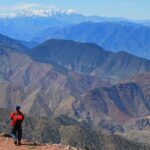
Then you head onward to cross the Mzik Pass (about 2500m), with views over the Ait Mizan valley. This is the highest point of the day, and it’s also where you’ll likely feel that last stretch “in your legs.” The good news: you’ve already built up rhythm on days one and two, so this climb is more about focus than survival.
Lunch is in Mzzik, and then you trek downhill toward Imlil. The end is a steady descent to reset your body before you transfer back to Marrakech.
Why the order is smart: doing waterfalls and a final pass before dropping into Imlil means the day has both payoff and closure. You don’t just “finish the hike.” You finish it with something you’ll remember when you’re back to emails and traffic.
Mules and handlers: why you’ll hike lighter and feel better
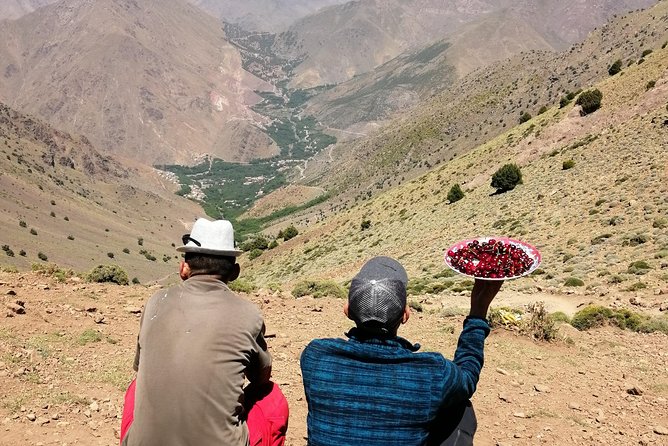
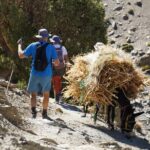
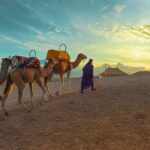
This trek includes mules to carry baggage and food, plus mule handlers. That’s not a luxury add-on—it’s a real design choice.
When your bag is carried, you can walk with less strain, which matters on a route that crosses multiple passes. It also makes the trek more accessible if you’re “moderately fit” rather than training for a mountain race.
Here’s the practical part: you’ll still carry essentials like layers, water, and personal items. But you won’t be stuck with a heavy pack that makes every uphill switchback feel longer than it should.
Also, mule support tends to keep the group moving steadily. When everyone has lighter loads, you spend less time stopping for pack reshuffling and more time enjoying the trail.
Food and sleep: the kind of included meals that keep you going
The package includes all food during the trek: three lunches, two breakfasts, and two dinners, plus coffee and/or tea. You also get meals prepared by a cook.
In mountain trekking, food isn’t just about taste. It’s fuel at the exact moment you need it. A trek like this includes long days (5–7 hours), so having meals handled for you is one less thing to manage when you’re tired.
Accommodation is in local houses—guesthouses and a gite. Expect basic comfort, not luxury. Your best friend here is planning for layers and warmth, because mountain nights can cool down quickly.
One small but important detail: the tour notes that water is not included, so you buy it from local shops. That means you should budget a bit and keep some cash handy, especially on days when you’re moving between villages.
Price and value: what you’re really paying for at $267.13
At $267.13 per person for a three-day trek, the price can look “medium” until you break down what’s included. You’re getting round-trip transfers from Marrakech, a local guide, two nights’ accommodation, and all trek meals. You’re also getting mule support and a cook—both of which are labor-heavy pieces that drive cost.
What makes it feel like value is the combination:
- Transportation: you don’t have to figure out timing to reach Imlil and return.
- Mules + handlers: fewer physical struggles, less gear fuss.
- Food handled: lunches, dinners, and breakfasts aren’t on you.
- Small group (max 15): better attention from the guide than larger set-ups.
If you’re comparing against DIY trekking, the “hidden cost” isn’t just money—it’s time, logistics, and the risk of underestimating altitude and route difficulty. This tour builds those parts into the price.
Pace, altitude, and fitness: who should book this, and who shouldn’t
The trek is for people with moderate physical fitness. That doesn’t mean it’s easy. It means it’s doable if you walk steadily and don’t try to power through.
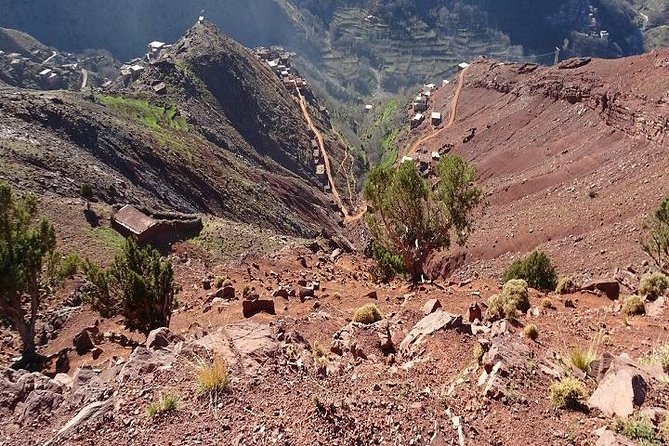
The passes are the key. You climb to around 2300m on day one, cross Oudit Pass near 2200m on day two, and reach Mzik Pass at about 2500m on day three. You might not get a “summit day” feeling (this one isn’t focused on summiting Toubkal itself), but you do get real altitude and steep sections.
So this is a good fit if you:
- can handle 5–7 hours of walking on uneven paths
- like small-group guidance and village connection
- want a lighter-hike format thanks to mules
You should think twice if you:
- expect flat terrain the whole time
- dislike high passes and downhill days
- aren’t comfortable walking in cool mountain air at night
There’s also one more reality check: one participant noted a very poor guide experience with pace and safety concerns. That’s not something you can ignore. The good news is that the trek is small-group by design—so if you communicate your pace and needs early, you have a better chance of aligning with the guide running your group.
Packing the essentials (and skipping the extras)
The tour asks you to bring a sleeping bag, walking shoes, and jackets. You should also pack warm and light cloths (so you can layer), plus a hat, sunscreen, and sunglasses. Towels are also listed.
A practical tip: if your packing list feels too big, remember that you’re only carrying personal essentials. The mule team handles baggage and food, so you don’t need an overbuilt backpack setup.
Also noted: things you can’t bring can be rented in an equipment shop. That’s useful if you forgot hiking gear or you’re traveling light.
Final verdict: should you book this Atlas valleys trek?
I think this is a strong choice if you want real Atlas valley trekking with support, solid meals, and a small-group guide. The mule setup, the included cook, and the village stays make the trip feel smoother than a DIY trek, and the pass-and-waterfall structure gives you a clean storyline from start to finish.
Book it if you’re the kind of traveler who enjoys walking through villages, not just checking viewpoints. Skip it if you only want easy flat trails or if you know you’ll struggle with daily 5–7 hour hikes over high passes.
If you do book, your best move is simple: walk at your pace, bring layers, and communicate early—especially if you have questions about difficulty or comfort.
FAQ
How long is the trek?
It lasts about 3 days, with walking days of roughly 5–6 hours on day one, 6–7 hours on day two, and around 6 hours on day three.
Where does the trek start and what time?
The experience starts in Imlil and pickup is from Marrakech. Start time is 8:30am.
What route will I walk over the three days?
You’ll hike from Imlil to Tizi n’Tamaterte and then to Tachdirt or Tinghourine on day one. Day two takes you from Tinghourine/Tachdirt through villages toward Ait Aissa, crossing the Oudit Pass area. Day three includes a visit to waterfalls in Toubkal National Park, crossing Mzik Pass, then trekking down to Imlil.
What does the price include?
It includes round-trip transfers from Marrakech, a local guide, two nights of accommodation, all food during the trek (breakfasts, lunches, dinners), mules to carry baggage and food, and a cook to prepare meals, plus coffee and/or tea.
Are meals included?
Yes. You get two breakfasts, three lunches, and two dinners, plus coffee and/or tea during the trek.
Do I need to carry all my gear?
No. The tour includes mules to carry your baggage and food, though you’ll still want to carry personal items like layers and essentials.
Where do you sleep each night?
You stay in local accommodation: guesthouses on day one and a gite in Ait Aissa on day two.
Is water included?
No. You buy water from local shops during the trek.
What should I pack?
Bring a sleeping bag, walking shoes, jackets, warm and light layers, a hat, sunscreen, sunglasses, and a towel. You can also rent items in an equipment shop if needed.
How big is the group?
The tour has a maximum of 15 travelers.