REVIEW · KATHMANDU
Everest Base Camp Trek with Helicopter Return to Lukla – 10 Days
Book on Viator →Operated by Luxury Holidays Nepal Pvt. Ltd. · Bookable on Viator
Everest Base Camp feels different with a helicopter.
This 10-day trek pairs classic high-mountain walking with a helicopter return from Gorakshep to Lukla, so you get the big summit scenery without doing the full backtrack. I also like the smooth logistics built in: domestic flights to Lukla, permits handled, standard guesthouses, and a licensed English-speaking guide who helps keep the days organized.
There’s one real consideration: the air portion and mountain timing depend on weather, especially for the helicopter. If conditions aren’t good, you’ll want to keep expectations flexible.
In This Review
- Key Highlights That Matter in Real Life
- Everest Base Camp with a Helicopter Return: The Real Tradeoff
- Kathmandu First: 3-Star Hotel, Real Orientation, and Easy Starts
- Flights to Lukla: Fast Entry to the Highlands
- From Lukla Into the Trek: Sherpa Villages, Forest Sections, and the Dudh Koshi
- Namche Bazaar and Tengboche: Culture Stops That Aren’t Just Scenic
- Dingboche Acclimatization: The Part People Underestimate
- Everest Base Camp: The Day You’ll Remember for Decades
- Kala Patthar Sunrise: Where Timing Really Shows
- Gorakshep to Lukla by Helicopter: What You’ll Notice Up There
- Kathmandu Farewell Dinner with Nepali Dance
- Price and Value: Is $799 a Good Deal Here?
- Who This Trek Fits Best (and Who Might Struggle)
- Gear, Health, and Altitude Reality Checks
- Should You Book This Everest Base Camp Trek with Helicopter Return?
- FAQ
- What does the tour include?
- Where do I meet the group and when does it start?
- Are international flights included?
- Do I need to get a Nepal visa before traveling?
- Is the return trip really by helicopter?
- What about meals—are they included?
- Is there a porter service included?
- How big is the group?
- What trekking permits are included?
Key Highlights That Matter in Real Life
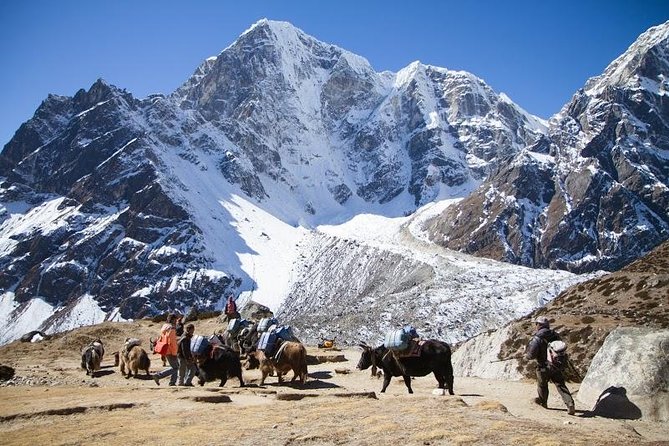
- Helicopter from Gorakshep to Lukla cuts the most tiring part of the trip and gives you a rare aerial look at what you just walked through.
- Everest Base Camp plus Kala Patthar puts you at the classic viewpoints where timing and weather can make or break the sky.
- Namche Bazaar, Tengboche, and Dingboche give you the mix of Sherpa culture, monasteries, and acclimatization pacing you need for altitude trekking.
- Small group size (max 15) helps the guide manage pace, rest breaks, and on-the-ground decisions.
- Permits handled up front (Sagarmatha National Park, TIMS, and Pasang Lhamu Entry) means you spend less time worrying and more time on the trek.
- Gear and first aid included (duffel bag, sleeping bag, T-shirt, map, and a medical kit) reduces the number of things you must purchase before you go.
Everest Base Camp with a Helicopter Return: The Real Tradeoff
An Everest Base Camp trek is all about rhythm. Walk, rest, acclimatize, repeat. What changes here is the exit.
Instead of hiking all the way back down, you end with a helicopter ride from Gorakshep to Lukla. That’s not just a comfort perk. It also changes how you plan your energy. When you know you won’t need to do that long downhill slog after the high point memories, the last trekking days feel less like a grind.
The other side of the tradeoff is simple: you’re still doing high-altitude trekking, and the helicopter segment still depends on conditions. I’d treat the helicopter as an amazing bonus, not a guarantee. The good news is that the package is built around that finale, so you’re not trying to invent alternatives last minute.
You can also read our reviews of more tours and experiences in Kathmandu.
Kathmandu First: 3-Star Hotel, Real Orientation, and Easy Starts
Your trip begins in Kathmandu, with pickup by private vehicle and a 3-star hotel with breakfast. For a trek like this, that first night matters more than most people think. Jet lag plus altitude plans can scramble your brain, so having a real place to get oriented, shower, and sort your gear is part of the value.
You’ll also spend time in Kathmandu before you head toward Lukla. That’s when you get your bearings—literally and practically. In past experiences with this operator’s team, guides like Ram have been praised for being organized and for sharing useful local context, including city and religion insights. Even if your schedule doesn’t include a full extra city walk, you’ll still benefit from having an English-speaking guide who can explain what you’re seeing and why it matters.
Flights to Lukla: Fast Entry to the Highlands
This package includes domestic flights Kathmandu/Manthali to Lukla round-trip. That matters because your trek is short enough (about 10 days) that you can’t afford extra travel delays.
Still, Lukla flights are known for being weather-sensitive, and your mountain days will be paced around that reality. If you’re the type who hates uncertainty, this trip may test your patience—but it also removes the need to spend days on roads and bus schedules that don’t help your altitude goal.
A good practical mindset: treat flight days as early-morning days. Plan to be ready, keep essentials in your daypack, and don’t overload your luggage. The tour includes luggage support as part of the overall trekking logistics, which helps you avoid the common beginner mistake of trying to carry everything yourself.
From Lukla Into the Trek: Sherpa Villages, Forest Sections, and the Dudh Koshi
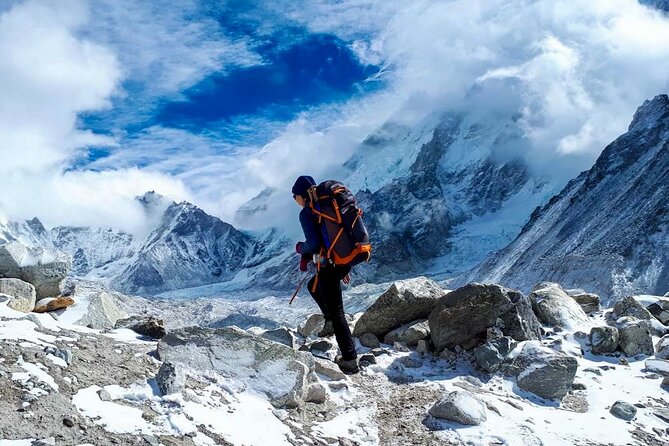
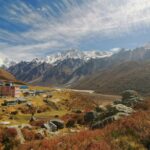
After landing at Lukla, you’ll start working your way through the classic Everest-region scenery. The route includes Sherpa villages, stretches of forest, and time alongside the Dudh Koshi River.
Why this sequence works: the early days are where your body learns the pace. You’re not at base camp yet, so you can focus on walking technique—slow steps, steady breathing, and enough breaks to stay comfortable. Even the tea house culture starts to feel normal here: simple rooms, shared dining areas, and the routine of checking weather and altitude notes.
Also, this is where your guide’s judgment becomes valuable. In similar trips run by this team, guides have been praised for watching everyone’s condition and adjusting pacing for different ages and fitness levels. For you, that means less guessing and more guidance on when to push and when to rest.
Namche Bazaar and Tengboche: Culture Stops That Aren’t Just Scenic
You’ll pass through Namche Bazaar, then visit Tengboche and its famous monastery area.
Namche is more than a photo stop. It’s a place to reset. You’ll likely use it as a moment to catch your breath, refill supplies, and feel what life at altitude looks like. This matters because Everest trekking is mental as much as physical. When you arrive somewhere that feels like a real town, you can relax into the rhythm.
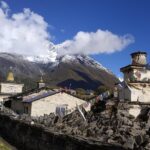
Tengboche brings the cultural side into clearer focus. You get a monastery setting, local religious life, and that sense of the mountains as part of daily spirituality, not just a backdrop. It’s also a good moment to slow down and think about what you’re doing. You’re not just chasing Everest—you’re walking through communities that have lived next to these peaks for generations.
Dingboche Acclimatization: The Part People Underestimate
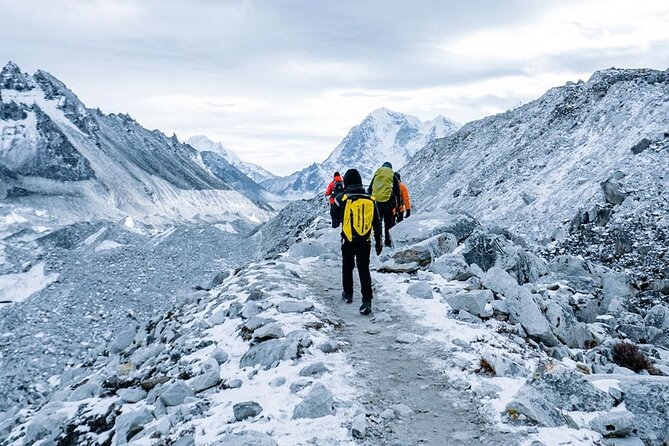
The route includes Dingboche, and that’s where acclimatization becomes a real priority.
Even with a guided trek, altitude doesn’t care about your itinerary. The best you can do is follow the plan, take it slow, and watch how you feel. Dingboche is where you’re moving from curiosity to responsibility. If you push too hard early, the mountain will collect its payment later.
I like this itinerary includes a planned acclimatization stop. It gives you structure. And when you’ve got a licensed English-speaking guide, you’re not left alone with altitude questions like how fast is too fast or what symptoms should trigger a change in pace.
Everest Base Camp: The Day You’ll Remember for Decades
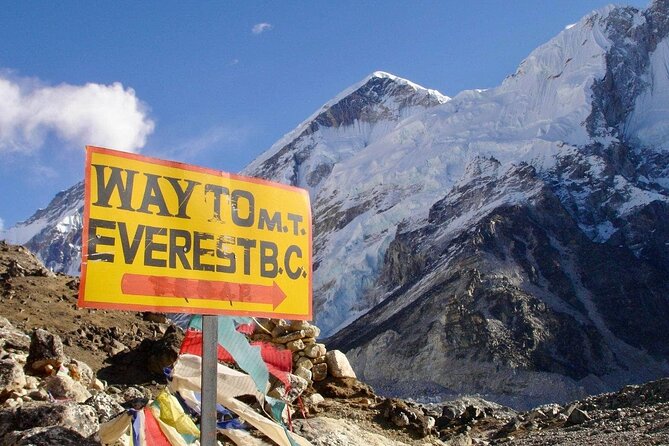
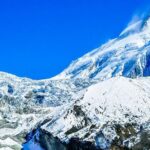
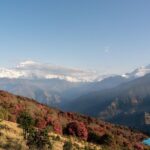
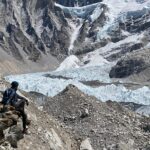
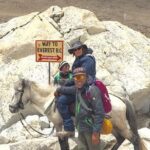
Reaching Everest Base Camp is the payoff day. You’ll witness the famous scale of the region—big glacier textures, deep valley views, and a closeness to Everest’s presence that just isn’t possible from far away.
This day often feels different depending on conditions. Clear weather makes it cinematic. Cloudy conditions make it more mysterious. Either way, base camp hits hard because it’s both an end point and a checkpoint. You’ve walked into a place that looks like the world’s highest outpost for exploration, even if you never climbed a summit yourself.
The practical win in doing this trek with organized logistics: you can focus on your own day. Permits are sorted. Lodging is arranged in advance at guesthouses along the route. That leaves you time to acclimatize properly and enjoy the day when you finally arrive.
Kala Patthar Sunrise: Where Timing Really Shows
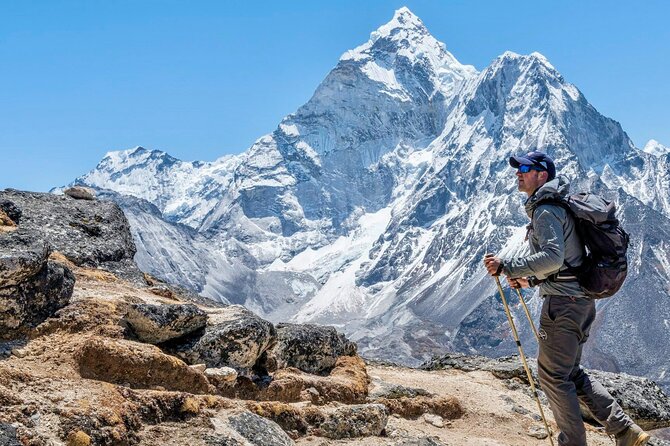
The plan includes a hike to Kala Patthar, which is the classic move for sunrise over the Himalayas.
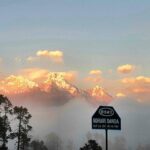
This is one of those moments where your effort pays off fast. The hike can be demanding, especially with cold morning air and altitude. But the reward is worth the discomfort for many people. You’re looking for a specific kind of light—where the mountain shapes sharpen and the sky turns from dark to bright.
Two practical tips based on how guides run these trips:
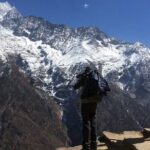
- Go slow on the way up; don’t race your breathing.
- Bring warm layers you can access quickly for cold stops.
If your sunrise is socked in by clouds, you still get the lesson: on Everest terrain, you plan around weather more than you control it.
Gorakshep to Lukla by Helicopter: What You’ll Notice Up There
After Kala Patthar, the tour finishes with the helicopter ride from Gorakshep to Lukla. This segment is likely the most surprising part if you’ve never flown in the mountains.
You’ll get a high-level view of the route you just walked, including valleys and ridgelines that are hard to piece together from ground level. It also reduces strain after the most altitude-heavy hiking experiences.
One thing to know: flight experience can feel intense depending on the day and aircraft conditions. That’s not a reason to skip the trek. It’s a reason to keep a steady attitude, accept that schedules follow weather, and pack a sense of humor for the ride itself.
Kathmandu Farewell Dinner with Nepali Dance
Once you’re back in Kathmandu, there’s a farewell dinner with Nepali cuisine and a cultural show. This isn’t just a nice night out. It’s a proper landing after a hard expedition.
Food and dance matter more after a trek than people expect. You’ve spent days in cold air and simple tea house settings. Then you get a warm meal, a break from the daily decisions, and a chance to reflect on what you accomplished.
In past experiences with this operator’s team, staff have been described as friendly and supportive, including helping people in Kathmandu after the trek. Having that kind of help at the end keeps the trip from turning into a logistical scramble.
Price and Value: Is $799 a Good Deal Here?
At $799 per person, this package stands out because it bundles several expensive items that many separate-tour setups would charge for individually: permits, domestic flights to Lukla, your return helicopter from Gorakshep to Lukla, a guide, and trekking lodging.
Here’s where the value logic gets real: helicopter costs are typically high in mountain regions. When that component is already included, the trek price feels more reasonable than it might at first glance.
But the budget isn’t all-inclusive. The package does not include all meals during the trek, and it also lists lunch and dinner in Kathmandu as not included. So you should plan for extra daily food costs on top of the trek price—especially if you like snacks, hot drinks, or heavier meals at tea houses.
It also doesn’t include insurance. And for Everest-region trekking, that isn’t a small detail. You need coverage for medical and high-altitude evacuation. If you don’t have that, the price isn’t the real bargain. It’s a risk.
If you match the trip to your priorities—time-saving return, a guided route, and a controlled logistics setup—then $799 can be good value. If you’re trying to minimize day-to-day spending and you’re comfortable arranging permits and flights yourself, it may feel pricier.
Who This Trek Fits Best (and Who Might Struggle)
This trek is built for moderate physical fitness and people who want a guided experience without turning the trip into project management.
You’ll probably love it if you:
- want Everest Base Camp plus Kala Patthar, but don’t want to suffer a full return hike
- prefer guesthouse lodging with support rather than solo planning
- like the idea of a structured acclimatization plan with a guide
You might want to think twice if you:
- hate weather uncertainty (helicopter timing depends on conditions)
- don’t have altitude-appropriate insurance
- expect all meals and snacks to be covered (they aren’t)
Gear, Health, and Altitude Reality Checks
The tour includes some essentials: a duffel bag, sleeping bag, T-shirt, and a map. It also includes a comprehensive first aid medical kit.
That’s helpful, but it doesn’t erase the basics. Your comfort at altitude still depends on layering, staying hydrated, and taking the trekking pace seriously. The best practical approach is to treat the first days as training—not as days to prove toughness.
Also, I strongly recommend you keep your expectations grounded. This is high-altitude trekking. Even with acclimatization stops like Dingboche, altitude can affect people differently. If you’re feeling off, follow your guide’s advice and don’t try to out-stubborn the mountains.
Should You Book This Everest Base Camp Trek with Helicopter Return?
I’d book it if your top goals are Everest Base Camp, Kala Patthar, and a less punishing return route. The helicopter finale is the big differentiator, and the included permits, flights, guide, and lodging reduce the usual headache that makes people abandon Everest plans.
Don’t book it if you’re planning for perfect weather certainty or if you don’t want to budget for meals during the trek. Also, make sure your insurance is real for medical care and high-altitude evacuation, not just general travel coverage.
If you want the classic Everest experience with less friction at the end, this is a strong option to consider.
FAQ
What does the tour include?
It includes private arrival and departure transfers in Kathmandu, a 3-star hotel with breakfast, permits for Sagarmatha National Park, TIMS, and Pasang Lhamu Entry, round-trip domestic flights between Kathmandu/Manthali and Lukla, a helicopter ride from Gorakshep to Lukla, standard guesthouse lodging during the trek, a licensed English-speaking guide, a duffel bag, sleeping bag, T-shirt, and map, and a comprehensive medical kit. It also includes a Nepali farewell dinner with a cultural show, plus taxes for government fees and official expenses.
Where do I meet the group and when does it start?
The meeting point is Tribhuvan Airport in Kathmandu, Nepal, with a start time of 9:00 am.
Are international flights included?
No. International flights to and from Kathmandu are not included.
Do I need to get a Nepal visa before traveling?
No. The Nepal visa is obtained on arrival.
Is the return trip really by helicopter?
Yes. The package includes a helicopter ride from Gorakshep to Lukla. It also includes domestic flights Kathmandu/Manthali to Lukla round-trip.
What about meals—are they included?
Lunch & dinner in Kathmandu are not included, and all meals during the trek are not included.
Is there a porter service included?
Porter service is optional. The guidance provided is that one porter for two trekkers is recommended, but it’s not included.
How big is the group?
The group size has a maximum of 15 travelers.
What trekking permits are included?
The tour includes permits for Sagarmatha National Park, TIMS, and Pasang Lhamu Entry.