REVIEW · SPECIAL REGION OF YOGYAKARTA
Yogyakarta: Selogriyo Temple Tour & Java Rice Terrace Trek
Book on GetYourGuide →Operated by Jogja Borobudur Tour & Travel · Bookable on GetYourGuide
Java quiets down at Selogriyo. I like the remote hilltop feel of Candi Selogriyo and the rice-terrace trek where you walk right through working farmland. This is the kind of day trip that trades big-ticket crowds for quiet paths, real village rhythms, and a guide who connects the temple to the plants around it.
The main thing to plan for is walking time. This trip involves a moderate hike, and if you go in wetter months you may deal with muddy shoes, especially on the terrace trails.
In This Review
- Key Highlights You’ll Actually Care About
- From Yogyakarta to Selogriyo: Why This Remote Temple Works
- Pickup Timing and the Real Pace of a Six-Hour Day
- Walking Up to Candi Selogriyo: Temple Views, Gardens, and Hindu Clues
- The Rice Terrace Trek: What You’ll Notice Beyond the Photos
- Tea and Kopi Stops: How Local Breaks Fit the Route
- Price and Value: Getting More Than a Drive and a Walk
- Who This Tour Suits Best (And Who Might Want a Different Day)
- Should You Book This Selogriyo Temple and Java Rice Terrace Tour?
- FAQ
- How long is the Selogriyo Temple and rice terrace trek tour?
- Where do I get picked up from?
- Is there an English-speaking guide?
- How difficult is the walking?
- What’s included in the price?
- What should I bring?
- How large is the group?
Key Highlights You’ll Actually Care About
- Small group (up to 15) so your guide can answer questions and move at your pace
- Pickup and drop-off included from Yogyakarta or the Borobudur area
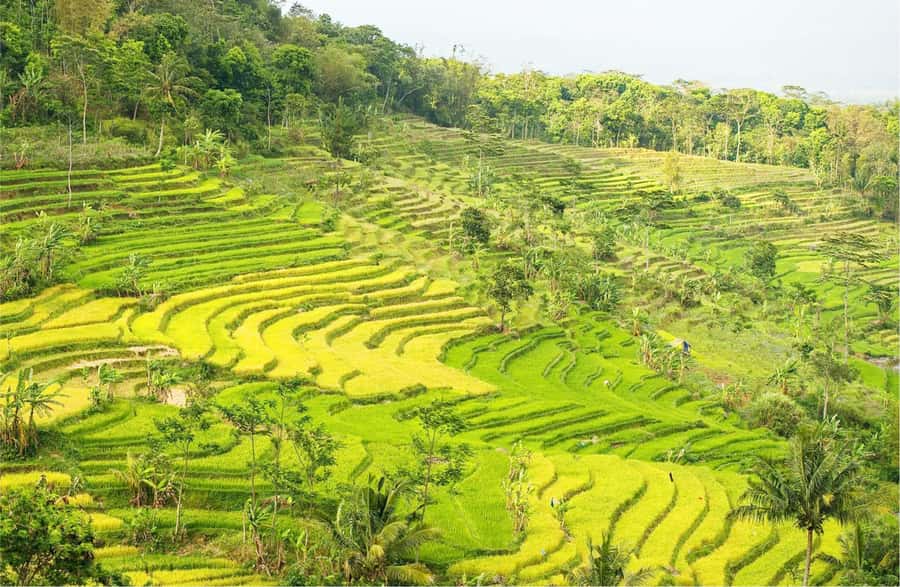
- Hike through working farmland with rice plus crops like beans and corn (and other plants your guide will point out)
- Selogriyo is peaceful, not crowded which makes photos and slow moments much easier
- Guides add context with stories about Hindu temple design and everyday Javanese life
- Cash helps for tea and kopi at the small cafe stop along the way back
From Yogyakarta to Selogriyo: Why This Remote Temple Works
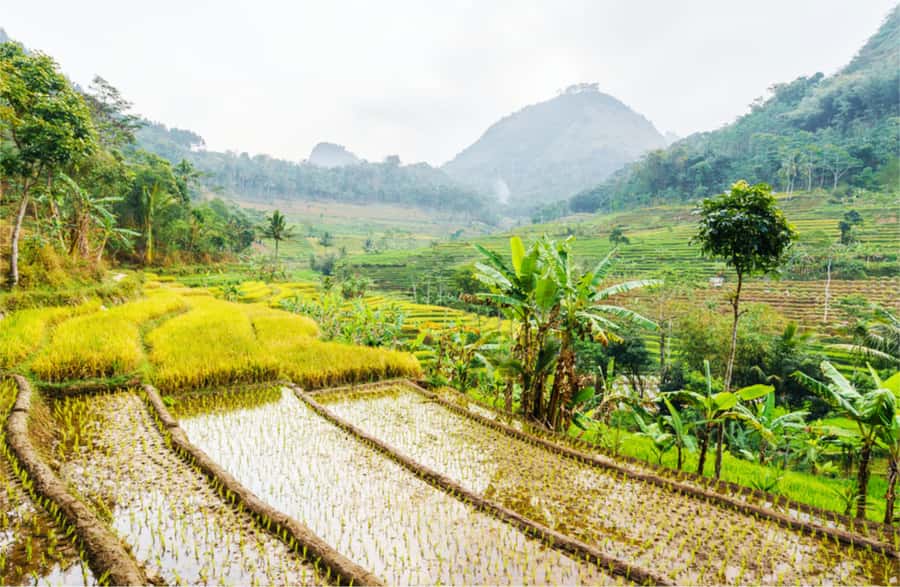
If you’re basing yourself in Yogyakarta, this day trip is a smart way to see Java beyond the usual temple circuit. The drive runs about two hours from Yogyakarta city, or around one hour from the Borobudur area, and you’ll feel the scenery get more countryside-simple as you go.
What makes Selogriyo especially appealing is the setting. You’re not just visiting a temple and leaving. You approach it through a rural path, then spend time in the temple grounds and the gardens nearby. That full “arrive slowly” rhythm is what turns the morning hike into the main event, not the side quest.
I also like that the experience is built around a small group of up to 15. That matters here because the trail isn’t wide-open, and the best moments are often the quiet ones—stopping to look at plants, spotting wildlife, or just catching your breath with a view toward the volcanic hillside.
Transport quality is also a quiet win. The tour’s transport gets very high scores (97% perfect), which you’ll appreciate on a full day when roads take more time than you expect.
Pickup Timing and the Real Pace of a Six-Hour Day
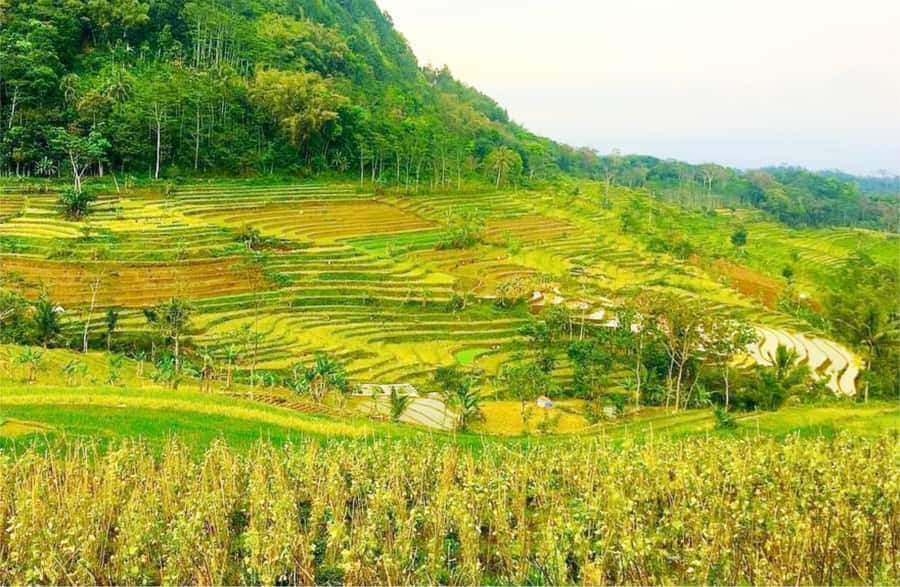
This trip is listed as 6 hours, and the schedule makes sense: pickup, travel time, walking time, temple time, then the ride back. You’re not rushing from stop to stop like a factory line.
Your walking level is described as moderate. In practice, that means comfortable shoes matter. You’ll be on your feet on the way up and across the rice terraces, and you’ll want to feel steady on uneven ground. One review even mentioned the guide offering an easier route versus walking through the rice fields; if that option exists on your day, you can choose how adventurous you want it to feel.
Dress for weather changes. Even when the day looks clear, hill areas can shift fast. The tour guidance calls for sunscreen and comfortable clothes, and that’s exactly what you’ll want. Bring cash too, because the tea and coffee breaks people talk about are typically small local purchases, not something to assume is covered.
Group size and guide attention also affect pace. With fewer people in the group, you’re more likely to get time to take photos and ask questions without feeling like you’re holding up a line.
Walking Up to Candi Selogriyo: Temple Views, Gardens, and Hindu Clues
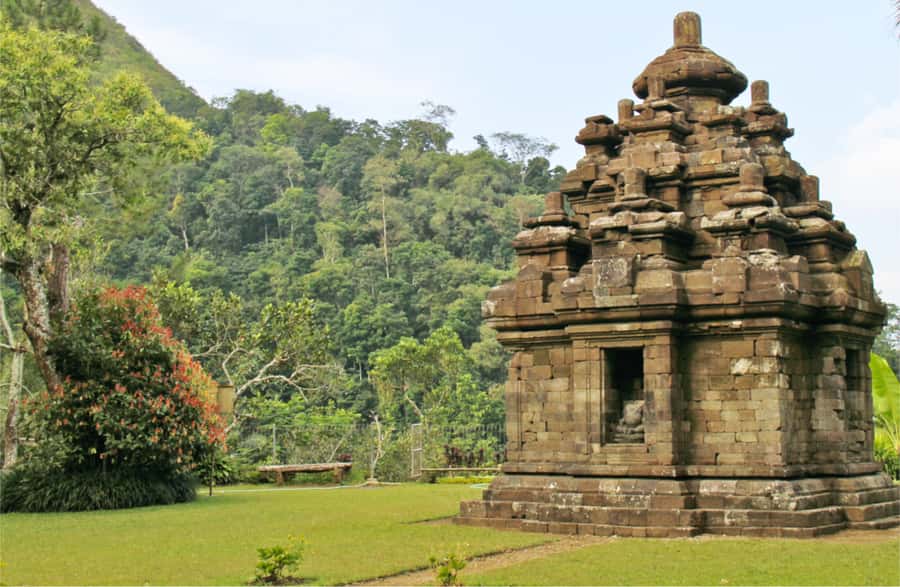
Selogriyo is a small Hindu temple set on a hilltop, and that size is part of the charm. You’re not going to get the big-scale “wow” of the major sites, but you do get something better for many first-timers: a calmer, more personal visit where the setting does a lot of the work.
You’ll start by getting driven to a peaceful area, then approach the temple by foot. That hill climb is the transition moment: from car ride to footpath, from village roads to the quiet of the terraces and gardens. Along the way, your guide explains details about the temple’s distinctive structure and the Hindu sculptures at the site.
Once you reach the temple, you also get time to explore the lush gardens surrounding it. Several guides on this route are known for making those stops feel meaningful through stories—about temple design, about how the surrounding community lives, and about how the countryside fits into daily ritual and agriculture.
The best part is the mood. With so few visitors compared to famous temples, the temple can feel like a pause button. Even if the temple itself is smaller, you end up spending more time looking closely—at carvings, at plant life in the gardens, and at the view from the top.
One more practical note: weather can change what you see from the hillside. If clouds roll in, you may lose some distant mountain views, but the quiet still holds, and the temple grounds remain worth the trip.
The Rice Terrace Trek: What You’ll Notice Beyond the Photos
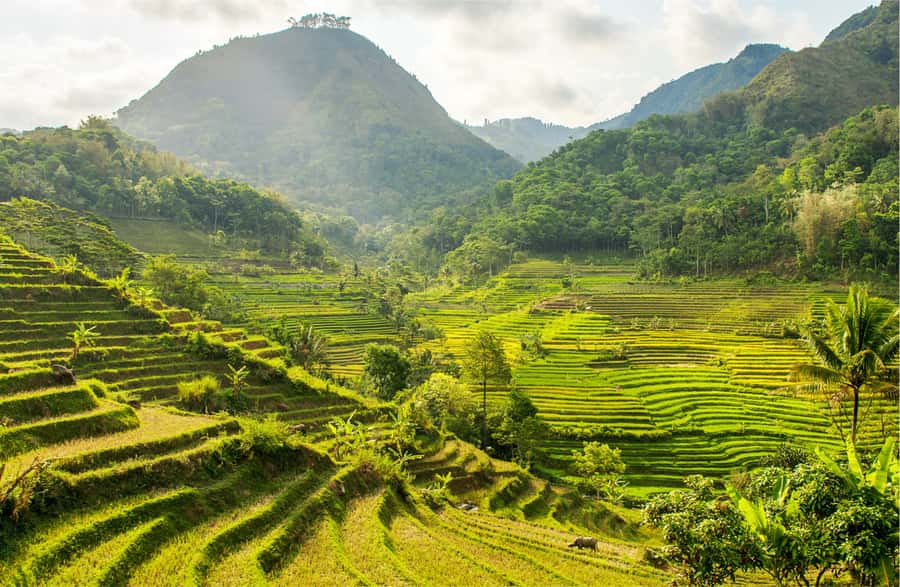
The rice terraces are the star of the morning. You hike among scenic fields where rice grows, plus other crops like beans and corn and more. The terrain is rural and real, not staged. You’ll often be walking near fields where farmers are working, and that’s where the experience becomes about people, not just views.
A big reason this trek rates so well is what guides point out. Guides such as Yuni, Haidar, Atok, Kin, and Aulion have a pattern: they notice plants most visitors miss. You might see ginger and tobacco, papayas, coconut trees, coffee plants, and other herbs and fruits depending on the season. Some guides also highlight animals or unusual plants along the trail, which keeps the walk from turning into a single long photo stop.
The trek is also built for breathing room. People mention getting time to stop and take pictures, and that’s key on uneven paths. A guide who knows the route can keep you moving steadily without making the day feel rushed.
If you’re traveling in the rainy season, be ready for muddy footing. One person specifically warned about muddy shoes, and that lines up with the terrace trails getting wet. If you’re the type who hates wet socks for the rest of the day, bring shoes you don’t mind getting dirty.
And yes, this is a hike. But it’s not the kind that disappears your day. It’s “moderate,” meaning most visitors can handle it with comfortable footwear and a calm pace.
Tea and Kopi Stops: How Local Breaks Fit the Route
Food and drink aren’t the headline here, but they’re part of the rhythm. After walking, you’ll often have a small cafe stop in the area. Reviews mention a Selogriyo cafe moment, where people sip herb blends and teas such as blue pea tea and lemongrass mixes, along with local snacks like goreng cassava.
Coffee culture shows up too. Some guides arrange a kopi stop, including mentions of Kopi Luwak. Whether you try that or not, the point is the same: you get a break in a rural setting where you can sit, cool down, and absorb what you just walked through.
This is also where your cash matters. The tour info asks you to bring cash, and it makes sense because the cafe menu items are typically not included in the tour price. If you want a tea or coffee, plan on paying on-site.
One of my favorite things about these breaks is how they connect back to agriculture. Your guide will often tie the drink to the local plants you saw earlier—rice cultivation, herbs, and coffee plants—and the whole day clicks together more clearly.
Price and Value: Getting More Than a Drive and a Walk
At about $55 per person for a 6-hour small-group experience, you’re paying for a few practical things that add up.
You’re not just buying a hike. The price covers:
- Hotel pickup and drop-off
- Entrance fee
- English-speaking guide
- Parking fee
- Donation fee
That combination matters because Selogriyo is remote enough that getting there efficiently without local know-how takes time and hassle. By the time you pay for transport, entrance access, and a guide to explain what you’re seeing, the price starts looking reasonable.
Also, the value is in the guide quality. Reviews repeatedly praise guides for making the route feel personal—stories about local farming, plant identification along the terraces, and history around the temple. Names you’ll see again and again include Yuni, Haidar, Atok, Kin, Aulion, and Arief, among others. If you’re the kind of traveler who likes learning while walking, that interpretation time is exactly what you’re paying for.
One more value signal: transport is highly rated, and on a day with a hill trail, stress-free driving makes a difference. You arrive less tired, and you get more energy for the hike.
If you’re cost-sensitive, you can compare this to DIY. DIY can work, but you’ll still need reliable transport, plus you’ll want someone to help you navigate the temple and terrace story without turning the day into guesswork.
Who This Tour Suits Best (And Who Might Want a Different Day)
This tour fits best if you want:
- Peace over crowds: Selogriyo’s calm setting is a major draw
- A guided walk where you learn what you’re actually seeing in the fields
- A mix of temple visit plus farmland trek, without a frantic pace
- Photography time that doesn’t feel like you’re constantly sharing space
It’s also a great first day in Java for people who feel temple fatigue quickly. You still get a Hindu temple, but in a smaller, more human-scale environment.
You might want a different option if you’re chasing the biggest famous temple moments. Selogriyo is beautiful, but it’s not trying to replace Borobudur. If your bucket list is all monumental mega-sites, you’ll likely treat this as a countryside add-on rather than your one big temple day.
And be honest about your comfort level with walking. This is moderate, but it still requires steady steps on paths and terrace edges. If you’re dealing with mobility limits, you should ask your guide about the route options—some guides have offered easier versus more field-walking paths.
Should You Book This Selogriyo Temple and Java Rice Terrace Tour?
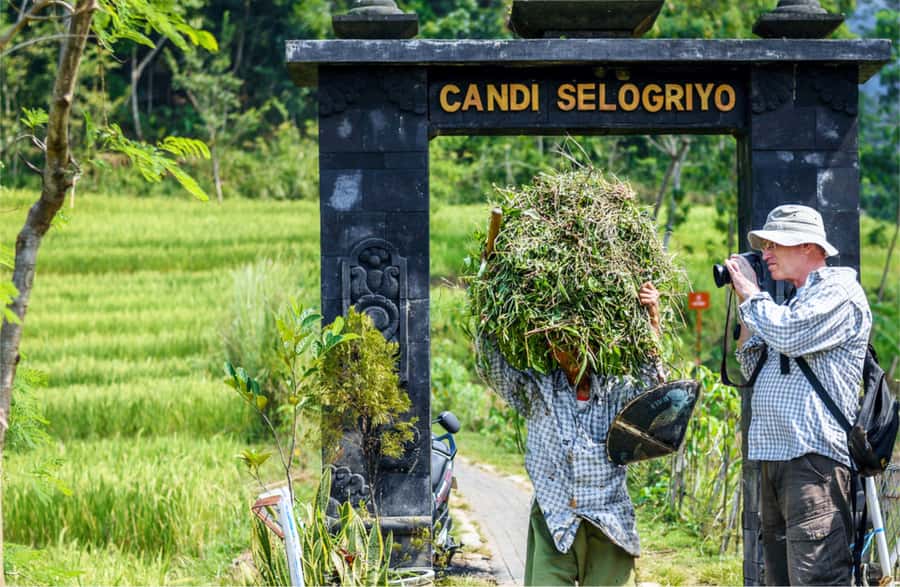
I’d book it if you want a day that feels local, calm, and worth your legs. The best part isn’t just the temple or just the terraces—it’s how the guide connects the two, turning a quiet morning walk into a story about agriculture, religion, and village life.
Book it if you appreciate small-group travel and you like asking questions while walking. This tour works when you slow down enough to notice plants, crops, and the way people move through their land.
Skip it or swap it if you’re only interested in the grandest temple scale, or if muddy terrain would ruin your day. Otherwise, this is a strong value use of a half-day that keeps Java feeling real instead of rushed.
FAQ
How long is the Selogriyo Temple and rice terrace trek tour?
The duration is 6 hours.
Where do I get picked up from?
Pickup is included from your accommodation in Yogyakarta, and it also notes pickup from the Borobudur area.
Is there an English-speaking guide?
Yes, the guide is listed as English-speaking, and there is a live tour guide.
How difficult is the walking?
The trip involves a moderate amount of walking.
What’s included in the price?
Hotel pickup and drop-off, entrance fee, English-speaking guide, parking fee, and donation fee are included.
What should I bring?
Bring comfortable shoes, sunscreen, comfortable clothes, and cash.
How large is the group?
It’s a small group limited to 15 participants.