REVIEW · INDONESIA
Mount Rinjani: 2-day 1-night Guided Summit Trek with Meals
Book on GetYourGuide →Operated by Star rinjani · Bookable on GetYourGuide
A summit trek in four feels like a secret. This Mount Rinjani hike stands out because you’re not lost in a crowd, and you’ll travel with an English-speaking guide and local porter team who keep things moving and clear, including guides like Apok. I especially like the meals and snacks during the climb, because the last thing you need is guessing what to eat while you’re grinding uphill.
The main thing to wrap your head around is the final ascent: it’s genuinely hard, and on some departures not everyone reaches the summit. The upside is that the small-group setup (and the support crew) helps you try with real structure, not chaos.
In the background, there are also practical details that make the experience work: pickup from Senaru/selected areas, overnight on the mountain with provided camping gear, and a guide-led rhythm you can follow even when the air gets thin.
In This Review
- Key highlights worth planning around
- Rinjani in a tiny group: what that changes on the trail
- The Senaru start: getting moving without turning it into a logistics project
- Day 1: the grind, the fueling, and why you should respect the pace
- Night on the mountain: what the included gear means for comfort
- Summit morning: expect hard climbing, not a casual photo stop
- Descent day and the optional ride help you might get
- What’s included for $126: value math that actually matters
- Packing for Rinjani: the gear list that prevents misery
- Season and closure months: plan your Lombok timing
- Who should book this Rinjani summit trek (and who shouldn’t)
- Should you book Star Rinjani for the 2-day summit hike?
- FAQ
- FAQ
- How long is the Mount Rinjani trek?
- Is pickup from hotels included?
- What meals are included during the trek?
- Do I get an English-speaking guide?
- How many people are in the group?
- What trekking equipment is provided?
- What items are not included that I should bring or buy?
- Is trekking insurance included?
- When is the trek closed?
- Who is this trek not suitable for?
Key highlights worth planning around
- Small group (limited to 4 participants): pace feels human, and you get help when your body starts to say no.
- English-speaking guide support: I’d expect clear explanations and a real chance to ask questions.
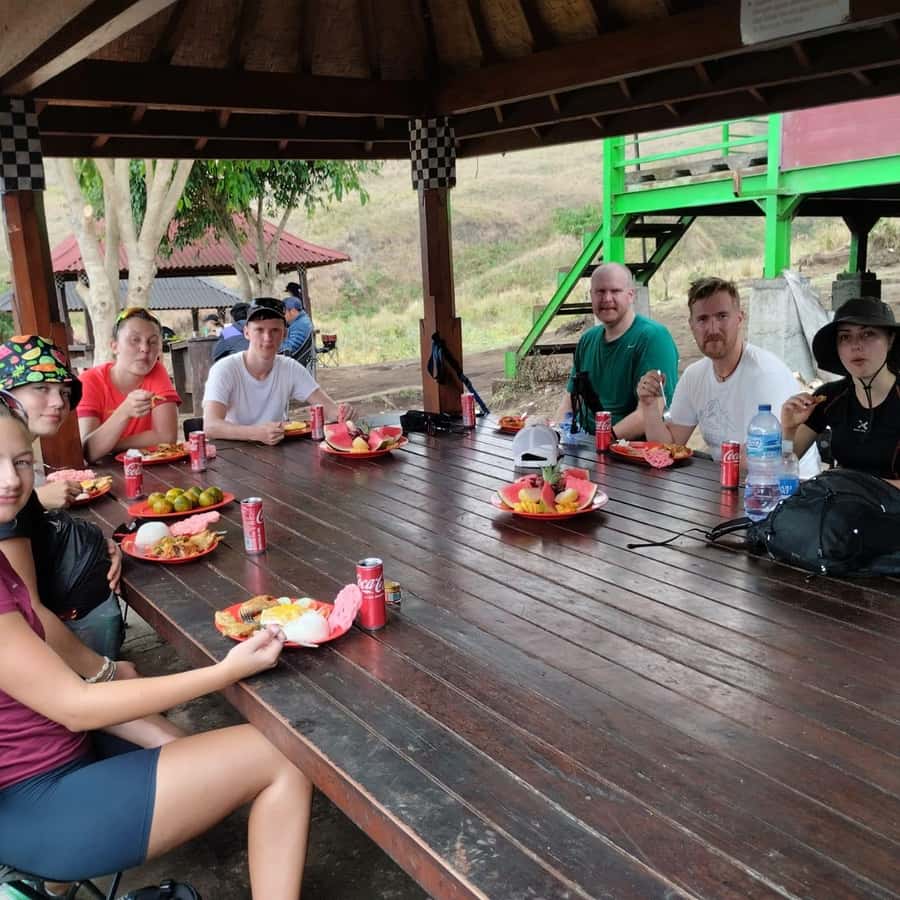
- Meals, snacks, and water included: you’re fed properly during the hard parts, not just at the end.
- Overnight camping on the mountain: you’re already up there when the summit push begins.
- Local porter help plus provided camping setup: tents, toilet tents, and mattresses reduce the logistics stress.
- Affordable package price for what’s included: $126 can feel like good value when you factor in guide, porters, and camp gear.
Rinjani in a tiny group: what that changes on the trail
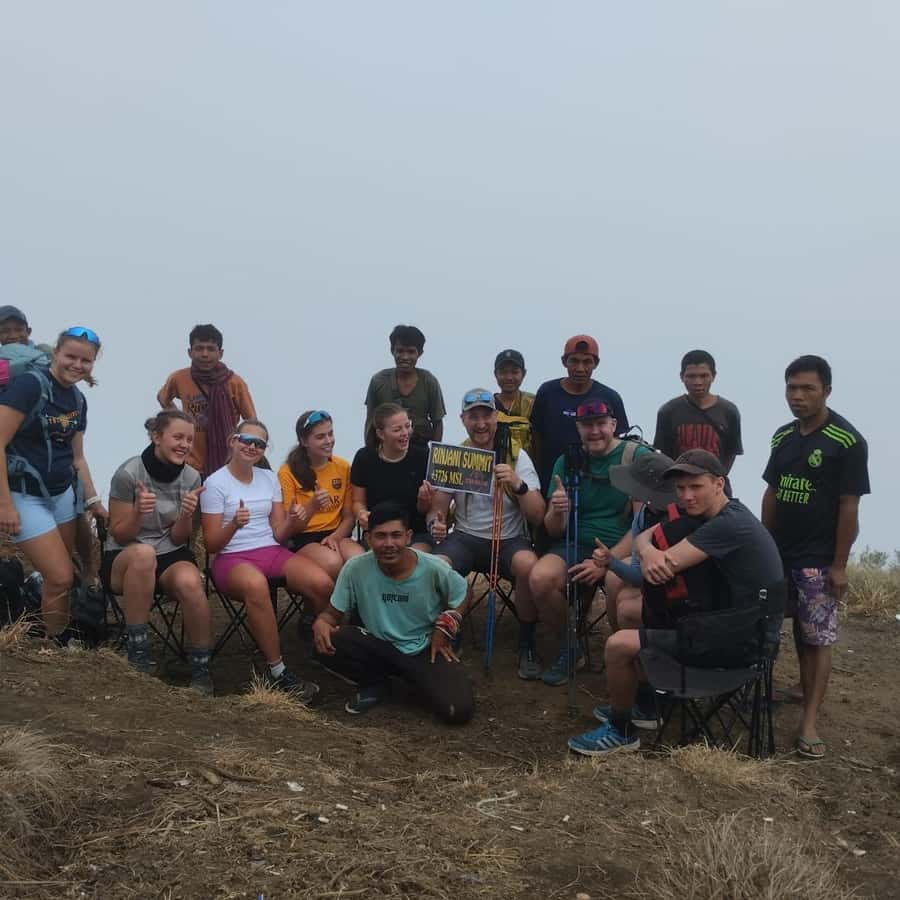
Mount Rinjani is not the kind of walk where you can wander off and figure it out later. The terrain punishes slowdowns, and the altitude makes every decision feel heavier. So I like the small shared-group format, limited to just 4 participants, because you can keep a steadier pace and still get attention when you need it.
When I think about guides, I look for people who can manage the human side of a tough climb: motivation, pacing, and safety checks. This trek includes a local English-speaking guide, and multiple guide names show up across departures, including Apok, Ijan, Arif, Sa, and Salma. That variety is a sign the operation runs with a team, not just one person doing everything.
You also get a local porter. Even if you’re a strong hiker, porters matter on Rinjani because they help carry the camp and cooking setup. That means you spend your energy on your footing and breathing, not hauling everything yourself.
You can also read our reviews of more tours and experiences in Indonesia.
The Senaru start: getting moving without turning it into a logistics project
This trek includes transportation pickup from Senaru (and pickup from selected hotels). In practice, that’s the difference between arriving in Lombok feeling relaxed versus arriving already stressed.
One thing to consider: pickup travel can be bumpy. On at least one departure, an hourlong truck ride was rough on the back. If you’re sensitive to jolts, bring a small cushion or wear supportive shoes and clothing so you can bounce into the trek without feeling wrecked.
Once you’re at the trailhead area, the climb starts like most Rinjani treks do: steady effort builds into steeper sections, and you learn fast that the summit isn’t a single moment—it’s a long sequence of hard minutes.
Day 1: the grind, the fueling, and why you should respect the pace
Day 1 is where your legs really learn the mountain. You’ll be trekking with a local English-speaking guide, plus porters running camp work. The big win here is that the team doesn’t treat food and water like an afterthought.
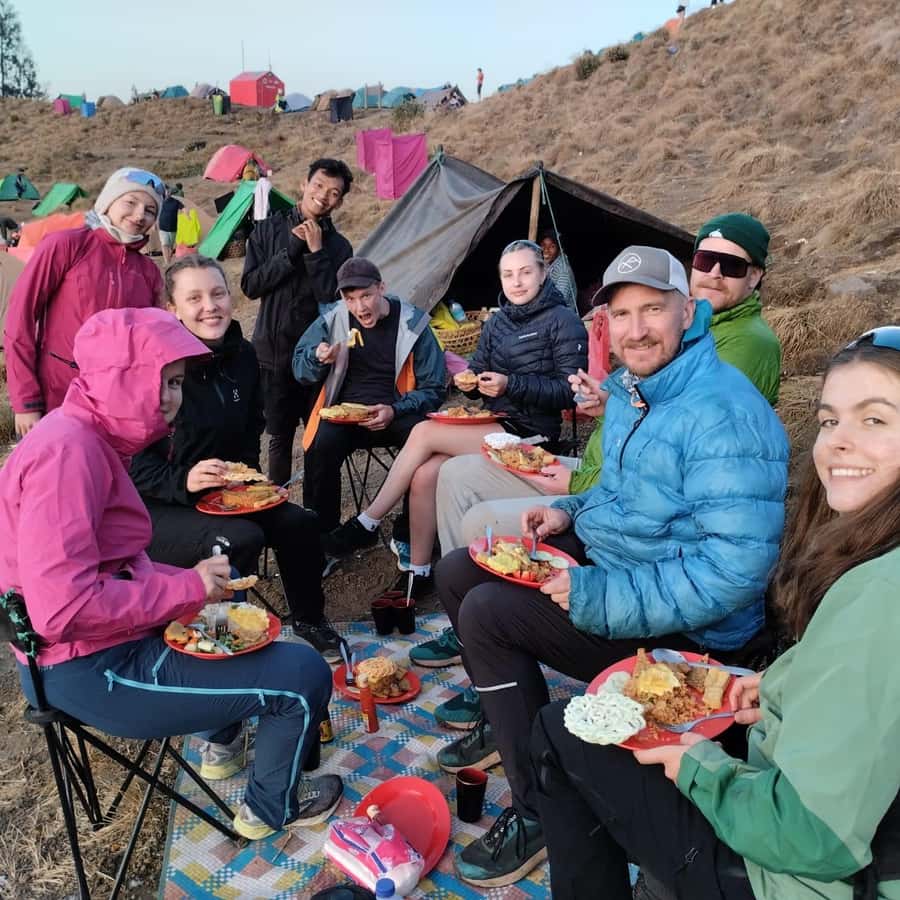
Meals are included during the trek: breakfast, lunch, and dinner, plus extra snacks and water along the way. That matters because on steep ascents, your energy crashes can feel sudden. Having snacks available when you need them helps you keep a steadier rhythm instead of doing the classic hike mistake: waiting until you’re already cooked.
The trekking equipment package includes tents, toilet tents, and mattresses, and there’s cooking gear too. That means Day 1 is not only about walking—it’s also about knowing you’ll reach a real camp setup later, not a scramble.
Also, this is a sharing group trek. So you’ll likely move as a unit, which is good for safety and pacing, especially when trail conditions or fatigue start changing what each person can handle.
Night on the mountain: what the included gear means for comfort
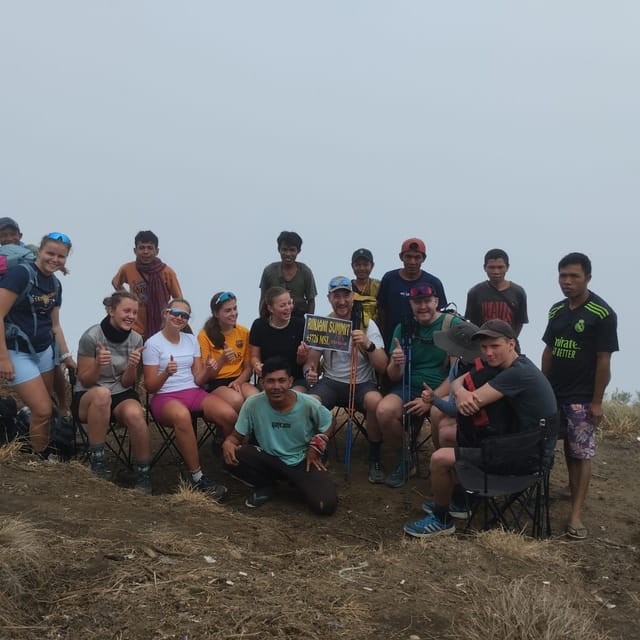
Overnight stay on the mountain is included, and the camping gear is part of the package. You’re not just paying for a guide and a route; you’re paying for camp logistics that can make or break the experience.
The included setup mentions tents, toilet tents, and mattresses. That’s practical because sleeping on a mountain isn’t a “rough it” badge of honor—it’s recovery. If your sleep is poor, your summit day will feel even worse.
You’ll also have storage room mentioned in the package details. That’s useful if you bring extra clothing you don’t want to carry all day.
One small caution from an experience on the mountain: tents may not always stay perfectly sealed. On one departure, a tent closure issue came up and the guide tried to fix it. It wasn’t described as a disaster, but it’s a reminder that weather and gear quirks can happen outdoors.
Summit morning: expect hard climbing, not a casual photo stop
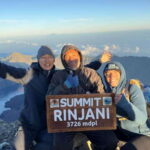
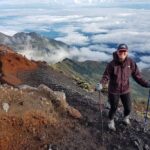
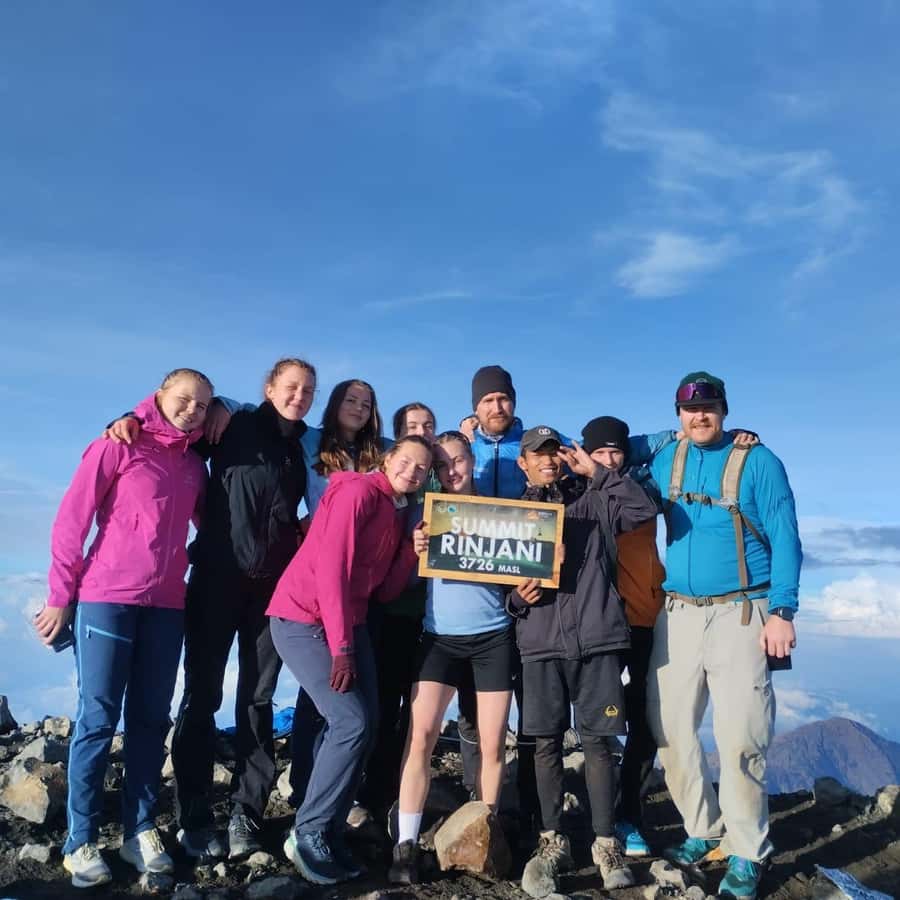
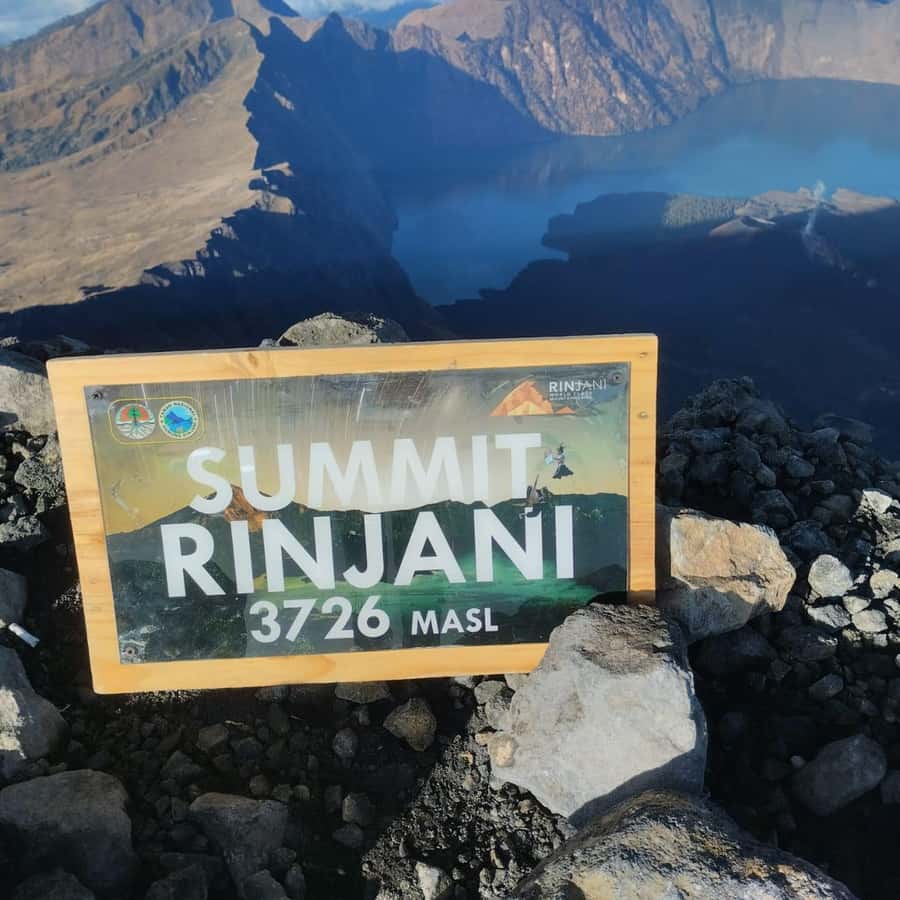
The highlight is trekking to the Mount Rinjani summit on a guided route. This is the part that many people underestimate. The ascent is tough enough that not everyone makes it to the top on every departure, and that’s normal for Rinjani—this isn’t a walk where fitness guarantees the summit.
Mental prep helps. You’re not just climbing to chase a view; you’re climbing through stages where your body changes. Having a guide who can keep you moving, managing your pace, and answering questions makes a real difference.
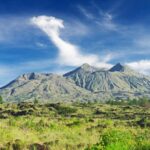
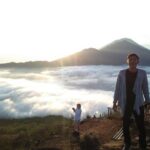
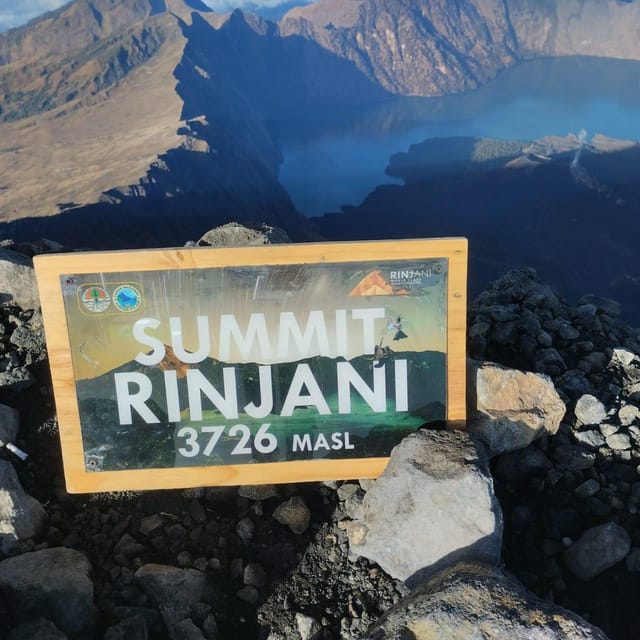
When the summit comes, it’s breathtaking in the way only a real volcanic summit view can be—broad, raw, and earned. The sense of achievement is a big theme in how people talk about the trek. Still, I’d plan for the possibility that your day might end with an amazing high point even if the final push doesn’t work out.
Descent day and the optional ride help you might get
After the summit attempt, you’ll be trekking back down. Descents can feel harder than expected because your knees and ankles take the hits, especially after a long climb.
Rinjani can also involve changing weather conditions, so keep your clothing strategy simple: bring layers you don’t mind getting dirty, plus a flashlight.
About the ride logistics after the trek: the core package lists pickup from selected hotels and Senaru pick up, but some departures mention extra transport help, like free shuttle options toward Bangsal Port after the trek. One person described a 1 hour 30 minute drive to Bangsal, and another noted a free ride between the hotel area and Sembalun. Since this isn’t stated as a guaranteed add-on in the core inclusions list, think of it as a possible bonus—ask your operator when you confirm your booking.
What’s included for $126: value math that actually matters
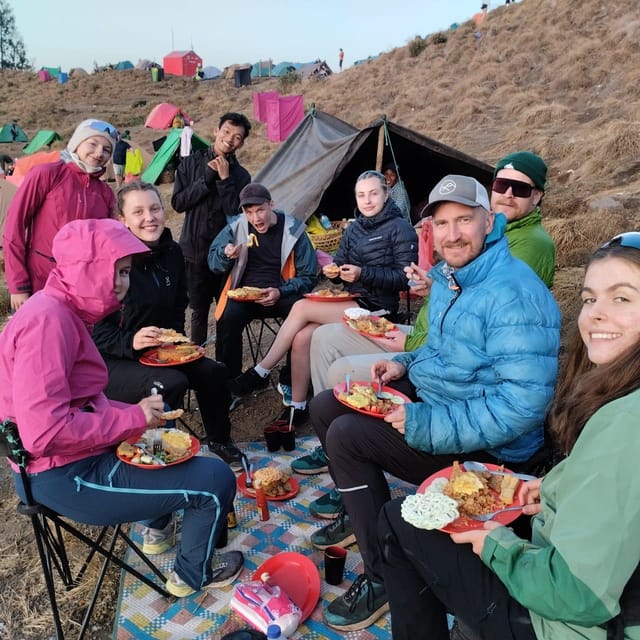
At $126 per person, the value looks solid if you care about what’s operationally expensive on a mountain hike: guide time, porters, camp setup, meals, and basic trekking infrastructure.
This package includes:
- Local English-speaking guide
- Local porter
- Trekking insurance
- Meals during the trek (breakfast, lunch, dinner) plus extra snacks and water
- Overnight stay on the mountain
- Camping equipment like tents, toilet tents, and mattresses
- Cooking gear
- Pickup included (including transportation pickup from Senaru)
And it’s limited to a small group (up to 4 participants), which helps you feel supported instead of processed.
What’s not included is also important for value. If you still need key items like trekking poles, a headlamp/flashlight, or proper clothing layers, you’ll pay extra elsewhere. The good news: the operator is described as supportive about renting equipment you don’t have, and guides and staff are responsive about questions.
Bottom line: if you show up with the right mindset and you’re okay with a challenging climb, this can be a practical way to do Rinjani without DIY stress.
Packing for Rinjani: the gear list that prevents misery
This trek gives you core camping equipment, but you still need personal gear.
Bring:
- Comfortable shoes (non-negotiable)
- Change of clothes
- Camera
- Cash
- Clothes that can get dirty
- Flashlight
- Daypack
- Charged smartphone
Also, follow the safety reality of mountain time. Even if you think you’ll be back early, bring a flashlight and plan for dark conditions around camp and early starts.
Not included:
- Trekking pole
- Head light/flashlight (note: the bring list says flashlight; so clarify what form you need)
- Jacket and clothing
So if you don’t already have cold-weather layers, don’t assume they’ll be covered. Ask about rentals and plan to bring your own clothes that handle both sweat and night chill.
Season and closure months: plan your Lombok timing
There’s a key timing rule: January, February, March are mentioned as closed because of the rainy season. That’s a big deal.
Rinjani in rain can mean slippery routes, harder crossings, and more uncertainty. If you want the most comfortable experience and a better shot at a smooth itinerary, build your Lombok trip around the open months the operator provides.
If you’re traveling during the closed window anyway, you’ll want a backup plan for Lombok hikes that match the weather.
Who should book this Rinjani summit trek (and who shouldn’t)
This experience is not for everyone. It’s listed as not suitable for:
- Pregnant women
- People with altitude sickness
- People with low level of fitness
I’d also add a practical rule: if you don’t regularly hike uphill for long stretches, consider training first. Rinjani isn’t about short bursts; it’s endurance plus steady pacing.
On the flip side, if you’re fit, curious, and you want a guided summit attempt with included meals and camp support, this can be a great fit—especially because the small group setup keeps it more manageable.
If you tend to get anxious on rough trails, the presence of guides, porters, and an organized camp can calm things down. You’re not alone out there trying to problem-solve.
Should you book Star Rinjani for the 2-day summit hike?
Yes, if you want a structured summit trek with real support. I’d book it if these sound like your priorities:
- You like the idea of small-group pacing (up to 4 people)
- You care about included meals, snacks, and water during the climb
- You want overnight camping with tents, toilet tents, and mattresses
- You’re comfortable with a hard summit day and possible limits on who makes it
I’d think twice if you:
- Are easily bothered by long bumpy transfers in a pickup truck
- Don’t have your own flashlight and suitable dirty-friendly clothing
- Are coming in with low fitness and no hiking habit
Get your decision right by asking two questions when you confirm:
1) What exact days are running during your travel week (since closed months are real)?
2) What should you rent versus bring for summit conditions?
Do that, and you’ll walk into Rinjani with fewer surprises and better odds of loving the experience.
FAQ
FAQ
How long is the Mount Rinjani trek?
The trek is described as a 2-day 1-night guided summit trek, even though the activity duration is listed as 1 day. Confirm the exact schedule and starting time when you check availability.
Is pickup from hotels included?
Yes. Pickup is included from selected hotels, and there is also transportation pickup from Senaru.
What meals are included during the trek?
Meals included are breakfast, lunch, and dinner during the trek. There are also extra snacks and water.
Do I get an English-speaking guide?
Yes. The guide is listed as local English-speaking.
How many people are in the group?
The group is small and limited to 4 participants.
What trekking equipment is provided?
Camping and trekking support equipment is included, including tents, toilet tents, and mattresses, plus cooking gear. The operator also notes that equipment includes trekking equipment and any requested mountain gear.
What items are not included that I should bring or buy?
A trekking pole is not included, and you should also plan to bring a flashlight/head light. Jacket and clothing are also not included.
Is trekking insurance included?
Yes, trekking insurance is included.
When is the trek closed?
January, February, and March are listed as closed because of the rainy season.
Who is this trek not suitable for?
It is not suitable for pregnant women, people with altitude sickness, and people with low level of fitness.