REVIEW · KATHMANDU
Everest Base Camp Trek
Book on Viator →Operated by Dream Heaven Adventure Pvt. Ltd. · Bookable on Viator
Your first step is a flight into the sky.
This Everest Base Camp trek mixes big-mountain goals with human-scale moments: Sherpa villages, monastery visits (including Tengboche), and that classic push to Kalapathar for wide-open Everest views.
I like two things about the way this trip is set up for real life. First, you get smooth handling around the edges—airport pickup/drop-off in Kathmandu and the round-trip Lukla flight—so you spend energy trekking, not troubleshooting. Second, the trip is designed to reduce cost surprises: entrance fees and national park fees are included, plus the itinerary includes meals, guide support, and porter help (listed as 2 trekkers: 1 porter).
One consideration: the high Himalaya is still high Himalaya. Altitude affects how you feel each day, and the short Lukla flights can be weather-dependent, which makes flexibility part of the deal.
Key things I’d pay attention to
- All-in support for the hard parts: guide, porter service, and meals are built into the plan.
- Tengboche monastery timing: you get both spiritual atmosphere and mountain panoramas from a big viewpoint.
- Kalapathar after Base Camp: you’re not just ending at EBC—you’re chasing better sightlines.
- Sherpa village rhythm: Namche Bazaar, Khumjung, Pangboche, and Tengboche add culture to the climbing.
- Moderate fitness requirement: doable for many people, but you still need stamina for altitude and walking days.
- Private group, your pace: the itinerary is run as a private activity for your group only.
In This Review
- Everest Base Camp: why this trek feels extra meaningful
- Kathmandu arrival: getting positioned for Lukla day
- Lukla to Phakding: the thrill flight and the first walking day
- Namche Bazaar and Khumjung: acclimatize with Sherpa life
- Tengboche Gompa: a monastery stop with an Everest-scale view
- Dingboche and Chukhung: the altitude “practice” before the high camps
- Lobuche and Gorakshep: glacier views and the long road toward EBC
- Kalapathar after Base Camp: chasing the clearest Everest angles
- Pangboche, Tengboche, and the Dudh Koshi return down
- Lukla flight back and Kathmandu cultural dinner finish
- Price and value: what $1,650 actually covers
- Guides, team support, and what to expect day to day
- Who this trek fits best (and who should think twice)
- Should you book Everest Base Camp with Dream Heaven Adventure?
- FAQ
- Where does this Everest Base Camp trek start?
- How long is the tour?
- Are airport transfers included?
- Are meals and lodging included?
- Is porter service included?
- Is a vegetarian option available?
- What is the cancellation window for a full refund?
Everest Base Camp: why this trek feels extra meaningful
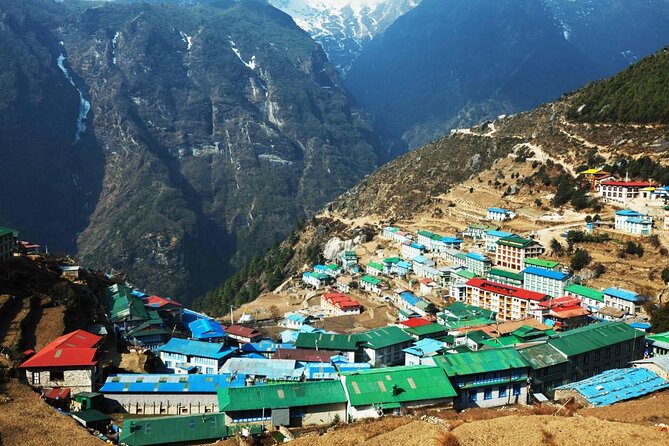
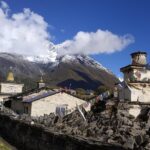
Everest Base Camp isn’t just a destination. It’s a whole sequence of mountain towns where your body slowly learns the altitude. You start with busy streets and markets, then move into quieter stone-and-flag villages where prayer walls and chortens sit beside daily life. By the time you reach the high camps, the trekking doesn’t feel like sightseeing anymore. It feels earned.
What I like about this particular 14-day structure is that it doesn’t rush you to the goal. You’re given time in key spots like Namche Bazaar and Dingboche, and you’re also given spiritual stops like Tengboche. That balance matters because the Everest region can be physically tough even when the days look “reasonable” on paper.
And yes, you’re chasing views. But the trip also leans into the way the Khumbu region works—villages, valleys, ridgelines, and daily movement—so the scenery has context instead of just being a postcard.
Kathmandu arrival: getting positioned for Lukla day
Day 1 is about settling in and getting oriented. You meet at Tribhuvan International Airport, then head to a Kathmandu hotel with an airport representative. There’s a pre-trip gathering at your hotel where you meet your trekking guide and can talk through the plan.
This day sounds simple, but it’s useful. Kathmandu traffic and last-minute questions can throw off a schedule. Having a local team member line things up and answer questions early helps you start the trek calm, not scrambled.
If you’re traveling as a couple or small group, this is also when you’ll get a feel for your group dynamic. You’ll be on the same team for the next two weeks, and that matters once the weather and altitude start influencing each day.
You can also read our reviews of more tours and experiences in Kathmandu.
Lukla to Phakding: the thrill flight and the first walking day
On Day 2, you fly from Kathmandu to Lukla (about 40 minutes). The Lukla flight is the kind of moment people remember for years: valley views, terraced farming, and that feeling that you’re entering a place where the road simply doesn’t go.
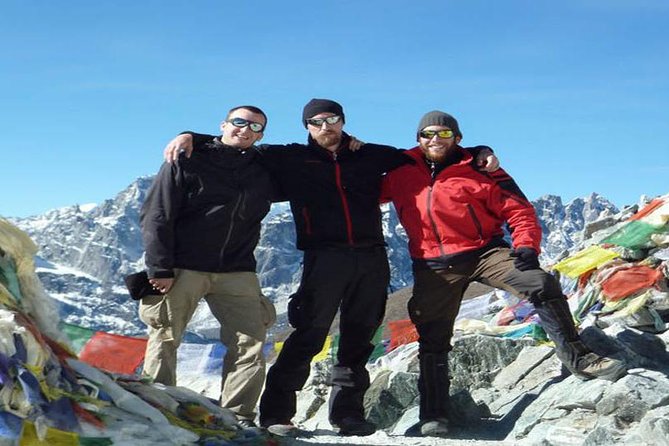
Then you start walking from Lukla to Phakding, typically around 3–4 hours. This is your ramp-up day. You pass through the Khumbu with mani stone walls—stone tablets carved with prayers—plus large painted boulders. It’s one of those details that makes the region feel lived-in rather than staged.
Overnight in Phakding gives you an early win: you’ve stepped into the mountains and still have energy to enjoy the village. It’s a smart start for a 14-day trek because the later days get more altitude-sensitive.
Namche Bazaar and Khumjung: acclimatize with Sherpa life
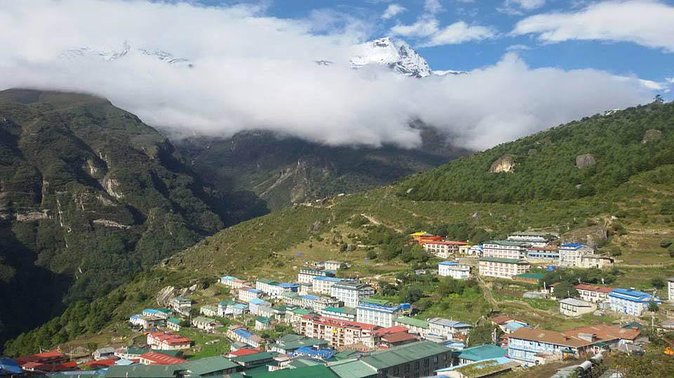
Day 3 moves toward Namche Bazaar, taking you through Sherpa villages and forests along the Dudh Koshi valley. The itinerary emphasizes gradual acclimatization, with views that can include Everest, Lhotse, and Nuptse depending on conditions.
When you arrive in Namche, it’s more than a stop on a map. Namche Bazaar is described as a Sherpa capital and an exchange hub, meaning you’ll see daily life beyond trekking gear. You get markets, conversation, and a sense of how people live at altitude.
Day 4 includes free time in Namche plus a short hike up to Khumjung. This is a good altitude strategy day: you’re moving enough to feel progress, but not pushing too hard. It’s also a great chance to catch viewpoints toward Everest, Ama Dablam, and other peaks if the weather is cooperating.
If your group includes seniors or people managing stamina, this “base village” time is a big part of why the trip works.
Tengboche Gompa: a monastery stop with an Everest-scale view
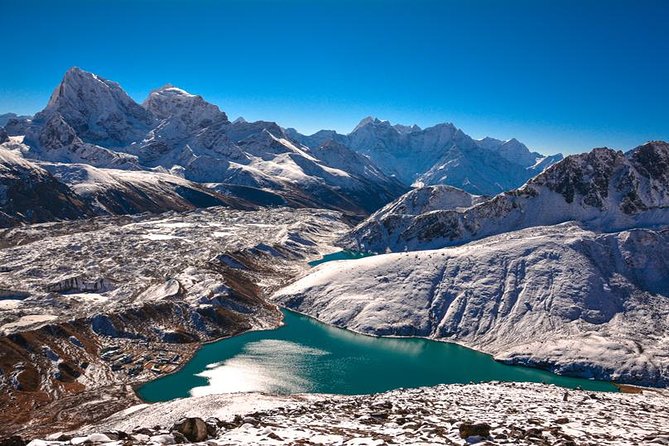
Tengboche is the spiritual highlight built into the route. Day 5 includes a trek to Tengboche Gompa, with an overnight back in the Namche area.
Tengboche sits high on the edge and is known for a panoramic view that includes Everest, Lhotse, Nuptse, and Ama Dablam. Even if you think you just want to reach Base Camp, this stop changes the tone of the trek. The monastery visit adds a calm moment in a place that otherwise can feel like endless climbing.
One practical note: monastery days are also weather days. If clouds roll in, your view might be muted. But the village atmosphere and the sense of tradition are still part of the payoff even when the peaks hide.
Dingboche and Chukhung: the altitude “practice” before the high camps
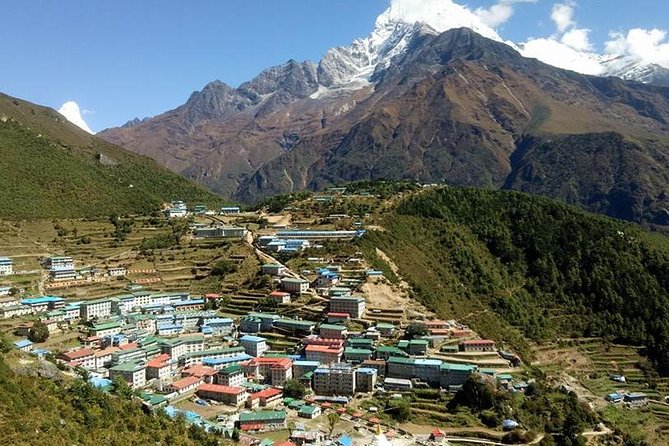
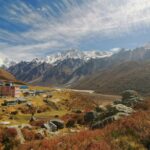
Day 6 brings you to Dingboche, following the Imja valley through rhododendron forests. The route is described as having mild gradients, but altitude slows you down. That’s normal here: the pace is gentle, yet your breathing does more work.
Dingboche is also described as the summer valley and a more sheltered spot from cold winds. You’ll have mountain views around you as you settle in. This matters because it helps you sleep and recover better—both are key for the next stages.
Day 7 is a rest day, plus an optional morning trek to Chukhung. You’ll be using the day to adjust to altitude and to move gradually toward higher terrain. Then you continue onward as the route shifts into higher Khumbu country.
This is the “silent hero” part of the itinerary. Many EBC plans suffer from going too fast. Here, the structure gives your body room to adapt.
Lobuche and Gorakshep: glacier views and the long road toward EBC
Day 8 takes you to Lobuche, starting with a step hike to a yak farm and then continuing toward Khumbu Glacier by following the Duglha. The key value on this day is perspective: you’re close enough to see big ice features and high peaks like Tawache and Cholatse.
The walk is about getting you ready for the final approach. You’ll reach Lobuche and spend the night in the high region, which sets the stage for the Base Camp day.
Day 9 shifts toward Gorakshep, with more up-and-down walking to reach EBC. From Gorakshep, you continue by passing short sections of hills until you reach Everest Base Camp. Base Camp itself is described as a spread-out tent town with teams from around the world, all competing for space.
That’s the reality check many people want. EBC is not empty wilderness. It’s a functioning temporary hub. Your job is to get there safely, look around, and then respect the cold and altitude on the way back.
Kalapathar after Base Camp: chasing the clearest Everest angles
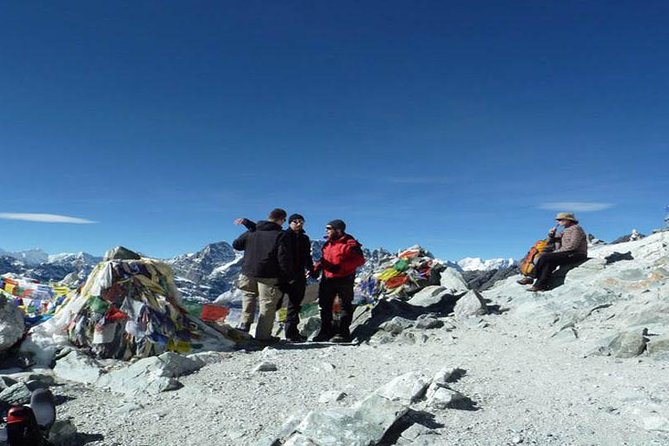
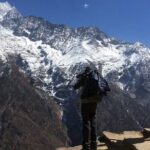
Day 10 is where the itinerary earns its keep. Instead of treating Base Camp as the last view stop, you hike up to Kalapathar (listed as 5,550 m). The route is described as windy with rocky slopes, so you’re prepared for discomfort on a short climb.
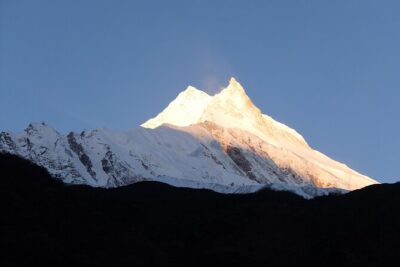
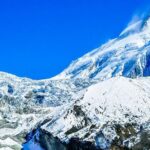
The reward is the payoff view: Everest’s windblown summit is framed along with other peaks like Khumbutse, Lhotse, Nuptse, Ama Dablam, Cholatse, Tawache, and Pumori (depending on weather). After that, you trek back down toward Gorekshep and then continue to Pheriche.
Pheriche nights matter because you’re not done with the mountain. You’ll be descending to lower villages, but still moving through high terrain where cold and fatigue hang around longer than you think.
Pangboche, Tengboche, and the Dudh Koshi return down
Day 11 is one of those “culture plus countryside” days. You trek down to Pangboche, where an old monastery in the region is noted for its claim about Yeti relics. Then you continue through pine and juniper forest toward Tengboche, before dropping sharply down toward the Dudh Koshi River and reaching Namche.
This is a good day for taking in the region you already walked through from another angle. On the way up, you were focused on altitude. On the way down, you can start noticing patterns: prayer stones, chortens, and how trails thread through forests and river valleys.
Day 12 continues the big descent to Lukla, following the Dudh Kosi River. You get last mountain sunsets as you complete the loop back to the start.
Lukla flight back and Kathmandu cultural dinner finish
Day 13 takes you from Lukla back to Kathmandu by scenic flight, then by private vehicle to your hotel. In the evening, the itinerary includes a cultural dinner together to mark the end of the trek.
This is a smart close. When you finish EBC, your mind is still in trekking mode. Food, stories, and a relaxed Kathmandu evening help you land the experience without rushing immediately into the next plan.
Day 14 is departure—your airport team drops you at Tribhuwan International Airport.
Price and value: what $1,650 actually covers
At $1,650 per person for roughly 14 days, you’re not just paying for walking. You’re paying for the infrastructure that makes Everest Base Camp manageable for normal schedules and normal budgets.
Included items that matter:
- 14 nights accommodation across the trek and Kathmandu
- Round-trip Lukla flights
- Guide and porter services (listed as 2 trekkers to 1 porter)
- Meals as per itinerary (breakfast 12, lunch 11, dinner 11)
- National park fees and entrance fees included
- All necessary equipment included (exact items aren’t detailed, but the intent is clear)
- Airport pickup/drop-off and private vehicle transport in Kathmandu
What’s not included:
- Drinks and all personal expenses (laundry, battery recharge, hot shower, etc.)
- Excess luggage charges
- Any costs not listed in the included section
So is it good value? For EBC, yes, because a lot of the expensive “stuff” is already handled: Lukla flights, park/entrance fees, and staffing. The remaining costs are mostly personal spending and extras—exactly what you’d expect on a trek at this altitude.
Guides, team support, and what to expect day to day
The trek is run as a private tour/activity, meaning it’s your group only. That can be a big deal if you want your pace respected, especially with mixed ages or fitness levels.
From provided feedback, the company’s leadership and guide support show up repeatedly in how people describe the experience. People name guides such as Shambhu, Hupa Raj, and Hupi, and they also mention responsive communication with a person named Suman during booking. One review also highlights that a strong guide matters most when something goes wrong, not only when everything goes smoothly.
That’s the real point: on Everest Base Camp, conditions can change fast. When your guide is experienced, you spend more time moving forward and less time worrying.
Who this trek fits best (and who should think twice)
This is built for people with moderate physical fitness. The walking days aren’t described as extreme mountain technical routes, but you are still trekking at altitude with cold nights and long days.
It tends to fit well if you:
- want EBC plus monastery and viewpoint days (Tengboche + Kalapathar)
- value good logistics (airport handling and Lukla flight built in)
- appreciate a team approach with porters and a guide
Think twice if you:
- struggle with altitude effects (headaches, nausea, sleep disruption)
- hate weather uncertainty (Lukla flights can be affected)
- need a fully guaranteed schedule with no changes (the trek is subject to favorable weather conditions)
Should you book Everest Base Camp with Dream Heaven Adventure?
If you want a classic Everest Base Camp trek with strong structure, this is a sensible option. The standout value is that so much is already included—Lukla flights, park fees, guide, porter support, and meals—so you can plan with fewer unknowns.
I’d book if your priorities match this mix: EBC plus Tengboche plus Kalapathar, and a team that handles logistics and keeps you moving safely. I would pause if you know altitude is a problem for you or if you’re traveling with tight timing and no flexibility for weather.
Either way, read the fine print on what you’ll carry, what equipment is truly provided, and how your group will manage rest days. Then you’ll be set for the kind of journey where each day feels like it brings you closer to Everest, not just nearer on a map.
FAQ
Where does this Everest Base Camp trek start?
The trek starts at Tribhuwan International Airport in Kathmandu, Nepal. The listed start time is 5:15 am.
How long is the tour?
The duration is 14 days (approximately).
Are airport transfers included?
Yes. The itinerary includes hotel pickup and drop-off in Kathmandu, and airport drop-off on the final day.
Are meals and lodging included?
Yes. The package includes 14 nights accommodation and meals as per the itinerary (breakfast 12, lunch 11, dinner 11).
Is porter service included?
Yes. Porter services are included, listed as 2 trekkers: 1 porter.
Is a vegetarian option available?
Yes. A vegetarian option is available if you advise at the time of booking.
What is the cancellation window for a full refund?
You can cancel up to 6 days in advance for a full refund, with the requirement to cancel at least 6 full days before the experience start time.