REVIEW · POKHARA
Kathmandu: 9-Day Annapurna Circuit Trek via Thorong La Pass
Book on GetYourGuide →Operated by MTA Trekking · Bookable on GetYourGuide
Thorong La is the hike you remember. This 9-day Annapurna Circuit takes you from Kathmandu up through Chame, Upper Pisang, and Manang to the 5,416m pass, with big views of Annapurna, Dhaulagiri, and Machapuchare.
I love the way this route builds in acclimatization in Manang, so you don’t just “go up because you can.” I also like that permits (TIMS and the trekking permit) are handled, plus an experienced government registered local guide comes with you.
My one caution is the high-altitude reality: long walking days and a max elevation of 5,416m make this a tough fit if you’re prone to altitude issues or have high blood pressure.
In This Review
- Key things that make this trek worth your time
- Thorong La Pass at 5,416m: what makes this trek feel special
- From Kathmandu to Dharapani: the travel day that sets the pace
- Chame and Upper Pisang: forests, fields, and first real altitude
- Manang days: culture stops and the acclimatization buffer
- Yak Kharka and Thorong Phedi: training your legs for Day 8
- Day 8 over the pass to Muktinath, then down toward Pokhara
- Tea houses, simple meals, and the comfort trade-off
- Guides, permits, and safety support that actually matters
- Price and value: what the $456 package covers
- When to go: spring and autumn vs monsoon and winter
- Who should book this—and who should sit it out
- Final call: should you book this Annapurna Circuit trek with MTA Trekking?
- FAQ
- Where does the trek start and end?
- What is the highest point on this trek?
- Do I need permits for the trek?
- What kind of lodging should I expect on the trek?
- Is there a rest or acclimatization day?
- How do you handle guidance and language?
- What transport is included before and after the trek?
- Are there any optional activities during the trek?
- Is this trek suitable for everyone?
- What should I pack, and what is not allowed?
Key things that make this trek worth your time
- Thorong La Pass at 5,416m with views of multiple major peaks
- Manang acclimatization day at 4,050m, plus optional short hikes
- Real variety of scenery, from green valleys to Tibetan-style villages and high-altitude terrain
- Muktinath stop after crossing the pass, with panoramic Mustang Valley views on the descent
- Private group with English/Hindi support, plus pickup and drop-off from your hotels
Thorong La Pass at 5,416m: what makes this trek feel special
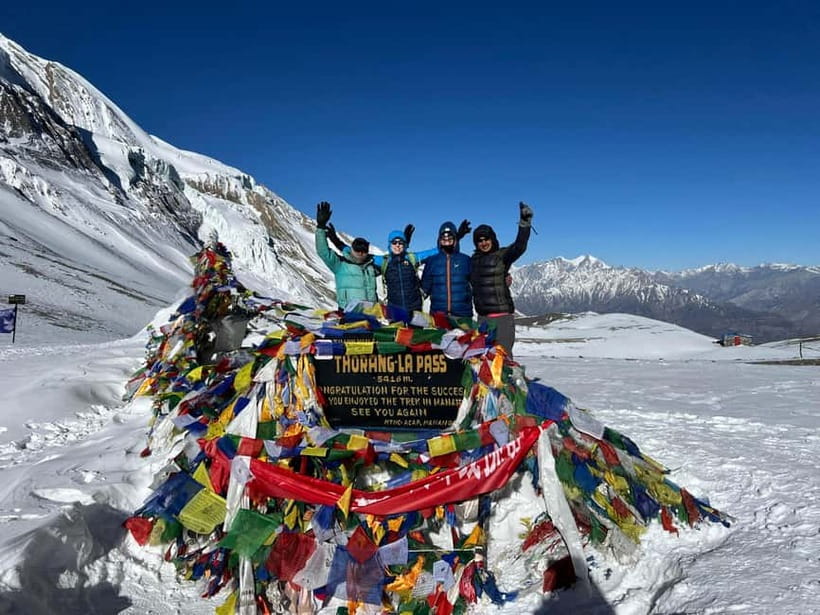
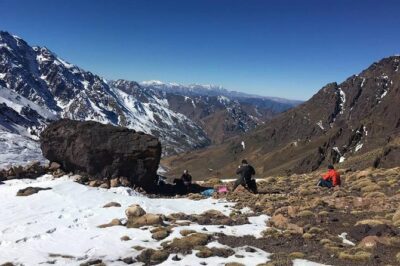
The Annapurna Circuit earns its fame for a simple reason: you keep changing altitude and scenery, and the mountains keep getting bigger. On this 9-day route, the “main event” is crossing Thorong La Pass (5,416m). That’s high enough that the air feels thin for most people, and crossing the pass feels like a moment you’ll replay later.
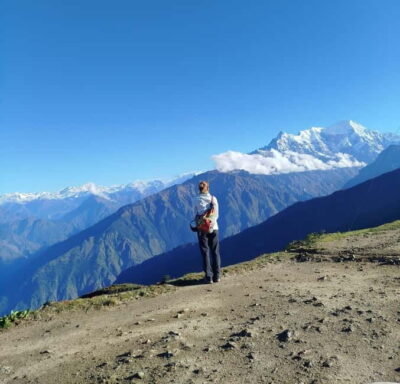
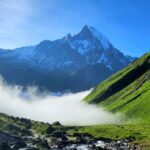
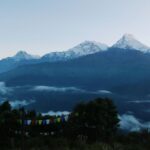
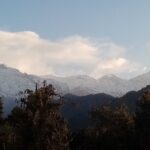
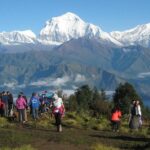
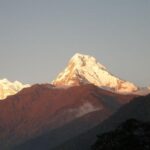
What makes it especially satisfying is what you’re working toward. As you climb, you get repeated views connected to the Annapurna region—Annapurna, Dhaulagiri, and Machapuchare are specifically called out along the route. Then, after the pass, the trek doesn’t just end in a dusty blur. You drop toward Muktinath, a major pilgrimage site, before finishing up in Pokhara.
This is also a trek where good pacing matters. The route includes a rest/acclimatization day in Manang and staged climbs (Yak Kharka, then Thorong Phedi). That structure doesn’t remove the challenge, but it makes it more manageable.
You can also read our reviews of more tours and experiences in Pokhara.
From Kathmandu to Dharapani: the travel day that sets the pace
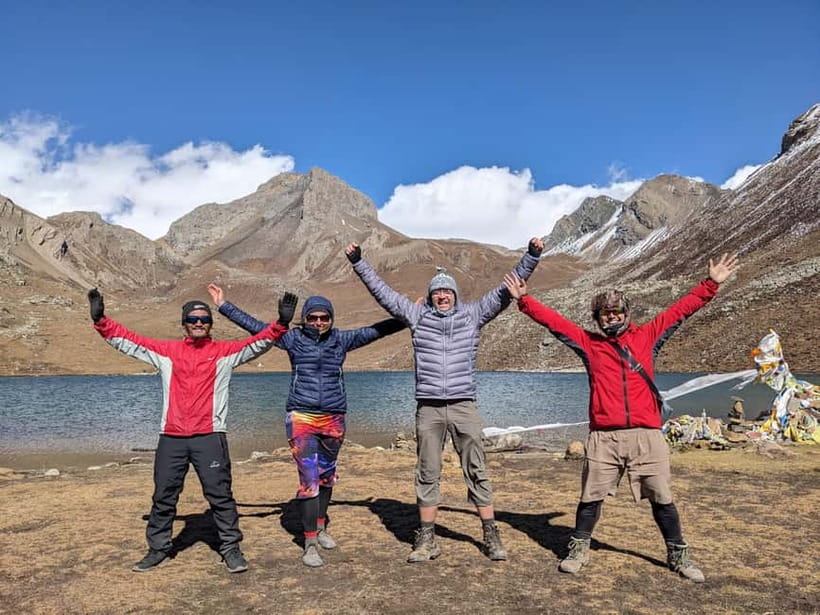
Day 1 starts with an early hotel pickup in Kathmandu (Thamel area) and transfers you to the bus station. You’ll take a scenic ride to Besisahar (about 7–8 hours). From there, you continue by jeep to Dharapani.
This is one of those “quietly important” parts. Driving for a full day means your body is already tired, so you want to use the time well: hydrate, keep moving a bit when you stop, and don’t treat Day 2 like you’re starting fresh.
You’re also going from city life into countryside rhythm. Even before the trekking begins, this leg gives you your first sense of Nepal’s road-to-trail transition—bigger hills, smaller settlements, and the feeling that the trek is real and not just a map line.
Chame and Upper Pisang: forests, fields, and first real altitude
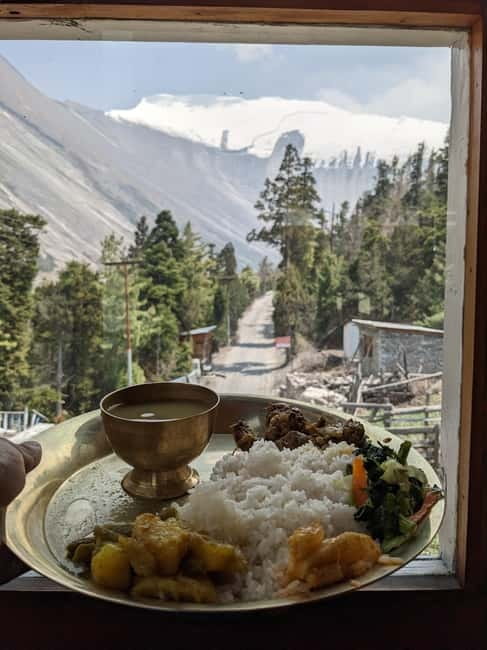
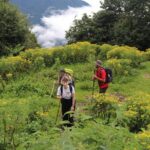
Day 2 is your first real push: Dharapani to Chame. It’s about 6 hours, reaching 2,670m. Along the way you pass Bhote villages, then move through oak and pine forests, plus farmland and open countryside. Chame is a classic trekking village—busy enough to feel alive, simple enough that you quickly settle into the tea house routine.
Day 3 continues upward with Chame to Upper Pisang. Plan on 5–6 hours to reach 3,200m. You’ll get strong views in this section, including Lamjung Himal, and there’s a stop connected to Bhratang Valley. Upper Pisang often feels different from earlier villages because it’s closer to the Tibetan-influenced side of the route. That cultural shift matters. It’s not just scenery; it’s the way villages look, how people live, and how the mountain corridor changes as you gain elevation.
The honest takeaway: these early days are where you learn your hiking style. Go slower than you think you need. Save your energy for Thorong La.
Manang days: culture stops and the acclimatization buffer
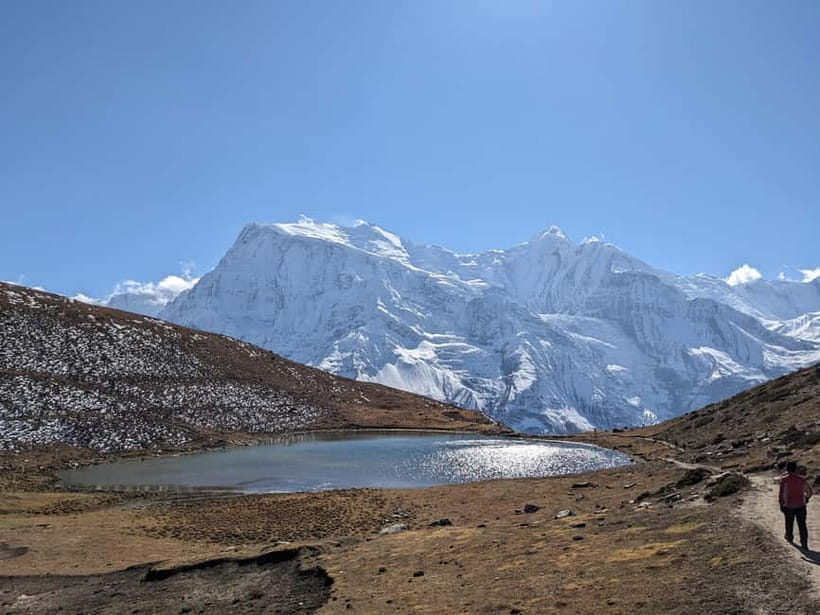
Day 4 takes you Upper Pisang to Manang in about 5–6 hours, reaching 3,540m. You’re looking at some serious peaks in the views, including Tilicho Peak, Annapurna III, and Annapurna IV. This day can feel like you’re transitioning from “getting there” to “settling into the high country.”
Day 5 is the key: an acclimatization/rest day in Manang at 4,050m. Instead of stacking more altitude, you’re given time to breathe, rest, and help your body adjust. There’s also an optional hike offering choices like Gangapurna Glacier Lake or nearby icefalls, depending on how you feel that morning.
This is exactly the kind of day I want on a trek like this. Higher altitudes don’t care about your schedule. They care about how your body reacts. The fact that this trek is designed with a full acclimatization day means you’re more likely to approach Thorong La with energy instead of dread.
Yak Kharka and Thorong Phedi: training your legs for Day 8
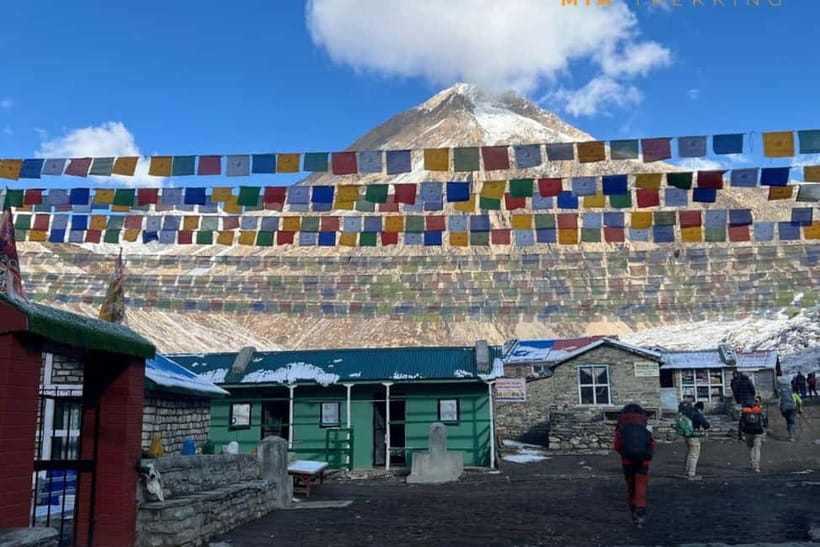
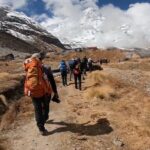
After Manang, Day 6 takes you to Yak Kharka (4,050m) in about 4 hours. The big change here is how the trail feels: you’re higher, the air is thinner, and the views stretch out more. It’s a shorter day on the clock, which helps. It also gives your legs time to adjust rather than punish you all at once.
Day 7 is Yak Kharka to Thorong Phedi (4,450m), about 4–5 hours. You’ll cross bridges and gradually ascend, ending in a spot set up for the pass attempt the next day. This is where your packing habits matter. If you keep your essentials easy to reach (layers, headwear, water), you’re far less likely to waste energy on fumbling around in cold air.
Think of this day as preparation. Not “the final stretch” in a romantic sense, but a very practical warm-up for Day 8.
Day 8 over the pass to Muktinath, then down toward Pokhara
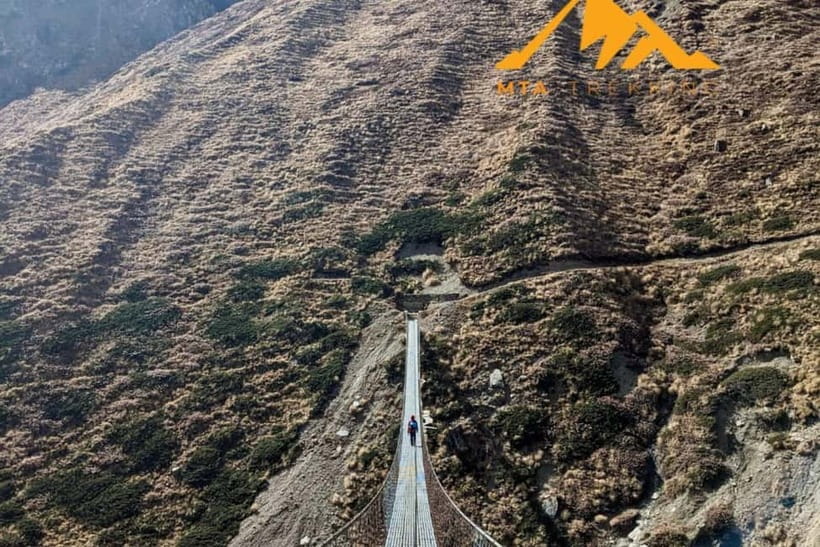
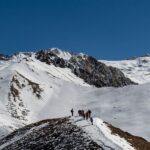
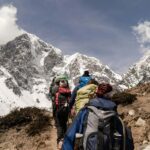
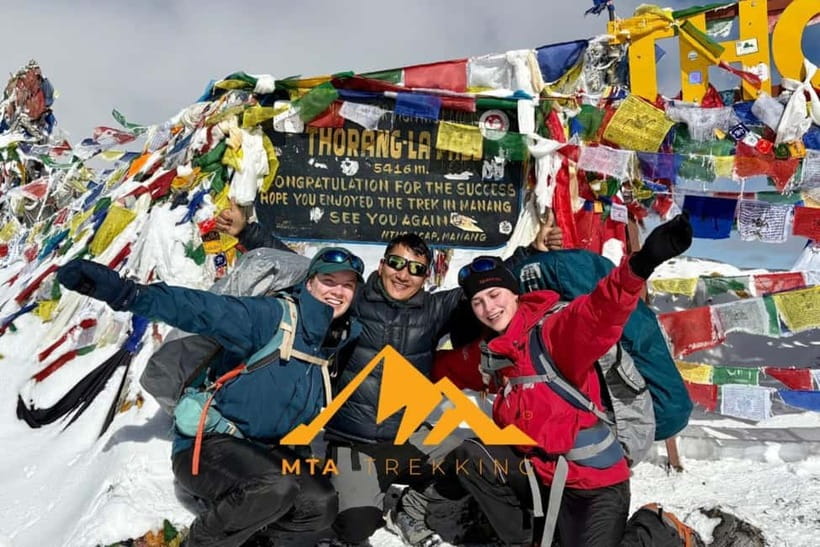
Day 8 is Thorong Phedi to Muktinath via Thorong La Pass. Expect 7–8 hours total, including the Thorong La Pass crossing at 5,416m. This is one of the highest trekking passes in the world, and the altitude will be the main storyline, not speed.
After the pass, you descend toward Muktinath, with panoramic views of Mustang Valley along the way. That part is important because it keeps the day from being only exhausting. You’re still moving through a mountain world that feels open and dramatic, just in a different way than earlier in the trek.
Then you reach Muktinath—an area known as an important pilgrimage site. That adds a human element to your physical effort. Even if you’re not chasing spirituality, it’s a reminder that this region has meaning far beyond trekking.
Day 9 finishes with a long but straightforward transfer: Muktinath to Pokhara by bus (about 8 hours). You’ll have a chance to relax in Pokhara afterward, with your trek coming to an end in a more comfortable rhythm.
Tea houses, simple meals, and the comfort trade-off
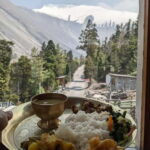
This trek uses tea house and lodge accommodations during the journey, plus 1 night at Hotel Orchid in Pokhara after you finish. Expect the basics. That’s not a complaint—it’s part of the value equation. You’re paying for access to a route that’s built around villages, not private lodges built for luxury trekking.
Meals are typically simple and geared for hikers, and you’ll have chances to rest between walking days. The big comfort questions usually come down to clothing and sleep warmth, not whether your room has fancy amenities.
If you take one practical lesson from high-altitude treks, it’s this: pack for cold mornings and changing weather. The trek info specifically suggests comfortable shoes, sunglasses, sun hat, sunscreen, quick-dry clothing, and other layers. You’ll also want to bring passport or ID card (a copy is accepted).
And yes, you should plan around what’s not included. Shower, battery recharge, and bottled or boiled water are listed as personal expenses, so budget for them if you want them.
Guides, permits, and safety support that actually matters
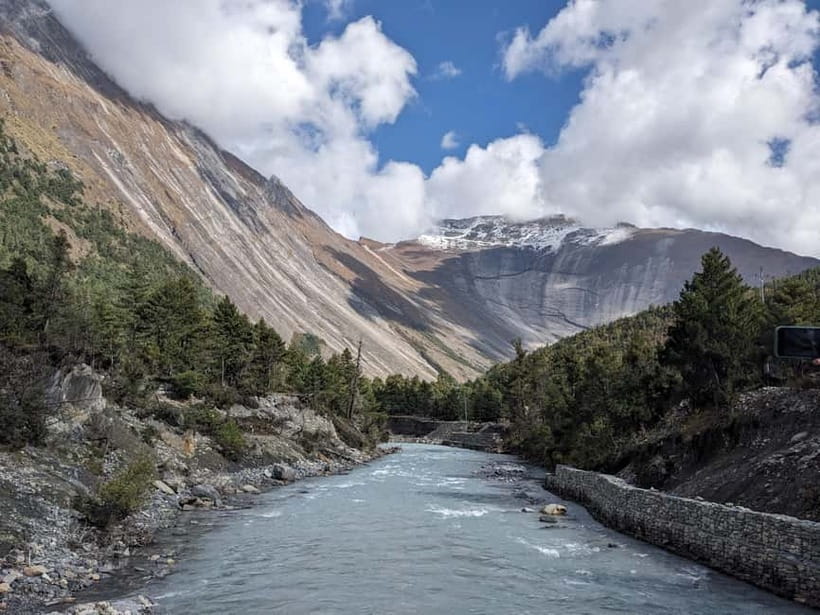
A trek like this lives or dies on two things: logistics and judgment. This experience includes:
- a government registered local guide,
- English/Hindi interpretation support from the live tour guide,
- permit and TIMS card included,
- and emergency rescue assistance if something goes wrong.
That doesn’t mean you’ll never feel stressed on a high pass. But it does mean you’re not guessing your way through paperwork or navigating.
There are also real “people” details that make a difference. In prior experiences with MTA Trekking, Mr. Bijay has been highlighted as staying in contact even before the trip, which reduces the usual first-day uncertainty. Guides such as Shishir have been praised for taking care with essentials—helping ensure you have what you need and advising on pacing and acclimatization. Even with a solid plan on paper, a good guide helps you translate it into how you actually walk that morning.
Finally: follow the rules. Alcohol and drugs are not allowed, and the trek is listed as not suitable for people with high blood pressure, pregnancy, altitude sickness, or children under 7.
Price and value: what the $456 package covers
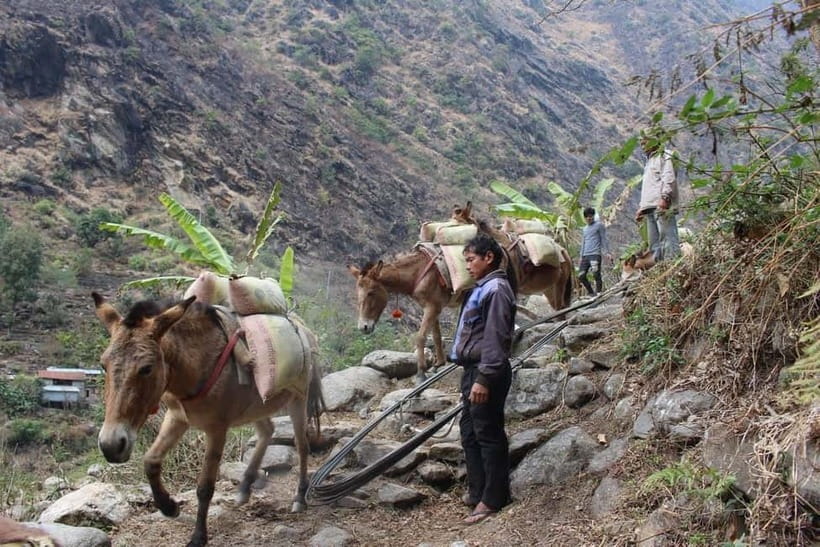
At $456 per person, the value here isn’t just “transport and beds.” It’s the combination of items that are annoying to coordinate yourself.
What’s included:
- hotel pick-up and drop-off (Kathmandu Thamel area and Pokhara Lakeside area),
- public transport for Kathmandu → Besisahar and Besisahar → Dharapani,
- all transport between trek destinations and to/from included activities,
- permits and TIMS card,
- experienced local guide,
- tea house/lodge accommodations during the trek,
- Hotel Orchid (1 night) in Pokhara after,
- farewell dinner in Pokhara,
- and emergency rescue assistance.
What’s not included:
- soft and hard drinks,
- travel and rescue insurance (make sure it covers high-altitude trekking),
- personal expenses (phone calls, laundry, bar bills, battery recharge, extra porters, showers),
- and trekking gears.
Here’s how I think about it if you’re comparing options: if you add up permits, guiding, and the chain of transport between trailheads and towns, the package price becomes more reasonable. Your biggest “extra” costs will usually be insurance and personal spending. If you already own proper trekking gear, you can keep extra costs down.
When to go: spring and autumn vs monsoon and winter
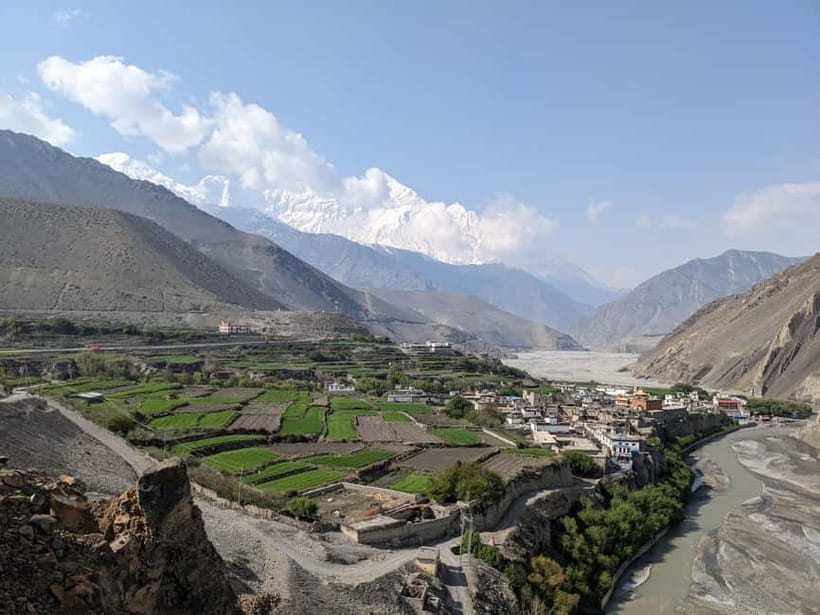
This trek is best in spring (March–May) and autumn (September–November), when skies tend to be clearer and temperatures more manageable. Spring often brings warmer conditions and blooming periods. Autumn is often the sweet spot for visibility and mild weather.
Winter (December–February) can mean cold and possible snow, with the added risk of trail closures. In other words, it’s not just chilly; it can disrupt the plan.
Monsoon (June–August) brings heavy rain and slippery trails. If your goal is smooth trekking progress and good visibility, it’s the season I’d avoid.
Who should book this—and who should sit it out
This is a serious altitude trek. The basic fit criteria listed are:
- good fitness and prior trekking experience are important due to long walking hours and the high point at 5,416m,
- you need to take acclimatization seriously (this route includes built-in adjustment days),
- and you should have insurance that explicitly covers high-altitude trekking.
It’s also not suitable for:
- children under 7,
- pregnant women,
- people with altitude sickness,
- and people with high blood pressure.
So who is it best for? If you like structured days, want a guide handling permits and key logistics, and you’re comfortable hiking nearly every day with a gradual altitude ramp, this fits well. If you’re hoping for a fully relaxed vacation with lots of lounging, you’ll likely feel the schedule.
Final call: should you book this Annapurna Circuit trek with MTA Trekking?
If your goal is the classic Annapurna Circuit experience, with a real pass crossing and enough time to acclimatize, I’d say this is a strong choice. The Manang rest day, the staged route through Yak Kharka and Thorong Phedi, and the organization details (guide, permits, transport chain, tea houses, Pokhara hotel) make it easier to focus on the actual trekking.
Book it if:
- you’re prepared for long walking days and altitude,
- you want a private group with English/Hindi support,
- you value having the paperwork and route logistics handled.
Skip or rethink it if:
- you’re unsure about your altitude tolerance,
- you have high blood pressure or a known altitude-sickness issue,
- or you’re traveling in seasons where weather may block trails (especially winter), unless you’re flexible.
If you do book, my best advice is simple: train your legs beforehand, pack layers for cold mornings, and treat the acclimatization day as a gift, not a delay.
FAQ
Where does the trek start and end?
It starts with pickup in Kathmandu (Thamel area) and ends with a bus ride to Pokhara after Muktinath.
What is the highest point on this trek?
The highest point is Thorong La Pass at 5,416 meters.
Do I need permits for the trek?
Yes. The package includes the permit and TIMS card.
What kind of lodging should I expect on the trek?
During the trek you stay in tea house and lodge accommodations. After the trek, there is 1 night at Hotel Orchid in Pokhara.
Is there a rest or acclimatization day?
Yes. There is an acclimatization/rest day in Manang (at 4,050 meters).
How do you handle guidance and language?
You’ll have a live tour guide (English and Hindi) and an experienced government registered local guide.
What transport is included before and after the trek?
Transport includes Kathmandu to Besisahar by sharing jeep/bus (about 7–8 hours to Besisahar) and Besisahar to Dharapani by jeep, plus the bus from Muktinath to Pokhara (about 8 hours).
Are there any optional activities during the trek?
During the Manang rest day, you can choose optional walks such as to Gangapurna Glacier Lake or nearby icefalls.
Is this trek suitable for everyone?
No. It is not suitable for children under 7, pregnant women, people with altitude sickness, or people with high blood pressure.
What should I pack, and what is not allowed?
Bring comfortable shoes, sunglasses, sun hat, sunscreen, comfortable clothes, and quick-dry clothing (plus ID/passport). Alcohol and drugs are not allowed.