REVIEW · LA PALMA
La Palma: Guided Trekking Tour To Cubo de la Galga
Book on GetYourGuide →Operated by La Palma Transfer & Tours · Bookable on GetYourGuide
La Palma’s laurel forest feels like time travel. This guided hike to Cubo de la Galga is built around one of the island’s most unusual natural areas—an ancient forest that holds on to its greenness and mist. You’ll also get proper viewpoints afterwards, including a mirador where the weather can turn the scene into a sky-to-sky panorama.
I especially love the combination of plant-focused guidance and real trail time. It’s not just walking; it’s walking with explanations that help you notice the ferns, humidity, and cloud-trade-wind effect that makes this place work. The second thing I like: the tour mixes forest atmosphere with lookout moments, so your day doesn’t blur into one long green tunnel.
One consideration: this is medium hiking on uneven ground. If it’s wet, the trail can feel slick and you’ll need to keep your balance—less time for staring up at the canopy and more time watching your footing.
In This Review
- Key things to know before you go
- Why Cubo de la Galga Feels Like Time Travel on Foot
- The Laurisilva Forest: The Real Reason It Stays Green
- The Trek Itself: 11 km, Medium Difficulty, and Uneven Footing
- Mirador of Somada Alta: Island Views When the Sky Clears
- El Mirador de San Bartolo and El Salto del Enamorado
- Price, Timing, and What You’re Really Paying For
- Getting There: Meeting Point and Pickup Reality
- What to Bring for Misty Forest Hiking (and Wet Footing)
- Who This Tour Suits (and Who Should Skip It)
- Should You Book the Guided Trek to Cubo de la Galga?
- FAQ
- How long is the Cubo de la Galga guided trekking tour?
- What is the total hiking distance?
- What difficulty level is it?
- Are meals included?
- What’s included in the price?
- Where is the meeting point?
- Is pickup available from Santa Cruz de La Palma?
- What languages are the guides?
- What should I bring?
- Is the tour suitable for wheelchair users?
Key things to know before you go
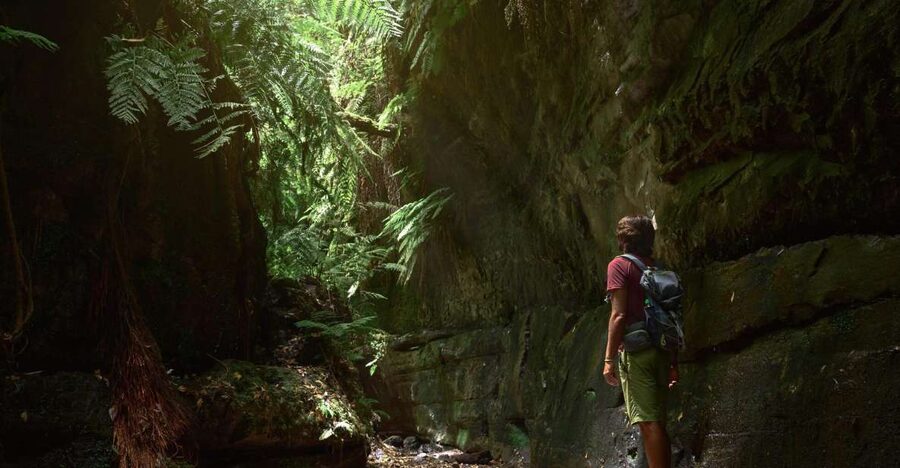
- Ancient forest vibe: a walk in a forest said to be around 2 million years old
- Laurisilva effect: horizontal rain from trade winds keeps the area green year-round
- 11 km total: plan for 4–5 hours of steady trekking, not a stroll
- Two miradors: Somada Alta for island views, then San Bartolo for viewpoints and stories
- Weather matters: mist and rain are part of the experience—rain gear helps a lot
Why Cubo de la Galga Feels Like Time Travel on Foot
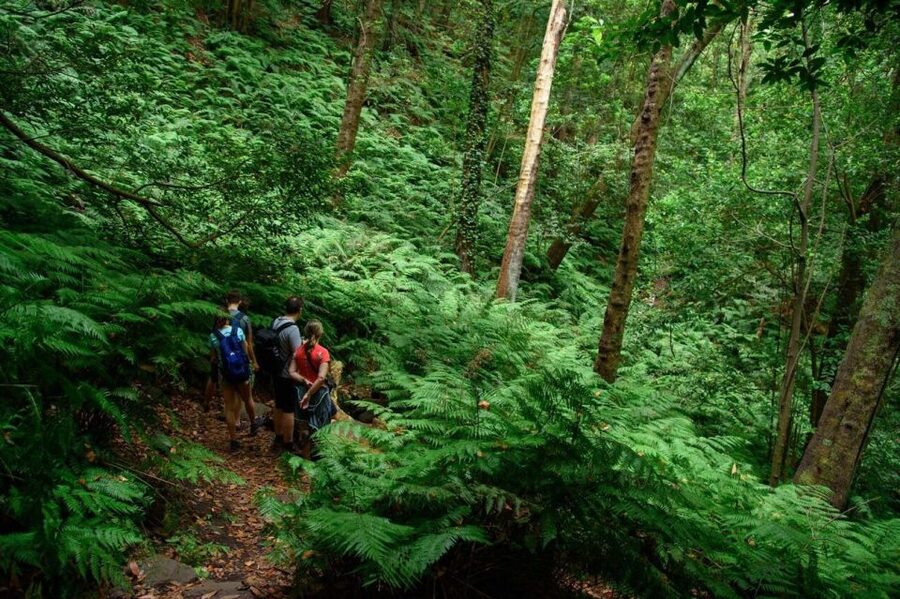
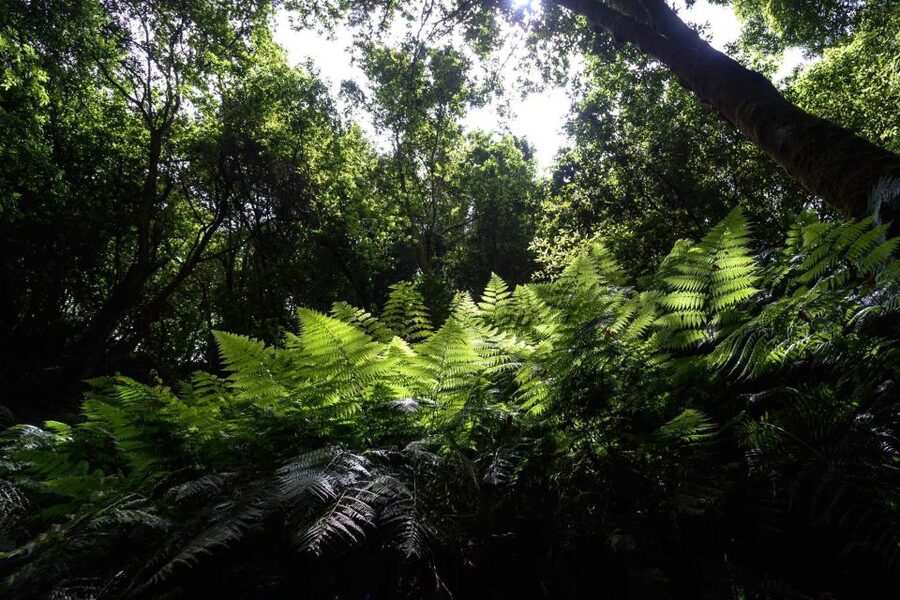
Cubo de la Galga is the kind of place that makes you slow down without meaning to. You’re trekking through a laurel forest where humidity hangs in the air and the vegetation looks like it’s been there forever. The experience is sold as a journey through time, and the route supports that idea: the trail leads you deeper into the canopy, then opens up again at miradors where you can step back and take in the bigger island picture.
The best part for me is that the tour doesn’t treat the forest like scenery you just pass through. You’re guided to look—at ferns, at misty pockets, at the way light behaves under the trees. Even on a day that isn’t perfectly clear, the forest still delivers something special: atmosphere. That matters on La Palma because the island often works with changing clouds rather than bright, fixed sunshine.
I also like that the route is structured. You don’t just walk up and hope for views. You get a plan: forest first, viewpoint later, then another outlook with a story tied to the coastline and cliffs.
You can also read our reviews of more tours and experiences in La Palma.
The Laurisilva Forest: The Real Reason It Stays Green
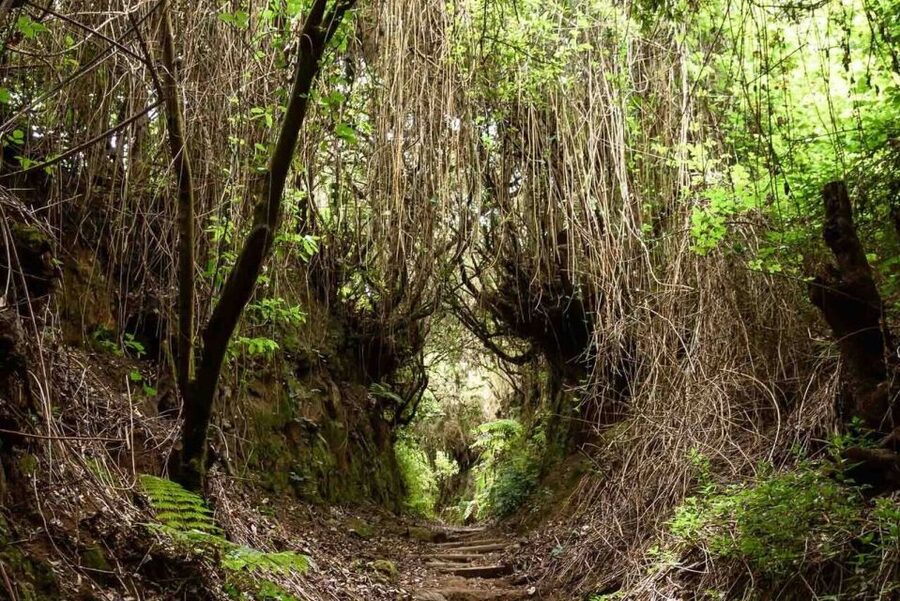
What you’re walking through is Laurisilva, the laurel forest type associated with La Palma’s long-lasting climate pattern. The key detail is the trade winds: they create horizontal rain, which keeps the forest green even when the rest of the island might be drier. That’s why the place can feel soaked but not always raining in the dramatic way you expect—more like constant damp air and lingering moisture.
This is also why the forest can feel otherworldly. In humid conditions, big ferns show up prominently, and the mist can reduce the distance between you and the trees. The result is a walking experience that feels immersive in a practical sense: you’re surrounded by living texture, not just watching a green backdrop from a viewpoint.
The tour’s guiding style leans into this. You’ll get explanations that help you read the landscape—how the forest grew, why it stayed, and what you’re seeing as you walk. On one departure, the guide Arnold is specifically noted for plant explanations along the route, which gives you something concrete to pay attention to.
The Trek Itself: 11 km, Medium Difficulty, and Uneven Footing
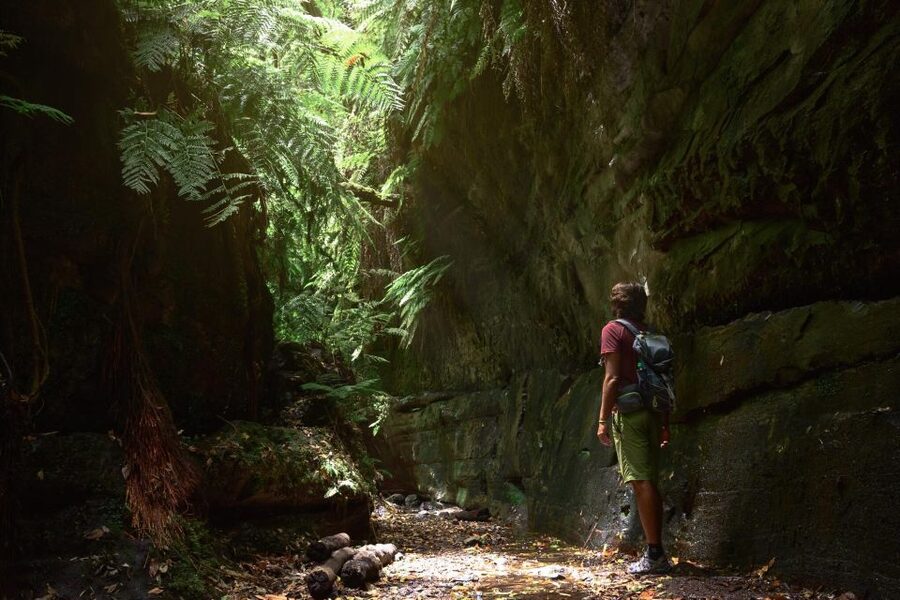
This is a guided trekking tour with a total length of 11 km. The advertised duration is 4 to 5 hours, so you should think “active hiking day” rather than a half-day walk you can do in flip-flops. The route has some steady effort, and it’s not designed for people who want flat, easy steps the whole time.
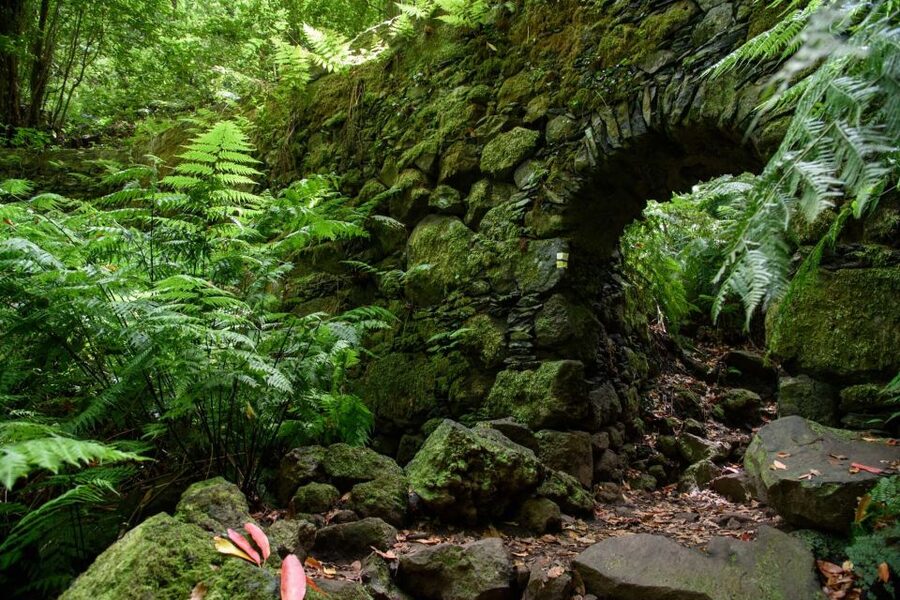
Expect medium difficulty, which in practice often means uneven trail surfaces, rocky sections, and at least some uphill. One important point from real on-trail experience: even when the weather looks calm, the path can include felsige Wege und Pfade (rocky paths and tracks) with a bit of ascent. So bring a level of fitness that supports hiking for hours and staying focused.
Weather can change the feeling fast. On very wet days, the ground can be slick, and you may spend more energy balancing than admiring the view. If you’re someone who gets tense on slippery terrain, you’ll want to take the footwear part seriously and consider choosing a day with better conditions.
Your guide matters here. A good guide keeps you moving safely and helps you understand where you’re walking. That’s often what turns “just a hike” into an experience you remember.
Mirador of Somada Alta: Island Views When the Sky Clears
After exploring Cubo de la Galga, the tour climbs up to Mirador of Somada Alta. This is where the walk starts to pay you back with wider sightlines. The goal is clear-day payoff: if the weather cooperates, you can see neighboring islands of Tenerife and La Gomera, plus the villages of Los Sauces and San Andrés.
This segment is valuable for a simple reason: it resets your perspective. In the forest, your world is green and close. At a mirador, you suddenly understand how the island is shaped, where the coastline sits, and how distant valleys and towns fit into the bigger picture.
The tradeoff is obvious but worth saying: visibility depends on the day. If clouds roll in, you may not get the full multi-island panorama. Still, the mirador stop is worth the climb because it gives you a breather and a new angle on La Palma’s geography, even when the view is softened by mist.
Bring your camera and your patience here. You’ll want a quick way to capture the moment—because weather on La Palma can change faster than you think.
El Mirador de San Bartolo and El Salto del Enamorado
Next comes the descent to El Mirador de San Bartolo, located in the San Bartolomé area. This part is about viewpoints plus story. You get more expansive scenery, but you also get explanations about place—how cliffs, coastlines, and local landmarks fit into local legend.
One of the standout moments is the cliff stop at El Salto del Enamorado (The Lover’s Leap). Expect a romantic but tragic legend tied to the cliff setting. Even if you’re not usually a legend person, the story works better here because you’re looking at the physical geography that the legend depends on.
Practically, the descent usually feels easier on the lungs than the earlier climb, but it can still be demanding on your legs—especially if the ground is wet. Take your time. Use the guide’s pace as your benchmark and don’t rush the last stretch.
By the end of this segment, the tour has done its job: you started in ancient forest and ended with cliffside perspective and local lore. That mix is part of the tour’s appeal.
Price, Timing, and What You’re Really Paying For
The tour costs about $38 per person for 4–5 hours. That’s not a low price for a “walk,” but it’s also not just paying for steps. You’re paying for guided navigation through a protected-feeling forest environment, plus interpretation that helps you understand what you’re seeing.
Included items are pickup from selected locations and a live guide. Food and drinks are not included, so plan to cover your own water and snacks. Some hikers have mentioned an optional lunch stop at a small bar at the end of the tour, but that’s something you should treat as a chance, not a guaranteed meal included in the price.
Timing-wise, 4–5 hours means you should plan your day around it. You’ll likely need a meal before you go (or you can bring snacks) and then something after.
Value comes down to fit. If you like guided explanations, want to walk in an ancient-feeling laurel forest, and enjoy a couple of viewpoint stops, this is good value. If you just want an easy nature stroll with no trail challenges and no interpretive component, you might feel the cost more than the benefits.
Getting There: Meeting Point and Pickup Reality
The standard meeting point is Mercadillo de Puntallana parking, where the bus picks you up. Look for a bus with La Palma Transfer & Tours signage. If you choose pickup, there’s also an option at the Santa Cruz de La Palma bus stop (line 500, north)—handy if you don’t want to route yourself to Puntallana.
This matters because the experience starts before you reach the trail. The bus ride connects the dots between where you’re staying and where the forest begins. It also sets your arrival timing so you’re not waiting around after everyone shows up.
One practical note: bring your patience. Mountain-area pickups can be efficient, but they do run on local schedule realities. Showing up a bit early helps you avoid the stressed, last-minute version of travel.
Once you’re on the bus, the tour pacing is set. Your guide will lead you through the forest sequence and then the miradors in the order that keeps the day flowing.
What to Bring for Misty Forest Hiking (and Wet Footing)
This tour’s gear list is solid because the environment is real-world damp, not “just pretty photos.” You’ll want:
- Hiking shoes (non-negotiable for uneven ground)
- Water
- Sunscreen and sunglasses
- Sun hat and camera
- Jacket and rain gear (the forest can be misty and wet)
- Comfortable clothes
- A charged smartphone (useful for photos and practical timing)
You might not see heavy rain the whole time, but mist and humidity are part of the Laurisilva experience. If you’re underprepared for wet conditions, the hike can feel harder than the distance suggests.
Also, treat the “medium” label as a hint to show up ready. In rocky and possibly slippery sections, good shoes reduce stress and make it easier to enjoy the scenery rather than fight the footing.
The best approach: dress in layers, keep your grip, and accept that the forest will do what it does—trade-wind moisture included.
Who This Tour Suits (and Who Should Skip It)
This is best for you if you like hiking with a guide, enjoy learning what you’re seeing, and don’t mind a medium-difficulty trail length of 11 km. You’ll probably get the most out of it if you’re comfortable walking for hours and staying steady on uneven ground.
It’s not suitable for children under 3, and it’s also listed as not ideal for people with back problems, mobility impairments, or wheelchair users. If you’re in any of those categories, I’d treat the tour description as a no-go rather than a maybe.
If you’re a solo traveler who wants structure and safety, a guided pace helps. If you’re traveling with others, you’ll also benefit from a group route—everyone gets the same viewpoints and stops in the same order.
Finally, if weather makes you worry, you should know the forest setting can include wet, slippery ground. That doesn’t mean you should avoid all days—it means you should come prepared and walk with calm attention.
Should You Book the Guided Trek to Cubo de la Galga?
Book it if you want a guided hike through an ancient-feeling laurel forest with meaningful interpretation, plus mirador views that can reach as far as Tenerife and La Gomera on clear days. At $38, it’s good value when you’re there for the whole package: forest + guide + viewpoints + local legend at El Salto del Enamorado.
Skip it or think twice if you need flat, easy terrain, or if wet, rocky footing would ruin your day. This is a hiking tour. The scenery is worth it, but your shoes and your comfort level with uneven trails matter just as much as the forest does.
FAQ
How long is the Cubo de la Galga guided trekking tour?
The tour lasts about 4–5 hours.
What is the total hiking distance?
The total length of the tour is 11 km.
What difficulty level is it?
The difficulty is listed as medium.
Are meals included?
No. Food and drinks are not included.
What’s included in the price?
Pickup from selected locations and a live guide are included.
Where is the meeting point?
You meet at Mercadillo de Puntallana parking, where the bus picks you up.
Is pickup available from Santa Cruz de La Palma?
Yes. Pickup is optional at the Santa Cruz de La Palma bus stop on line 500 (north).
What languages are the guides?
The live tour guide is available in Spanish, German, and English.
What should I bring?
Bring hiking shoes, water, sunscreen, sunglasses, a sun hat, a camera, comfortable clothes, a jacket, rain gear, and a charged smartphone.
Is the tour suitable for wheelchair users?
No. It is listed as not suitable for wheelchair users and people with mobility impairments.