REVIEW · LUANG PRABANG
Luang Prabang Thin Pha Trail & Tad Sae Falls Trek
Book on GetYourGuide →Operated by Tiger Trail Travel Laos · Bookable on GetYourGuide
A jungle hike with village stops and waterfall time. You get a guided trek through rice paddies and limestone foothills, plus a Nam Khan River ride that turns the day from exercise into real Luang Prabang countryside storytelling. Two things I like a lot: the way the guide connects you to everyday life in Khmu and Hmong villages, and the fact that you’re not just walking, you’re also traveling by boat through the landscape. One heads-up: Tad Sae Falls can be very low or even dry from February to July, and it may be omitted.
This is an 8-hour day that’s active but not extreme: about 12 km (7.5 miles) and roughly 4–5 hours of trekking with elevation around 300–900 meters. If you’re the type who enjoys stopping, looking, and asking questions instead of speed-walking from one photo spot to the next, this trip fits. Just remember the tour isn’t for heavy luggage, and you should pack a towel if you want to enter the falls.
In This Review
- Key moments that make this trek worth your time
- From your hotel to the trailhead: how the day is paced
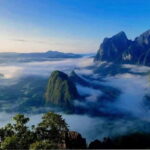
- Limestone foothills and limestone views you can actually feel
- Khmu village Ban Houay Fai: where the guide sets the context
- Hmong village Ban Thin Pha: lunch with a sense of place
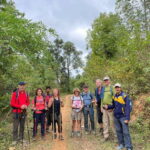
- The trek in motion: paddies, forests, and the value of slow attention
- Ban Houay Yen and the river transition: when the day slows down
- Tad Sae Falls: a swim option, but season rules everything
- Boat, transfers, and the two things that affect comfort
- Price and value: why $95 can be a fair deal
- Private or small group: how that changes your day
- Who should book this trek, and who should skip it
- Should you book Luang Prabang Thin Pha Trail & Tad Sae Falls?
- FAQ
- How long is the Luang Prabang Thin Pha Trail & Tad Sae Falls trek?
- Where does the tour start and how is pickup handled?
- How much trekking is involved?
- What’s included in the price?
- Is lunch provided?
- Can I swim at Tad Sae Waterfall?
- Will Tad Sae Waterfall be flowing year-round?
- Do I need to bring a towel?
- What luggage or bag restrictions apply?
- Is the guide available in English?
Key moments that make this trek worth your time
- Khmu village intro at Ban Houay Fai: your first cultural stop comes early, so you know what you’re seeing before the hills get serious.
- Hmong village lunch at Ban Thin Pha: a real midday pause in a mountain village that gives the trail its name.
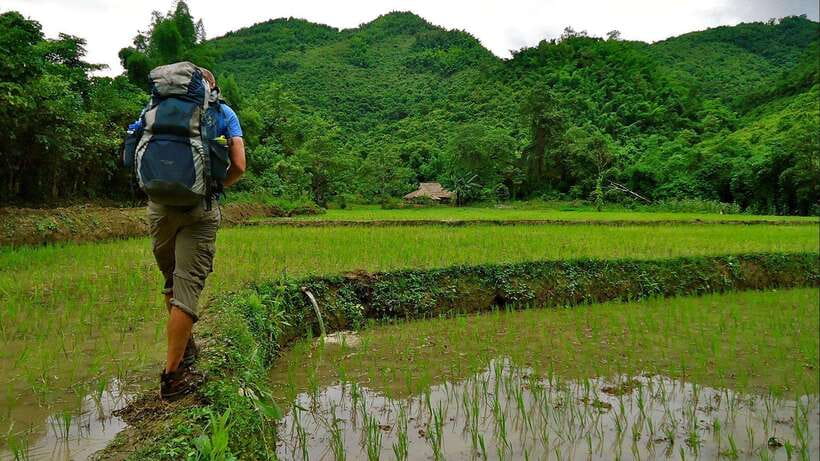
- 12 km of mixed terrain: rice paddies, deciduous forest, and rocky slopes make the hike feel varied instead of repetitive.
- Limestone grottos and ridges: the scenery changes as the path rises and drops through mountain foothills.
- Nam Khan boat rides: river travel breaks up the day and sets up the best part at the end.
- Tad Sae Falls, season-dependent: you might swim, soak, and explore, but water levels can limit it.
From your hotel to the trailhead: how the day is paced
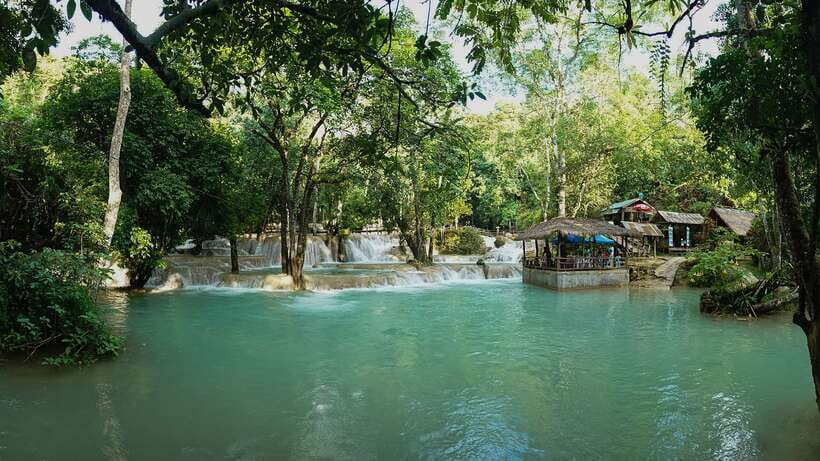
Most days start with a pickup from your Luang Prabang hotel for free. If you choose not to do pickup, you’ll meet at the Tiger Trail Travel office at 8.20am, with an 8.45am departure. From town, you head about 25 minutes out to the adventure camp, then cross the Nam Khan River by boat to reach the trailhead.
This matters because it sets expectations. You’re not doing a slow start with a long drive, and you’re also not hiking from the first second. The river crossing gets you out of the city feel quickly, and it gives your legs time to warm up before the trail begins.
Once you start hiking, the path eases you in through rice paddies, then moves into canopy and foothill terrain. The pacing is designed for a full day: active morning trekking, a village lunch stop, more hiking through countryside and forest edges, then a relaxing river segment later.
You can also read our reviews of more tours and experiences in Luang Prabang.
Limestone foothills and limestone views you can actually feel
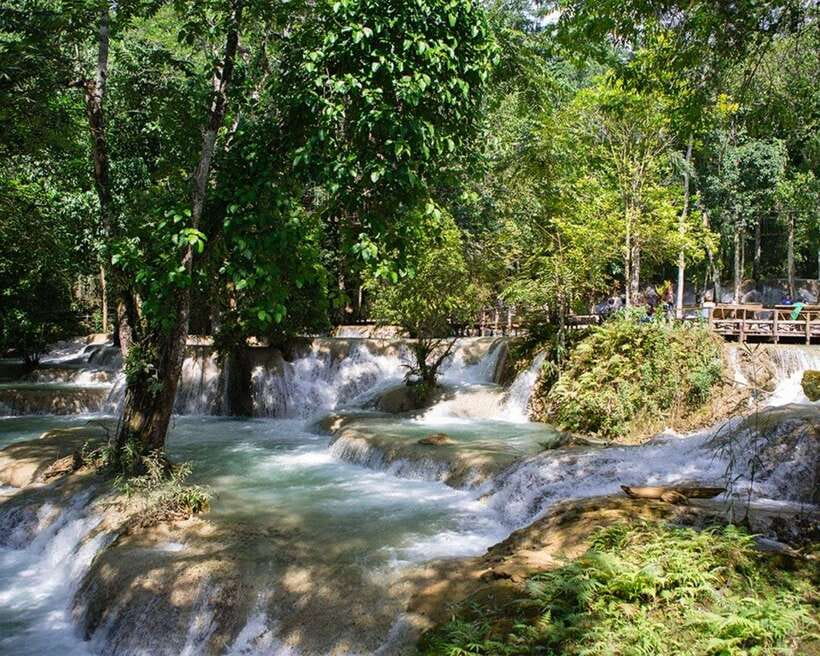
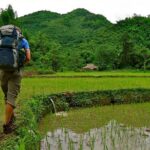
The trekking route is about 12 kilometers over roughly 4–5 hours, with elevation gains and losses in the 300–900 meter range. In plain terms, you should expect some climbing and some uneven footing. It’s not a treadmill hike.
What I like is the mix of environments. You move through farmland and paddies, then into deciduous forest sections, and later through rocky slopes and ridges. The tour also includes time in areas described with limestone grottos. Even if you don’t think about geology day-to-day, this kind of terrain creates natural “stop points” where you can see how water and weather shape the hills.
If you’ve been to Luang Prabang and want to get beyond the usual temple circuit, this trek is a good path. You’re walking through the same kinds of foothill spaces that communities use for daily life, not just scenic overlooks.
Khmu village Ban Houay Fai: where the guide sets the context
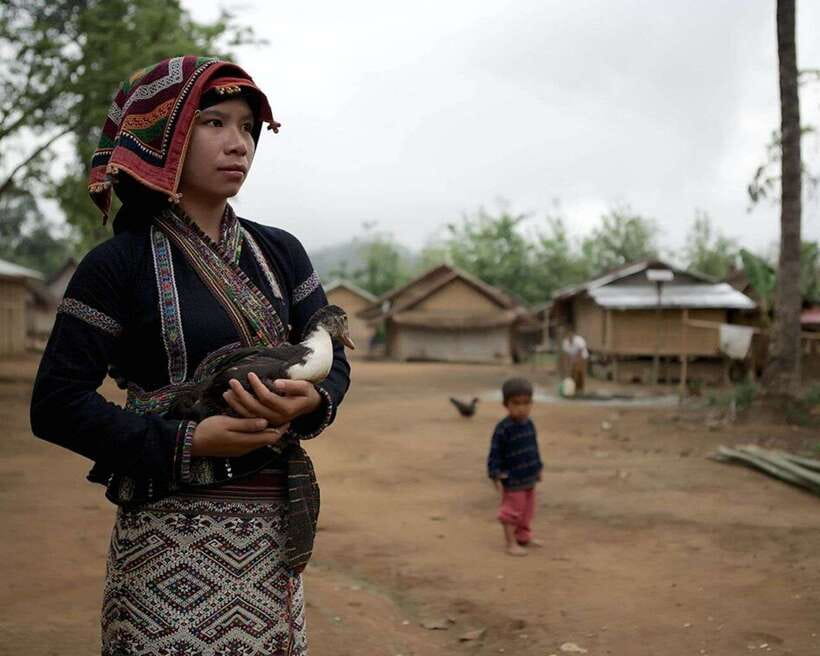
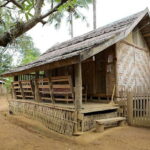
Your first village stop is Ban Houay Fai, a Khmu community. This is one of the smartest parts of the itinerary because it puts you in “learning mode” early. Before you settle into the hills, your guide introduces local life and customs, and that changes how you notice everything later.
In a good village encounter, the best value comes from questions. You’ll have time to talk with villagers, ask how life works in this area, and learn how traditions connect to seasons, farming, and community routines. The guide’s English is a big deal here. When you’re walking for hours, you don’t want a slideshow with vague answers. A strong guide turns the walk into understanding.
One thing that showed up in recent experiences is how attentive the guides can be, especially on private tours. For example, a guide named Linh was singled out for being listening and professional on a private day.
Hmong village Ban Thin Pha: lunch with a sense of place
The trail’s name comes from Ban Thin Pha, a Hmong village where lunch happens. You’ll hike onward after the first village, then reach this midday stop after time moving along ridges, rocky slopes, and through different patches of mountain countryside.
Lunch here is more than a break. It’s where the day shifts from walking through terrain to experiencing a community pause. Meals are included, and in at least one case, the lunch was described as a banana-leaf picnic. That kind of detail is a reminder you’re not eating in a hotel cafeteria style; you’re eating in a setting tied to place.
Practical tip: the tour includes lunch, but you should think about your own preferences. In one experience, a vegetarian lunch preference didn’t get addressed ahead of time, which turned into a hassle. If you have dietary needs, I’d message your operator before the day and confirm what will be served.
The trek in motion: paddies, forests, and the value of slow attention
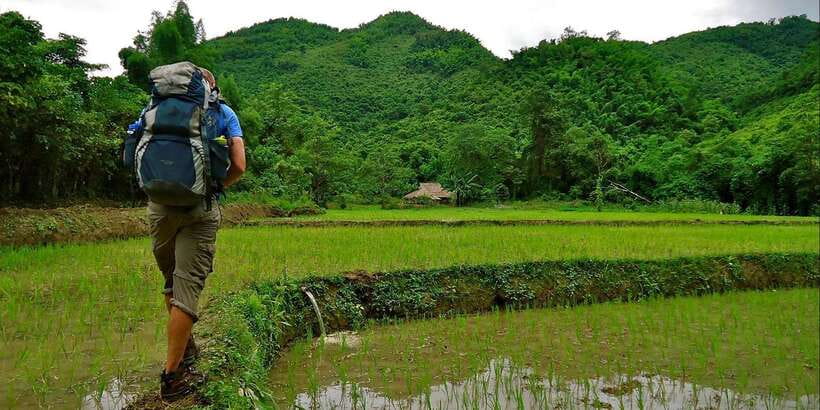
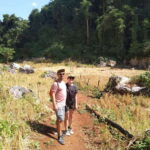
After lunch, the hike continues through countryside and mountain valleys, including sections where you weave through paddies and farmland edges. The day is described as taking you through deciduous forest and farmland, with repeated opportunities to stop, look, listen, and ask your guide about what you’re seeing.
That “stop and ask” style is the secret sauce. If you just keep walking, you’ll still get scenery. But if you slow down when your guide points something out, you start noticing how people read the hills: what grows where, what animals show up, and how the landscape supports daily work.
Also, the terrain can feel a little adventurous at points. One recent account described the need to pass under fences and push through forest areas. That doesn’t mean it’s dangerous, but it’s a reason to wear proper shoes and not expect perfect trail conditions.
Ban Houay Yen and the river transition: when the day slows down
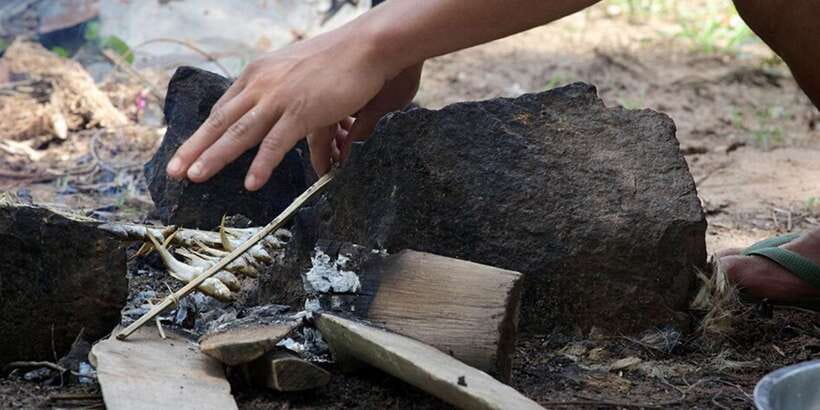
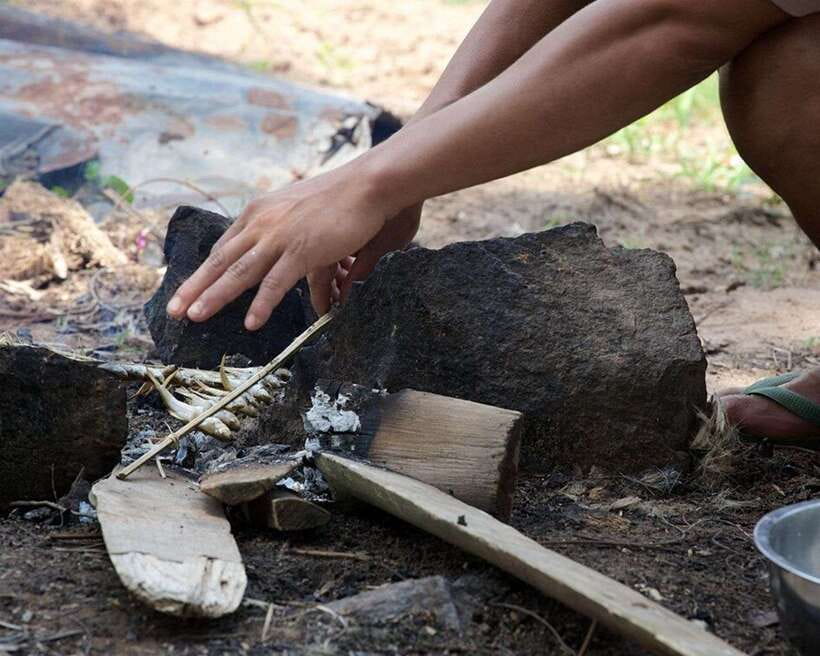
As the trekking section wraps up, you end at Ban Houay Yen, a riverside village on the Nam Khan. A boat will be waiting there, and you’ll shift from hiking pace to river pace.
This part matters for two reasons. First, you get a much-needed reset after 4–5 hours on your feet. Second, the river segment is part of how you see Luang Prabang’s outskirts: the water cuts through the foothills, and the scenery flows past instead of forcing you to constantly look down for footing.
The tour includes a scenic stretch of the Nam Khan River with a stop at Tad Sae Waterfall. Even if you don’t swim, just having this time on the water changes the feel of the day. It’s more than transportation. It’s scenery relief.
Tad Sae Falls: a swim option, but season rules everything
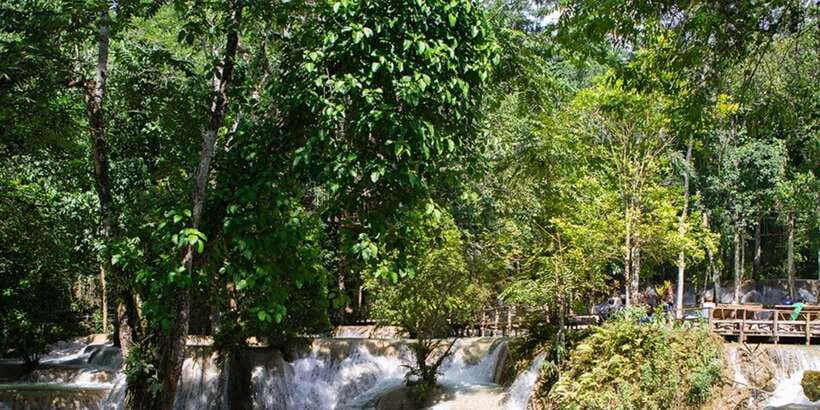
Tad Sae Waterfall is the payoff. If conditions allow, you can swim and explore the waterfall area. A towel is recommended for anyone planning to go into the water because towels aren’t provided.
Now the season reality: during low water months from February to July, Tad Sae Falls can be very low or dry. In that case, the waterfall stop may be omitted. This doesn’t mean the tour is bad; it just means you should set expectations correctly so you don’t feel like you paid for a guaranteed swim.
If Tad Sae is flowing, the falls give you something different from the hike. You’ll stop, relax, soak, and let the afternoon feel less like a workout and more like a nature break.
Boat, transfers, and the two things that affect comfort
You’ll use motorboats at key times, including the transfer to the trailhead and later on the Nam Khan River stretch. That’s part of the experience and also part of why this tour has a clear caution: if you’re prone to seasickness, this may not be for you.
The other comfort factor is luggage. The tour is explicit that luggage or large bags aren’t allowed. That means pack smart: bring only a day bag with your essentials, water, sun protection, and a towel if you want to enter the waterfall.
Finally, the tour runs rain or shine. If there’s rain, expect surfaces to be slick and forest paths to feel wetter and heavier. Good shoes help a lot.
Price and value: why $95 can be a fair deal
At $95 per person for an 8-hour adventure, the value comes from what’s included and what you don’t have to arrange yourself. The package includes a licensed English-speaking guide, motorboat transfers, drinking water, lunch, entrance fees and local permissions, and a village fund fee.
That last part is small in price but big in meaning. By choosing this adventure, you’re contributing funds that support the local communities you visit. You also avoid the common headache of private planning where you’d otherwise need transport, permissions, and guides stitched together.
Is it worth it? For the right traveler, yes. You’re paying for:
- structured village visits with interpretation
- river travel as part of the route (not just a ride)
- an 8-hour day that mixes activity and relaxation
- included lunch and local fees
If you mainly want a short scenic walk with zero uneven terrain, this might feel like more effort than you expected. But if you want countryside and village context in a single day, the price feels reasonable.
Private or small group: how that changes your day
The tour runs as either a public small group or a private group, depending on what you book. Private can be a big advantage if you like more room for questions, slower pacing, or having your guide tailor explanations to your interests.
Recent private-day feedback also highlighted guide quality and attentiveness, which makes sense: in a private format, your guide can respond more directly instead of rotating attention across a larger group.
Either way, the day is designed around the same route logic, so the main difference is how personalized your guidance feels.
Who should book this trek, and who should skip it
This experience is a solid choice if you:
- enjoy walking in natural terrain with some elevation change
- like village encounters where you can ask questions
- want an active day that still ends with a relaxing river segment
- prefer having a guide handle permissions and logistics
It’s not recommended for people with severe mobility impairments. It also isn’t a match if you’re likely to get seasick on boats. And because large luggage isn’t allowed, it’s best for travelers traveling light.
Should you book Luang Prabang Thin Pha Trail & Tad Sae Falls?
Book it if your ideal Luang Prabang day includes countryside and community, not just viewpoints. The mix of Khmu and Hmong village time, the limestone foothill trek, and the Nam Khan boat segment makes it more than a “one-note” hike.
Skip or reconsider if Tad Sae Falls is your main reason for coming. If you’re traveling between February and July, the falls may be low or dry, and the stop may be shortened or removed. If you can live without the guaranteed swim, then you’ll still get a meaningful day in the hills.
Before you go, do two things: wear comfortable shoes for uneven ground, and if you plan to enter the waterfall, pack a towel since none are provided.
FAQ
How long is the Luang Prabang Thin Pha Trail & Tad Sae Falls trek?
The tour lasts about 8 hours total.
Where does the tour start and how is pickup handled?
You can meet at the Tiger Trail Travel office, or you can choose optional hotel pickup in Luang Prabang for free.
How much trekking is involved?
The trekking distance is about 12 kilometers (7.5 miles) and typically takes about 4–5 hours.
What’s included in the price?
Included are a licensed English-speaking guide, motorboat, drinking water, lunch, entrance fees and local permissions, and a village fund fee.
Is lunch provided?
Yes, lunch is included.
Can I swim at Tad Sae Waterfall?
Swimming and exploring are possible season permitting. During low water months, the falls can be very low or dry.
Will Tad Sae Waterfall be flowing year-round?
No. From February to July, it can be very low or dry and may be omitted.
Do I need to bring a towel?
If you plan to enter the waterfall, you should bring a towel, since towels are not provided.
What luggage or bag restrictions apply?
Luggage or large bags are not allowed.
Is the guide available in English?
Yes, the tour includes a live English-speaking guide.