REVIEW · SAPA
Sapa 1 Day Trekking
Book on Viator →Operated by Asia Travel Legend · Bookable on Viator
Sapa in a single day feels surprisingly human. This 9AM to 3PM trek strings together mountain paths and hill-tribe villages, with lunch, valley access, and a ride back to Sapa Town. You can join with a private group, and you’ll get a mobile ticket for the experience.
I love how the day balances walking with real village time, not just quick photo stops. I also love that lunch, the guide, entrance fees, and transport back are bundled into the price, so you can focus on the trail and the conversations. Names you may hear from guides include Lily, Cho, Mao, Sy, Zao, Lee, Chi, and Cha.
The main drawback is simple: you’ll be moving for around 8 hours, so you’ll want comfortable shoes and a plan for muddy or slippery sections if the weather turns.
In This Review
- Key Highlights
- Why a One-Day Sapa Trek Fits Real Travel Life
- Price and Value: What You’re Paying For (And Why It’s Not Just a Walk)
- Getting There Smoothly: Pickup, Mobile Ticket, and the Meeting Point
- Y Linh Ho: The Start That Sets the Tone for Your Pace
- Ta Van Village: Where the Trail Becomes a Conversation
- Giang Ta Chai and Hang Da: Two More Village Stops With Different Feel
- The Guides Make the Day: English, Storytelling, and Real Flexibility
- What to Pack for a Sapa Trek That Runs From 9AM to 3PM
- Who This Trek Suits Best (And Who Might Want a Different Option)
- Should You Book This Sapa 1 Day Trekking Tour?
- FAQ
- How long is the Sapa 1 Day Trekking experience?
- What villages and stops are included?
- Is lunch included in the price?
- Does the tour include transportation?
- Is this a private tour or shared experience?
- What is not included in the tour price?
- If I cancel, do I get a refund?
Key Highlights
- Four village stops that go beyond viewpoints
- Lunch included in a local restaurant during the walk
- Valley entrance fees and ride back are part of the deal
- Private tour for your group, usually with early hotel pickup when offered
- Guides tailor the route when people have slower pace needs or mobility issues
Why a One-Day Sapa Trek Fits Real Travel Life
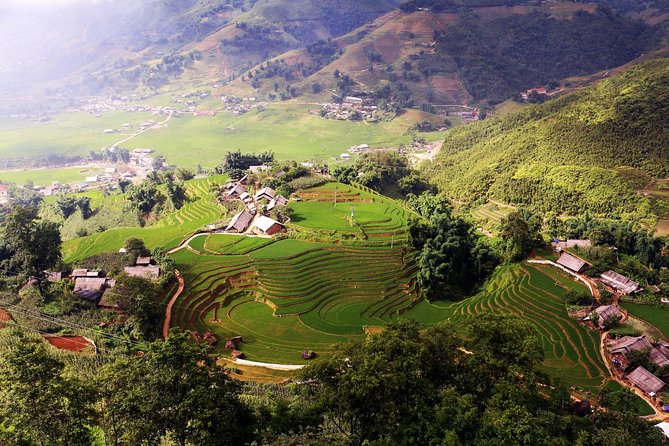
Sapa can swallow time fast. This is the opposite of a marathon day. The schedule is built around a clear window from 9:00am to about 3:00pm, with a total duration around 8 hours, so it works if you’re only in town briefly or you’re trying to avoid stacking too many tours.
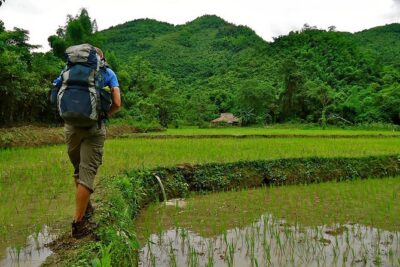
What makes this trek feel worthwhile is the mix. You’re not just hiking for views. You’ll also spend time walking through village areas and seeing how daily life looks up close. That blend matters, because Sapa isn’t only about scenery. It’s about people, routines, and the way paths connect homes, fields, and markets.
You’ll also appreciate that it’s structured for convenience. There’s pickup offered (when available), the meeting point is in Sa Pa, Lao Cai, and the day ends back at the same meeting point area. Add in the mobile ticket, and you don’t have to worry about paper vouchers or chasing confirmations.
Price and Value: What You’re Paying For (And Why It’s Not Just a Walk)
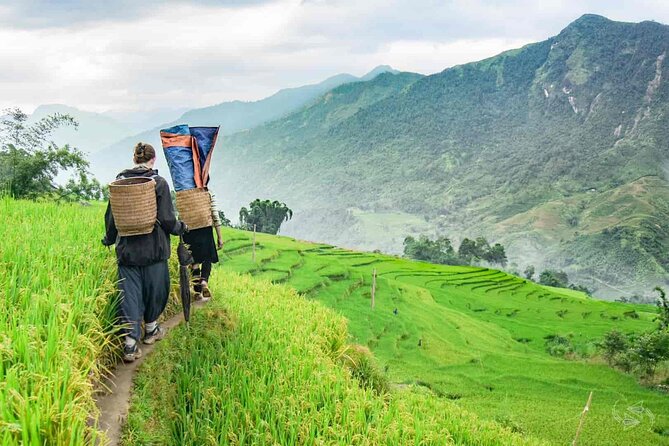
At $70.84 per person, the price isn’t built around a bare-bones hike. It’s built around having the essentials handled: a guide, lunch, entrance fees, and transportation back to Sapa. That’s where the value comes in.
If you’ve ever tried to DIY a Sapa trek, you know the hidden costs add up fast: hiring a local guide, paying for access where needed, and arranging a pickup and return ride. Here, those parts are bundled. You still need to cover what’s not included, like drinks and anything personal.
Think of it this way: you’re paying for a guided day that’s designed to run smoothly end-to-end. If you want your time in Sapa to feel organized rather than stressful, this setup makes sense.
Getting There Smoothly: Pickup, Mobile Ticket, and the Meeting Point

The day starts in Sapa (Sa Pa), Lao Cai. The activity ends back at the meeting point, so you’re not left negotiating transport after you’re tired. If pickup is offered, that’s a big help because Sapa mornings can be chaotic, especially if you’re coordinating multiple taxis or motorbikes.
You’ll receive a mobile ticket, which is practical. Just have your phone ready for check-in. If you’re the kind of traveler who hates last-minute paperwork, this part will feel easy.
Also note the experience is listed as near public transportation. That doesn’t mean you must use it, but it can be comforting if you’re staying somewhere that’s simple to reach.
Y Linh Ho: The Start That Sets the Tone for Your Pace

Y Linh Ho is where the day’s walking starts, and it’s also where the valley entrance fee is taken care of. That matters because in some places you end up paying at the gate after you’ve already committed to the day. Here, the access fee is included, which removes a common point of friction.
This segment runs within the full 9AM to 3PM flow, and you’ll likely spend time on the trails and then refuel. Lunch is included in a local restaurant, so you’re not stuck hunting for food partway through when energy levels dip.
One of the smartest ways to enjoy the start is to treat it like a warm-up. You’ll set your pace early. If you’re someone who gets tired fast on up-and-down paths, this is the moment to slow down and let the guide manage the rhythm.
From past guide experiences shared by guests, you may also get route tweaks. For example, there’s at least one story where a guide recommended shifting to a different trek level because of arthritis and a knee injury. Even if you don’t need medical accommodations, the takeaway is useful: your guide may adjust the walking plan to fit your situation.
Ta Van Village: Where the Trail Becomes a Conversation
Ta Van Village is a dedicated stop with about 2 hours for visiting and walking. That’s long enough to do more than window-shop the scenery. You can actually slow down, notice details, and talk with locals or watch daily routines unfold.
This is also one of the stops where the experience can feel most grounded. Instead of only looking outward at terraces and mountains, you’re moving through an active village setting. That changes how you experience the day. You start noticing how paths connect people, how fields shape the day, and how seasons affect what’s possible on the ground.
Guests often describe guides pointing out natural details like rice fields and bamboo forests during walks. Even if you only catch parts of that, it’s a good reminder: ask questions. A simple What is growing here? or How does this season change work? can turn the whole walk from scenery into understanding.
The trade-off? Village walking can be uneven. You’ll want to keep an eye on your footing, especially if rain has left sections slick.
Giang Ta Chai and Hang Da: Two More Village Stops With Different Feel

After Ta Van, you’ll move on to Giang Ta Chai Village for about 2 hours. Then the day continues to Hang Da Village for about 1 hour. That structure gives you variety without stretching the day past comfort.
Giang Ta Chai is another chance to see how communities live and organize their space. When you have a guide, you’re not just watching. You’re getting explanations tied to everyday life—how people earn a living, how the landscape shapes routines, and what cultural practices look like on a typical day.
Hang Da is shorter at about 1 hour, so think of it as a concentrated stop. Use it to reset your energy, take a few solid photos, and absorb what’s different compared to the earlier villages. Short stops are also useful if you’re tired. You can keep moving without feeling trapped in a long, repetitive hangout.
A practical tip: if you’re prone to rushing, you may want to tell your guide at the start that you prefer steady pacing. That gives everyone a better day. When routes are adjusted, it’s usually because someone’s pace needs it, not because the guide wants to change plans for fun.
The Guides Make the Day: English, Storytelling, and Real Flexibility
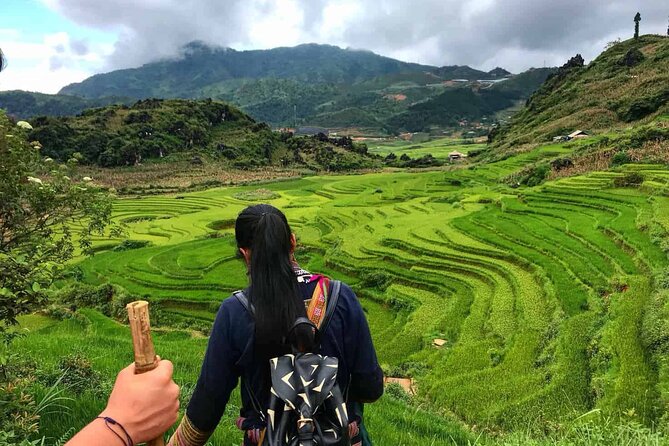
The biggest recurring theme around this experience is the guide. People mention great English and an ability to explain culture and daily life in a way that feels useful, not forced. Names that come up include Lily, Cho, Mao, Sy, Zao, Lee, Chi, and Cha.
What I like about that kind of guide support is the way it turns a trek into something more than cardio. A strong guide can connect the dots between what you’re seeing and how communities live. That’s why guests remember details like learning about the Hmong and hearing insight into domestic life and local living patterns.
It’s also why the trek can be flexible. One account describes a guide suggesting a medium trek instead of the easy one because of injuries. Another mentions accommodations around schedule. Even if you don’t ask for anything special, this flexibility usually shows up as smoother timing, better pace matching, and less stress.
So here’s your best move: treat your first 10 minutes with the guide like a mini planning session. Say what you want most (rice fields, village life, photo time, slower pace). When a guide already knows your priorities, the day flows better for everyone.
What to Pack for a Sapa Trek That Runs From 9AM to 3PM

Because the walk is long (around 8 hours), you’ll want to pack like it’s a full day outside, not a quick morning stroll. The tour includes lunch, but drinks are not included, so plan to bring water if the operator doesn’t supply it.
Even without detailed weather gear requirements listed, Sapa’s conditions can change quickly. If rain has fallen, expect muddy or slippery sections. One guest even joked about avoiding mudbath accidents when paths were fairly dry, which is a funny way to say: conditions matter.
Practical packing ideas:
- Comfortable walking shoes with traction
- A light rain layer or weather shell
- Sunglasses and sun protection (high-altitude light can be intense)
- Your own drinks, plus a small snack if you’re the type who gets hungry after walking
Also, consider bringing a small cash amount for personal expenses. Personal purchases are not included, and you may run into situations like buying a drink or small snack.
Who This Trek Suits Best (And Who Might Want a Different Option)
This tour is listed as suitable for most travelers, but it still involves walking and village navigation. You should choose it if you want:
- A one-day way to experience Sapa beyond town
- A guided day with lunch and transport handled
- A private-group format where you can move at your preferred pace
You might reconsider if you’re trying to do almost no walking, because village stops still require on-foot movement. Also, if you have mobility limits, ask about pace and route options early. The guide-led flexibility described by guests suggests the team may help match a route to your needs, but you’ll get the best result by planning ahead.
If you’re traveling solo and want a social day, the private format can still be great. You’ll just spend time as a group with your guide rather than mixing with a big tour bus crowd.
Should You Book This Sapa 1 Day Trekking Tour?
Book it if you want a structured, low-stress day that hits multiple villages, includes lunch, and brings you back to town. The value is strong because the day isn’t only walking. It covers a guide, entrance access, and return transport, plus dedicated time in Ta Van and Giang Ta Chai.
Don’t book it if you want a super light stroll with minimal time on your feet. This is a real half-day-plus trek day, and the best experience comes from coming prepared for walking and weather.
If you’re choosing between options, I’d pick this one when you care about learning from the guide and you like seeing how village life connects to the trail. For a short Sapa stay, it’s one of the most practical ways to get more than views in a single day.
FAQ
How long is the Sapa 1 Day Trekking experience?
It runs from 9:00am to about 3:00pm, with a total duration of approximately 8 hours.
What villages and stops are included?
You’ll visit Y Linh Ho, Ta Van Village, Giang Ta Chai Village, and Hang Da Village, with walking/visiting time at each stop.
Is lunch included in the price?
Yes. Lunch in a local restaurant is included.
Does the tour include transportation?
Yes. Transportation back to Sapa Town after your trek is included, and pickup is offered.
Is this a private tour or shared experience?
This is a private tour/activity, meaning only your group participates.
What is not included in the tour price?
Drinks, pre- and post-trip accommodation, and private personal expenses are not included.
If I cancel, do I get a refund?
No. This experience is non-refundable and cannot be changed for any reason.