REVIEW · POKHARA
10 Days Annapurna Base Camp Trek From Pokhara
Book on Viator →Operated by Couch Adventure Nepal (CAN) · Bookable on Viator
Annapurna Base Camp starts with a steep first step. This 10-day trek from Pokhara is built for steady progress through Nepali mountain villages, rhododendron forests, and dramatic viewpoints across the Annapurna region. I especially like the way the plan mixes high-payoff sights (like Poon Hill) with real village trekking days where you’ll see local life up close.
Two things I like a lot: you get a friendly English-speaking guide plus permits (TIMS and trekking permit) sorted, and you’re not just doing a straight-line hike—you pass through places like Ulleri, Ghorepani, Chhomrong, bamboo villages, and Jhinu. The one potential drawback is simple: since meals are not included, your day-to-day costs on the trail can add up fast if you eat and drink casually.
In This Review
- Key highlights (what makes this trek tick)
- Why Trek From Pokhara Makes This Route Feel Manageable
- Days 1–2: Ulleri to Ghorepani Through Villages and Rhododendron
- Day 3: Poon Hill Sunrise and the Switch to Tadapani
- Days 4–6: Chhomrong, Bamboo, and the Way Up Toward Deurali
- Day 7: Reaching Annapurna Base Camp (or Shifting to Machchhapuchchhre Base Camp)
- Days 8–10: Bamboo Down, Jhinu Hot Springs Up (Then Back to Pokhara)
- What You Actually Get for the Money: Permits, Guide, Guesthouses, Poles
- Guides in the Annapurna Mix: Names That Came Up in Real Feedback
- Lodging and Meals: Tourist-Standard Guesthouses With One Big Catch
- The Altitude Plan: Why the Machchhapuchchhre Option Makes Sense
- Culture Along the Trail: Gurung Villages, Bridges, and Daily Life
- Who This Trek Suits Best (And Who Should Think Twice)
- Should You Book This Annapurna Base Camp Trek?
- FAQ
- How long is the Annapurna Base Camp trek from Pokhara?
- Where does the trek start and end?
- Is hotel pickup and drop-off included?
- Are trekking permits included?
- What about food—are meals included?
- What kind of accommodation is provided?
- Is there a guide, and do they speak English?
- Are trekking poles included?
- Does the itinerary include a hot springs stop?
- What if I need to cancel?
- Is rescue cost included?
Key highlights (what makes this trek tick)
- Poon Hill sunrise early in the trip, then you keep moving toward Tadapani without wasting time
- Altitude-aware planning at the summit-area: if weather or health isn’t great, you shift to Machchhapuchchhre Base Camp (3700 m)
- Guesthouse-style accommodation in tourist standard lodging, plus a guide who carries an emergency first-aid kit
- JHinu hot springs stop for a natural soak after days of walking
- Permits handled via included trekking permit and TIMS, so you’re not chasing paperwork
Why Trek From Pokhara Makes This Route Feel Manageable
Pokhara is the logical launch point for an Annapurna trek. You’ll get hotel pickup and drop-off, and you’ll also transfer by private vehicle for the drive to Nayapul and back at the end. That matters when you’re trying to keep the first and last days low-stress.
This itinerary also avoids the feeling of being rushed. It’s paced around full trekking days with overnight stops in villages and guesthouses, rather than short hops that leave you exhausted and still not seeing enough.
The price of $493.58 per person looks good mainly because the core logistics are included: guide, permits, guesthouse nights, trekking pole, and round-trip transfers. The only big “watch-out” is meals and drinks, which you’ll buy along the way.
You can also read our reviews of more tours and experiences in Pokhara.
Days 1–2: Ulleri to Ghorepani Through Villages and Rhododendron
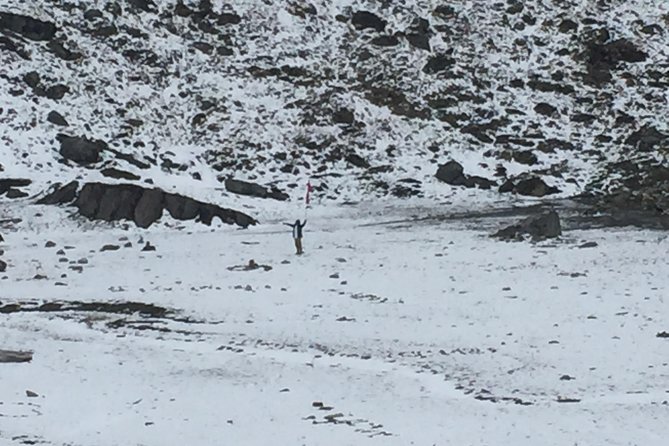
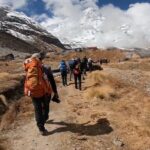
Day 1 starts with Ulleri after the drive to Nayapul (about 1.5 hours). You’ll trek to Ulleri over roughly 5 hours, which is a classic warm-up: legs get moving, but you’re not yet at the higher, colder elevations. Ulleri is also a nice introduction to terraced rural Nepal where the path threads between homes and farmland.
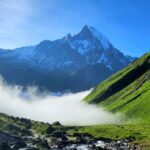
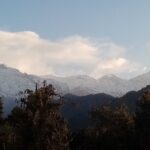
Day 2 takes you to Ghorepani across rhododendron forests with views toward Annapurna. That route is about 6 hours, and it’s the kind of day that slows you down in a good way—walking through forest shade while the mountain views pop through. It also sets you up for the next morning’s sunrise hike.
Day 3: Poon Hill Sunrise and the Switch to Tadapani
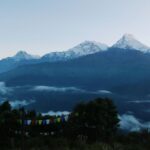
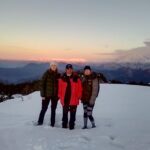
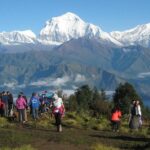
Day 3 is the payoff day for many trekkers: an early morning hike to Poon Hill for sunrise over Mt. Annapurna, then continuing the trek onward to Tadapani. This day runs about 7 hours, and it’s structured so you get the big photo moment before the rest of the day settles into steady hiking.
Practical note: sunrise hikes reward the people who move steadily, not the people who stop every 30 steps. If you pace yourself and keep warm layers on, you’ll enjoy the view more because you won’t arrive drained.
After Poon Hill, the route shifts toward Tadapani, a step that keeps the itinerary feeling like a full trek rather than a checklist. You’ll spend the night there and be ready for the Chhomrong area next.
Days 4–6: Chhomrong, Bamboo, and the Way Up Toward Deurali
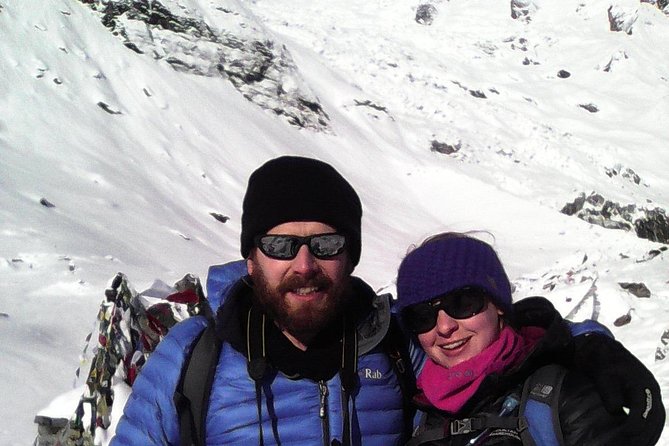
Day 4 leads you to Chhomrong in about 6 hours. Chhomrong is one of those towns that feels like a hub for trekkers—busy enough to show you mountain life, but still grounded in village reality. Expect a mix of steep sections and satisfying breaks as you settle into rhythm.
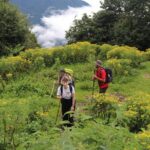
Day 5 goes from Chhomrong toward Dovan, stopping at bamboo areas along the way (about 6 hours). This is the “forest and river” stretch—more green, more shade, and often cooler air as you gain elevation. Bamboo sections can make the trail feel shaded and calm compared to bigger open stretches.
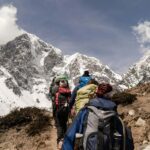
Day 6 is where you transition toward the higher Annapurna region. You’ll trek to Deurali for overnight, about 5 hours. This is an important change in feel: the air gets sharper, the slopes can feel steeper, and your body starts paying attention to altitude even if you’re not yet at the top.
Day 7: Reaching Annapurna Base Camp (or Shifting to Machchhapuchchhre Base Camp)
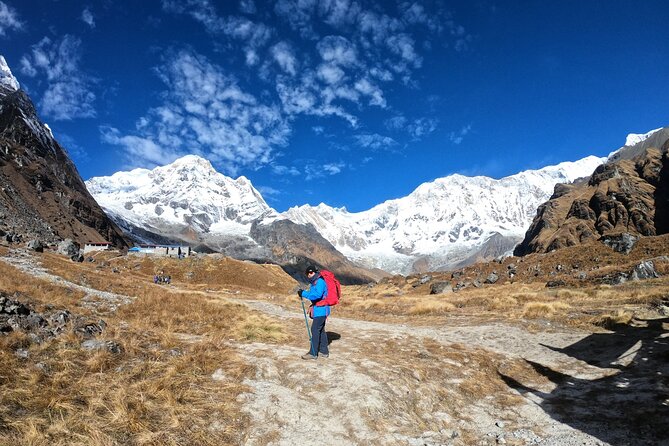
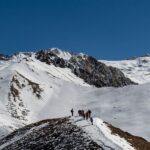
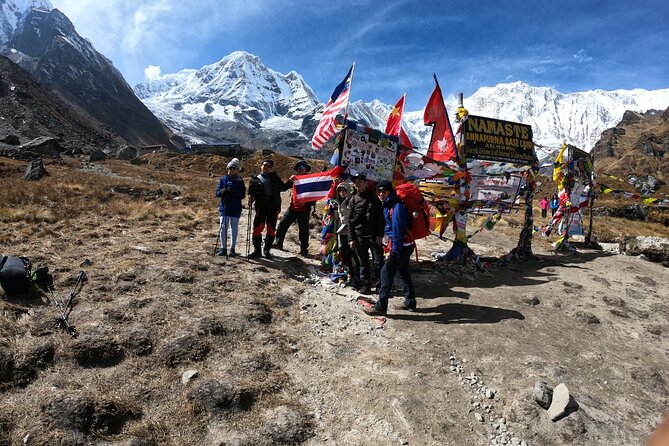
Day 7 is the main event—walking to Annapurna Base Camp for about 5 hours, with overnight at the base camp area if conditions are good. The plan also has a practical backup: if weather or health isn’t cooperating, you descend to Machchhapuchchhre Base Camp (3700 m) for the night instead.
I like that you’re not pretending altitude is just a number on a map. This kind of conditional plan helps keep the trek safer and more realistic. It also means you’re less likely to feel forced into a summit push when the day isn’t right.
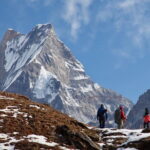
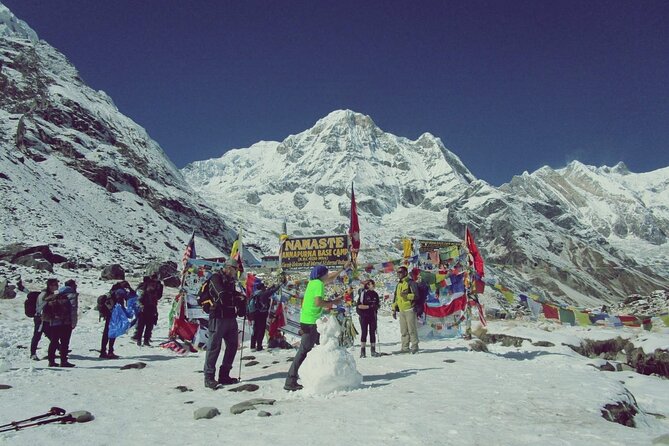
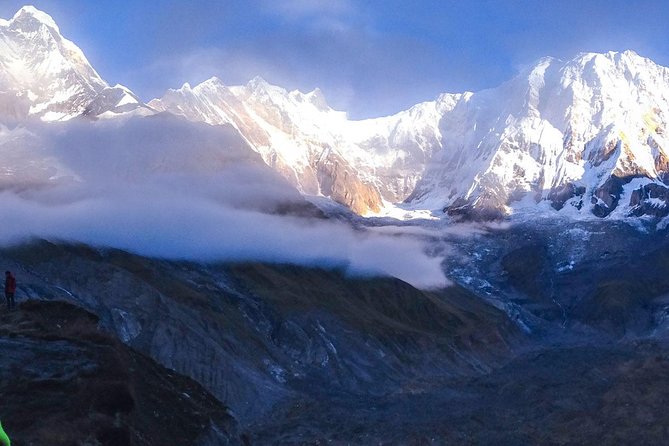
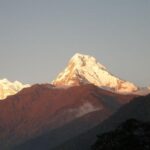
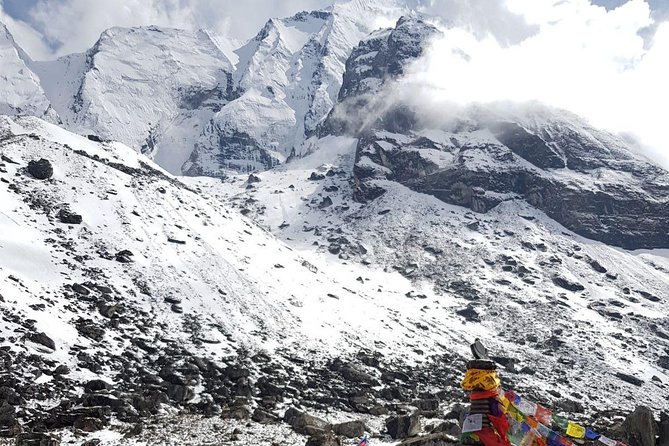
And yes, the view from ABC is the reason people book this trek in the first place—big mountain presence, weather that can turn fast, and the feeling of finally being in the thick of it. Make sure you treat the day like a serious one: hydrate, eat what you can, and don’t “celebrate hard” with delays that mess up your breathing.
Days 8–10: Bamboo Down, Jhinu Hot Springs Up (Then Back to Pokhara)
Day 8 takes you down to Bamboo in about 6 hours. Descent days can feel easier until the trail turns rocky or your legs start to feel heavy. The benefit is that you’ll be moving away from the highest elevations and giving your body a chance to recover.
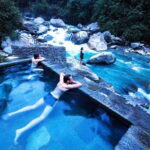
Day 9 includes Jhinu Danda and a natural hot spring bath. This day is about 5 hours, and it’s a great way to break the walking routine without turning it into a rest day with no progress. The soaking helps tired legs feel human again, and it’s a very Nepali kind of reward: use the land’s own warmth, not just a hotel bed.
Day 10 is the final transfer back to Pokhara. You’ll trek to Nayapul (about 7 hours total for the last day, including the drive), then drive back to Pokhara for roughly 1.5 hours. When you arrive, you’re dropped back to your hotel and the trip ends.
What You Actually Get for the Money: Permits, Guide, Guesthouses, Poles
This trek is priced at $493.58 per person, and the included items are a big part of the value. You get trekking permits and TIMS, plus a friendly English-speaking local trekking guide. You also get guesthouse accommodation described as tourist standard, and a round trip private transfer.
Two details that matter for real-world comfort: you’re provided a trekking pole, and you travel with an emergency first aid kit carried by the guide. Those small things can prevent a minor issue from becoming a major one.
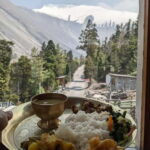
Meals aren’t included, and that changes how you should budget. Guesthouses do usually offer food, but you’ll want to set aside money each day for breakfast, lunch, and dinner plus hot drinks. If you want hearty meals or frequent snacks, plan for that.
Guides in the Annapurna Mix: Names That Came Up in Real Feedback
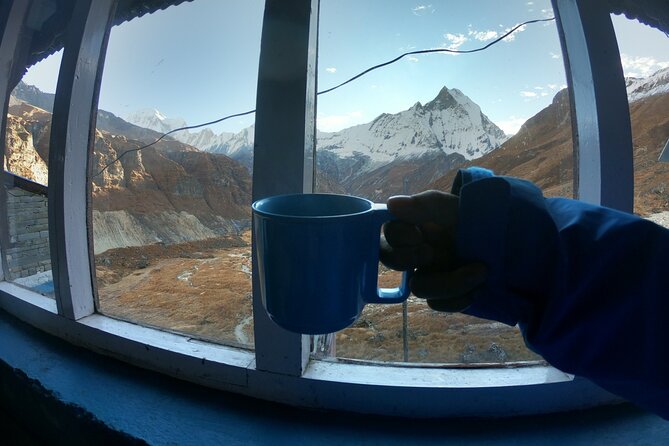
The biggest difference on any trekking tour is how the guide handles the small stuff: pace, altitude warnings, and decisions when weather shifts. In feedback connected with this operator, multiple guides were named for strong service, including Krishna Adhikari and Biru. Other names tied to great coordination and guidance include Milán, Sunil, Shambu, and Ravi.
So if you care about practical leadership—someone who knows the Annapurna region and communicates clearly—this setup is designed around that. And since the guide also carries an emergency first-aid kit, you get an extra layer of preparedness.
Lodging and Meals: Tourist-Standard Guesthouses With One Big Catch
Accommodation is included as guesthouse lodging at tourist standard. That generally means simple rooms, basic comfort, and the kind of setup where hot tea, a warm bed, and an early night matter. In feedback linked to this trip, people also highlighted staying in hotels with friendly staff and good organization—useful when you’re juggling multiple nights on the trail.
Meals are not included, so your daily rhythm depends on what the guesthouses serve that day. The good news: you’re not stuck trying to cook. The trade-off is cost control—so decide your style. If you want to eat big at every meal, your trek budget grows. If you’re moderate with portions and drink mostly what you need, costs stay easier to manage.
The Altitude Plan: Why the Machchhapuchchhre Option Makes Sense
Altitude is the part of ABC treks that deserves respect, even when you feel fit. This itinerary explicitly plans for a possible reroute on Day 7: if you’re not doing well with altitude or if the weather isn’t right, you descend to Machchhapuchchhre Base Camp (3700 m) for overnight.
That one planning note can change the whole feel of your trip. It turns a high-stakes moment into a decision you can adapt to, rather than a yes-or-no push with no flexibility. Even if you reach ABC, it’s still worth listening to how you feel that day and not treating fatigue like a weakness.
Culture Along the Trail: Gurung Villages, Bridges, and Daily Life
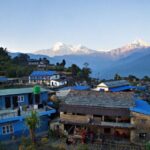
One of the best reasons to hike the Annapurna region is that it’s not just mountains. The trek route is described as passing through rural mountain villages with Gurung culture, plus natural forests and suspension bridges. Those bridges aren’t just for drama—they shape how you experience the area, since you’ll cross them as part of moving between communities.
When you walk through Gurung villages, you’re seeing Nepal at human scale. You’ll be close to everyday life: tea stops, household paths, and the practical rhythms of people living at altitude.
This is also why the itinerary works well as a cultural trek, not only a viewpoint trek. You’ll spend multiple days in villages, not just overnight and then out again.
Who This Trek Suits Best (And Who Should Think Twice)
This trek fits you if you have moderate physical fitness and you want a classic Annapurna experience without turning it into a hardcore endurance event. The schedule is active, but it’s laid out with full trekking days and overnight support rather than extreme day-by-day elevation spikes.
It may be less ideal if you hate mornings early in the dark, because Poon Hill requires an early start. It can also be tough if you don’t want meal budgeting on the trail, since meals and drinks are not included.
Should You Book This Annapurna Base Camp Trek?
If you want the essentials—permits, guide, guesthouse nights, transfers, and a real trail itinerary—this is a strong value. The route hits the big hits: Ulleri, Ghorepani, Poon Hill sunrise, Chhomrong, bamboo-area trekking, and Jhinu hot springs, ending with a smooth return to Pokhara.
Book it if:
- you want a well-paced 10-day ABC trek from Pokhara
- you care about having a guide and permits handled
- you like the mix of mountain views and village trekking
Consider another option if:
- you don’t want to manage meal costs day to day
- you’re sensitive to early starts and a walking-heavy schedule
- you want meals included as part of the package price
FAQ
How long is the Annapurna Base Camp trek from Pokhara?
It’s listed as a 10-day trek, approximately.
Where does the trek start and end?
It starts from Pokhara, with trekking beginning from the area of Nayapul, and it ends back in Pokhara after returning to Nayapul.
Is hotel pickup and drop-off included?
Yes. Hotel pickup and drop-off are included.
Are trekking permits included?
Yes. The trekking permit and TIMS are included.
What about food—are meals included?
No. All meals and drinks are not included and you’ll purchase them along the trek.
What kind of accommodation is provided?
You stay in guest houses (tourist standard).
Is there a guide, and do they speak English?
Yes. A friendly English-speaking local trekking guide is included.
Are trekking poles included?
Yes. Trekking pole is included.
Does the itinerary include a hot springs stop?
Yes. On Day 9 at Jhinu Danda, you’ll take a natural hot spring bath.
What if I need to cancel?
You can cancel up to 3 days in advance for a full refund. If you cancel less than 3 full days before the experience starts, the amount paid is not refunded.
Is rescue cost included?
No. Rescue cost in case of an emergency is not included.