REVIEW · KATHMANDU
Manaslu Circuit Trek
Book on Viator →Operated by Outshine Adventure Pvt Ltd · Bookable on Viator
Manaslu feels mythic before you even climb. This Manaslu Circuit trek mixes Himalayan drama up to 8156m with warm village culture, glacier-fed rivers, and a string of suspension bridges that keep life interesting. You’re not just passing through scenery here, you’re walking through communities, forests, and prayer-filled trail corners.
I love how the trip is set up so you’re not stuck chasing logistics. Permits (including the Manaslu Special Permit and conservation park paperwork) are included, and your guide and staff handle the checks at the right times. I also like the smart pacing around acclimatization, especially the longer stop at Samagaon and the side hikes from there.
One consideration: you should be ready for full trekking days. Some days run long, and the Larkya La Pass day involves a tough, rugged stretch followed by a long push toward your next lodge.
In This Review
- Key things you should know before you go
- Manaslu Circuit Trek: Why This Route Feels Different
- Price and Value: What $1,575 Really Buys You
- Kathmandu Setup Days: Heritage Tours and Ready-Your-Backpack Timing
- From Arughat to Machha Khola: Sal Forests, Terraces, and Suspension Bridge Time
- Hot Springs, Jagat, and Deng: Bridges Everywhere and Tatopani’s Payoff
- Namrung to Sama Gaon: When the Mountains Start Talking Back
- Samagaon Acclimatization and Side Trips: The Rest Day That Actually Counts
- Larkya La Pass Day to Gho and Dharapani: The Tough Stretch and the Long Payoff
- Back to Kathmandu: Farewell Dinner and One Last Reset
- Guide and Porter Team: Why Nabu and Bikash Keep Showing Up
- Lodges, Meals, and Weather Reality: How Comfort Works on the Circuit
- Who This Manaslu Circuit Suits Best (And Who Should Reconsider)
- Should You Book Outshine Adventure for the Manaslu Circuit?
- FAQ
- How long is the Manaslu Circuit trek?
- Where is the meeting point and what time does it start?
- Does the price include permits and meals?
- Is airport pickup and transfer included?
- Are a guide and porters included?
- Do I need to bring my own down jacket and sleeping bag?
- What is not included in the package?
- What is the cancellation policy for a full refund?
Key things you should know before you go
- Permits handled in advance so your trek keeps moving instead of stalling over paperwork
- Acclimatization built in with extra time around Samagaon and short side trips
- Guides who stay practical, including support you can rely on if conditions change
- Daily tea-house style rhythm with lodge stays and meals included on the trail
- Small group size (max 15) means less crowding and more attention on the route
Manaslu Circuit Trek: Why This Route Feels Different
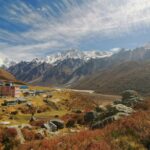
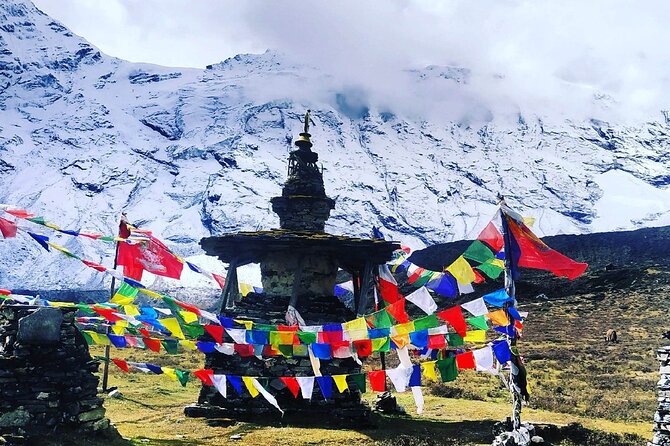
The Manaslu Circuit earns its reputation because it keeps switching moods. One stretch can feel like a high-mountain nature corridor with glacier-fed water and ridges that open suddenly. Another stretch is about village life—stone paths, small settlements, and the prayer corners you see again and again as you climb.
You also get variety in altitude experience. The trek sits in the broader Manaslu region around 8156m, and even without technical climbing, your body still notices the elevation. That’s why the route matters: it doesn’t just rush upward. It gives you chances to catch your breath and adjust your pace.
Then there’s the human side. People in this area are known for being warm and friendly, and you’ll meet that at guesthouses and along the trail. When you’re tired, it helps to remember that the trail isn’t only for hikers—it’s a working corridor for locals too.
You can also read our reviews of more tours and experiences in Kathmandu.
Price and Value: What $1,575 Really Buys You
At $1,575 per person, you’re not paying for just walking. You’re paying for the scaffolding that makes the trek realistic: transfers, permits, guiding, and the day-to-day logistics that can otherwise turn into a hassle.
Here’s what the price covers that most people actually feel on the ground:
- Kathmandu to trek transfers by surface transport, plus private airport pickup and drop-off
- 3 nights in Kathmandu at standard hotel level, along with a guided city tour by private car
- Local licensed English-speaking guide
- Porters and staff support for luggage, plus staff meals and operational support
- All standard meals during the trek
- Lodges/guesthouses during the walking days
- Manaslu permits and conservation park permits
- If you need them, a down jacket and sleeping bag provided by Outshine Adventure
What’s not included matters too. You’ll need your own travel insurance, and you’ll also pay for personal items like laundry and drinks. Kathmandu monument entrance fees are not included, and tips for trekking staff and driver tipping are expected.
If you compare this to DIY trekking (where you’d still need permits, a guide, food plans, lodge choices, and porter logistics), this price starts to look like a bundle of things that would otherwise take you multiple trips to solve.
Kathmandu Setup Days: Heritage Tours and Ready-Your-Backpack Timing
Your trip starts in Kathmandu with airport help. An airport representative will meet you at Tribhuvan International Airport holding an Outshine Aventure name plate, then transfer you to your hotel. After check-in, you’ll go to the company for documentation and info—exactly the kind of boring step that makes the trek feel organized later.
Then comes the city tour day. You’ll visit major Kathmandu highlights with an expert guide and private car: Kathmandu Durbar Square, Swayambhunath (Swyambhunath Mahachaitya), Boudhanath, and Pashupatinath. The timing is set up for a morning start, and the afternoon is left for equipment shopping or preparation.
Practical note: admission fees for those monuments are not included. If you want fewer surprises, bring cash just for Kathmandu entrances.
From Arughat to Machha Khola: Sal Forests, Terraces, and Suspension Bridge Time
Once you leave Kathmandu’s traffic vibes behind, you drive toward the trailhead. On the way, you pass through the outskirts and small settlements around Arughat Rural Municipality, reaching Soti Khola for lunch and your first overnight in a guesthouse.
Day 4 shifts into trekking mode in a big way. You cross a bridge, then move through sal forests toward a ridge. Expect a trail that includes ups and downs plus waterfall crossings and a stretch down through rice terraces before you climb again toward Labubesi and on to Machha Khola.
Suspension bridges show up early in this circuit, which means you’ll start building that muscle memory. If you’re nervous on rickety crossings, treat the earlier bridges as practice.
Hot Springs, Jagat, and Deng: Bridges Everywhere and Tatopani’s Payoff
Day 5 is the kind of day you’ll remember for two reasons: it’s active, and you get a simple treat. You trek on narrow paths, cross Tharo Khola, and continue toward Tatopani, where there’s a small hot spring. It’s not a spa day, but it’s a real morale booster when your legs feel like jelly.
From there, you ascend and cross the Budhi Gandaki River on suspension bridges, then reach Jagat. The trail includes several bridge crossings, so you’ll be watching your footing and time your breaks around river crossings rather than only around viewpoints.
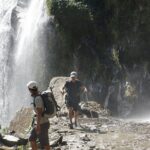
Day 6 keeps the rhythm going. You go through rocky ridge terrain to Salleri, descend to Sirdibas, and cross a long hanging bridge. After that, you climb toward Philim, pass waterfalls, and continue through a valley that includes multiple suspension bridge crossings and river crossings around areas like Ekle Bhatti and Pewa, ending in Deng.
If you like steady progress and don’t want everything to be one dramatic view after another, this stretch is great. It’s a “walk, work, relax at night” pattern.
Namrung to Sama Gaon: When the Mountains Start Talking Back
Day 7 lifts you out of the more enclosed feel and into stronger valley views. After crossing the Budhi Gandaki again, you ascend toward Rana, then climb along the west side of the Budhi Gandaki valley through forests, villages, narrow gorges, and streams. You end in Namrung, which is a turning point: by now your body understands the routine, and the mountains start feeling closer.
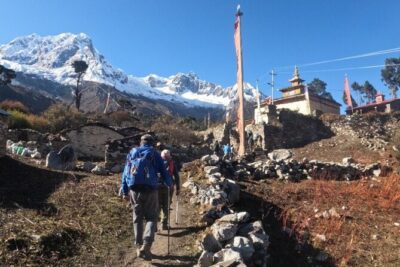
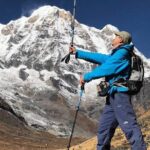
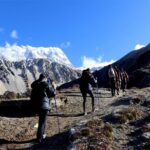
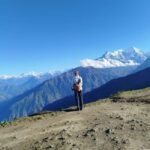
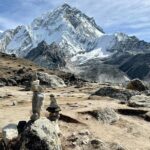
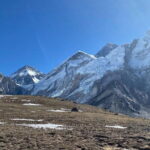
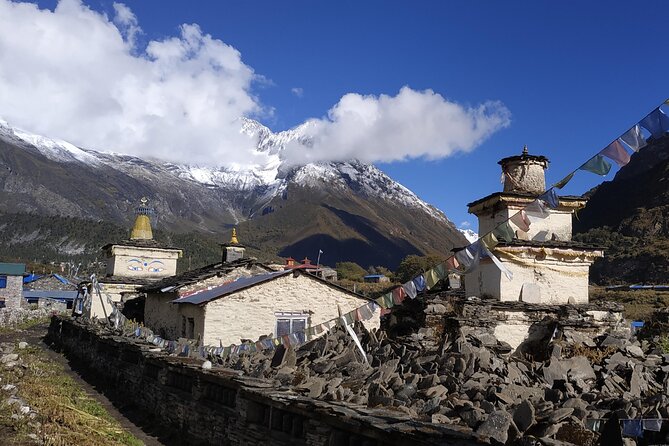
Day 8 is where the trail becomes a big-picture sightseeing day. You hike through an inner Himalayan range section with impressive views of peaks like Mt. Manaslu, Gorkha Himal, Saula Himal, Dwijen Himal, plus Lajing Peak and Rupina La Pass (when conditions allow). You’ll also see religious markers—chortens, prayer flags, and mani walls—before reaching Lho Gaon.
Day 9 continues along the river’s right bank to Sama Gaon. It’s a good day if you enjoy steady trekking with frequent peak moments rather than one single big climax.
Samagaon Acclimatization and Side Trips: The Rest Day That Actually Counts
One of the best design choices on this route is the time at Samagaon. The plan recommends resting there for more than one night to acclimatize, and that’s not just to be kind. It’s so you can keep moving safely later, especially around the pass crossing day.
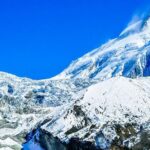
From Samagaon, you can do shorter trips such as Manaslu Base Camp or Punggen Gompa. The goal here is views: you’ll see peaks and ice features like the Manaslu glacier and the Manaslu icefall from the hiking approaches around the area.
Day 11 then gives you a shorter, easy-feeling day toward Samdo. You pass mani walls and juniper bushes, climb to a ridge, descend, cross Buri Gandaki on an old wooden bridge, and stay in Samdo Village.
Day 12 shifts again into “keep moving, but not too hard.” You descend, cross Budhi Gandaki, and slowly ascend toward Dharamsala.
This is where you’ll feel whether your pace strategy is working. If you’re breathing calmly and keeping your effort steady, the circuit usually feels more doable. If you push too hard early, the pass day can feel meaner.
Larkya La Pass Day to Gho and Dharapani: The Tough Stretch and the Long Payoff
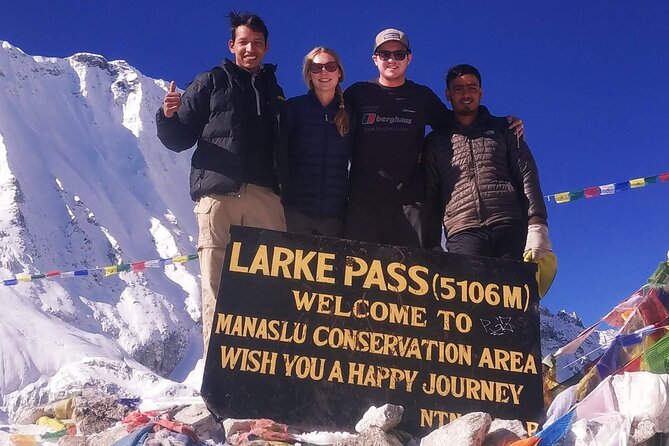
Day 13 is the heavy day. You wake early and ascend on a ridge toward Larkya La Pass via a rugged path. The itinerary promises breathtaking mountain views from the pass area, and the rest of the day continues toward Bimthang with a mix of short ascent and a descent on loose rocky trail.
Day 14 is all about the long descent to Gho. You’ll drop for around six hours to reach the village for overnight. Day 15 then continues the downtrend, descending for about four hours to Dharapani.
Here’s the honest mental trick: pass day can feel like the end of the story, but the work continues. Descent still costs energy, and your quads will feel it. If you’ve got trekking poles, this is when they become your best friend.
Back to Kathmandu: Farewell Dinner and One Last Reset
On Day 16, you head back from the trekking region toward Kathmandu. You descend to Besishahar, then continue to the city, check in at your hotel, and rest. The day ends with a farewell dinner, which is more useful than it sounds—you’ll be dealing with sore legs and you’ll want something simple to look forward to.
Day 17 is your departure day. After breakfast, you transfer to the international airport based on your flight time. If you want a clean wrap-up, try to avoid booking super-early flights that feel rushed after a long walk.
Guide and Porter Team: Why Nabu and Bikash Keep Showing Up
Small group trekking (max 15 people) is a big reason this experience tends to feel smoother. When you’re not swallowed by a huge crowd, your guide can actually manage the pace and watch how people are doing.
The guide support quality really comes through in how people describe their experience with names like Nabu and Bikash. The consistent theme: they stay practical. One guide approach highlighted is weighing whether continuing makes sense based on fitness and conditions, including advice around options if things get too risky.
That kind of judgment matters on a circuit trek. You want someone who understands the route and your limits, not someone who forces checkmarks.
Porters also play a key role. With the plan set up so your luggage is carried by local staff, you can focus on your footing and breathing instead of dragging a heavy pack up and down ridges.
Tips for staff are expected, and you should factor that into your budget. The best trips feel great partly because support exists behind the scenes.
Lodges, Meals, and Weather Reality: How Comfort Works on the Circuit
The trek runs on best available lodges and guesthouses, with standard meals included throughout the walking days. This takes one of the biggest stress points out of high-altitude travel: you don’t have to constantly hunt for food options.
Because the itinerary includes multiple bridges, river crossings, and long trekking segments, your comfort at night matters. The plan’s inclusion of sleeping gear support (a sleeping bag and down jacket if needed) helps a lot if you arrive without proper cold-weather insulation.
Weather at altitude can change quickly. Even if forecast shows clear skies, plan for cooler air and pack in layers. You don’t need to overthink it—just bring what lets you stay warm when the sun drops.
Who This Manaslu Circuit Suits Best (And Who Should Reconsider)
This trek is designed for people with moderate physical fitness. You’ll want confidence on uneven trails, plus the patience to handle variable day lengths.
If you get frustrated by slow-going or you hate long descents after tough days, you might find the pass-to-Dharapani stretch challenging. It’s not technical climbing, but it is physical trekking work.
If you love a mix of culture and nature—prayer flags on the walk, hot spring breaks, forests, villages, and big peak views—this circuit fits very well. It’s also a strong option if you want a guided structure while still getting the real rhythm of mountain travel.
Should You Book Outshine Adventure for the Manaslu Circuit?
I’d book this if you want real value: permits and key logistics handled, small group energy, and guides who take safety and pacing seriously. The included Kathmandu city tour, hotel nights, trekking guide, porter support, and meal plan are the kind of basics that keep the trek from turning chaotic.
I’d pause if you’re not comfortable with long trekking days or you’re strict about not paying extra for Kathmandu entrance fees, tips, and your own travel insurance. Also, if cold-weather gear is a problem for you, check the sleeping bag and down jacket support details so you’re not improvising last minute.
If you’re choosing between DIY and a managed trek, this strikes a practical balance: you get structure without taking away the core experience of the Manaslu Circuit.
FAQ
How long is the Manaslu Circuit trek?
The trek is scheduled for about 17 days.
Where is the meeting point and what time does it start?
The meeting point is Paknajol, Kathmandu 44600, Nepal, and the start time is 6:45 am.
Does the price include permits and meals?
Yes. The package includes the required Manaslu Special Permit, Trekking Permit, and Manaslu conservation park permits, and it includes standard meals during the trek (breakfast, lunch, and dinner as specified).
Is airport pickup and transfer included?
Yes. You get airport pickup and drop-off by private car, plus surface transfer from and to Kathmandu.
Are a guide and porters included?
Yes. The tour includes a local licensed English-speaking guide, and it also includes local staff and porters to carry luggage during the trek.
Do I need to bring my own down jacket and sleeping bag?
Not necessarily. A down jacket and sleeping bag by Outshine Adventure are included if needed.
What is not included in the package?
Travel insurance is not included, along with personal items such as alcoholic drinks, cold drinks, laundry, and trekking equipment. Tips for trekking staff and driver-tipping are expected, and Kathmandu monument entrance fees are not included.
What is the cancellation policy for a full refund?
You can cancel up to 24 hours in advance of the experience start time for a full refund. If you cancel less than 24 hours before, the amount paid will not be refunded.