REVIEW · POKHARA
Private Mardi Himal Trek
Book on Viator →Operated by Nepal Wilderness Trekking · Bookable on Viator
Mardi Himal feels close to the giants. I love the private setup with only your group and a guide who matches your pace, like Bhim. I also love that permits, lodge meals, and even a -25°C sleeping bag and microspikes are included. The only catch is the climb to High Camp at 3700m plus a late 11:45 pm departure, so you need moderate fitness and real cold layers.
The trek is pitched with an expert female guide, but the guide names you may see assigned on this route include Saugat Tamang and Bhim. If you want a specific guide type, confirm what you’ll get when you book. Either way, you’re walking in the Annapurna region for big views without the chaos of large groups.
Transport is practical. A private car or van takes you from Pokhara to Kande, you hike between lodges, and you finish with a ride back from Siding Village. You’ll also have porter support on a 1 porter per 2 trekkers basis, which matters on days with longer hiking.
In This Review
- Key things that make this Mardi Himal trek worth your time
- Why Mardi Himal feels different from the usual Annapurna choices
- Price and logistics: what your $399 covers (and why it matters)
- The late 11:45 pm start from Pokhara (good and bad)
- Day 1: Dhampus to Deurali via Kande’s forest trail
- Day 2: Forest Camp (2600m) to Low Camp, and why lunch stops keep you sane
- Day 3: Low Camp to High Camp (3700m) for Machhapuchhre’s big moment
- Day 4: Mardi Himal Base Camp (or the shorter viewpoint) then down to Badal Danda
- Day 5: Badal Danda to Siding Village, then back to Pokhara
- Guides and porters: where the trek’s quality actually shows
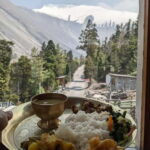
- Lodges and the included meals (what to expect at altitude)
- Packing and comfort: making use of what’s included (and what isn’t)
- Who this private Mardi Himal trek suits best
- Should you book this Private Mardi Himal Trek for your dates?
- FAQ
- How long is the Private Mardi Himal Trek?
- Where does the trek start and when do you meet?
- Is this a private trek or do I share with other groups?
- What permits are included?
- What gear is included in the package?
- What’s not included in the price?
Key things that make this Mardi Himal trek worth your time
- Private means you control the pace: You’re not sharing the trail with strangers or waiting for a big group.
- Permits and paperwork are handled for you: You get ACAP and TIMS sorted as part of the trek.
- The included cold-weather gear is a smart value: Microspikes, trekking poles, and a sleeping bag rated to minus-25°C.
- You can scale Base Camp day: Full Mardi Himal Base Camp, or a shorter halfway viewpoint option.
- Guide + porter support shows up day-to-day: Expect punctual, attentive care from named guides like Bhim, Saugat Tamang, Yakub/Jakub.
- It’s a higher, quieter alternative vibe: The route is designed to put you closer to Annapurna South and Machhapuchhre (Fishtail) than some lower options.
Why Mardi Himal feels different from the usual Annapurna choices
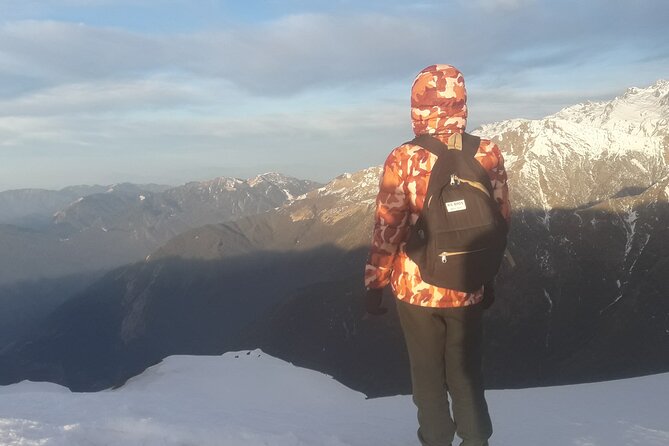
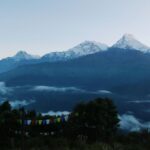
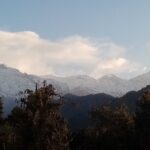
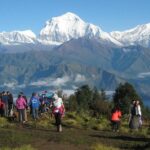
Mardi Himal is the kind of trek where the views keep leveling up. Day 1 gives you forest walks with glimpses toward Annapurna South and Hiunchuli. Then the route pushes higher, and by Day 3 you’re aiming for the kind of wide mountain panoramas people come back to Nepal for.
What I like about this specific format is that it keeps you in motion toward the viewpoints without turning the trip into a rushed sprint. You get overnight lodge stays along the way, so you’re not living out of a tent or constantly “setting up.” And because it’s private, the guide can adjust on the fly if someone is moving slower or wants a short break to catch photos.
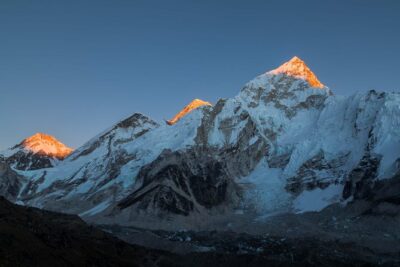
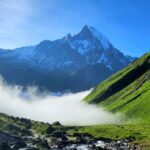
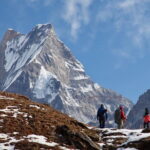
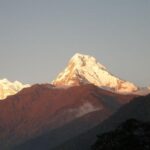
There’s also the Machhapuchhre angle. High Camp at 3700m is the moment you’re working toward, with Machhapuchhre and Annapurna South called out as the big visual payoff.
You can also read our reviews of more tours and experiences in Pokhara.
Price and logistics: what your $399 covers (and why it matters)
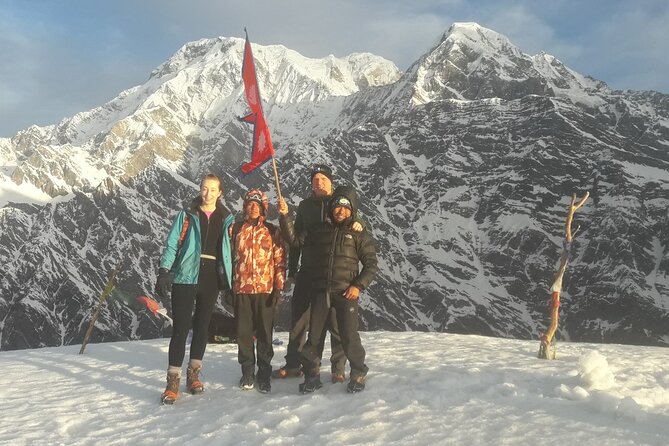
At $399 for about 5 days, the value comes from what’s included that trekkers usually end up paying extra for: permits, meals, lodge nights, guide/porter time, and trekking gear.
Here’s what you’re getting as part of the package:
- Transport: a private car/van from Pokhara to Kande, plus shared jeep from Siding Village back to Pokhara.
- Lodges along the trek: clean lodge accommodations during the Mardi Himal segment.
- Permits: ACAP permit and TIMS card.
- Guide and porter support: fluent English-speaking, government-registered, experienced guide who’s first aid trained, plus one porter for every two trekkers.
- Cold and traction tools: microspikes, trekking poles, and a sleeping bag rated for minus-25°C.
- The key meals: breakfast 4 times, lunch 5 times, dinner 4 times during the trekking portion.
- Admin handled: paper works, government and local taxes, plus a certificate after a successful trek.
The biggest practical benefit of this list is simple: fewer surprises. If you’re trying to budget for a trek, having permits, most meals, and essential gear already covered reduces the guesswork.
The one caution is also practical: this price does not cover drinks, personal travel insurance, or meals and lodging in Kathmandu and Pokhara. And you’ll want to plan for tips for guide and porter, since that’s listed as not included.
The late 11:45 pm start from Pokhara (good and bad)
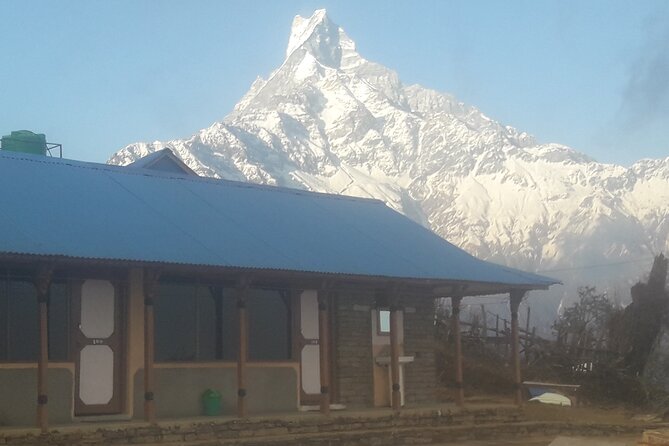
Your start time is listed as 11:45 pm, which usually signals a night departure so you can reach the trail start point (Kande) and start hiking early enough to use the day well.
Pros:
- You’ll likely waste less daylight on slow driving.
- It can help you keep the itinerary on track across five days.
Cons:
- It’s a long travel day. If you don’t sleep well, the early hike can feel harder.
- If you’re sensitive to fatigue, do not treat this as an easy start. Plan rest before the pickup.
If you’re booking, I’d treat the 11:45 pm time as a real factor in your decision. It’s not a detail you can ignore.
Day 1: Dhampus to Deurali via Kande’s forest trail
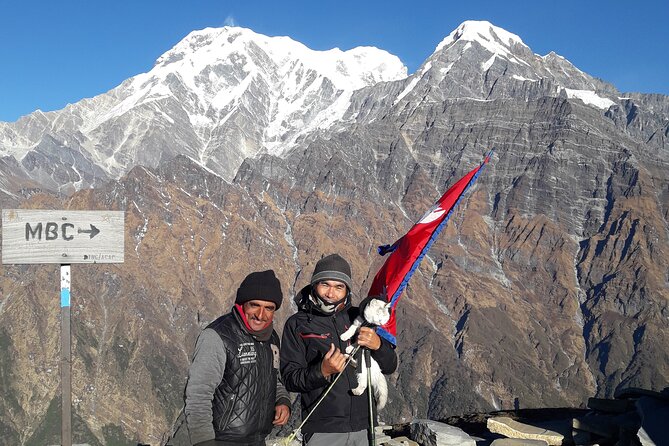
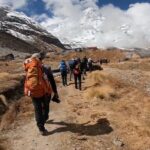
Day 1 starts with a drive of about 1–1.5 hours from Pokhara to Kande. Then you begin trekking from Kande to Deurali, roughly 5 hours on the move.
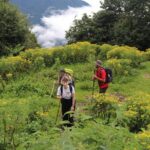
This day is about warming up the body and getting your bearings. The trail passes through lush forests, and you get glimpses of Annapurna South and Hiunchuli along the way. Those partial views matter because they give you a sense of what you’re chasing without waiting until High Camp.
Overnight is in Deurali. That lodge night is your first real recovery block, so don’t try to “win” the first day by going too fast. Keep your effort steady. You’re still early in the altitude climb.
Day 2: Forest Camp (2600m) to Low Camp, and why lunch stops keep you sane
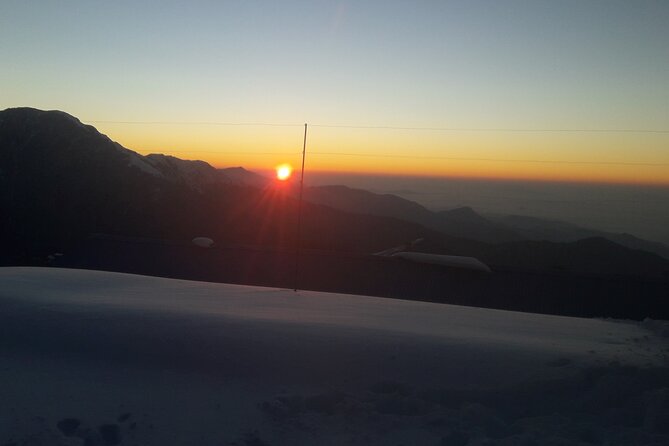
Day 2 is built around a clear rhythm:
- After about 4 hours, you reach Forest Camp (2600m) for lunch.
- Then you continue on to Low Camp, with the total trek time listed around 6 hours from Pothana.
- Overnight is at a lodge.
The altitude shift here is meaningful, but the day is structured so you have a built-in reset at Forest Camp. Lunch at 2600m means you can eat, hydrate, and regroup before pushing further.
Also, the route includes panoramic views along the way. On days like this, those views are not just pretty. They help your motivation when the climb feels steady-but-long.
What to watch for: Day 2 sets up Day 3. If you burn your energy too early, High Camp day becomes tougher. Let the guide pace you.
Day 3: Low Camp to High Camp (3700m) for Machhapuchhre’s big moment
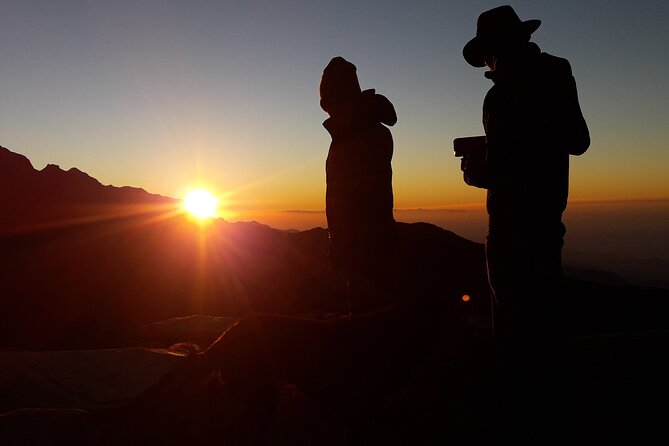
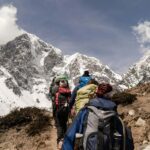
Day 3 is the “wow” day for the main skyline. You trek from Low Camp to High Camp at 3700m in about 4 hours, then spend the night at a lodge.
The route highlights:
- Machhapuchhre (often called Fishtail)
- Annapurna South
This is where the trek’s altitude work pays off. High Camp is high enough that your viewpoints open up, and Machhapuchhre becomes a focal point rather than a background silhouette.
From a practical standpoint, Day 3 is also where you want to be extra careful with energy. You don’t need to rush to get there, and you don’t want to arrive wiped out. A good guide will manage that, and this operator’s guides are described as pacing thoughtfully.
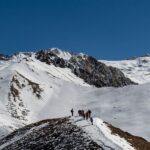
At High Camp, expect cold conditions. That’s one reason the package includes microspikes and a -25°C sleeping bag. Even if you’re not trekking in deep winter, traction and real warmth are still useful at 3700m.
Day 4: Mardi Himal Base Camp (or the shorter viewpoint) then down to Badal Danda
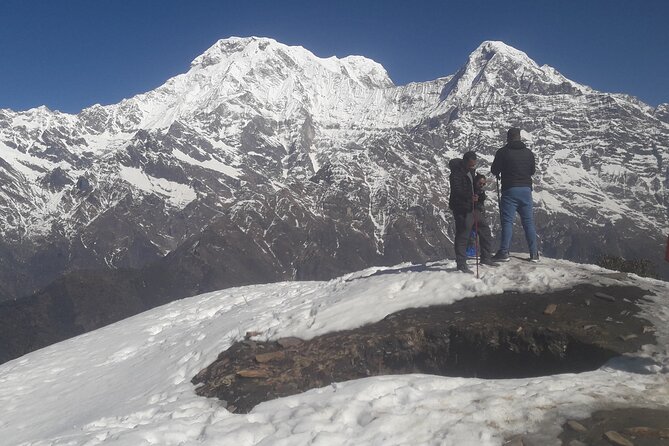
Day 4 starts with a hike from High Camp to Mardi Himal Base Camp, listed as about 4–5 hours round trip.
Important detail: you have a built-in shortcut option. If you prefer less walking, you can trek to a viewpoint halfway instead. That gives you flexibility if weather, energy, or altitude makes the full base camp feel like too much.
After returning, you descend to Badal Danda (3210m) for the overnight lodge.
This day has two “legs,” and the order matters:
- Base Camp push (effort day)
- Descent to Badal Danda (recovery step)
That descent is a real help for your legs. It can turn a tough day into a manageable one.
If you care about getting the most from your photos, Day 4 is also the day to slow down when the views are good. The time window at the top can be short depending on light and weather, and being calm helps you enjoy it.
Day 5: Badal Danda to Siding Village, then back to Pokhara
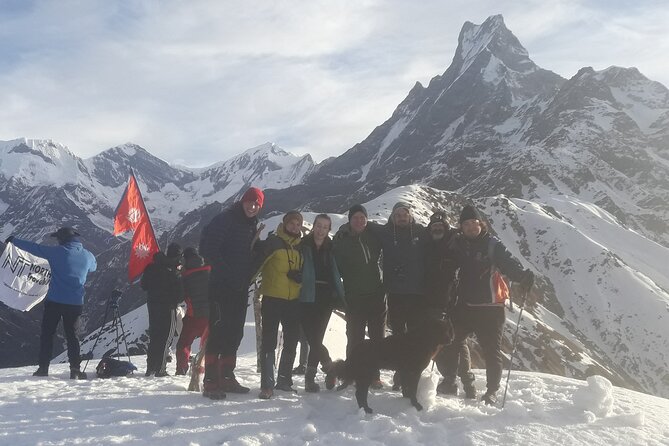
Day 5 is less about climbing and more about finishing cleanly.
- You trek about 5 hours from Badal Danda to Siding Village.
- After reaching Siding Village, you drive back to Pokhara.
- The trek can also be extended by one day: Siding to Lwang via Ghalel takes about 5–6 hours, then you return to Pokhara.
This structure is good for recovery. You’re not jumping to a higher camp at the end. You’re closing out the trek with a walk that still lets you enjoy the region, then you get transport back.
A quick note: because drinks aren’t included, you’ll want to plan for water during the last day too. One practical tip from real trek experience here: water can get pricey on the route, so don’t assume you can buy enough whenever you feel thirsty. Budget and plan ahead.
Guides and porters: where the trek’s quality actually shows
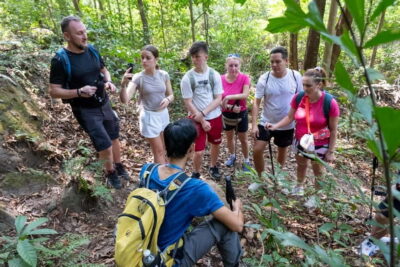
This trek’s biggest strength is the people. The guides connected to this experience are described as:
- arriving punctually
- keeping trekkers comfortable with pace adjustments
- being fluent in English
- sharing culture and trekking know-how
- staying supportive and attentive throughout
Names that show up in past guide/porter pairings include Bhim and Saugat Tamang, with porters like Tashi Tamang, Menjom, Kazoo, Manjung, Sabin, and Gobinda. Your exact team depends on dates, but the common thread is care: getting help with your stuff, watching your timing, and keeping you moving in a way that feels human.
The porter ratio is also a big deal. With one porter for every two trekkers, you’re not fully self-supported on a multi-day trek. That shifts your focus to walking, acclimating, and enjoying the views rather than carrying everything.
If you’re trekking with someone new to altitude walking, a supportive guide matters even more. It turns a trek from a fitness test into a confident journey.
Lodges and the included meals (what to expect at altitude)
You’ll be sleeping in lodges during the Mardi Himal portion. The package specifically mentions clean lodge accommodations along the way.
Meal coverage is also strong:
- Breakfast: 4
- Lunch: 5
- Dinner: 4
Practically, that means you’re rarely stuck wondering where your next meal will come from. On hiking days, lunch stops give you fuel at the right time instead of late-afternoon energy crashes.
And because you’re trekking at elevations up to 3700m, your food timing matters. If you’re eating consistently and not skipping meals, you’ll find the hike feels steadier.
One more practical reality: drinks are not included. Water and other drinks can cost extra. I’d treat that as normal on the trail and plan accordingly.
Packing and comfort: making use of what’s included (and what isn’t)
This package includes:
- Microspikes
- Trekking poles
- A sleeping bag for minus-25°C
- A kitbag for storing belongings
That’s useful because it covers some of the costlier and harder-to-choose gear items. If you don’t already own winter-traction gear, not having to source it before Nepal is a real convenience.
What’s not included is drinks, personal insurance, plus Kathmandu and Pokhara accommodation and meals. So if you arrive early or want extra downtime in Pokhara, you’ll need to budget for that separately.
For comfort, I’d focus your packing on layers that work in cold mountain mornings and on days with sun-to-shadow shifts. High Camp conditions are not the place to feel under-prepared.
Who this private Mardi Himal trek suits best
This is a great fit if you:
- Want a private experience with your own group
- Prefer steady guidance over trial-and-error hiking
- Care about big viewpoints toward Machhapuchhre and Annapurna South
- Appreciate that the trek includes key logistics like permits, meals, and cold-weather gear
It’s also a good choice if you’re trekking in colder seasons, since the package includes microspikes and a very cold-rated sleeping bag.
Where it might not fit:
- If you’re not comfortable with altitude walking up to 3700m
- If the late start time (11:45 pm) is a deal-breaker
- If you dislike any trek where you must manage water costs out of pocket
Should you book this Private Mardi Himal Trek for your dates?
I’d book if you want a well-run trek that handles the expensive friction points for you: permits, most meals, lodge stays, guide and porter support, and even cold-weather traction and sleep gear. The itinerary also gives you flexibility on Day 4 with the option to choose the full base camp hike or a shorter halfway viewpoint.
I’d think twice if your schedule or body can’t handle a late-night start or if 3700m is beyond your comfort zone. The trek is built for moderate physical fitness, not couch-to-peak.
If you do book, one smart move is to confirm your guide assignment if the female-guide aspect is important to you. Then you can go in with confidence and focus on the views.
FAQ
How long is the Private Mardi Himal Trek?
It’s listed as about 5 days.
Where does the trek start and when do you meet?
You start in Pokhara, and the listed start time is 11:45 pm. The plan includes driving from Pokhara to Kande on Day 1.
Is this a private trek or do I share with other groups?
This is a private tour/activity, meaning only your group participates.
What permits are included?
The trek includes an ACAP permit and a TIMS card permit.
What gear is included in the package?
Included gear lists microspikes, trekking poles, and a sleeping bag rated for minus-25 degrees. A kitbag is also provided for storing belongings.
What’s not included in the price?
Not included: drinks, personal insurance, and accommodations and meals in Kathmandu and Pokhara. Tips for the guide and porter are also not included.