REVIEW · POKHARA
Kathmandu: 9-Day Annapurna Circuit Trek via Thorong La Pass
Book on GetYourGuide →Operated by MTA Trekking Pvt. Ltd. · Bookable on GetYourGuide
Thorong La is the day you remember. This 9-day Annapurna Circuit trek takes you from gentler valley paths and Tibetan villages up to Thorong La Pass at 5,416m, with big views of Annapurna, Dhaulagiri, and Machapuchare. I like how the route mixes classic trekking towns with real people—especially around Upper Pisang, where you’re more likely to linger than just pass through. The main thing to consider is the cold: tea house nights at altitude can feel serious, so plan for winter-style conditions even when the lower hills look mild.
What makes this trek worth it is also what makes it demanding. The pass day is tough, and the descent can feel longer than the climb. Food in tea houses is satisfying but can get repetitive, so I’d treat it like fuel, not fine dining—and bring a proper sleep setup for the temperature.
In This Review
- Key highlights worth planning around
- Day-by-day: from Kathmandu roads to Dharapani trails
- Chame to Upper Pisang: the steady climb with cultural payoff
- Upper Pisang to Manang: big viewpoints and a real acclimatization setup
- Manang to Yak Kharka: shorter day, smarter altitude strategy
- Yak Kharka to Thorong Phedi: moving toward the pass base
- Thorong La at 5,416m: the early start and the long payoff
- Tea houses, meals, and the cold reality up high
- Muktinath: finishing the trek with pilgrimage energy
- Guides, pacing, and why the human touch matters
- Best seasons and what weather can do to your plans
- What to pack (so Thorong La doesn’t win)
- Value check: what’s handled for you vs what you must cover
- Should you book this Annapurna Circuit trek via Thorong La Pass?
- FAQ
- What is the highest point on this trek?
- How long is the tour?
- What language will the guide speak?
- Are trekking permits and TIMS included?
- What kind of accommodation do I get during the trek?
- Is there an acclimatization day?
- When do you start crossing Thorong La Pass?
- Is Muktinath part of the route?
- Who should avoid this trek?
Key highlights worth planning around
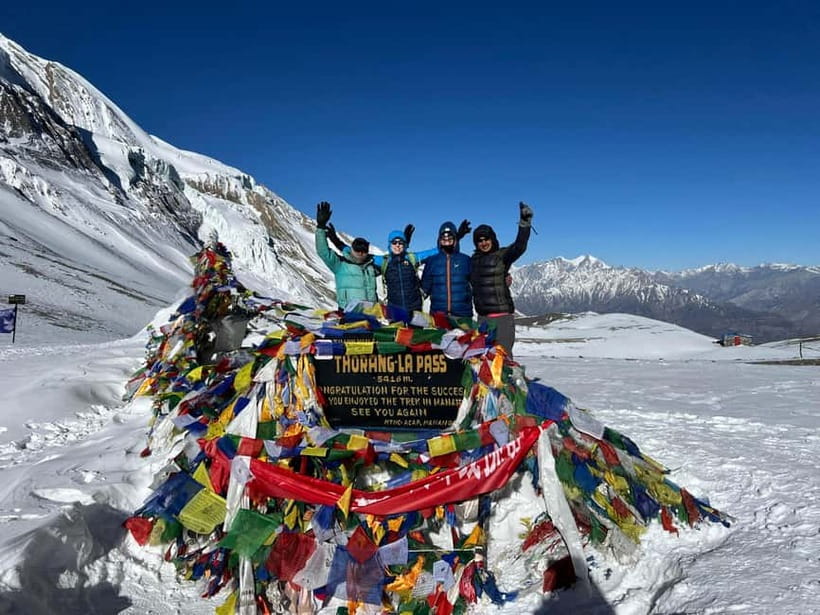
- Thorong La Pass (5,416m): start early to beat wind and get over the top with the prayer-flag views
- Upper Pisang + Bhratang Valley: a strong culture stop with mountain views that reward slow walking
- Manang acclimatization (4,050m): a built-in rest day so your body has a better shot at handling higher altitude
- Yak Kharka pacing: a shorter day that helps you adjust before you hit the base-camp area
- Muktinath Temple: a real spiritual finish that blends Hindu and Buddhist pilgrimage traditions
Day-by-day: from Kathmandu roads to Dharapani trails
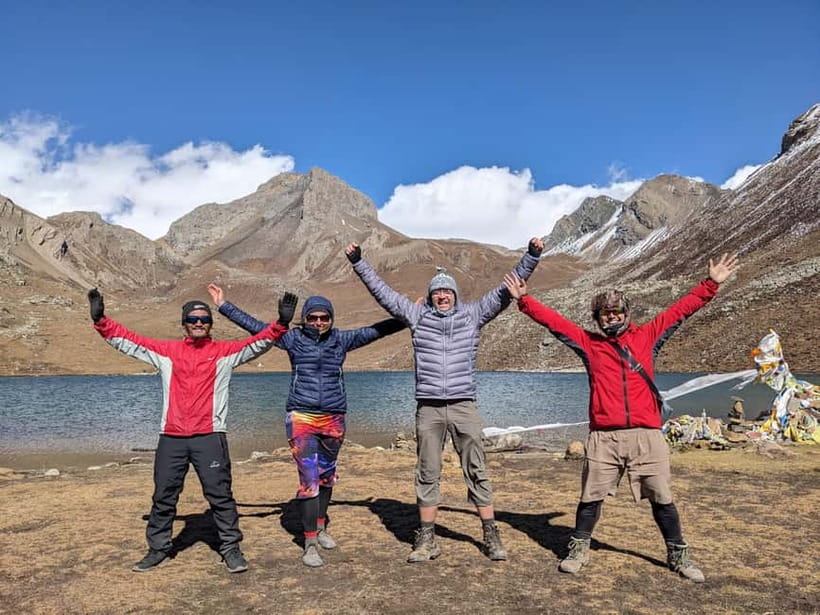
Day 1 is travel day with a few “this is real” moments. You get picked up early in the Kathmandu area and head to Besisahar by public bus (about 7–8 hours over roughly 175 km). Then you switch to a shared jeep to Dharapani, bouncing through terraced fields and small villages while Himalayan peaks appear in the distance like a quiet countdown. You sleep that night in a cozy teahouse.
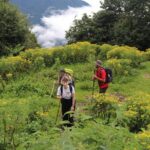
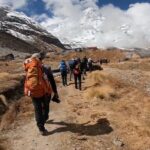
Day 2 turns the page to trekking, and it’s a good first taste. You walk from Dharapani to Chame (about 6 hours, roughly 13 km, up to around 2,670 m). The trail moves through Bhote villages and pine/oak forest, plus more open stretches with streams and wide views. Chame is a classic early stop—simple, functional, and exactly what you want before altitude starts talking back.
You can also read our reviews of more tours and experiences in Pokhara.
Chame to Upper Pisang: the steady climb with cultural payoff
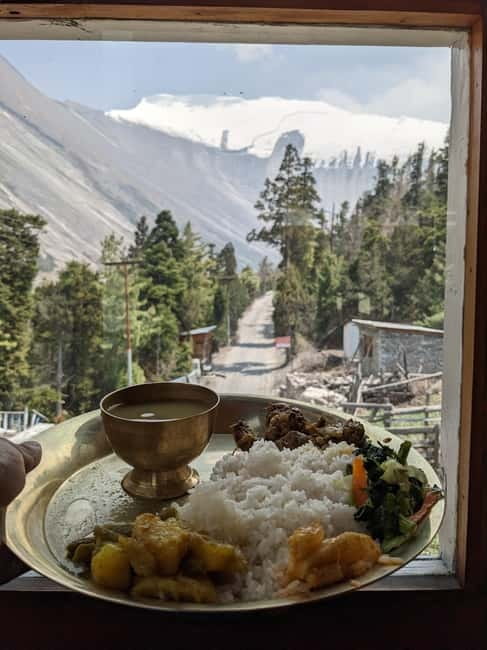
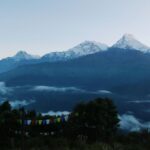
Day 3 is where the trek starts feeling more alpine. You go from Chame to Upper Pisang (about 5–6 hours, around 15 km, up to roughly 3,200 m). The climb is steady via the Bhratang Valley, and your eyes will keep snagging on Lamjung Himal and neighboring peaks. Upper Pisang itself is a win because you’re not just transiting—you get time to explore the village, meet locals, and enjoy that mix of high-country life and mountain-focused culture.
Practical note: at this point, your pace matters. If you walk fast because you feel good, altitude can punish you later. I like that this itinerary keeps the early days manageable enough to build rhythm rather than max effort.
Upper Pisang to Manang: big viewpoints and a real acclimatization setup
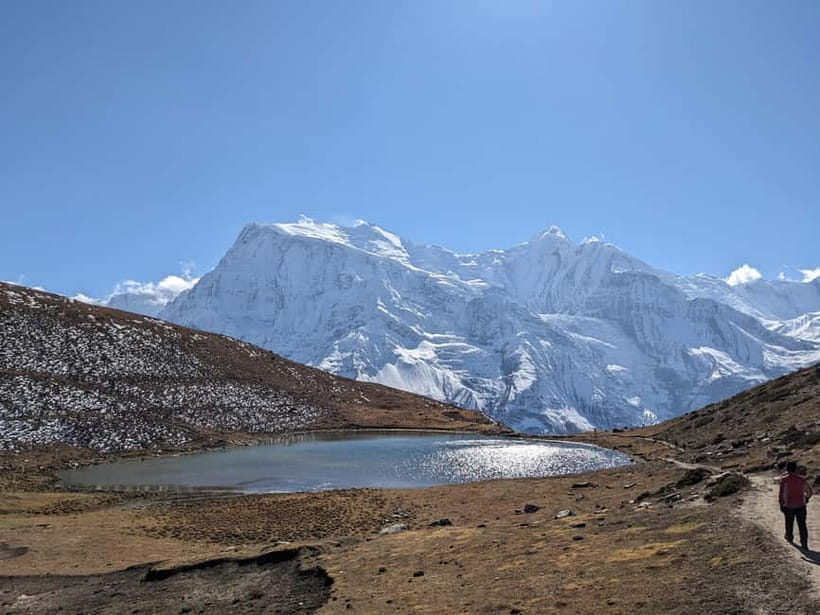
Day 4 continues the climb to Manang (about 5–6 hours, around 16 km, up to roughly 3,540 m). You’ll pass through forests and valleys, then start getting framed views of Tilicho Peak, Annapurna III, and Annapurna IV. Manang arrives like a change in atmosphere—busier than some of the smaller villages, and higher up, so you feel the thinner air.
Then Day 5 matters more than people think. You acclimatize in Manang at about 4,050 m, with an optional hike to Gangapurna Glacier Lake or nearby icefalls if you feel up to it. This is the part that often decides how you feel on pass day. If you skip it because you’re eager, you might regret it when Thorong La starts breathing down your neck.
Manang to Yak Kharka: shorter day, smarter altitude strategy
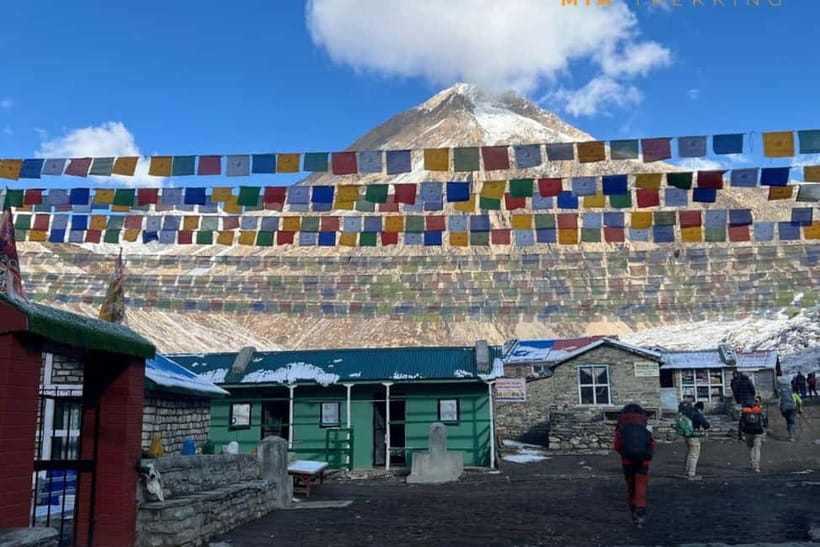
Day 6 is a shorter trek from Manang to Yak Kharka (about 4 hours, around 7 km, around 4,050 m). That reduced distance is not just for comfort—it’s for adjustment. The walking takes you through alpine pastures with sweeping mountain views, and the air tends to feel crisp and thin.
This day is also a great time to get your routine right: how often you drink, how you layer your clothing, and how you manage effort on climbs. On a circuit like this, small habits can save you from bigger struggles later.
Yak Kharka to Thorong Phedi: moving toward the pass base
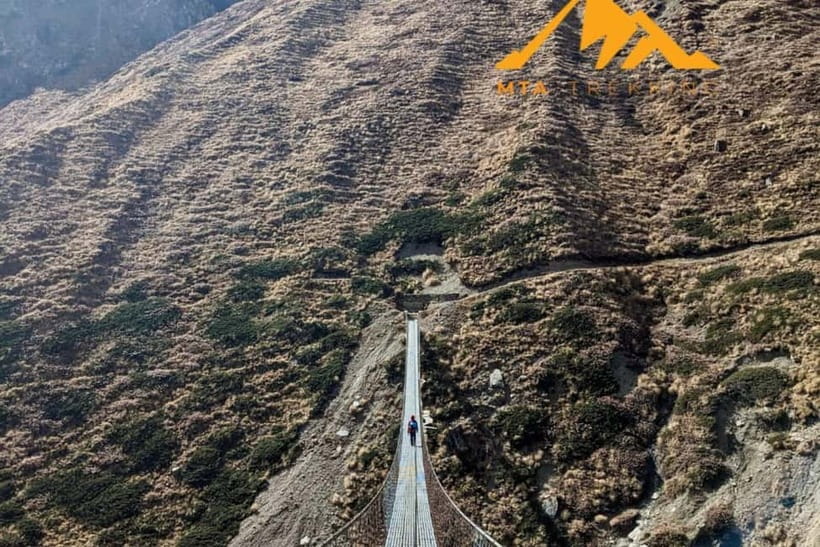
Day 7 brings you from Yak Kharka to Thorong Phedi (about 4–5 hours, around 6 km, up to about 4,450 m). Expect rocky paths and suspension bridges, plus the feeling that you’re nearing a different world. Thorong Phedi is your base-camp area for the big crossing, and the goal is to settle in, eat well, and sleep as early as possible.
If you’re the type who lies awake replaying every step in your head, this is the day to prep mentally. Tomorrow starts before sunrise, and the less you stress about it tonight, the better your body responds.
Thorong La at 5,416m: the early start and the long payoff
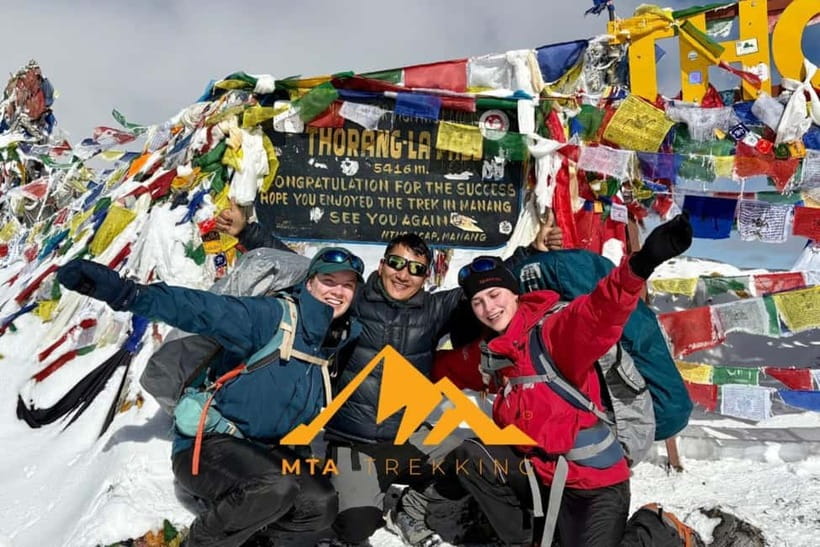
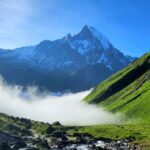
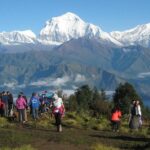
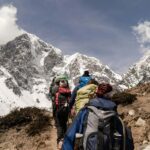
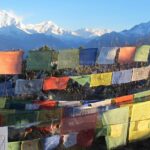
Day 8 is the headline. You start around 4:00 AM to cross Thorong La Pass (5,416m) before the winds pick up. The climb is challenging—uphill altitude fatigue is real, and it doesn’t care how strong you feel in the moment. But the top is exactly the kind of reward that makes the suffering feel organized. Prayer flags mark the summit, and the panoramas stretch wide across the high Himalaya.
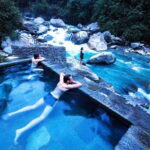
After you clear the pass, you descend steadily toward Muktinath and typically arrive around 12–1 PM. Then it’s lunch, a teahouse stay for the night, and a chance to reset after a long day. If you want a muscle reset, there’s an optional trip to Tatopani hot springs, but the taxi cost is not included (about USD 50 to pay yourself).
This is also the day when you’ll appreciate the choice to pace earlier. If you saved energy on Day 6 and rested properly in Manang, Day 8 feels hard—but doable. If you rushed the earlier days, it can feel like you’re climbing the pass twice.
Tea houses, meals, and the cold reality up high
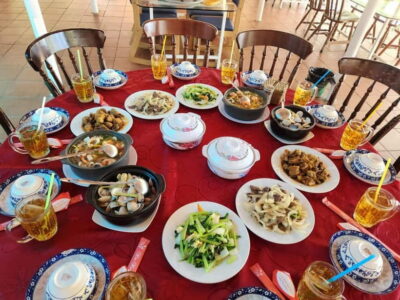
Tea house lodging is basic—this is Nepal high-country trekking, not boutique camping. You’ll be sleeping in teahouses/lodges for 8 nights during the trek, and the itinerary includes one night in Pokhara at a tourist-standard luxury hotel (Hotel Orchid). During the trek, meals are handled for you on a full package booking (breakfast, lunch, and dinner).
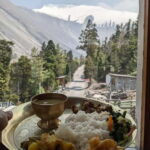
I’d manage expectations on food. It’s tasty and energy-focused, but it can be fairly similar day to day. Also, the cold can surprise you. One of the strongest practical tips from the experience is to bring a proper sleeping bag, not just a light liner. Your comfort on the cold nights directly affects your appetite and your walking pace the next morning.
Muktinath: finishing the trek with pilgrimage energy
Day 8’s descent ends at Muktinath, and this isn’t just a pretty viewpoint finish. Muktinath Temple is a pilgrimage site for both Hindus and Buddhists, so you get that sense of ritual and purpose as the trek wraps up. It’s a good contrast after days of moving through valleys and villages—suddenly the goal is spiritual rather than scenic.
That matters because it changes the tone. You’re not just relieved to finish; you have a meaningful place to land.
Guides, pacing, and why the human touch matters
What really drives quality on a trek like this is the human layer: guidance, pacing, and how seriously they take altitude. This program includes an authorized, English-speaking trekking guide (English and Hindi), with a porter available for extra cost if you want help carrying your load.
The positive stories around the guides are consistent. People praise guides like Parkash and Sishir for checking in often, offering help during the toughest segments, and pushing sensible acclimatization rather than bravado. Other names that come up with strong feedback include Ramit, Ghanshyam, and Chakra, with emphasis on safety and keeping you hydrated.
In other words: you’re not just buying a route on a map. You’re buying a system for managing effort. On the pass day, that system helps you stop before you get overwhelmed and start moving again with purpose.
Best seasons and what weather can do to your plans
The best time to trek this route is spring (March–May) and autumn (September–November). These seasons typically give clearer skies and good visibility, and they also tend to feel more comfortable temperature-wise. Spring can bring warmer days and blooming scenery, while autumn often offers mild temperatures and sharper views.
Avoid the monsoon season (June–August). Heavy rain means slippery trails and worse trail conditions. Winter (December–February) is cold and snowy, and there can be trail closures—so you’ll want flexibility if you’re planning a winter adventure.
What to pack (so Thorong La doesn’t win)
Your packing list here is simple, but it needs to be complete. Bring comfortable shoes that can handle steep descents. Add sunglasses, a sun hat, and sunscreen—high altitude sun can be sneaky. Wear quick-dry clothing and pack layers, because mornings near the pass can feel much colder than afternoons.
Also bring your passport or ID card (a copy is accepted). And please, don’t treat sleep gear casually. The cold at altitude is real, and a proper sleeping bag is strongly worth it.
One more rule that keeps things safer: alcohol and drugs are not allowed. You’ll feel better and sleep better if you follow that.
Value check: what’s handled for you vs what you must cover
This trek’s value comes from the operational stuff being managed. You get hotel pick-up and drop-off services, trekking permits and paperwork (including TIMS), tea house/lodge accommodation during the trek, and meals if you choose the full package. The guide comes with insurance coverage, and the itinerary includes transportation out to the trail and back.
You also get a few logistics that make life easier:
- luggage storage facility
- specific transport legs like the bus ride from Kathmandu to Besisahar and shared jeep to Dharapani
- an AC sofa-seater bus for the long return leg from Pokhara to Kathmandu
What you should still budget for:
- soft and hard drinks
- travel and rescue insurance (your responsibility)
- international flights and Nepal visa fee
- personal expenses like laundry, phone use, and battery recharge
- extra costs if you need nights in Pokhara/Kathmandu outside the scheduled plan
- optional Tatopani hot springs taxi cost (about USD 50)
In short, you’re paying for a guided, permit-supported route with real altitude structure. If you’re comfortable with trekking basics and want someone to handle the paper and the flow, this is a good fit.
Should you book this Annapurna Circuit trek via Thorong La Pass?
Book it if you want a classic high-altitude circuit that combines big mountain days with real village moments, and you’re willing to handle cold nights and a tough pass day. The built-in acclimatization in Manang is a strong reason to choose this version over shorter, more rushed schedules, and the early-start pass crossing is clearly planned.
Skip it (or talk to a doctor first) if you’re in a risk group listed as not suitable: children under 7, pregnant women, people with altitude sickness, or anyone with high blood pressure. And if you hate cold, very basic lodging, and the idea of repeating meals as fuel, consider a gentler trekking route.
If you’re reading this and thinking, I can handle hard, cold mornings—then you’re exactly the kind of traveler who will come back smiling, legs tired, and still talking about that pass.
FAQ
What is the highest point on this trek?
Thorong La Pass reaches 5,416 meters above sea level.
How long is the tour?
The trek and transfers total 9 days.
What language will the guide speak?
The guide is authorized and speaks English and Hindi.
Are trekking permits and TIMS included?
Yes. Trekking permits, TIMS fees, and required paperwork are included.
What kind of accommodation do I get during the trek?
You’ll stay in tea house/lodge accommodation for 8 nights during the trek.
Is there an acclimatization day?
Yes. You acclimatize in Manang on Day 5 at about 4,050 meters, with an optional hike if you feel up for it.
When do you start crossing Thorong La Pass?
You typically start very early, around 4:00 AM on the pass day.
Is Muktinath part of the route?
Yes. After descending from Thorong La Pass, you reach Muktinath and stay overnight.
Who should avoid this trek?
It’s listed as not suitable for children under 7, pregnant women, people with altitude sickness, and people with high blood pressure.