REVIEW · POKHARA
From Pokhara: 5-Day Annapurna Basecamp Trek with Hot Springs
Book on GetYourGuide →Operated by Snow Peak Tours and Travels pvt. ltd. · Bookable on GetYourGuide
You’ll feel the Annapurna massif up close. This 5-day trek from Pokhara pairs the big payoff of Annapurna Base Camp (4,130m) with a very real, very welcome finish at Jhinu Danda hot springs, plus village life along the way. I love how the route mixes forests, terraced farms, and Gurung/Magar and Tibetan-influenced communities, so the trek feels like moving through Nepal, not just climbing elevation.
My favorite part is the support. An English-speaking government-registered guide helps you pace the steep bits, manage tea-house stops, and keep things running smoothly with transport from Pokhara. One thing to plan for: it is a cold, physically demanding trek at altitude, and the itinerary includes steep ascents/descents plus long walking days in the 5–7 hour range.
In This Review
- Key takeaways before you commit
- Entering the Annapurna Base Camp rhythm from Pokhara
- Day 1: Drive to Jhinudanda and the first push toward Chomrong or Sinuwa
- Day 2: Rhododendron and oak forests up toward Himalaya (2,900m)
- Day 3: The long day into Annapurna Base Camp (4,130m)
- Day 4: Bamboo and the careful descent back down from base camp
- Day 5: Bamboo down to Jhinu Danda hot springs and back to Pokhara
- Culture on the trail: Gurung, Magar, and Tibetan-influenced villages
- Why the guides here make a real difference
- Price and value: what $155 covers and what costs extra
- Tea houses, meals, and the basics of comfort at altitude
- A tough hike needs a smart packing list
- Timing, effort, and how to pace a 5-day schedule
- Should you book this Annapurna Base Camp trek with hot springs?
- FAQ
- What is the highest altitude on this trek?
- How long is the trek from start to finish?
- Where does the trek start?
- Do I get hot springs after the hike?
- Is a guide included?
- What permits are included?
- Are meals included?
- Do I need to submit a passport copy?
- Is travel insurance required?
- Can I add a porter?
- What should I pack for cold and rain?
Key takeaways before you commit
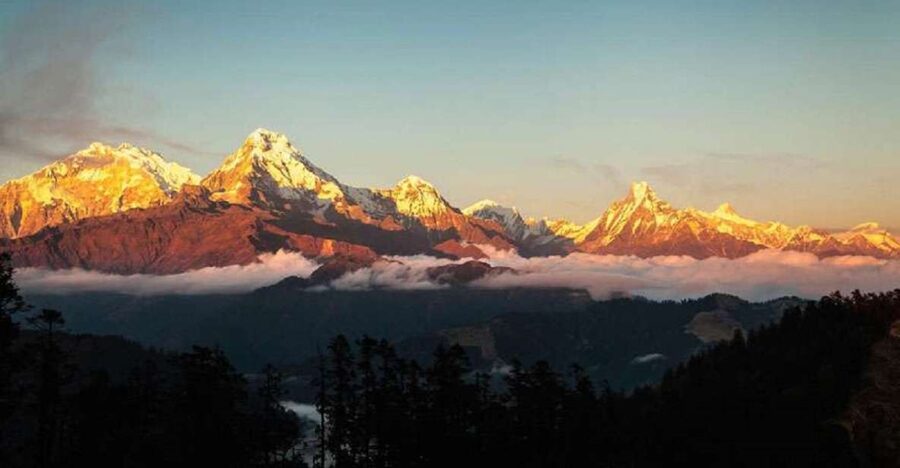
- Base Camp at 4,130m: you get the classic Annapurna range views in a short 5-day plan.
- Tea houses all the way: basic but practical lodging and meals where you can warm up and refuel.
- Forest-to-village trekking: rhododendron, oak, bamboo, and traditional settlements along the climb.
- Jhinu Danda hot springs stop: included hot-springs entry as your end-of-trek reset.
- Private guiding and transport: pickup from Pokhara area and a guide handling permits, food, and logistics.
Entering the Annapurna Base Camp rhythm from Pokhara
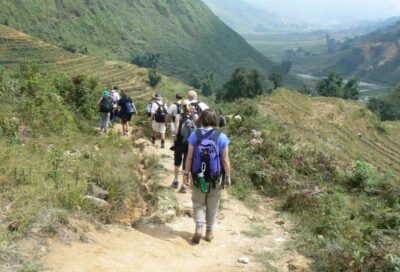
This trek starts in Pokhara, which matters more than people think. It puts you in a comfortable hub before the trail turns serious. You’ll take a drive out to the trailhead area (Matque/Jhinudanda), then ease into the hike with a first climb and a first taste of steep trail work.
On paper, the hike looks “moderately challenging.” In real life, that means you should expect days that keep your legs working even when the views are stealing your attention. Altitude climbs fast in a 5-day schedule, so the best strategy is simple: start steady, take breaks before you feel wrecked, and trust your guide to adjust pace.
And yes, the scenery is the headline. But what really makes this route feel rewarding is the contrast: dense forest in the earlier segments, village streets and terraces when you pass settled areas, and then the high-altitude focus as you head toward Annapurna Base Camp.
You can also read our reviews of more tours and experiences in Pokhara.
Day 1: Drive to Jhinudanda and the first push toward Chomrong or Sinuwa
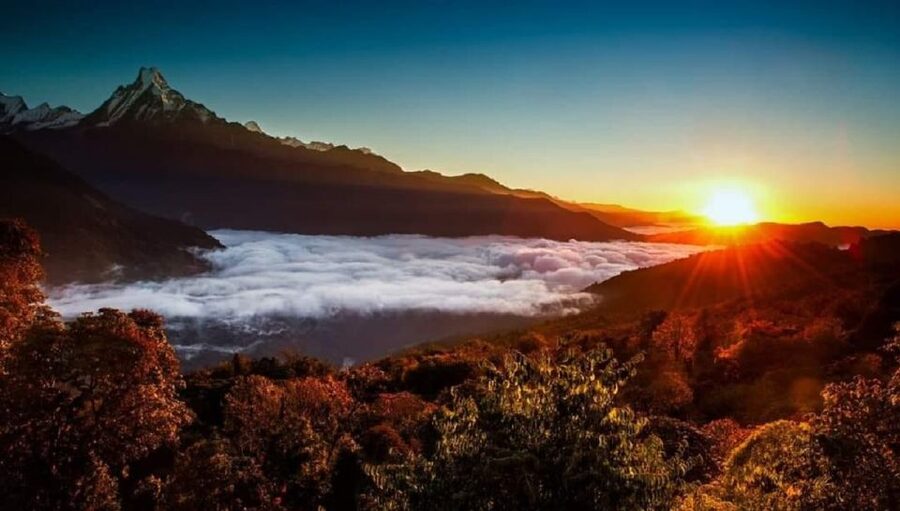
Your first day blends transport and hiking, which can feel like a slow start—until the trail begins. After pickup, you ride to the trailhead region near Jhinudanda/Matque (the drive is listed around 3 hours by jeep/SUV or bus/coach). Then it’s out on the trail for a trek that typically takes 4–5 hours.
You’ll walk to Chomrong (around 2,170m) or Sinuwa (around 2,340m) depending on the chosen route/overnight plan. This day is described as moderately challenging with some steep descents and a high-altitude feel early on. Translation: don’t assume the first walking day is easy just because it is Day 1. The footing can still be tiring, and you may feel the altitude before you truly understand it.
Why this stop is worth it: Chomrong/Sinuwa is one of those “gateway” areas where you start seeing how the Annapurna routes are built around local settlements. You’ll likely pass through terraced fields and village edges that show daily life, not staged tourism.
Practical tip: if you’re prone to “too fast” at the start, this is where you correct it. Your job on Day 1 is to reach camp without detonating your energy.
Day 2: Rhododendron and oak forests up toward Himalaya (2,900m)
Day 2 runs you from Chomrong/Sinuwa onward to Deurali, with an altitude mark around 2,900m for the Himalaya-area stop. Expect about 6–7 hours on the trail.
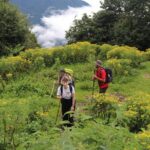
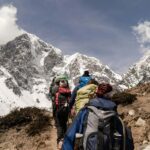
This is the forest day. The route goes through dense stands where rhododendron, oak, and bamboo are part of what you see and smell as you walk. It’s also described as having steep ascents and descents, so this is where your hiking rhythm really matters.
Why I like this day: it’s where you’re not staring at snow-capped peaks every second. Instead, you get a quieter kind of satisfaction—breathing, steady steps, and the sense that you’re climbing through Nepal’s climate zones in miniature. When mountain views do open up, they feel earned.
Possible drawback to consider: forest trekking can mean damp trail sections and cloud cover. Even if it looks fine at breakfast, weather can make the day feel colder once you’re deeper into the walk.
Day 3: The long day into Annapurna Base Camp (4,130m)
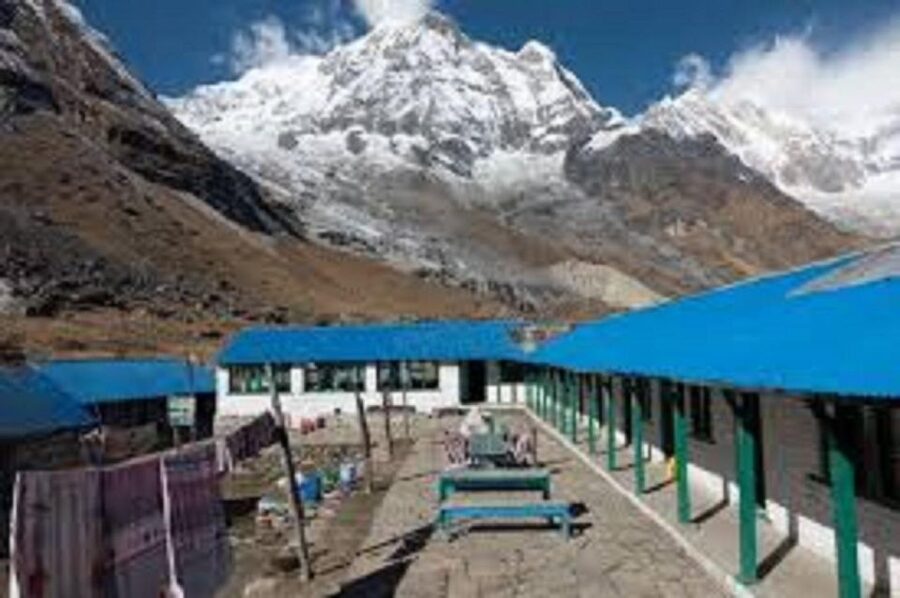
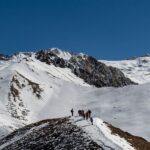
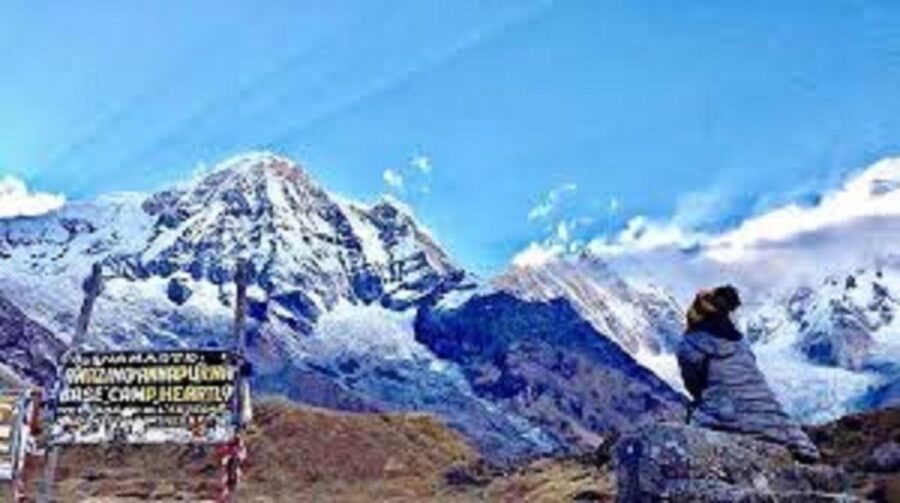
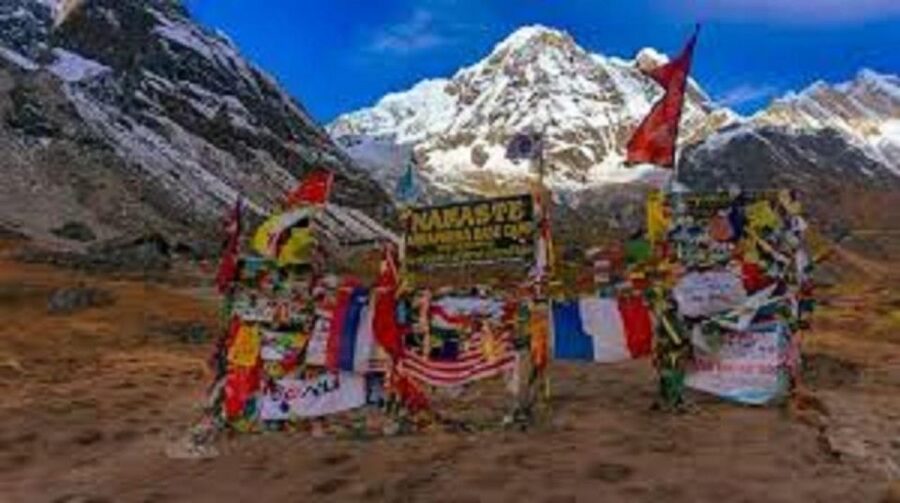
This is the day with the big destination energy. You trek toward Annapurna Base Camp (ABC) at 4,130m, with the walk typically taking 5–6 hours.
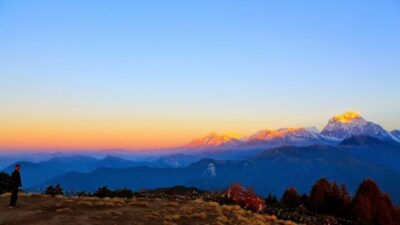
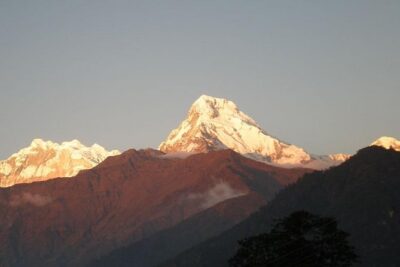
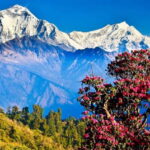
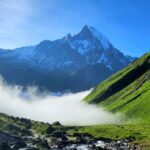
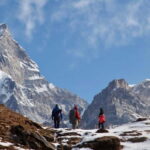
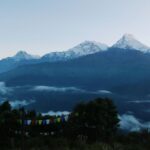
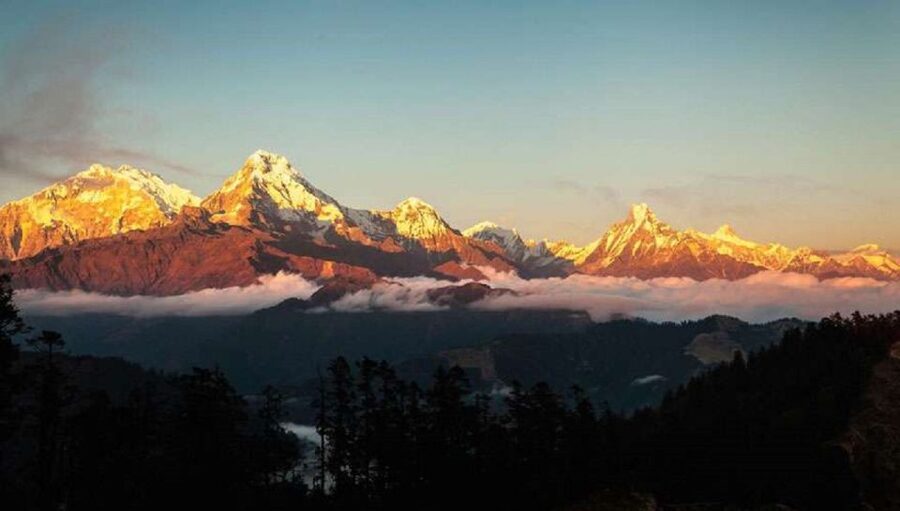
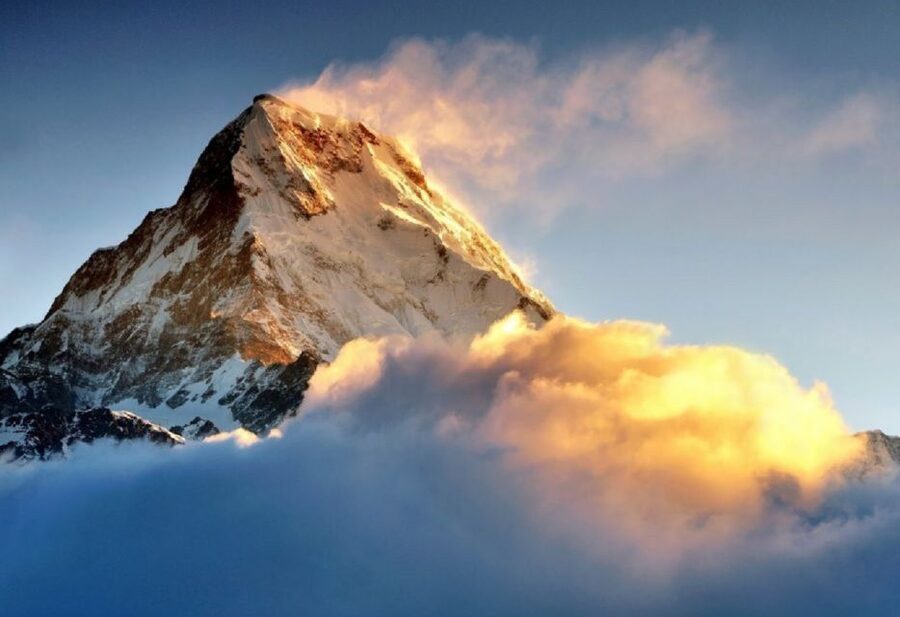
The route passes Machhapuchhre (Fishtail) Base Camp on the way, and you’ll see the classic Annapurna skyline pieces that people come for: Annapurna South, Annapurna I, Hiunchuli, and Machhapuchhre. ABC itself is the moment where the trek stops being about progression and becomes about standing still and taking it in.
The itinerary calls the day challenging, mainly due to steep sections and high altitude. Even if you feel okay climbing, it’s smart to plan for slower movement near the higher point. You may also notice that everything you do feels slightly louder: your breathing, your footsteps, the quiet of the higher tea-house areas when the sky is clearing.
What makes ABC special beyond the photo:
- You’re at the base of a whole system of peaks, so the scale hits differently than view points.
- You get a chance for a real pause—photo stop, sightseeing, and time to walk around at altitude.
- You’ll likely feel the emotional payoff, especially after a couple of cold starts.
Real-world comfort note: ABC altitude temperatures can be brutal. Bring warm layers and don’t underestimate how quickly your body cools when you stop moving.
Day 4: Bamboo and the careful descent back down from base camp
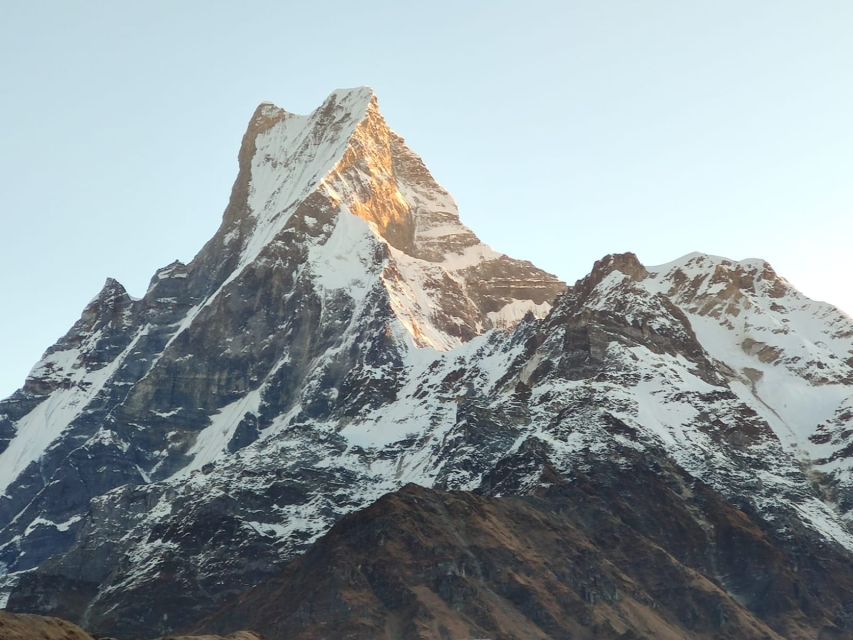
After ABC, you shift gears to descent. Day 4 goes from Annapurna Base Camp back to Bamboo (around 2,340m), with the walk taking 6–7 hours.
The trail is mostly downhill, but the itinerary flags steep sections. That’s important. Downhill sounds easier than it is when you’ve been climbing for days. Your knees and ankles will remind you that stairs still count as stairs.
Why Day 4 matters: it’s your recovery day in disguise. The goal isn’t to rush; it’s to manage fatigue so you can enjoy Day 5 and not limp into hot springs with regrets.
You’ll be passing through similar areas to the route you used on the way up. That reuse is helpful because it gives you visual context—you recognize the forest edges, settlement clusters, and trail rhythm you already learned.
Day 5: Bamboo down to Jhinu Danda hot springs and back to Pokhara
Day 5 is a mix of hiking and an end-to-end reset. You’ll trek from Bamboo to Jhinu Danda/Hot Spring (around 1,780m) for about 5–6 hours, then drive back to Pokhara, typically 2–3 hours.
The trail to Jhinu Danda finishes with the payoff you came for: natural hot springs. The hot-springs entry fee is included, so you can plan your body’s recovery without extra shopping.
Two things to expect:
- You’ll likely feel sore from the long descent. The hot springs help, but don’t treat them like a magic eraser.
- You may feel a little emotionally flat after the big destination. That’s normal. Your last day is more about restoring and finishing strong than chasing views.
The route also includes a photo stop at Jhinu Danda and time for guided visit/sightseeing before the drive back.
Culture on the trail: Gurung, Magar, and Tibetan-influenced villages
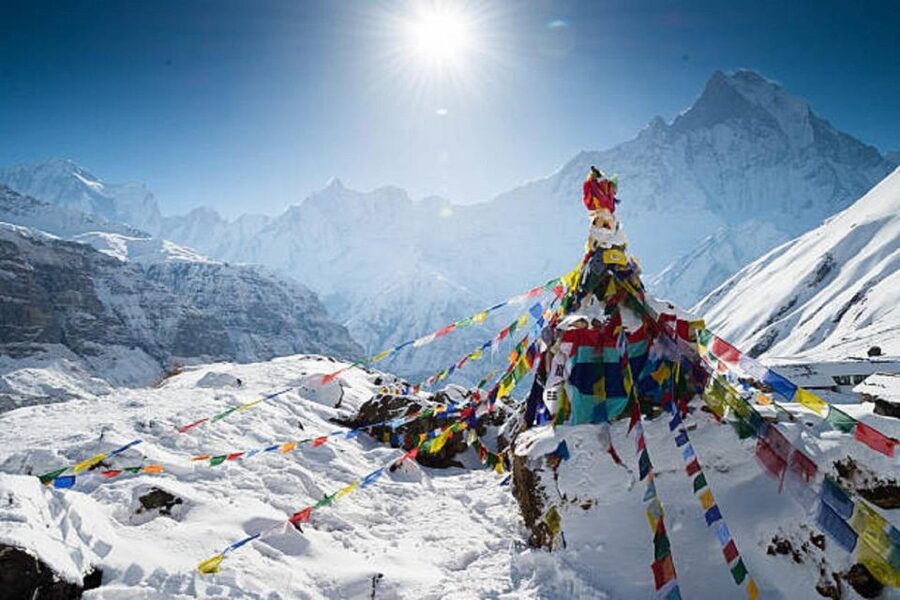
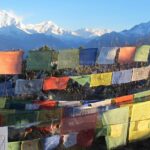
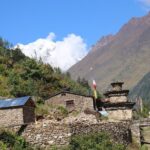
This trek isn’t just scenery. It runs through settlements shaped by Gurung and Magar communities, with Tibetan tribes also noted as part of the cultural mix along the trek. Even when you’re just passing through, you’ll see how daily life works at trail altitude—houses, food routines, and the way people manage guest flow in tea houses.
What I’d tell you to do: don’t rush past people in a hurry to “get your shots.” Ask a simple question to your guide—what this place is, what people do here, and why the route is organized this way. Your guide’s job is to connect the walking with context.
And the best thing about a good guide is how they handle conversations without turning it into a lecture. In the experiences shared with this operator, guides like Anil and Santosh are repeatedly praised for being supportive, patient, and ready with regional explanations that make the trek feel like it has meaning beyond distance.
Why the guides here make a real difference
This package includes an English-speaking government-registered trekking guide. Your guide handles practical stuff like food, accommodation, and coordination, plus the basics of safety (with a first aid kit included).
But the most valuable part is pacing and morale. Several guides tied to this route are specifically described as patient and motivating, especially during cold moments and longer hiking days. People mention names like Anil, Santosh, Uttam, Bishnu, and guide teams such as Candra & Sanik and Santos & Milo.
Also, one practical point: weather can force schedule changes. You should expect that, and it’s good when your operator adjusts fast while keeping the plan workable. There’s at least one account of the itinerary being changed due to weather, handled smoothly with the guides leading the group through the shift.
If you’re a first-time trekker, you’ll appreciate that your guide should be able to coach technique: how to take breaks, how to avoid overdoing it, and how to keep moving when your legs start bargaining.
Price and value: what $155 covers and what costs extra
$155 per person for 5 days can be a solid value for Nepal—especially because this setup includes more than just “a guide with a route.” Your included items cover key items that add up fast:
Included highlights:
- Round-trip transport between your hotel and the trek starting area (plus Pokhara return)
- Annapurna Conservation Area (ACAP) permit
- Meals throughout the trek (the exact set depends on your selected option)
- Basic tea house/lodge accommodation
- Hot springs entry fee
- Luggage storage in Pokhara
- A first aid kit
- Optional trek gear support if needed (duffel bag/trekking pole/trekking bag if required)
Not included (you should plan for these):
- Travel insurance (mandatory for your safety)
- Personal expenses and snacks/drinks
- Emergency rescue services
- Porter option at $20 per day if you want one
Here’s the value reality you should use to decide: this price makes sense if you’re comfortable with basic lodging, you’ll eat where the trek route offers meals, and you’re okay handling personal expenses separately. If you need a porter or want full coverage with insurance and extra comfort spending, your total trip budget will rise—but that’s true for nearly every trek.
Tea houses, meals, and the basics of comfort at altitude
Accommodation is in basic tea houses/lodges during the trek. That usually means simple rooms, shared dining spaces, and the same practical routine each evening: eat, warm up, and rest.
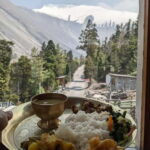
Meals are included depending on the selected option, and you’ll typically eat at your stops along the trail. This is not the time to expect gourmet dining. Instead, it’s about calories, warmth, and getting sleep.
What to do to make this part easier:
- Eat early when you can, especially on cold days.
- Bring layers you can adjust indoors, not just on the trail.
- Expect bathrooms and hot water to be basic at higher camps.
A tough hike needs a smart packing list
The tour gives a clear bring list, and I agree with all of it. Here’s what matters most for comfort and safety:
- Comfortable shoes plus hiking shoes (for grip on steep trail segments)
- Hat and hair tie (sun and wind can sneak up on you)
- Rain gear (weather can change fast)
- Change of clothes (you’ll appreciate it at the end)
- Warm layers for higher altitude (temperatures can vary significantly)
- Camera (the view opportunities are real)
- Cash (keep it for small purchases)
- Passport or a copy accepted
One more important administrative item: you’ll need to submit a copy of your passport at least one day before the trek so permits can be arranged with the Nepal government.
Timing, effort, and how to pace a 5-day schedule
This is a 5-day plan with real hiking time:
- Day 1: drive + 4–5 hours trek
- Day 2: 6–7 hours
- Day 3: 5–6 hours
- Day 4: 6–7 hours downhill
- Day 5: 5–6 hours trek + 2–3 hours drive back
That mix means you need to treat each day as training for the next. Your goal is not to win the trail; it’s to arrive tired enough to sleep well, not so exhausted you can’t enjoy ABC and the hot springs.
Practical pacing advice:
- Start slower than you think you can go on Day 1 and Day 2.
- Use your guide’s encouragement and rest breaks, not stubbornness.
- On Day 4, manage downhill carefully—short steps help more than speed.
Should you book this Annapurna Base Camp trek with hot springs?
I’d tell you to book if you want:
- A classic Annapurna Base Camp experience in a compact 5-day schedule
- Included hot springs at Jhinu Danda for a satisfying recovery finish
- A private group with a guide who handles permits, food, accommodation, and on-trail pacing
- A balance of big peaks and real village routes, including Gurung, Magar, and Tibetan-influenced communities
I’d pause before booking if:
- You hate cold and steep trail work, or you’re unsure about your fitness for long, demanding days at altitude.
- You don’t have travel insurance (this is mandatory here).
If you do book, plan for the cold, bring the right footwear, and don’t treat hot springs as a substitute for pacing. With a supportive guide and the included logistics, you’ll spend your energy on the hike instead of worrying about the moving parts.
FAQ
What is the highest altitude on this trek?
Annapurna Base Camp is listed at about 4,130m (13,550 ft).
How long is the trek from start to finish?
The duration is 5 days.
Where does the trek start?
It starts from the trailhead area near Jhinudanda/Matque, after transport from Pokhara.
Do I get hot springs after the hike?
Yes. Jhinu Danda/Hot Spring is part of the Day 5 plan, and the hot springs entry fee is included.
Is a guide included?
Yes. You’ll have an English-speaking government-registered trekking guide.
What permits are included?
The Annapurna Conservation Area (ACAP) permit is included.
Are meals included?
Meals are included throughout the trek depending on the option selected.
Do I need to submit a passport copy?
Yes. You must submit a copy of your passport at least one day before the trek so permits can be arranged.
Is travel insurance required?
Yes. Travel insurance is mandatory for your safety and peace of mind.
Can I add a porter?
Yes. A porter is available if needed for $20 per day.
What should I pack for cold and rain?
Bring comfortable shoes, hiking pants/shoes, a hat, rain gear, warm clothing for higher altitude, and a change of clothes. Cash is also recommended.